
Understanding Betrayal Trauma
Betrayal trauma occurs when someone you deeply trust—such as a partner, family member, or close friend—violates that trust in a way that feels emotionally or even physically devastating. Betrayal trauma directly affects the nervous system, altering how a person perceives safety, connection, and self-worth.
Betrayal Trauma is your experience of an event, series of events, or enduring conditions – it’s not the event but your unique experience of it. Trauma is relative and based upon vulnerability.
When the experience is intolerable, unexpected, and there’s a subjective threat to life, the brain’s ability to cope is overwhelmed and is unable to integrate the emotional experience.
Signs of Betrayal Trauma
Betrayal trauma can manifest in a variety of emotional, physical, and psychological symptoms, including:
✔ Deep emotional distress – Feelings of shock, rage, and devastation
✔ Loss of trust – Difficulty trusting others or forming new relationships
✔ Anxiety and depression – Persistent feelings of sadness, fear, or hopelessness
✔ Self-doubt and low self-worth – Internalizing the betrayal as personal failure
✔ Avoidance and dissociation – Mentally disconnecting from emotions and reality
How Betrayal Trauma Affects the Brain and Body
Betrayal trauma is more than just emotional pain—it rewires the brain’s response to stress, relationships, and even self-identity.
After traumatic betrayal, you experience trauma in the present tense as if it is happening now, the trauma becomes an obstacle to your future. You become fixated on the trauma, it becomes your identity because you begin to identify with your symptoms and believe it’s who you are.
You try to suppress the memories and wish it never happened, which interferes with your ability to be in the present moment. You are overwhelmed and your life becomes centered around not feeling.
It affects your feeling of safety and sense of belonging and isolation and will almost always affect your future relationships. Research shows that trauma disrupts the brain’s ability to regulate emotions, often leading to:
- Hypervigilance – Constantly feeling on edge or unsafe
- Feeling Numb – Shutting down feelings to avoid further pain
- Flashbacks and Intrusive Thoughts – Reliving the betrayal in overwhelming ways
- Dysregulated Nervous System – Alternating between anxiety, depression, and dissociation
How Betrayal Trauma is Stored the Brain
In conditions of extreme trauma, the brain is unable to process and store the memory properly as a cohesive narrative. It saves betrayal trauma in the brain and the body at the highest intensity and in the present tense, so when we remember the betrayal, it feels like it is happening again in the present moment.
The brain stores the betrayal in implicit memory, where it exists without words (which is why talk therapy doesn’t help resolve trauma and may even make it worse – see the Iatrogenic Harm).
As a result, sensory fragments of the experience remain unprocessed and disconnected, making them susceptible to resurfacing when triggered by present-day reminders.
How Trauma Triggers Keep the Cycle Going
Betrayal trauma often creates subconscious triggers, where small reminders of the past cause intense emotional reactions. Common triggers include:
- Seeing reminders of the experience or the person who caused the trauma
- Experiencing rejection or abandonment in other relationships
- Feelings in the body that were also felt during the betrayal
Triggers can keep people locked in cycles of anxiety, intrusive memories, and emotional shutdown.
Betrayal Trauma Has Left You Hopeless
You are constantly experiencing the betrayal in your daily life and it feels like the past is taking up all the space in your future. You feel like there’s no hope but recovery from betrayal is possible, and with proper support you can put the past into the past. Right where it belongs so you can experience the possibility the future and a new experience of the world can open up for you.
I know how to do that 🧠
For you.
Let’s connect.
Heal the Past
Release the Past.
Embrace the Future.
REVIEWS



















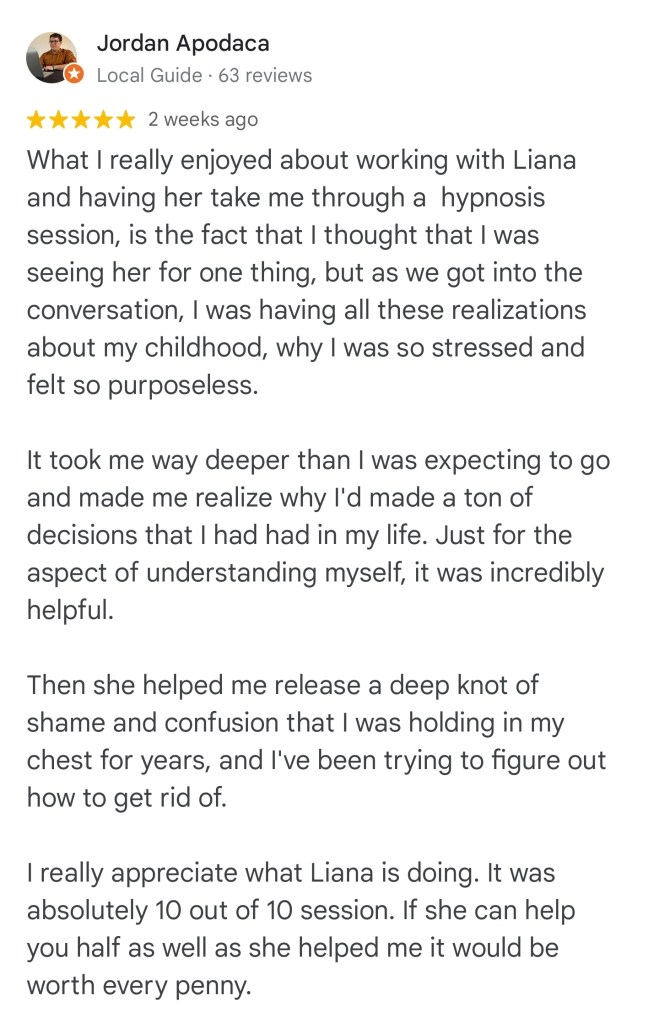




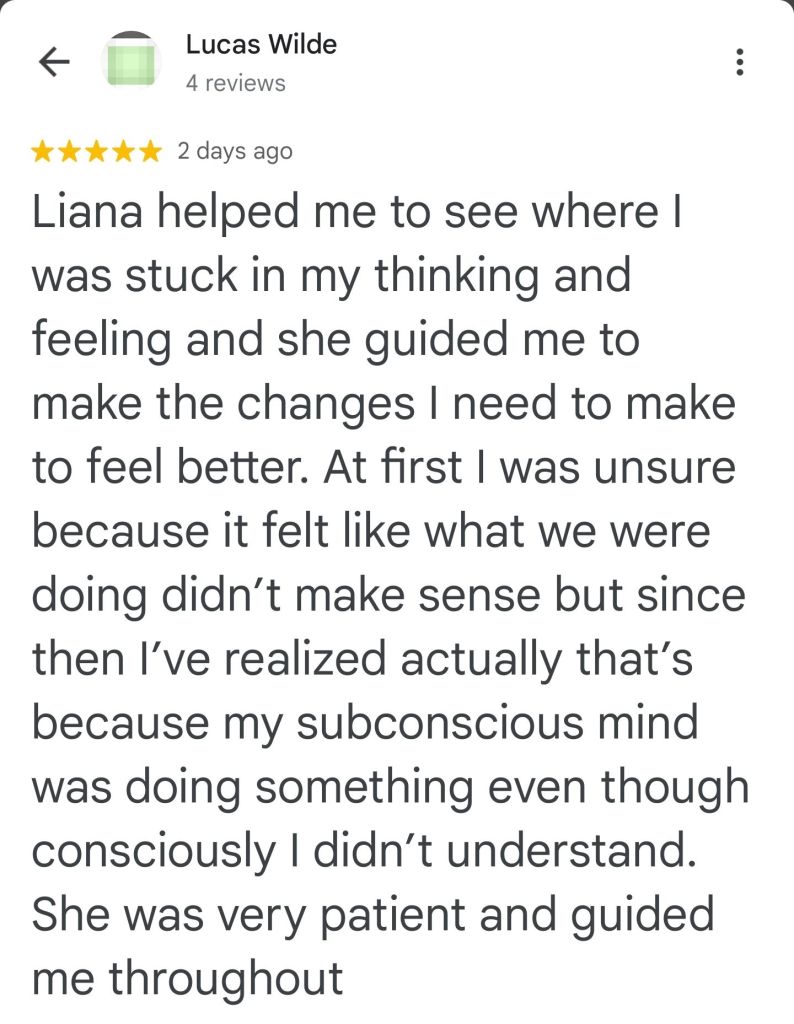



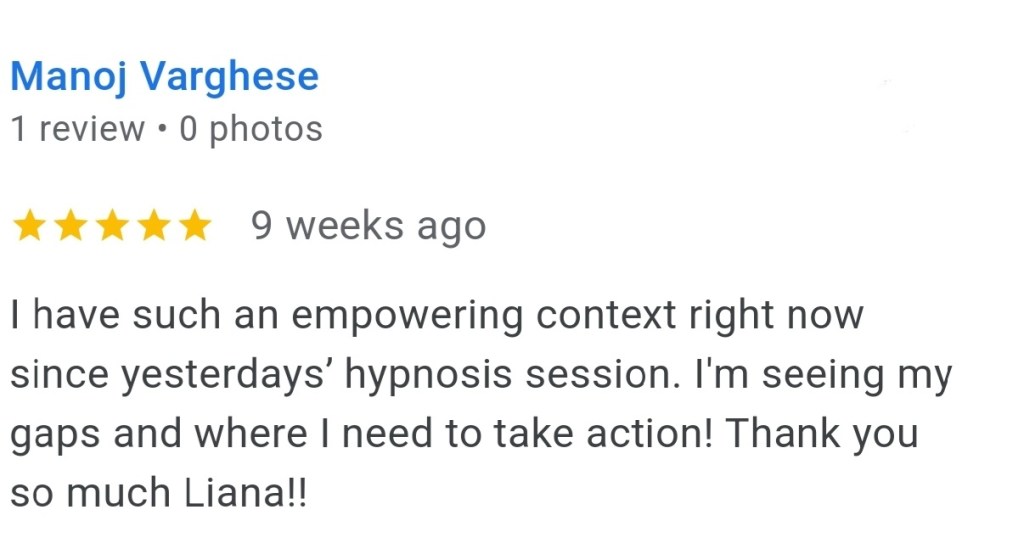




 Accelerated Hypnotherapy - Rapid Results
Leave a comment