
How Betrayal Trauma Memories Manifest in the Mind and Body
Betrayal trauma, often stemming from a violation of trust in close relationships, at home and at work, profoundly affects both the mind and body. These effects are rooted in the way the brain stores trauma memories—mental and physical memories of the distressing experience that keep popping up long after the betrayal.
Trauma Memories in the Brain
Betrayal trauma alters critical brain regions, including:
- Hippocampus: Responsible for memory processing, it may struggle under stress, leading to fragmented or intrusive memories that don’t get stored in the past tense but the present moment. Recollections of the trauma are overwhelming and can become distorted, making past experiences feel unsafe.
- Amygdala: The emotional response center becomes hyperactive, increasing anxiety and alertness. This heightened state makes individuals hypervigilant and more sensitive to perceived threats1.
- Prefrontal Cortex: Reduced function in this area can impair decision-making and concentration so you feel like you can’t move forward because the past is taking up all the space in your future2.
These changes often lead to symptoms resembling PTSD, such as hypervigilance, emotional numbness, dissociation, or intense flashbacks.
Somatic Memories: Trauma Stored in the Body
Trauma is not just psychological—it is also somatic. Somatic memories, or body memories, refer to physical sensations linked to past trauma. These can manifest as:
- Muscle tension
- Gastrointestinal issues
- Chronic pain
- Fatigue
- Headaches
Somatic flashbacks occur when physical sensations from the traumatic event pop up randomly. For example, someone who experienced betrayal may feel chest tightness or nausea during stressful situations reminiscent of the betrayal so that it feels like you’re experiencing the trauma in the present moment.
Fight, Flight, Freeze, and Fawn Responses
Betrayal trauma activates survival mechanisms:
- Fight or Flight: Heightened arousal leads to anger, panic, or fear
- Freeze: Emotional numbness and dissociation may occur
- Fawn: People may adopt people-pleasing behaviors to maintain relationships at the cost of their identity but in order to feel safe
These responses can perpetuate trauma memories by keeping the nervous system on high alert.
Physical Symptoms of Betrayal Trauma
The body internalizes psychosocial pain from betrayal trauma. Common symptoms include:
- Insomnia or oversleeping
- Weight changes
- Digestive issues
- Migraines
- Aversion to touch
- Crying for no reason
Healing Trauma Memories
Understanding how trauma memories affect both mind and body is essential for healing. Accelerated Hypnotherapy and approaches like OEI Therapy that treat trauma gently, can help process these memories and reduce their impact on your daily life. These memories will continue to keep popping up until they are integrated.
When your trauma is processed and integrated so that they are filed away in the past with other memories. When memories are integrated, the past feels like it is in the past. It’s behind you and moves further into the past with each passing day so you’re free to create a whole new future.
Discover a whole new beautiful future.
Let’s connect, even if you feel hopeless.
“The future belongs to those who believe in the beauty of their dreams.”
E. Roosevelt
Reviews








































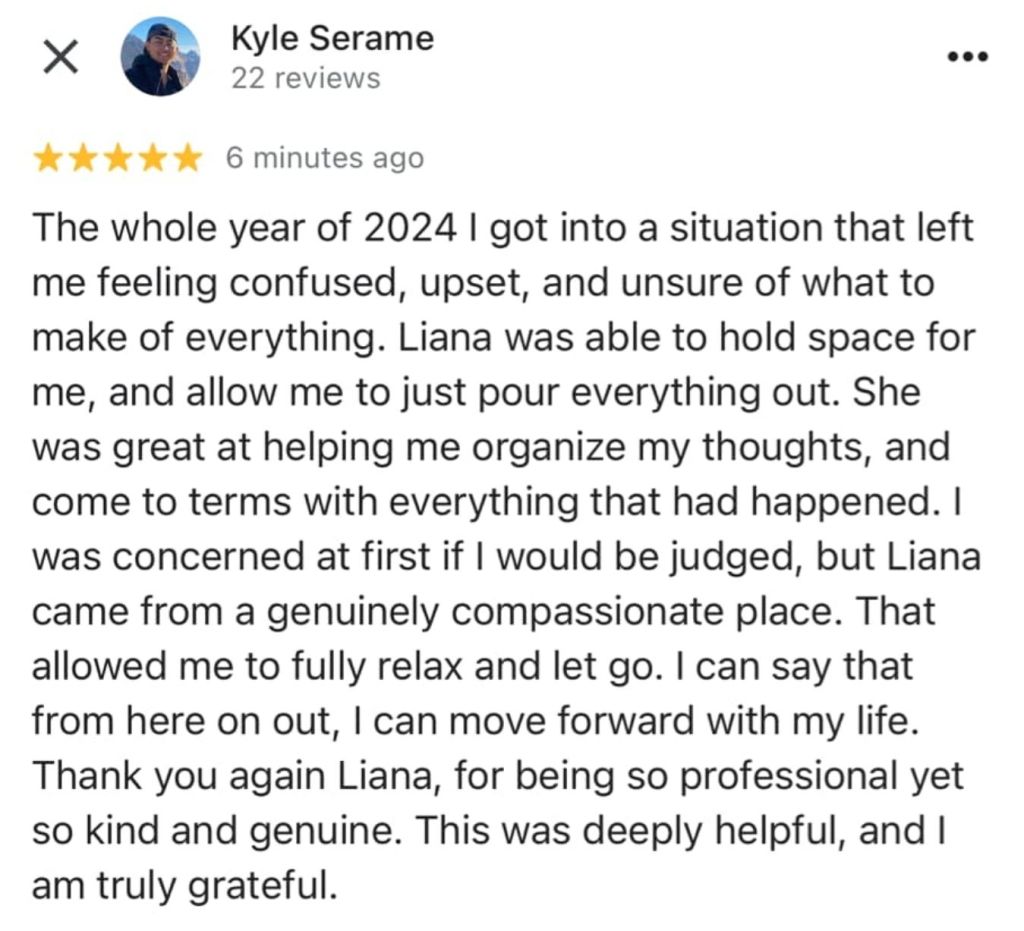




 Accelerated Hypnotherapy - Rapid Results
Leave a comment