
What is Emotional Cheating?
Emotional cheating is a form of infidelity where one partner forms a deep, intimate connection with someone outside their relationship, often marked by secrecy and behaviors that undermine trust. This bond redirects emotional energy away from the primary relationship, weakening intimacy and creating emotional distance, even without physical involvement.
Unlike with physical affairs, it’s hard to find receipts, you’re just left with a feeling that something has shifted—but its impact can be just as, if not more, devastating.
As emotional cheating progresses, trust diminishes, secrecy increases, and partners become more emotionally disconnected. This hidden betrayal not only fractures the relationship but also creates emotional distance, leaving the betrayed partner feeling inadequate or abandoned, often causing deeper and more lasting wounds than physical infidelity.
Emotional Cheating: Insidious Betrayal
At first, his relationship with Claire seemed harmless. They were longtime colleagues, after all. Plus, she was married, and we were happy. Or so I thought.
Colleagues at work.
Both married.
She gets divorced.
Always calling your partner for “support”
She texts.
He tilts his phone away.
Over time, he becomes distant.
Phone is always in his hand.
Stepping away to take calls.
You’re secure but you’re also feeling something is up.
When you ask him. He gaslights you, making you feel like you’re the one with the problem.
You’re intuition is telling you something’s going on.
Lies.
Sneaking out.
Insisting they are just friends.
Turns the tables. He asks if you’re interested in someone else.
You find his FB messages to her on the iPad.
Trust erodes.
The relationship as you knew it is gone.
Signs of Emotional Cheating
Emotional cheating isn’t just about having a close friend of the opposite sex. It’s about secrecy, blurred boundaries, and misplaced emotional energy. Here are some red flags:
- Your partner always has their phone as seems to guard it more than usual.
- Your partner becomes emotionally distant or withdrawn.
- They get defensive or shift blame when questioned.
- They seek emotional support from someone outside the relationship.
- They downplay your concerns about their “friendship” or even gaslights you, making you feel like you’re crazy for questioning it
- They do things that they used to do with you and for you for someone else.
- They spend excessive time, money, or energy on one specific person.
- You feel jealous or suspicious—when that’s not your usual nature.
A major red flag?
Projection and gaslighting.
Emotional cheaters often accuse their partners of being controlling or secretive, using it as a deflection tactic to shift attention away from their own behavior.
The Impact on Relationships
Even if an emotional affair never turns physical, it can still devastate a relationship and create betrayal trauma. It erodes trust, diverts emotional energy, and creates an invisible wall between partners.
It violates core relationship agreements, even if physical boundaries remain intact. Betrayal leaves deep wounds. Many partners experience a trauma response—hypervigilance, anxiety, intrusive thoughts—leading them to question the entire relationship.
Can a Relationship Survive Emotional Cheating?
Rebuilding a after emotional cheating is difficult—but not impossible.
Emotional cheating often stems from unmet needs, but true healing comes from addressing them together, not seeking fulfillment elsewhere. But understanding this is not enough to heal your trauma.
You can do years of therapy to understand yourself and your partner, to get insights but you still are not able to carry on because of the trauma.
Heres’ the thing.
Logic can’t fix emotion.
For this reason, betrayal trauma needs to be healed at the subconscious level. If you’re triggered AF and ready to put the past into the past.
Let’s connect.
Small changes in the subconscious lead to significant shifts at the conscious level.
Reviews



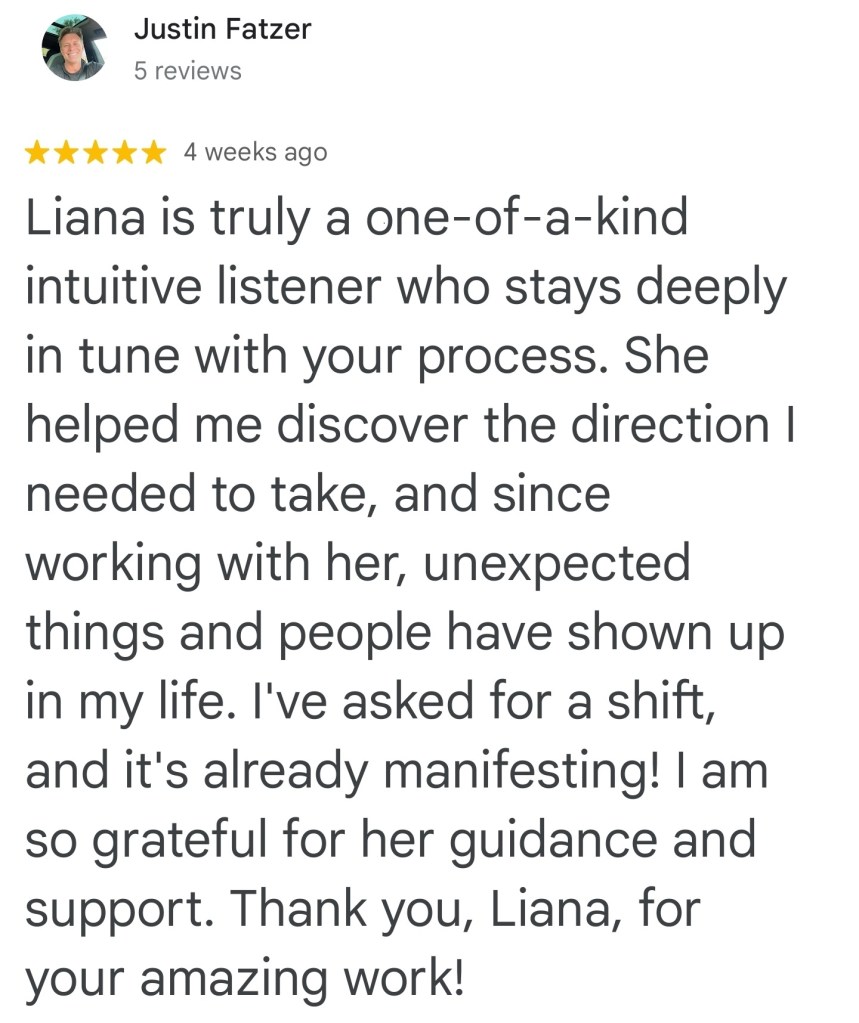







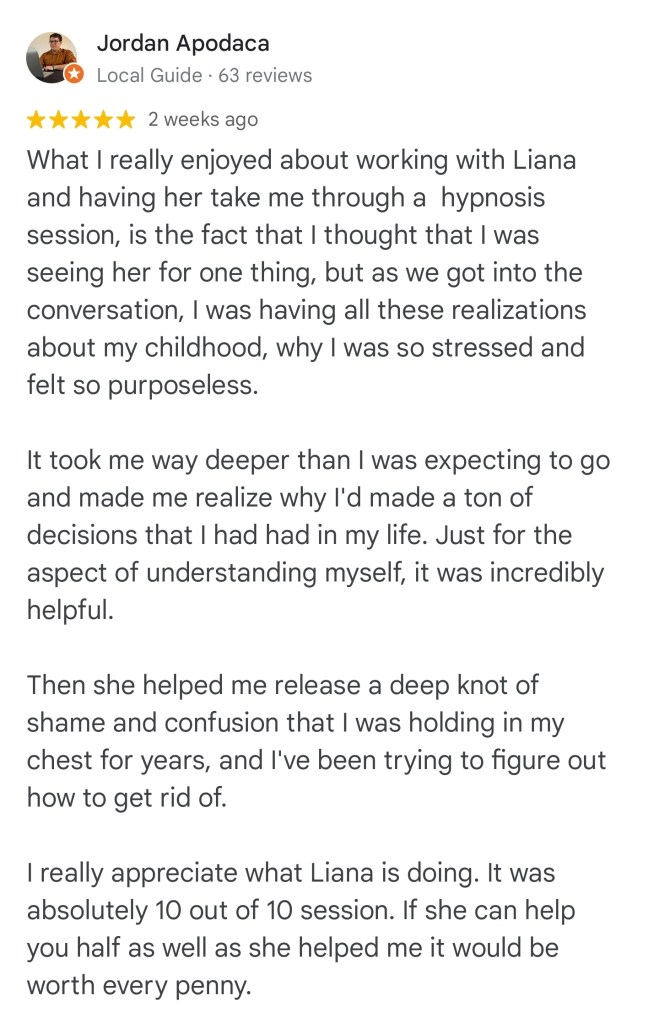
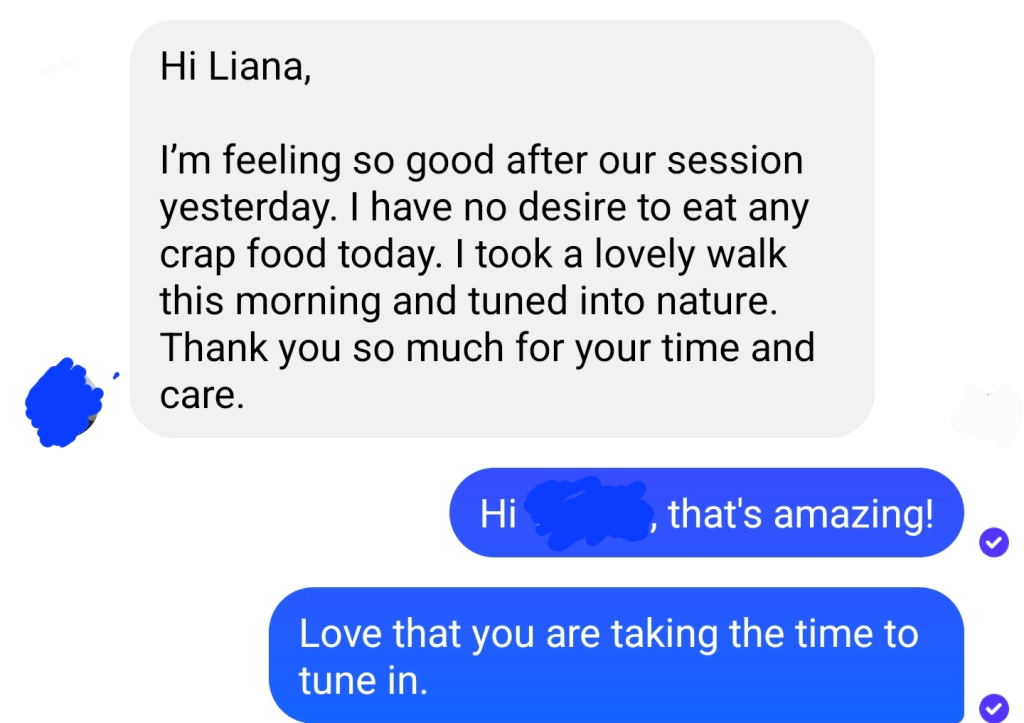

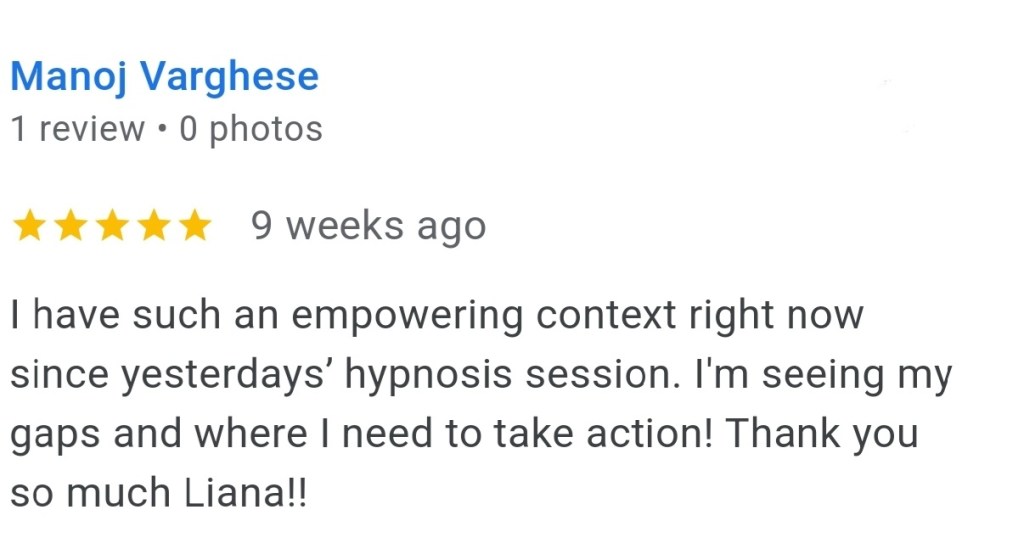



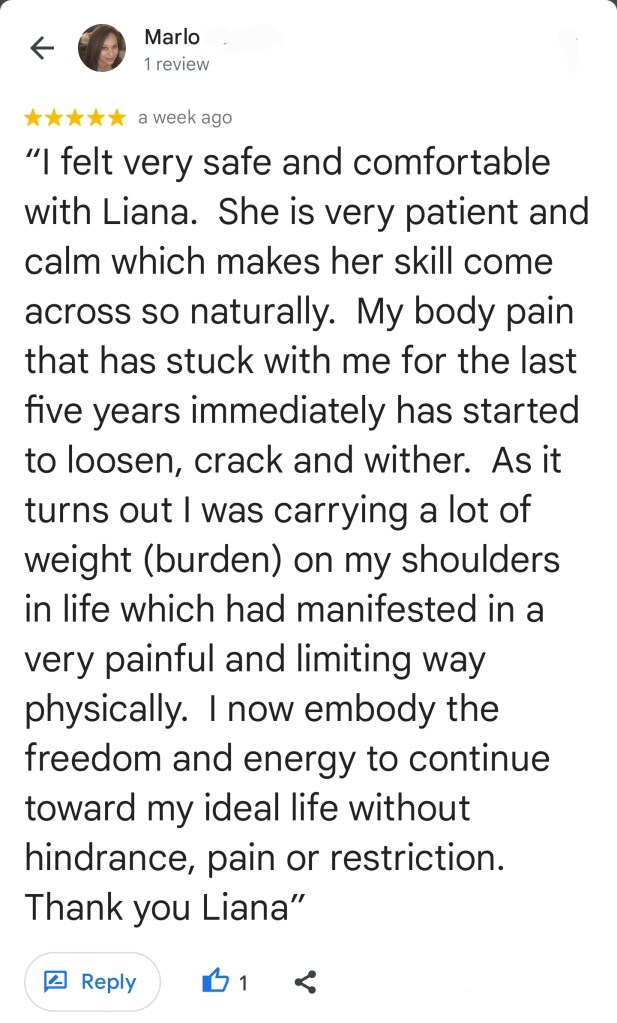



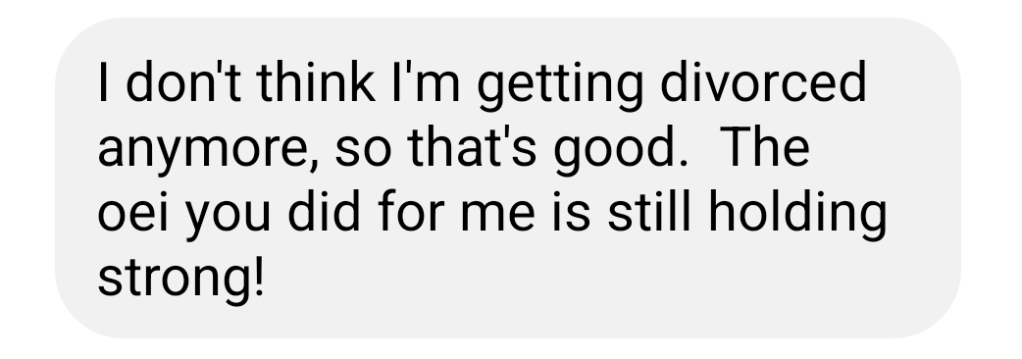

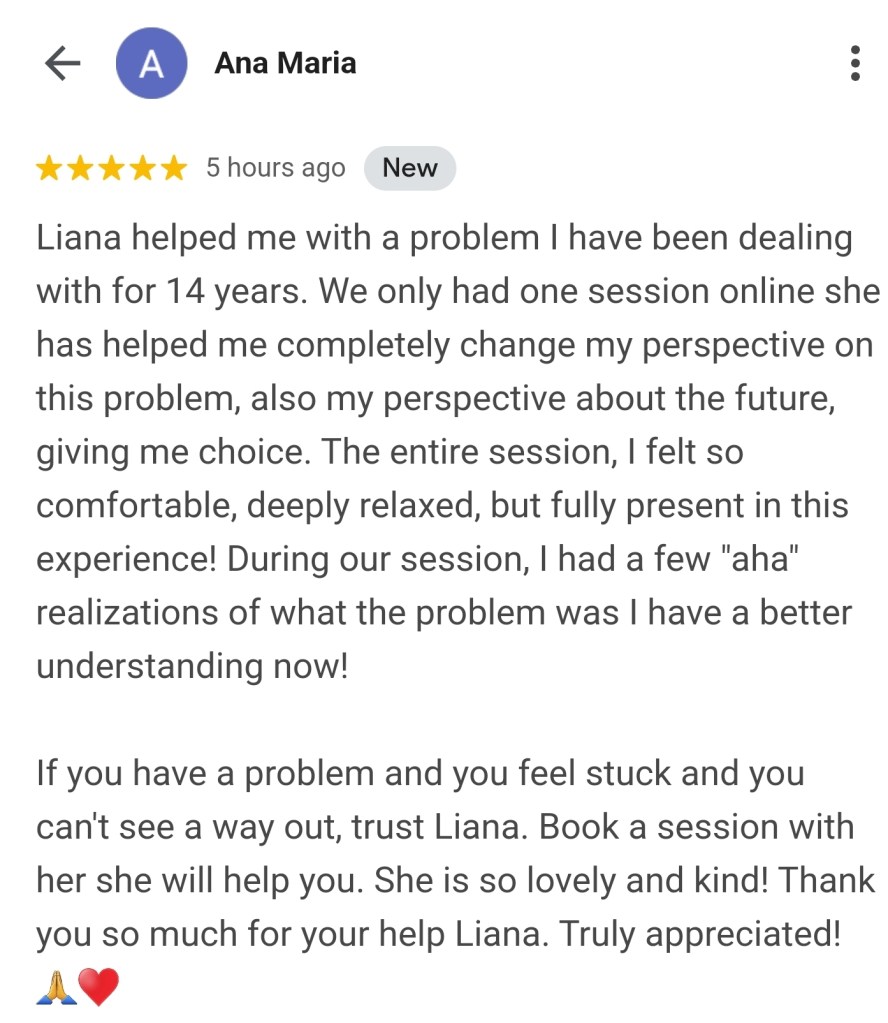

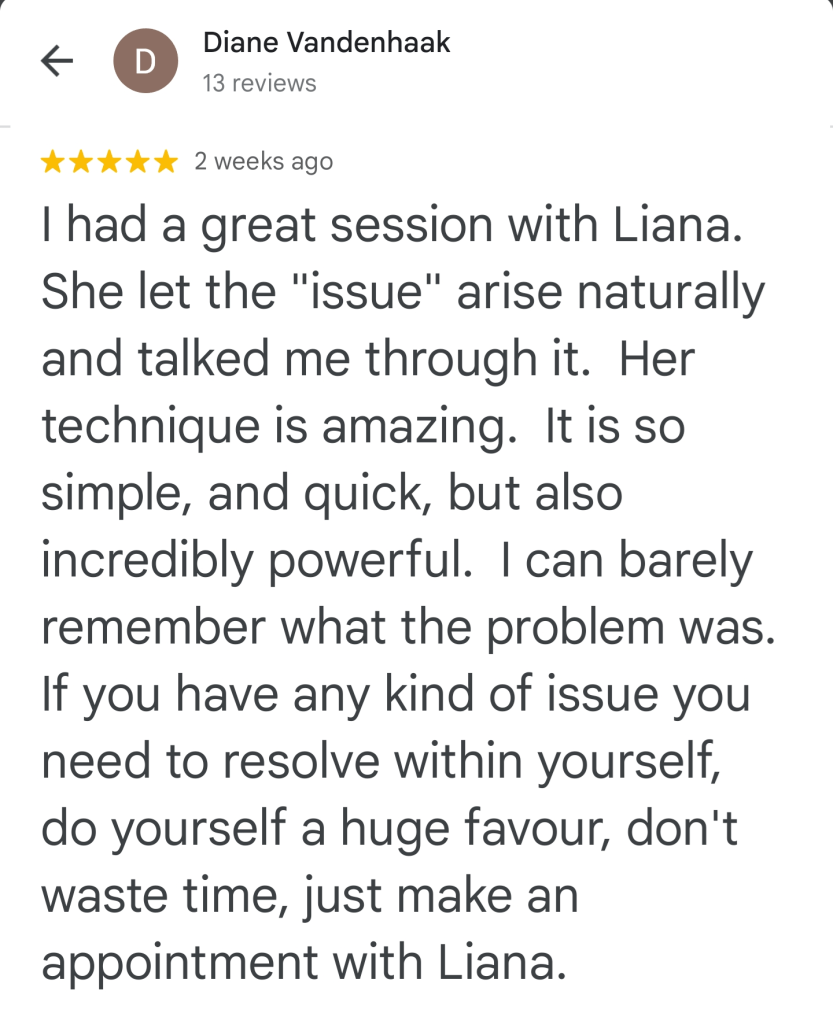

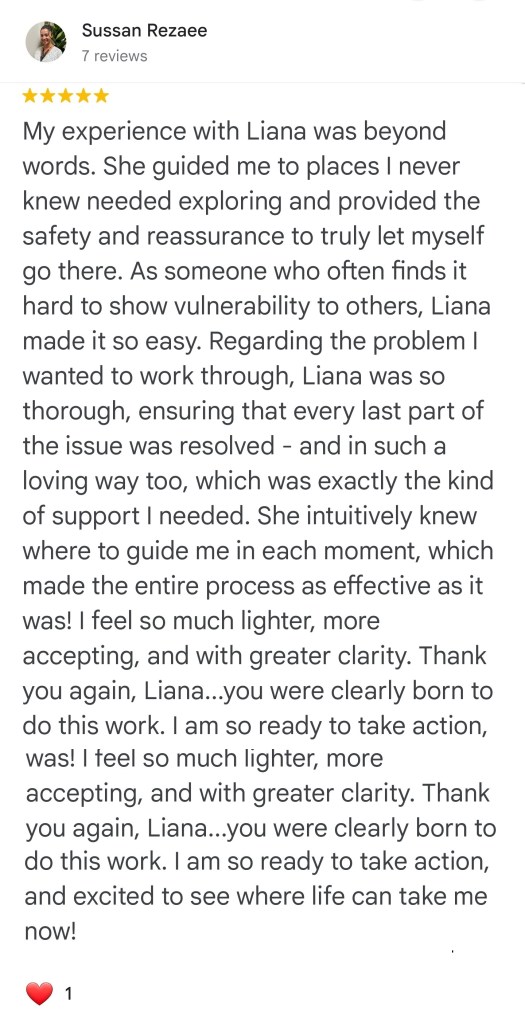
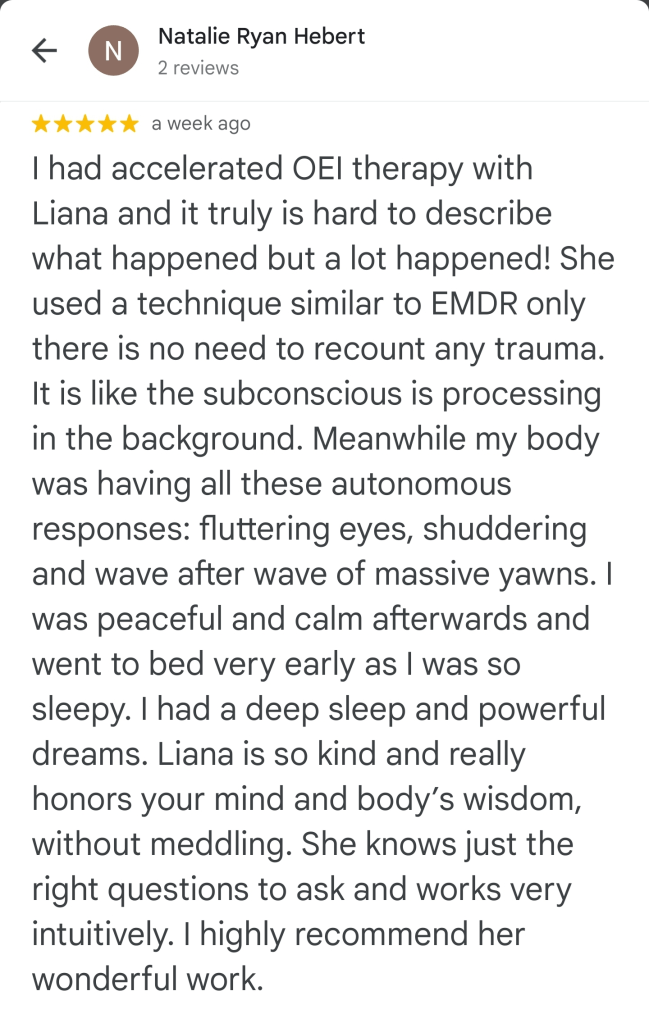








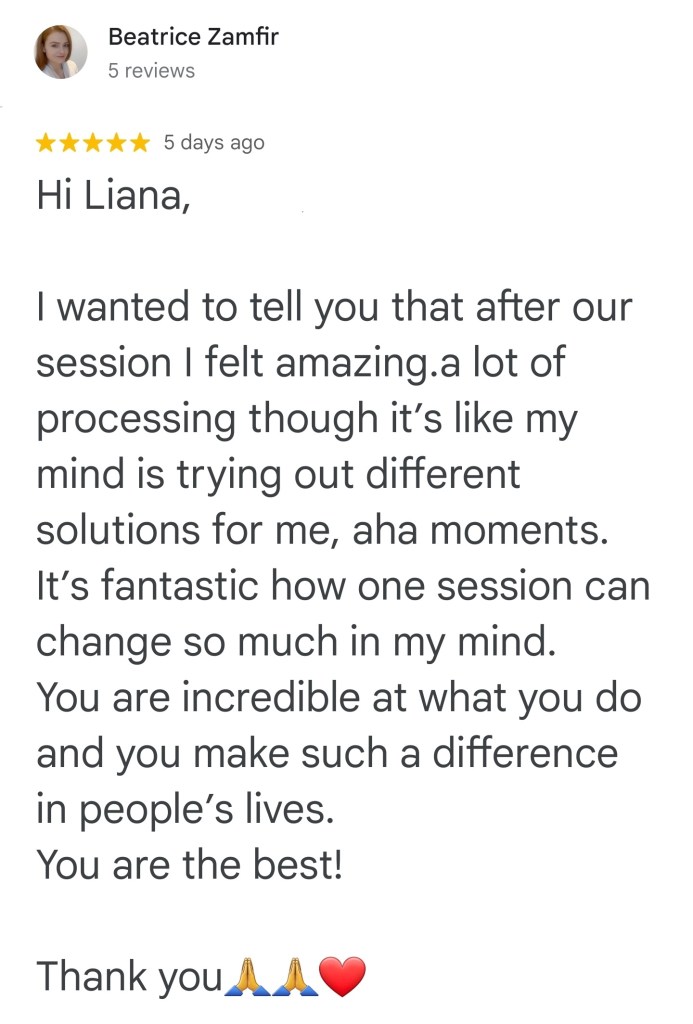

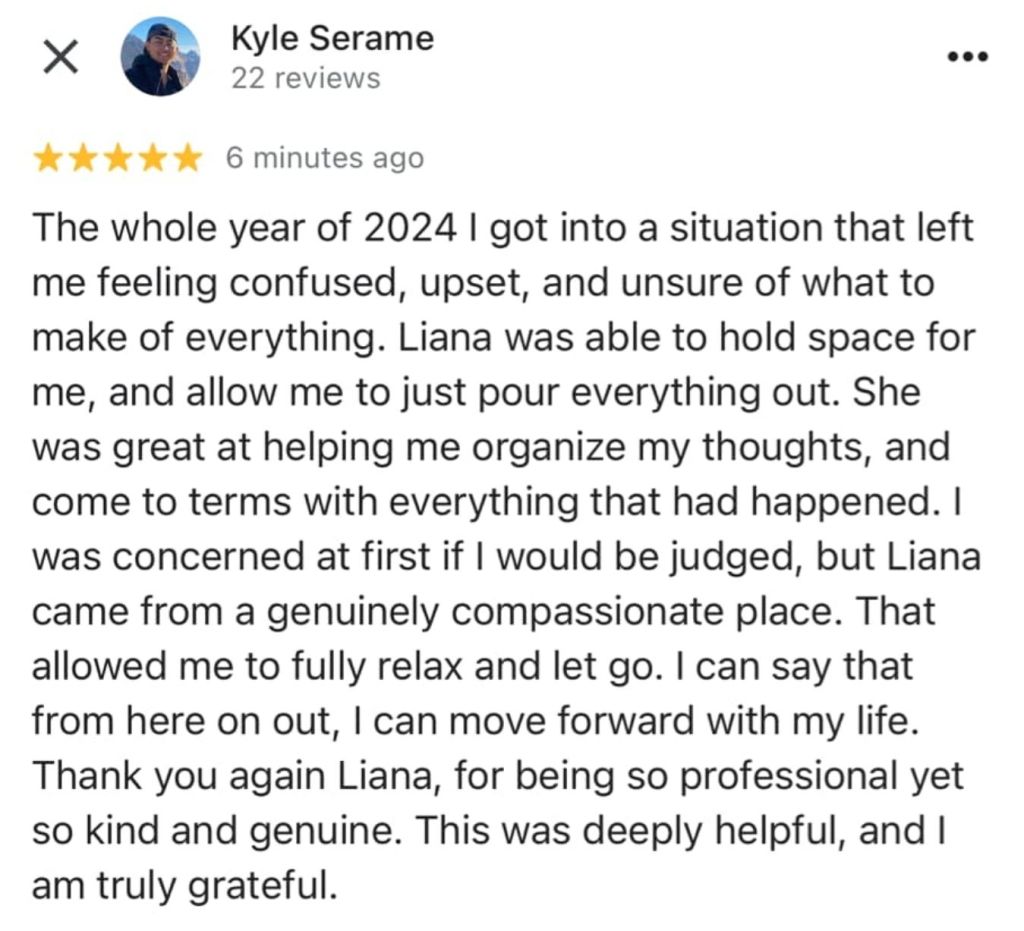

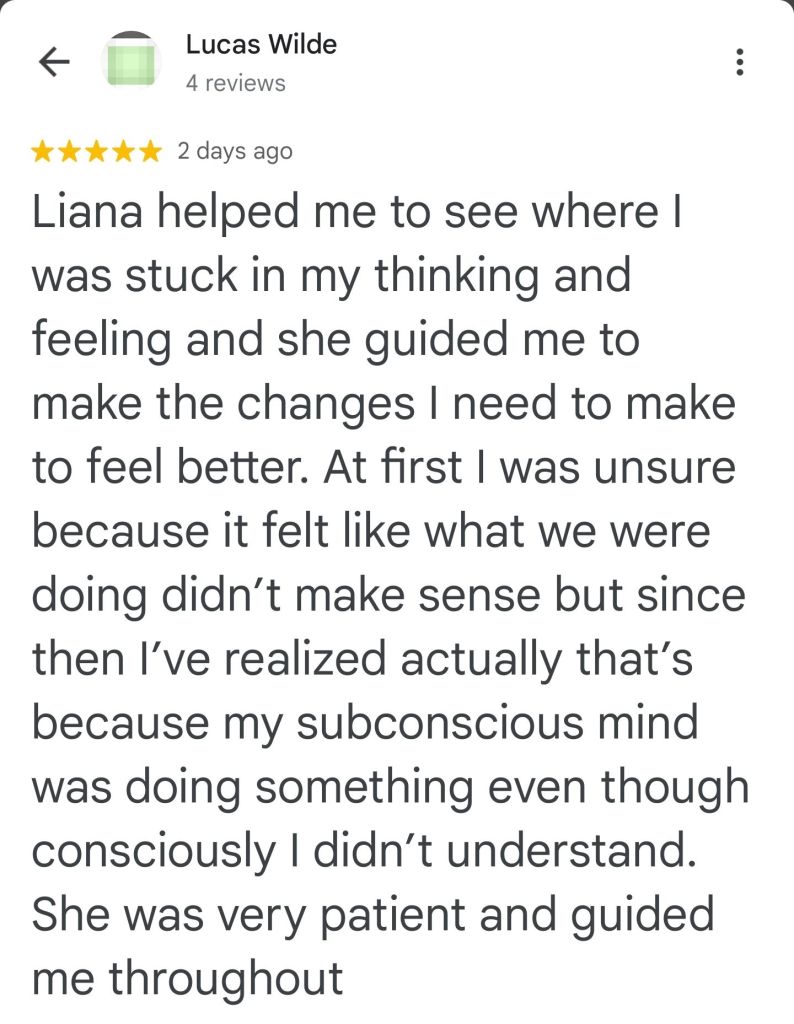
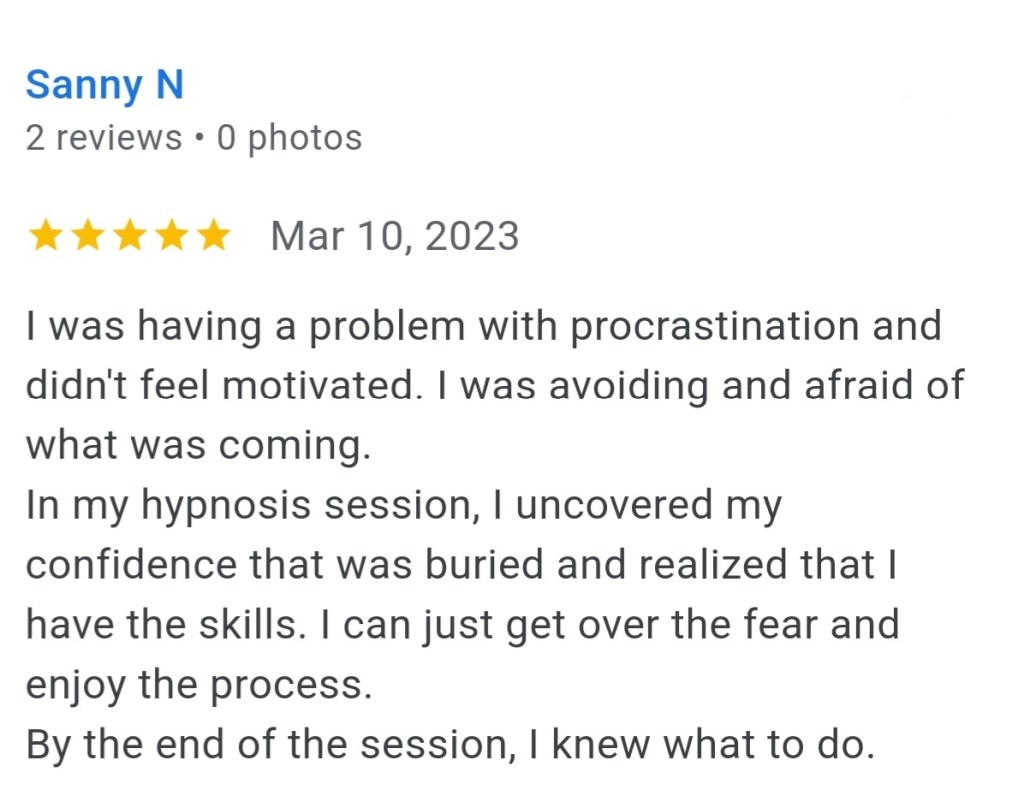

 Accelerated Hypnotherapy - Rapid Results
Leave a comment