
Why People Cheat: Insights from Infidelity Research and Surveys
Infidelity has been a recurring aspect of human relationships throughout history. Research consistently documents its negative effects, including the breakdown of marriages and significant psychological distress. Studies highlight emotional turmoil and trust issues as common consequences of betrayal, yet infidelity persists across cultures, ages, and genders.
Recent research provides insights into why individuals engage in infidelity. The analysis draws from an online questionnaire completed by 94,943 people (66.1% women, 33.9% men). This summary examines the quiz responses, focusing on personal experiences, motivations, and outcomes of infidelity among men and women, offering a perspective on its prevalence and characteristics.
What the Survey Reveals about Cheating and Trust
The analysis revealed notable patterns. Women were more likely than men to participate in emotional affairs, cybersex, and online infidelity. They also tended to engage in infidelity during relationship difficulties, boredom with their sex life, or with someone known to their spouse, and were more inclined to consider leaving their partner as a result. Men, however, were more likely to pursue sexual infidelity and to repeat it.
The Aftermath of Infidelity
- 56.8% of participants confessed to infidelity voluntarily
- 21.5% were discovered by their partner
- 8.3% admitted it after being confronted
- 8% were found out by chance
- 4.5% were exposed by a third party
These results indicate that a majority chose to disclose their actions independently, suggesting possible remorse or a desire to address the consequences.
In my case, my subconscious showed me receipts, literal receipts that my ex was cheating – I would categorize this as finding out by chance.
Evolutionary Psychological Framework of Interpretation
An evolutionary psychological framework was applied to interpret these findings. The differences in infidelity patterns may reflect distinct challenges faced by men and women historically.
Emotional affairs, which divert resources like time and energy from a primary partner, may have posed greater risks for women, who traditionally depended on men (in heterosexual contexts) for protection, resources, and child-rearing support.
This could explain why women often report greater distress over emotional rather than sexual infidelity. Men, conversely, may prioritize concerns about sexual infidelity due to the risk of investing in offspring not biologically theirs.
Past Findings of Infidelity and Betrayal
Reserach by Selterman et al. (2021) indicate women may turn to infidelity due to relationship dissatisfaction, neglect, curiosity, or boredom. He found that emotional connections play a significant role in infidelity, particularly for women, who often engage in longer affairs with familiar individuals. Men, in contrast, tend to involve casual partners. Studies of Ashley Madison users indicate that low relationship quality (love, satisfaction, commitment) is not always a driver in affairs.
Men are 1.75 times more likely to report infidelity with a casual acquaintance (Labrecque & Whisman, 2017), possibly influenced by women’s greater focus on personal safety. These patterns suggest that evolutionary pressures shape infidelity behaviors, reinforcing the value of communication, honesty, and fidelity in sustaining relationships.
The Wounds of Infidelity and Betrayal Trauma
Betrayal through infidelity often leaves individuals open wounds of trauma, as trust—once the foundation of their relationship—is eroded.
Betrayal trauma can trigger ptsd symptoms, a specific response where the mind and body reel from the violation by someone depended upon.
Studies show this trauma manifests in various symptoms: hyperarousal, marked by anxiety, anger, or sleeplessness; hypoarousal, seen in numbness, dissociation, or withdrawal; and emotional distress, including shame, sadness, or persistent distrust.
Physical symptoms, like fatigue or weight gain, may also emerge as the body keeps re-experiencing the stress. These reactions, often subconscious, linger beyond conscious control, shrinking one’s window of tolerance and complicating recovery.
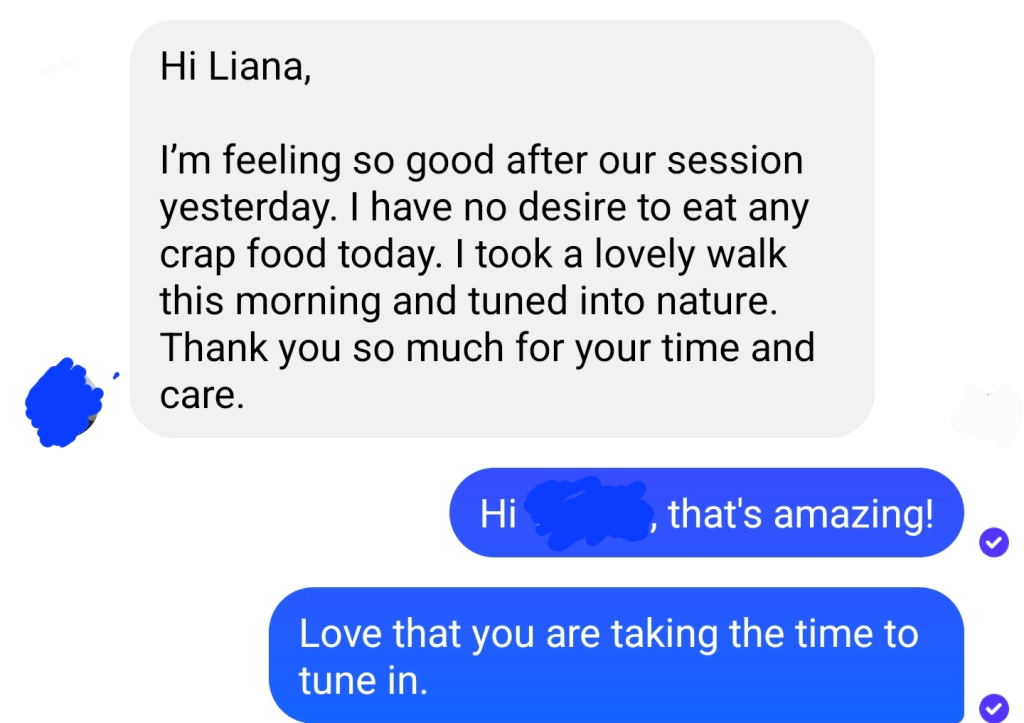
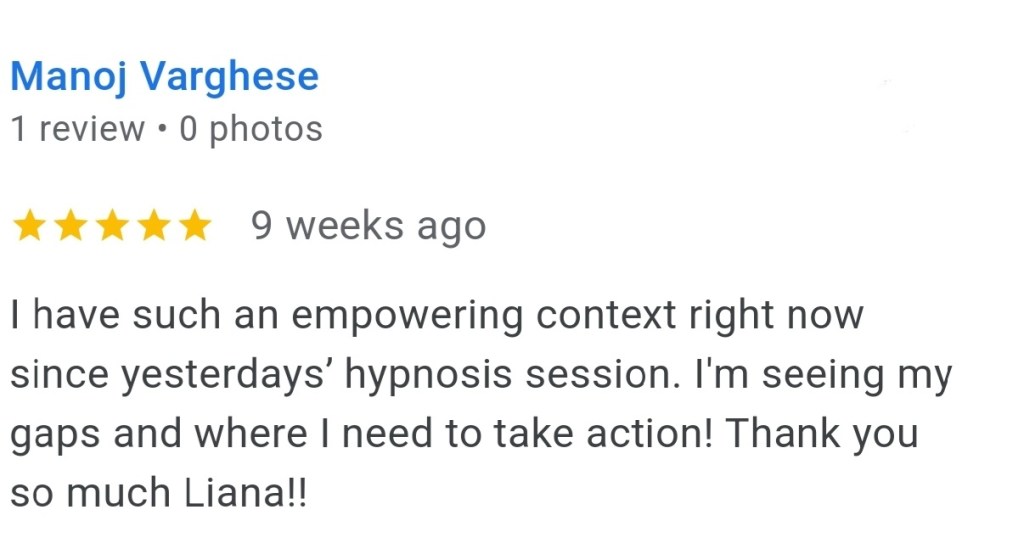
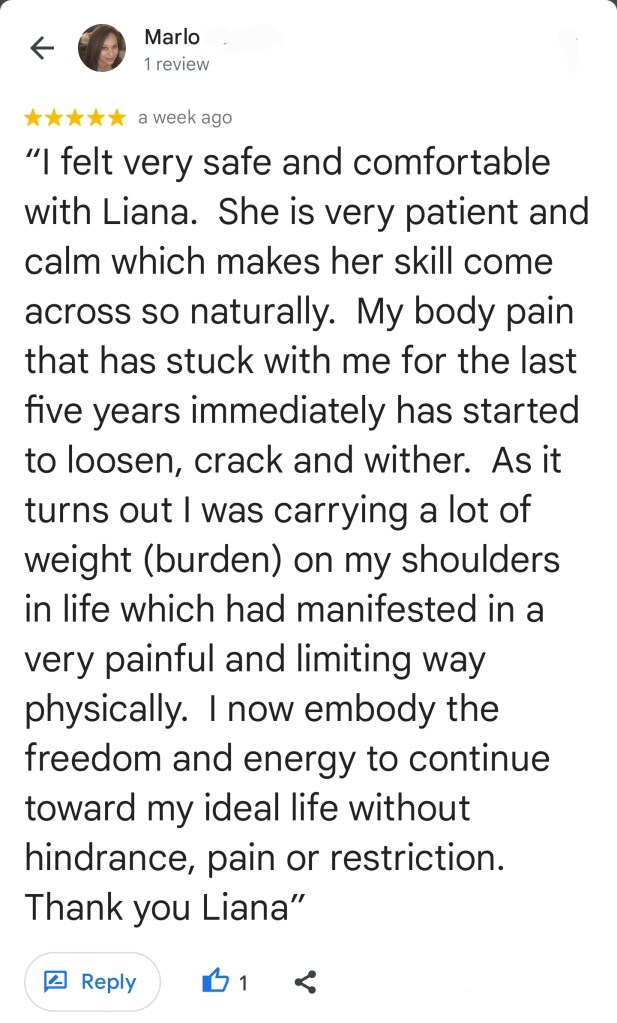
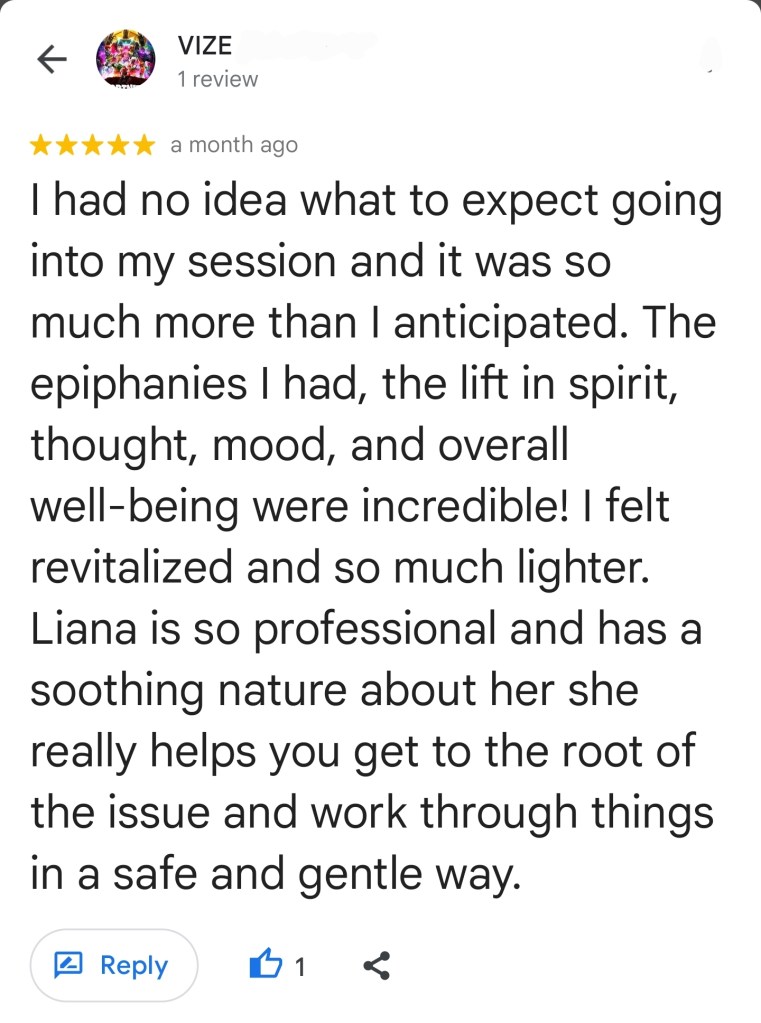
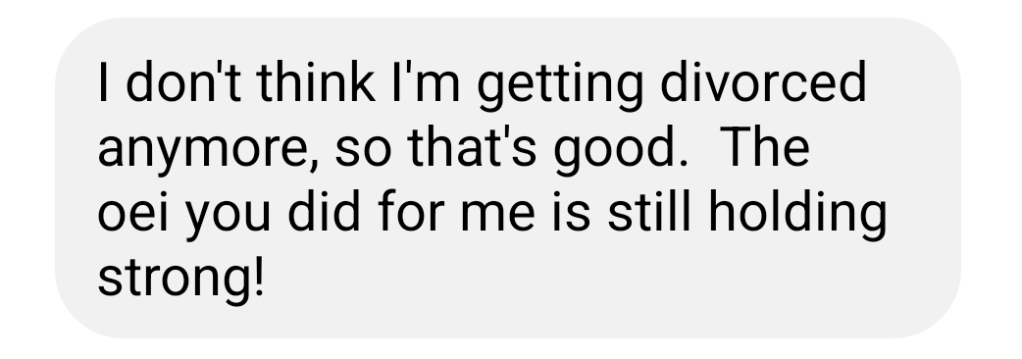
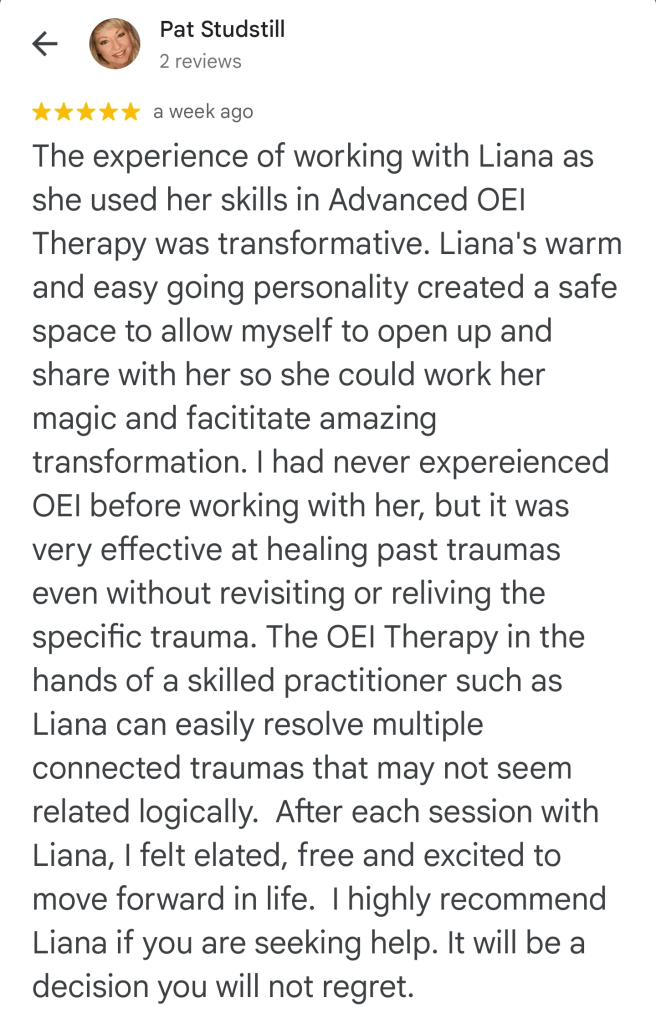
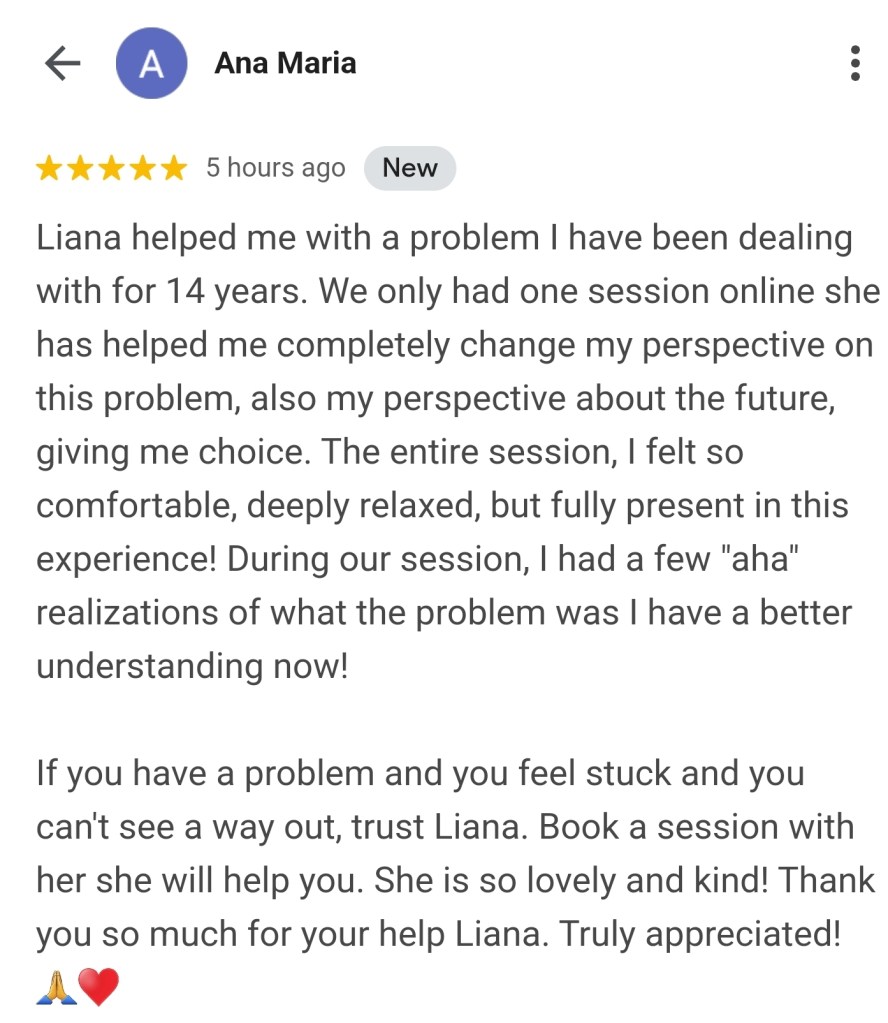
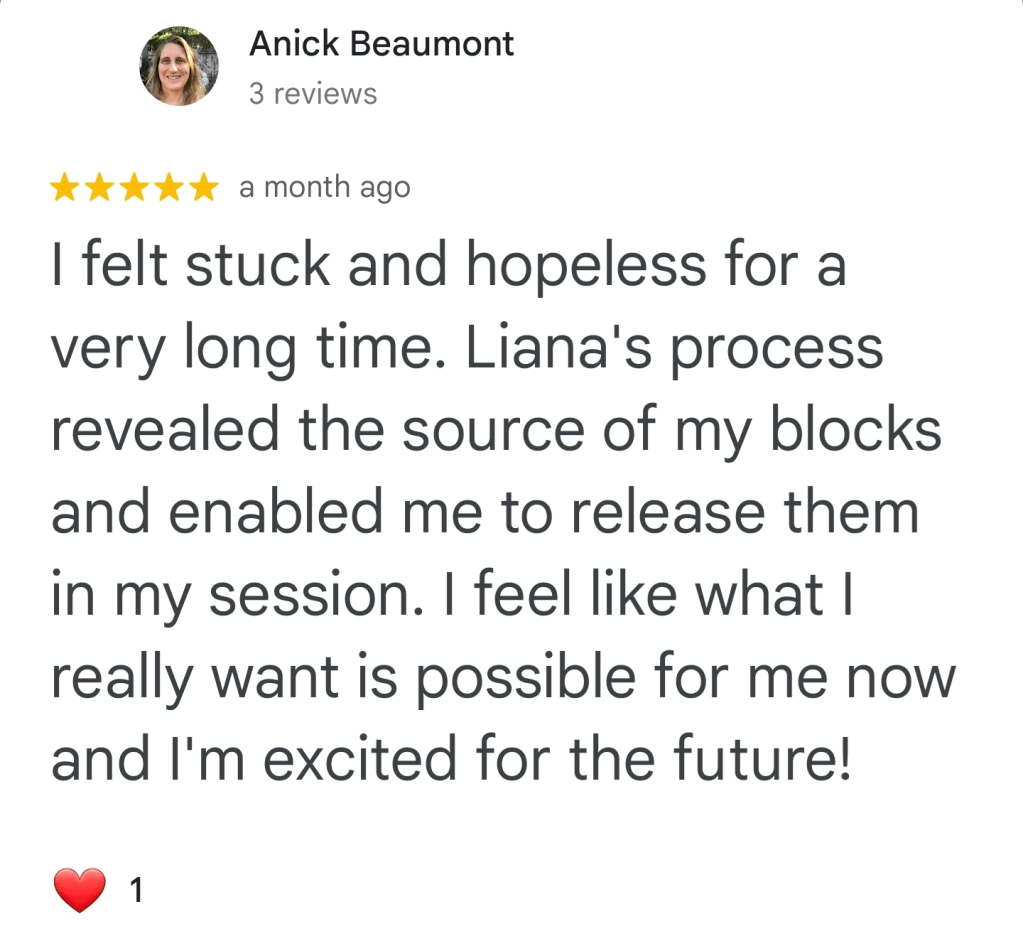
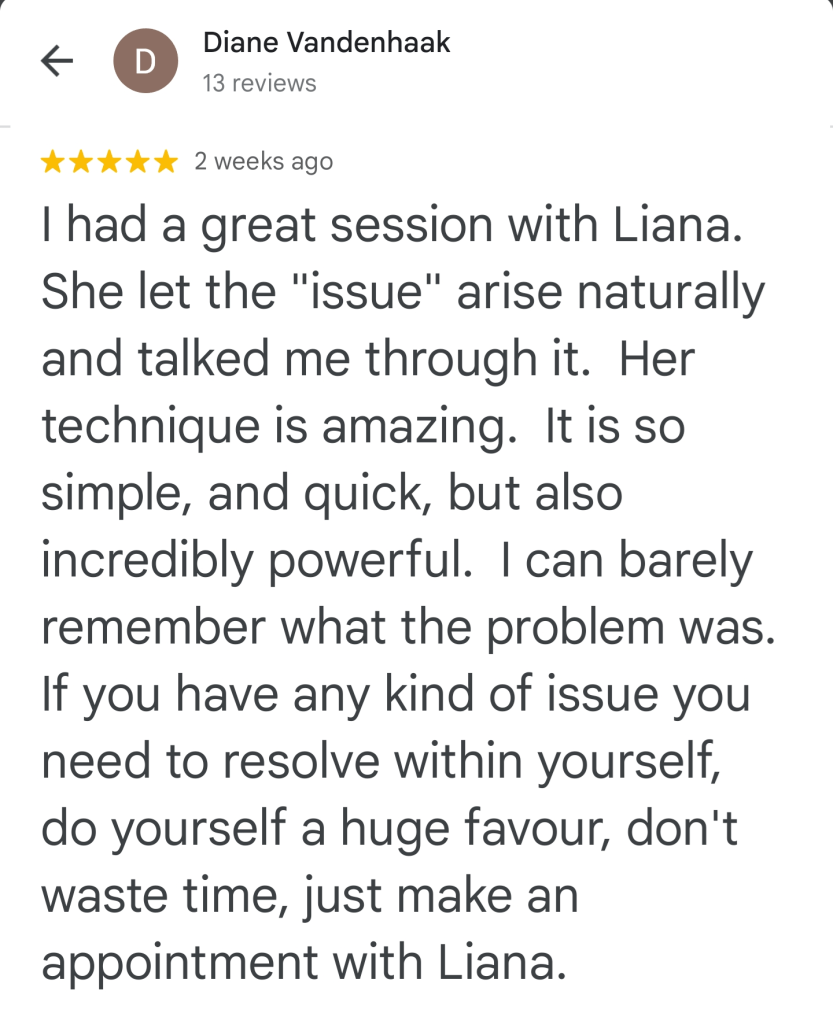
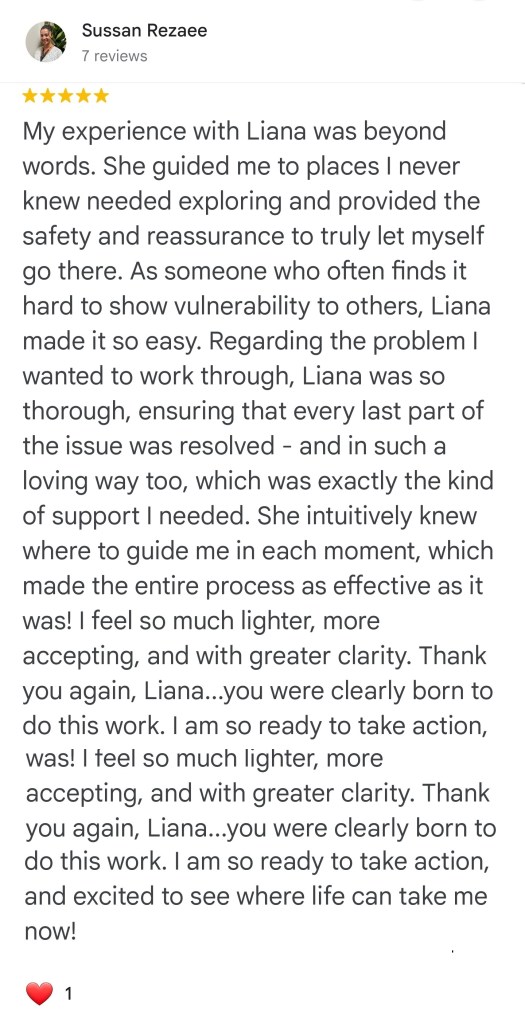
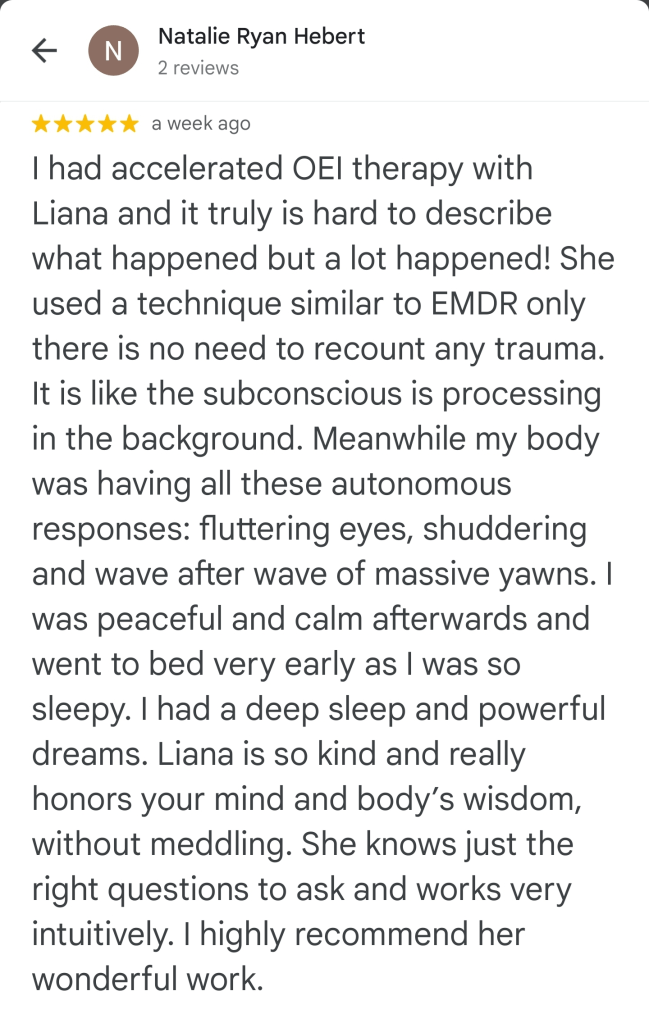
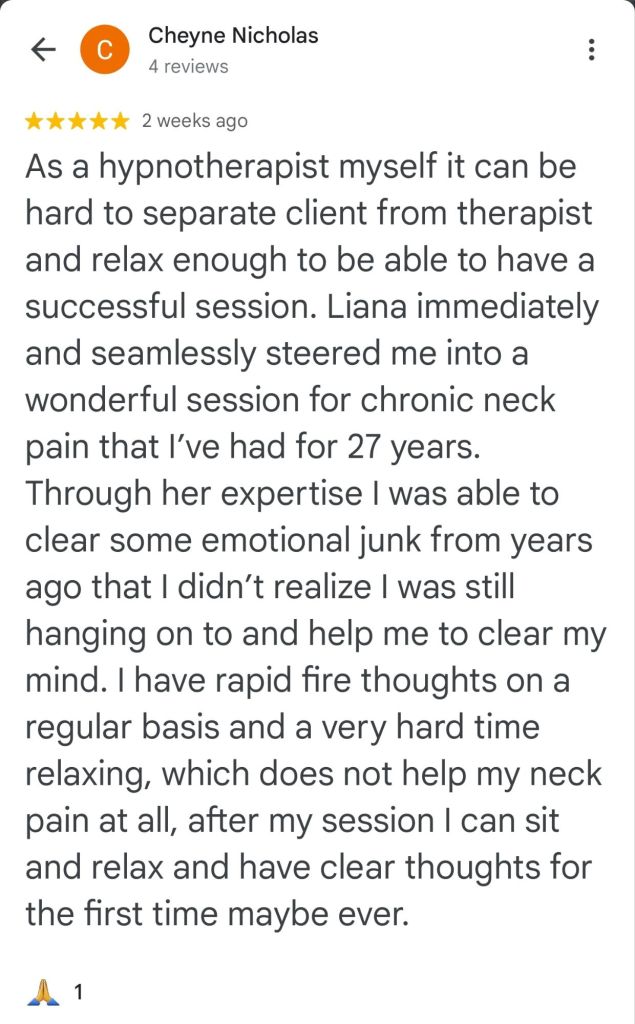
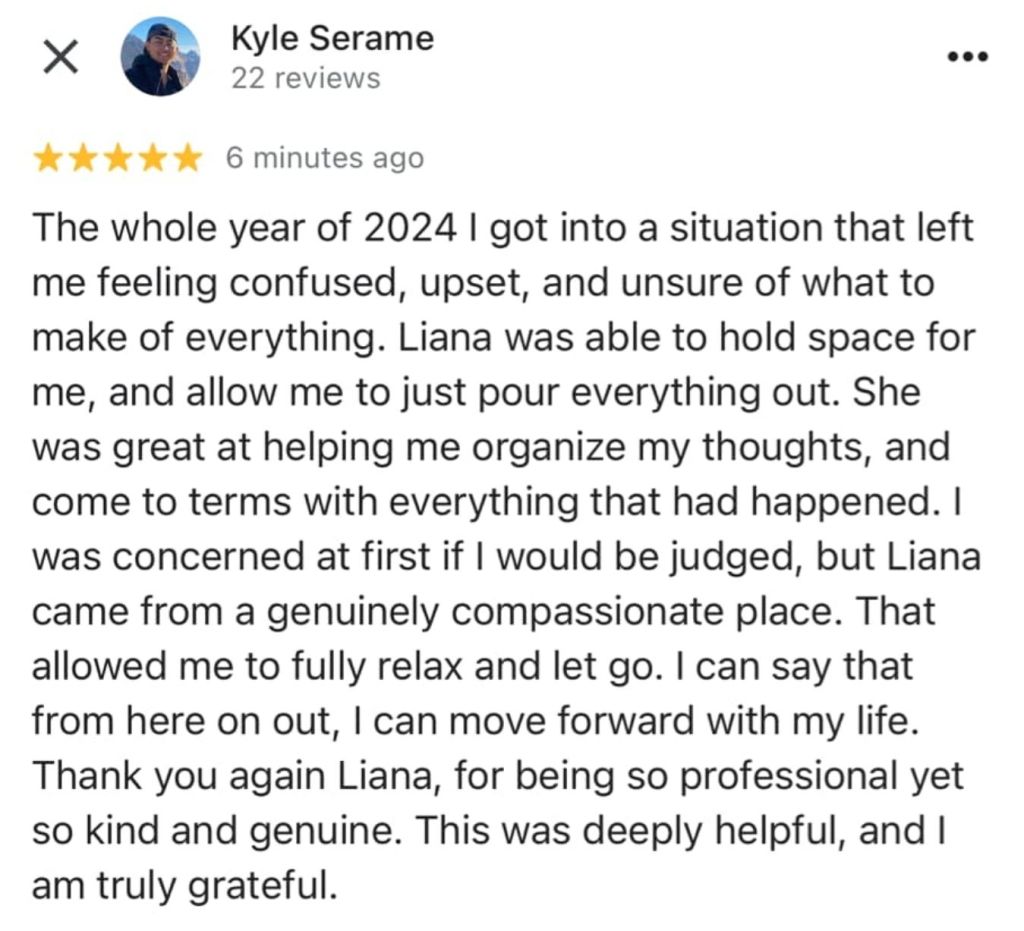
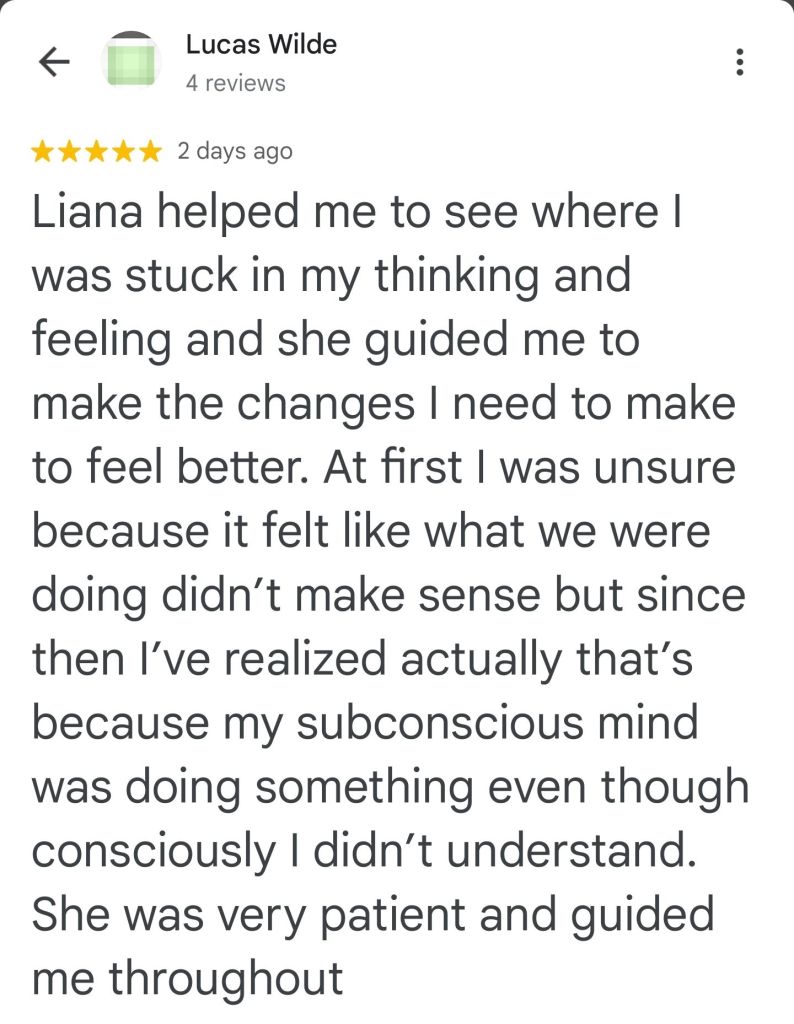
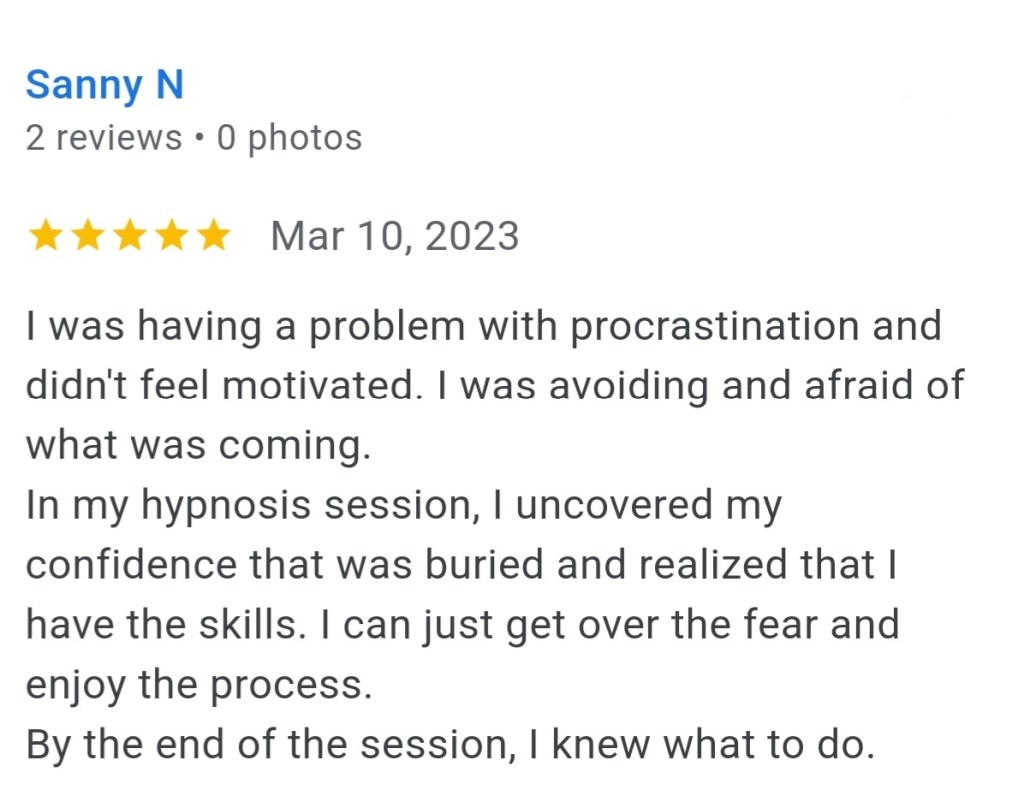
Addressing this requires more than logic—therapies like Accelerated Hypnosis and OEI Therapy can reach these deep layers, offering a path to heal the wounds infidelity leaves behind.
Let’s connect.
Pure Possibilities
Change Your Mind.
Change Your Life.






















 Accelerated Hypnotherapy - Rapid Results
Leave a comment