
Betrayal trauma doesn’t just hurt emotionally—it rewires the brain and nervous system, making it harder to regulate emotions, manage stress, and feel safe in relationships.
A growing body of research, including findings from the Journal of Traumatic Stress, is uncovering just how deeply betrayal trauma affects emotional regulation.
What Is Betrayal Trauma?
Betrayal trauma occurs when someone you deeply depend on—such as a partner, parent, or close friend—violates your trust or safety. Unlike other forms of trauma, betrayal trauma cuts through emotional security, often leading to confusion, disconnection, and emotional instability. It’s especially harmful when experienced in childhood, when the nervous system and sense of self are still developing.
Emotional Dysregulation: A Core Outcome of Betrayal Trauma
Research suggests a strong link between betrayal trauma and emotional dysregulation. Survivors often struggle with:
- Intense emotional reactivity
- Difficulty calming down after stress
- Mood swings and anxiety
- Feeling emotionally “flooded” or numb
These patterns are not signs of weakness after trauma—they are survival responses shaped by unresolved experiences, often stored in the body and subconscious mind.
Childhood Betrayal Trauma Has Long-Lasting Effects
The study also emphasizes that betrayal trauma in childhood can lead to chronic emotional instability in adulthood. When a child’s caregiver is the source of fear or harm, the brain adapts to survive, but often at the cost of healthy emotional development. These adaptations include:
- Heightened vigilance and sensitivity to rejection
- Suppressed emotional expression
- Overactivation of the stress response system
These responses that protect an individual as children can persist into adult relationships, leading to difficulty trusting, self-sabotaging behaviors, and feeling triggered AF.
Why Emotional Dysregulation Persists After Betrayal
Betrayal trauma disrupts key brain functions tied to self-regulation, especially in areas like the amygdala (threat detection), hippocampus (memory), and prefrontal cortex (reasoning and emotional control). As a result:
- The brain stays on high alert
- Triggers feel overwhelming or confusing
- Logic and reasoning shut down under stress
- The Past is felt in the Here & Now
This neurological chaos makes it difficult to think your way out of emotional experiences as with traditional talk therapy—because the trauma isn’t just in your brain, it’s in your body.
Hope for Healing: Rebuilding Emotional Regulation After Betrayal Trauma
While the impact of betrayal trauma is deep, healing is absolutely possible. Trauma-informed approaches like Accelerated Hypnotherapy and OEI therapy can help retrain the brain and body. These approaches support:
- Calming the fight-or-flight response
- Building emotional resilience
- Restoring trust in oneself
- Reconnecting with authentic self
When survivors are supported in safe, attuned relationships—therapeutic or otherwise—the brain begins to rewire, and emotional regulation can be rebuilt from the subconscious level.
For more info on OEI therapy, click here.
Betrayal trauma isn’t just an emotional wound—it’s a neurological injury. Research from confirms what many survivors already know: betrayal changes how you process emotions, especially if it happened early in life.
Healing is possible—and emotional stability can be restored.
Let’s connect.
Pure Possibilities
Change Your Mind.
Change Your Life.
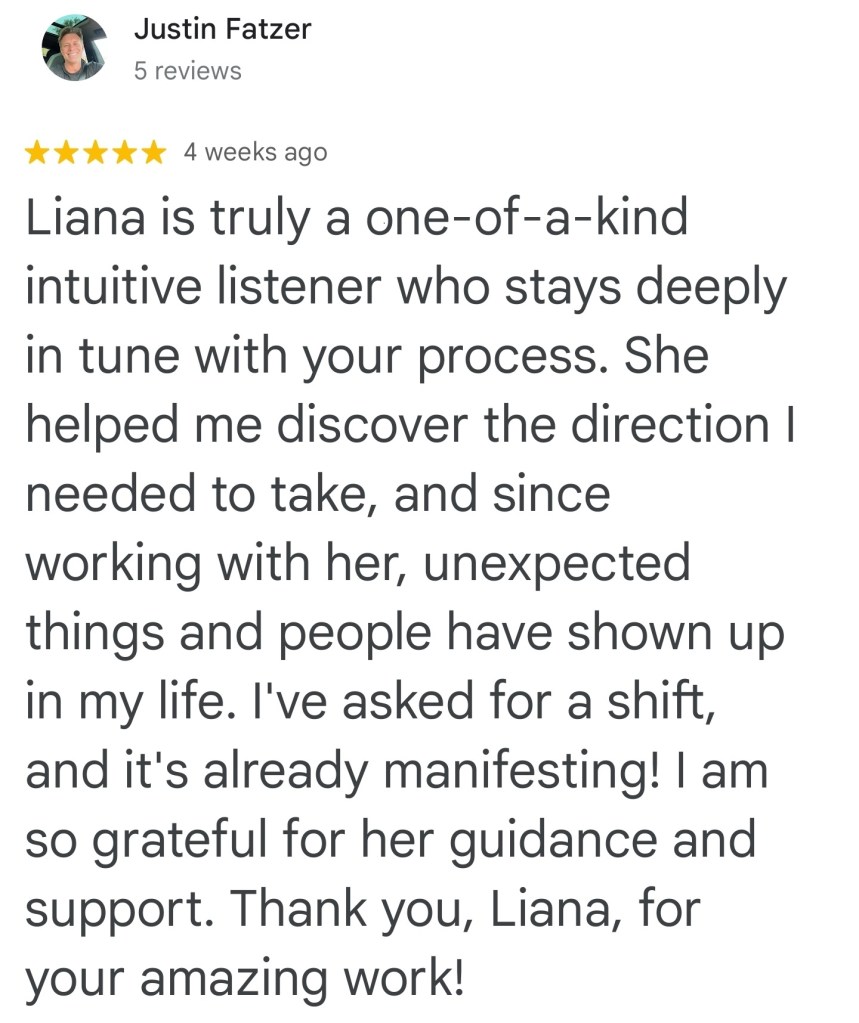
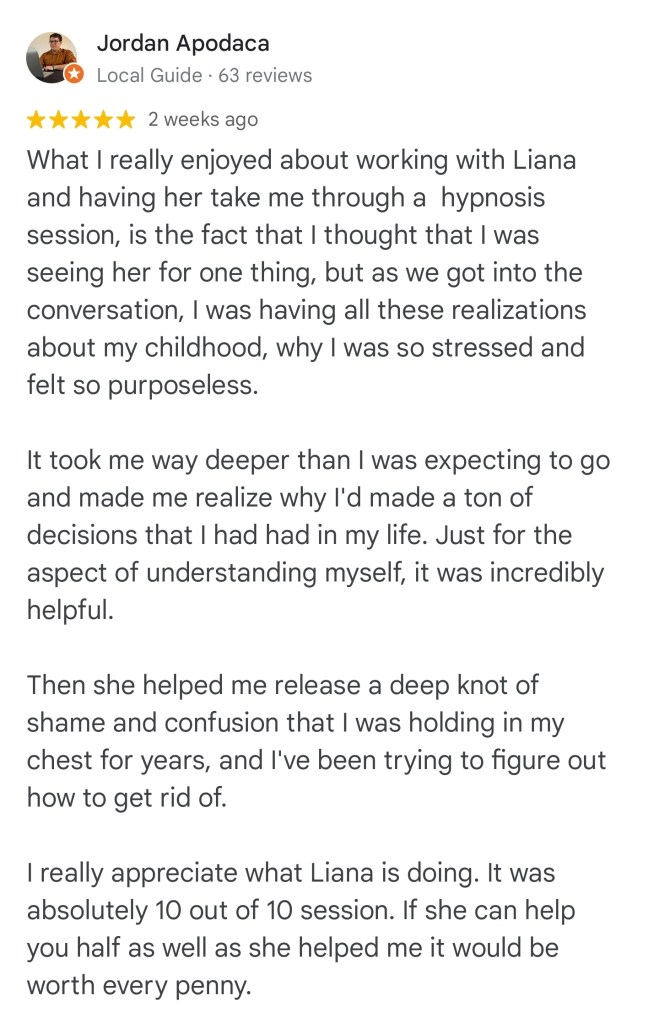
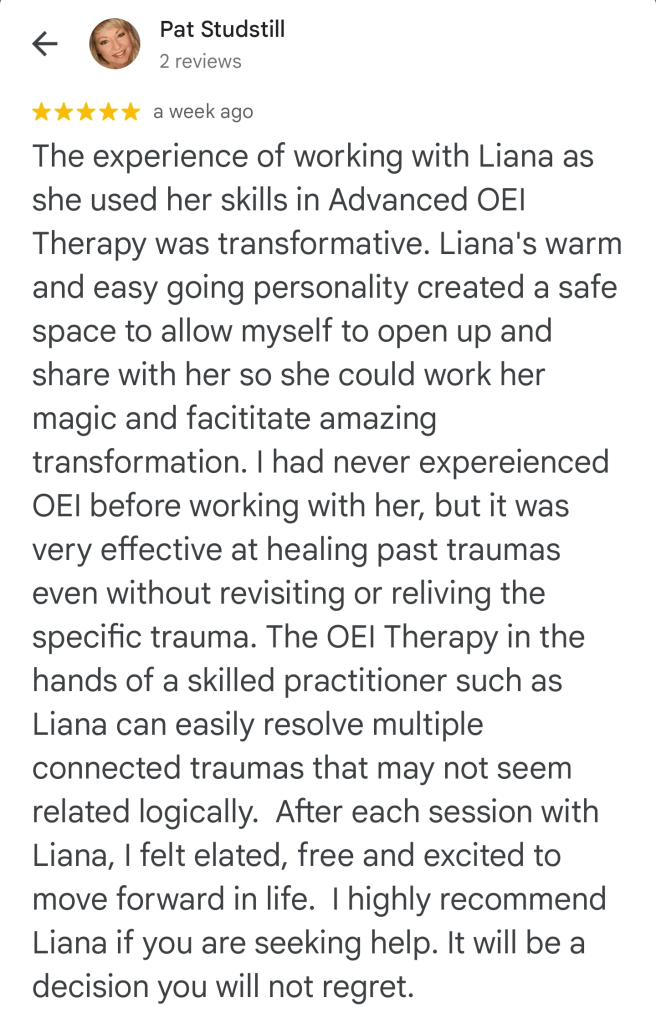
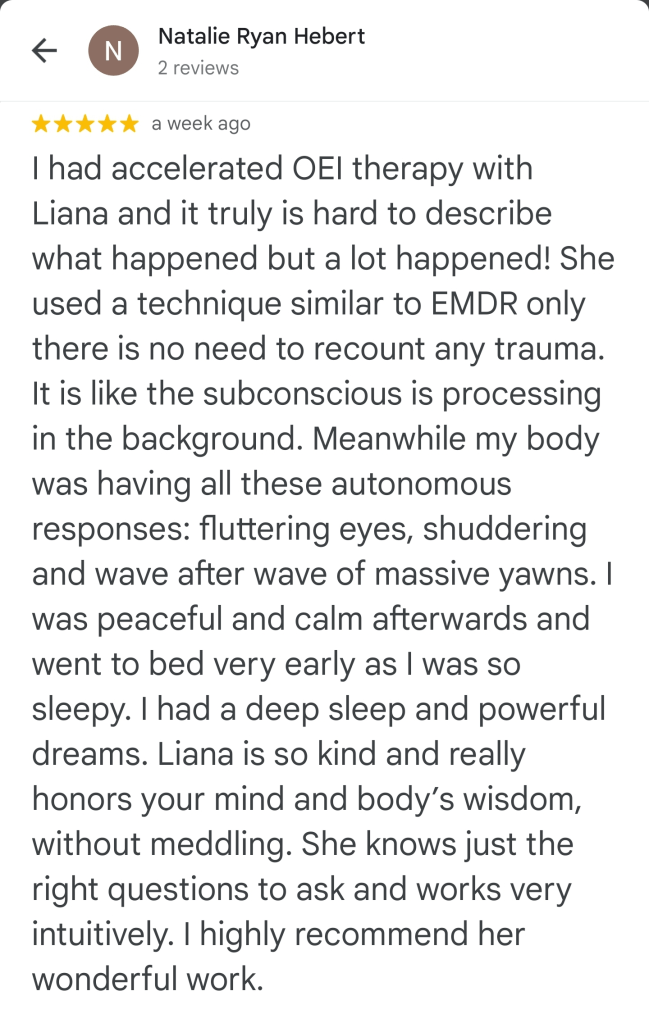
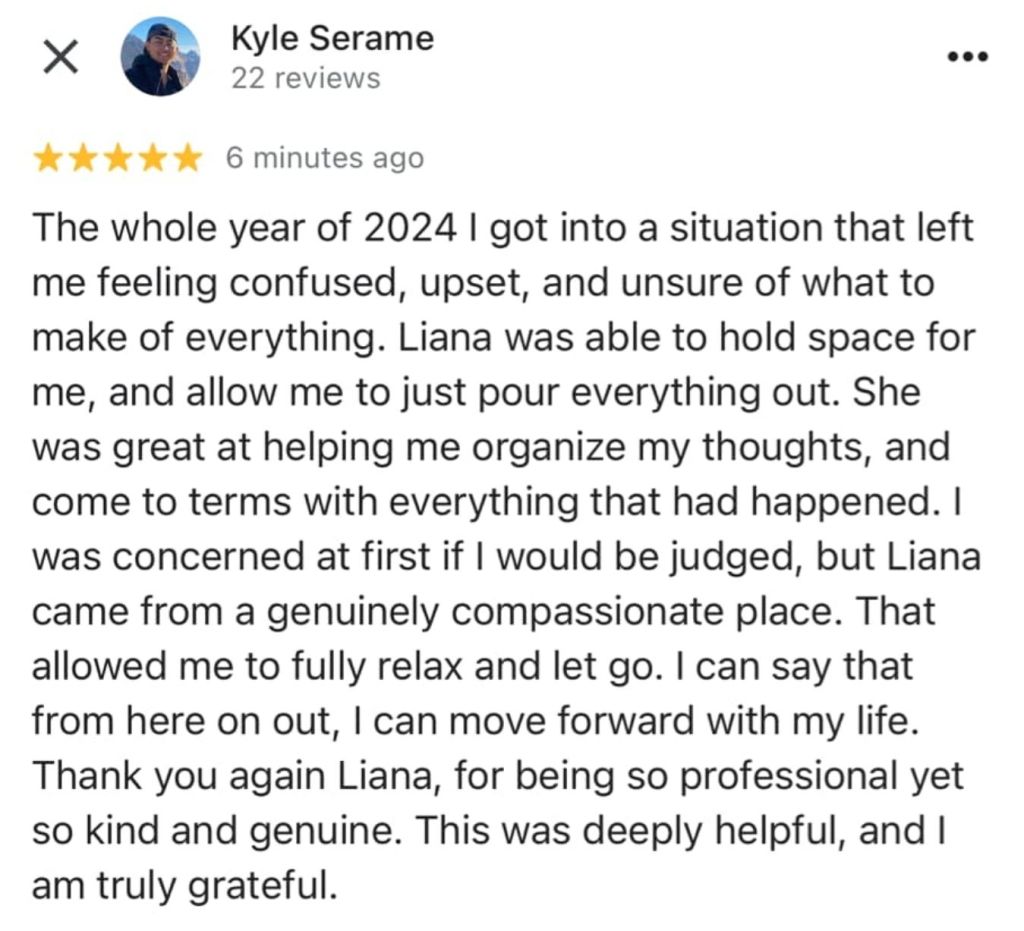
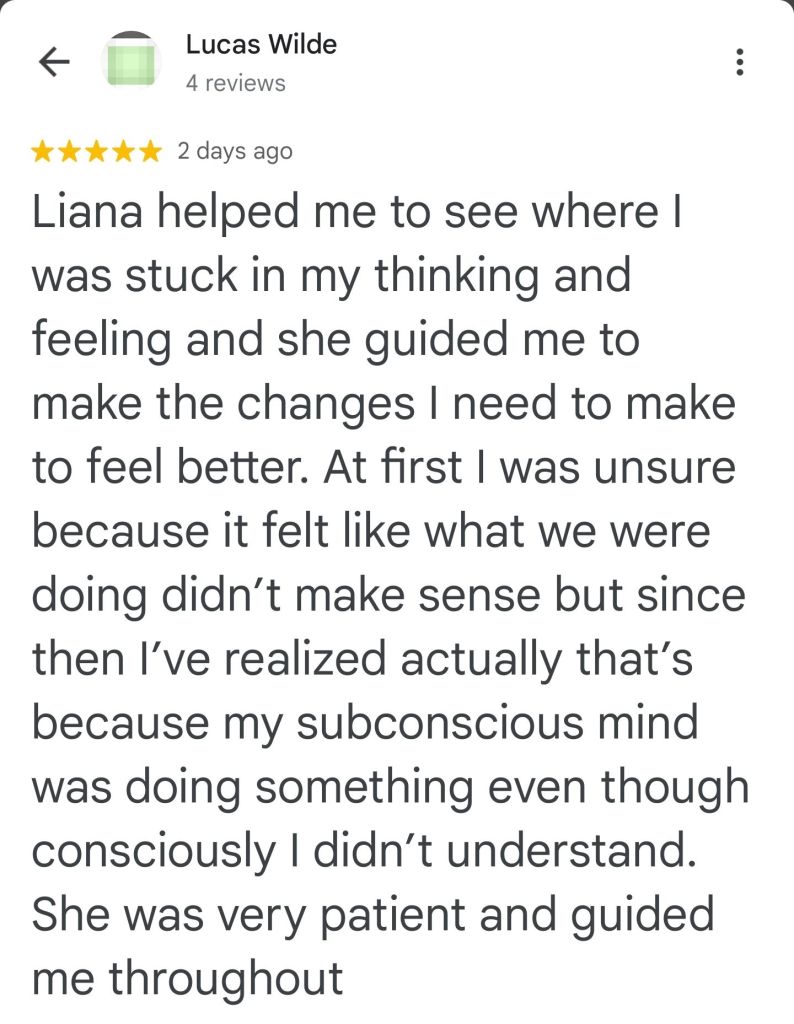
REVIEWS







































 Accelerated Hypnotherapy - Rapid Results
Leave a comment