
Is Trauma SECRETLY Causing Your WEIGHT ISSUES?
If you have had chronic weight and emotional eating issues, have you ever considered that it might be because of trauma?
Maybe not trauma with a big T but the type of trauma that can be overwhelming to a child or when you were at a vulnerable time in life.
Traditional weight loss approaches often emphasize calorie control and physical activity. However, for many individuals, these methods require willpower and motivation and yield limited success because whatever is going on at the subconscious level is what will dominate.
It like a mouse running back and forth on the back of an elephant that’s going wherever the F it wants to go.
Recent studies suggest that unresolved trauma—particularly from childhood—can significantly influence weight gain and hinder weight loss efforts.
Childhood Trauma’s Lasting Impact on Weight
Adverse Childhood Experiences (ACEs), including abuse and neglect, have been linked to increased obesity risk in adulthood. A study published in Mayo Clinic Proceedings found that early trauma can lead to psychological and physiological changes that promote weight gain . These changes may include altered stress responses and emotional eating behaviors.
Even in the absence of these big T traumas, as children, we are vulnerable and experiences can be overwhelming and occur to us as little t trauma. We may not even remember these experiences or have dissociated from them with food. I have a quick test that can help my clients determine if trauma has had an impact on their weight and eating issues.
PTSD and Rapid Weight Gain
Post-Traumatic Stress Disorder (PTSD) has also been associated with weight issues. Research from Columbia University indicates that women with PTSD gain weight more rapidly than those without the disorder . Chronic stress associated with PTSD can disrupt hormonal balance and metabolism, contributing to weight gain.
The good new is that when you resolve trauma, the symptoms of overweight or obesity also decline significantly.
Emotional Eating as a Coping Mechanism
Trauma can lead to emotional dysregulation, where individuals use food to manage negative emotions. Many individuals struggling with weight and energy levels eat as a way to numb anxiety, boredom, shame, or loneliness.
High-sugar or high-fat foods can temporarily trigger feel-good chemicals like dopamine, creating a short-term sense of comfort or distraction. Over time, this pattern reinforces a cycle where food is relied upon to suppress emotional discomfort, rather than addressing the underlying trauma.
This emotional reliance on food can lead to chronic overeating, binge eating, and difficulty recognizing hunger and fullness cues — all of which contribute to persistent struggles with weight and body image.
This coping mechanism often results in dissociated eating and weight gain. Understanding the emotional roots of eating behaviors is essential for addressing chronic weight issues. Healing requires addressing the trauma at its root, not just managing symptoms like food cravings or dieting behaviors.
Trauma-Informed Approaches to Weight Management
Addressing the underlying trauma is crucial for effective weight management. Therapies such as Observed & Experiential Integration (OEI) therapy and Accelerated Hypnotherapy can help individuals process trauma at a subconscious level, reducing emotional eating triggers and promoting healthier behaviors.
Integrating Trauma Healing into Weight Loss Strategies
Consider that you might not have a discipline, motivation or procrastination problem, you might have trauma, – especially if you’re doing all things and you just can’t see to move forward because trauma keeps us stuck.
Recognizing the link between trauma and weight issues allows for more compassionate and effective interventions.
By incorporating trauma-informed therapies into weight management plans, individuals can address the root causes of their struggles and achieve sustainable health outcomes, gently and effectively when the real weight is released at the subconscious level.
Small changes in the subconscious lead to significant shifts at the conscious level.
Reviews


















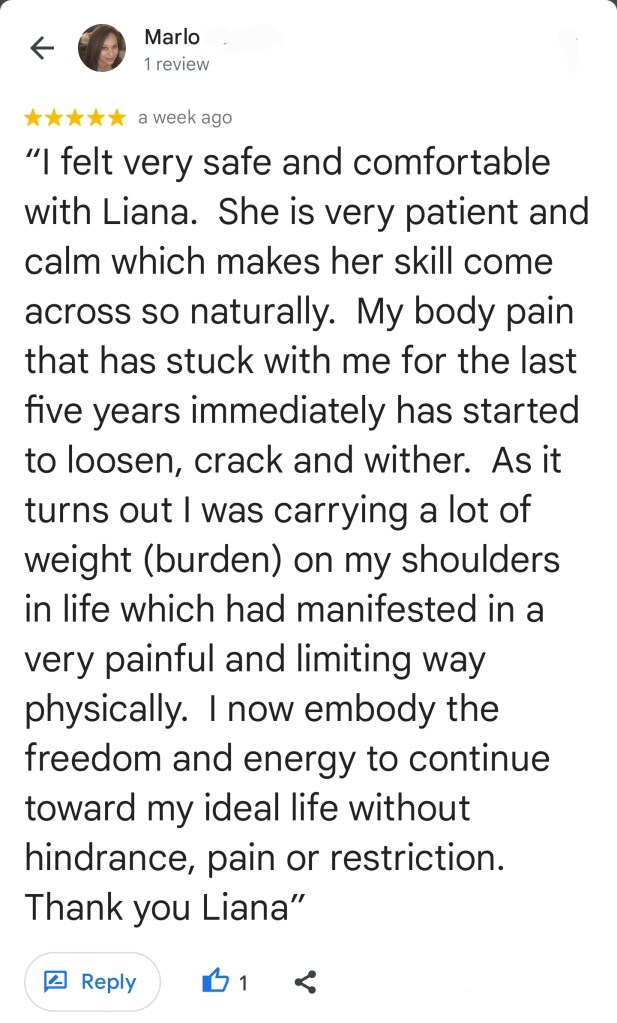





















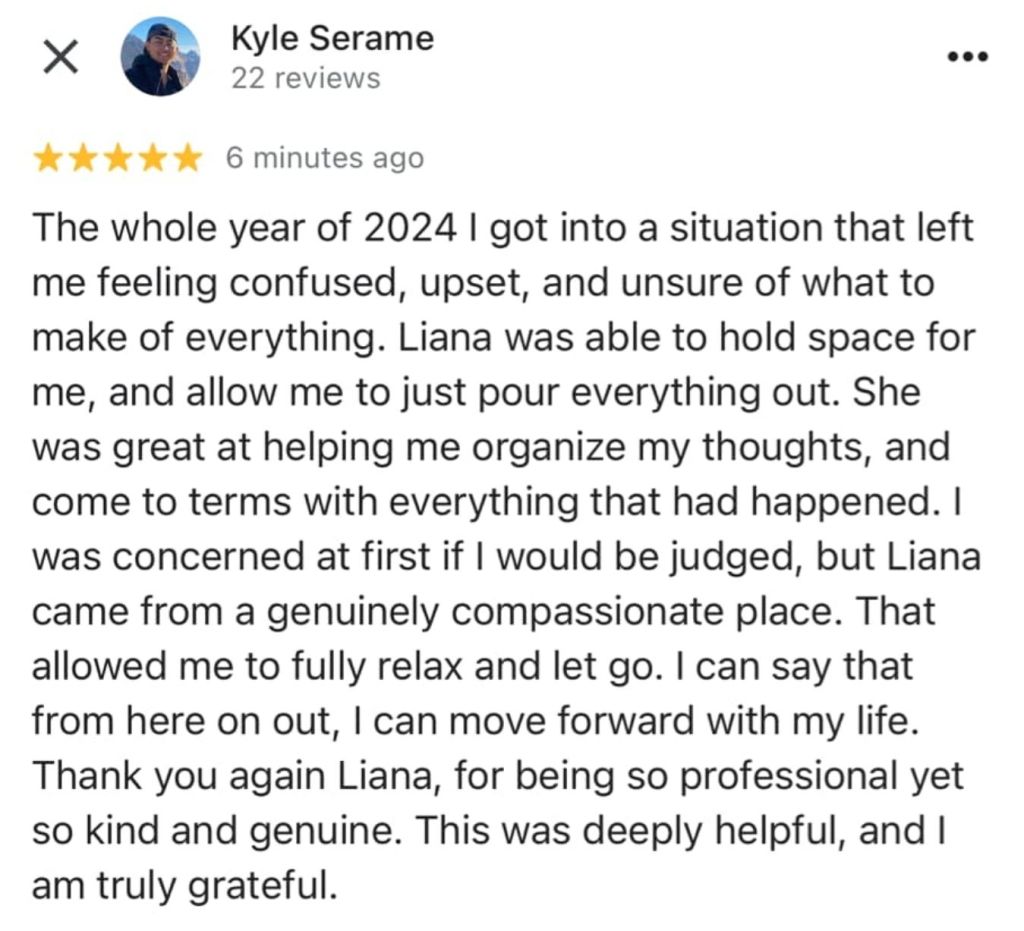





 Accelerated Hypnotherapy - Rapid Results
Leave a comment