
What is betrayal trauma?
Betrayal trauma happens when someone you rely on for safety or connection hurts you. This could be a partner who cheats, lies, manipulates, or abuses you emotionally, like gaslighting. The trauma leaves deep wounds that stay open and exposes because it comes from someone close. It can make it hard to feel safe in relationships or even trust yourself.
Why trust breaks down
After betrayal, your nervous system stays on high alert. You may question what’s real, second-guess your choices, or blame yourself, especially if you’ve been gaslighted.
You might feel shut down emotionally or triggered AF. These reactions are normal responses to being hurt by someone you trusted.
Emotional effects of betrayal
People often feel shame, numbness, anxiety, or hopelessness. You might avoid relationships, overanalyze everyone’s actions, or become overly self-isolated.
You might feel stuck, unsure how to move forward. You don’t have a motivation or procrastination problem. You’re being affected by unresolved trauma.
How betrayal changes relationships
Betrayal doesn’t just affect the relationship where it happened. It can be projected into new ones. You might struggle with closeness or feel afraid of being hurt again. Even if you want connection, your body may resist. This is trauma, the brain and body trying to protect you with intrusive thoughts so you stay in survival mode so you never forget what happened and let your guard down.
Why talk therapy might not be working
Talk therapy doesn’t always work well for trauma because trauma lives in the body, not just the mind.
When you talk about your trauma, it can revivify what happened, meaning it causes you to relieve it by talking about it. It brings up even more overwhelm, which might cause you to further dissociate or feel triggered AF, not safe.
Talking and engaging the conscious mind can no reach the deeper, unconscious responses trauma creates—like hypervigilance, dissociation, or emotional shutdown. Trauma often needs body-based or experiential approaches, like Observed & Experientail Integration (OEI) therapy to fully process and release it.
Steps toward healing
Healing starts with acknowledging how trauma might be affecting you. With deep trauma, you might not even remember what has happened because you’re deeply dissociated. Your brain is trying to protect you by keeping it buried but it still affects you. You feel stuck, hopeless, like there’s no future. You’ve lost yourself the the intrusive thoughts and painful emotions felt in your body.
You’re not overreacting – this is what trauma can do, if left untreated, it can create chronic pain in the body where you feel the pain but haven’t injured yourself physically. Hypnotherapy and OEI therapy can help you process the pain, rebuild self-trust, and learn to feel safe again, then create space for new possibilities..
You can feel safe again
Recovery doesn’t mean forgetting or excusing what happened. It means finding the resources that are already deep within you and finding the support you need to feel safe, grounded, and back to yourself again.
It’s possible to rebuild trust—first with yourself, then with others in a safe, gentle way that opens up new possibilities for yourself and your life.
Let’s connect.
Pure Possibilities
Change Your Mind.
Change Your Life.
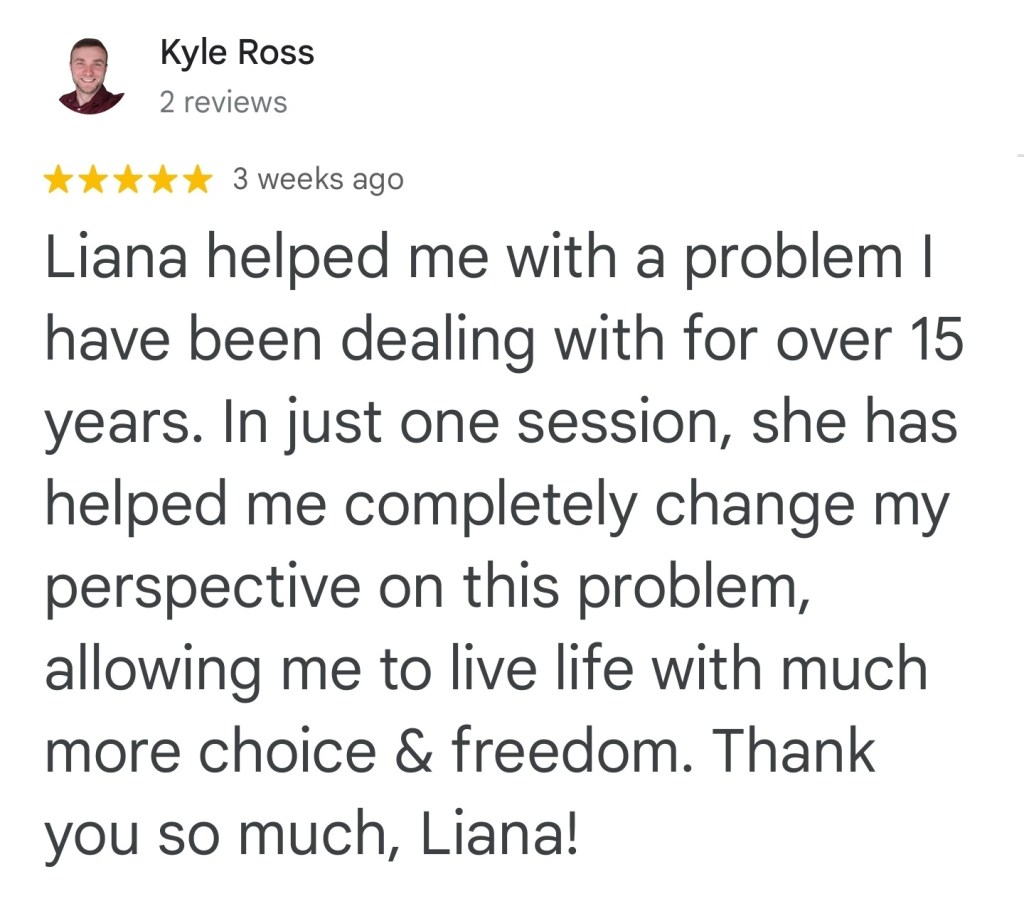
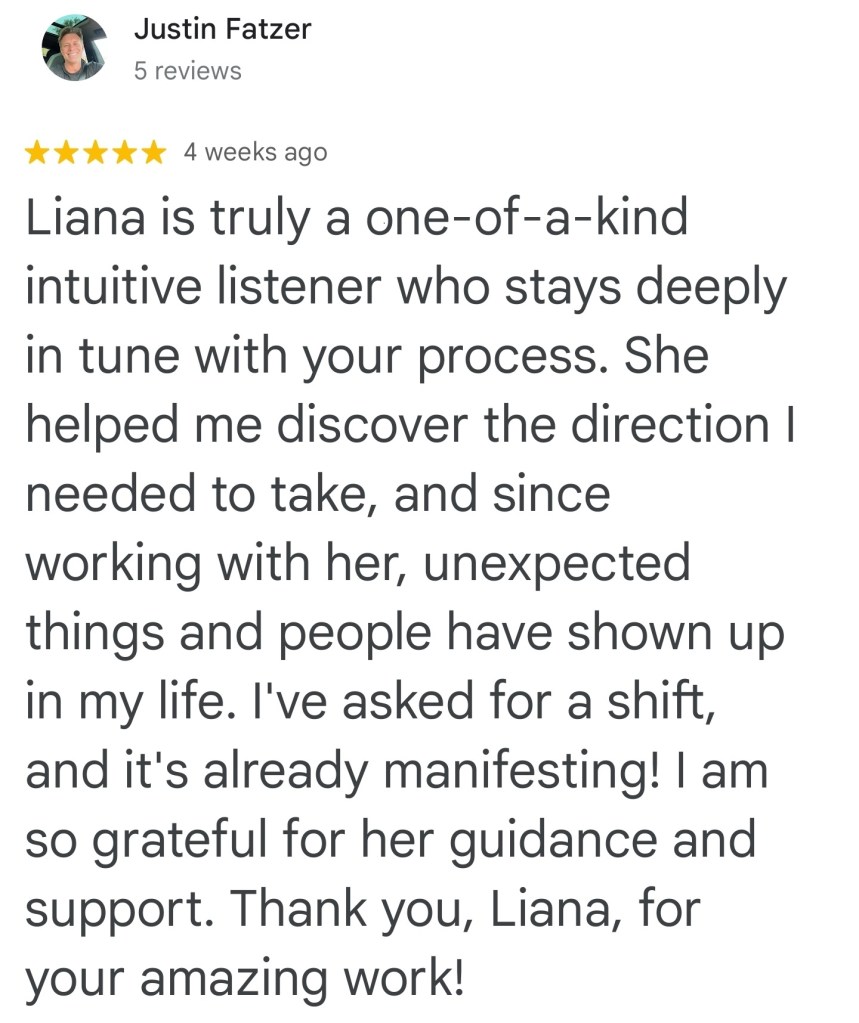
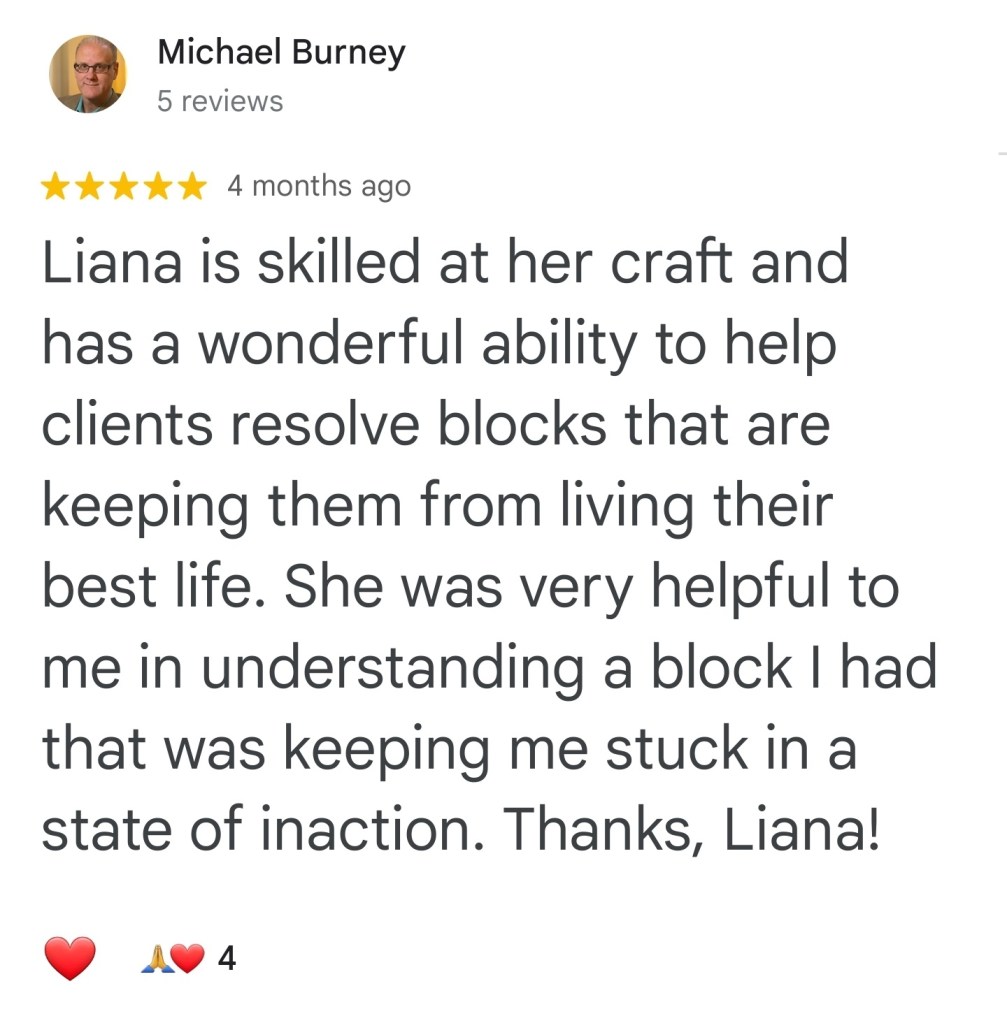
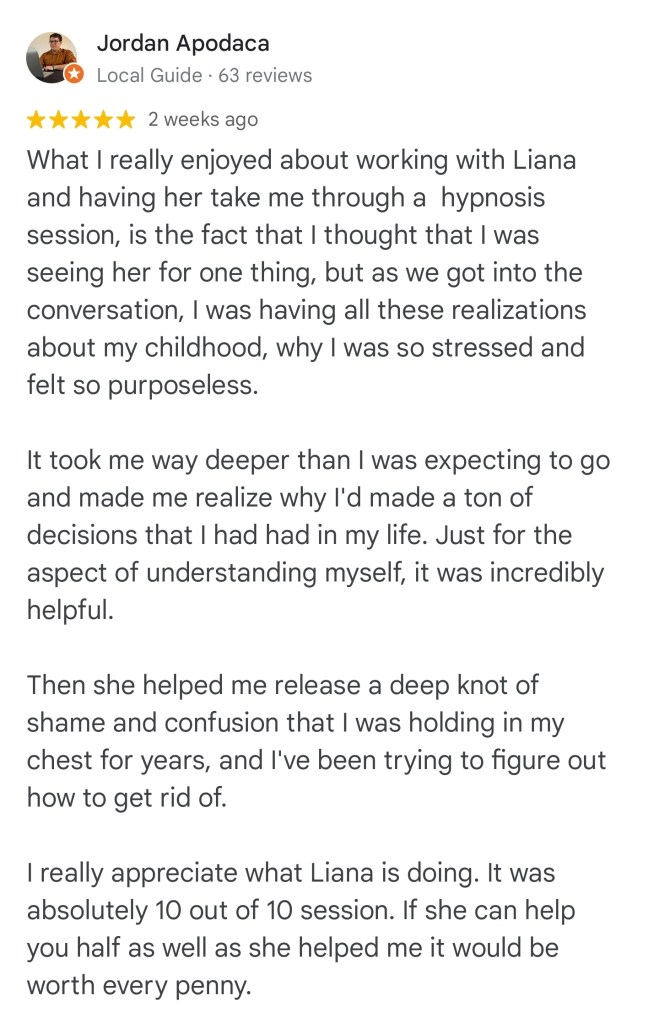
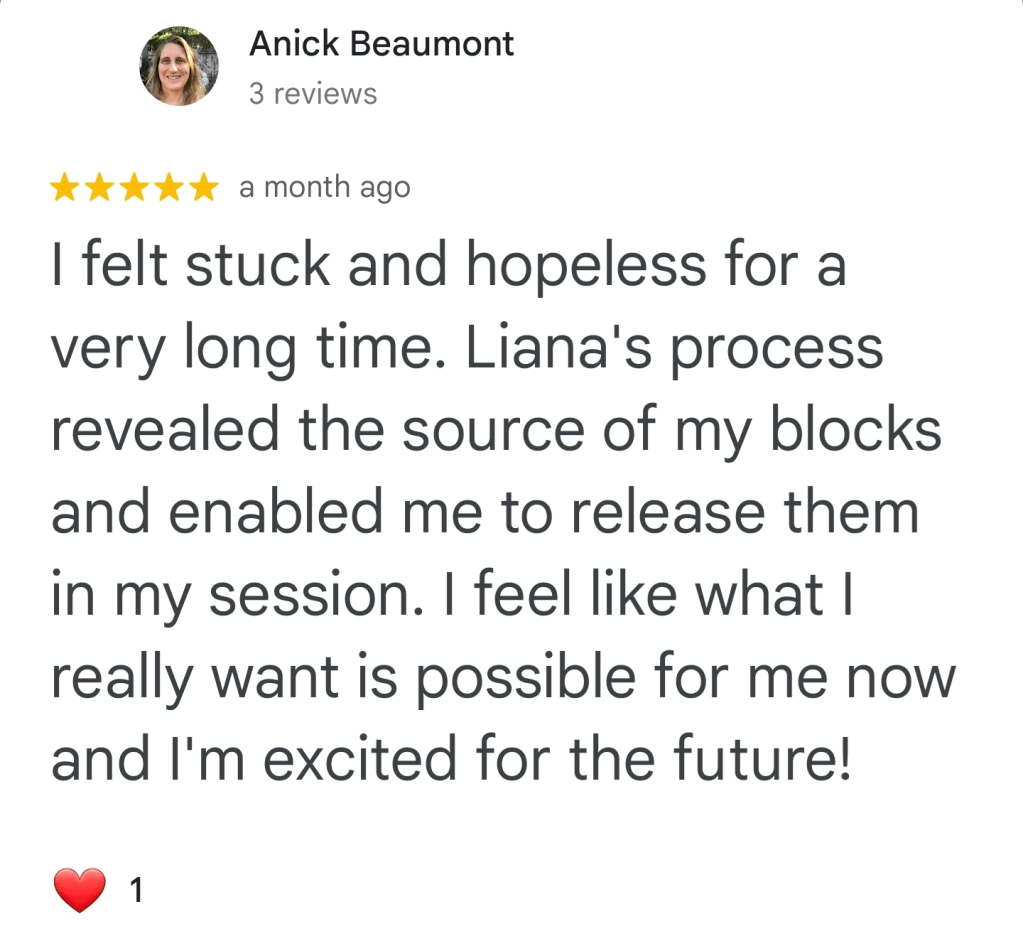
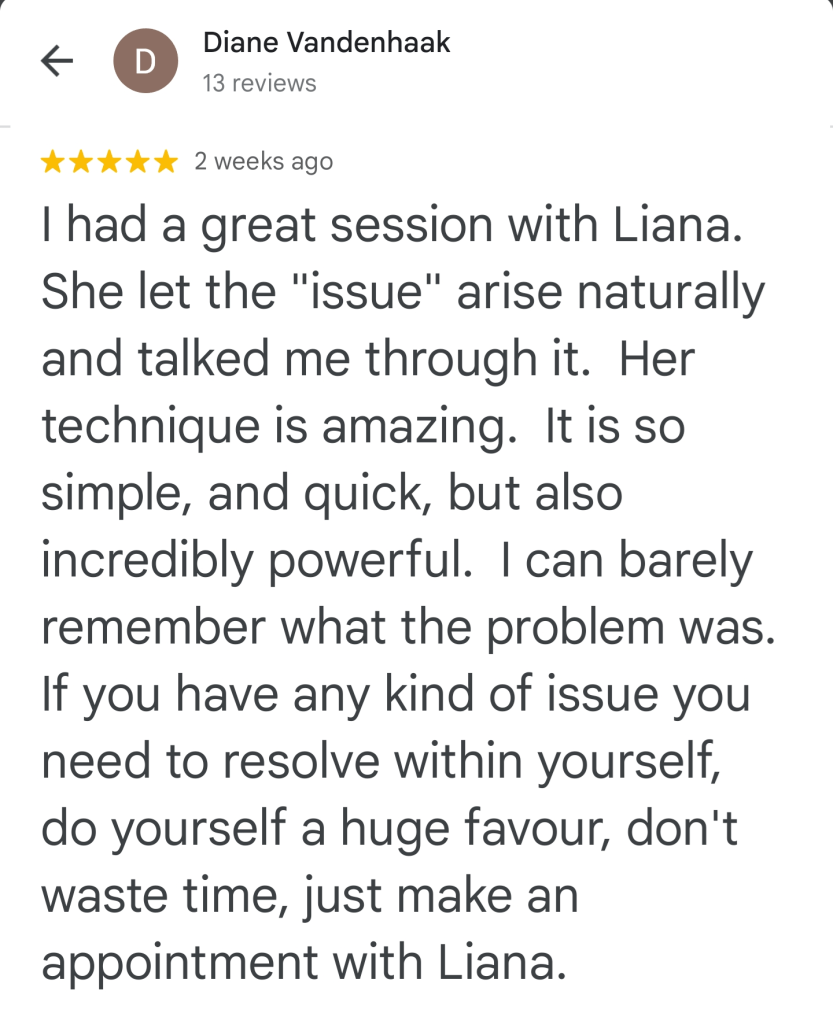
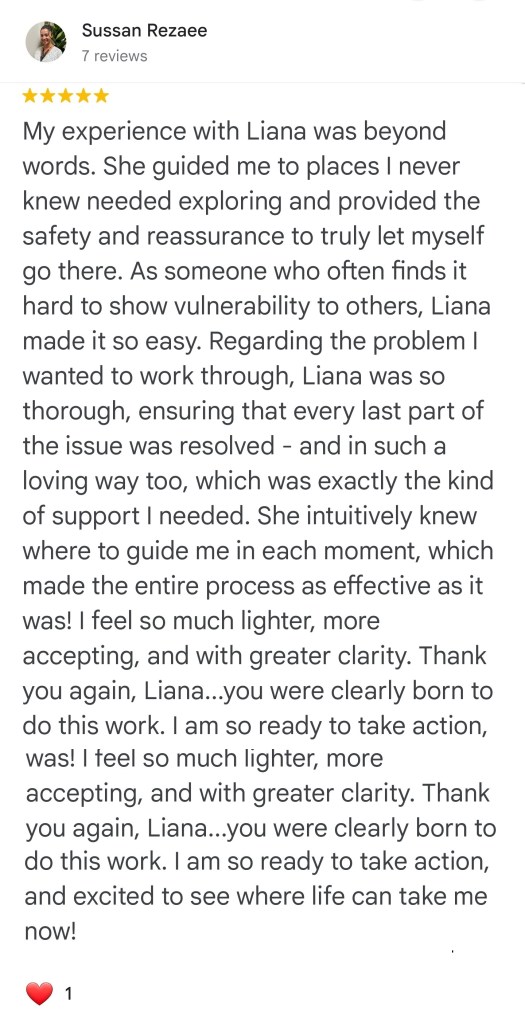
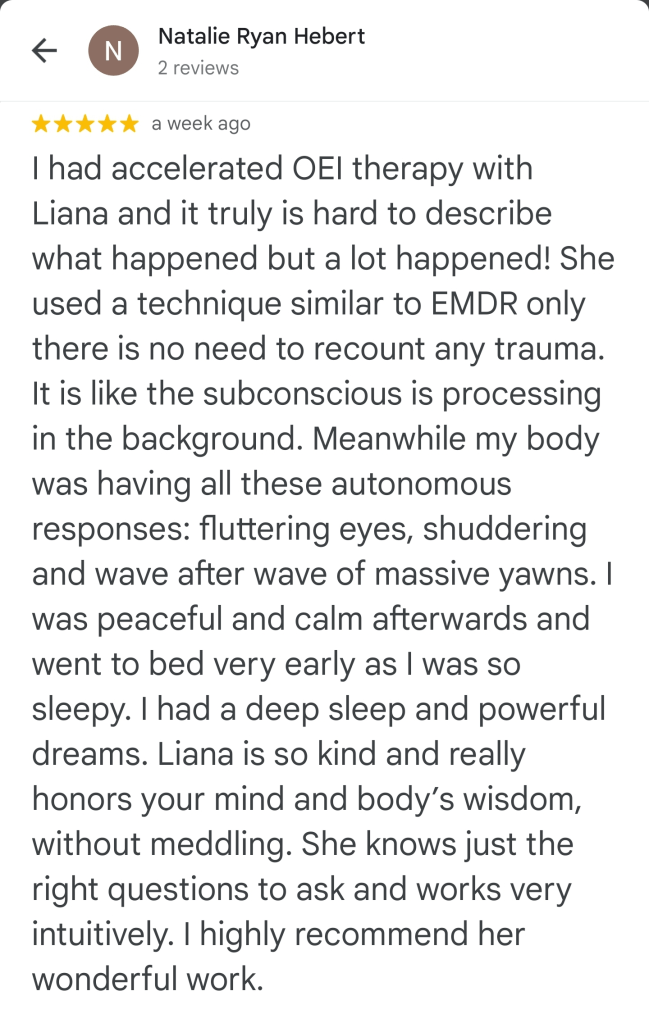
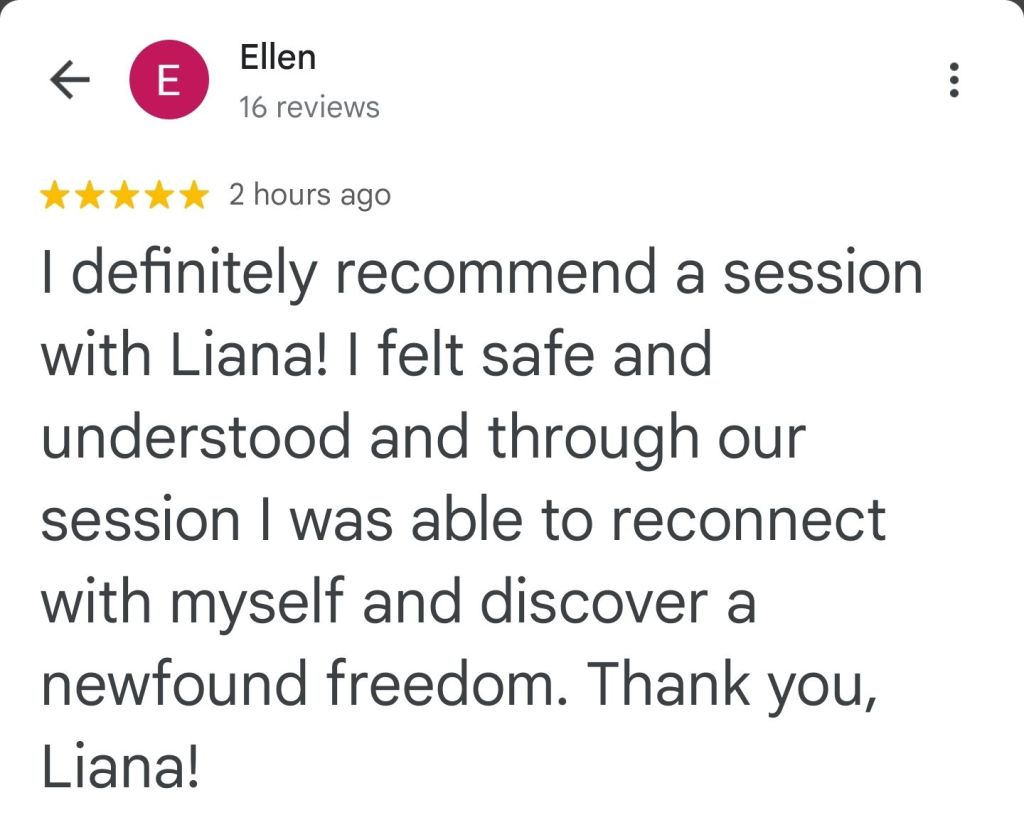
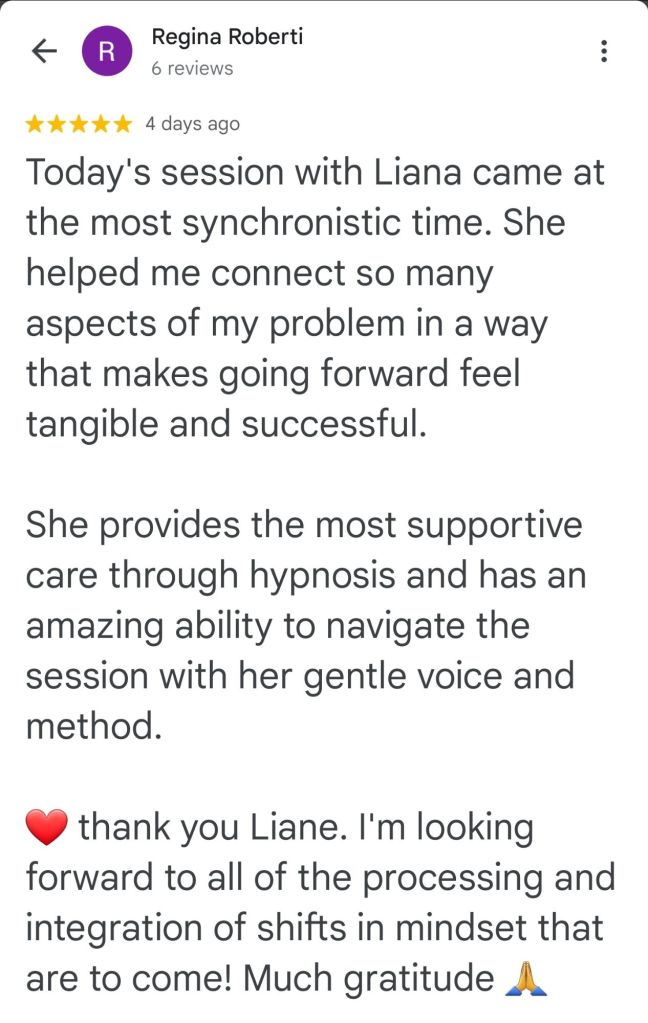
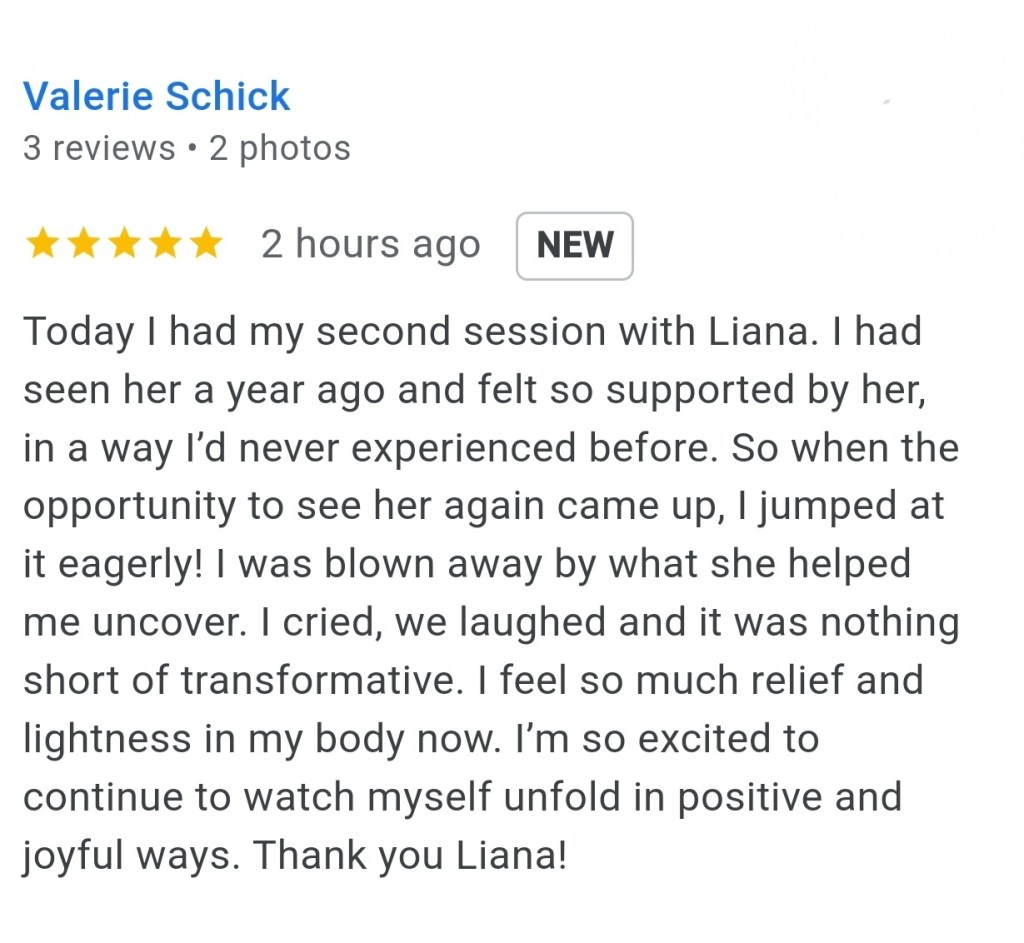
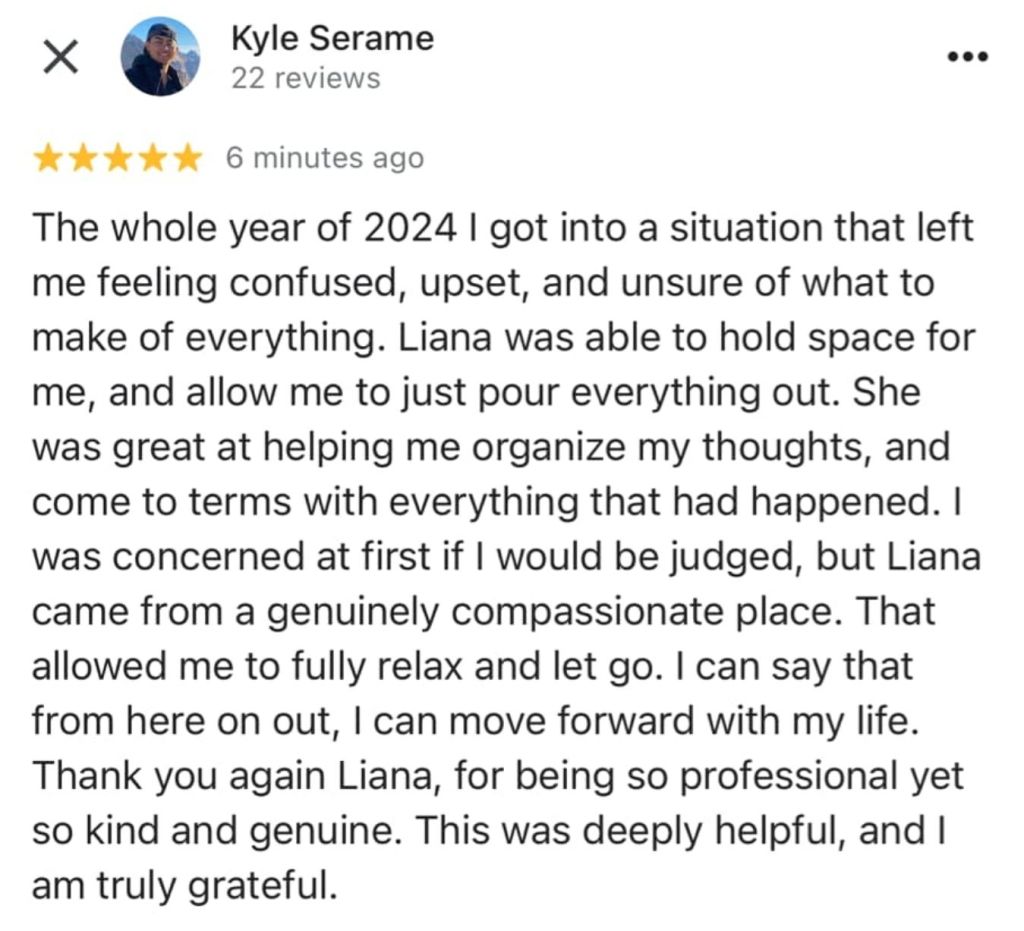
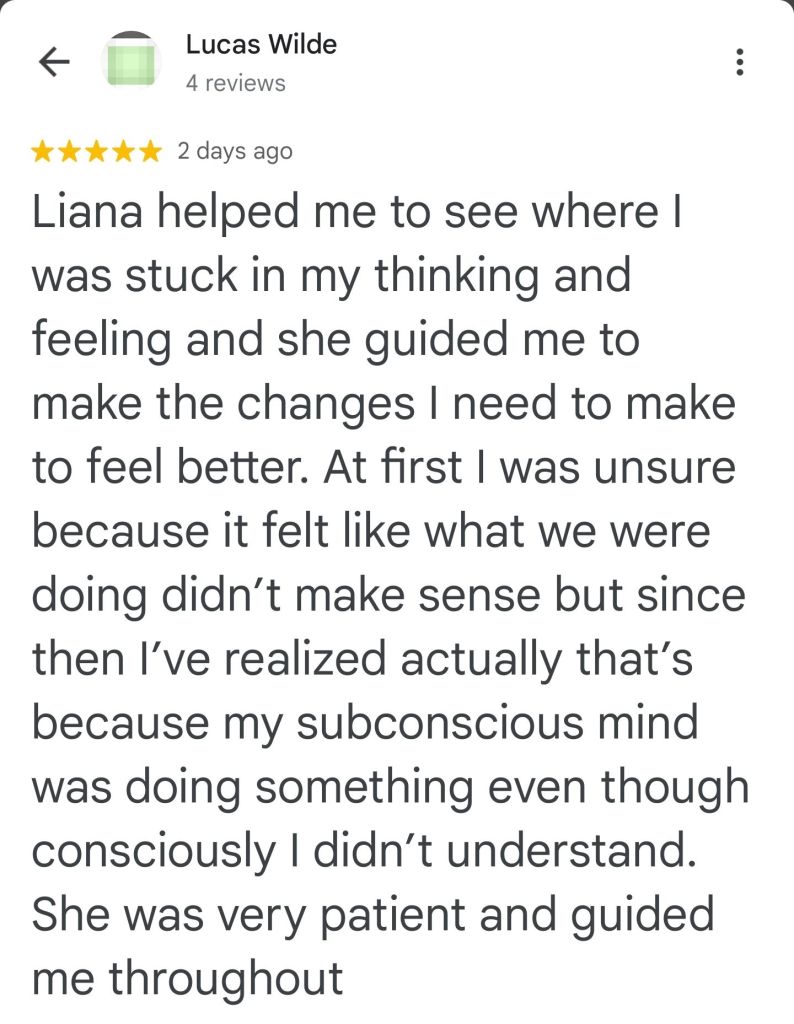
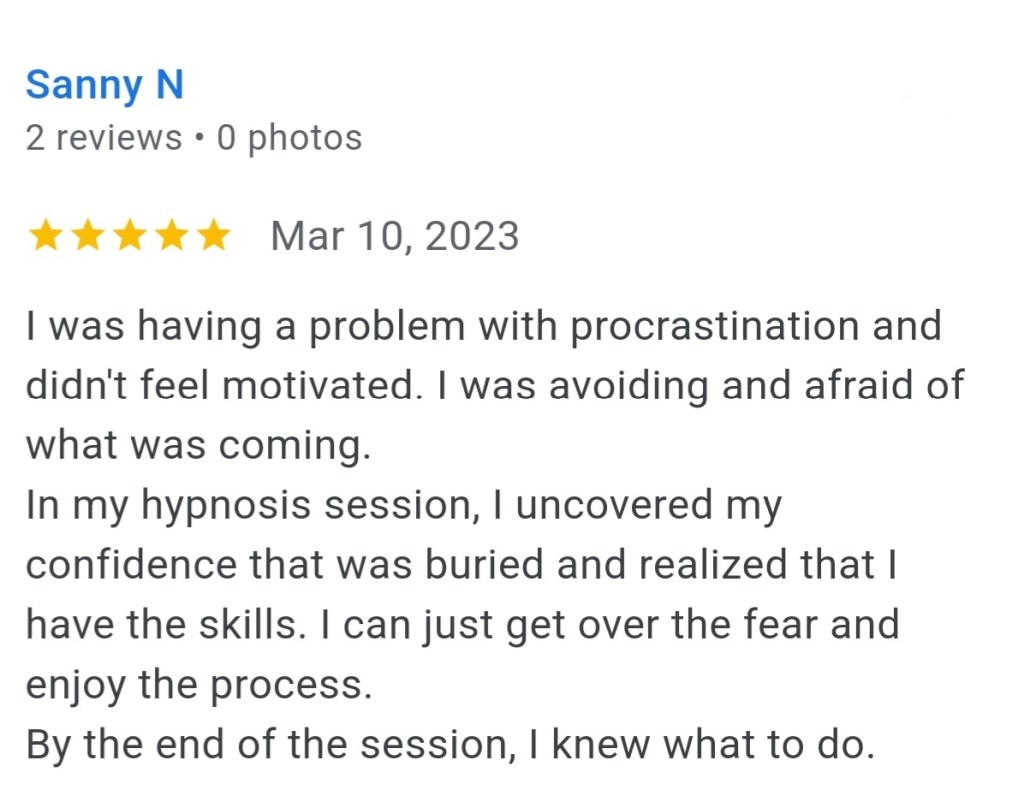
REVIEWS



























 Accelerated Hypnotherapy - Rapid Results
Leave a comment