
The link between trauma and disordered eating
People who go through trauma—as adults or early in life—often use food to cope. Trauma often makes us turn to food, emotional eating, binge eating, or restricting. These patterns may feel soothing short-term but can lead to long-term issues, including obesity and difficulty with weight loss.
Trauma and your sense of safety
When safety or trust is broken either by infidelity, betrayal or neglect-both as a child or adult, the body adapts to survive what the brain experiences as overwhelming. If these traumatic experiences are not resolved, you can start losing your sense of self to intrusive thoughts, heightened emotions felt in the body, and always feeling triggered AF.
To escape the way trauma hijacks the here and now, food can become a form of comfort or control. These habits can stick, even if the experience is in the past because there’s an underlying emotional element to these issues. It’s more than just calories in and out with these weight issues.
Over time, unresolved trauma shapes how people feel about eating, their bodies, and themselves.
How trauma complicates weight loss
When someone has had trauma experiences, standard weight loss approaches may not work well because they don’t get at what’s really behind the issues and it might just be one of a number of symptoms of trauma.
In addition, diets or rules around food can feel punishing or triggering – they interfere with the comfort and dissociation that we trying to get from food in the first place.
Frustration, shame and emotions around eating or weight can make things even worse. Without addressing the emotional elements of how trauma and weight issues are connected, you might feel stuck in cycles of guilt, bingeing, or restriction, feeling more and more frustrated and ashamed. Your eating might become hidden or something you do secretly as the emotions also go underground, where they start to really affect things.
I see the hidden elements like an elephant that is always retreating back to the trauma, and the dieter is like a mouse on his back, it doesn’t matter what the mouse does, it doesn’t realize that the elephant is in charge and determines the direction it’s going
Why trauma-informed treatment works
Trauma-informed care means looking beyond surface behaviors. Instead of just focusing on food or weight, it considers the trauma and emotional reasons behind them. If it was early childhood trauma, you might not even remember the trauma because it was a little t trauma, but as a child we are vulnerable and things that seem insignificant to an adult can be huge and overwhelming.
Resolving trauma can help people feel safer, lighter and more in control of their healing process. Recovery becomes less about willpower and restriction more about compassion to soothe the parts that are overwhelmed.
When you resolve your trauma, and feel supported and comforted emotionally, you can create more space to make lasting changes with ease and flow because trauma shapes how people eat, how they feel in their bodies, and how they relate to food.
If there is an emotional element, like frustration or shame, eating to dissociate, it might be about more than just calories in and out.
Recognizing this can lead to better results and more compassionate ways of resolving weight issues.
Healing weight issues that you feel might be affected by your experiences of infidelity or betrayal is possible—and it might just start by understanding the connection between past pain and present patterns.
Let’s connect.
Small changes in the subconscious lead to significant shifts at the conscious level.
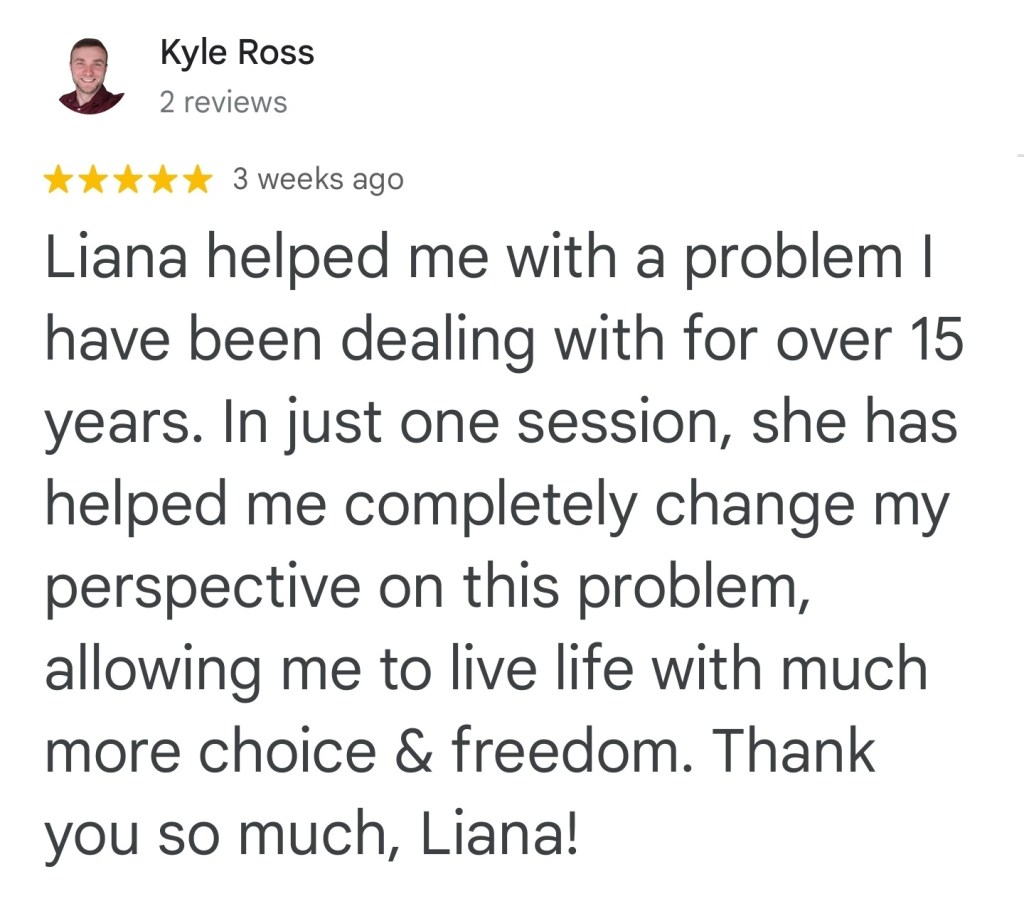
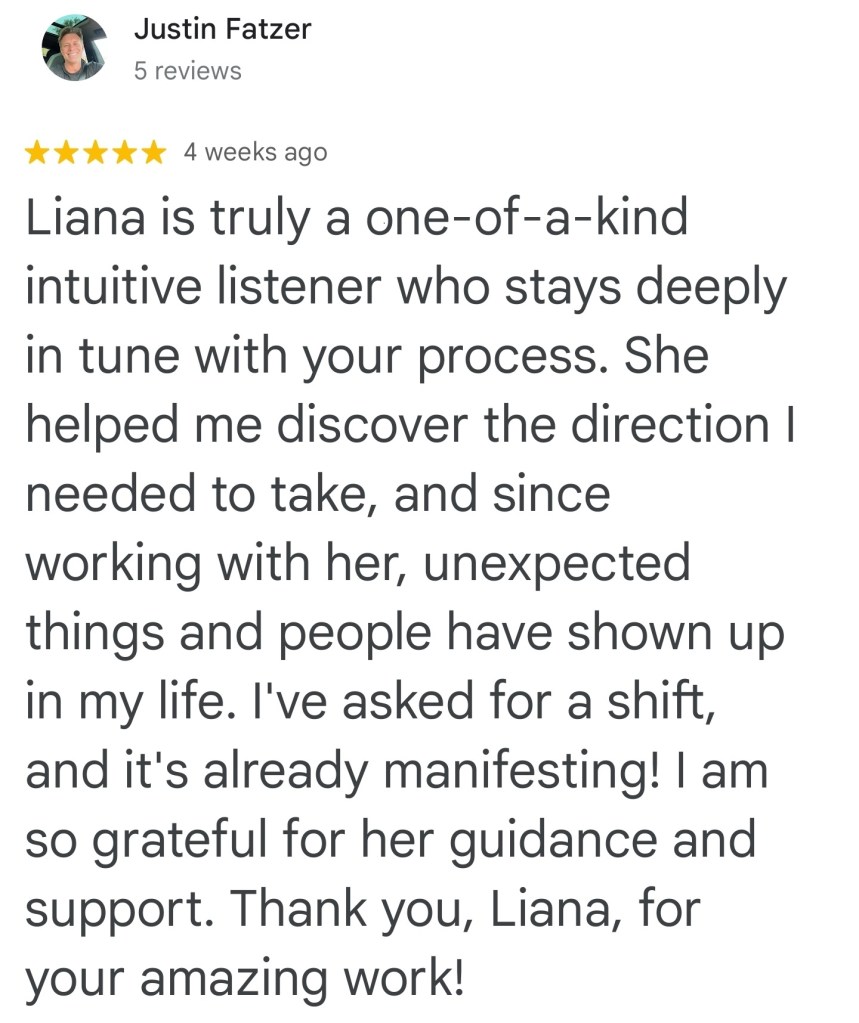
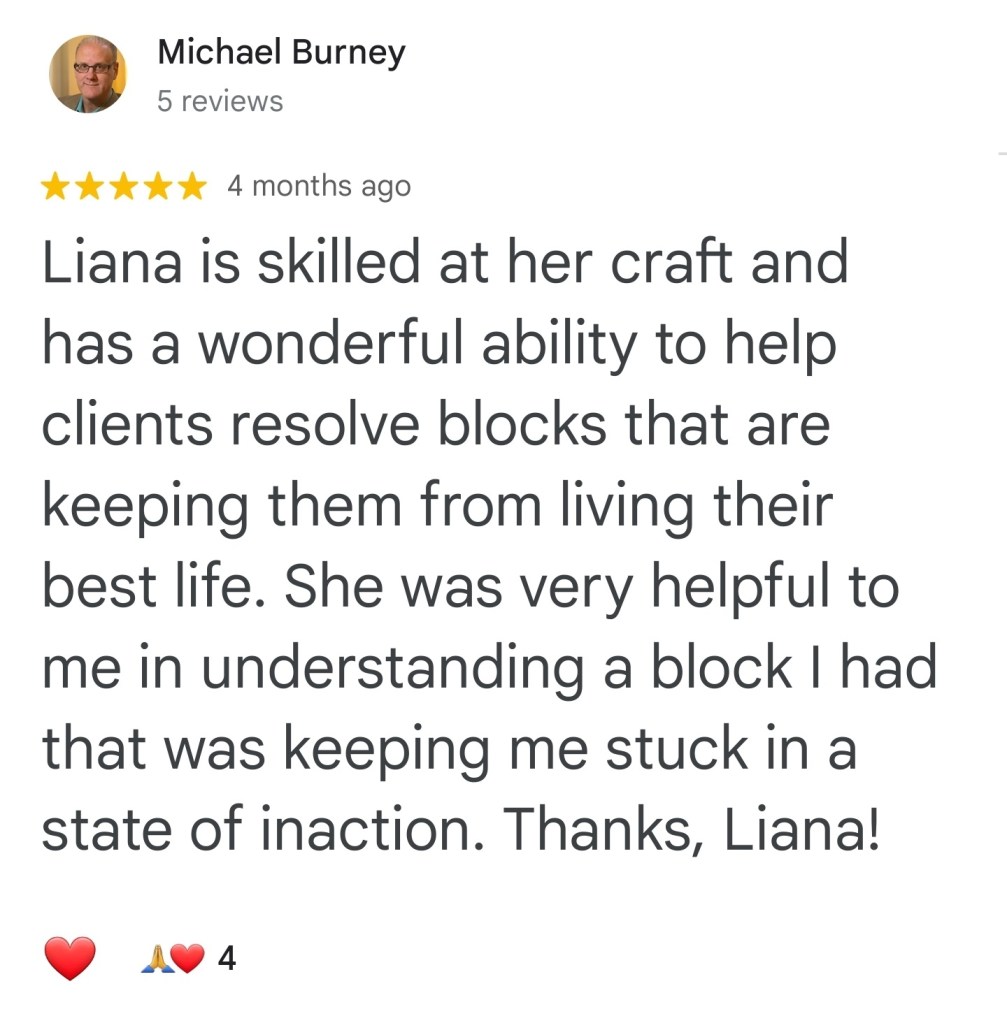
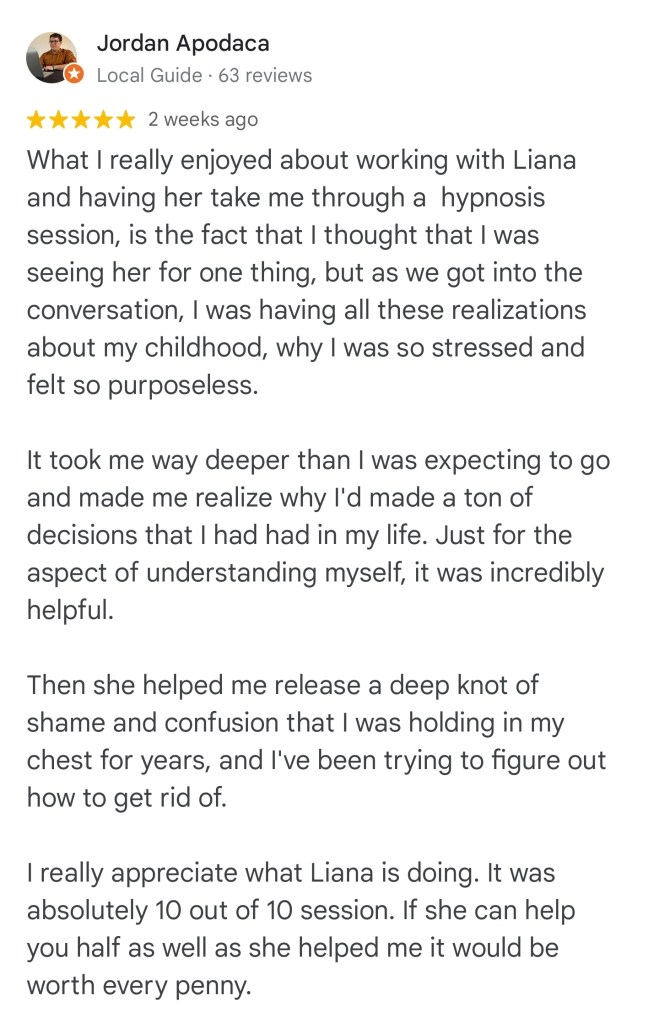
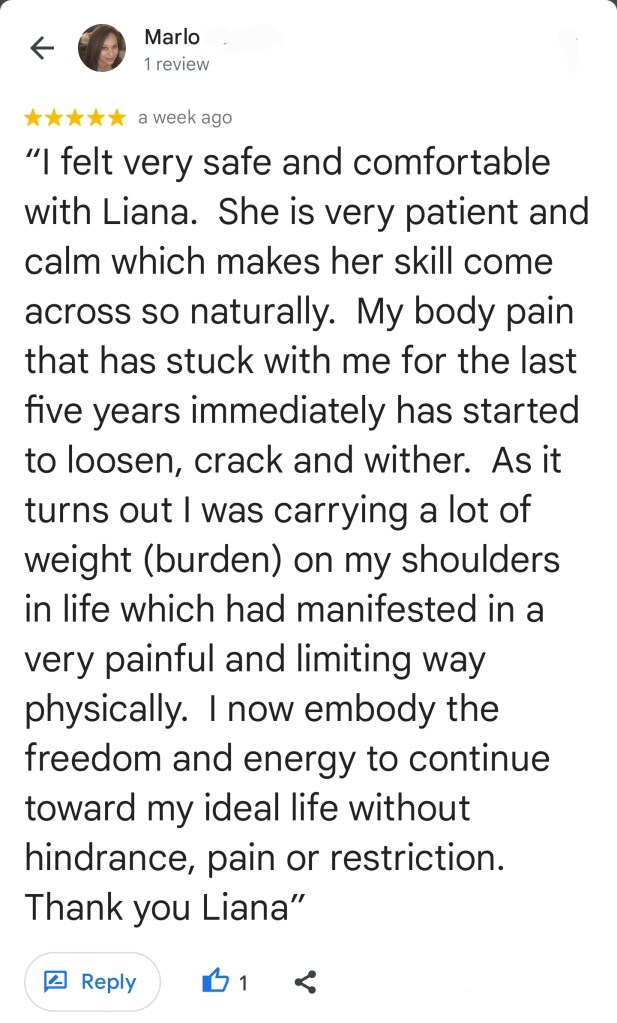
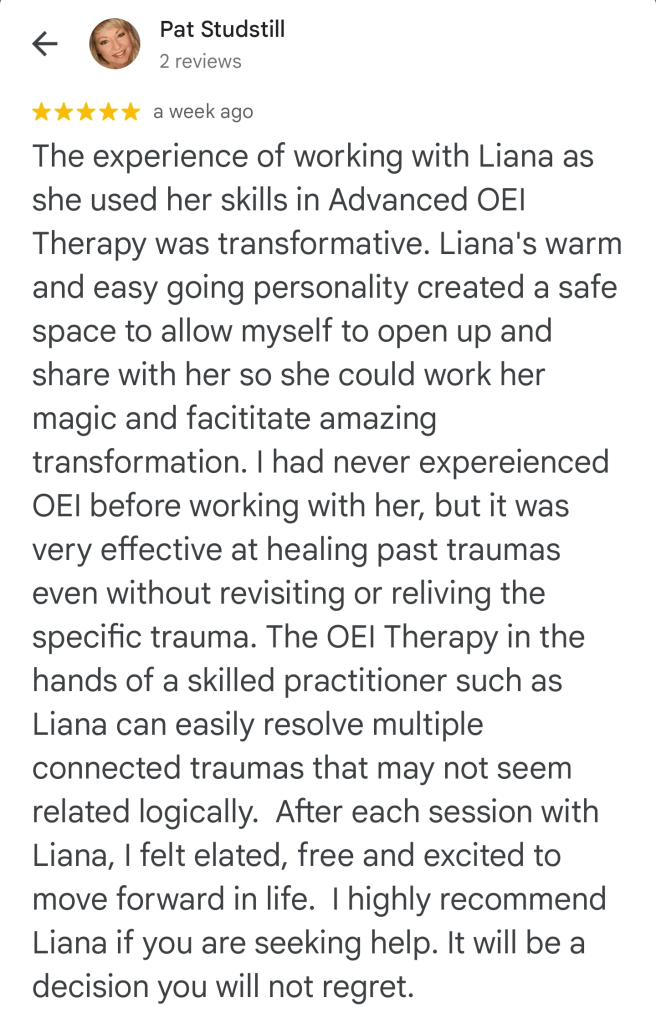
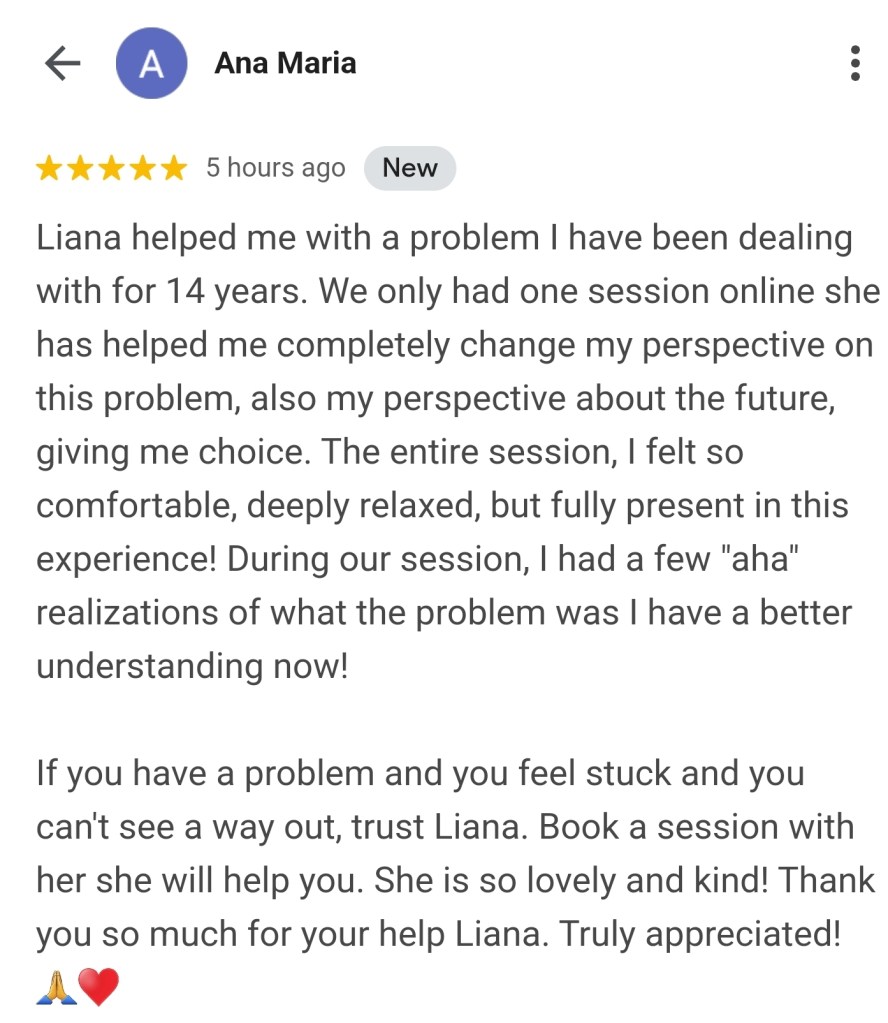
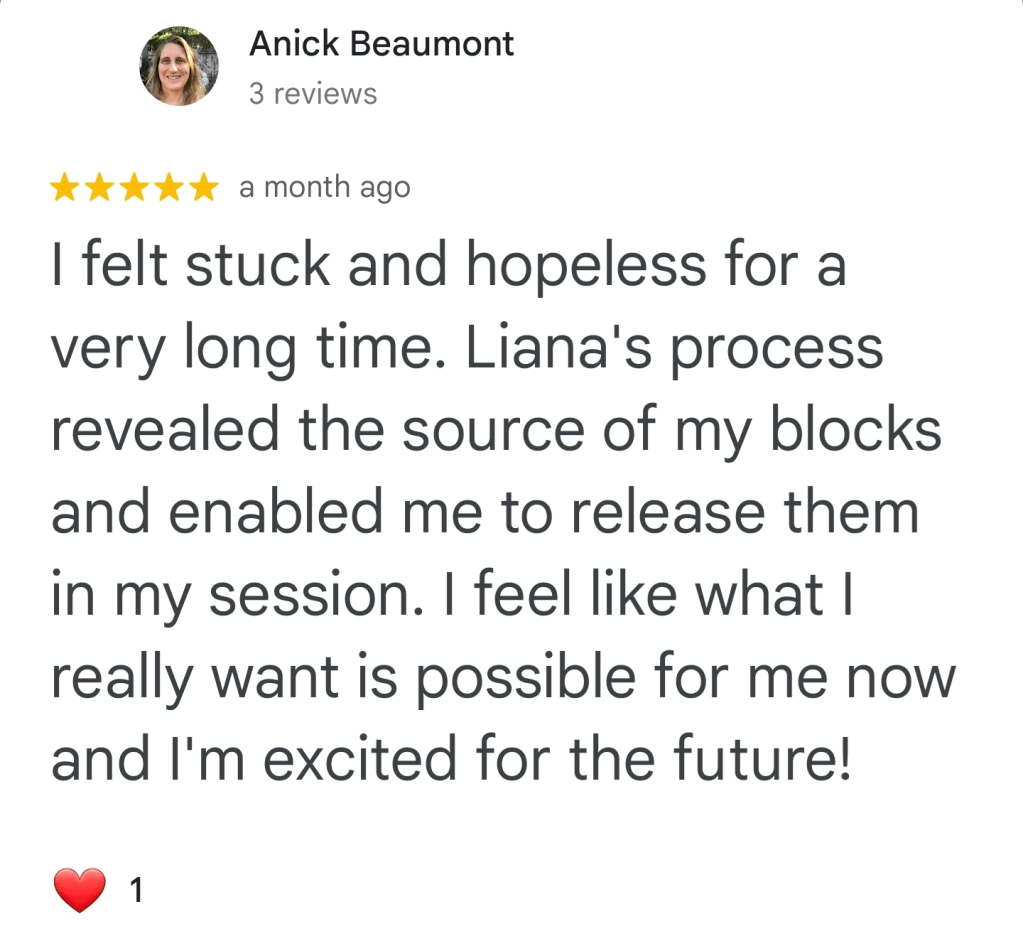
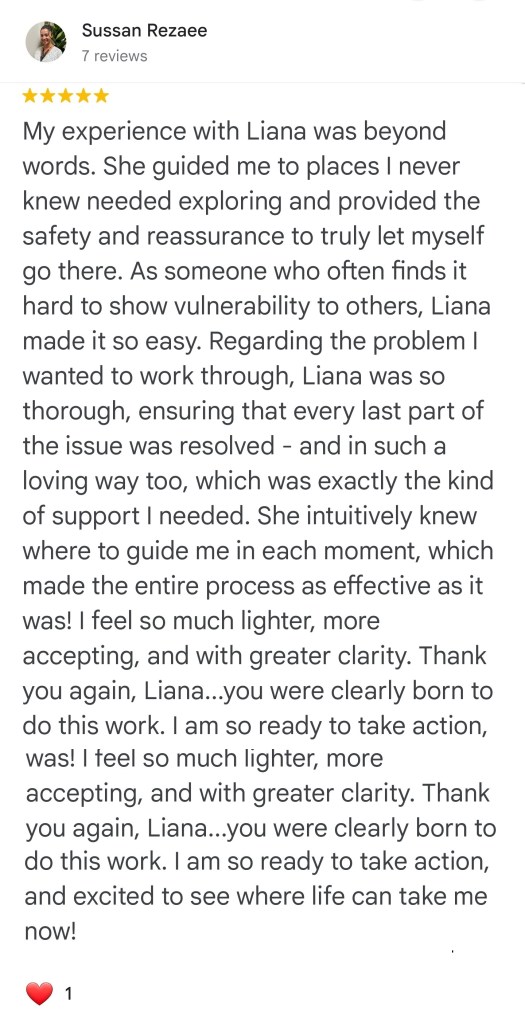
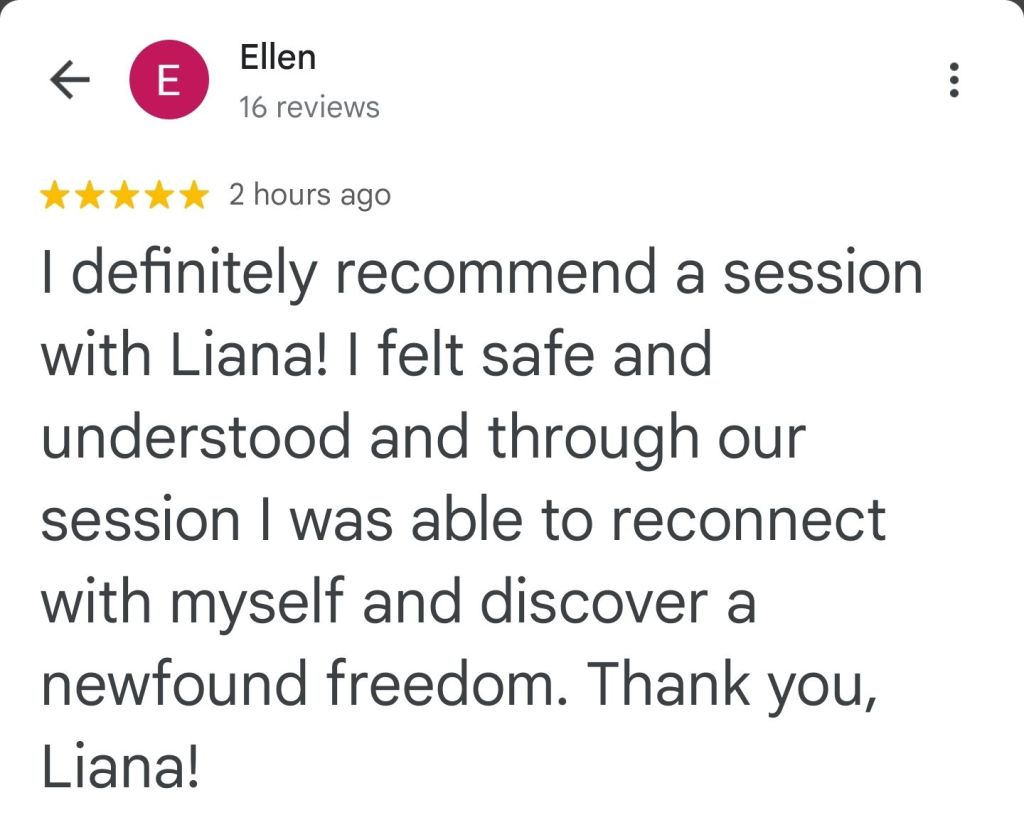
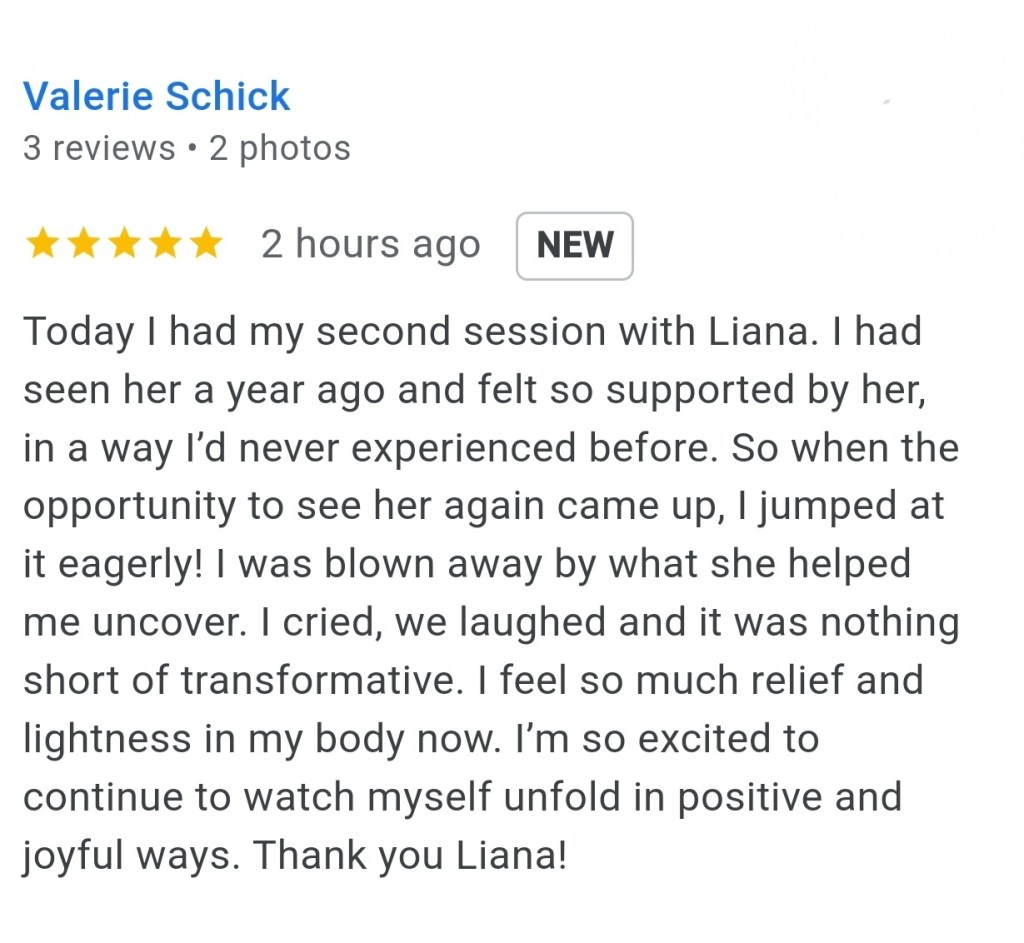
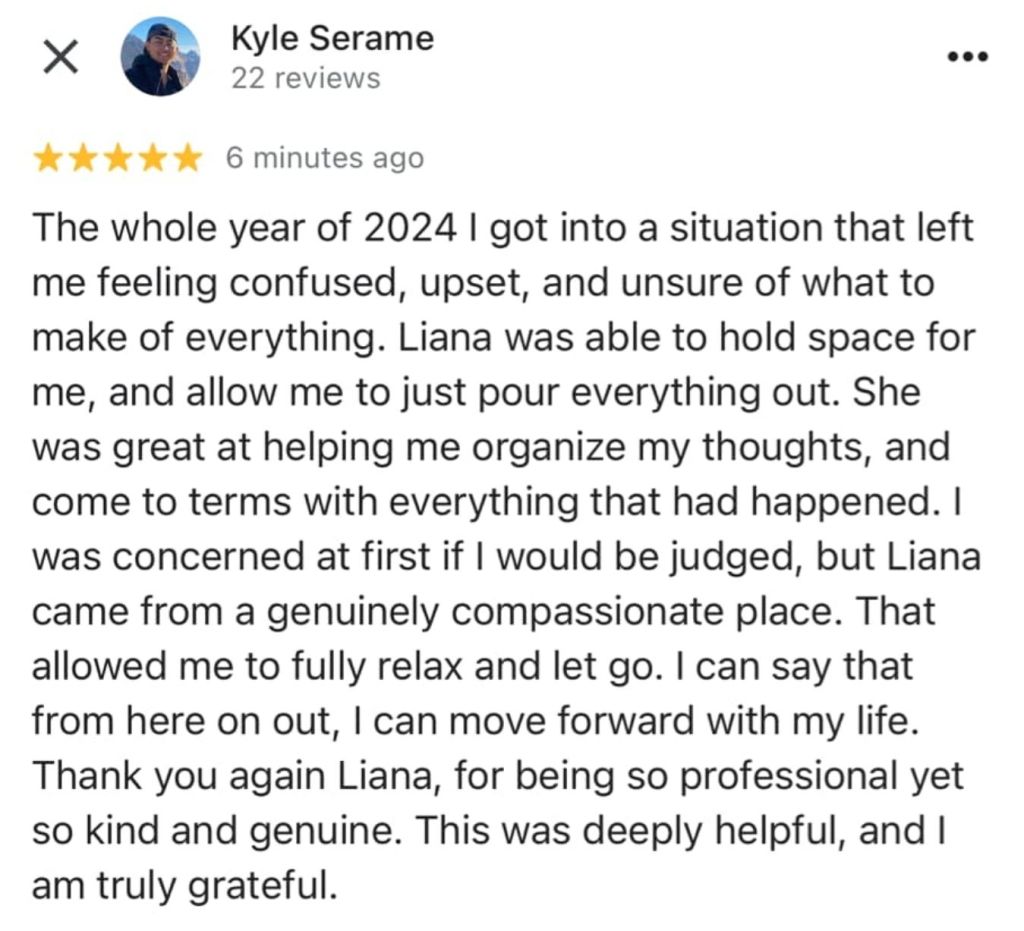
REVIEWS






























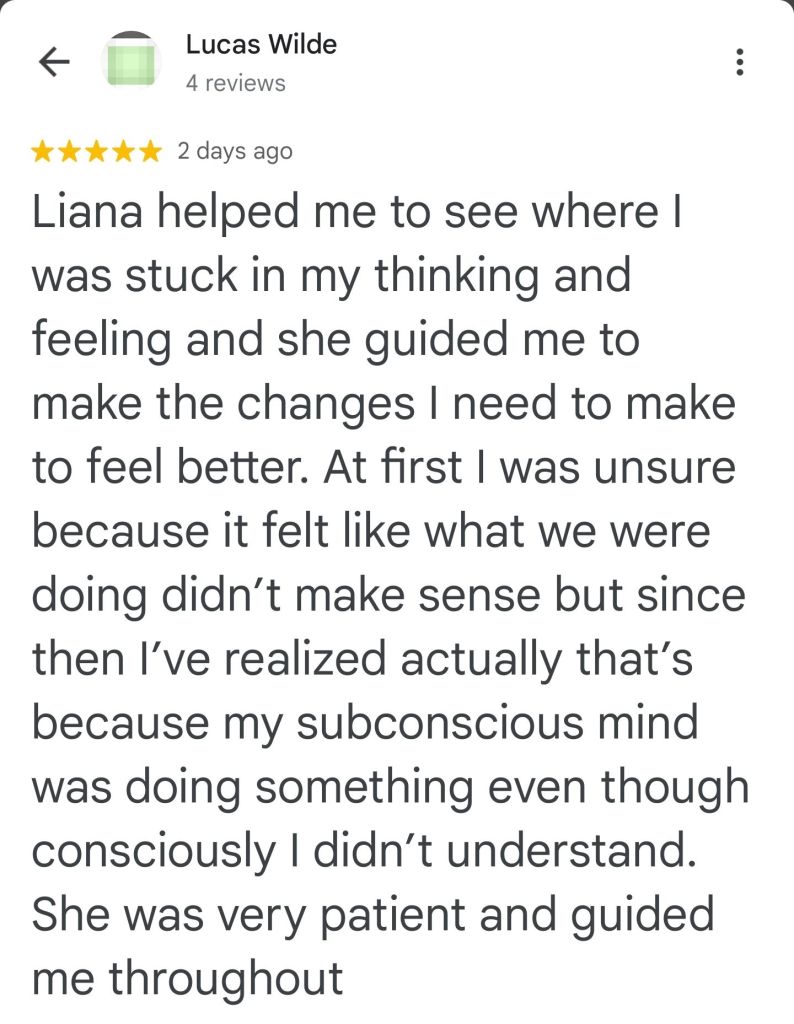
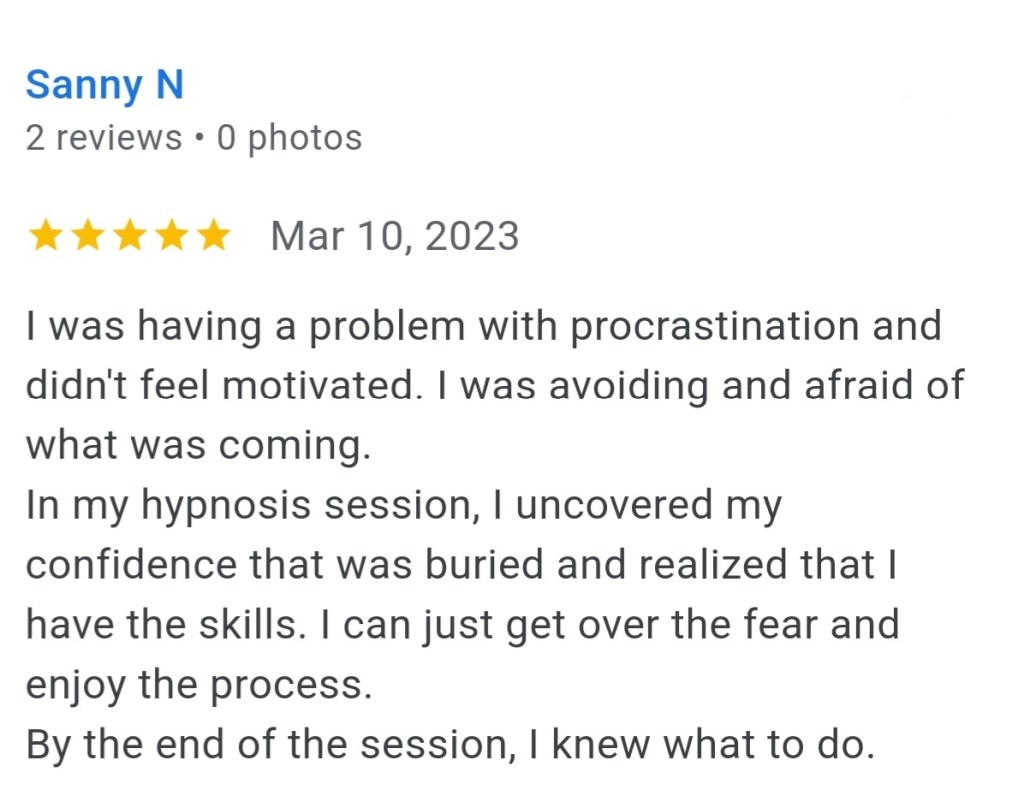

 Accelerated Hypnotherapy - Rapid Results
Leave a comment