
What is destructive entitlement?
Destructive entitlement is when someone acts in a harmful way because of past pain, and then justifies it as something they deserve. In my practice, I noticed that people who feel wronged or hurt by infidelity or betrayal often feel entitled to treat their partner badly in return, when they stay with them.
You’re triggered AF from the trauma of betrayal.
I get it.
What destructive entitlement looks like in romantic relationships
Some people grow up with pain, neglect, or unfair treatment. Instead of healing, they end up repeating that pain—passing it on to others. This is called destructive entitlement. It’s when someone feels like they “deserve” to act harmfully because of what they went through.
How destructive entitlement can show up after discovering a partner’s cheating
If you stay in a relationship after discovering your partner cheated, you might feel deeply hurt and betrayed. You might act out of destructive entitlement. Here are some common ways this can show up:
Public shaming or exposing
You tell friends, family, or even post online about the affair, not just to seek support, but to embarrass or punish your partner.
Withholding sex, affection or attention
You stop showing love, care, or affection as a way to punish your partner. This can look like giving the silent treatment, ignoring your partner’s needs, or being emotionally distant.
Emotional dumping and lashing out
You might feel justified in unloading your negative feelings onto your partner because of the infidelity and the pain of betrayal. You raise your voice, blame, or using anger or frustration as a reason to argue and be harsh with your partner.
Bringing up the affair to guilt or control
You repeatedly remind your partner of the cheating, using it to win arguments, guilt-trip, or control decisions. For example, “After what you did, you owe me,” or “This is not over until I say it’s over.”
Seeking revenge or “evening the score”
You might even cheat themselves, flirt with others, or act out in other ways because you feel entitled to get even. You think, “You hurt me, so now it’s my turn.”
Sabotaging the relationship
You start undermining the relationship, like making plans without you partner, refusing to cooperate on shared goals, or not supporting your partner’s efforts to rebuild trust.
Withholding forgiveness or using the affair as a weapon
You refuse to forgive or move forward, using the affair as a constant reason to justify your own hurtful behavior, even years after the event has passed.
Projecting emotions onto others
You project your emotions onto your partner and take your out own stress, sadness, or frustration on them and act like someone else is to blame.
How destructive entitlement impacts relationships over time
These patterns can:
- Cause your partner to feel attacked and can damage the relationship over time.
- Make the relationships tense and less trusting.
- Push people apart and keep real issues hidden
- Avoid feeling vulnerable, but can leads to more hurt for both people.
- Keeps the cycle of conflict going
- Blocks real understanding.
- Leads to unnecessary fights
- Make your partner confused or unfairly targeted
These behaviors might seem small at first. But when they keep happening, they damage relationships. Trust breaks down. Resentment builds. You and your partner are even more disconnected.
The problem with destructive entitlement is that the person doing the harm usually justifies it instead of taking responsibility.
It doesn’t mean you’re a bad person.
Feeling hurt or angry is normal.
I know it’s the trauma.
But the cycle and the pain don’t stop on their own.
Time does not heal these types of wounds. Find out why here
Destructive entitlement keeps the trauma in place. But I know you’re stuck and you really want connection. You want things to go back to the way they were.
If any of this sounds familiar, you’re not alone. Healing starts with awareness.
Shift happens.
Let’s connect.
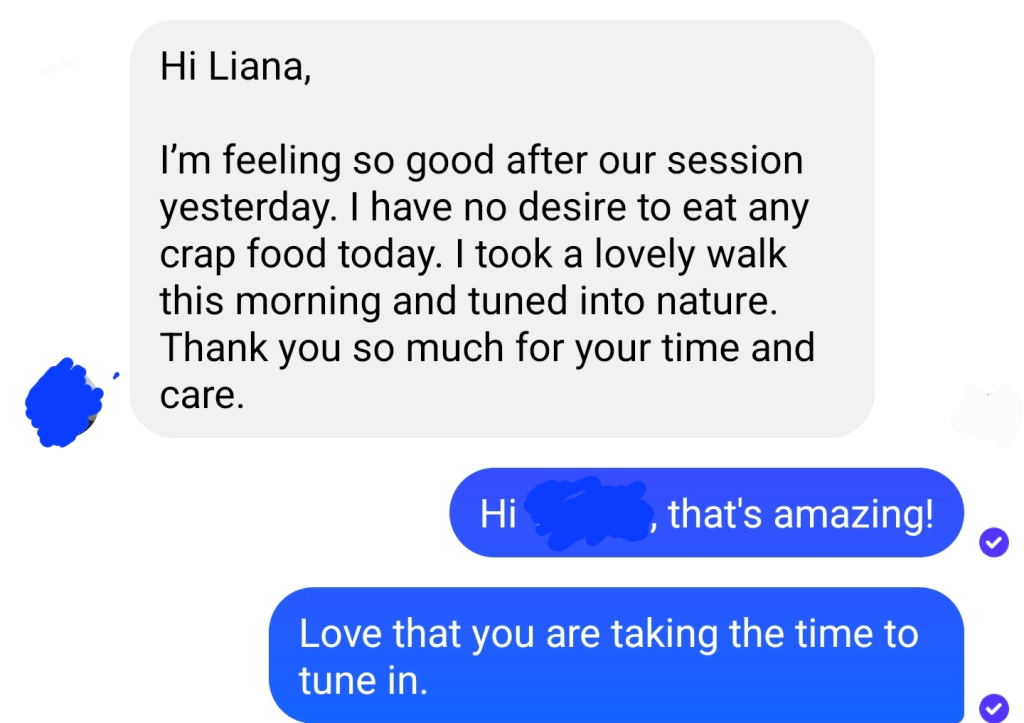
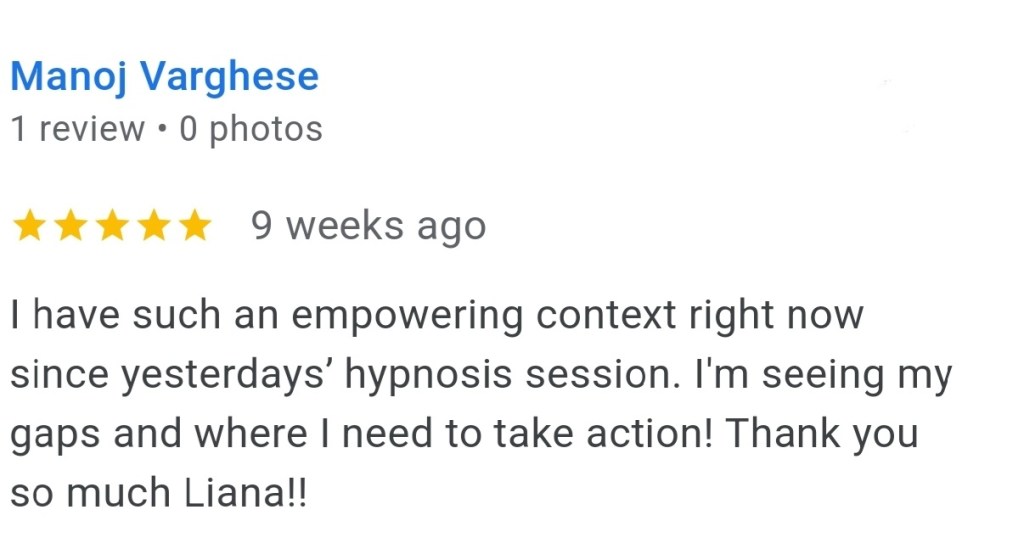
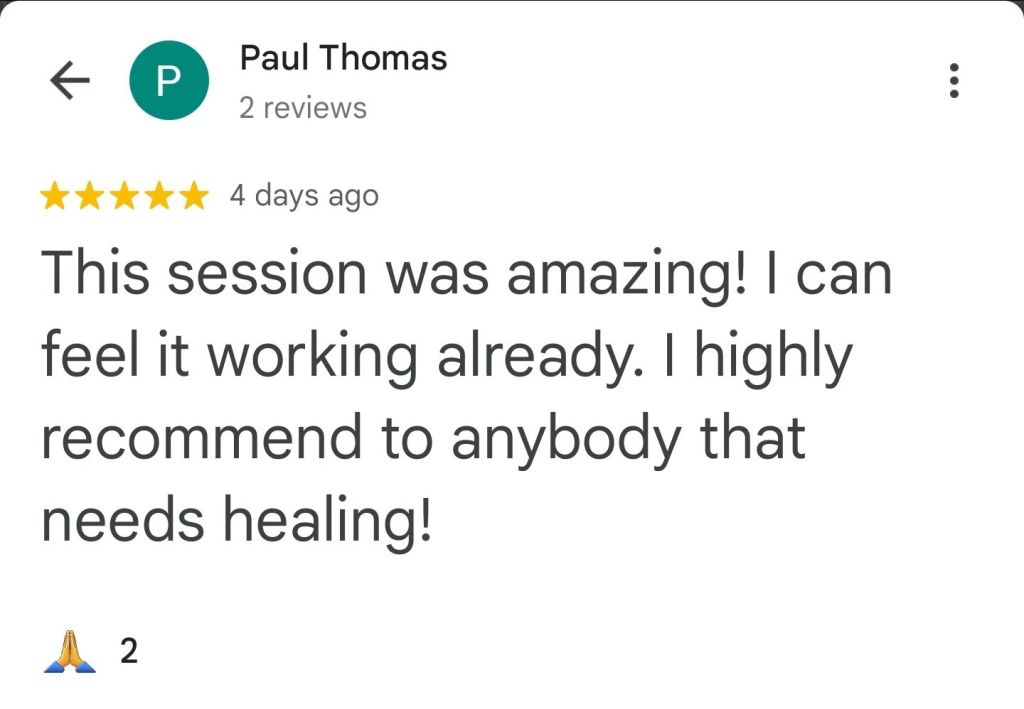
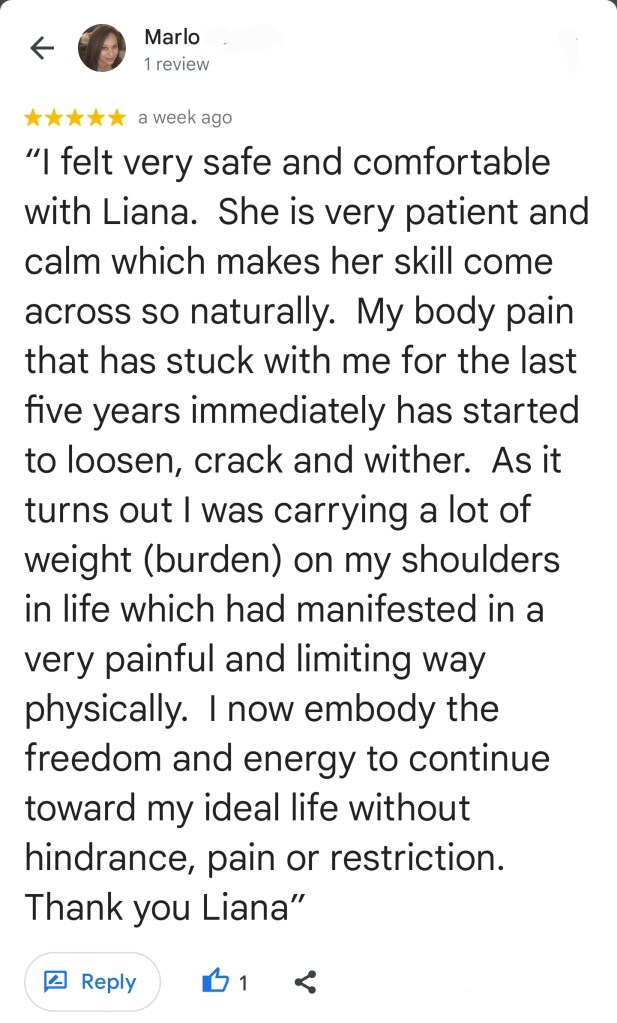
Small changes in the subconscious lead to significant shifts at the conscious level.

















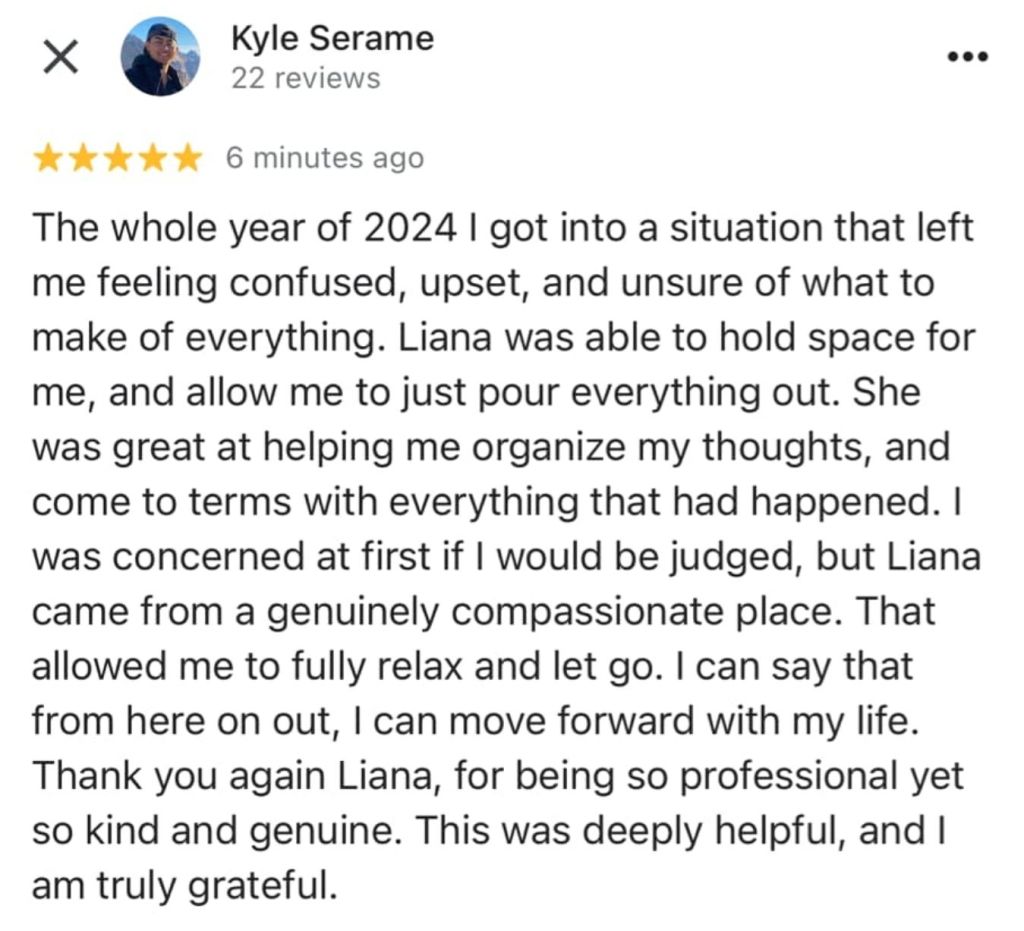

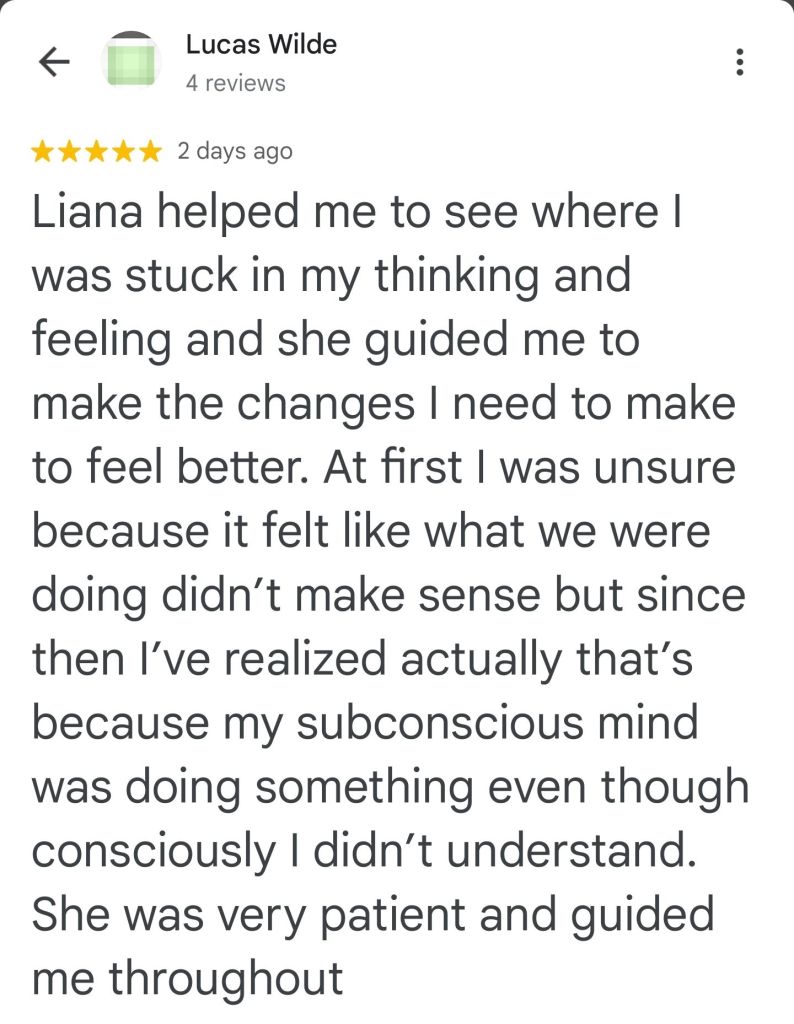
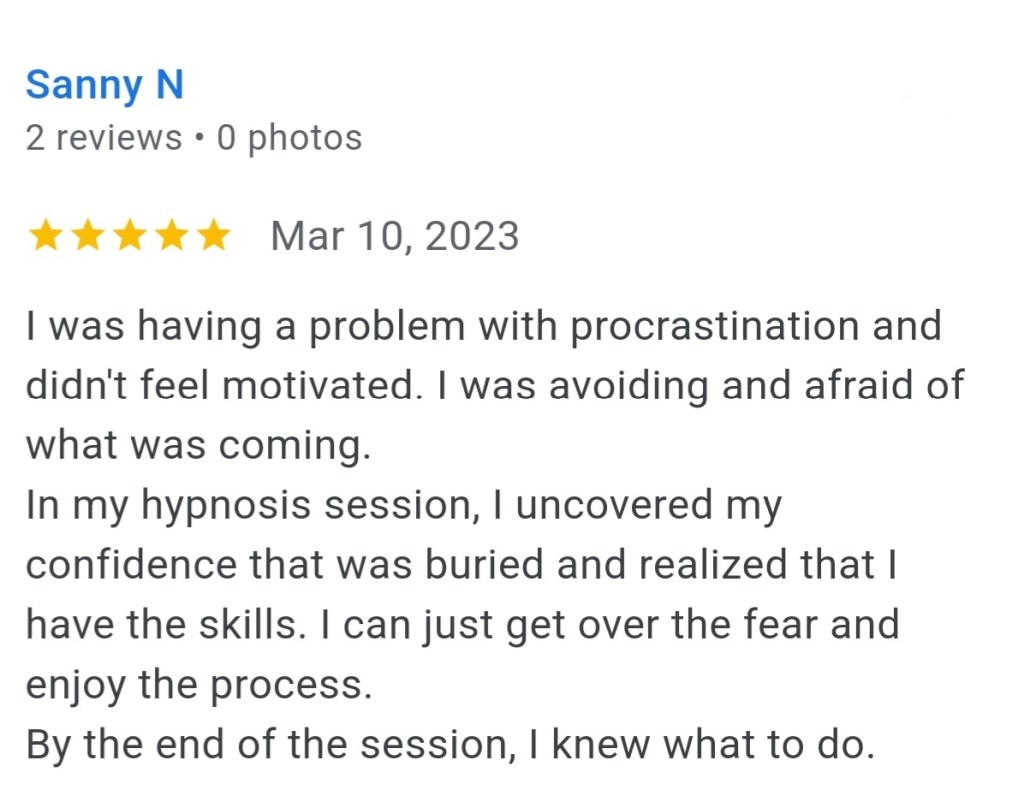

 Accelerated Hypnotherapy - Rapid Results
Leave a comment