
When the Past Feels Like Now: How Betrayal Trauma Lives in the Present and How to Break Free
After experiencing betrayal, whether from a partner, friend, or family member, the pain can feel fresh and overwhelming—even long after the event. Many people wonder why these feelings don’t just fade with time. The answer lies in how betrayal trauma affects the brain and body.
Triggers and Reliving the Past: Why Trauma Feels Ongoing
When someone you trust betrays you, your brain stores the memory differently than an ordinary event. Usually, the brain files memories away as “the past.” But with betrayal trauma, the brain’s alarm center (the amygdala) stays on high alert, acting as if the threat is still happening. The hippocampus, which helps organize memories in time, gets interrupted by stress hormones and does not process the memory, so it stays stuck in the body in the present tense.
That’s why you’re triggered AF—a smell, a phrase, or a feeling—can cause a strong emotional or physical reaction, as if you’re reliving the experience at the height of the emotional intensity all over again.
This isn’t your imagination. It’s your body’s way of trying to protect you from further harm. The nervous system remains on guard, ready to react to any sign of danger, even if the actual threat is gone.
Common Symptoms of Betrayal Trauma in Daily Life
People who have gone through betrayal trauma often struggle with anxiety, trouble trusting others, sleep problems, and even physical symptoms like stomach pain or headaches.
You may feel numb or disconnected from yourselves and reality, a state called dissociation. These reactions are normal responses to overwhelming stress and are your body’s way of coping.
Because betrayal trauma changes how your brain and nervous system work, it’s not possible to simply “move on” by willpower alone. Knowing all the time your partner cheated and their motivation will not be enough.
There will be an emotional void that you cannot fil with knowledge.
Logic, knowledge, and understanding can’t fix emotion.
Steps Toward Healing from Betrayal Trauma
Healing involves rewiring your brain and body to recognize and truly FEEL that the danger has passed and that you are safe now.
Stuff like mindfulness, breathing exercises, and talking to therapists, friends, family, and anyone who would listen didn’t help me when I found out that my ex cheated.
Talking about trauma reinforces and wires your brain to stay stuck. It also causes revivification, where you relive the trauma by remembering.
Who said you had to remember to recover?
No one. Ever.
Revivification of trauma is an iatrogenic effect of talking about trauma. We try to talk about what happened because that is all we know, but trying to fix trauma by talking about it, unintentionally makes trauma more complex. Now you feel bad from the trauma and bad about feeling bad. 🤯
The brain can start to repair itself but time alone will not achieve this.
When you’re stuck, you need a helping hand that can help you and your body feel safe again.
If you’re struggling with betrayal trauma, remember: your reactions are valid, and healing is possible.
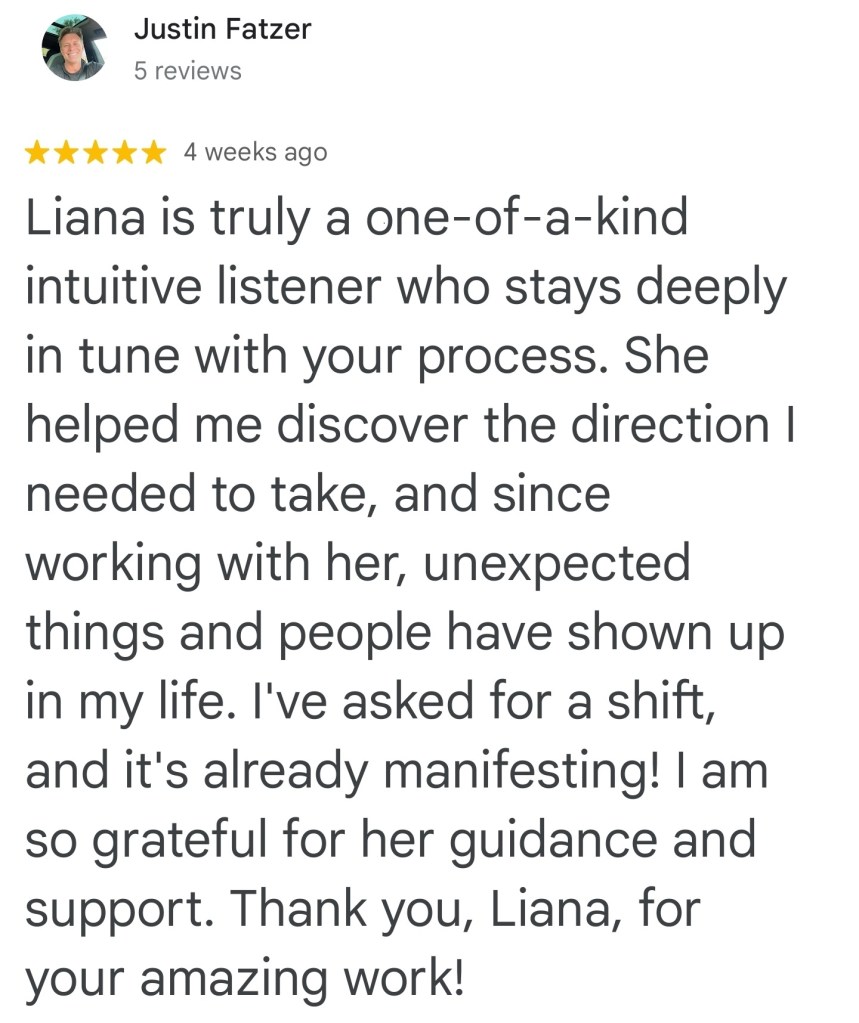
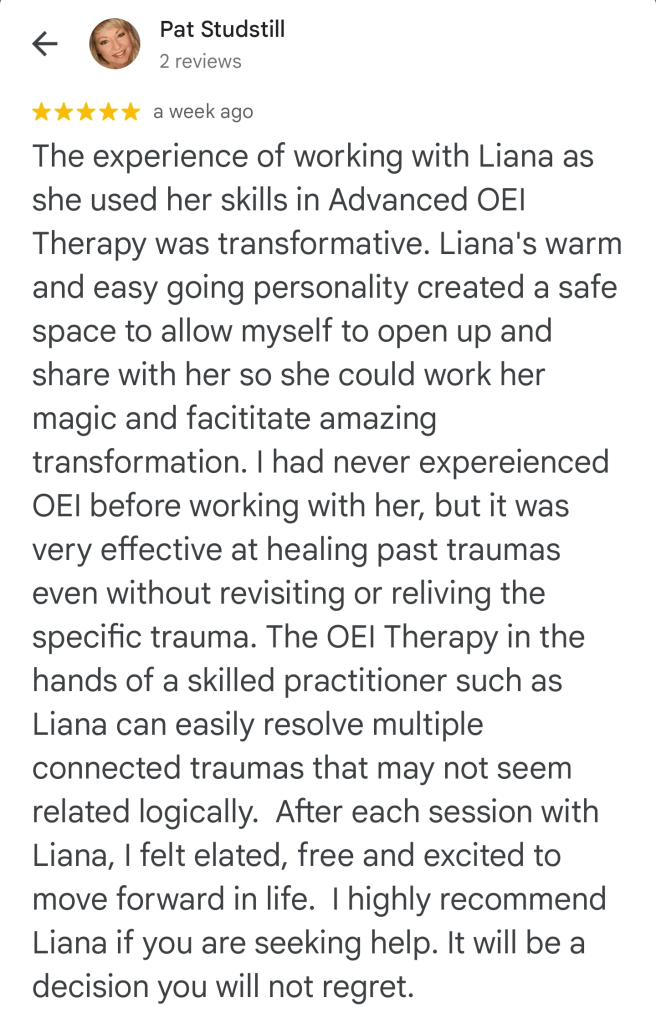
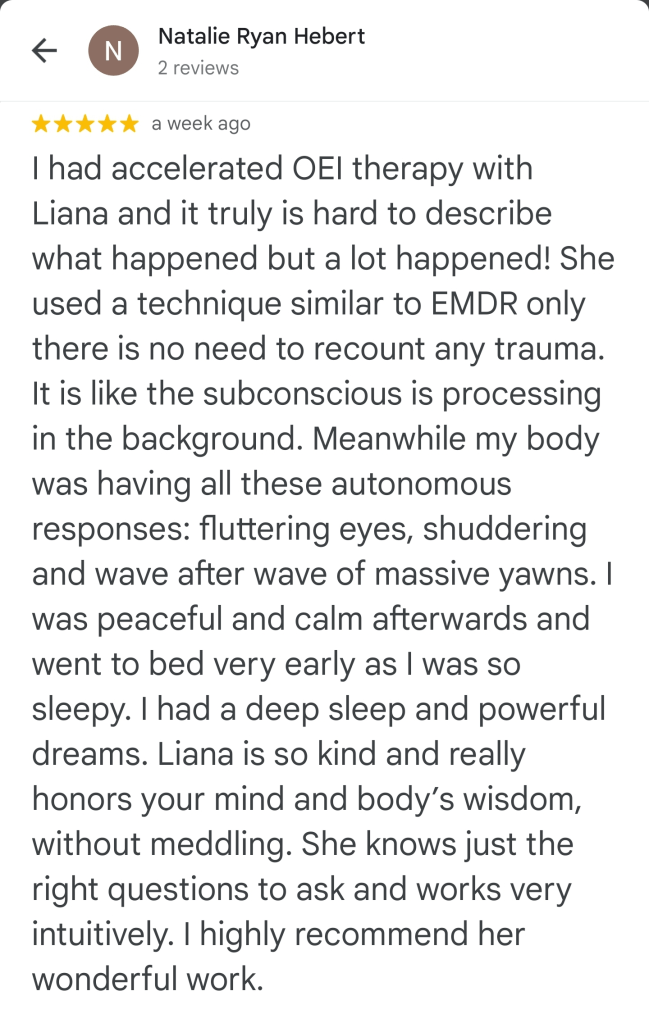
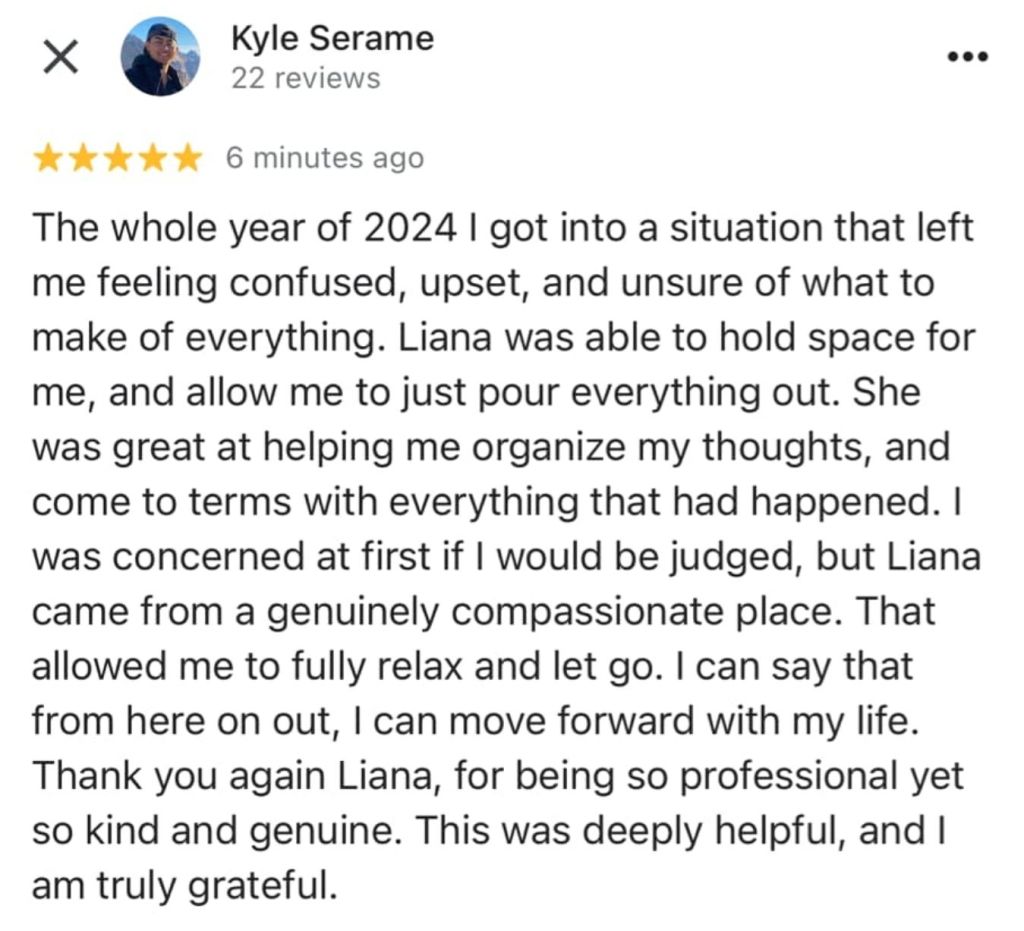
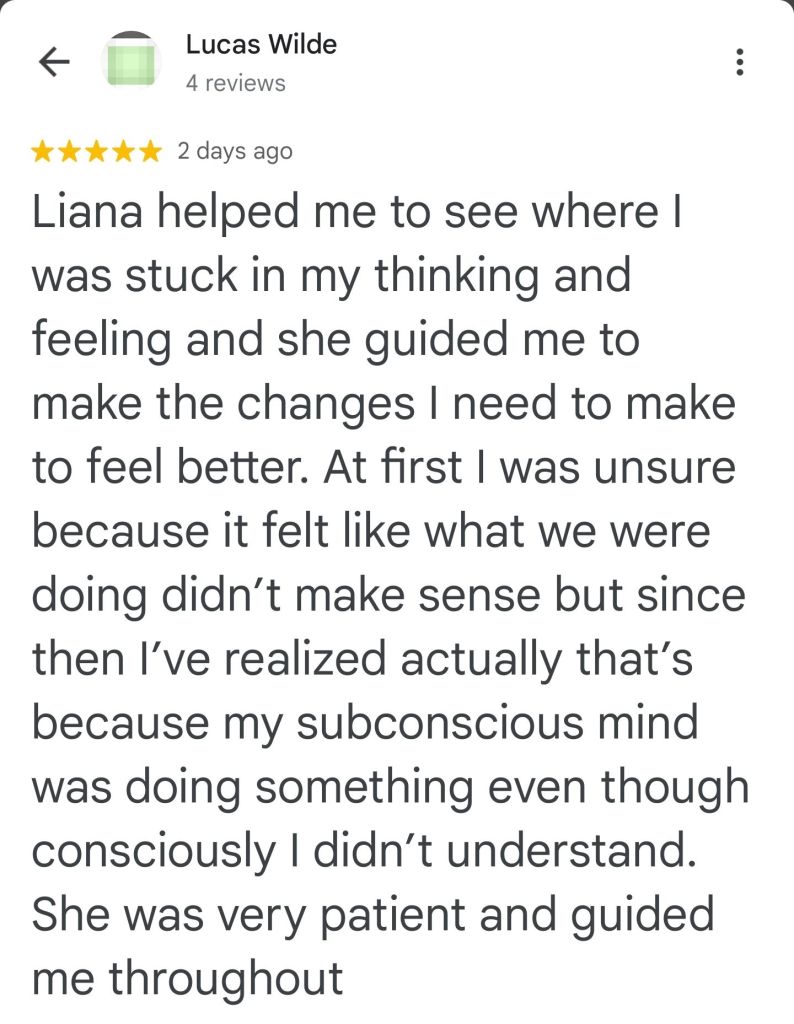
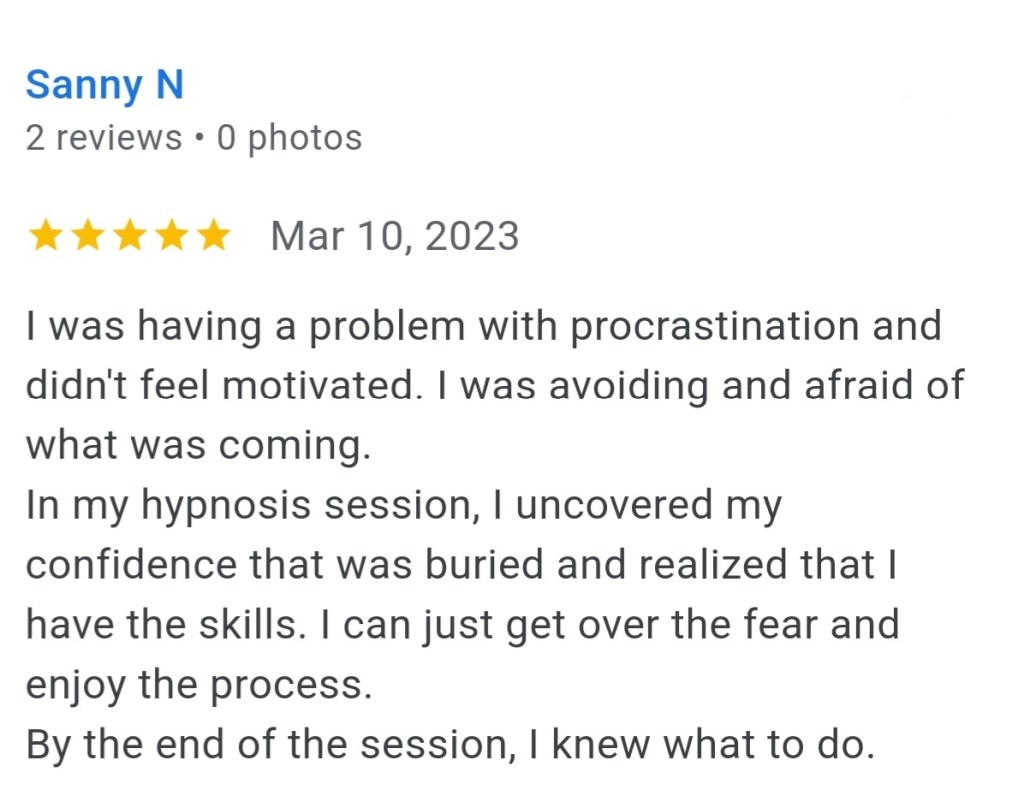
Accelerated Hypnotherapy can help rewire your brain, and integrate the memories and put them into the past where they belong.
It’s only when you put the past behind you can you move forward and create new possibilities for yourself and your life.
Let’s connect.
Click here to book a free Clarity Session
The future belongs to those who believe in the beauty of their dreams.
E. Roosevelt








































 Accelerated Hypnotherapy - Rapid Results
Leave a comment