
Understanding Post-Traumatic Embitterment Disorder (PTED)
After the experiencing the trauma of discovering your partner is cheating, you’re probably left with a bitter taste in your mouth.
The betrayal, rejection, and now all the uncaring, cold ways they treated you make sense in the context of Discovery Day.
Understanding Post-Traumatic Embitterment Disorder (PTED) isn’t about being sad or angry while you re-evaluate the relationship. It’s about bitterness that stays with you and makes it hard to move on.
What Makes PTED Different From PTSD
PTSD is usually caused by something life-threatening. PTED is different. It comes from events that feel deeply unfair—like a betrayal. It can also come from a messy divorce or job loss. The hard stuff.
You might not have flashbacks, but you think about what happened all the time. It’s not necessarily fear but it’s resentment that doesn’t fade.
Why Bitterness Takes Hold
The brain doesn’t just let go of injustice. The emotional part of your brain keeps reacting like the event is still happening.
Your thinking brain can’t shut it off because the event feels personal. You’ve been wronged. Over time, it can change how you see yourself.
In one study, most PTED cases were linked to relationship or workplace betrayals.
How PTED Shows Up In Daily Life
PTED can change how you act and feel. Thoughts of the betrayal dominate your thoughts and the feelings in your body are so overwhelming, you’re slowly beginning to identify with the trauma.
You’re stuck in the betrayal, not able to move forward.
You might start avoiding others, stop doing things you love, you might even leave your job as the betrayal starts to seep into other important areas of life that used to define you.
You might struggle to sleep. You’re triggered AF.
Life still feels heavy. You cry for no reason.
That’s because chronic bitterness is held in the body and eventually wears it down. It raises stress levels and affects your well-being.
What Helps You Feel Better
PTED needs more than just “talking it out.” PTED occupies the emotional part of the brain, the brain that doesn’t respond to telling it to “Calm down.” Talking reinforces and revivfies it. This is an iatrogenic effect of when you’re trying to fix it but it unintentionally makes it worse.
You feel the feels as you try to remember all the things that have caused them in the first place.
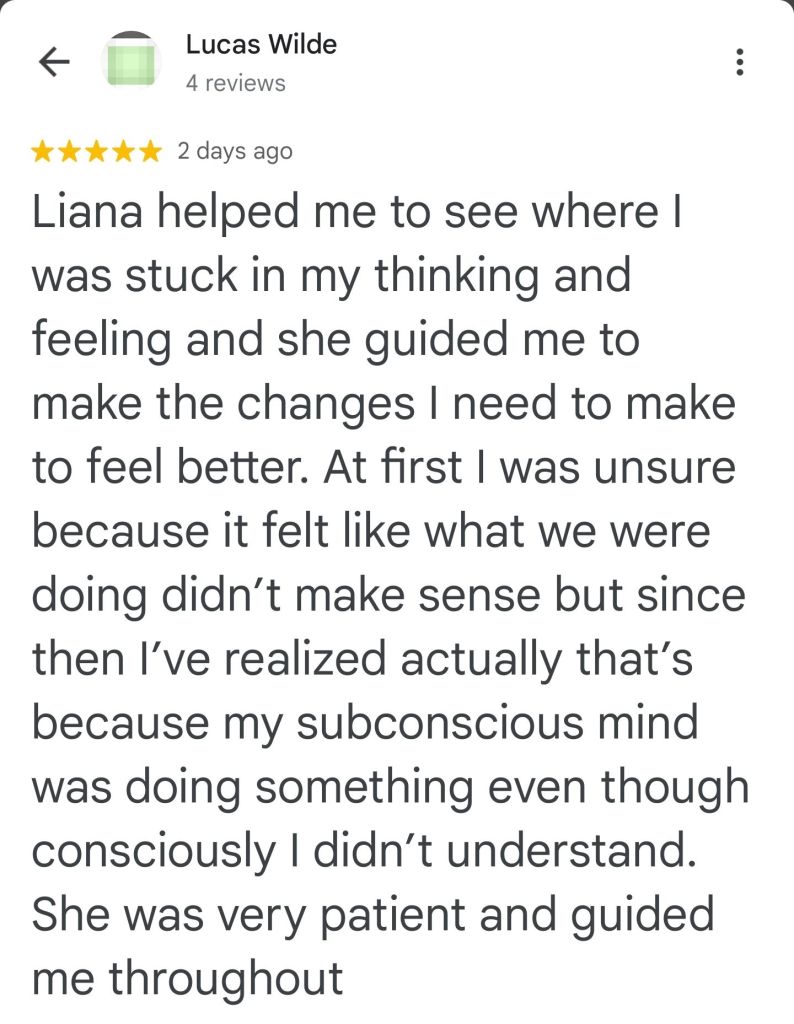
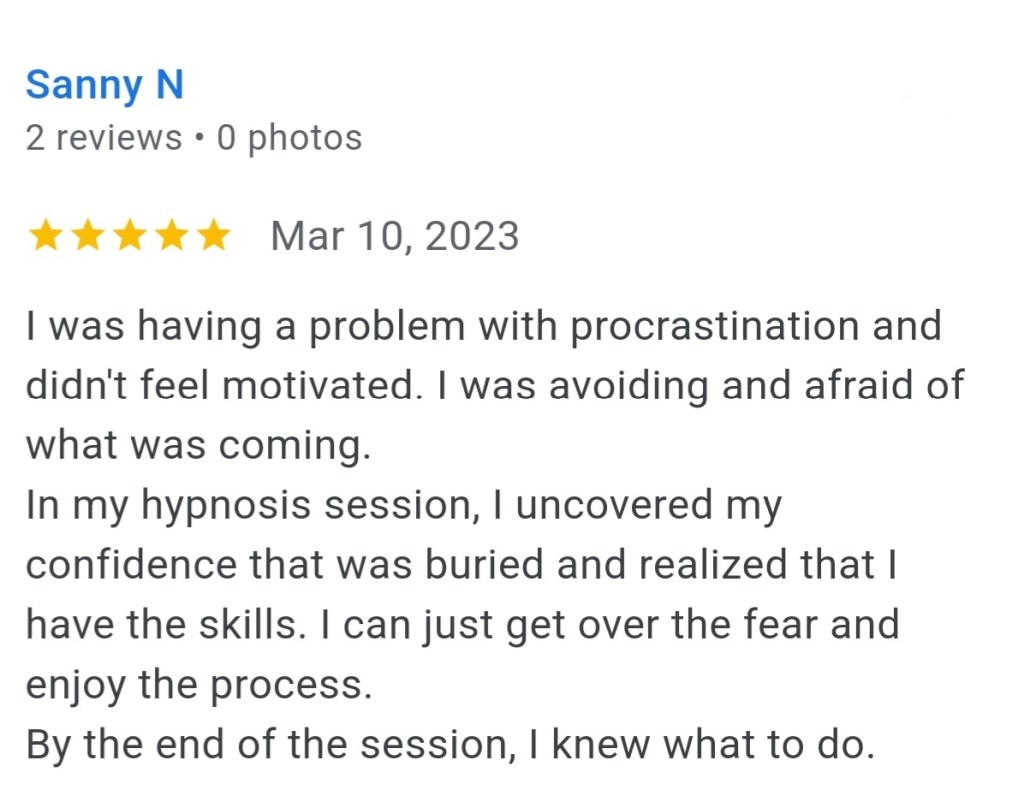
Hypnotherapy helps calm the brain’s stress response so it can start to process the trauma and put it into the past. OEI therapy connects emotional side of the brain with the part that is regulated, responsive, and resilient so you don’t feel hijacked by rage and panic.
Accelerated Hypnotherapy is about helping the body and mind let go, together.
You’re Not Broken
If you’ve experienced betrayal and bitterness is consuming you, this can be a trauma response.
Let’s connect and get you unstuck.
Schedule a free Clarity Session
Pure Possibilities
Change Your Mind.
Change Your Life.
























 Accelerated Hypnotherapy - Rapid Results
Leave a comment