Trauma-Associated Weight Loss Resistance: Are You Struggling With WEIGHT LOSS Due To Hidden Trauma?
Does it feel like you’re doing everything right but the weight still won’t budge?
It might be hidden trauma.
If you’ve dissociated from trauma or it happened early in childhood and you’ve had weight issues for most of your life, you might not even remember.
But your body does.
Let’s take a look at how unresolved trauma can affect your metabolism, hormones, and nervous system—making weight loss feel impossible until deeper healing begins.
When Diets and Exercise Aren’t Enough
You’ve counted calories, cut sweets, hit the gym—but your body refuses to let go of the weight.
It’s not a willpower issue. It’s not a lack of motivation.
If you’ve experienced trauma, especially in childhood or within relationships, your body may still be stuck in survival mode.
Signs Your Weight Struggles May Be Trauma-Related
- You feel like your body is fighting against you
- You struggle with binge eating, emotional eating, or appetite loss
- You’ve gained or lost weight during stressful or traumatic times
- You feel shame or fear around being seen or visible
How Trauma Affects Your Nervous System and Weight
Unresolved trauma keeps your nervous system on high alert.
Cortisol, the stress hormone, stays elevated. This can lead to chronic inflammation, poor sleep, sugar cravings, and fat storage—especially around the belly.
Even if you’re eating healthy, your body may still feel like it’s under threat.
Weight Retention as Protection
For some, the body holds onto weight as a subconscious form of protection.
If you’ve felt unsafe—physically, emotionally, or sexually—your body might be resisting weight loss because your body feels vulnerable and it feels safer with a layer of added protection. These feelings aren’t something you can fix with a diet.
Why Healing Trauma Can Help with Weight Loss
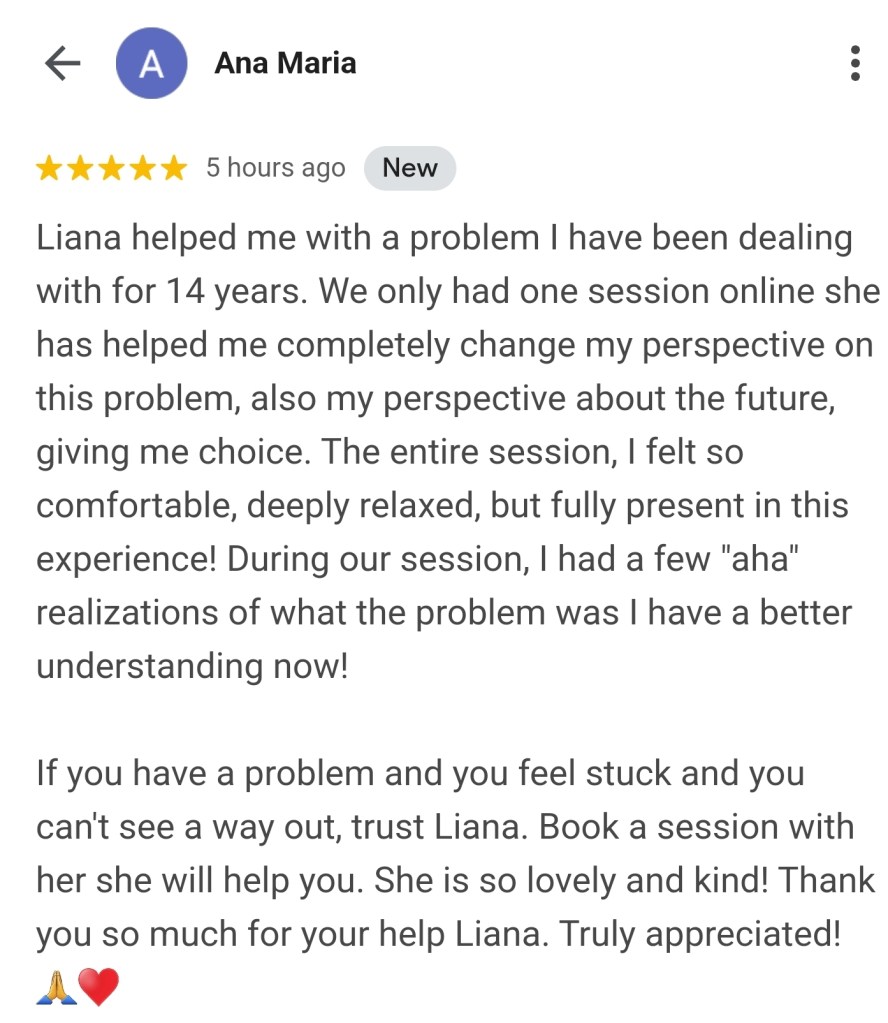
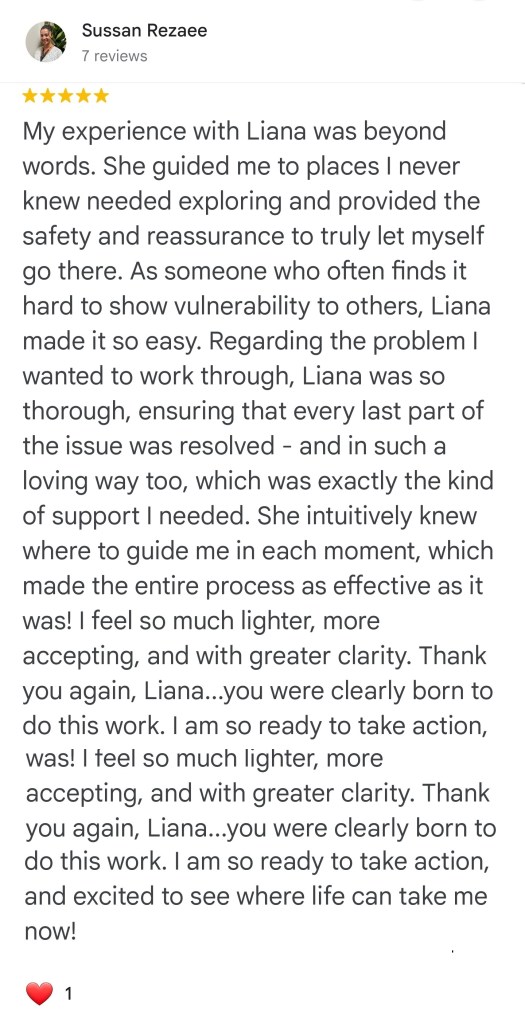
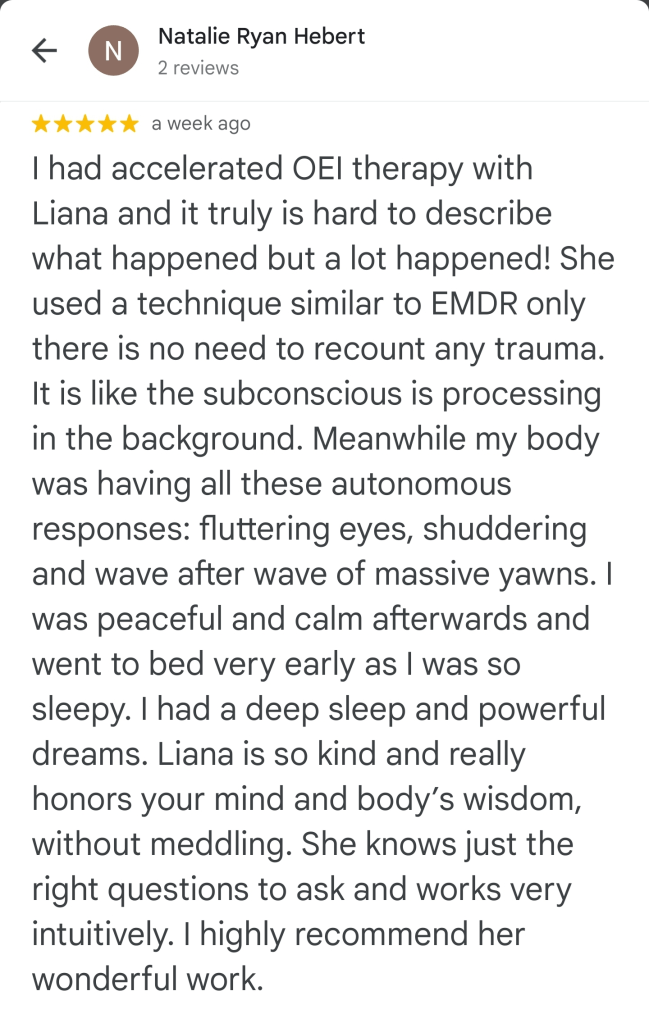
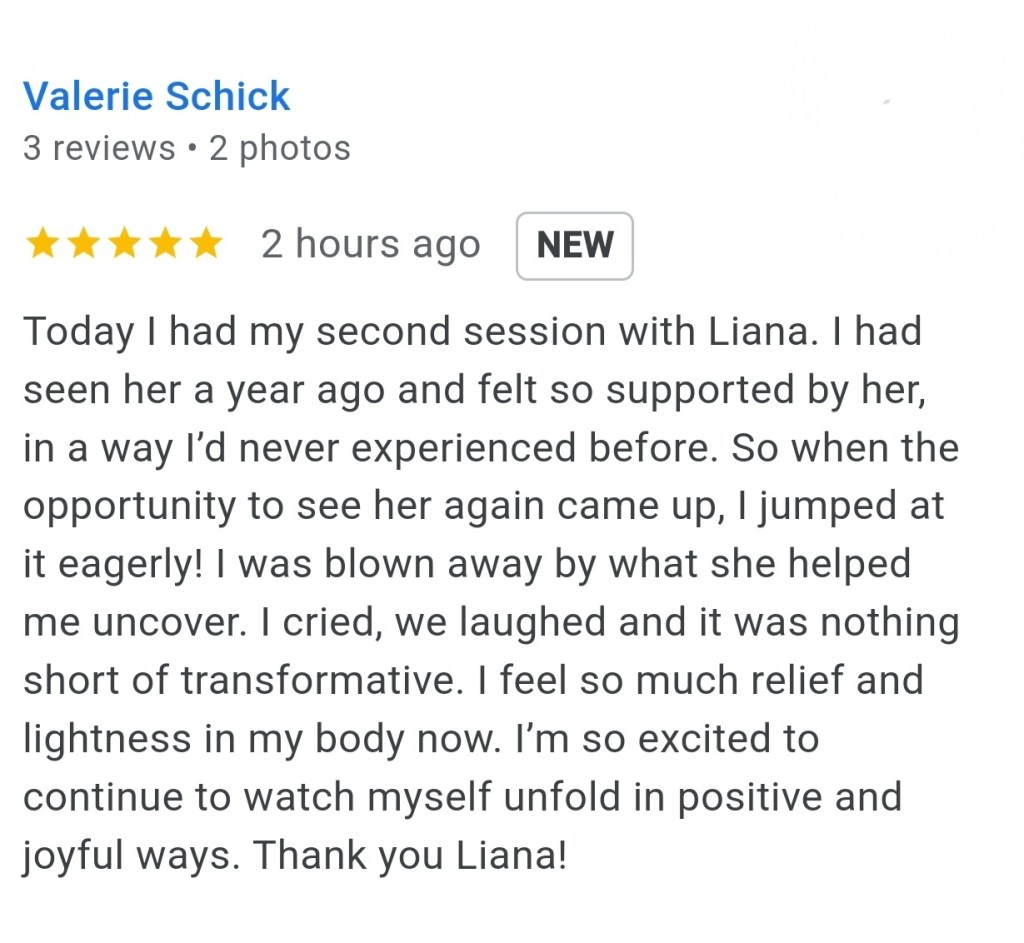
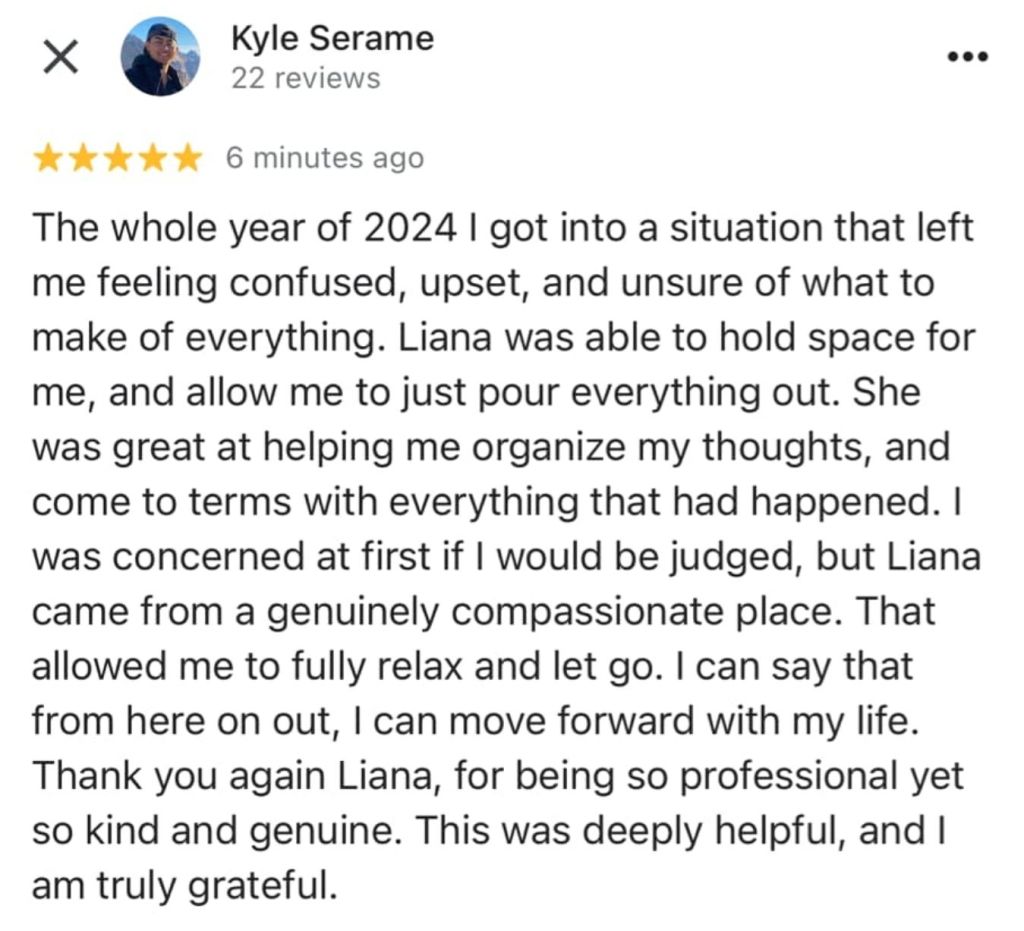
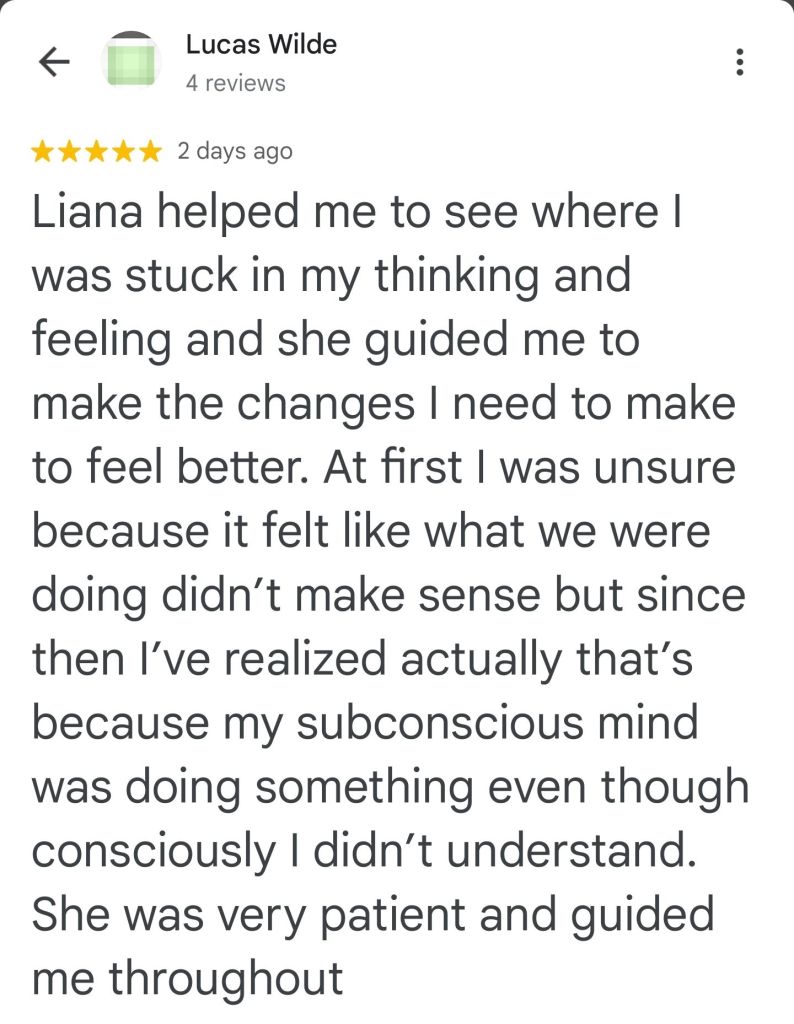
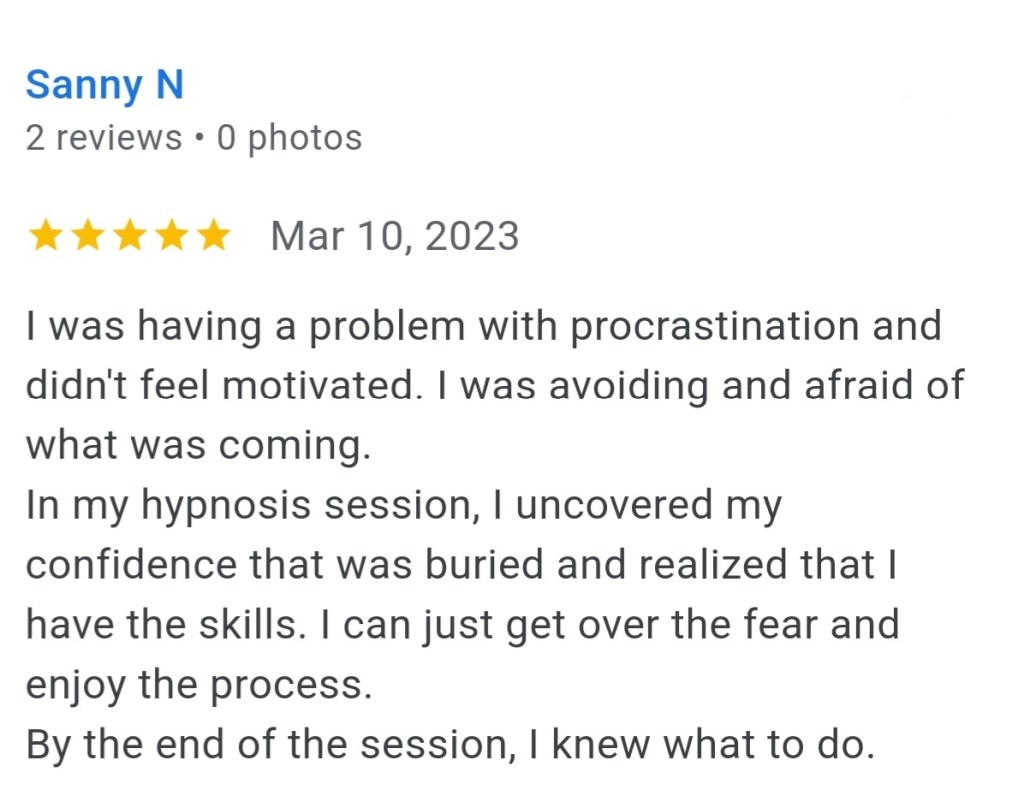
When you calm the nervous system and resolve stored trauma, your body can finally feel safe again. Accelerated Hypnotherapy, OEI therapy that utilizes trauma-informed care for trauma help regulate stress, reduce emotional triggers, and shift subconscious beliefs in your body about weight and safety.
It’s Not Just About Food or Fitness
If you’re carrying trauma, you might not be able to find plan that will work until your body feels safe enough to let go.
Trauma-related weight issues aren’t just physical—they’re emotional, neurological, and somatic.
Healing trauma is often the missing piece.
Let’s connect.
Small changes in the subconscious lead to significant shifts at the conscious level.









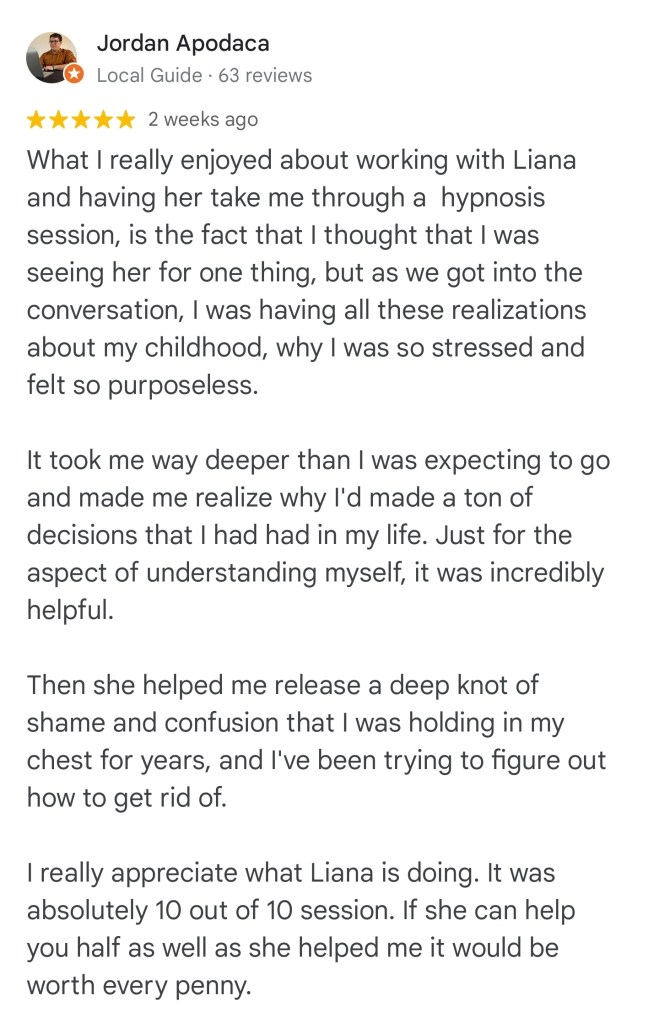


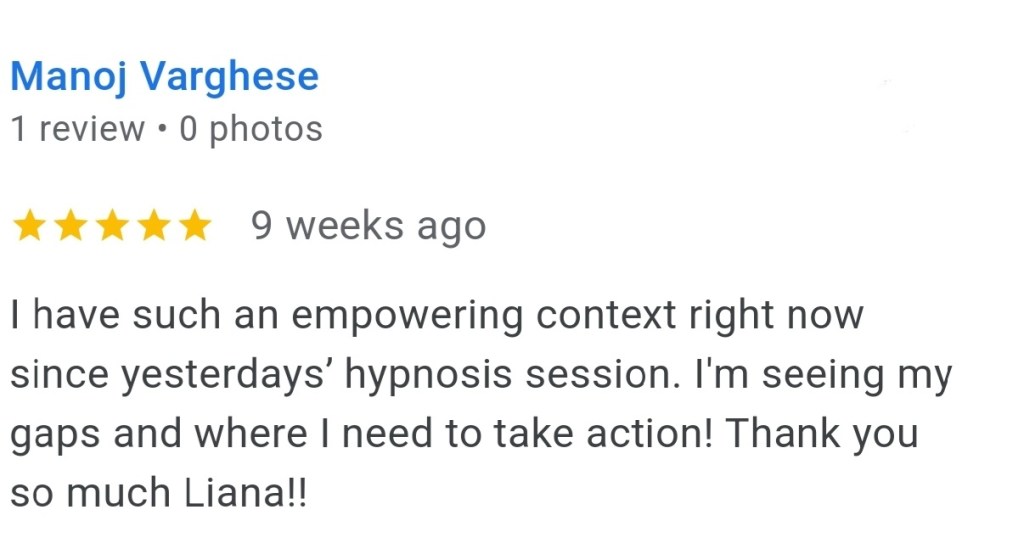



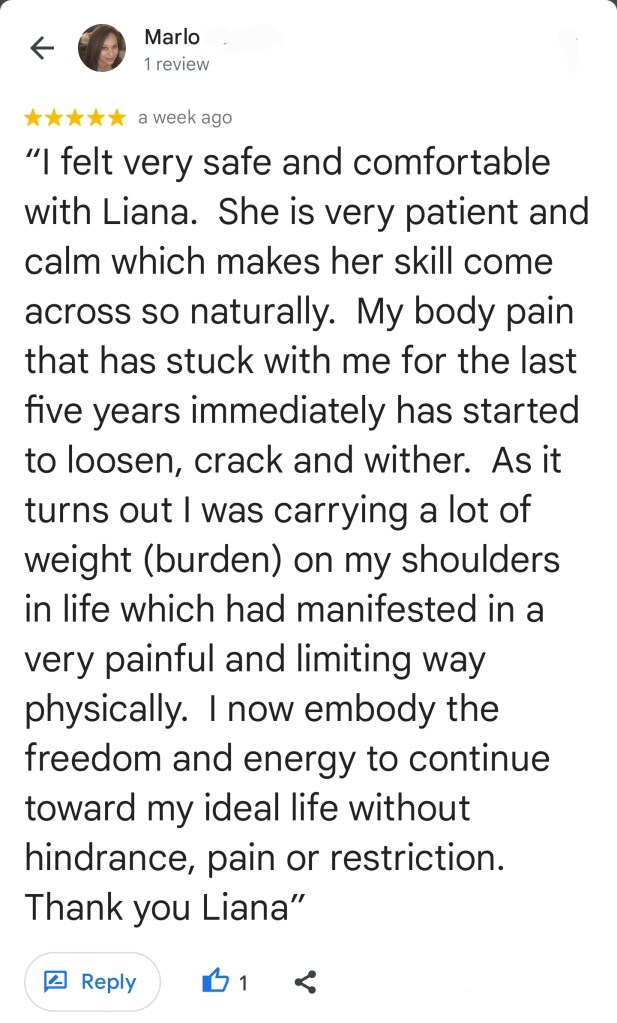



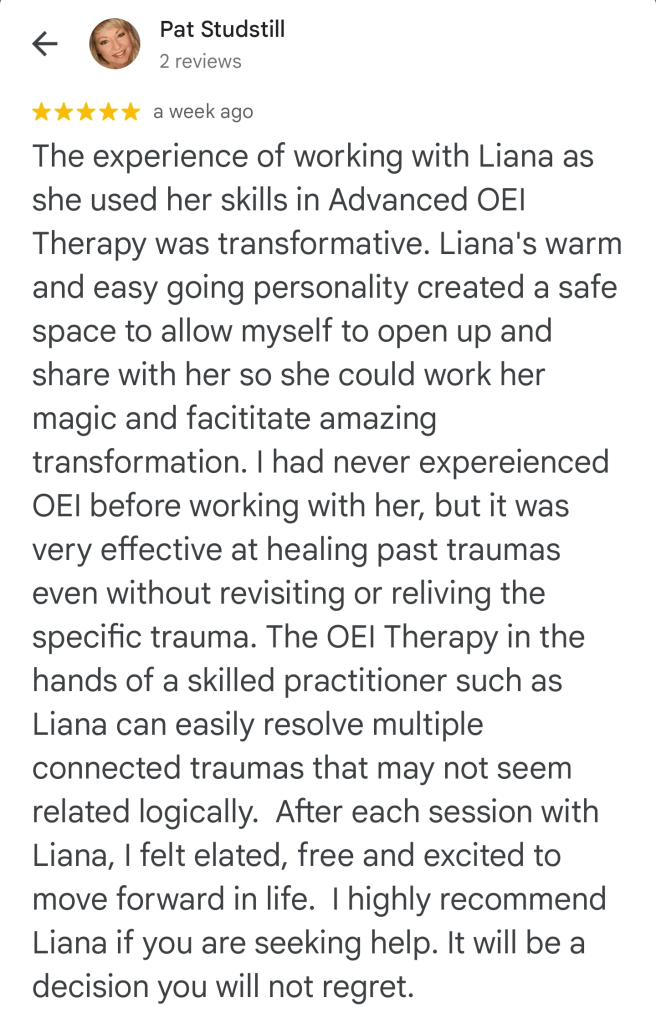














 Accelerated Hypnotherapy - Rapid Results
Leave a comment