
Betrayal Trauma Recovery for High-Functioning, Motivated Individuals
Many high-functioning individuals are used to solving problems, pushing through pain, and showing up no matter what.
But when it comes to betrayal trauma, this strategy might not work.
Research shows that individuals often underestimate how deeply betrayal impacts the nervous system, identity, and core sense of safety.
Betrayal trauma is characterized by
- Anxiety
- Depression
- Dissociation
- Difficulties in identifying, understanding, and expressing one’s own emotions
- Physical health complaints
- Increased sick days
Why betrayal trauma is challenging for high-functioning individuals
Partners who identify as competent and high-performing may be more likely to internalize the betrayal. This might help you create an illusion of control and maintain attachment to your cheating partner.
Instead of blaming your betrayer, you might search for faults in yourself. “If I were did/didn’t do x, this wouldn’t have happened.” This creates a toxic loop of over-functioning and self-blame.
Betrayal trauma disrupts more than trust—it cna start to erode your sense of self, others, and reality. You might feel like the world is not safe,. You may have lost your sense of trust, in yourself, in others, in the world.
It just doesn’t feel safe.
Even if you’re outwardly successful, you may still experience symptoms like hypervigilance, sleep issues, difficulty focusing, or emotional detachment. You wonder what’s going on with your body.
They’re survival responses.
Why pushing through doesn’t work with trauma
The same traits that helped you achieve success—discipline, drive, resilience—can keep you stuck in trauma if you use them to dissociate and suppress emotions.
Or you may have lost all motivation, focus, and drive completely. It might be affecting work, or you may have quit because things seem too overwhelming.
Either way, you’re stuck.
Betrayal trauma is stored in the body and nervous system
You can’t think your way out of it. You can’t outwork it.
Ignoring it or trying to “get over it” only pushes it deeper.
Time does not heal all wounds.
Not trauma.
Nope.
Not gonna happen.
How Betrayal Trauma shows up unexpectedly
You may not look like someone who needs help.
If you’re holding it all together, others may not see your suffering. You might even question it yourself.
But unresolved betrayal trauma can show up in ways that aren’t easy to connect: low energy, paralyzing perfectionism, increased substance use, panic attacks, overachievement, or trouble in other relationships or at work, and feeling triggered AF.
You might have even gained weight, have difficulty keeping up with basic self-care, lost interest in things you used to love, stopped seeing friends, and feel like quitting your job.
You don’t have to be falling apart to be in pain after a betrayal.
The importance of trauma-informed recovery
Trauma recovery for high-functioning individuals often starts with accepting that you can’t outthink this.
You ‘ve probably been stuck for a while, and trauma usually needs a helping hand to get unstuck.
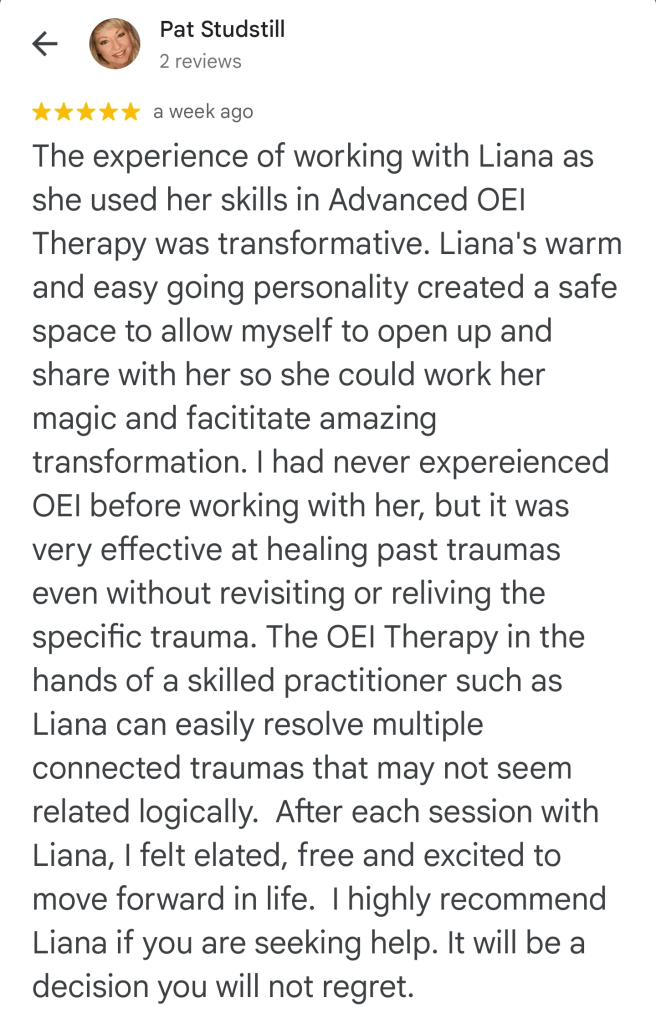
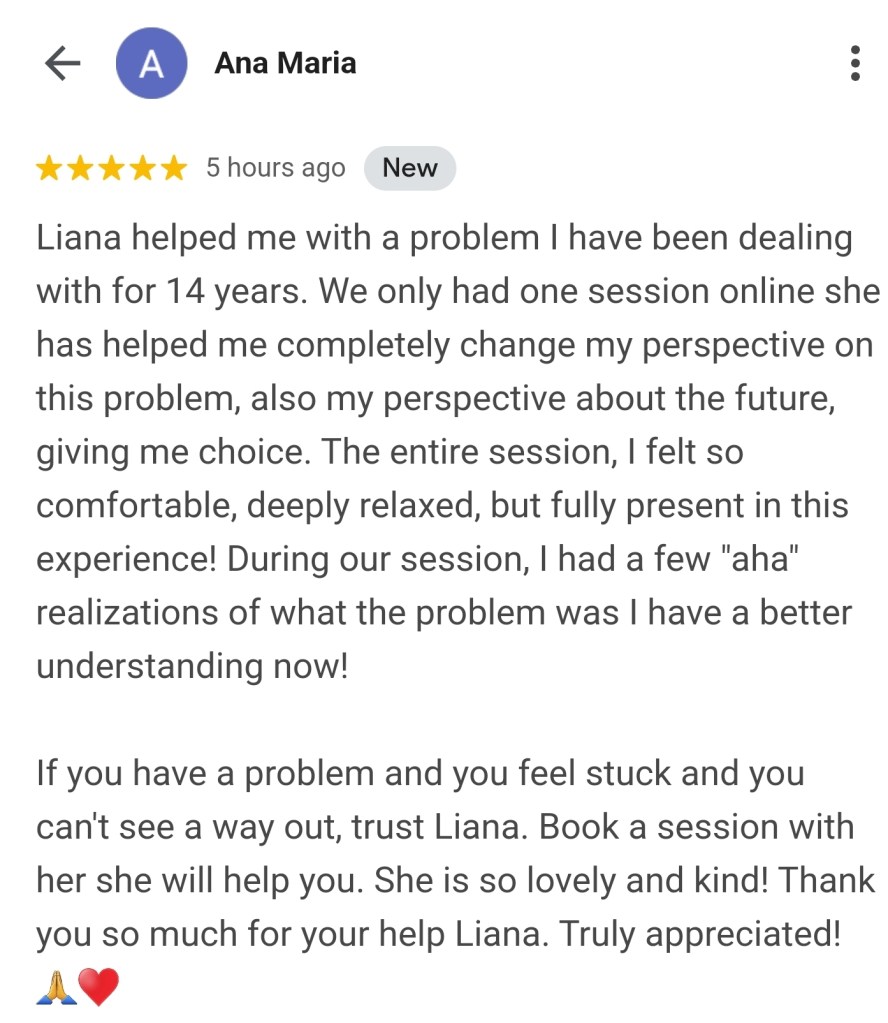
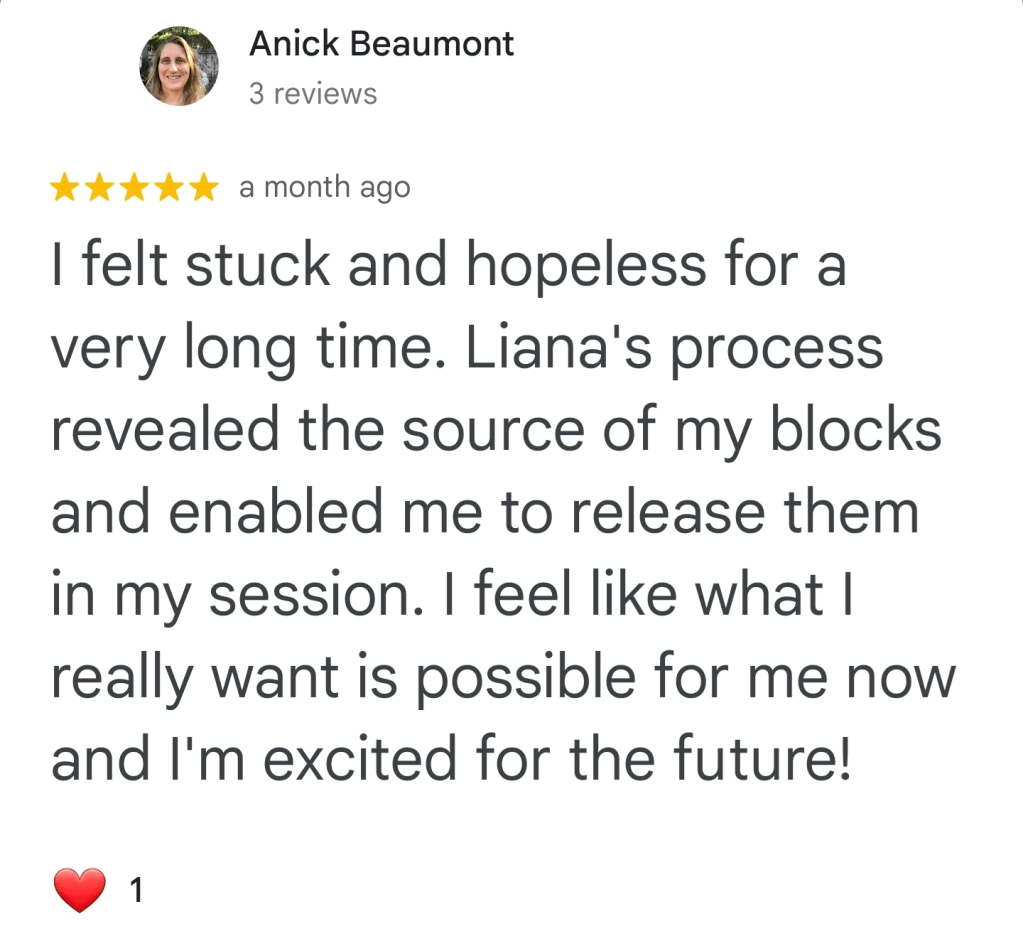
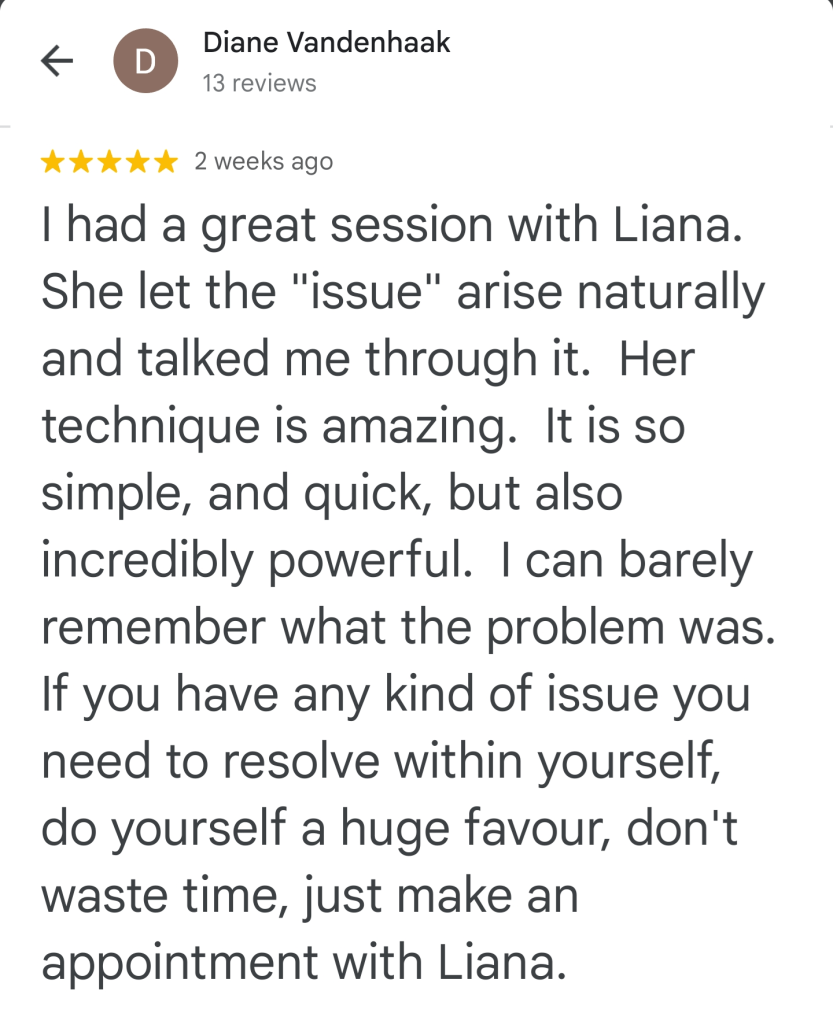
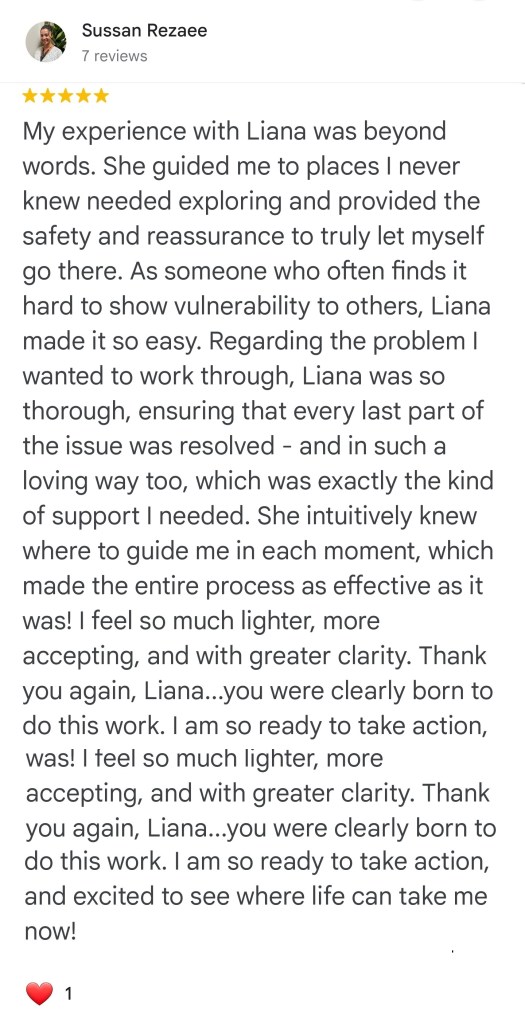
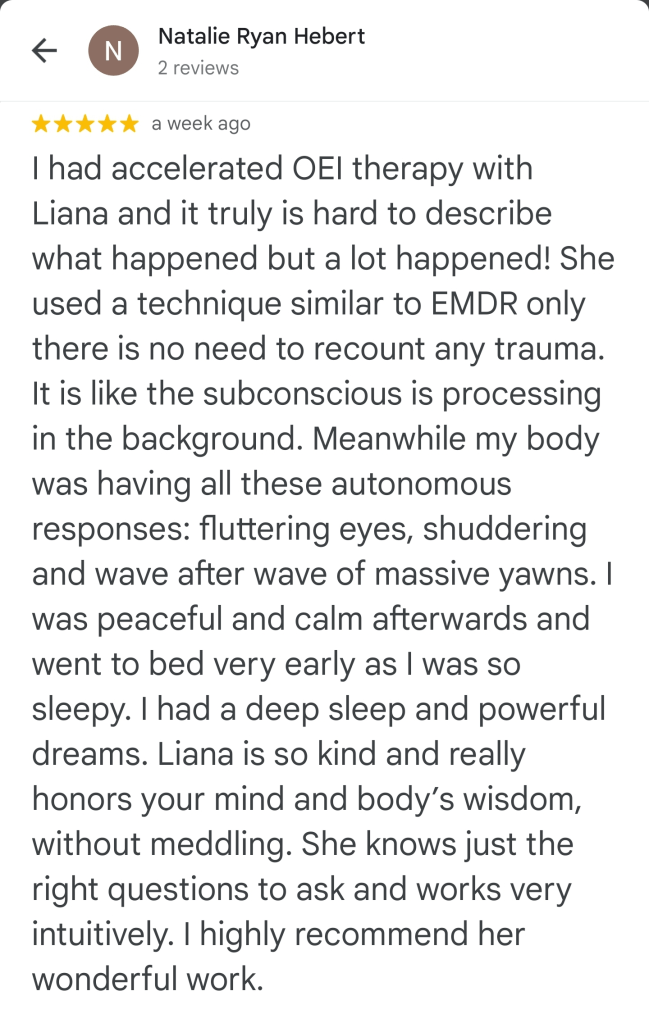
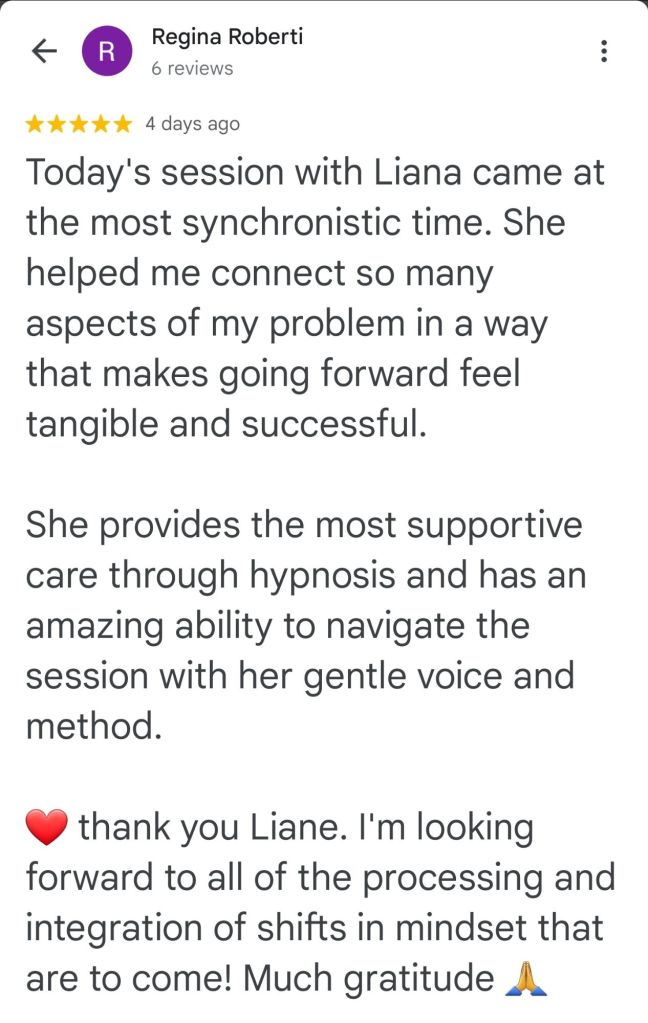
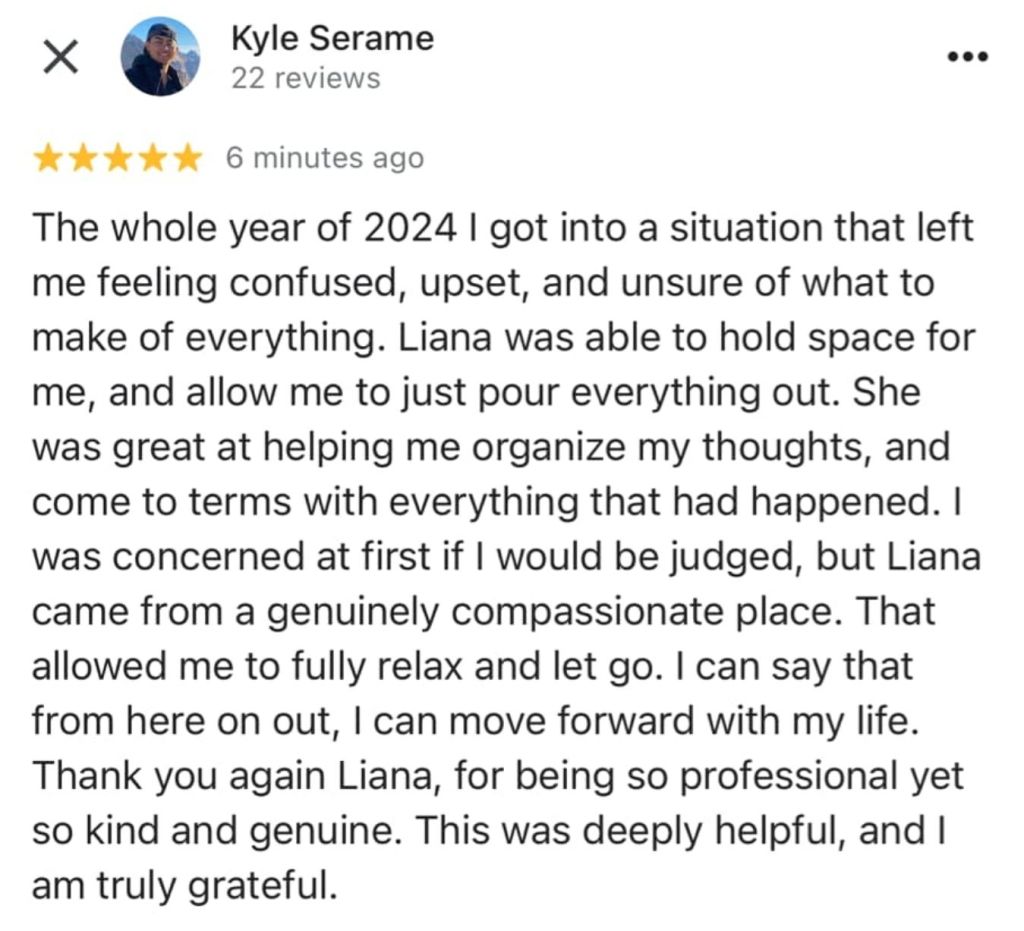
Trauma-informed therapies like Accelerated Hypnotherapy and OEI trauma therapy don’t require you to talk about the painful, personal details of the betrayal. They help the brain and body release the trauma so you can feel like yourself again—not just functioning, but fully alive.
Leaving the past behind so you can create a whole new future.
Seeking help isn’t a weakness.
It’s the way to repair, restore, and create possibilities for something new.
Let’s connect.
Pure Possibilities
Change Your Mind.
Change Your Life.
































 Accelerated Hypnotherapy - Rapid Results
Leave a comment