
When Trauma Makes Basic Tasks Feel Impossible
It might not be a motivation, focus or discipline issue.
Most people think trauma only shows up as flashbacks, intrusive thoughts or anxiety.
If you just can’t seem to accomplish the little things, this might be a trauma issue, not a motivation issue.
The persistence of trauma can affect your day-to-day life. Things that used to feel simple—making a phone call, doing laundry, running a simple errand—can suddenly feel overwhelming and just too much.
Why Trauma Shuts Down Motivation and Focus
Trauma activates your survival brain. That part of your brain is focused on safety first. Your logical brain, the part that makes executive decisions and gets things done goes offline.
It’s out.
When you’re still in fight, flight, or freeze from trauma. the logical part of your brain (prefrontal cortex) cannot be accessed, which is why focusing, organizing, or following through on tasks can feel almost impossible.
You’re not lazy or unmotivated. Your brain is stuck in trauma and sees everything as a threat to your safety. How can you do the dishes when you feel like there’s imminent danger?
Talking About Trauma Can Make It Worse
Traditional talk therapy which forces you to remember and understand what happened doesn’t always help because you’re trying to use the thinking brain to fix emotions that are stuck in the body.
Talking about trauma makes it worse because it revivifies the experience and makes you feel like you’re experiencing it all over again. This is the iatrogenic effect of talking about trauma, it unintentionally makes it worse.
Your nervous system still feels unsafe, maybe even more triggered, so nothing shifts.
Who said remembering is recovering?
No one. Ever.
Shame Makes It More Complex
People around you might not understand why you’re not keeping up with the easy stuff. You might not even understand yourself. You look at the dishes piling up or the unopened mail and think, “Why can’t I just do this?” That frustration can spiral into shame, which add to the trauma. Now you have anxiety about the trauma.
Avoidance is a Survival Strategy
Avoiding tasks isn’t a sign of failure. It’s your brain trying to avoid more stress. Trauma causes your brain to shut down when things feels too much and you’re already triggered AF.
Daily life doesn’t stop. And the longer things pile up, the heavier it all feels.
Hypnotherapy Can Help You Reconnect
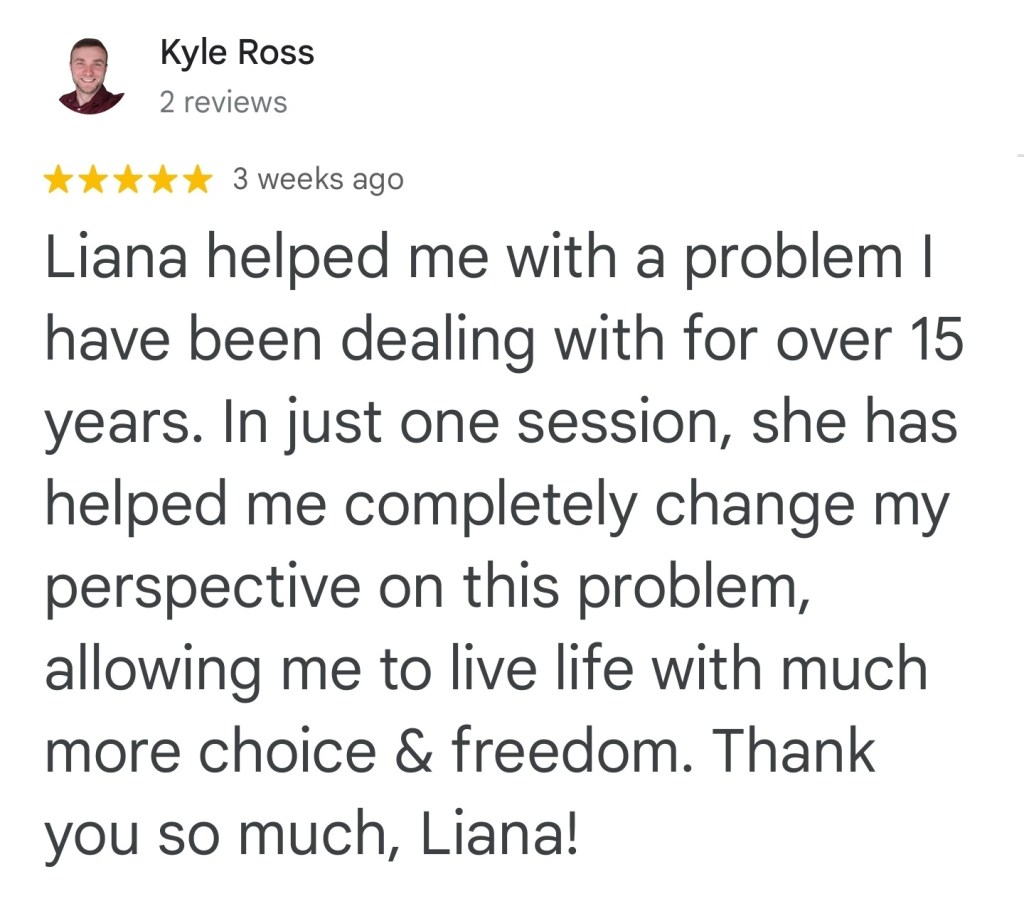
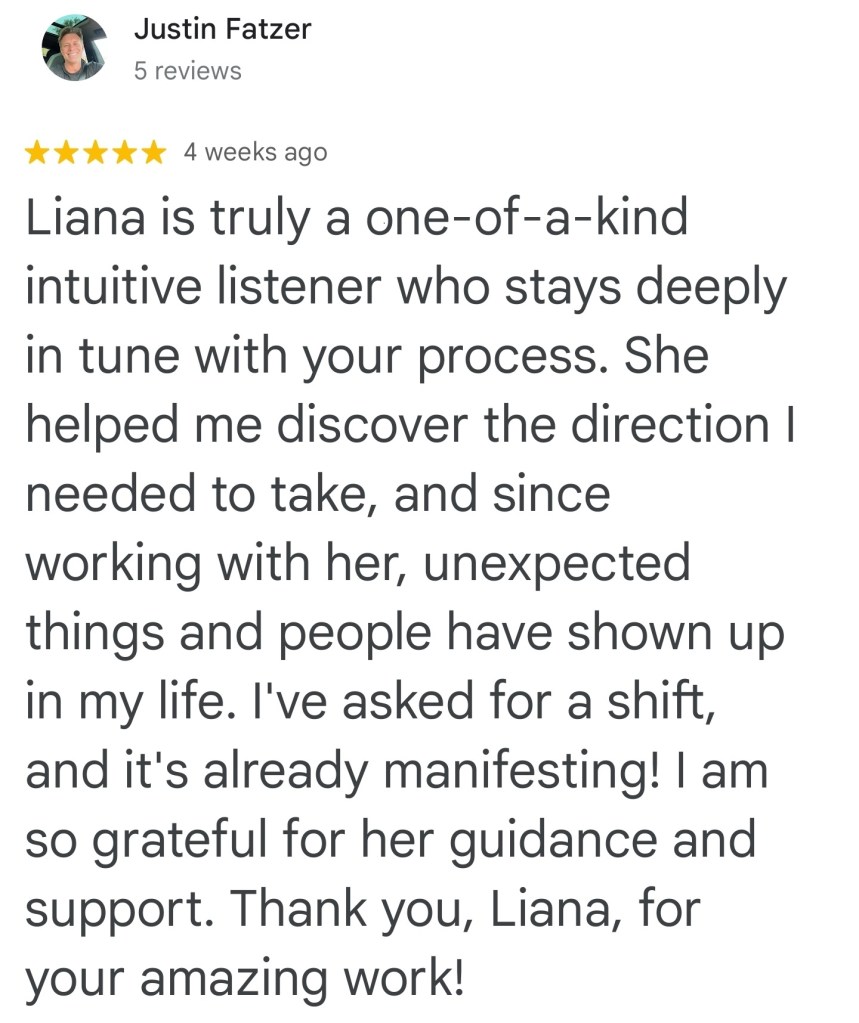
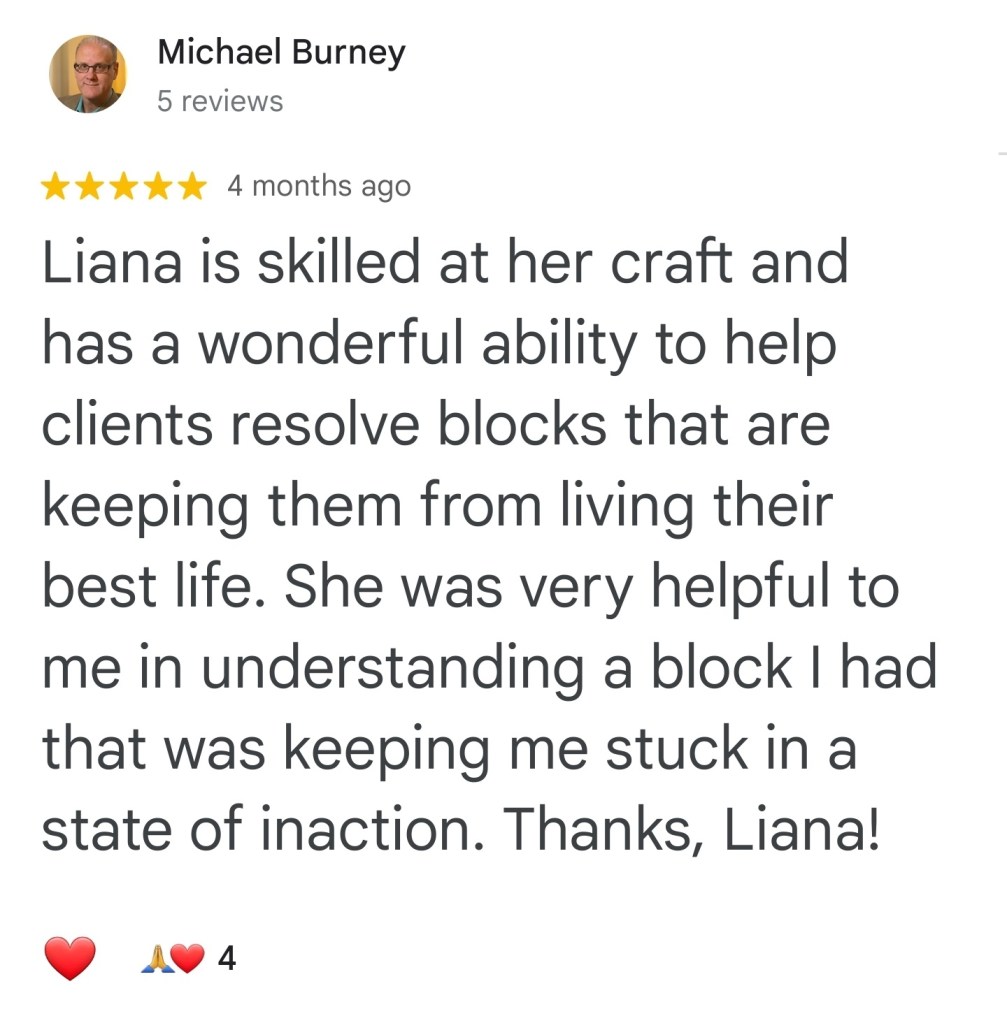
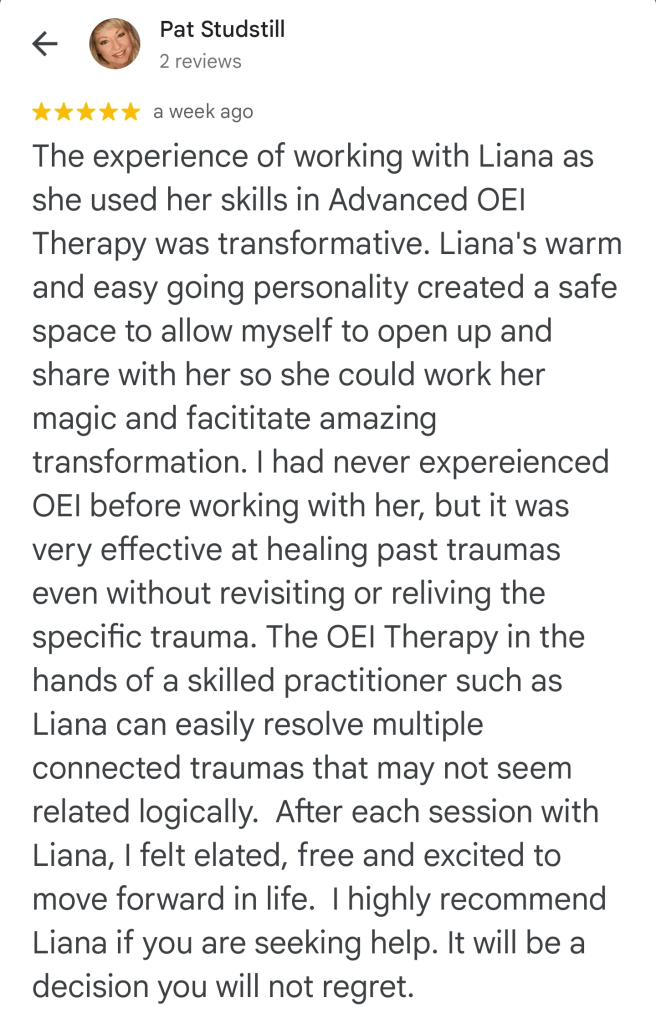
You don’t have to push through or “just try harder.” Trauma-informed therapies like OEI (Observed Experiential Integration) therapy and Accelerated Hypnotherapy work directly with the nervous system. They help calm the survival response so you can bring the thinking brain back online.
When your brain feels safe, tasks don’t feel like threats to your safety. You get back access to parts of yourself that know how to function, plan, and follow through.
Your brain isn’t broken, it was designed to survive and keep you there.
Struggling to do basic things after trauma isn’t a personal failure. It’s a sign that trauma may be interfering with life.
With the right support, you can feel safe, hopeful and connected to our authentic self – the one that used to kick ass.
Let’s connect.
Small changes in the subconscious lead to significant shifts at the conscious level.





















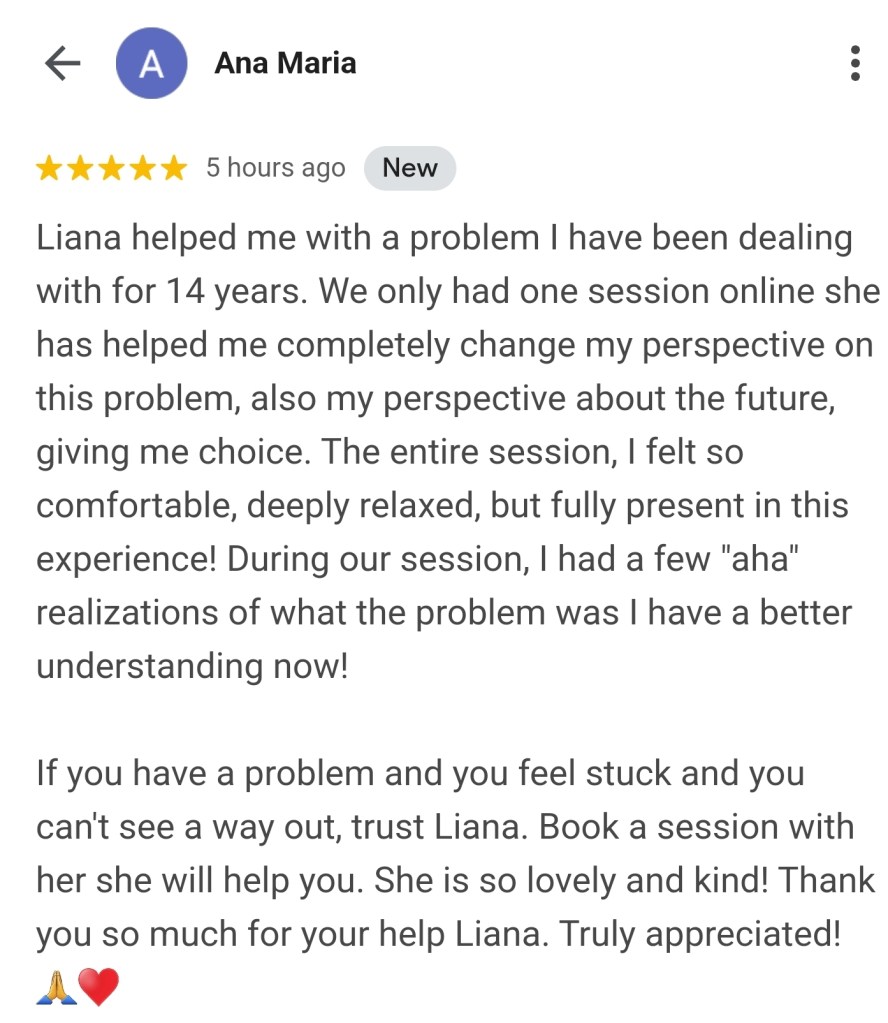
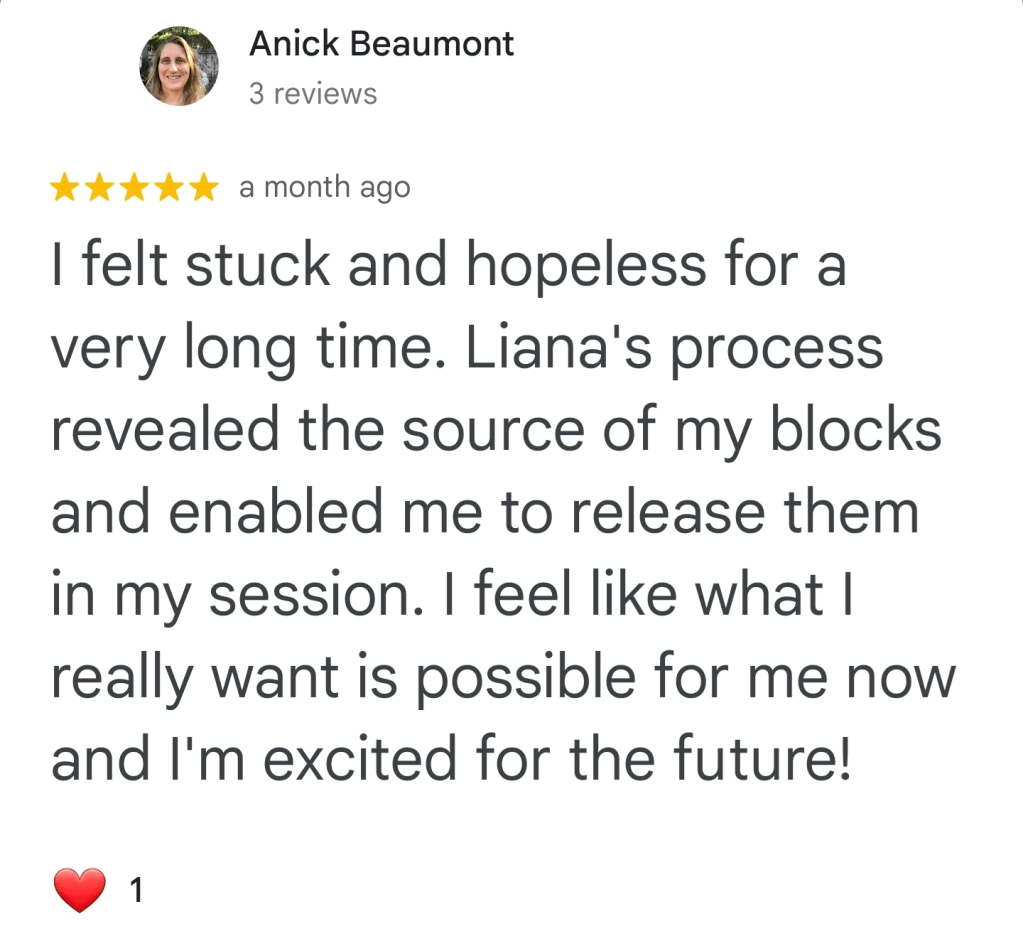















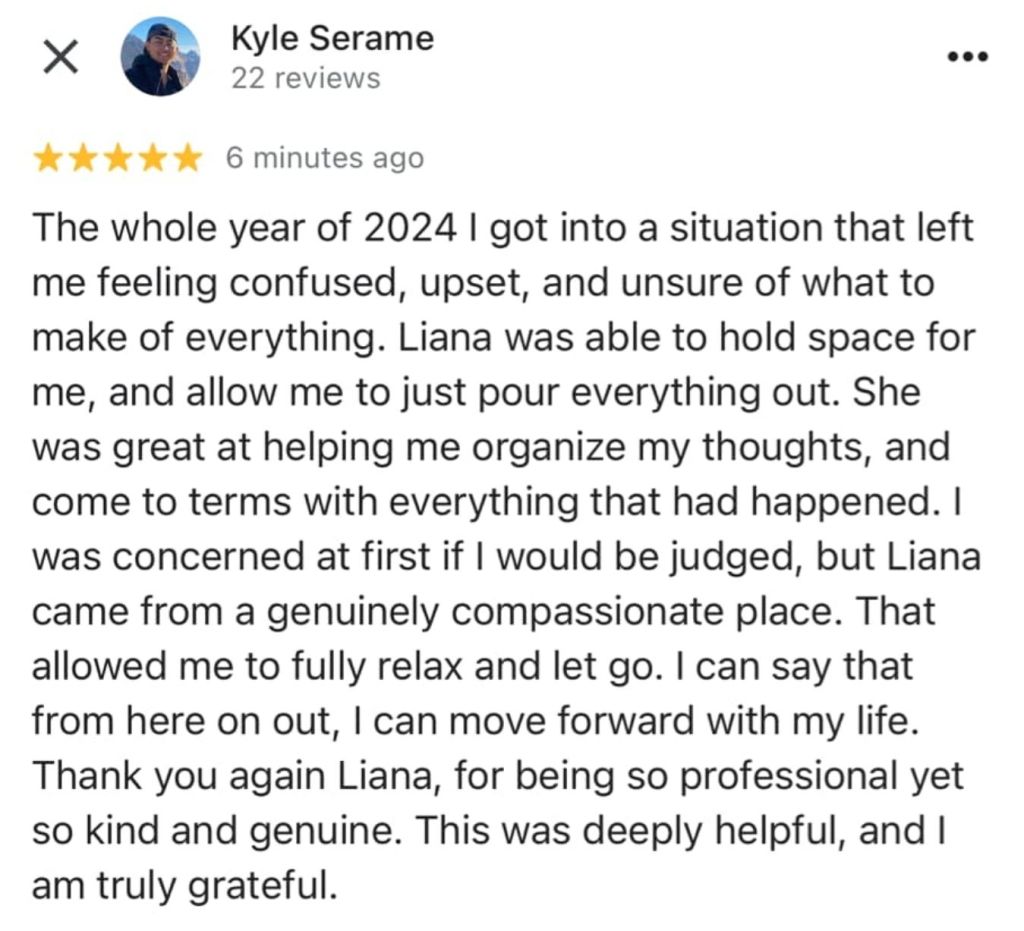

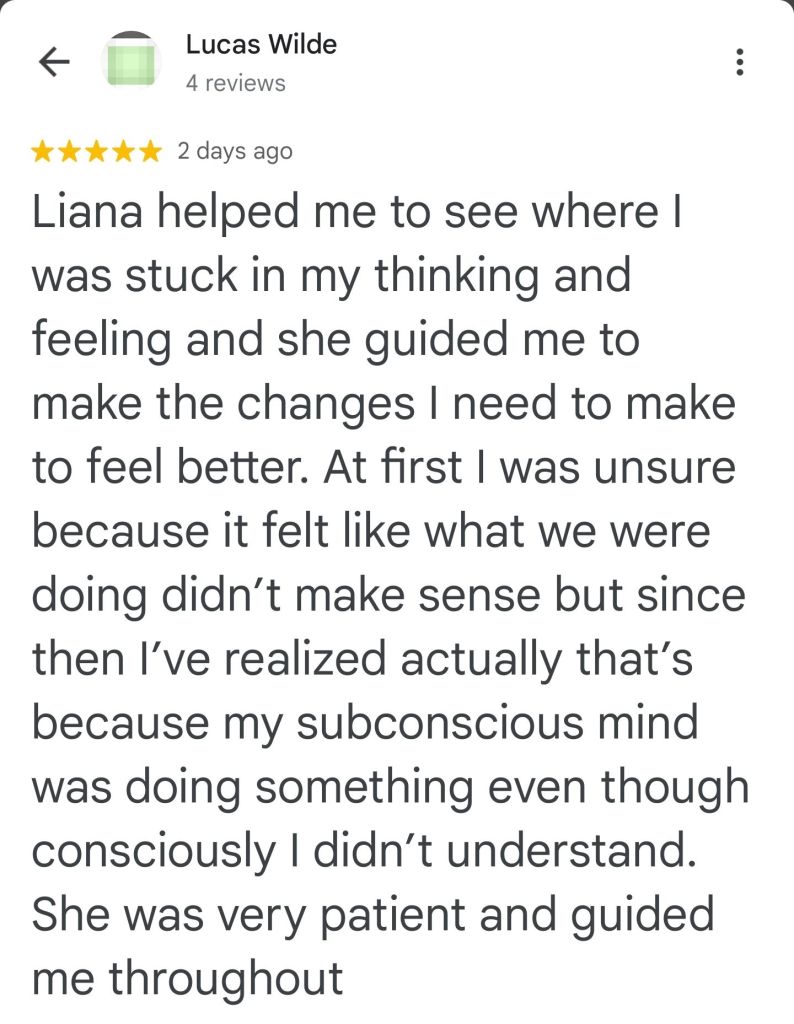
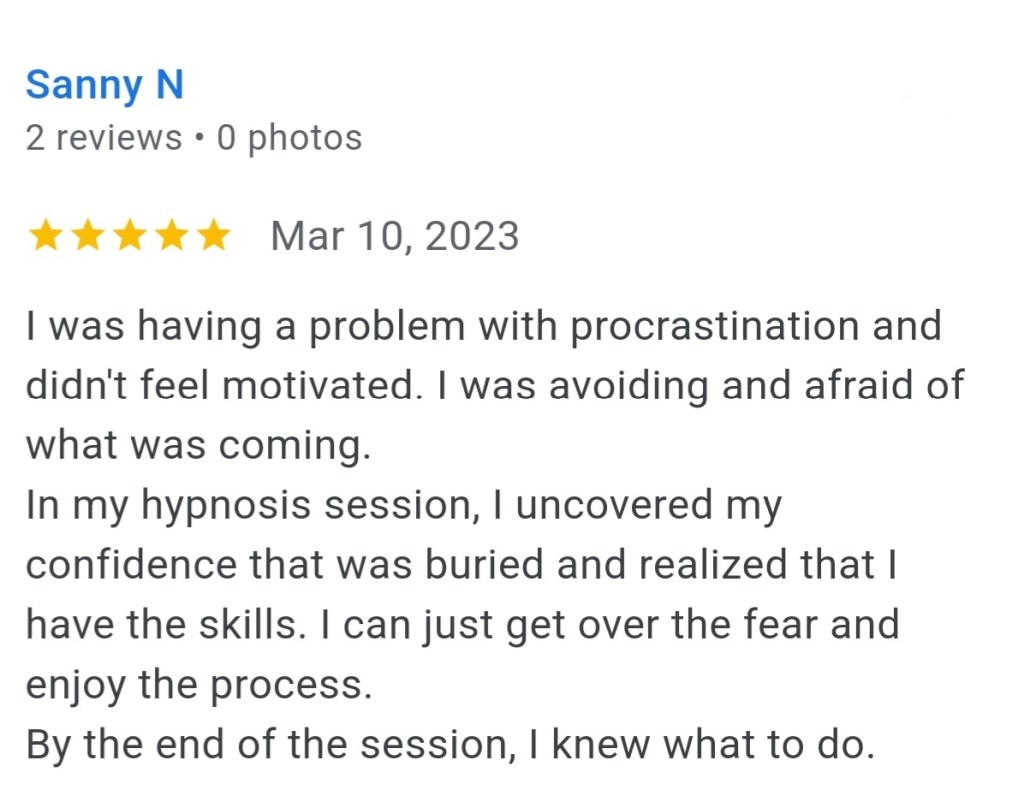

 Accelerated Hypnotherapy - Rapid Results
Leave a comment