
Are You Becoming a STRESSED OUT Control Freak Because of Trauma?
If you’re highly controlling or Type A, it might not just be your personality.
It might be a trauma response.
Control can feel like safety when life has been unpredictable or unsafe.
Let’s look at how controlling behaviors often come from trauma and wounds from the past, and may not totally be a personality trait that you were born with.
Why Control Often Comes From Trauma
If you tend to take charge, micromanage, feel anxious or get frustrated when things aren’t done “right,” you might be called controlling or Type A.
But for many people, control is a trauma response.
If the world feel unsafe and uncertain, staying in control became a way to feel secure.
Control as a Way to Stay Safe
Trauma teaches your nervous system to stay on high alert. You scan for danger, try to prevent chaos, and try to manage everything around you. Controlling your environment—or the people in it—can feel like the only way to keep yourself safe.
How Controlling Patterns Show Up
Trauma control can look like:
- Micromanaging
- Criticizing how others do tasks
- Refusing help, even when you’re overwhelmed
- Shutting down emotionally
- Giving peeps the silent treatment
- Blaming others for how you react
- Keeping score in relationships
- Using guilt to get your needs met
- Snooping or spying to avoid being blindsided
- Feeling like you need to know
You may not even realize you’re doing it.
These behaviors often feel automatic and are probably tied to deep fears—fear of the uncertain, being hurt, abandoned, or out of control.
Hyper Independence Isn’t Always Power Position
Not letting people help you might look like confidence, but it’s often about fear.
If you’ve learned that depending on others leads to disappointment or pain, it makes sense that you should just do everything yourself.
But it’s exhausting.
And it creates distance.
The Need to Control Comes From the Need to Feel Safe
Underneath the anxiety of the uncertain and attempt to control is your brain just trying to stay safe.
If your emotions were punished or you feel like you were ignored growing up, control becomes a way to manage overwhelming feelings.
It might be the only strategy your brain and body knows.
This Isn’t About Blame
Noticing controlling behavior isn’t about judging yourself.
It’s about figuring out where it actually comes from.
When you recognize it as a trauma response, you can approach it with more compassion—and begin to shift the pattern, starting with the anxiety, one safe step at a time.
Let’s connect.
Small changes in the subconscious lead to significant shifts at the conscious level.








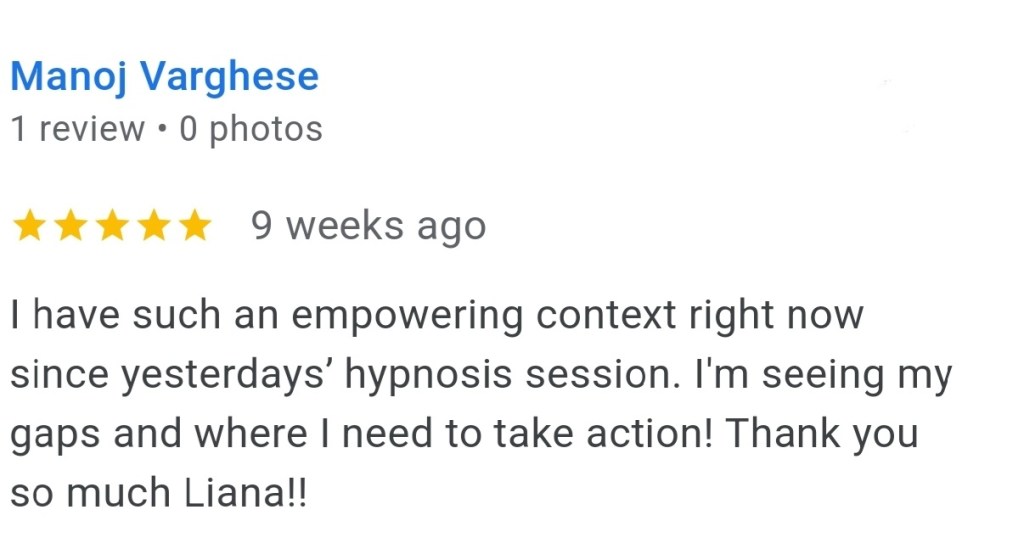
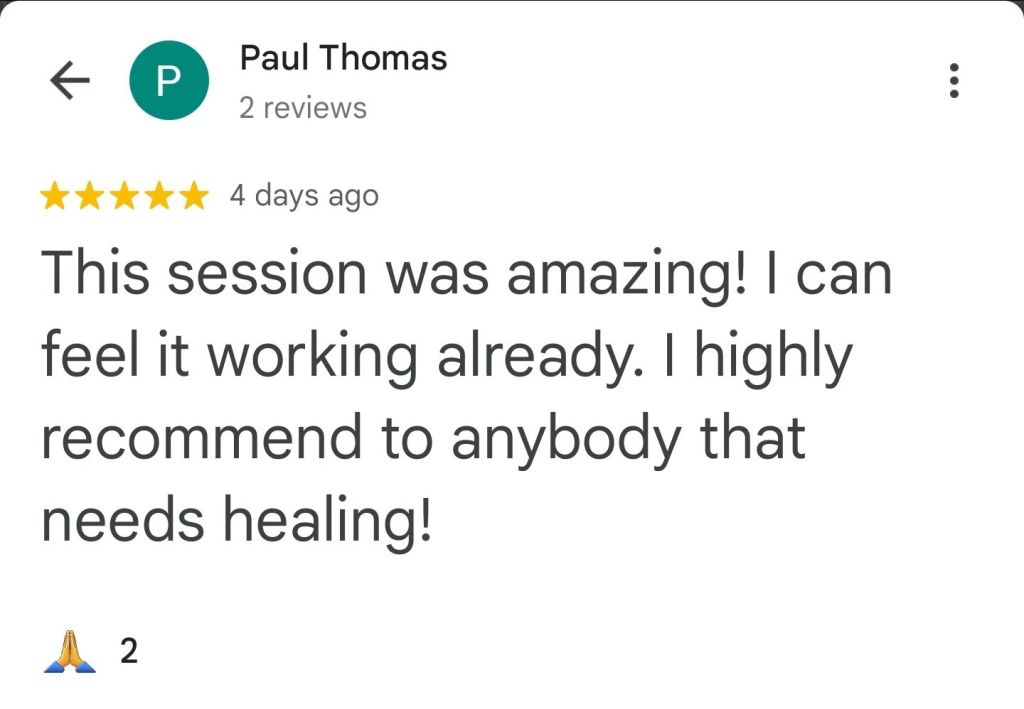

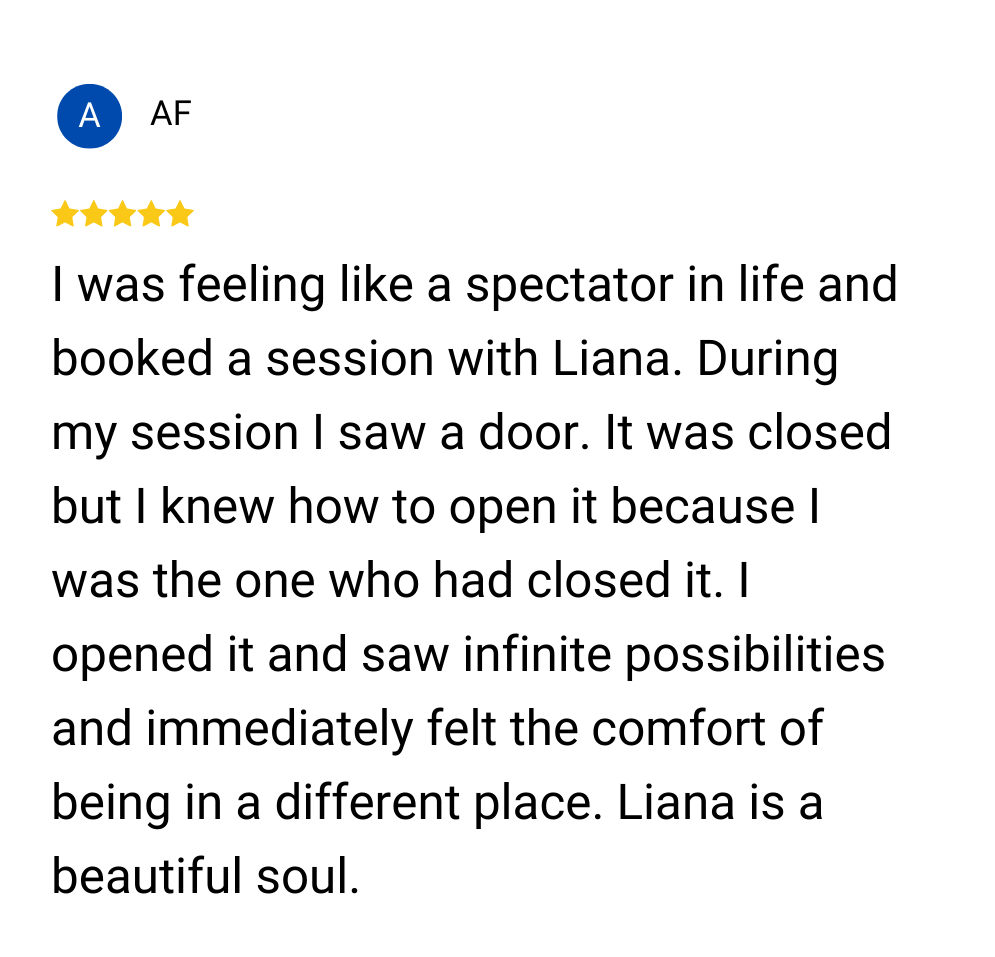
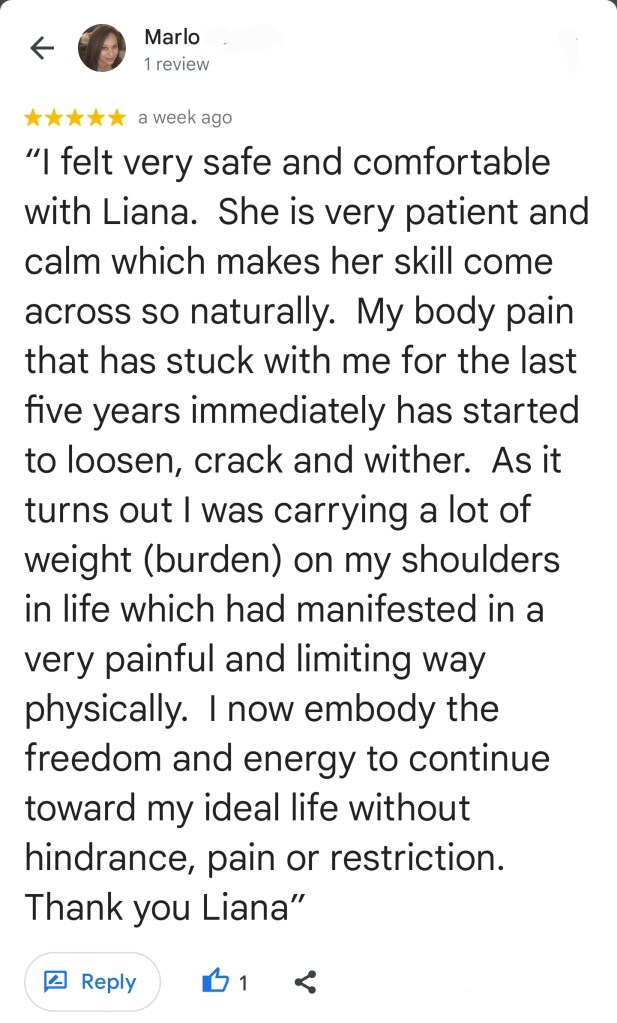




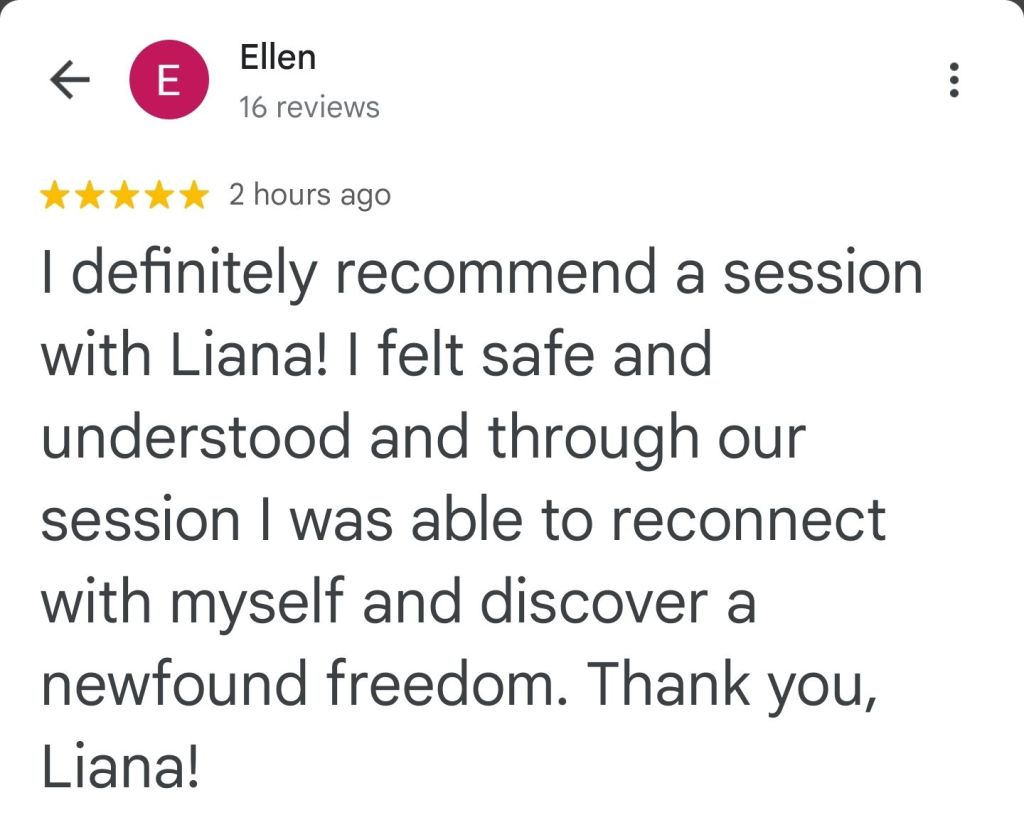

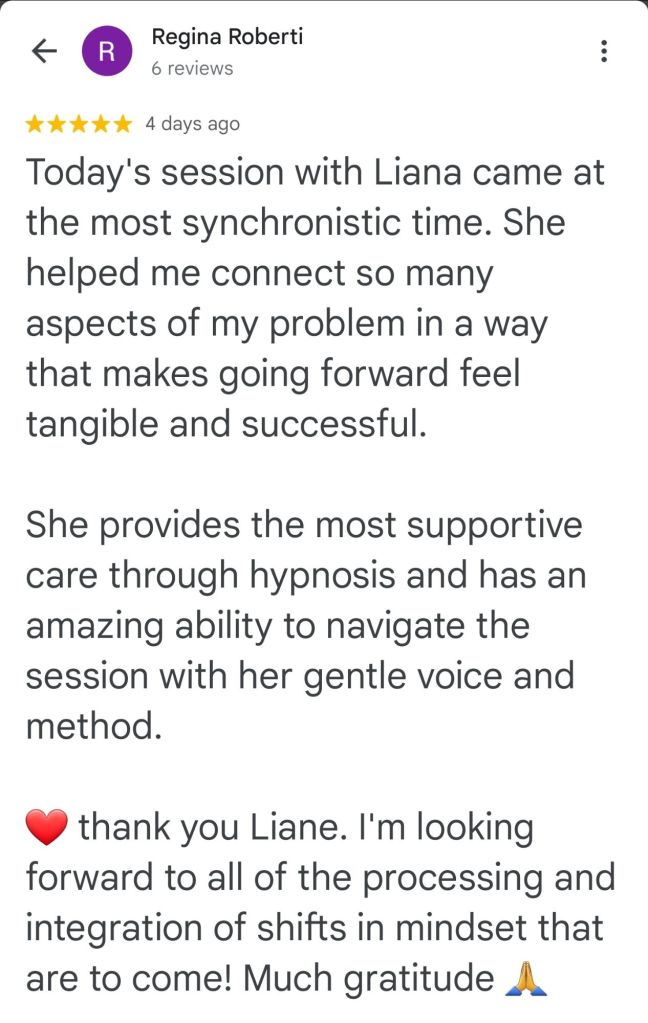



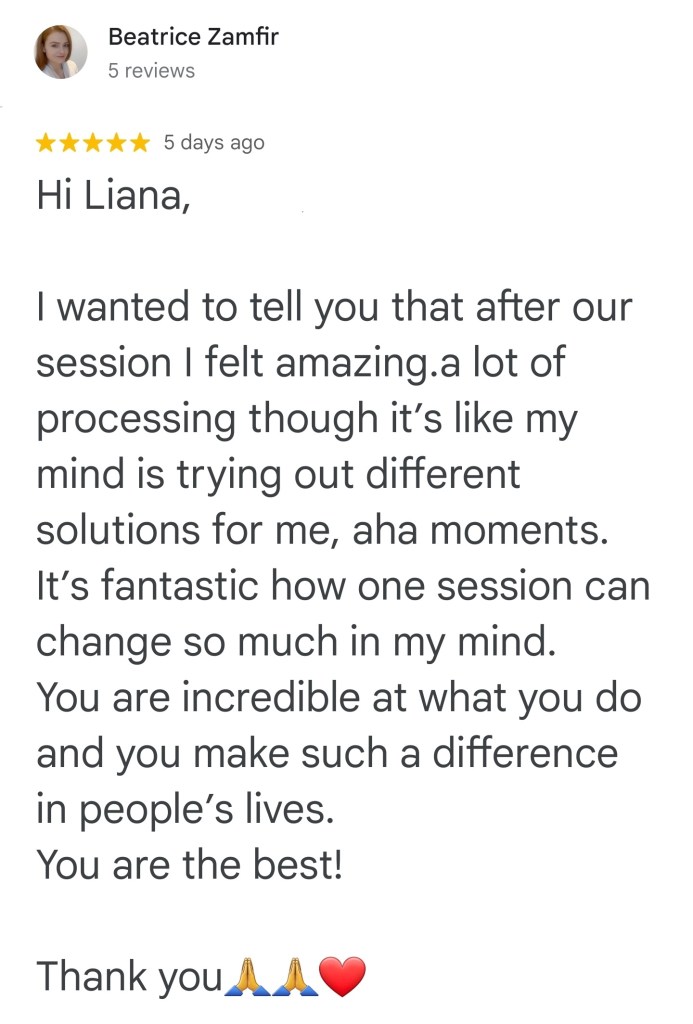
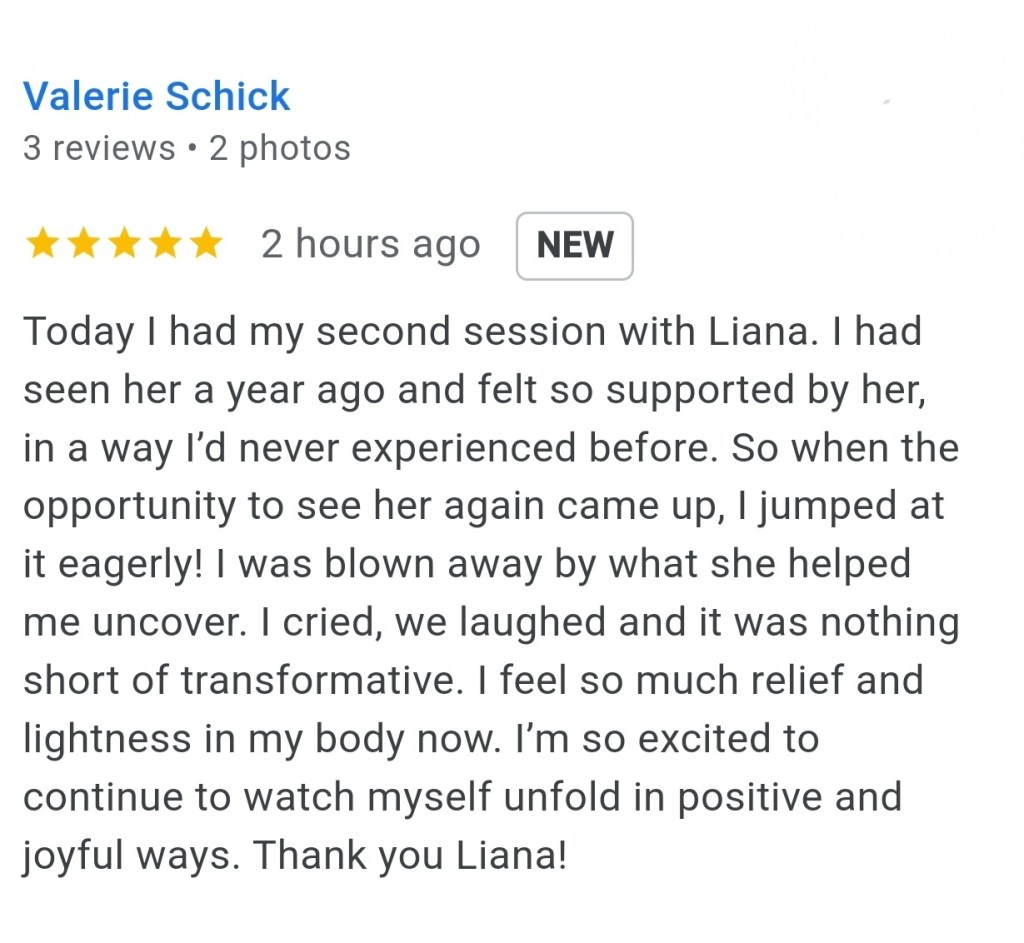
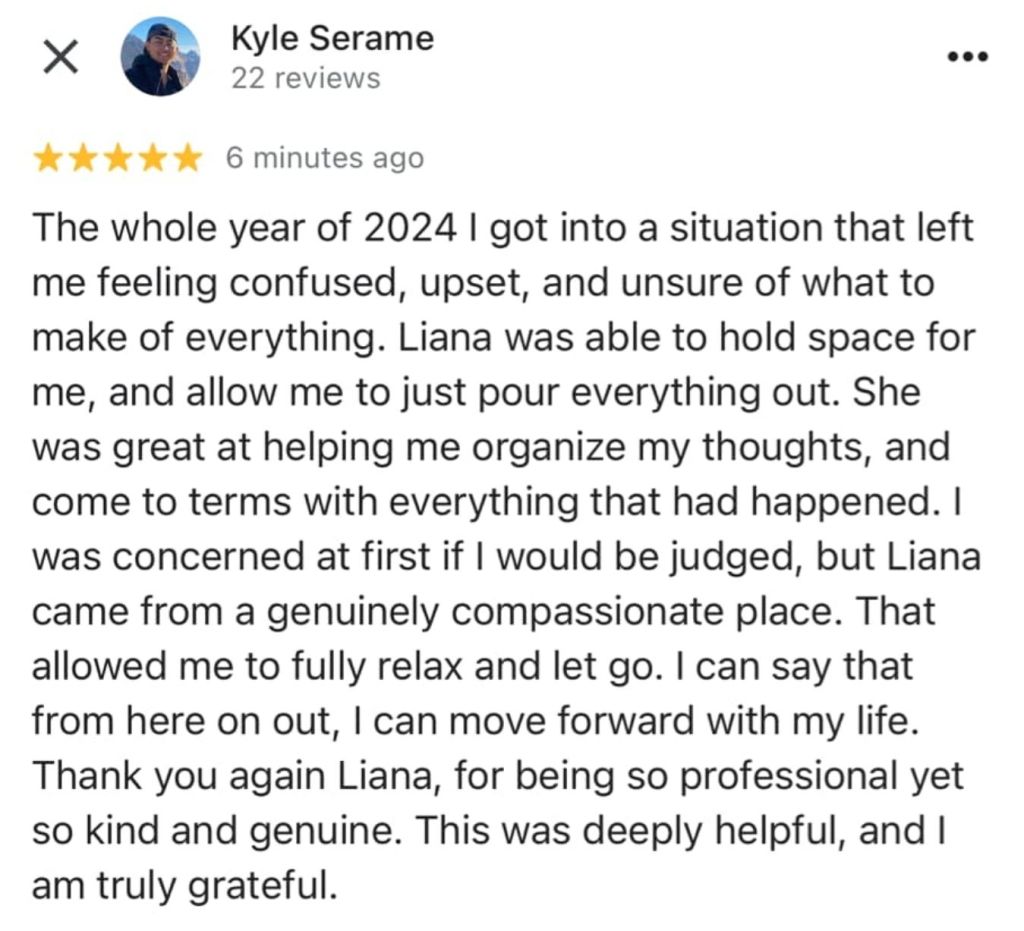

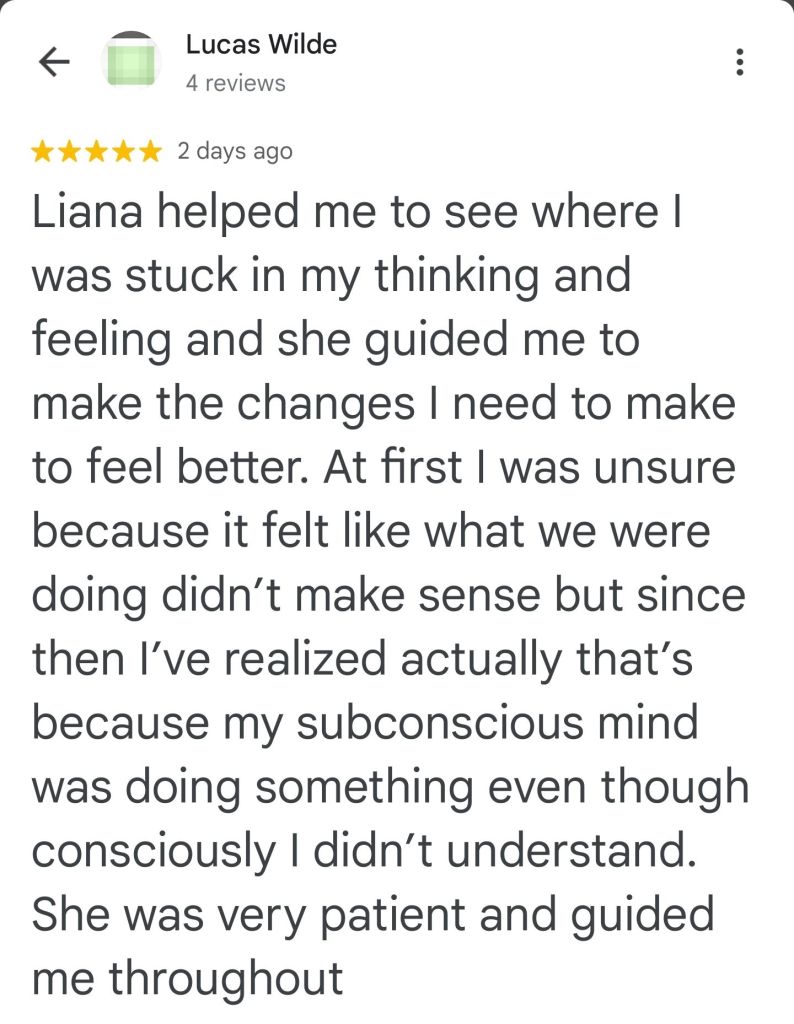
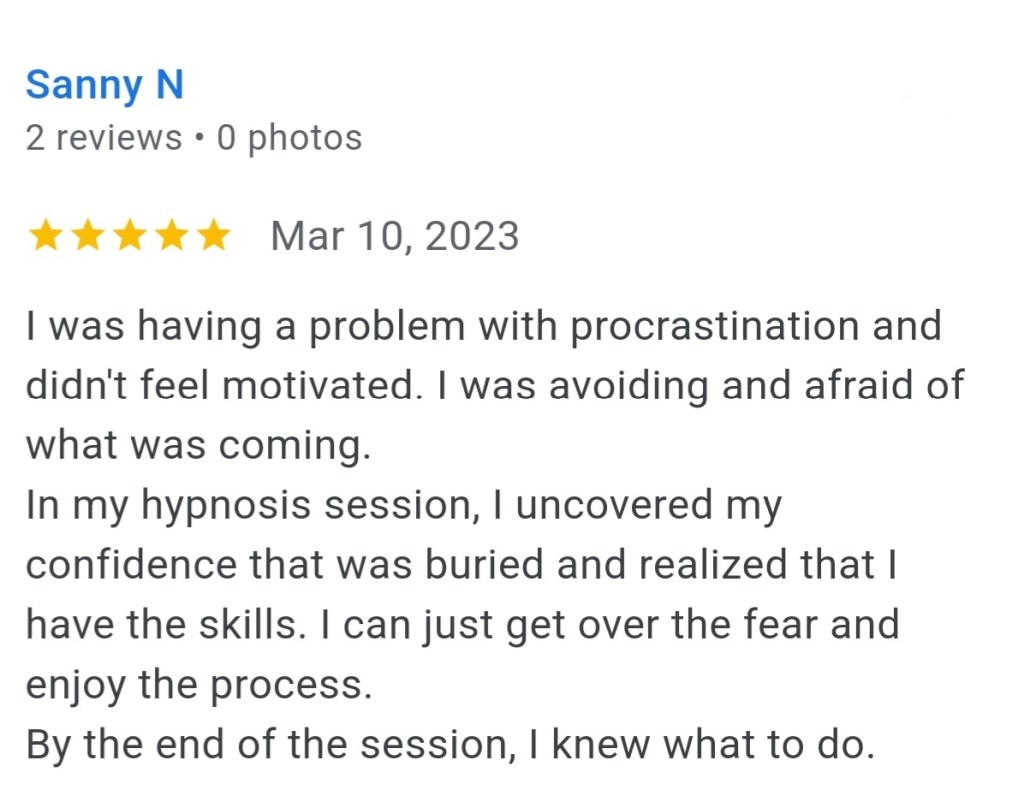

 Accelerated Hypnotherapy - Rapid Results
Leave a comment