
Betrayal Trauma Makes You FEAR Expressing Yourself?
After betrayal trauma, expressing yourself can feel risky, awkward or even unbearable. Talking about emotions or asking for help might trigger fear, shame, or the urge to shut down. This article explains why opening up feels so unsafe—and how that response often starts long before the betrayal itself.
Why Betrayal Trauma Can Make Expression Feel Unsafe
If it feels hard to talk about how you feel, ask for help, or be vulnerable with people—even the ones you trust—it’s ok.
After I found out that my ex had been cheating (with receipts), I felt so much shame that I just wanted to hide. I didn’t want anyone to know. Here’s the whole story.
Lack of self expression is often a trauma response rooted in how your brain and body learned to survive through life.
Shame and Rejection Taught You to Stay Quiet
If you were shamed, ignored, or rejected when you had big emotions as a child, your brain and body learned to shut down.
You stopped expecting connection. You stopped expecting anyone to care.
Speaking up started to feel dangerous. Staying quiet started to feel safe.
I have always had problems with self expression and the shame of betrayal brought that all back for me.
Big time.
Betrayal Reinforces That Silence
When someone betrays you—especially someone close—your system doubles down into shame and silence.
You may even think, “This is why I don’t open up.”
The pain reinforces the belief that you’re on your own. Other people aren’t safe. Other people will just hurt you.
Even if part of you wants support, another part says, “Don’t risk it. You can’t let anyone know what has happened.”
Vulnerability Feels Like Exposure
Opening up can feel like standing in front of the room naked.
If you’ve been hurt, especially by someone who claimed to care about you, vulnerability feels like giving someone the exact recipe to hurt you again.
That’s why even small things—like saying “I’m struggling”—feels impossible. The words are stuck in your throat.
Your Body Is Protecting You
You may feel frozen, go blank, change the subject, or laugh things off nervously.
If this sounds like you, it’s your brain and body doing what they learned to do—protect you from emotional harm.
It’s about fear that you can actually feel in your body.
This Doesn’t Mean You’re Broken
You’re not too sensitive. You’re not being dramatic.
You adapted to a world that didn’t make space for your feelings. That’s why even when you want to connect, it can feel like there’s a wall in the way.
Healing Trauma Starts With Safety
Healing starts with finding someone who can help you resolve the trauma, someone with whom you feel emotionally safe.
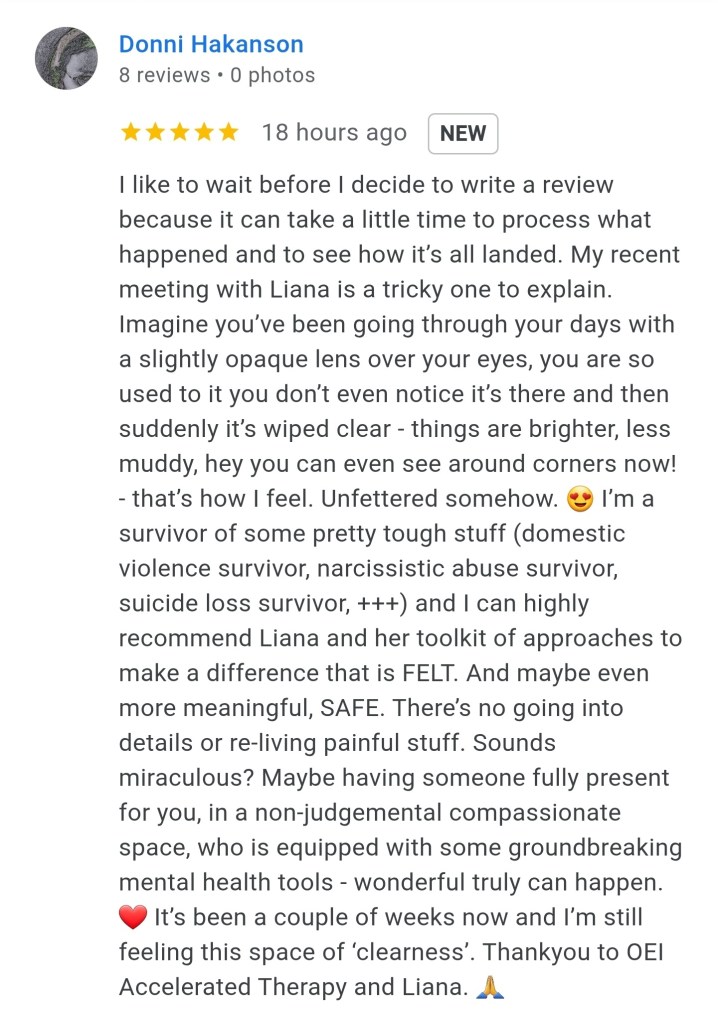
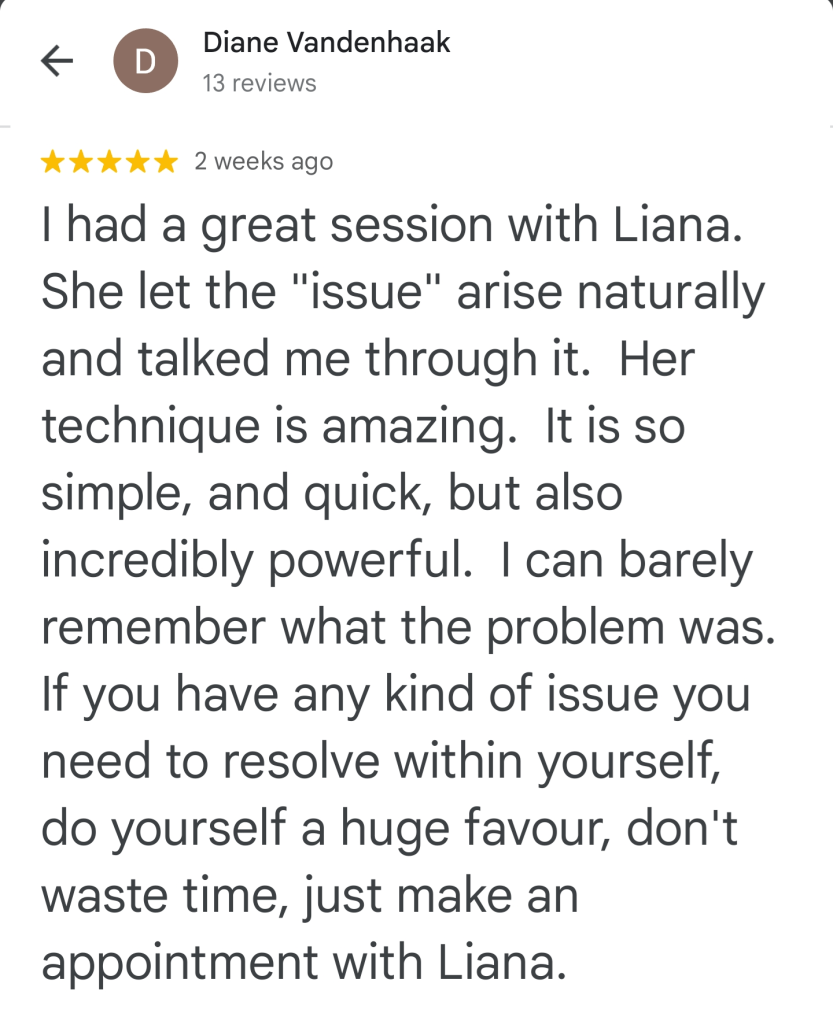
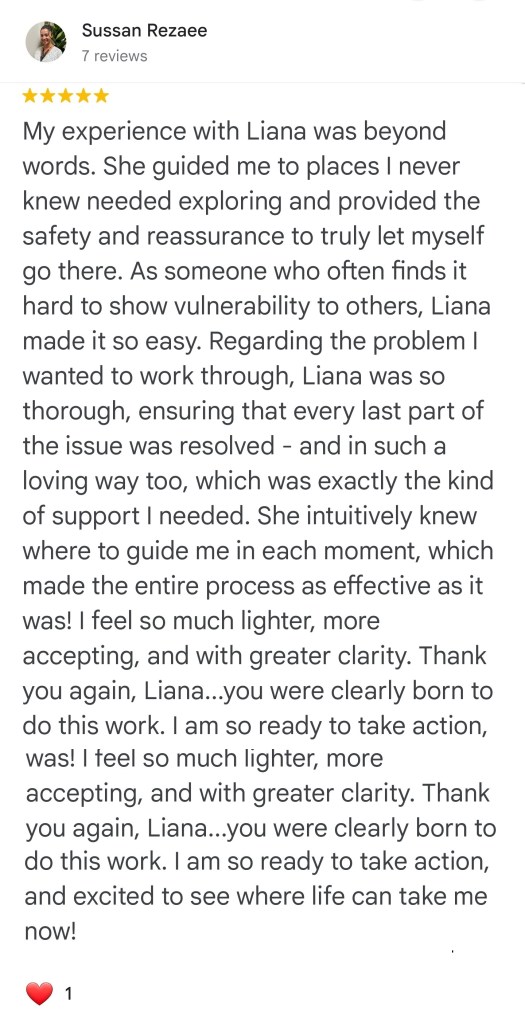
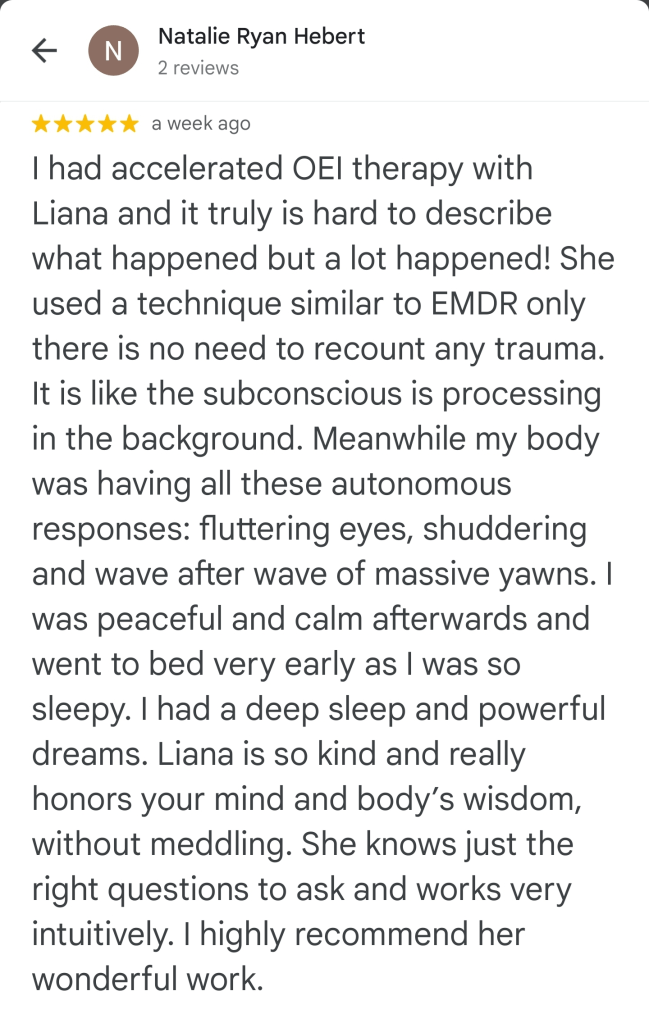
With Accelerated Hypnotherapy, you don’t even have to talk about all the painful, personal details.
We can help your system learn that being real doesn’t have to lead to pain.
You Deserve to Be Met With Trauma-Informed Care
What you’re feeling makes sense.
You learned to stay quiet to survive.
But now, you can start learning something new: you deserve to be seen, heard, and met with kindness.
It might not be the easiest thing you’ve ever done but you will get something you’ve never got.
Let’s connect.
Pure Possibilities
Change Your Mind.
Change Your Life.












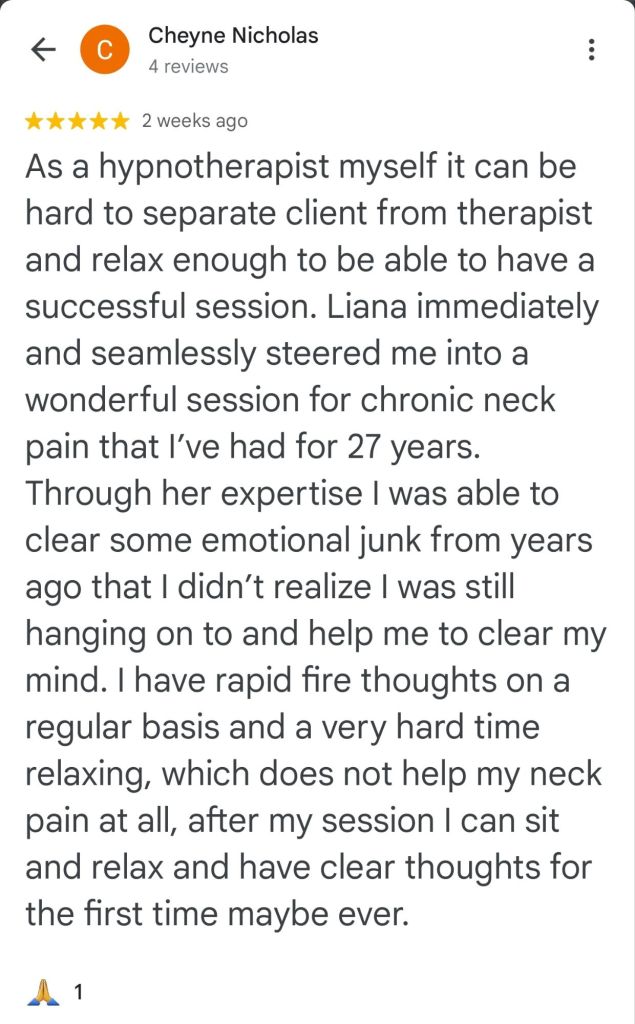
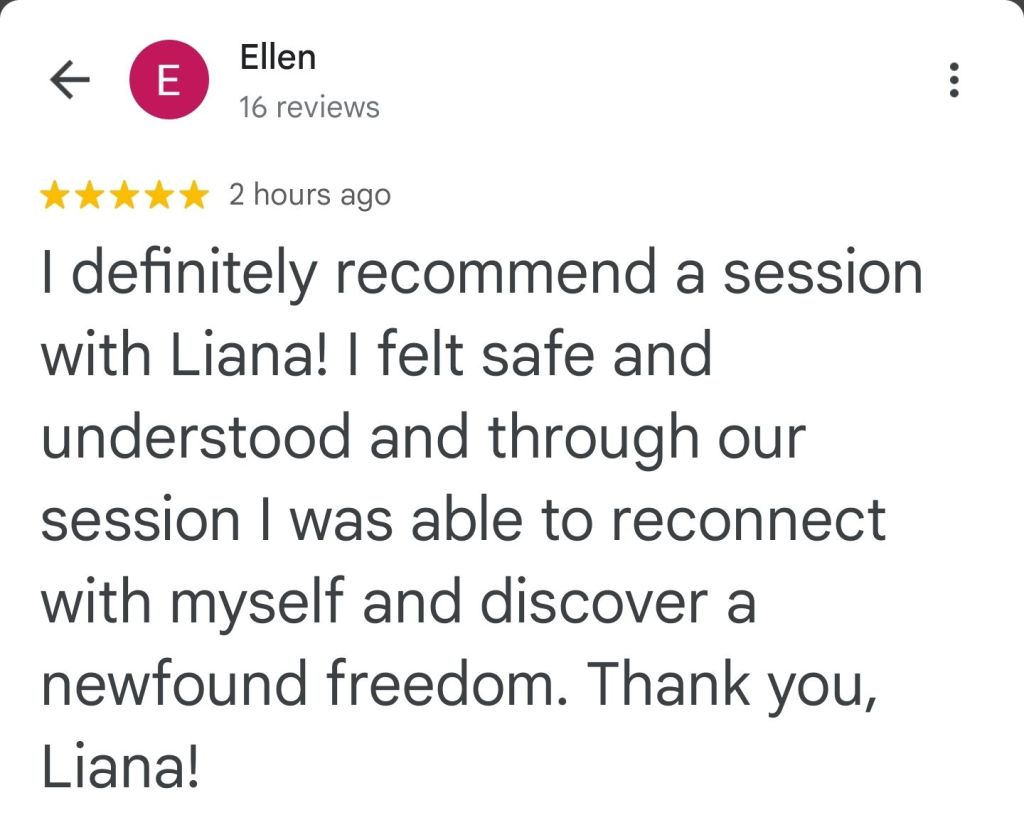

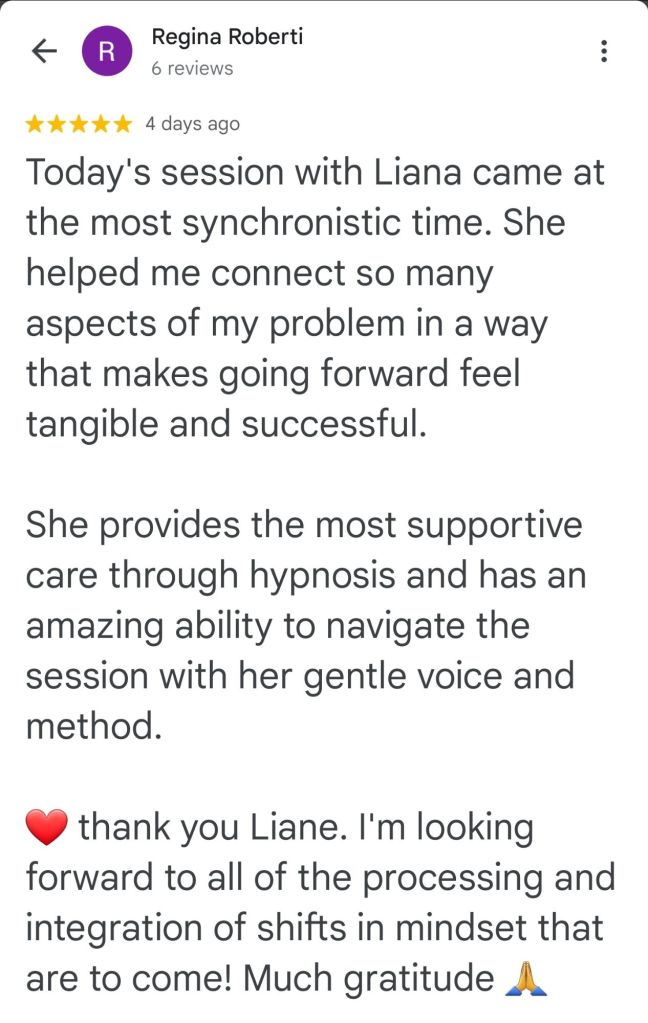




 Accelerated Hypnotherapy - Rapid Results
Leave a comment