
How Trauma Affects Relationships
Trauma doesn’t just affect your past—it often shows up in your relationships.
Let’s explore how trauma can shape connection, trust, and communication patterns, and why many people repeat painful relationship cycles without realizing trauma is the cause.
How Does Trauma Affects Relationships?
If you seem to struggle with relationships, friends, acquaintances, and significant others, it might be the impact if past trauma, even if you’re not aware of it.
Trauma changes how your brain and body react to trust, conflict, and emotional needs.
Many individuals repeat painful patterns in relationships, not because they want to, but because their nervous system is still protecting them from old wounds.
Trauma Shapes How You Connect
Trauma, especially from childhood or past relationships, can create fear around emotional closeness.
You may pull away, avoid vulnerability, or feel overwhelmed by intimacy.
Sometimes you might crave connection but feel trapped or suffocated once you get it. These reactions aren’t conscious choices—they’re survival responses wired into the nervous system.
When Trust Feels Unsafe
When you’ve been betrayed or abandoned, your brain becomes more sensitive to signs of rejection or danger.
You may find yourself doubting people’s intentions or feeling hyperaware of small shifts in mood or behavior.
Even in safe relationships, it can be hard to fully relax, you may be focused more on the other person’s needs than your own. You may people-please, have a hard time expressing your own needs and boundaries, and not sure who you are in relationships.
This is often linked to attachment trauma, where early relationships taught your system that love isn’t stable or safe.
Communication Gets Complicated
Trauma often makes it hard to express emotions clearly.
You might shut down, become defensive, or lash out without meaning to.
This happens because the brain’s emotional regulation system becomes overwhelmed, you’re still dealing with all the stuff from the past. Your body reacts as if you’re under threat, it is in survival mode, even if the present situation isn’t dangerous.
Why Old Wounds Get Repeated
It’s common to unconsciously repeat relationship patterns tied to trauma.
You may end up in relationships that feel familiar—even if they’re painful—because your brain is trying to resolve unfinished emotional business.
Even though you know it’s not working for you, your brain is so overwhelmed that it is not able to make the right decision because the logical, rational part of the brain that makes good decisions is shut down.
This cycle can keep you stuck in unhealthy dynamics, such as people pleasing, codependency, or conflict avoidance.
The Role of the Nervous System
Research shows how trauma affects mental health, emotional regulation and attachment, often leaving people stuck in “fight, flight, or freeze” states in relationships.
This means your brain and body can hijack your reactions during emotional moments, making it difficult to think clearly or respond calmly.
What Helps Relationships Heal
Trauma-informed hypnotherapy can help shift these patterns.
Accelerated Hypnotherapy can help create emotional safety within yourself, which can allow more grounded, calm connection with others.
Healing doesn’t mean forgetting the past—it means relating to others in healthy ways, and learning how to be authentic and present with yourself and others.
You’re Not Broken—You’re Protecting Yourself From the Past
Your relationship struggles are might be a symptom of trauma/
They’re protective strategies your brain and body developed to survive.
Accelerated Hypnotherapy can create new possibilities for healthier connections that feel safe, trustworthy, and authentic.
Let’s connect.
“Listen, are you breathing just a little and calling it a life?”
-Mary Oliver








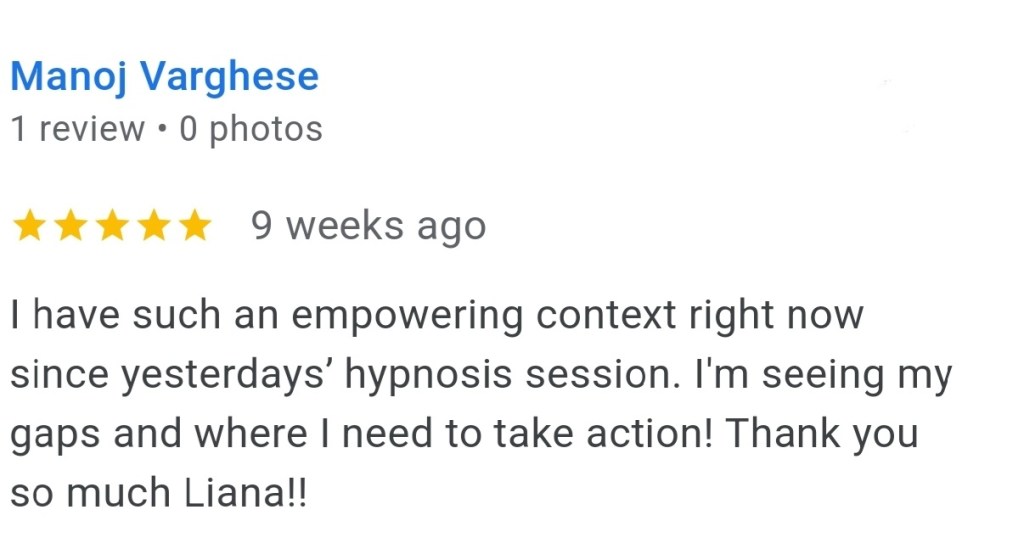
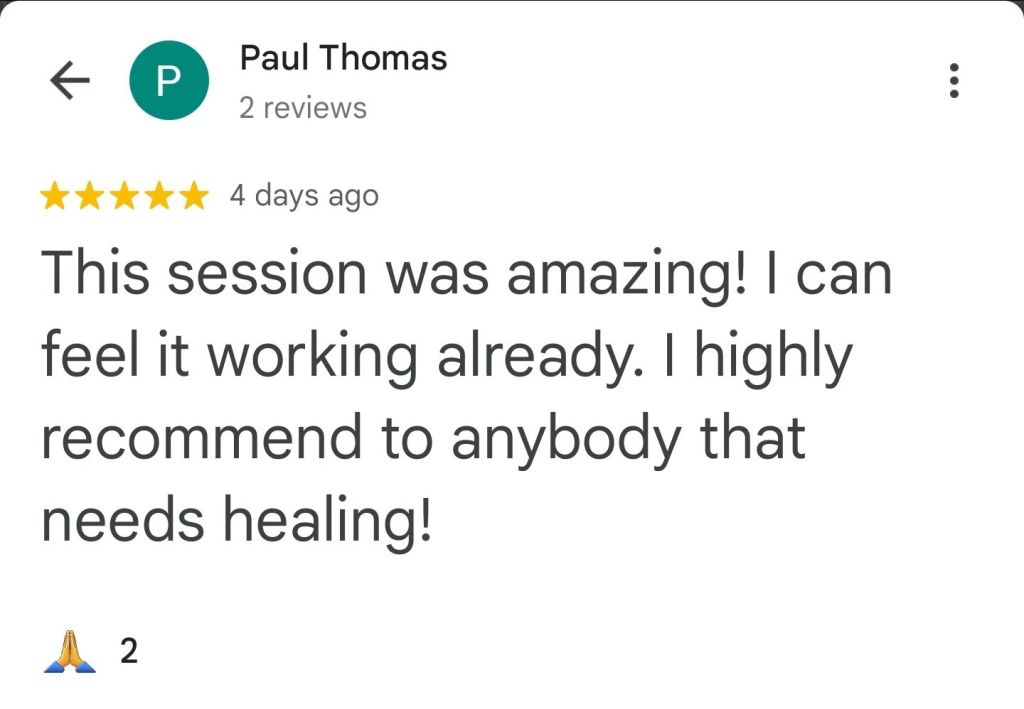


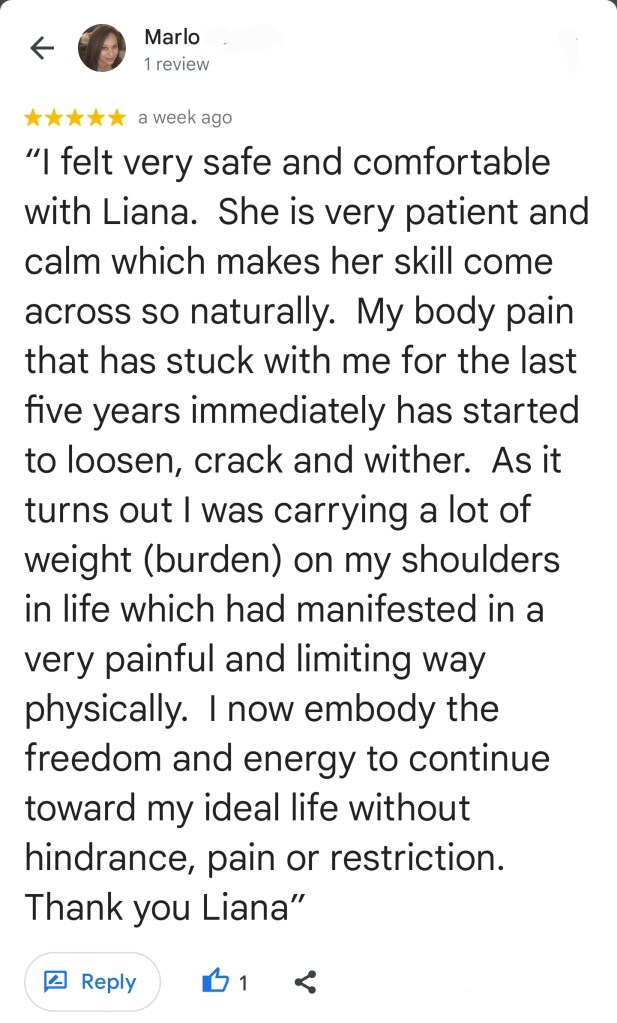
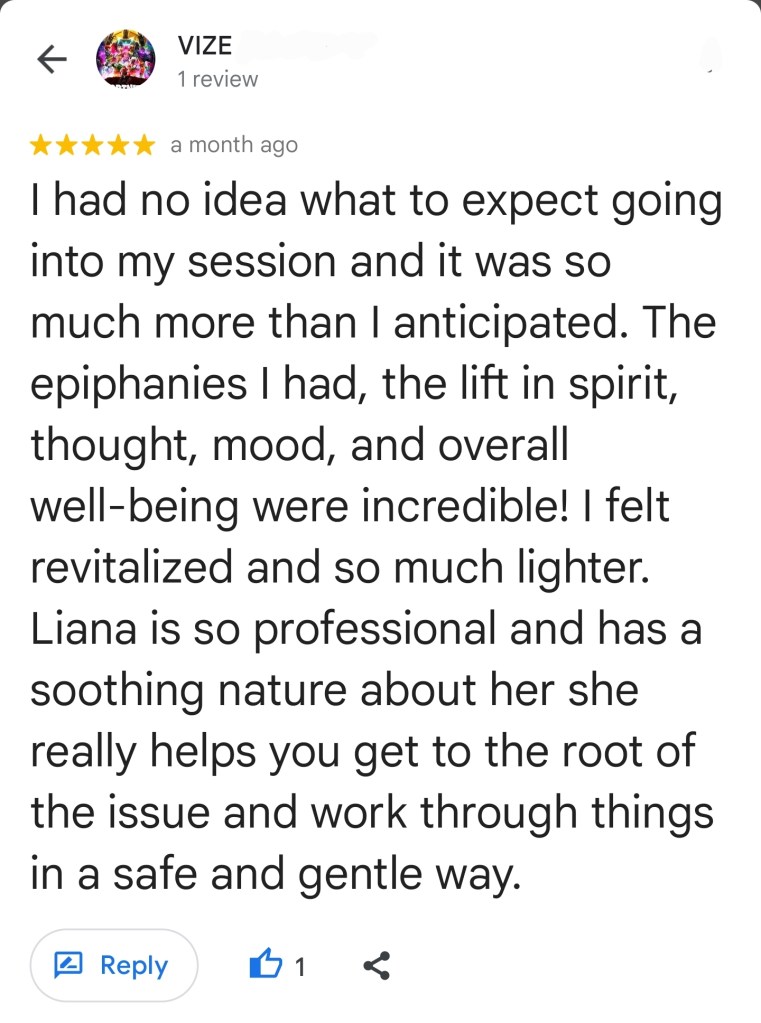










 Accelerated Hypnotherapy - Rapid Results
Leave a comment