
Why Weight Issues and Food Addictions Caused by Trauma Are Not Your Fault
PTSD and food addiction are closely linked, especially for women.
Research shows women with PTSD symptoms are more than twice as likely to struggle with food addiction compared to those without trauma.
Let’s explore how trauma, emotional eating, and weight gain often intersect through the brain and body’s attempts to cope.
Why PTSD, Food Addiction, And Weight Gain Are Connected
If you struggle with food and weight after experiencing betrayal, you’re not alone.
A large study found women with PTSD symptoms were more than twice as likely to report food addiction compared to those without trauma histories.
Weight issues after betrayal trauma isn’t about willpower.
It’s about how trauma rewires your brain and body.
Food Can Become a Way to Cope
The effects of betrayal can cause you to lose your sense of self, feel hopeless, and not be able to do the basic stuff, like self care.
It puts your brain and body in a constant state of high alert that takes up all your brainpower, so you might not even be able to complete a list of simple tasks or make the list in the first place.
Food can soothe this response—at least temporarily.
Sugar has been shown to reduce stress and pain in newborns.
Studies show that eating releases chemicals in the brain that help calm stress and fear. This makes food feel like a safe, reliable way to cope with overwhelming emotions.
The Link Between Early Trauma and Weight
Research has found that the earlier PTSD symptoms begin, the stronger the connection to food addiction and weight gain.
When trauma happens at a young age, the brain learns to use food to self-soothe.
Because food gives an immediate release of the feel good chemicals, dopamine and serotonin, you get a rapid sense of pleasure and mood elevation.
These patterns become deeply rooted over time and make the payoff low for developing alternative coping skills.
Why It’s Not About Lack of Control
Many people blame themselves for emotional eating or weight gain after trauma.
But this isn’t simply a matter of discipline or bad habits.
The body is trying to regulate itself in the easiest way it knows how—by seeking comfort and calm through food.
Betrayal Trauma Triggers Keep The Cycle Going
When trauma symptoms flare up—such as flashbacks, anxiety, or nightmares—food often becomes the easiest way to numb or distract from the pain.
This can create a cycle of eating to manage trauma symptoms, followed by guilt, shame, or frustration which leads to more eating.
Breaking The Cycle Starts With Safety
Healing from weight and food issues tied to betrayal doesn’t start with dieting or restriction.
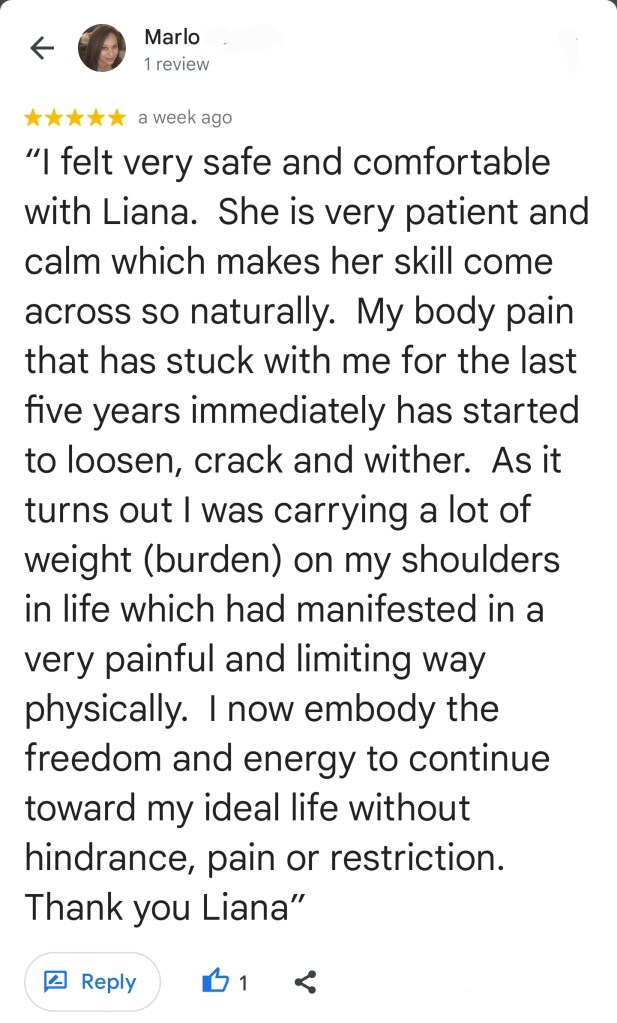
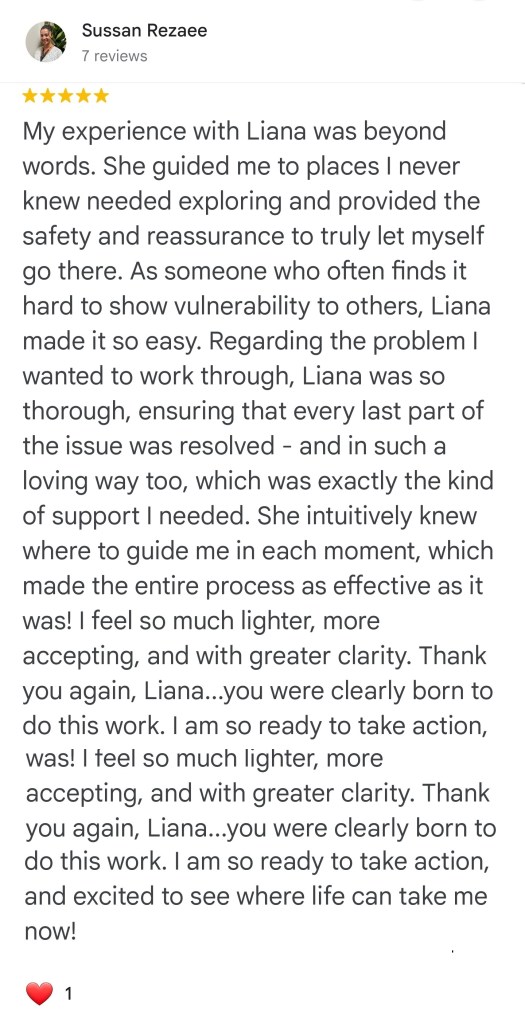
It starts with nervous system regulation and emotional safety.
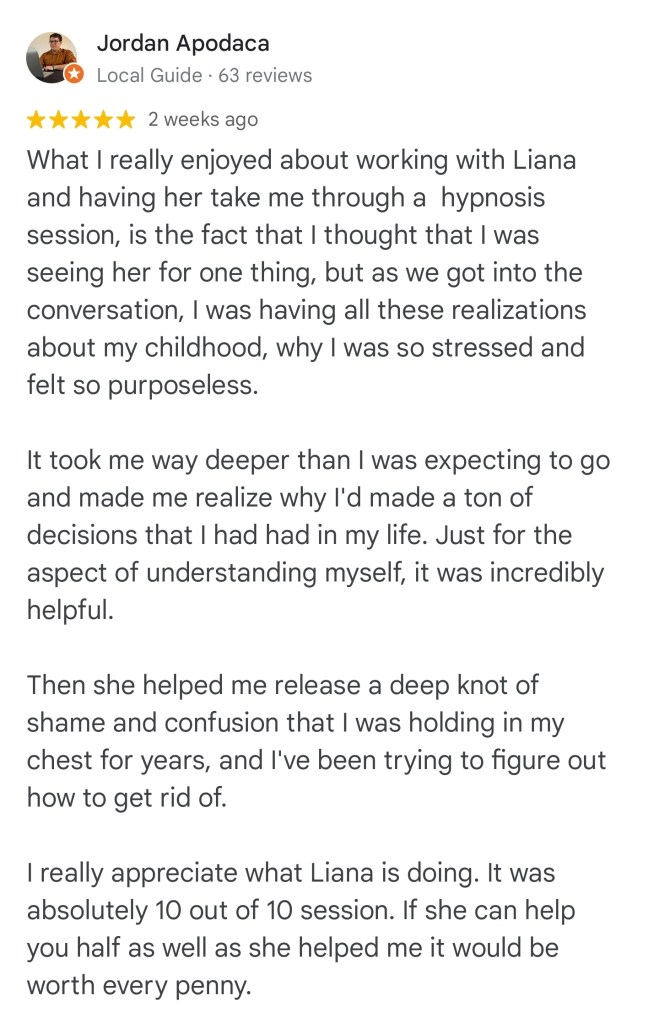
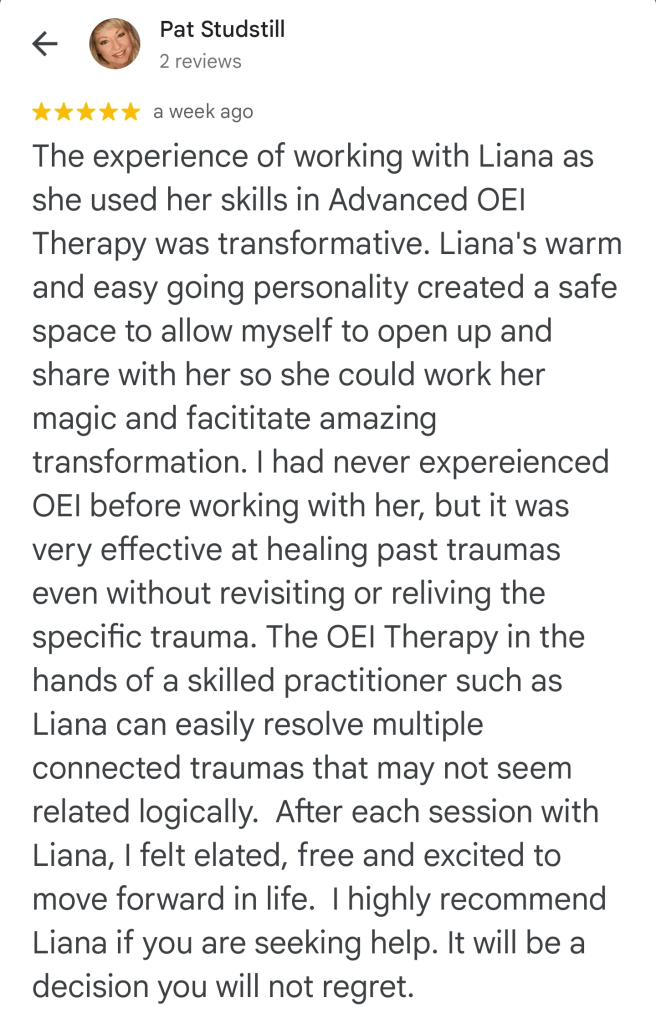
Accelerated Hypnotherapy and other trauma-informed, trauma-focused approaches like OEI therapy help reduce the need to use food to cope and move forward.
If you’ve struggled with food and weight after betrayal, it might be a trauma response.
It’s your body’s way of coping with emotional pain.
With the right support, you can learn other ways to feel safe, calm, and connected—with positive effects on your brain and body.
Lets’ connect.
“Listen, are you breathing just a little and calling it a life?”
-Mary Oliver





































 Accelerated Hypnotherapy - Rapid Results
Leave a comment