
Is Trauma Creating Your Relationships?
Trauma doesn’t just stay in the past. It often shows up in your closest relationships.
Let’s explore how trauma can create negative relationship patterns like conflict, shame, insecure attachment, and choosing unhealthy partners.
How Trauma Creates Negative Relationship Patterns
Trauma changes how you connect with others, even years later. Many individuals notice the same painful patterns in their relationships—but don’t always make the connection that trauma might be behind it.
Trauma can shape four common relationship struggles.
1. Fight, Flight, or Freeze Responses
When you’ve been through trauma, your body can react strongly to conflict. You might feel the urge to fight, run away, or shut down completely. These are survival responses.
Your nervous system still reacts like you’re in danger, even during difference of opinion in everyday conversations.
2. Shame
Trauma often brings deep feelings of shame. You may feel unworthy, broken, or like it’s not safe to be self-expressed, set boundaries. You may attract partners, friends, workplace situations where your needs come dead last.
Shame can make it hard to open up or trust others. It also keeps you stuck in patterns of self-blame or isolation, which can damage relationships.
3. Insecure Attachment
Many people with trauma struggle with insecure attachment.
This can show up as fear of rejection and abandonment, constant worry about being left, or pushing people away before they can hurt you.
You may cling too tightly or avoid closeness altogether – or both because your brain and body become overwhelmed. These patterns make healthy connection difficult.
4. Choosing Unhealthy Partners
One of the most painful effects of trauma is repeatedly choosing partners who aren’t safe or supportive.
This isn’t about bad judgment—it’s about your brain following familiar patterns, not able to access the logical, thinking part of the brain that makes good life decisions.
If chaos or neglect felt normal growing up, you may feel drawn to it again, without realizing it.
Awareness Is the First Step
The first step toward healing is becoming aware of these patterns and considering that trauma might be at the core.
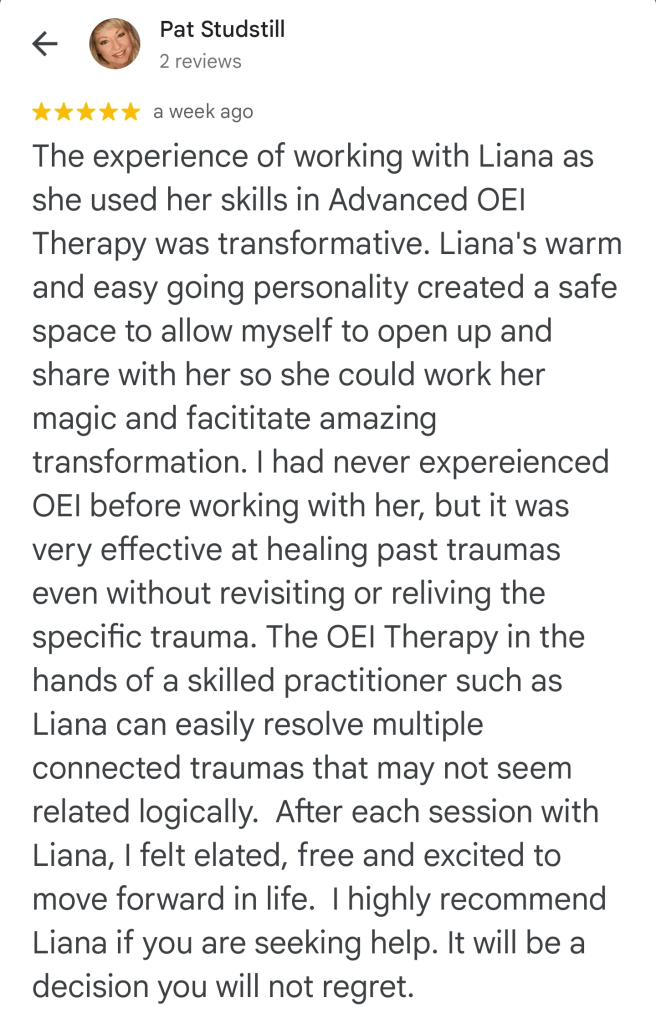
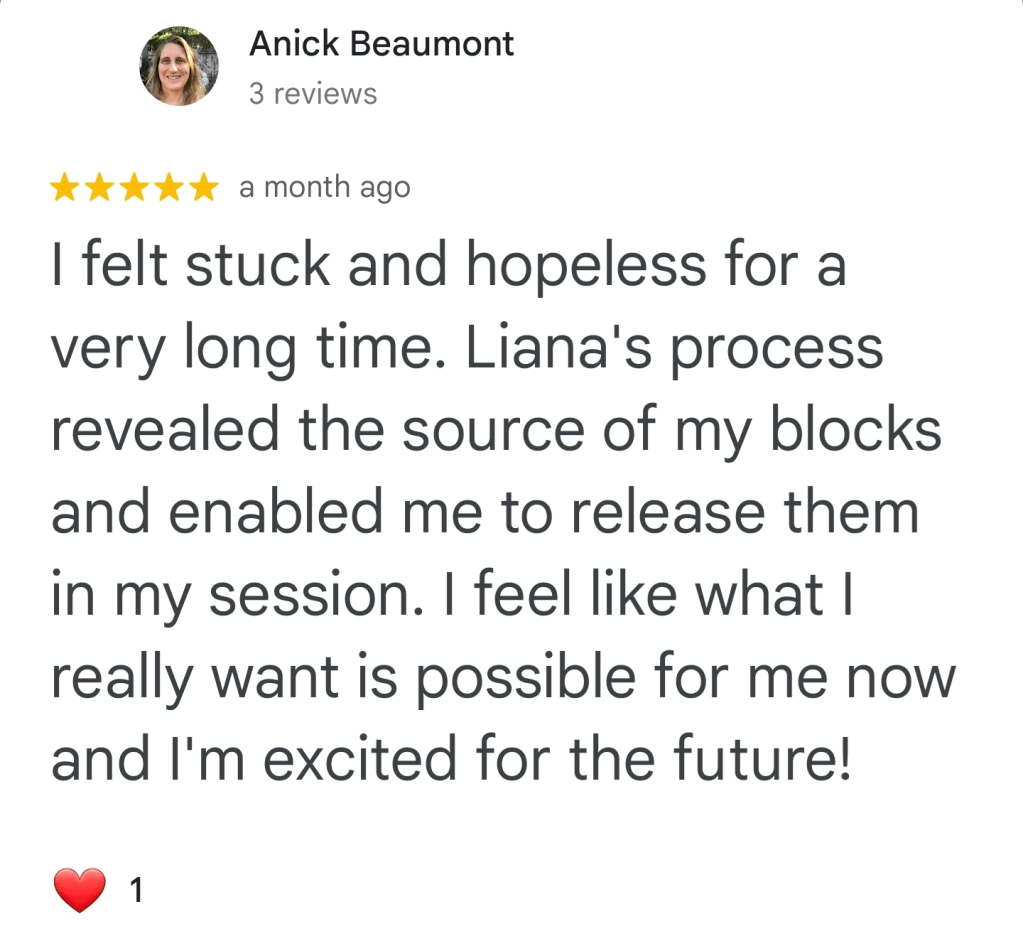
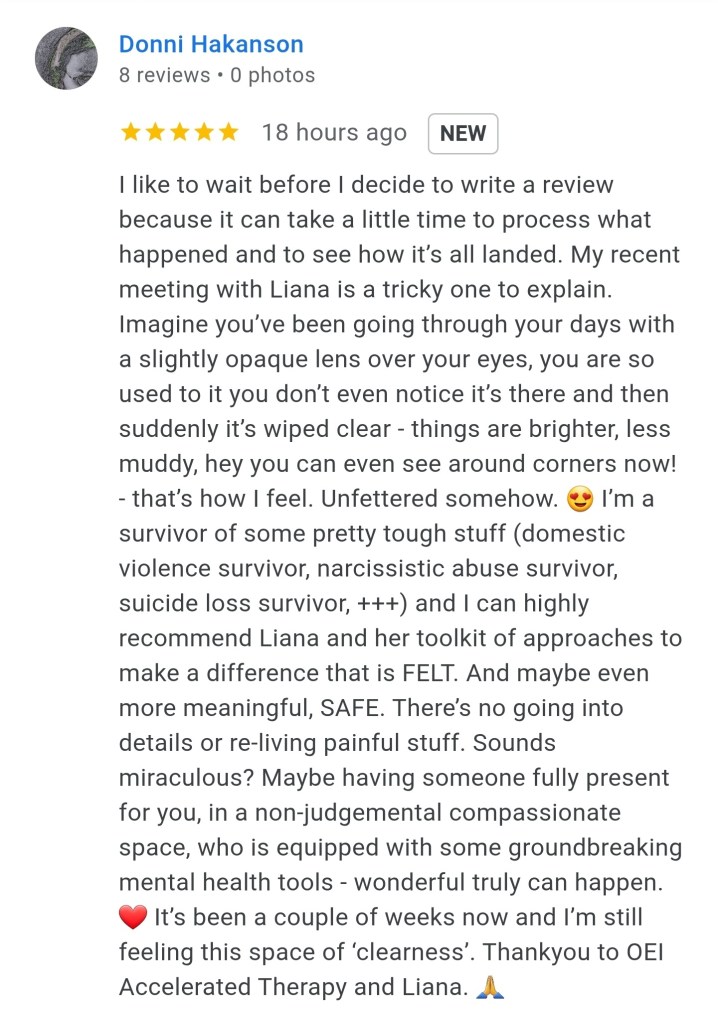
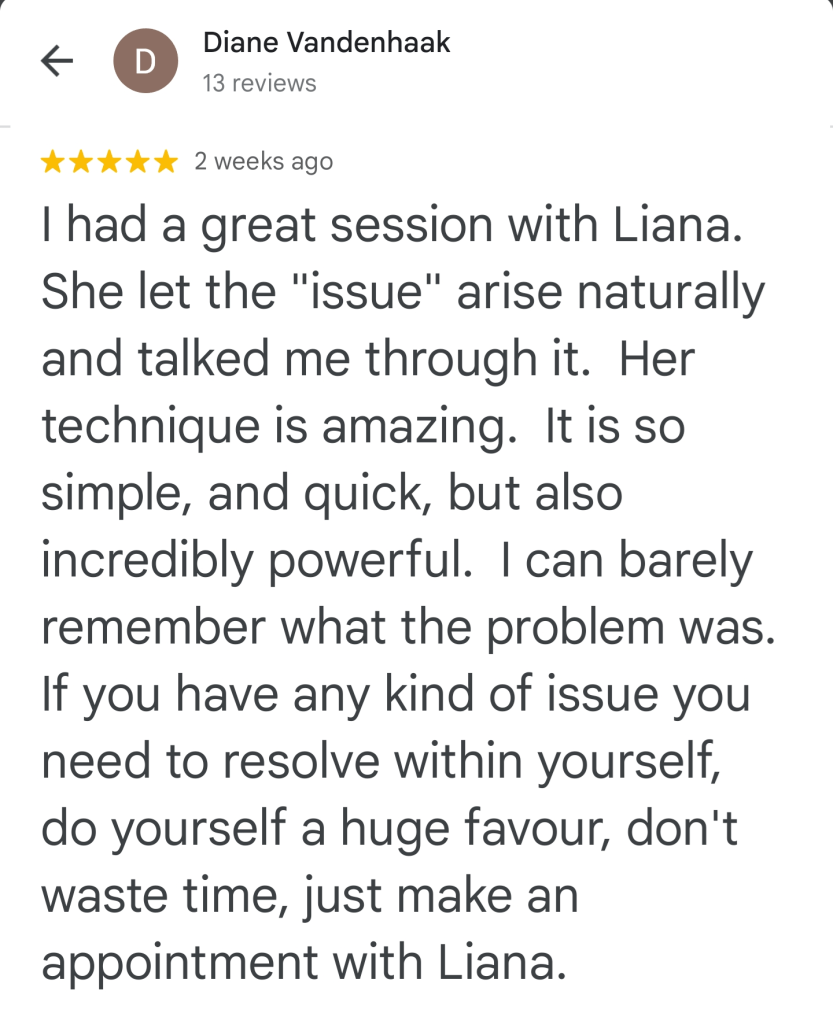
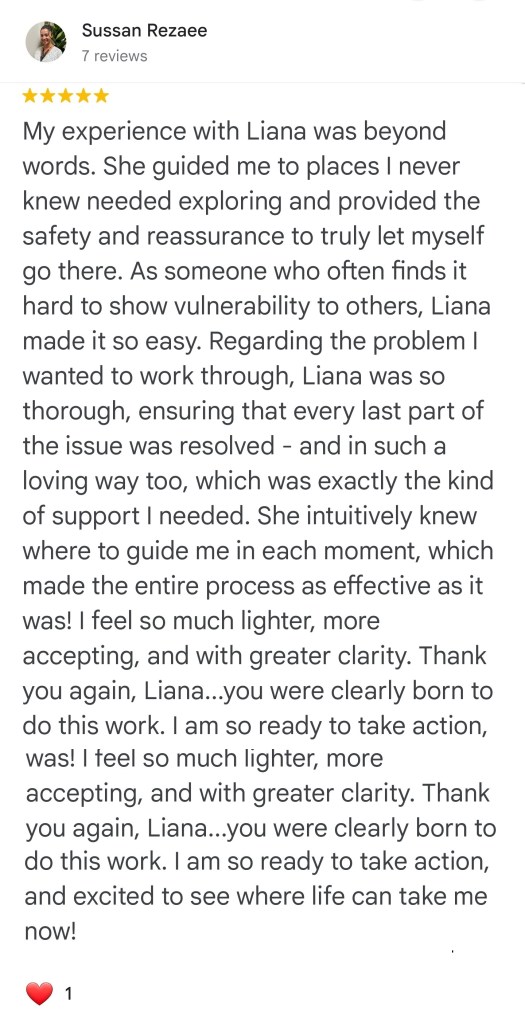
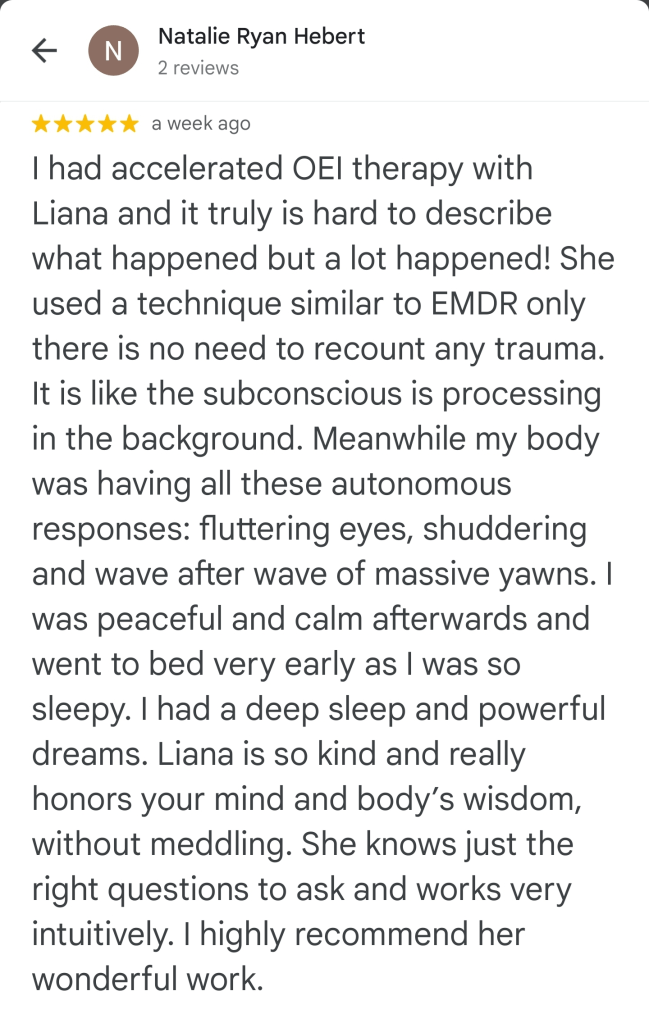
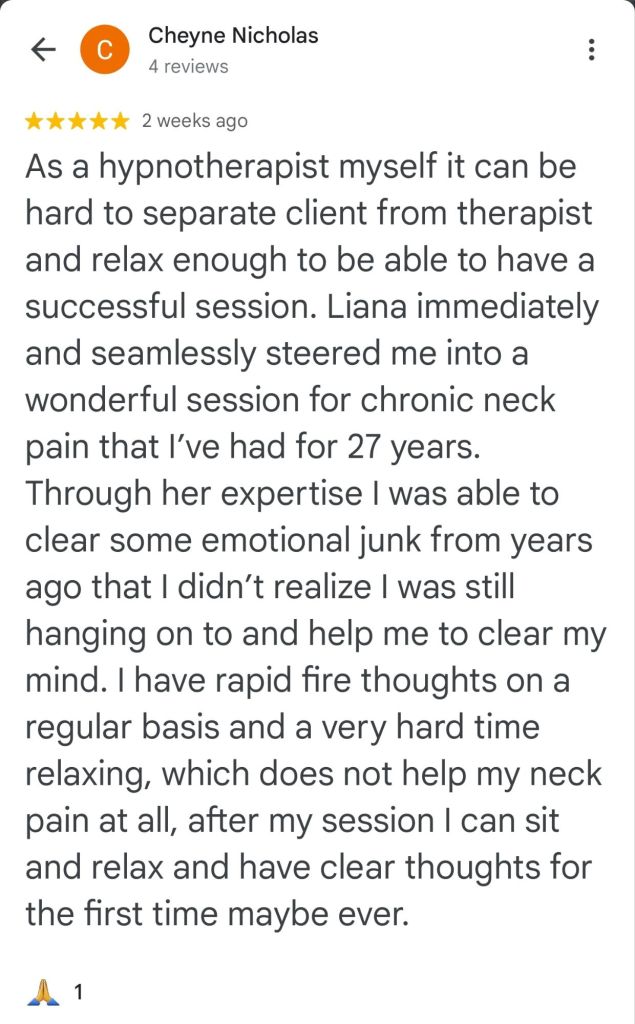
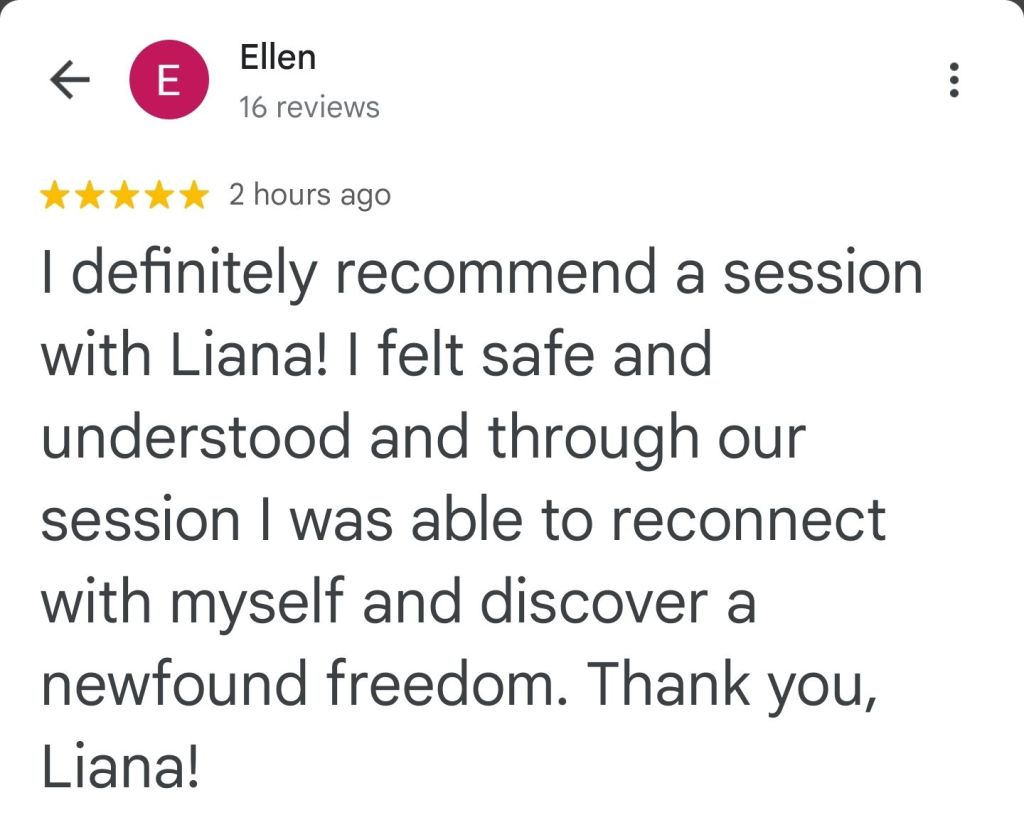
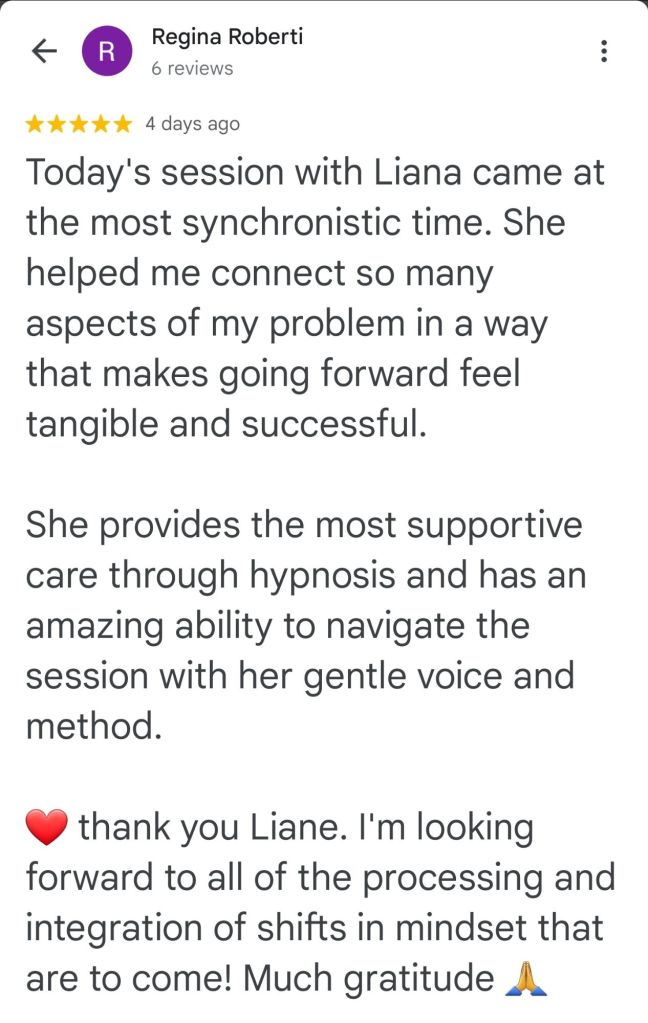
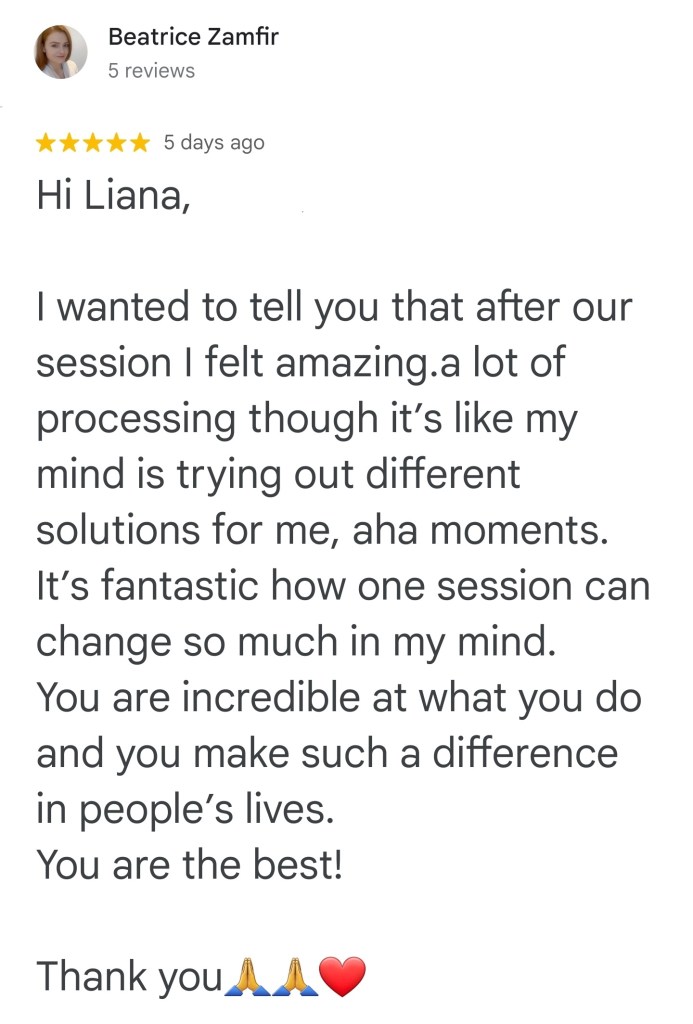
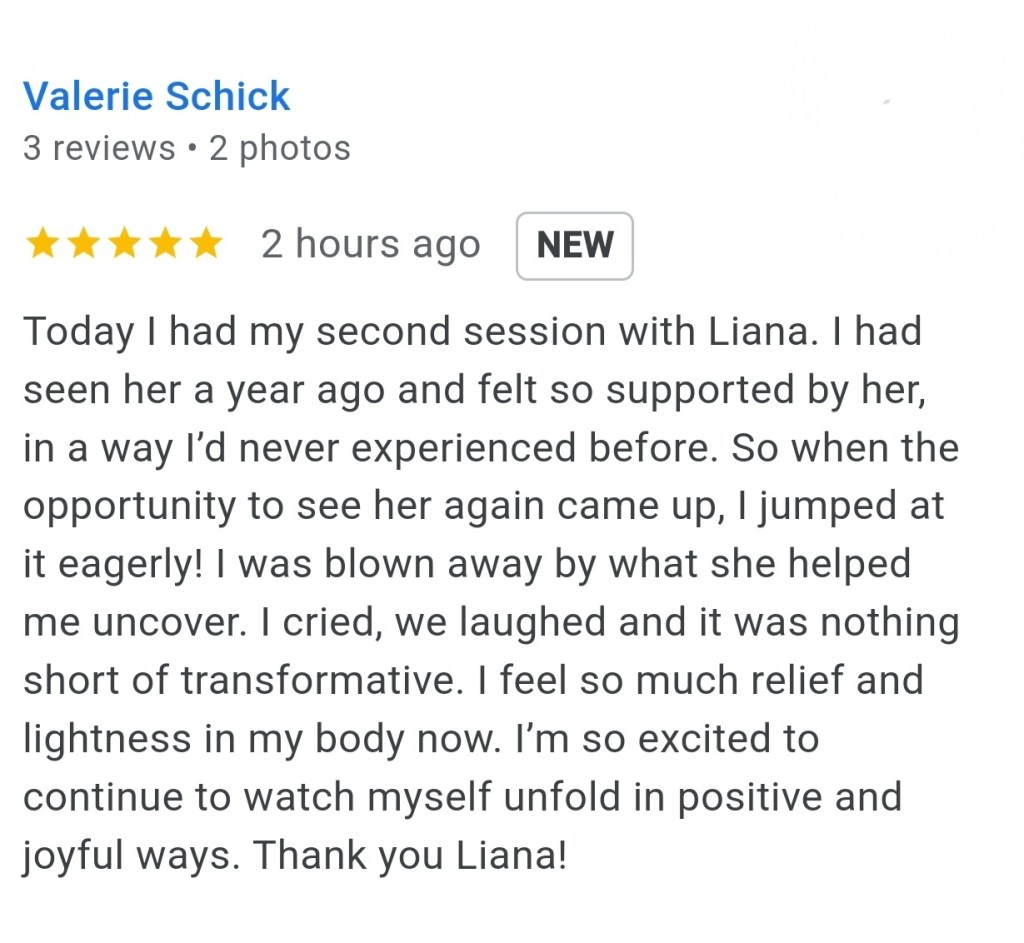
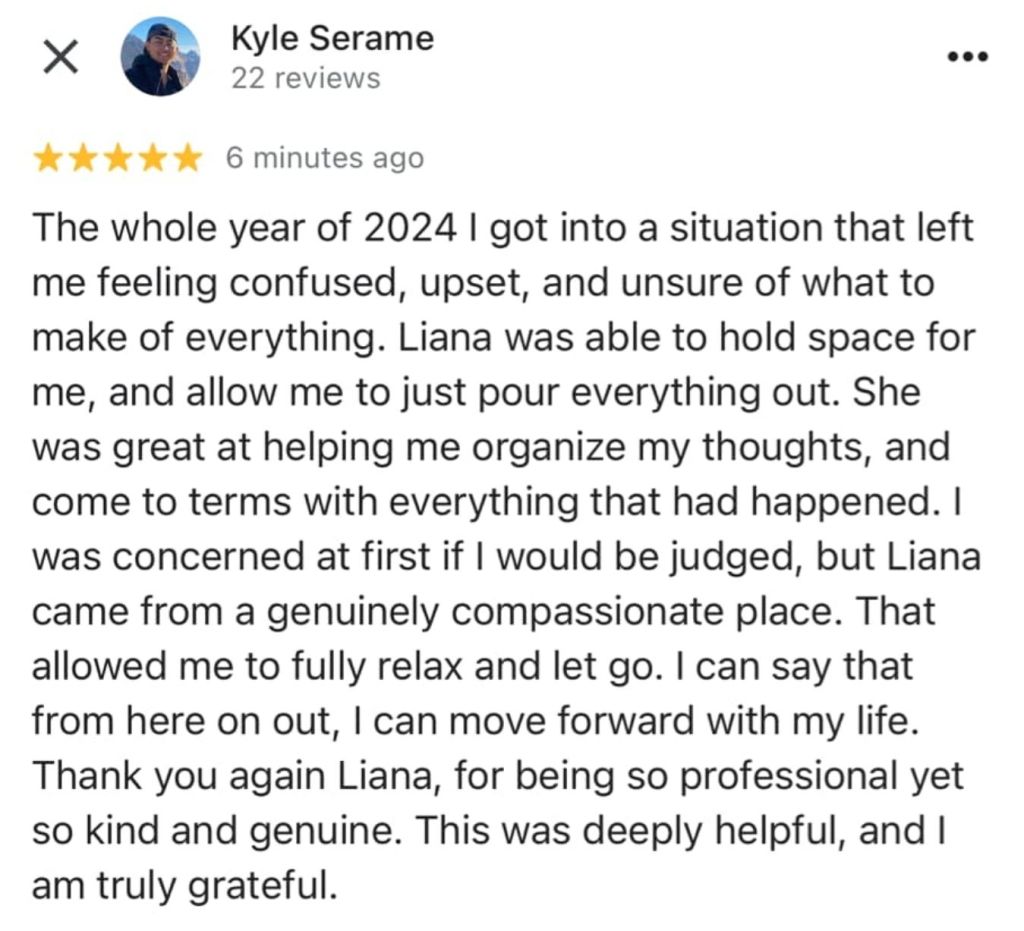
Accelerated Hypnotherapy and other trauma-focused technologies like OEI Therapy can help you integrated and resolve past trauma so it’s doesn’t take up space in your future.
You can find yourself relate to yourself and others with trust and safety, even if you don’t exactly remember the specifics of the trauma.
You don’t have to remember to recover.
If you see yourself in these patterns, it doesn’t mean you have to repeat them forever.
It means your brain and your body are still in overwhelm, still trying to protect you from your past.
Don’t waste the pretty.
Let’s connect.
“Listen, are you breathing just a little and calling it a life?”
-Mary Oliver




















 Accelerated Hypnotherapy - Rapid Results
Leave a comment