
How Narcissistic Abuse Rewires Your Brain and Shatter Your Sense of Self
After being in a relationship with a narcissist, you might feel lost, not sure of who you are anymore.
This isn’t weakness. It’s the impact of psychological trauma.
Emotional manipulation and constant invalidation interrupt your brain’s natural ability to regulate and start cutting off neural pathways to reason and logic.
You might start to second-guess your decisions, question your own memory, and feel like you’ve lost touch with reality.
Emotional Manipulation in Narcissistic Relationships Creates Deep Confusion
The mix of affection and cruelty destabilizes your internal world.
When you’re with a narcissist, you might be praised and adored one moment; the next you’re criticized and fighting to defend yourself.
This emotional rollercoaster keeps you stuck, trying to get the relationship back on track to the feeling of love that you deserve.
You start to chase the connection and rationalizing the bad times. You might even find solutions to minimize what’s happening, making excuses for the bad behavior, like, they’re under a lot of stress, deep down they’re a good person.
Gaslighting Destroys Trust in Your Own Perception
If you ignore your intuition and deny your lived experience long enough, you become very confused.
That’s what gaslighting does.
Gaslighting is a strategy used by narcissists to systematically make you question your reality, until you stop trusting your own intuition.
This creates a loop of self-doubt that’s hard to break..
The Narcissistic Abuse Cycle Keeps You Emotionally Trapped
Idealize. Devalue.
Rinse and Repeat.
This cycle keeps you hooked, chasing the affection and the good times.
The longer you stay in the relationship, the more your nervous system starts to adapt to the chaos.
You become hyper-aware of their moods and disconnected from your own.
Even when it’s toxic, the familiarity feels safer than the unknown. 😦
Symptoms of Narcissistic Victim Syndrome That Most People Miss
You might notice panic, numbing out after a fight, exhaustion, and feeling triggered AF.
You feel on edge, apologizing constantly or withdrawing from friends.
Your body holds the trauma—through pains in your body, weight issues, and sleep problems. These aren’t random.
They’re symptoms of a brain and body that are in survival mode.
You question whether you’re too sensitive.
There you go questioning yourself again.
Why Narcissistic Abuse Recovery Requires More Than Insight
You can’t heal what you’re still trying to survive.
The trauma lives in your body, not just your thoughts.
Even when you understand the abuse, you may still feel stuck.
Logic can’t fix emotion.
Recovery means finding safety, connection, and regulation. It takes repetition, patience, and you might need a helping hand, in a bunch of ways.
How to Heal After a Narcissistic Relationship
You don’t need to explain your pain to people who don’t get it. The validation you need won’t come from the person who is causing the pain.
Never make your healing depend on what someone else does or doesn’t do.
Stay in your lane.
Focus on what you can do for you.
Recognize that your experience is real, your healing is valid, and your future belongs to you.
Let’s connect.
“Listen, are you breathing just a little and calling it a life?”
-Mary Oliver


















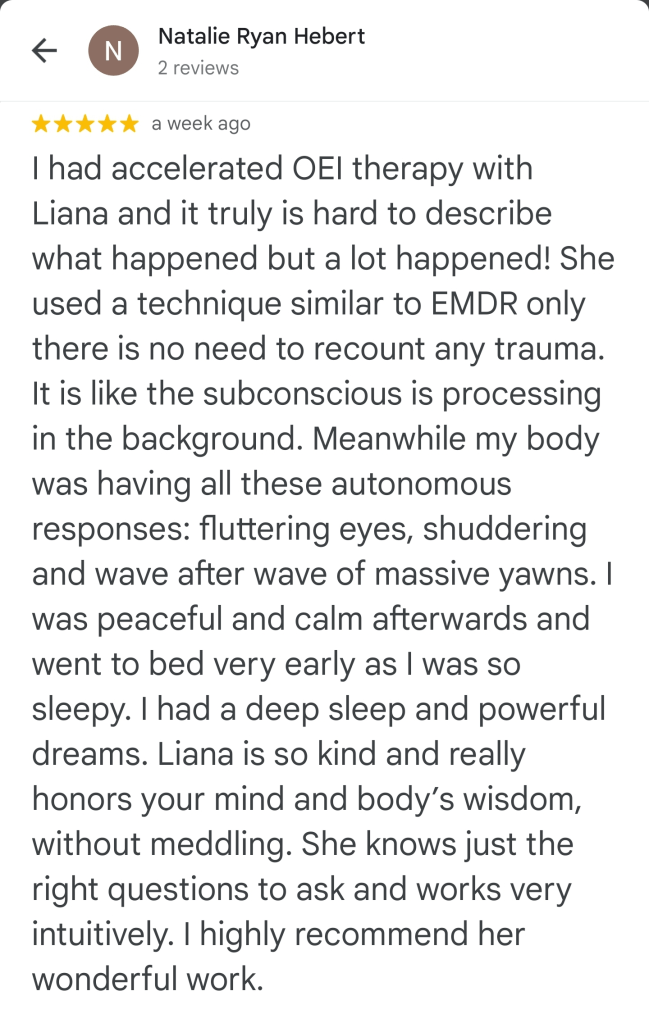




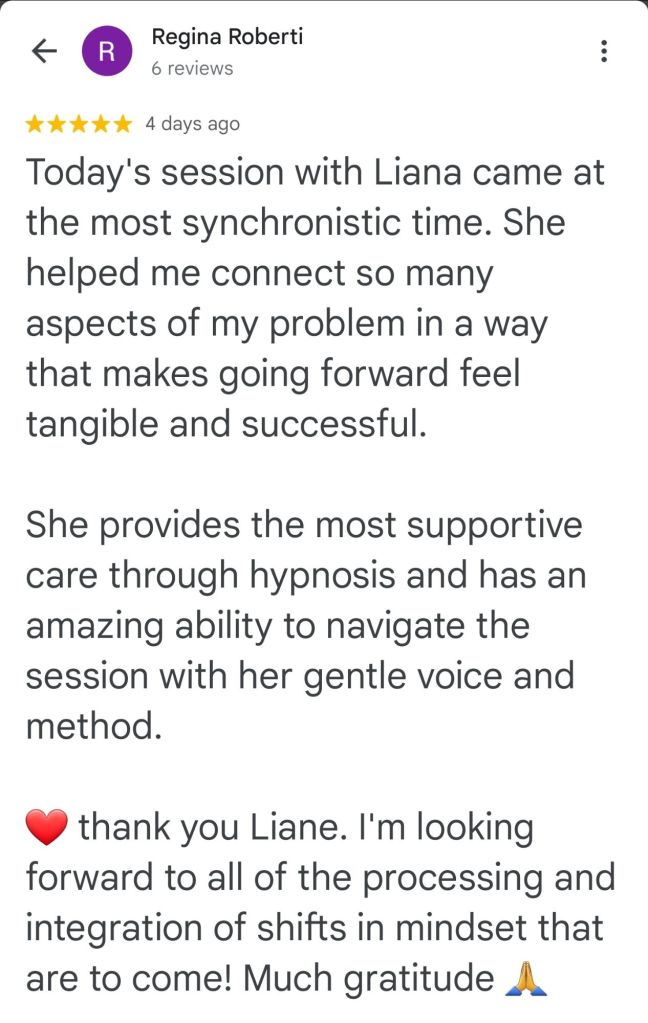



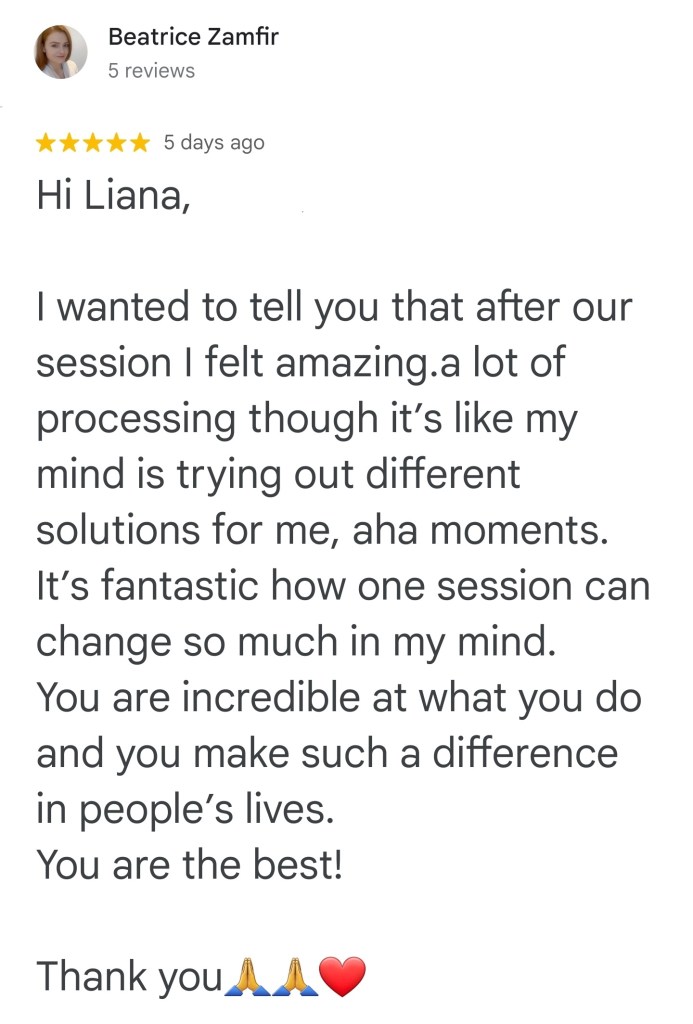

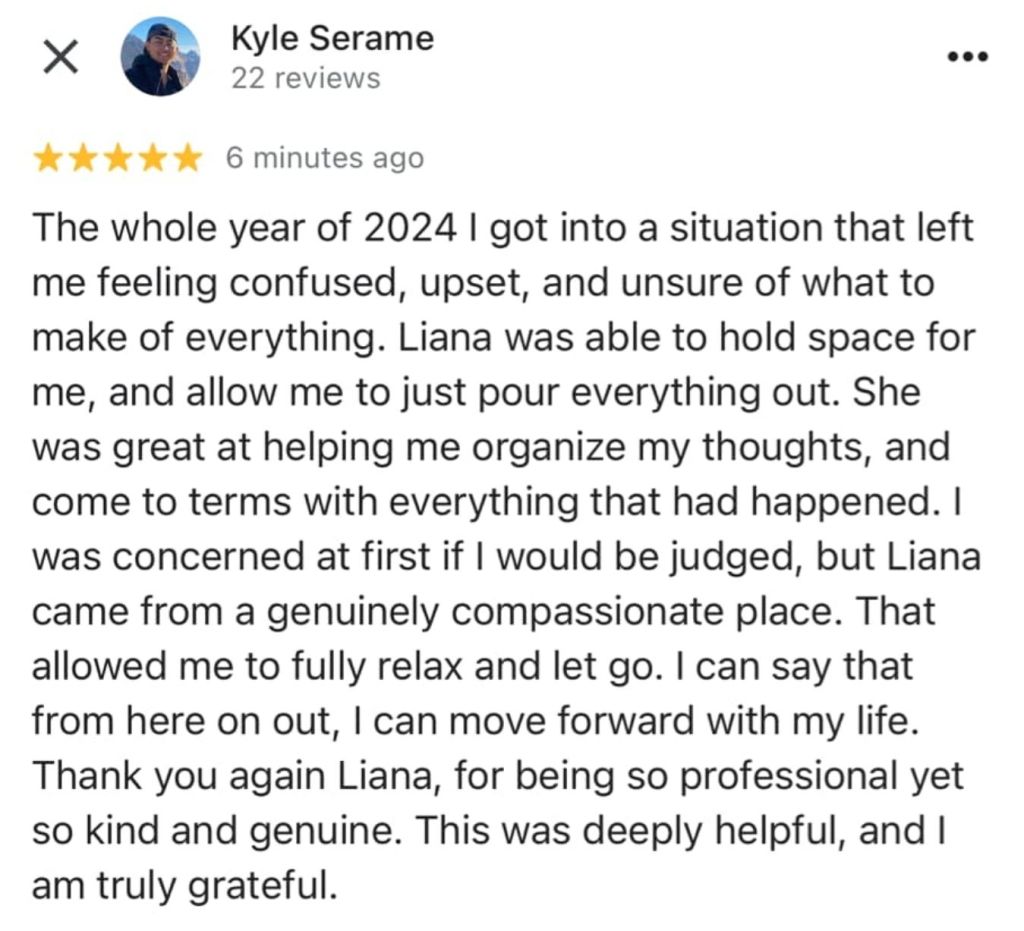


 Accelerated Hypnotherapy - Rapid Results
Leave a comment