
Why It’s Bad to Ignore Your Childhood “Crap or How Destructive Entitlement Sneaks Into Your Adult Life
Most of us have some childhood crap we’d rather just box up and tuck away in the basement of our memories.
It’s difficult, even painful, to sort through old hurts, disappointments, or the ways we didn’t get what we truly needed when we were kids.
Maybe it was an absent parent, harsh discipline, or just feeling unseen or heard. Whatever happened, you’re probably trying to leave it all in the past.
The math goes something like this, if don’t talk about it, it will quietly disappear.
But here’s the thing.
Time does not heal all wounds.
Because your brain is wired with a negativity bias things usually snowball and get bigger and more complex over time.
The past can show up as something called destructive entitlement—and it can wreak havoc in your relationships and life, often without you even knowing it.
What Is Destructive Entitlement?
Destructive entitlement is when unfinished business, unmet needs or violations of trust from your past—especially betrayal trauma —creates a sense of “the world owes me.”
It’s not always loud and obvious.
Sometimes it’s subtle: snapping at your partner for not reading your mind, feeling resentment when someone asks you for help, or crosses your boundaries, even though you haven’t communicated them.
If you have experienced relationship trauma, you might be fighting with your partner because they betrayed you and you’re not going to let them forget it so it never happens again.
If your partner’s betrayal didn’t take down the relationship, your behaviour might. It’s destructive and you feel entitled to it because of what they did.
You’re triggered AF and might not even realize where it’s all coming from, but that old feeling of being abandoned or unfairly treated is right there just below the surface, unconsciously influencing you to get payback. It might be your partner or if you left after betrayal, it might be the next person you go on a date with.
Instead of asking for what you need, you’re so triggered you may not even know.
It’s unconsciously affecting love, connection, respect, or attention—often in ways that push others away.
How Does the Math on Childhood Trauma Work?
Think back to your childhood.
Did you ever feel powerless, voiceless, or neglected? Maybe you had to be the good kid, or the fixer, playing the adult role or putting your own feelings on the back burner.
When these experiences aren’t addressed, they leave a mark.
Now it shows up when you feel a tinge of resentment when people don’t give you what you “deserve,” or you might unknowingly sabotage healthy relationships because deep down, your old wounds put you last and say things like, “I’ll never be enough” or “I don’t deserve.”
The bitterness that results isn’t really about the present moment—it’s about trying to fill that childhood void with grown-up demands.
The Damage It Causes
Destructive entitlement is messy.
It can poison your relationship, making you blame your partner for your unhappiness or demanding they fix what someone else broke.
Your partner may be walking on eggshells and you’re blaming them for your moods because of what they did.
The trauma is probably starting to affect other areas of your life like, work and friends. You might have already left your job and haven’t seen friends in a long while.
If they’ve betrayed you with infidelity, you have every right to feel entitled to fight for your past, the way things were.
But things have changed forever.
What Can You Do About It?
Trauma causes your brain to catch on fire. Destructive behaviours throw gasoline on the fire and you’re feeling triggered AF.
Your house in on fire, there’s so much smoke filling up the room, you’re not able to see a way out.
You need someone from emergency services to show you the way out. Someone who knows how to calm and cool down your brain so it can integrate the trauma into the past.
When the brain integrates the trauma, you will start to feel like the past is in the past, each day it feels further away.
Especially the childhood stuff.
Let’s connect.
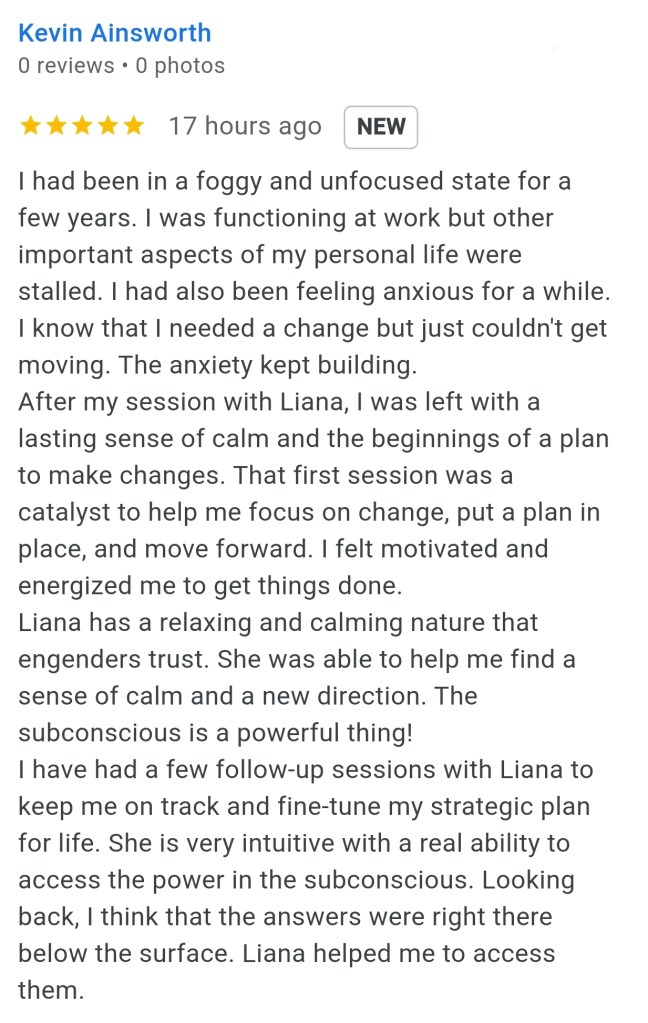
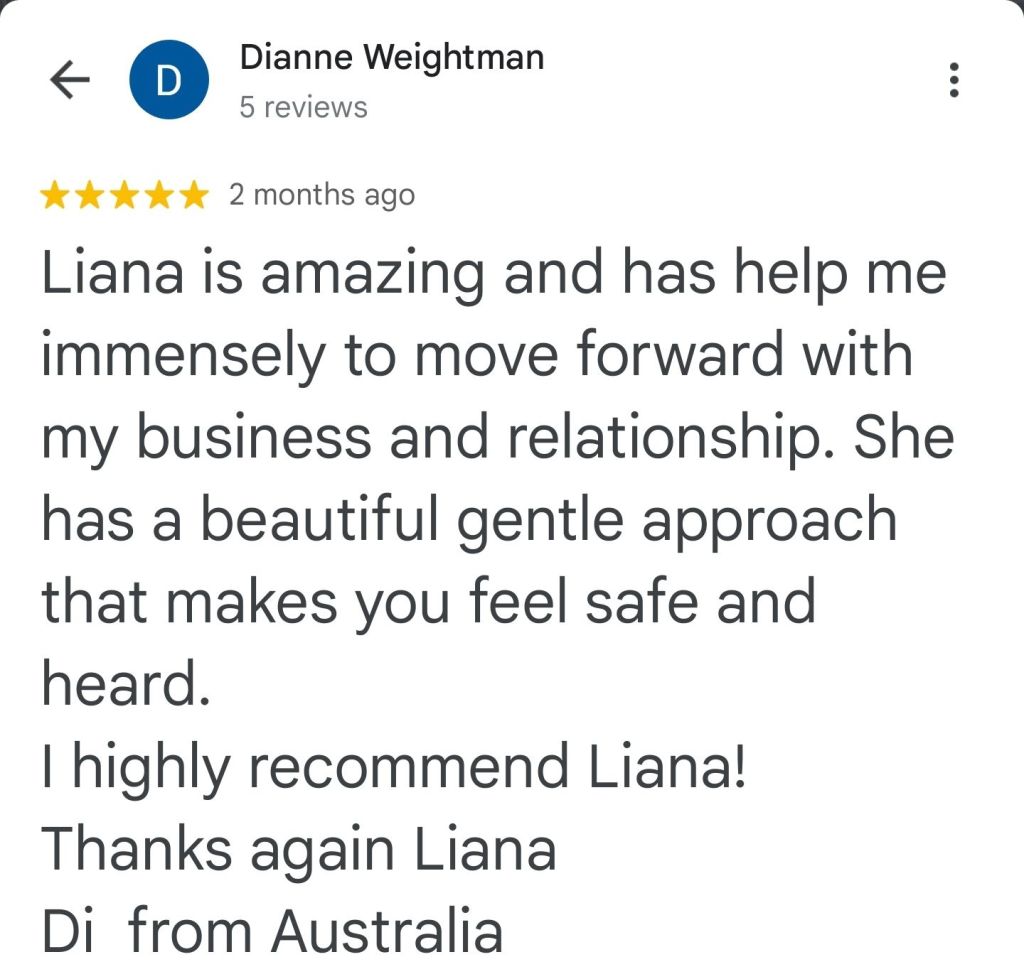
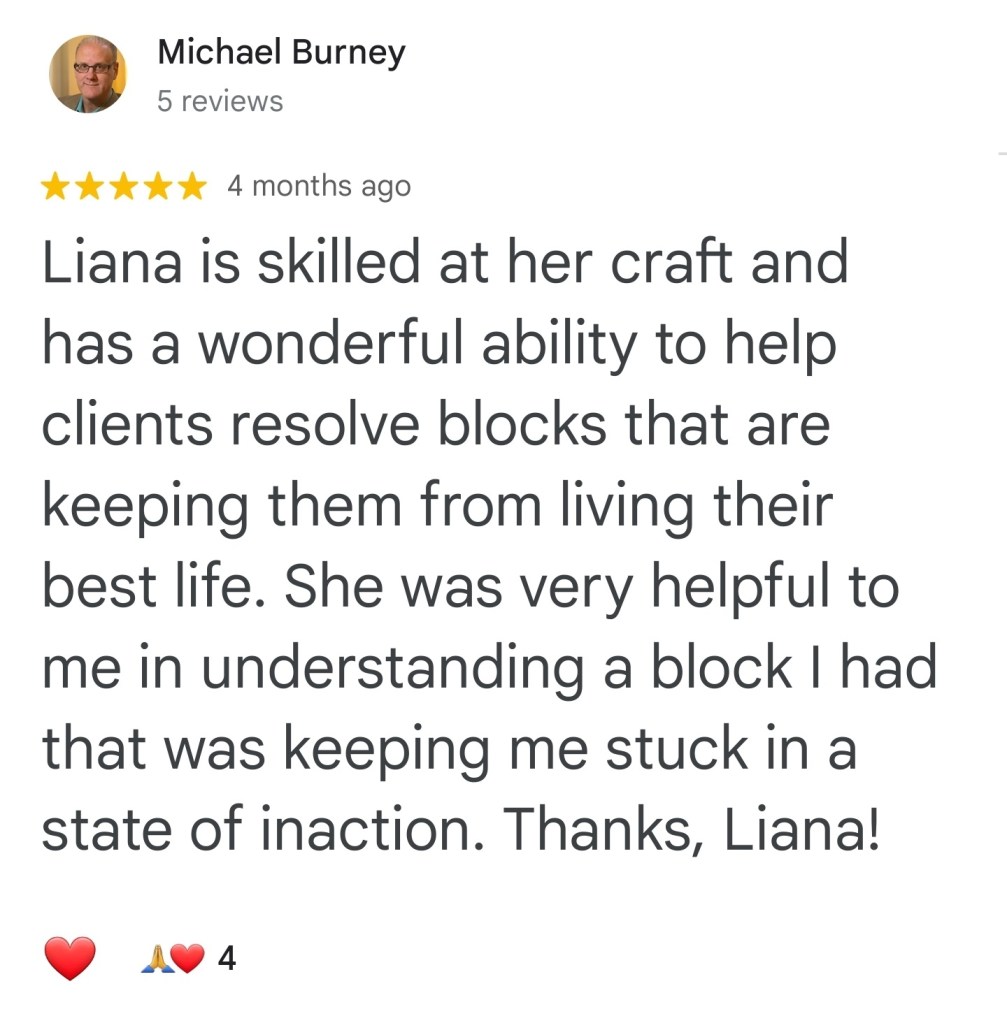
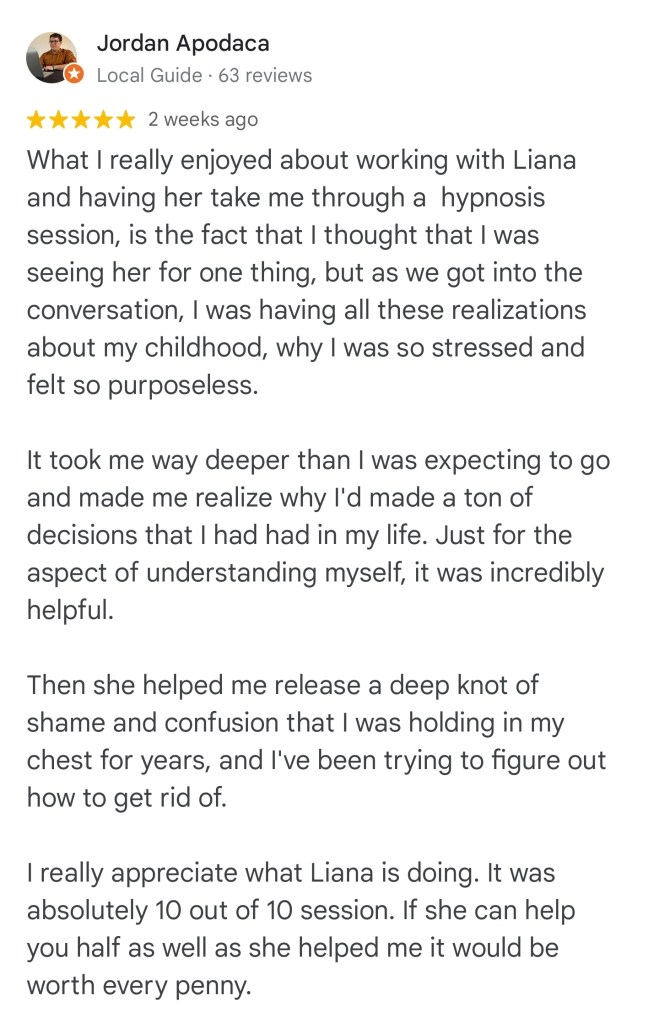
Small changes in the subconscious lead to significant shifts at the conscious level.








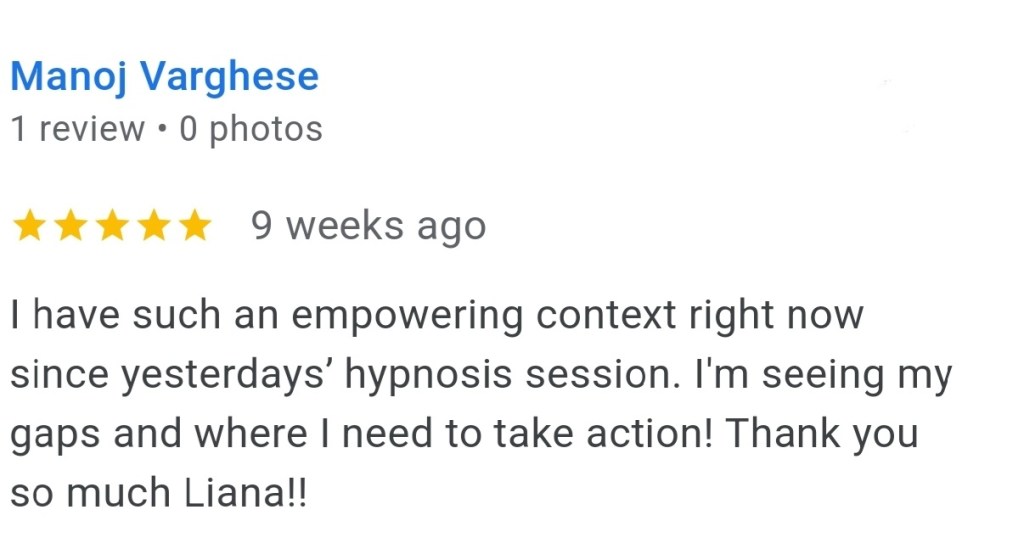
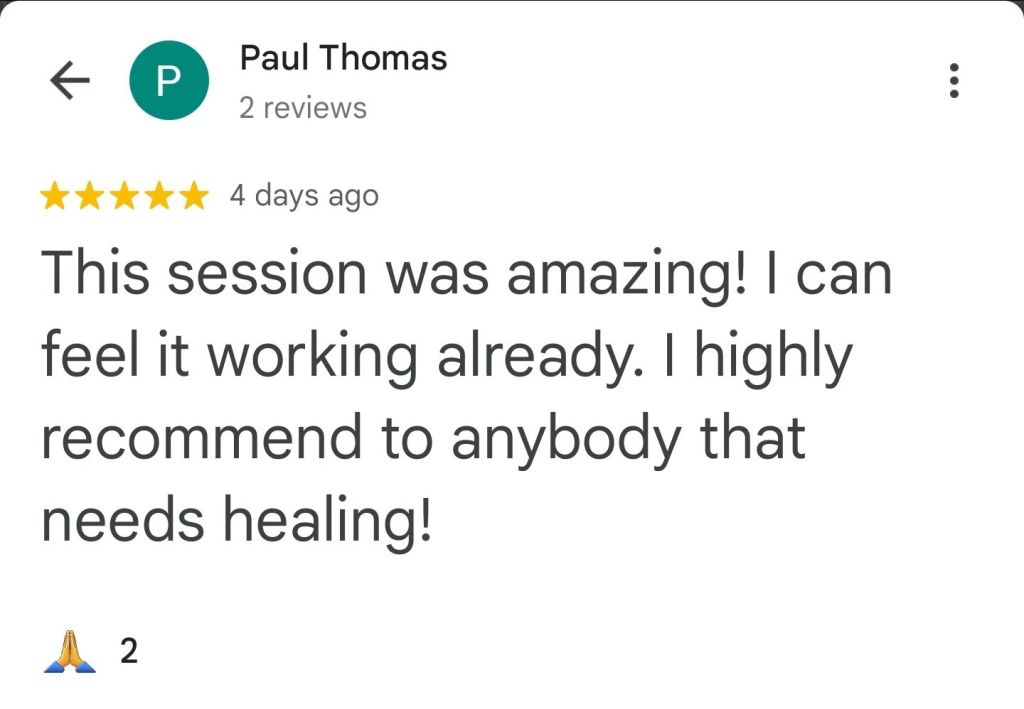


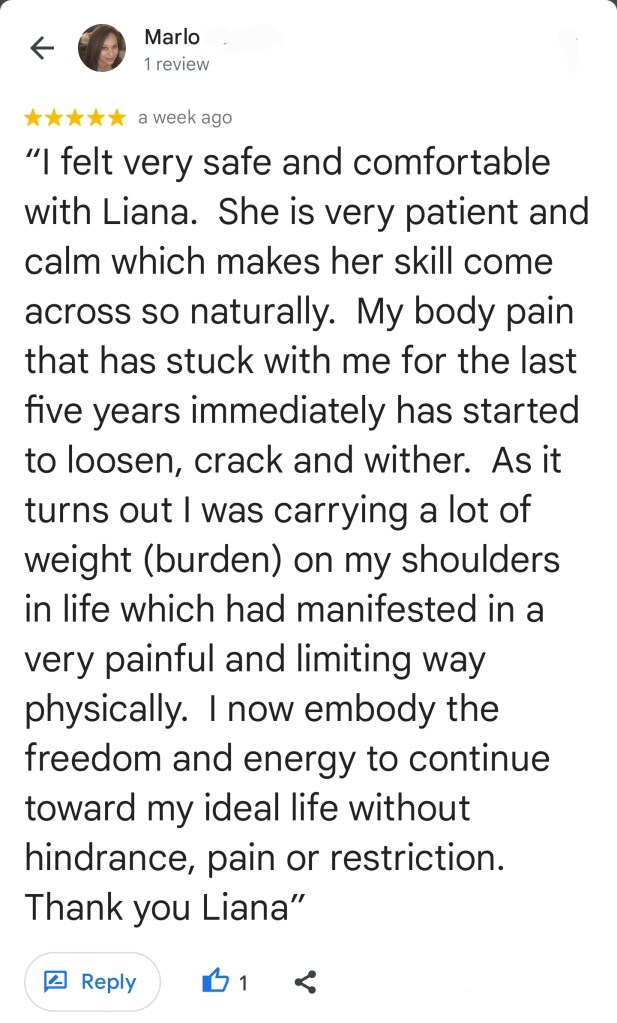
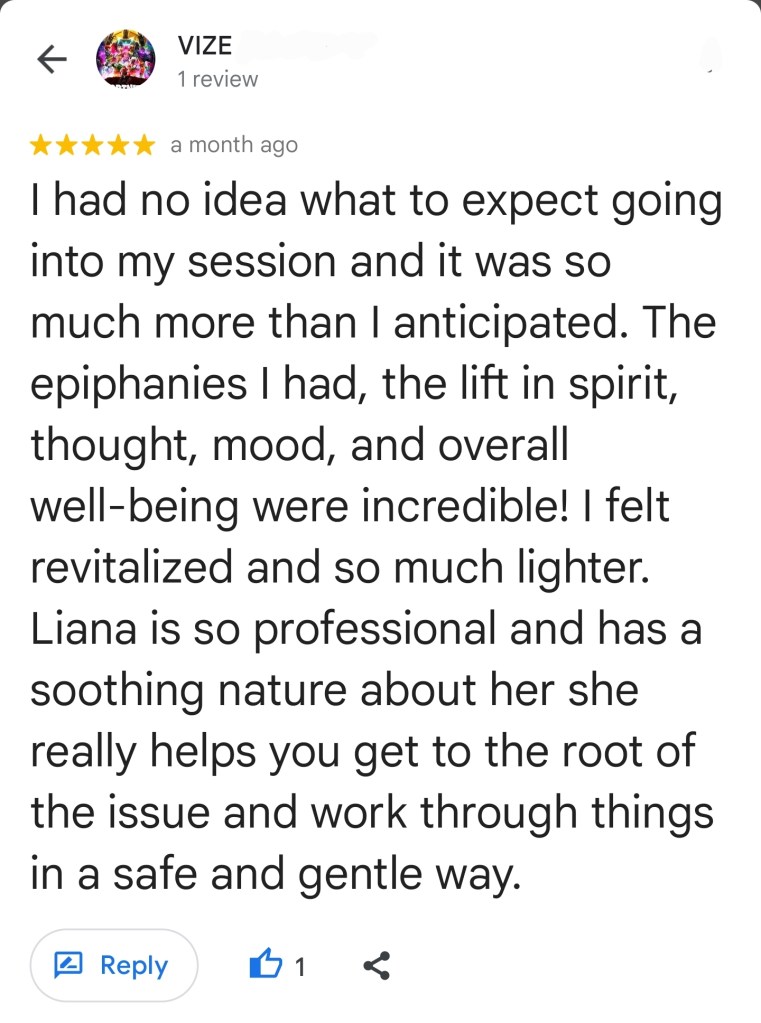


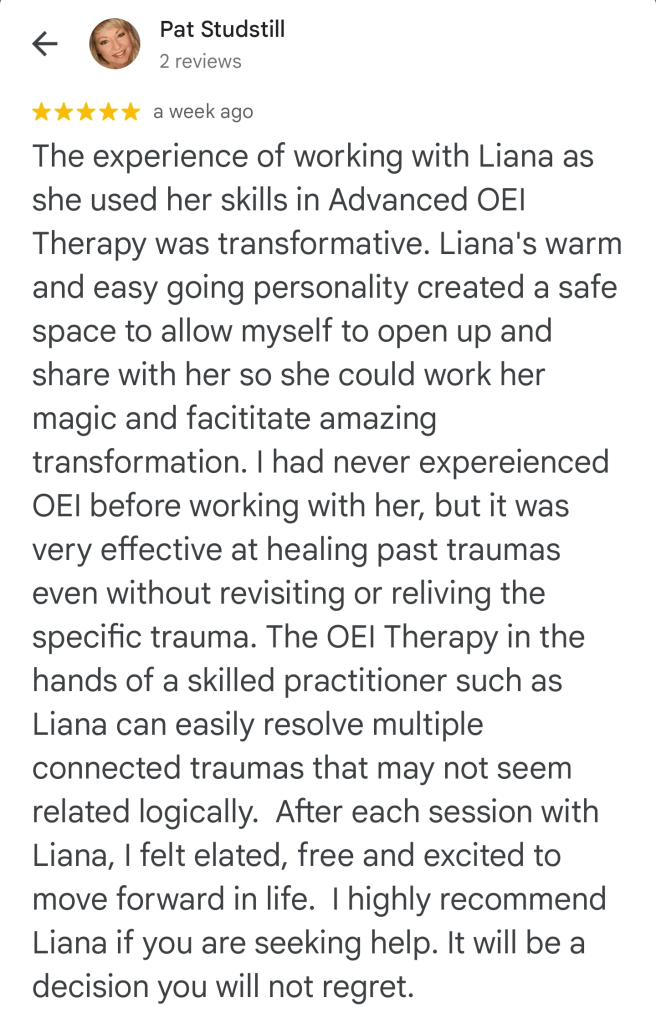
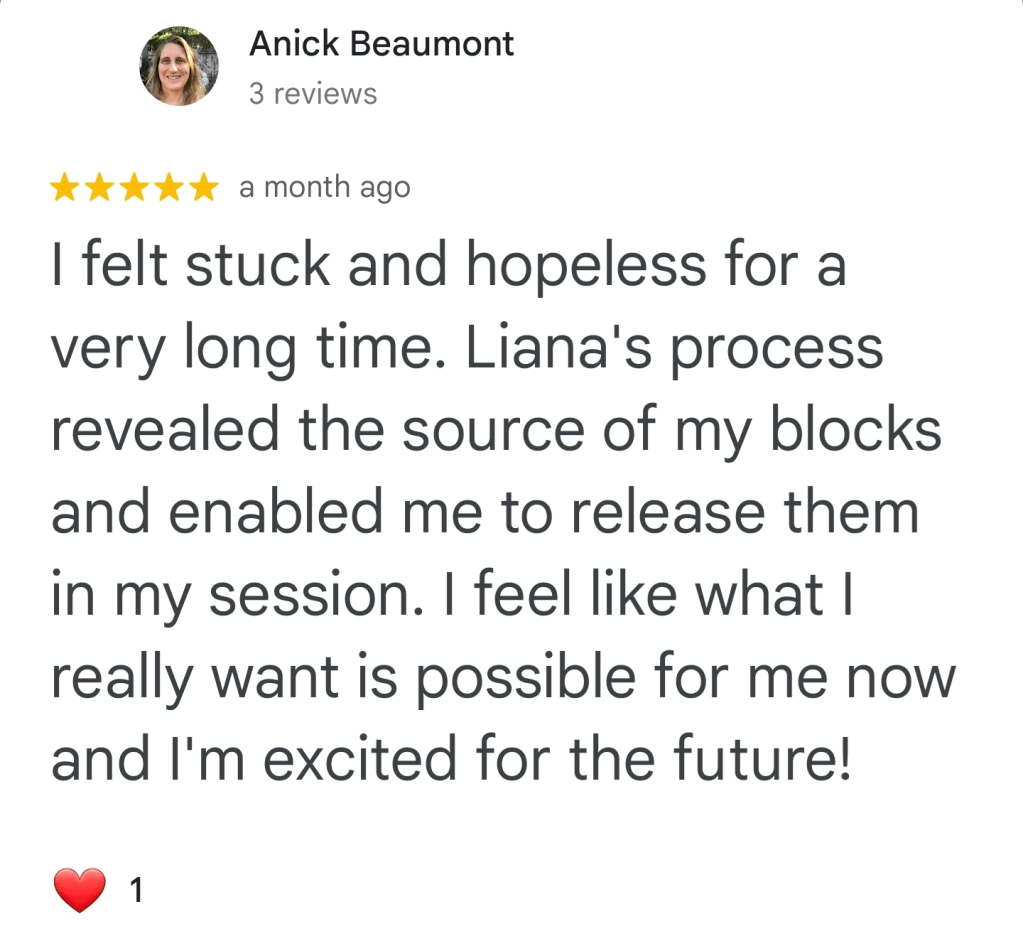
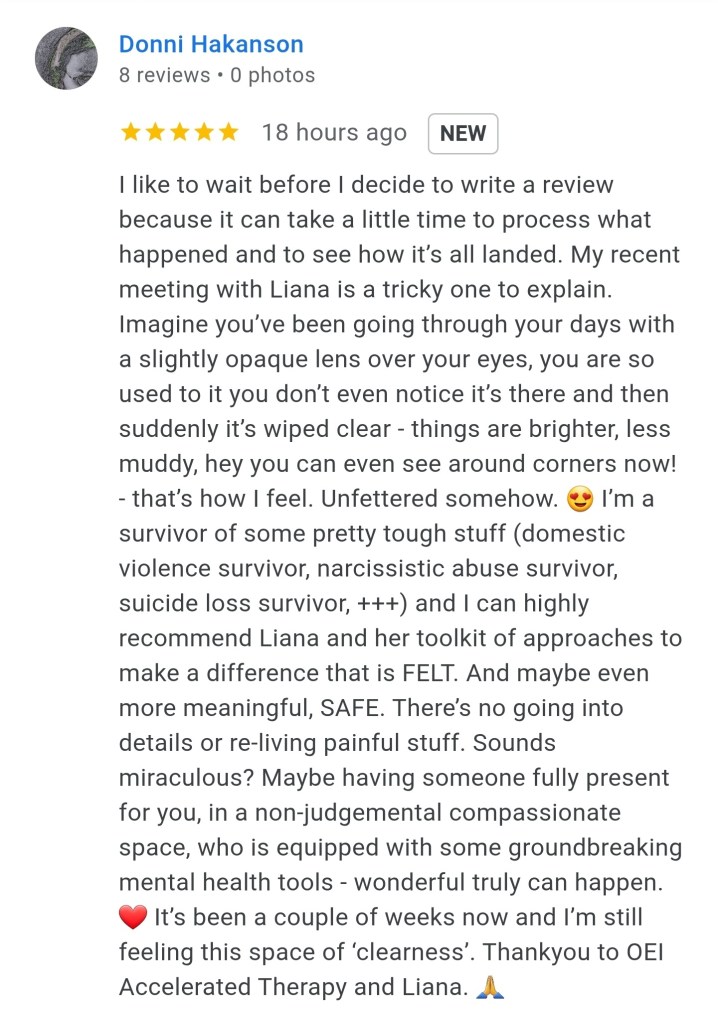
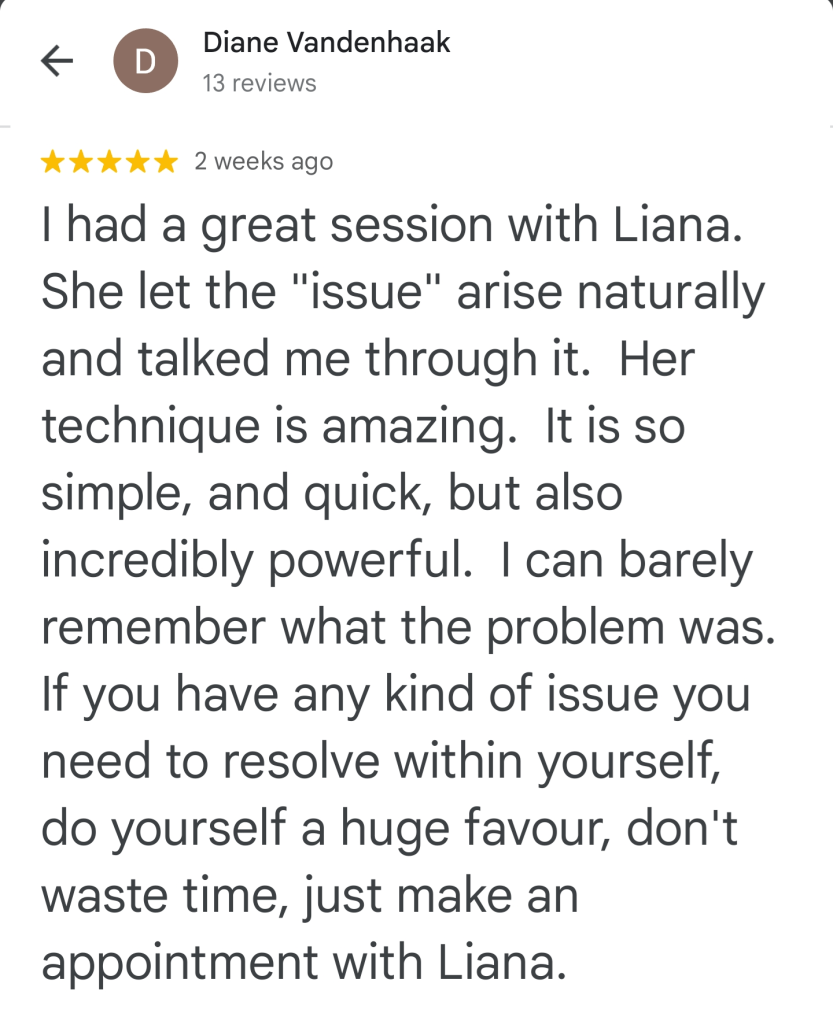

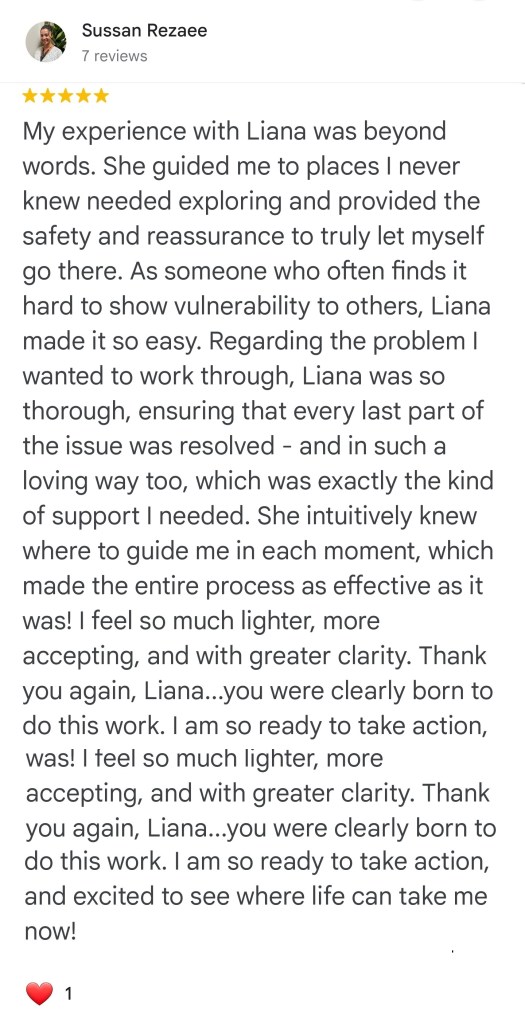
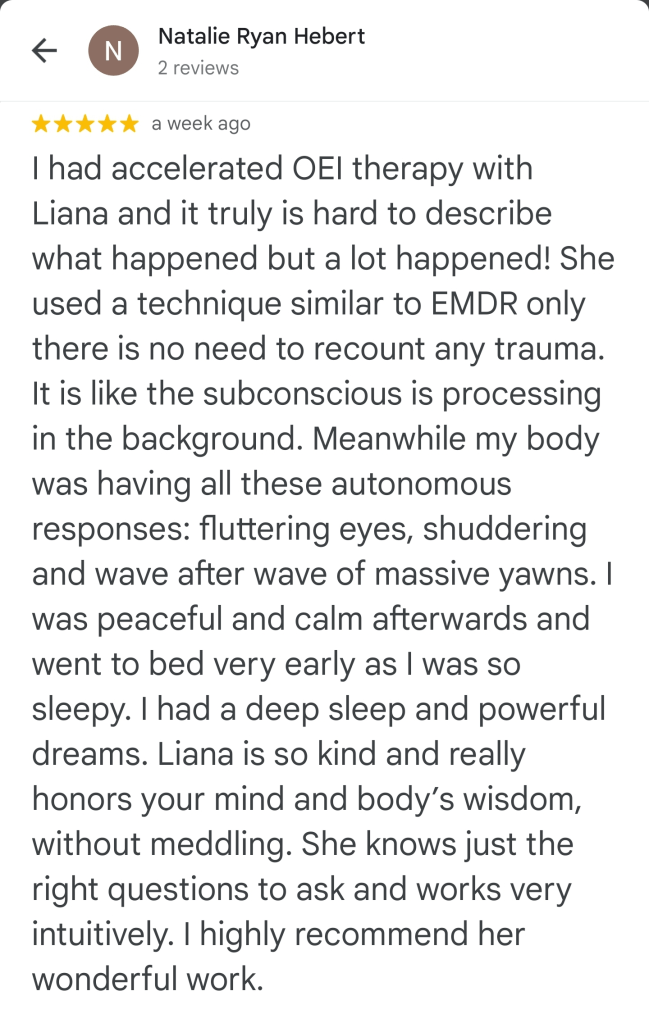

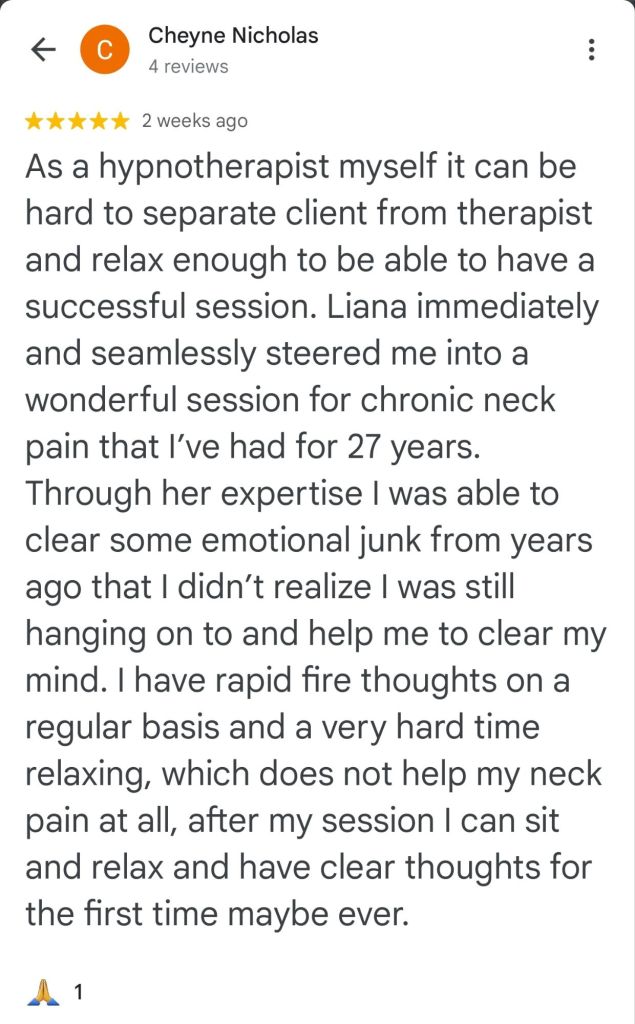
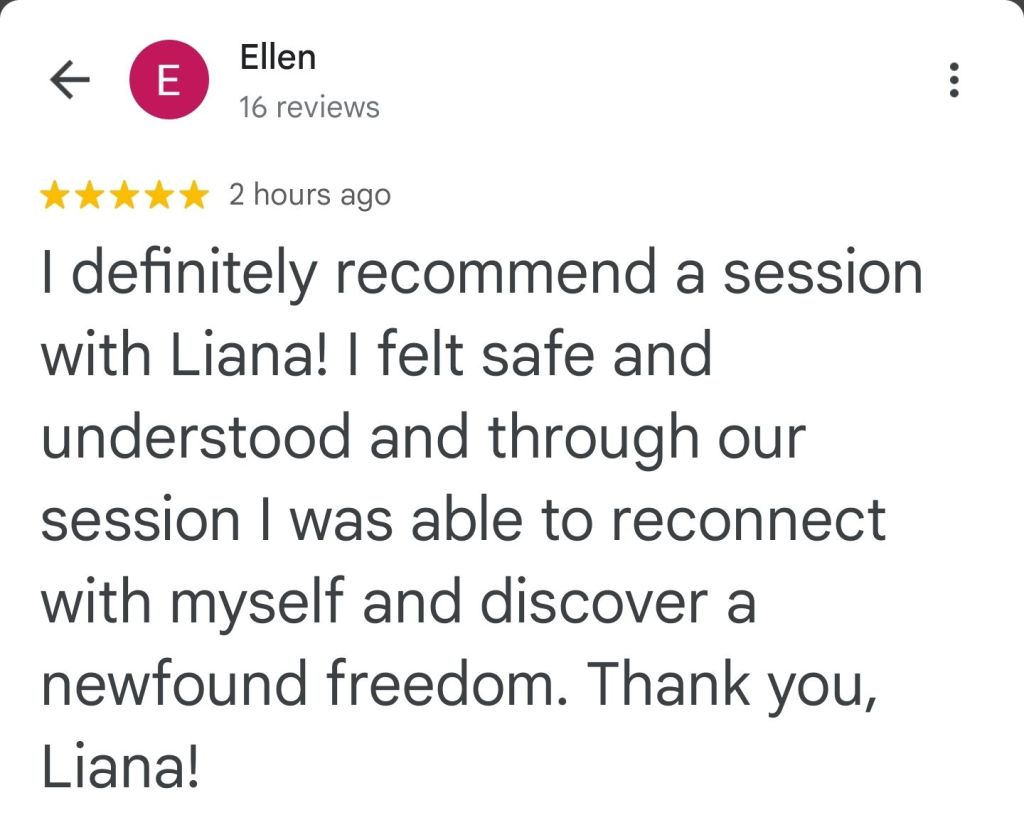

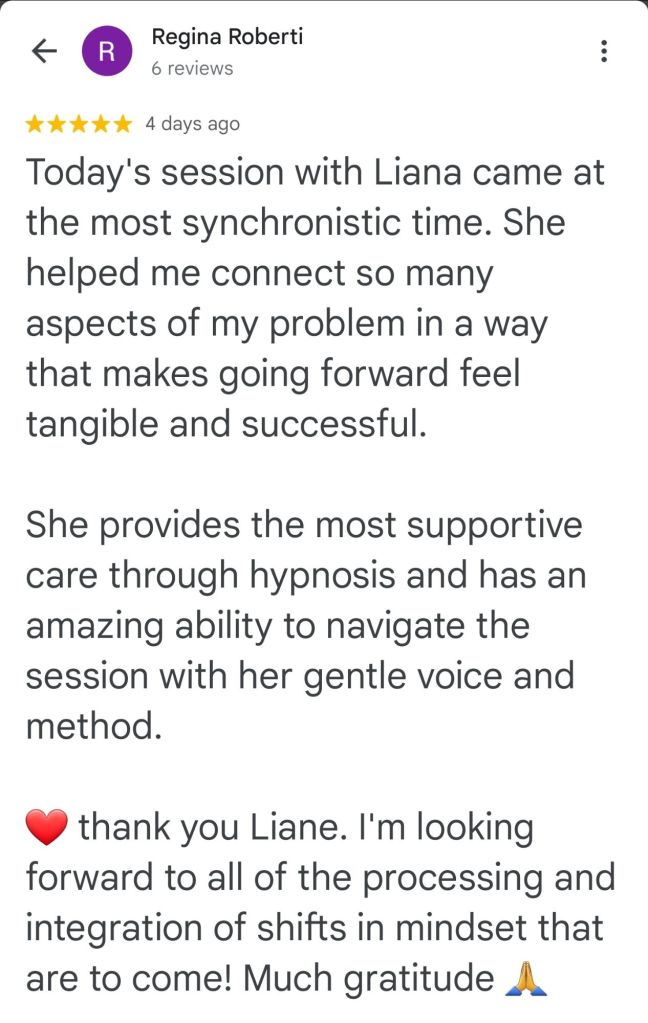


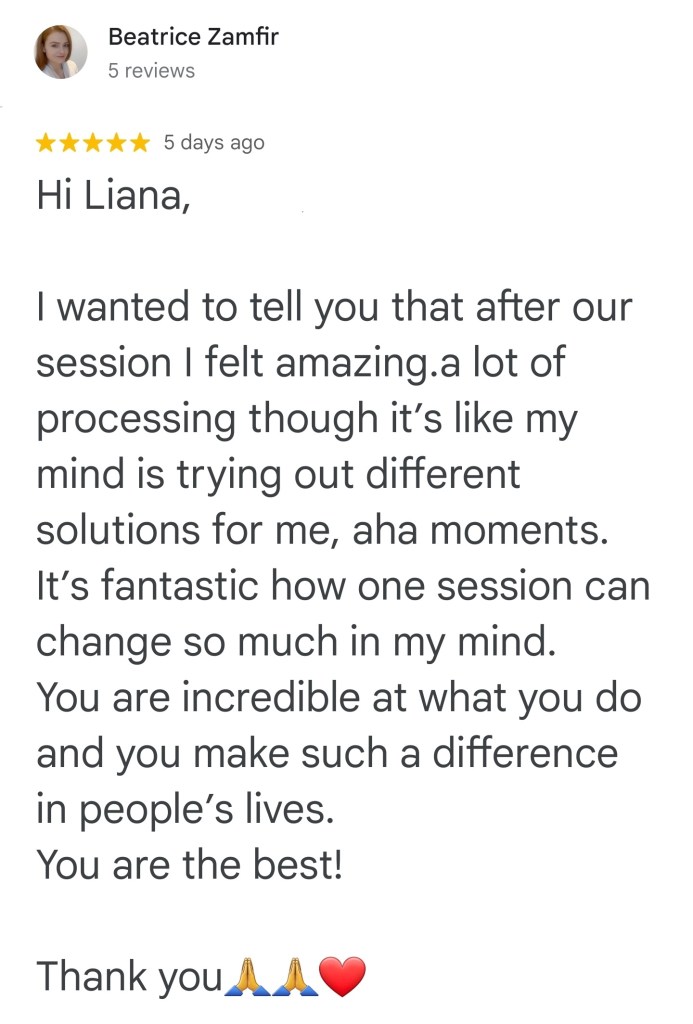
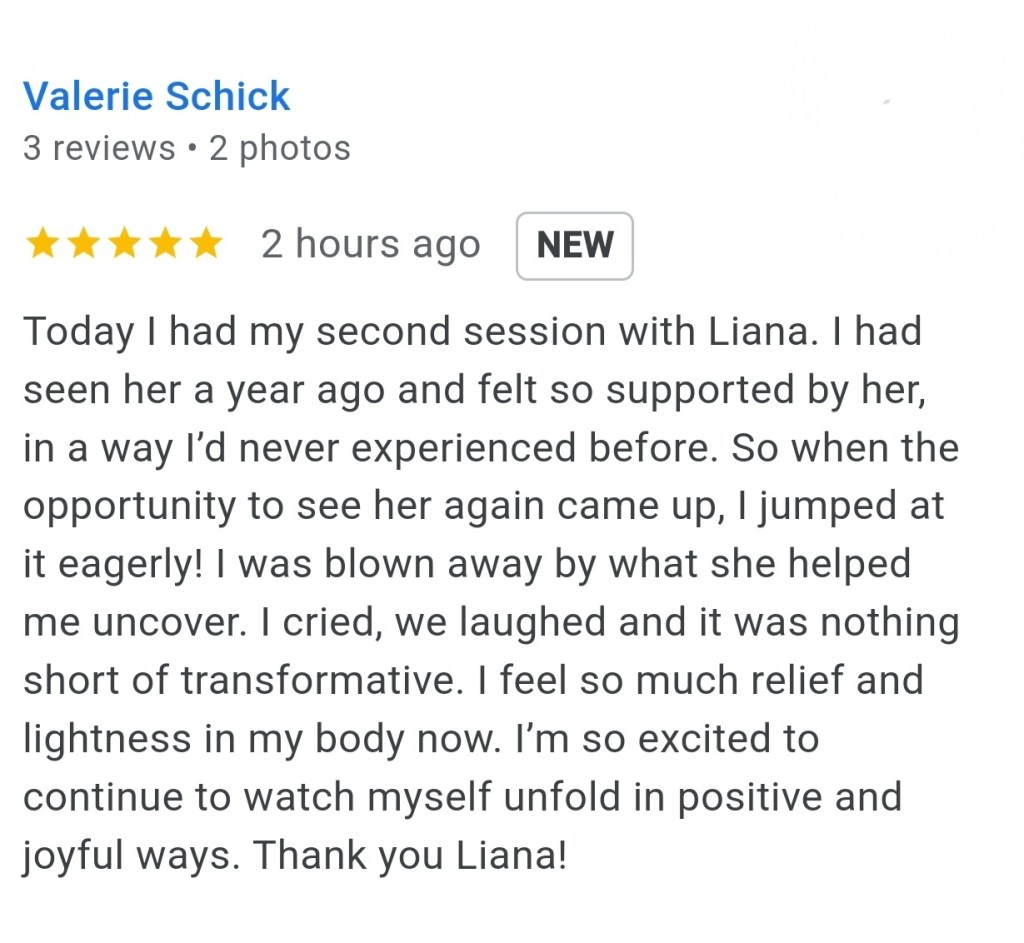
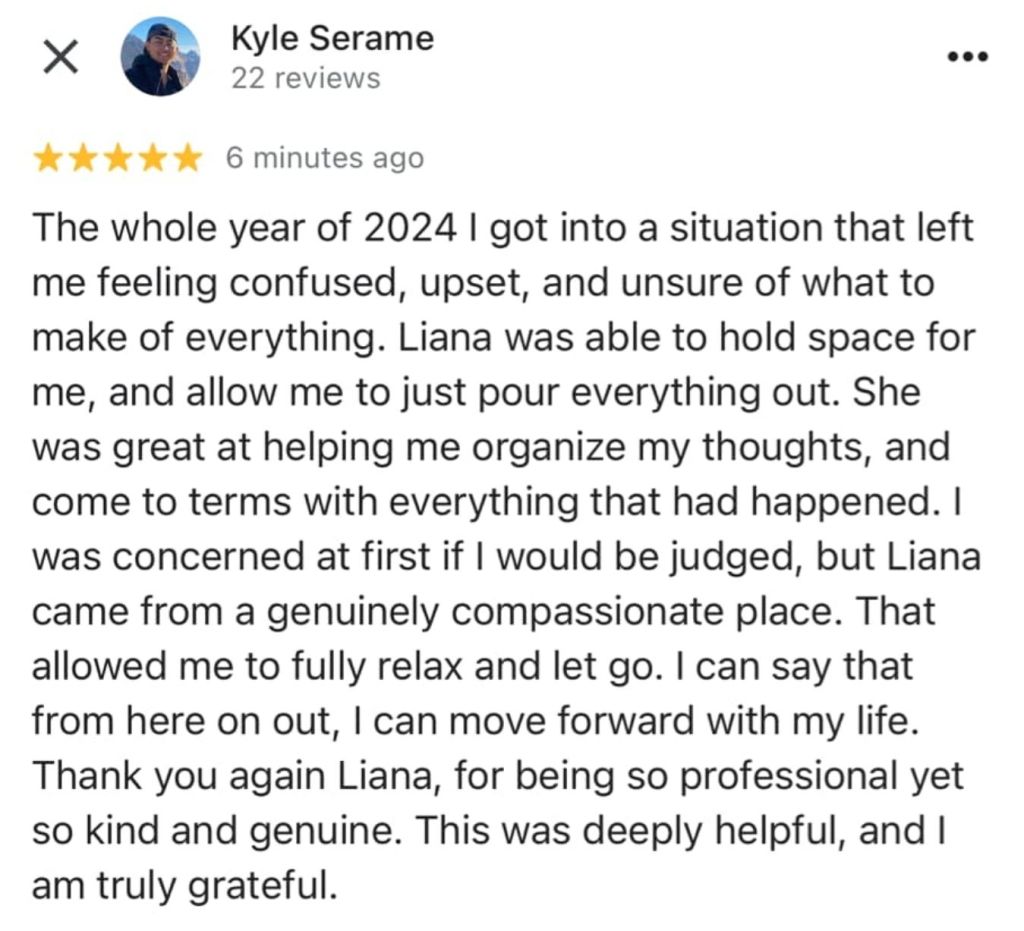

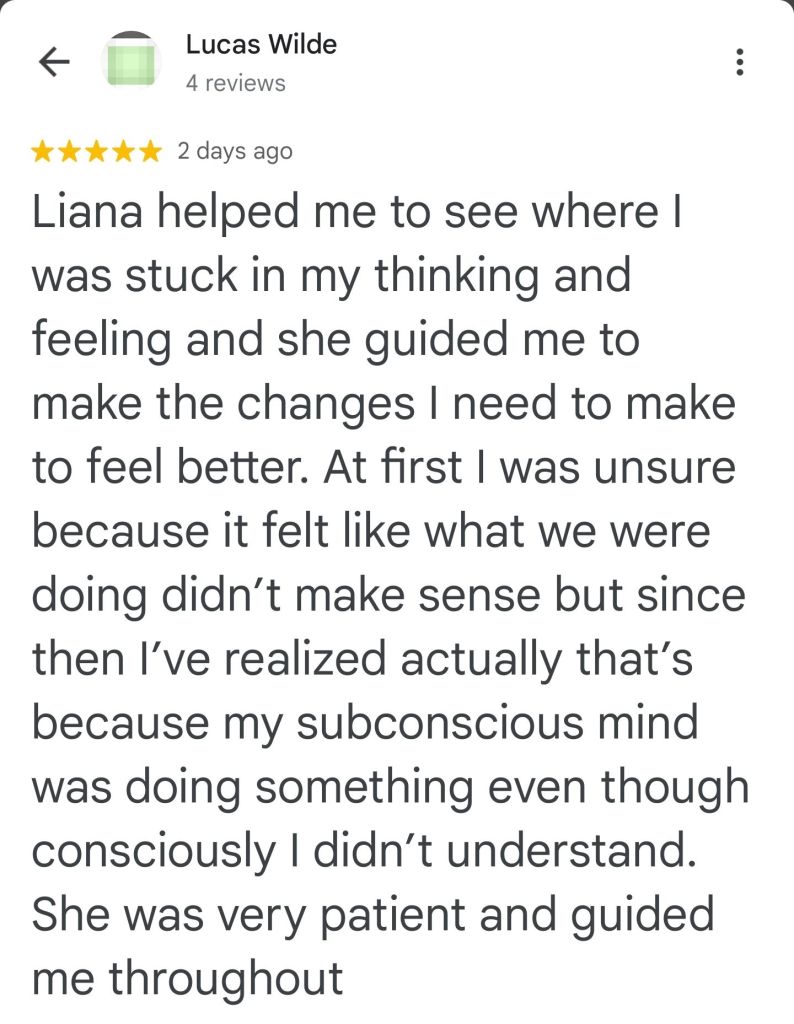
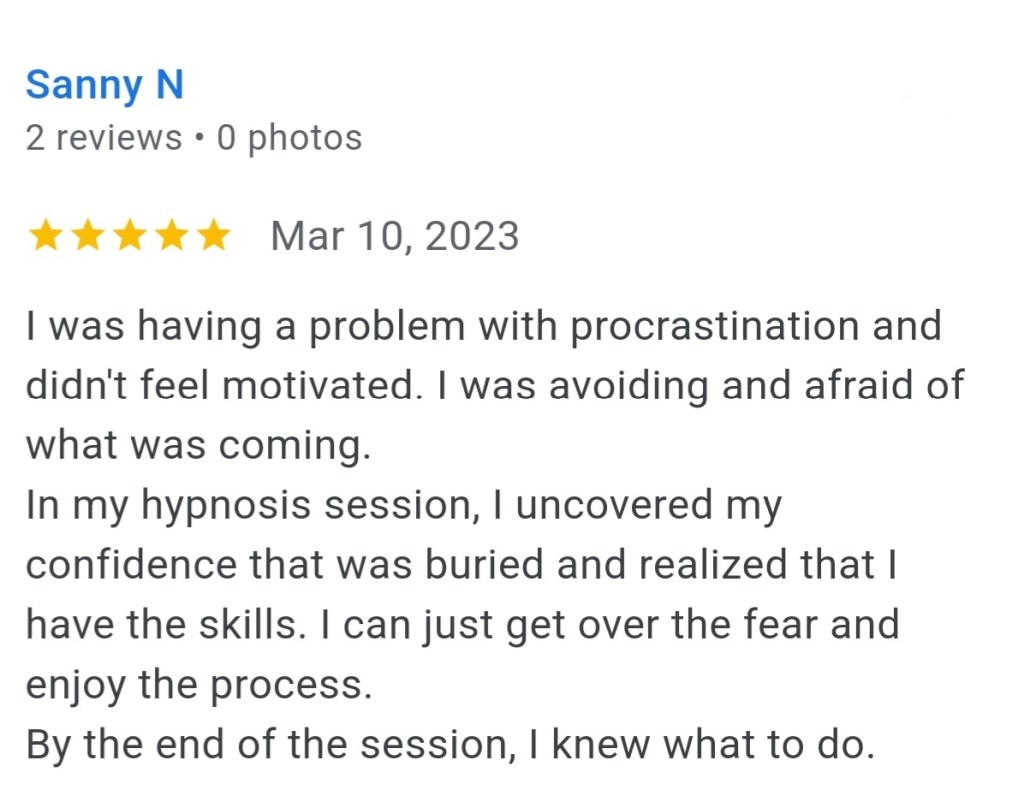

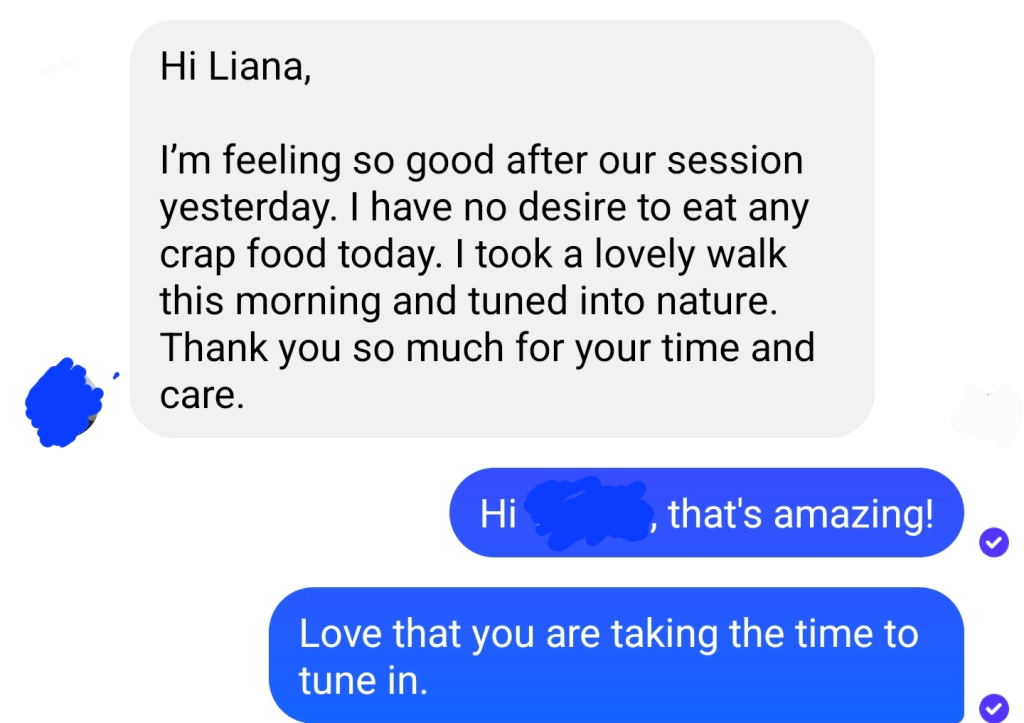
 Accelerated Hypnotherapy - Rapid Results
Leave a comment