
What keeps your brain stays stuck after betrayal trauma, according to neuroscience
After betrayal, many individuals feel stuck and triggered AF.
Even when life moves forward, the brain often doesn’t.
It’s stuck in the past.
It keeps looping on the past because of intrusive thoughts that pop in randomly.
This isn’t an overreaction.
Neuroscience shows there’s a reason your brain gets stuck. It’s trying to protect you.
Your brain’s threat detection system goes into overdrive
It’s stuck on high alert.
When someone you trust betrays you, your brain treats it like a threat to your survival.
The amygdala, your brain’s alarm system, floods your body with stress hormones. Unlike physical threats that pass, betrayal trauma keeps the alarm on full blast because the danger came from someone close—someone your brain once categorized as safe.
This rewires how you see safety, trust, and connection.
The memory center traps you in reliving mode
The hippocampus normally helps you store memories with a clear timeline. But trauma can disrupt this.
Betrayal trauma creates fragmented, emotionally charged memories that don’t feel like they’re in the past. That’s why you might keep reliving moments, even when you want to forget.
Your brain is trying to process the trauma—but keeps getting stuck in a loop.
The logical part of the brain goes offline
The prefrontal cortex is responsible for logic, focus, and decision-making. Under betrayal stress, it goes offline.
Thing seem cloudy, you feel indecisive and unable to make sense of things. This is because your brain is using all its energy for your survival so there’s nothing left for figuring things out.
Your nervous system is dysregulated
Betrayal activates your nervous system in ways that affect sleep, digestion, focus, and energy. You may feel jumpy, numb, exhausted, and triggered AF.
These are all signs of a dysregulated brain trying to stay safe in a world that no longer feels that way.
Why healing takes more than time
Time does not heal all wounds.
To heal, your nervous system needs to feel safety and calm.
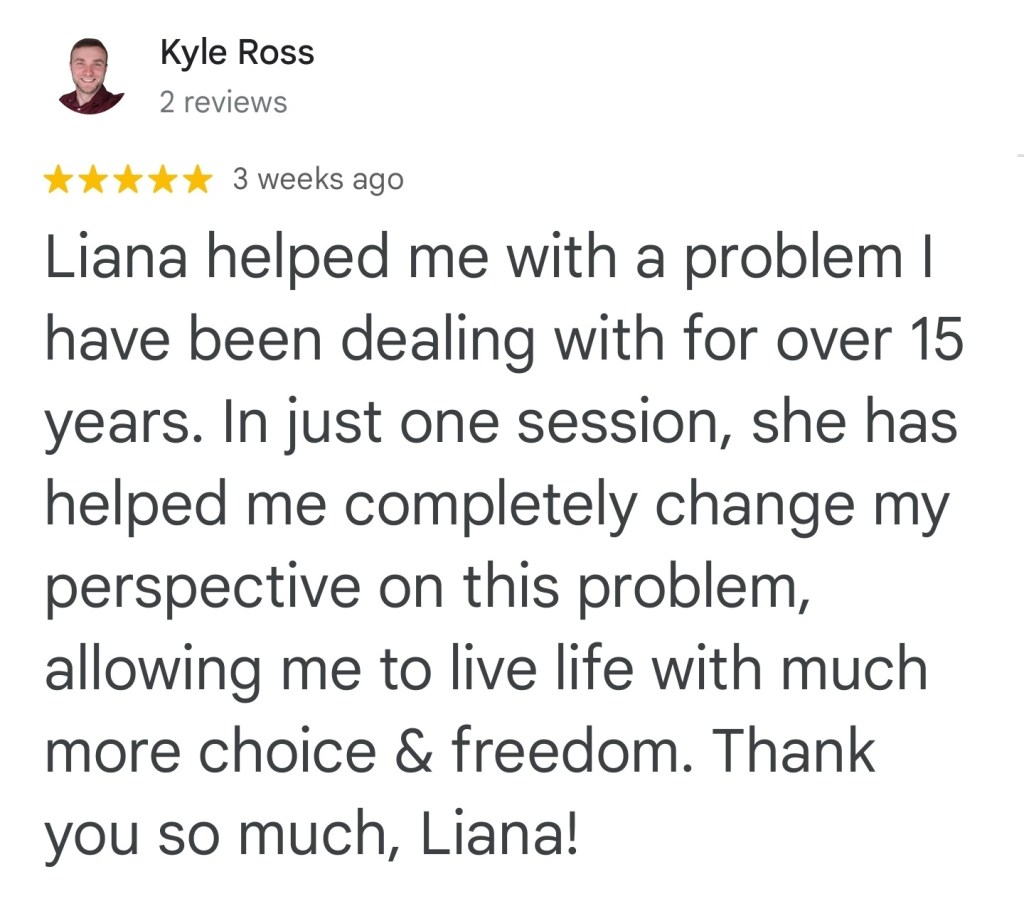
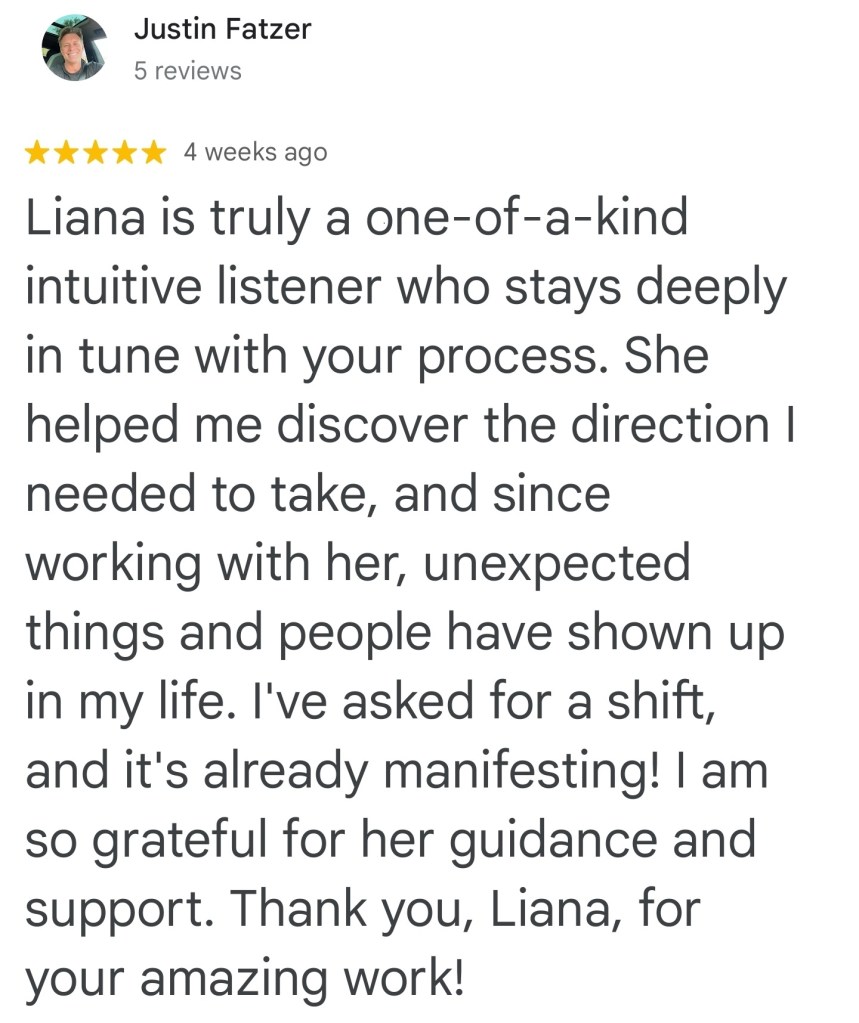
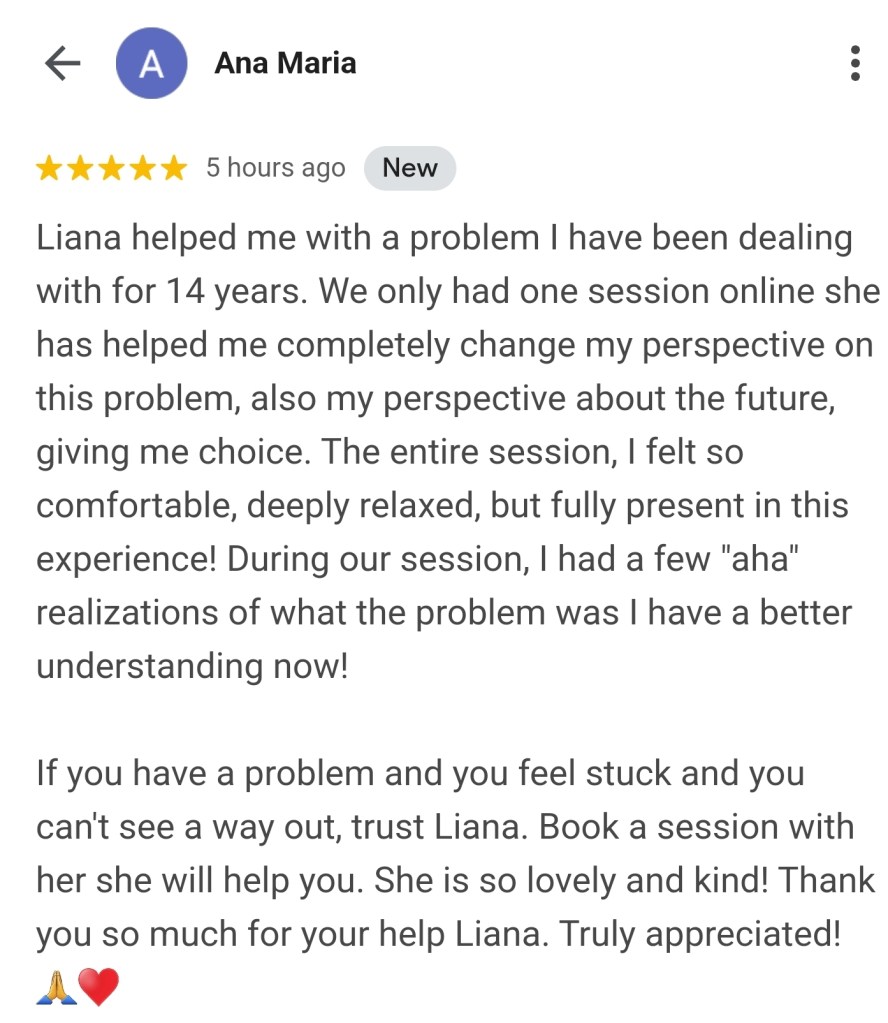
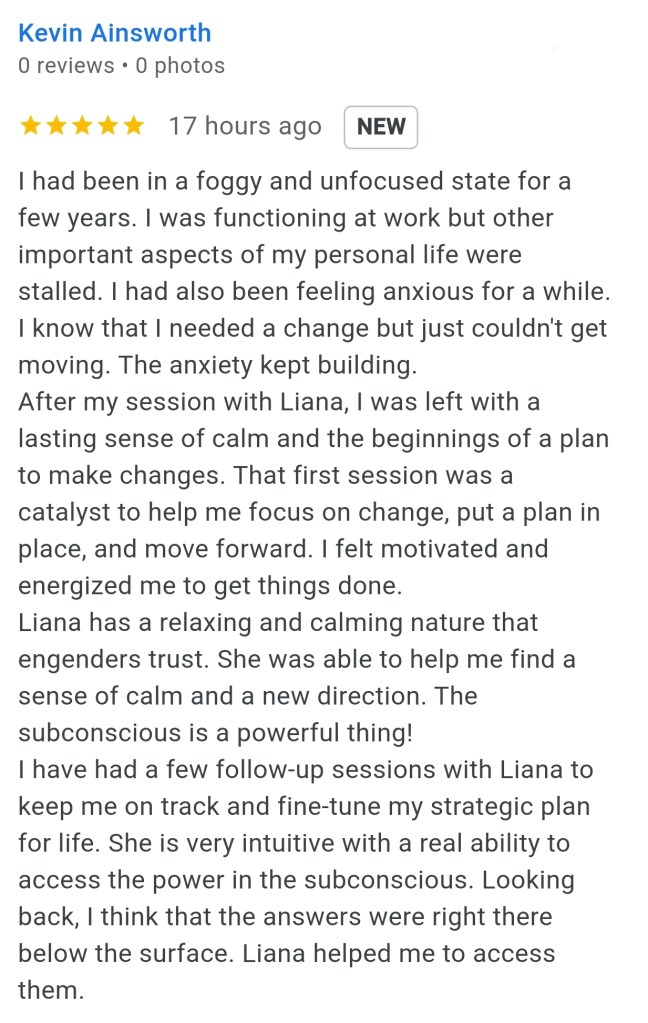
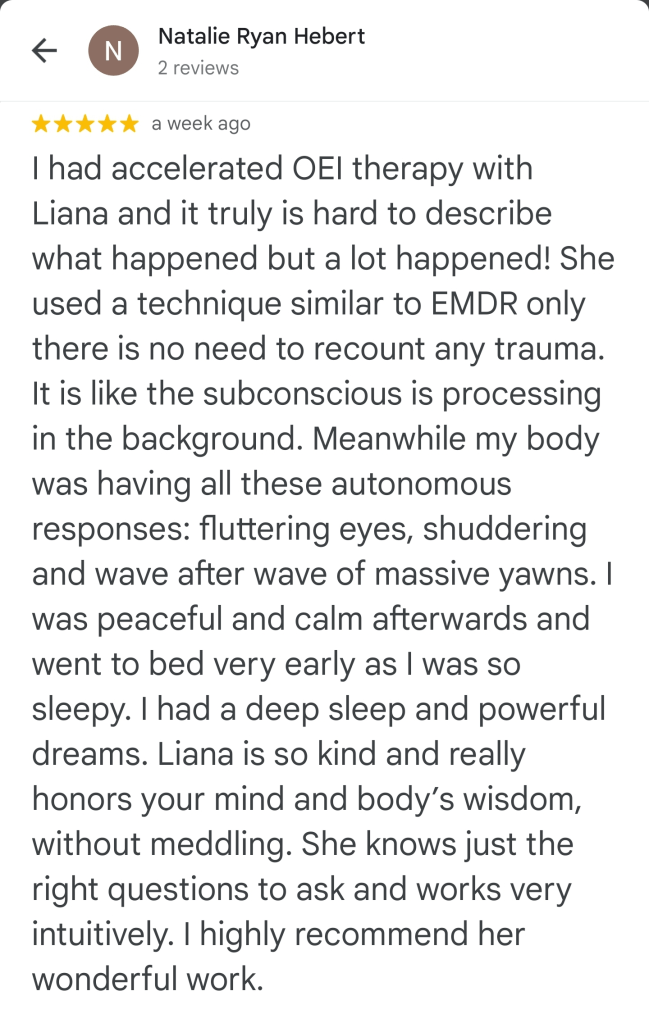
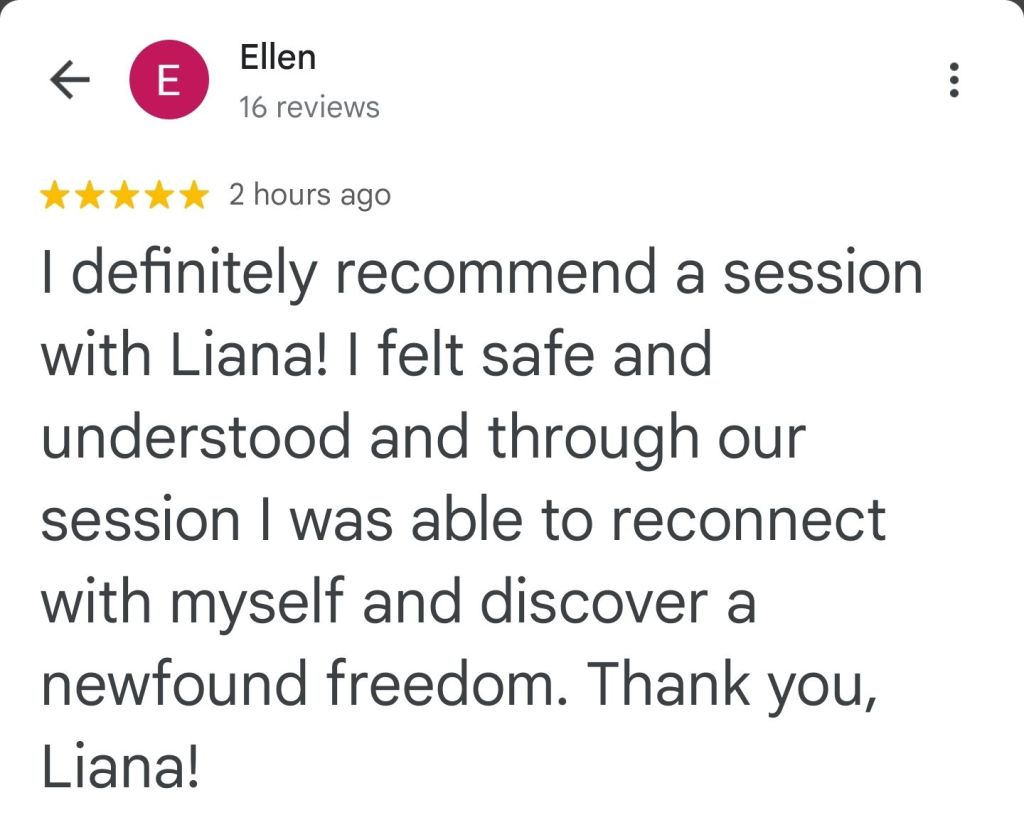
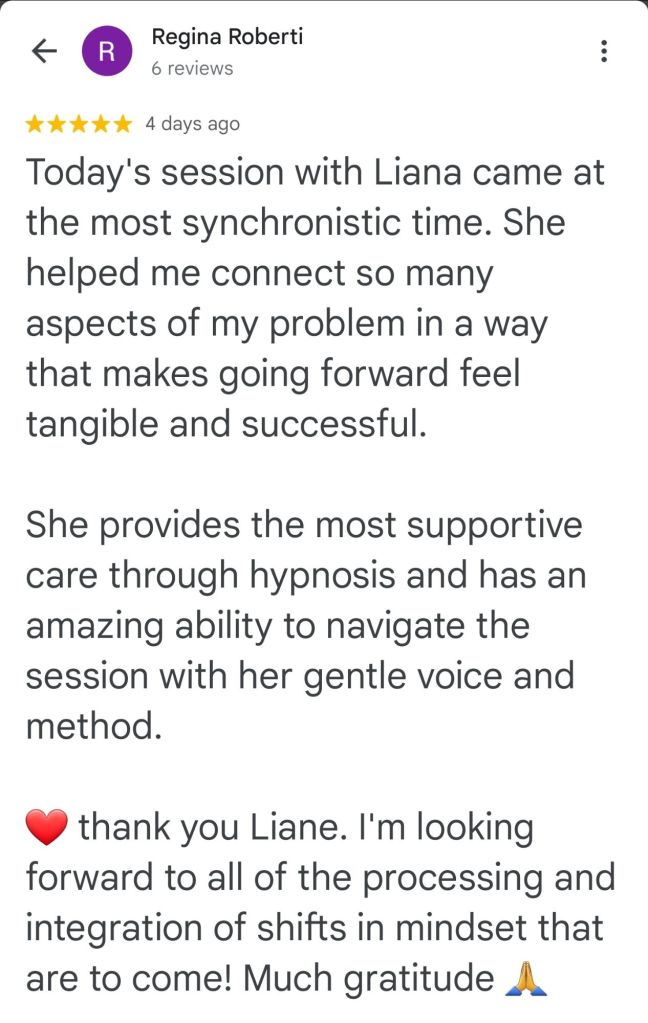
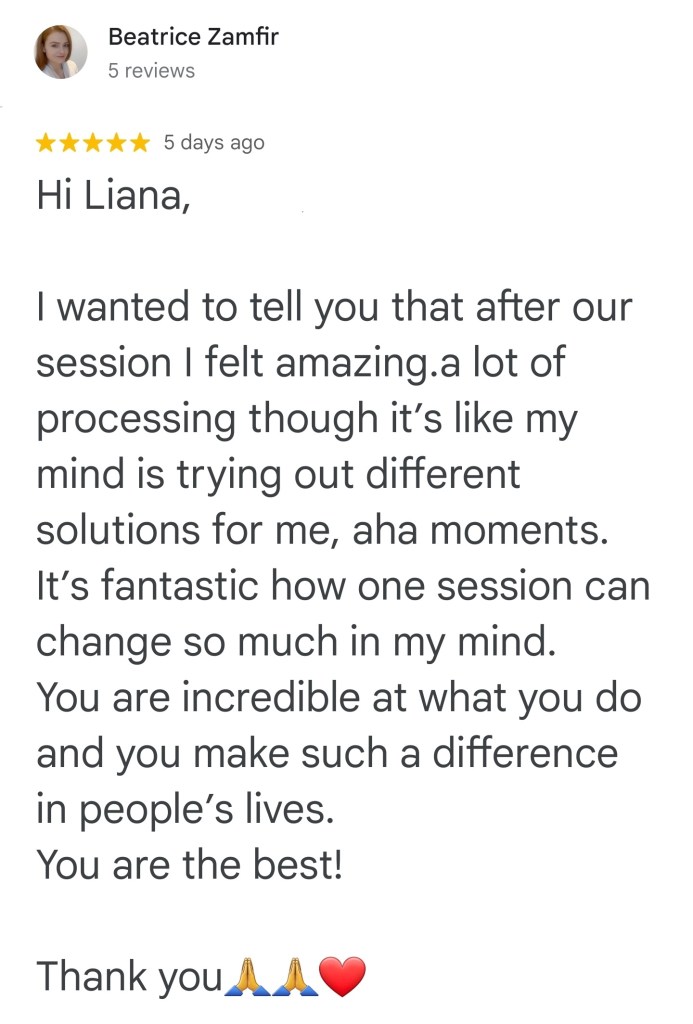
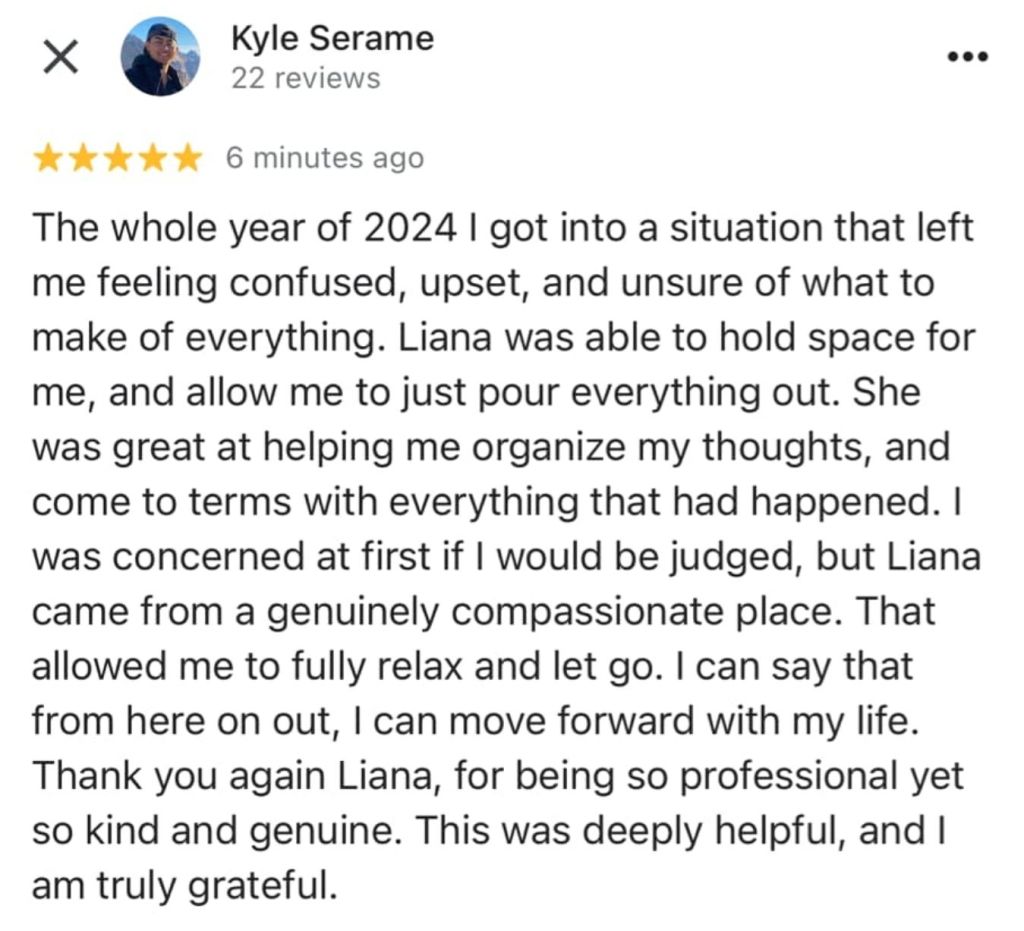
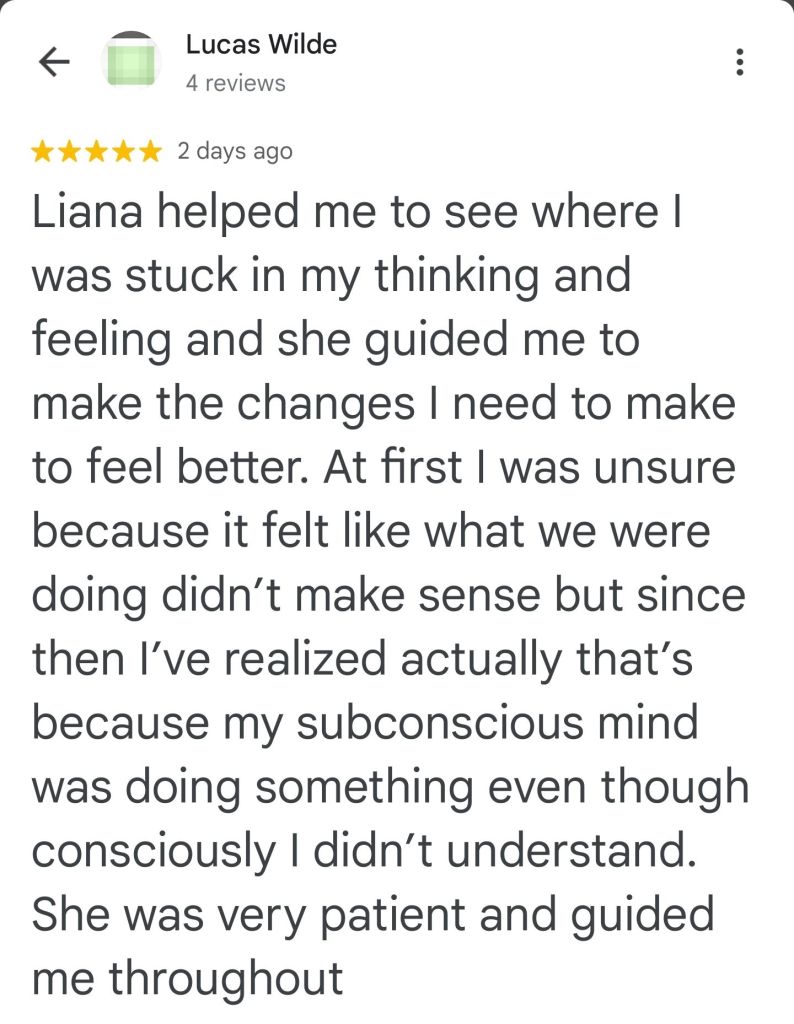
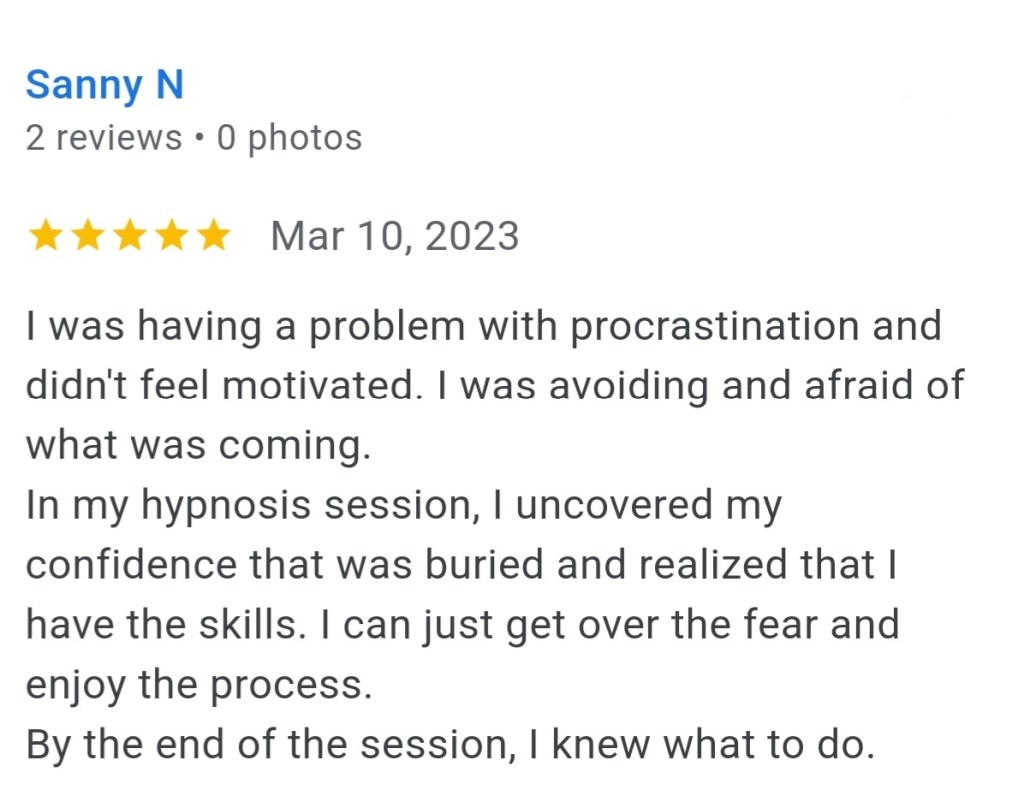
We use Accelerated Hypnotherapy and other trauma-informed technologies that create calm and safety in the brain so that it can put the past into the past.
It’s time to give your brain what it never got during the trauma: the right environment to heal and move forward.
Let’s connect.
Listen, are you breathing just a little and calling it a life?
-MO




























 Accelerated Hypnotherapy - Rapid Results
Leave a comment