
How trauma rewires your brain’s reward system
Trauma doesn’t just change how you feel—it changes how your brain works.
After trauma, your brain is on fire. Your past hijacks your here and now so you feel bad. It starts to affect things that used to feel good—like hobbies, social time, or rest—it all starts to feel bad because of trauma and the brain’s negativity bias, the default setting of your brain is negativity.
This is why numbing behaviors like substances, shopping, or sex can give you a little bit of relief, but over time, they have negative side effects and add extra weight to everything else you’re dealing with.
Why quick hits feel more powerful after trauma
Your brain’s feel good system gets disrupted by prolonged stress. Your brain wants relief from emotional pain and bad feelings and it wants it NOW.
Alcohol, marijuana, or compulsive spending light up that reward system much faster than working on trauma recovery at the core—at least at first.
It’s survival mode looking a shortcuts but what I have seen in many clients is that there is a long term hidden costs that weighs down heavy on your original issues because the shortcut starts to
The hidden setback of quick fixes
Fast relief doesn’t last. And every time you reach for a quick fix, your brain wants more. It starts to cloud the path to real trauma recovery.
This makes it harder to enjoy the quieter, steadier rewards that support long-term healing. Over time, quick relief creates more problems—guilt, shame, debt, conflict, anxiety—stacked on top of the load of unprocessed trauma.
Marijuana, anxiety, and the stuck cycle
Some clients think marijuana is harmless because it’s legal in some states or relatively easy to get and helps them relax. But for some trauma survivors and especially young men, marijuana actually increases anxiety, restlessness, and even intrusive thoughts over time.
This creates a loop that can trap you from a young age—it slowly turns into the cause of anxiety. Additional issues the harmful effect of weed on motivation keep so many of these young men stuck.
Breaking free with body-based trauma healing
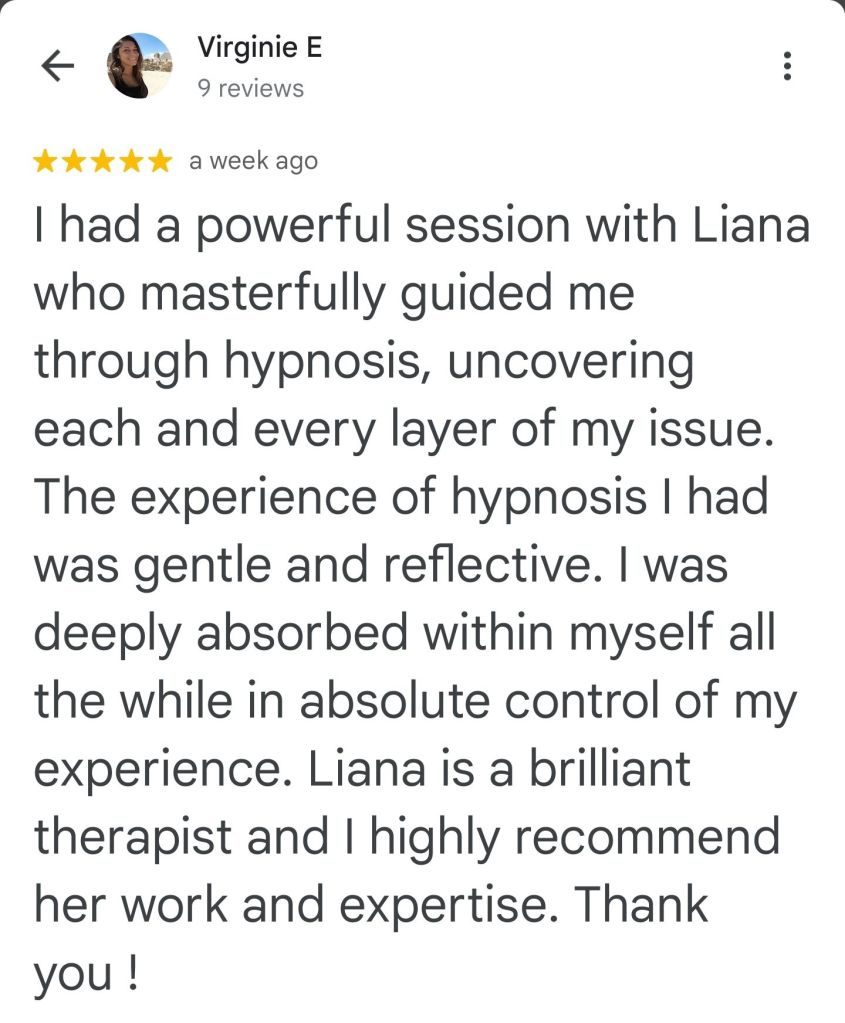
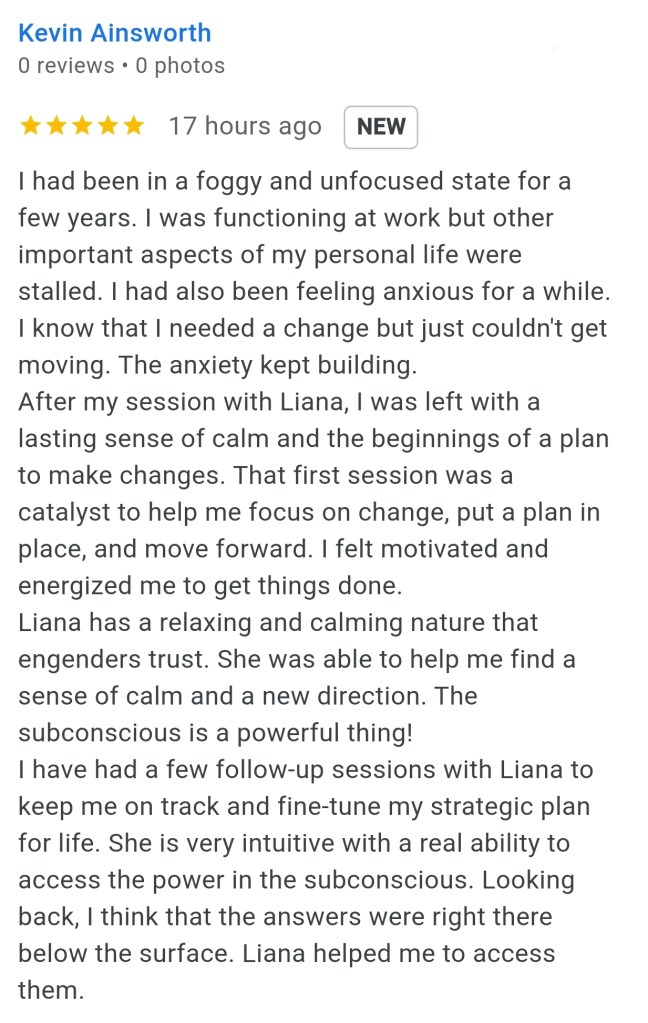
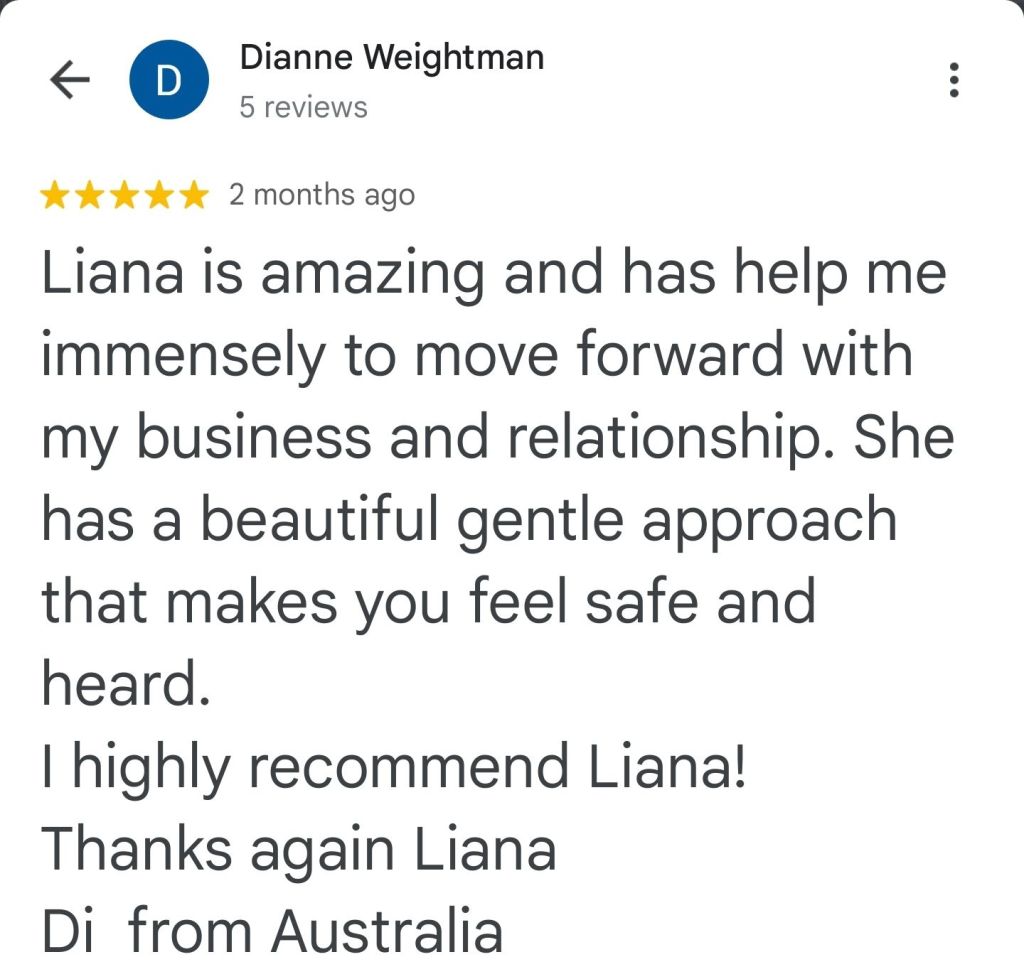
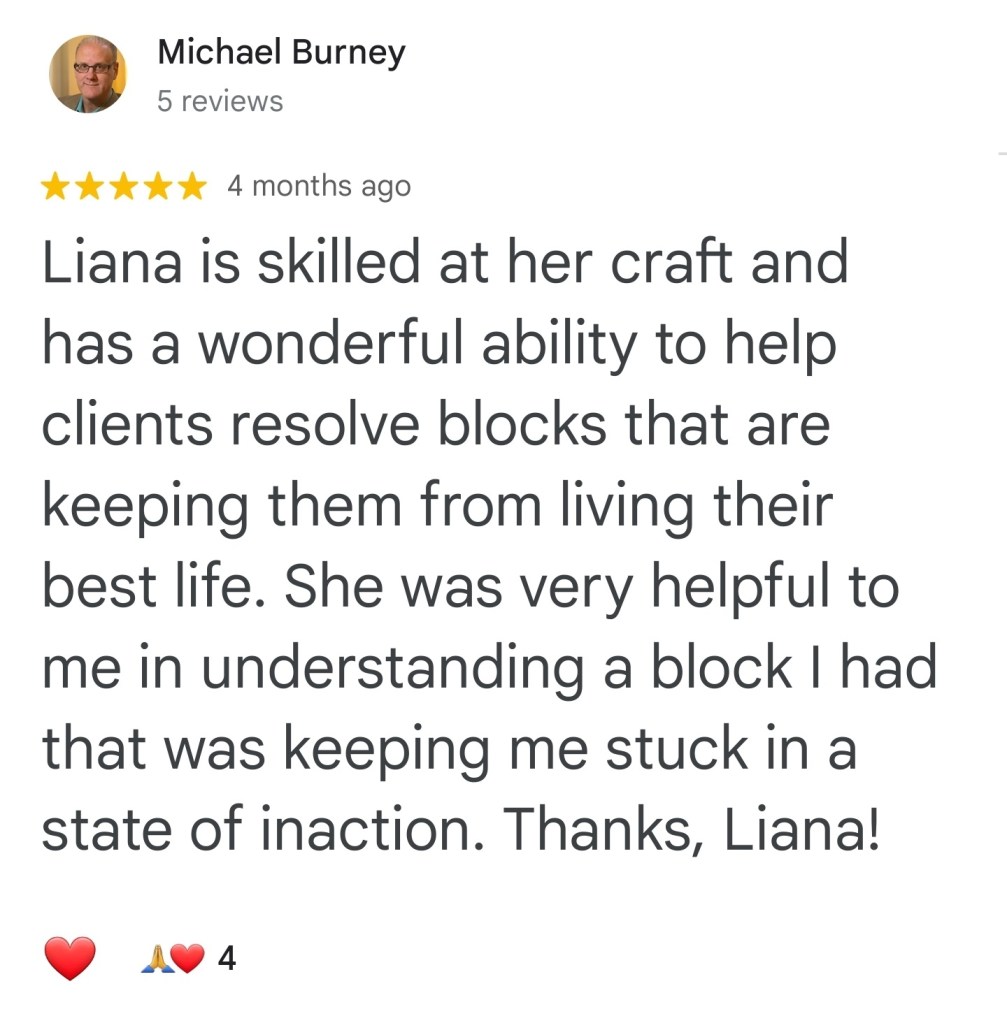
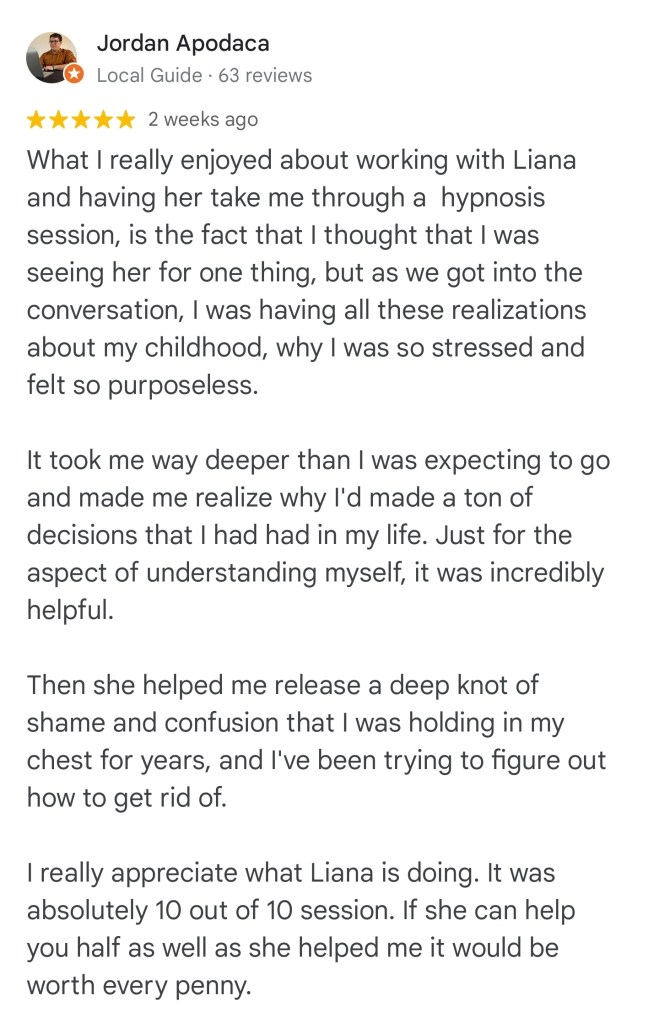
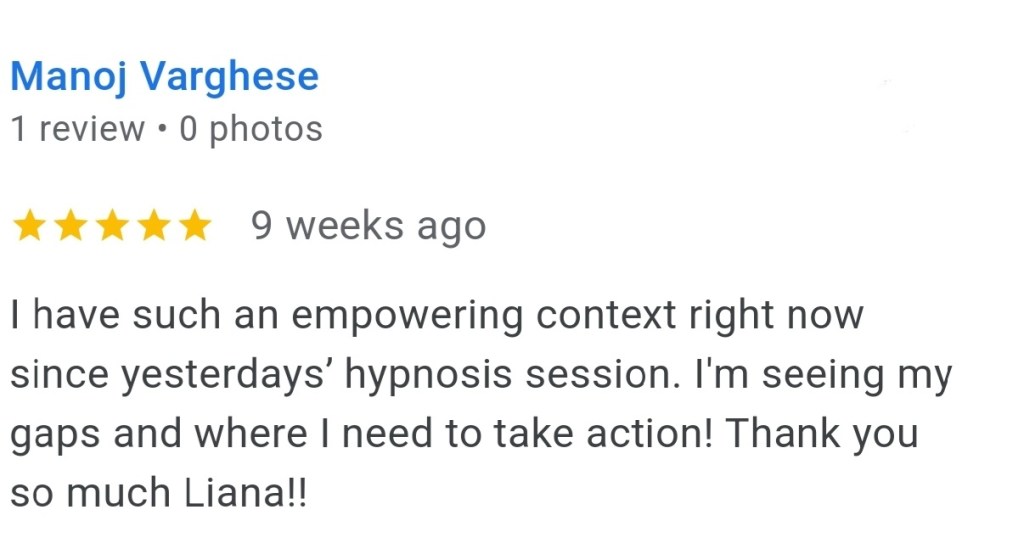
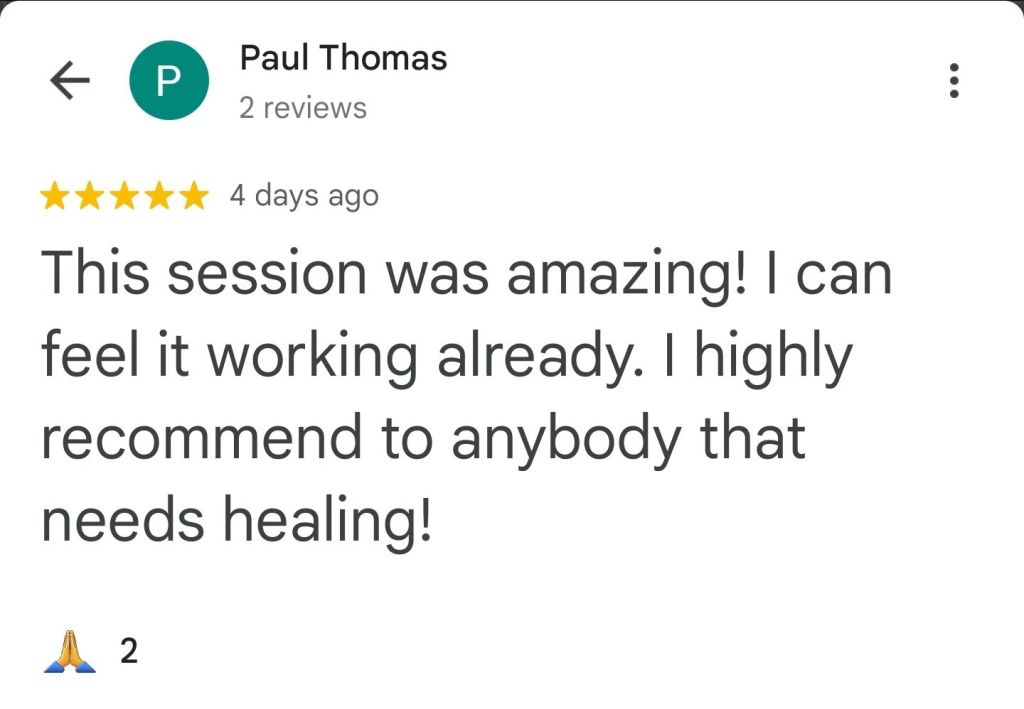
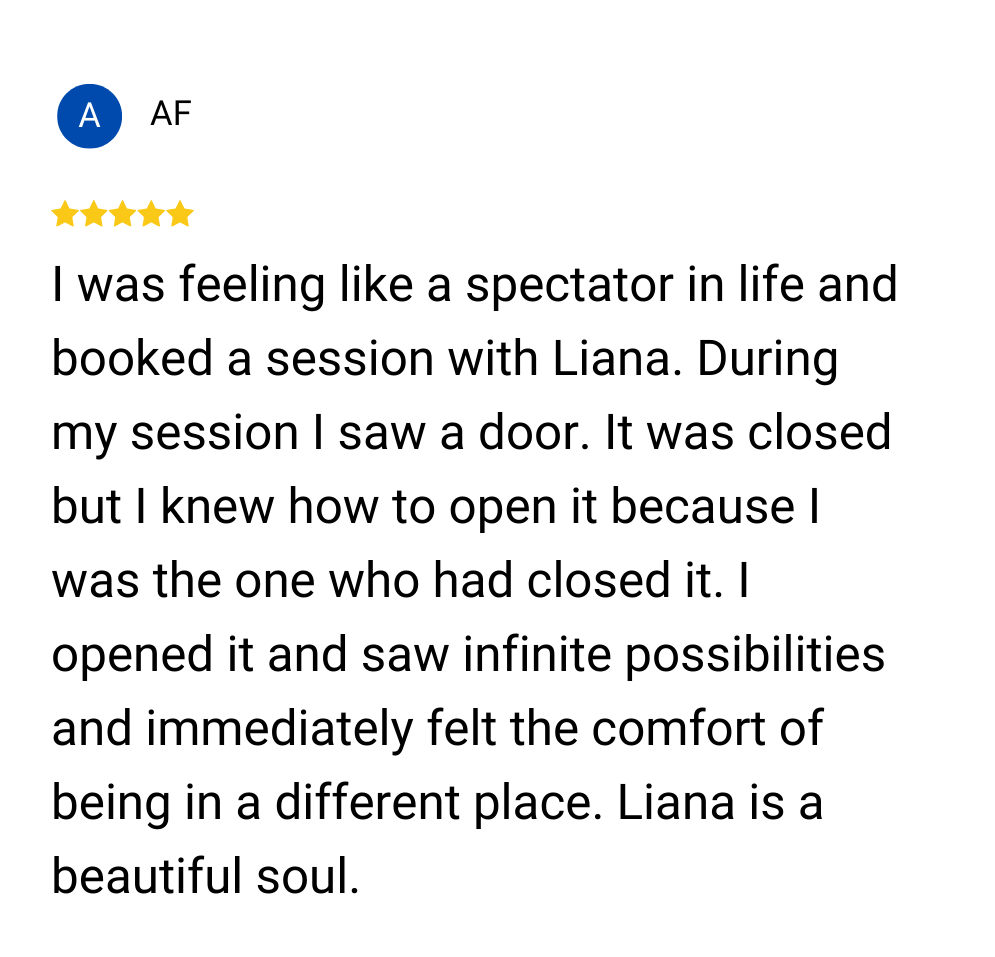
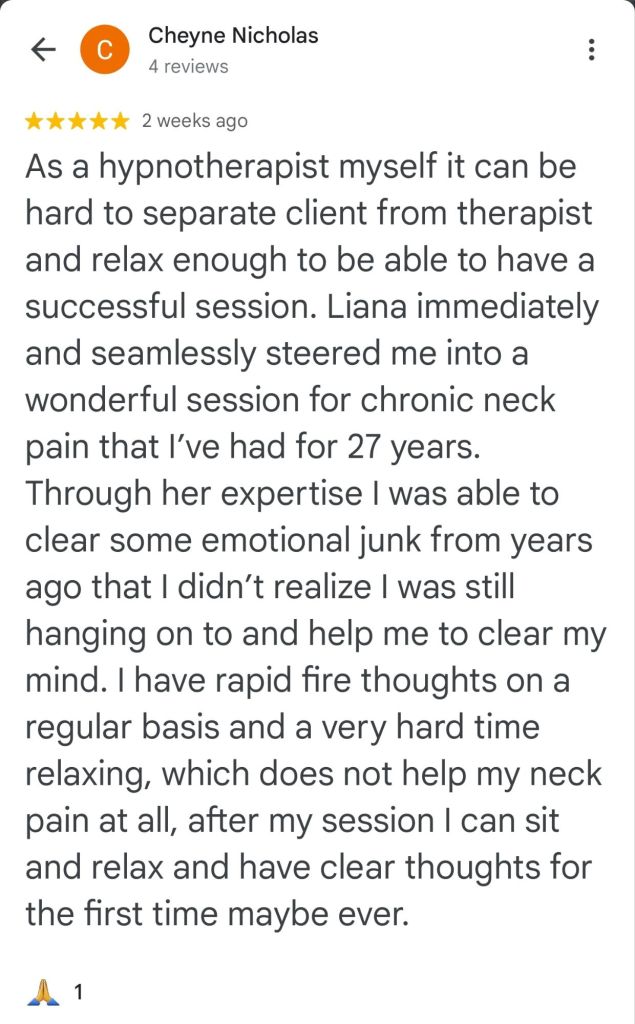
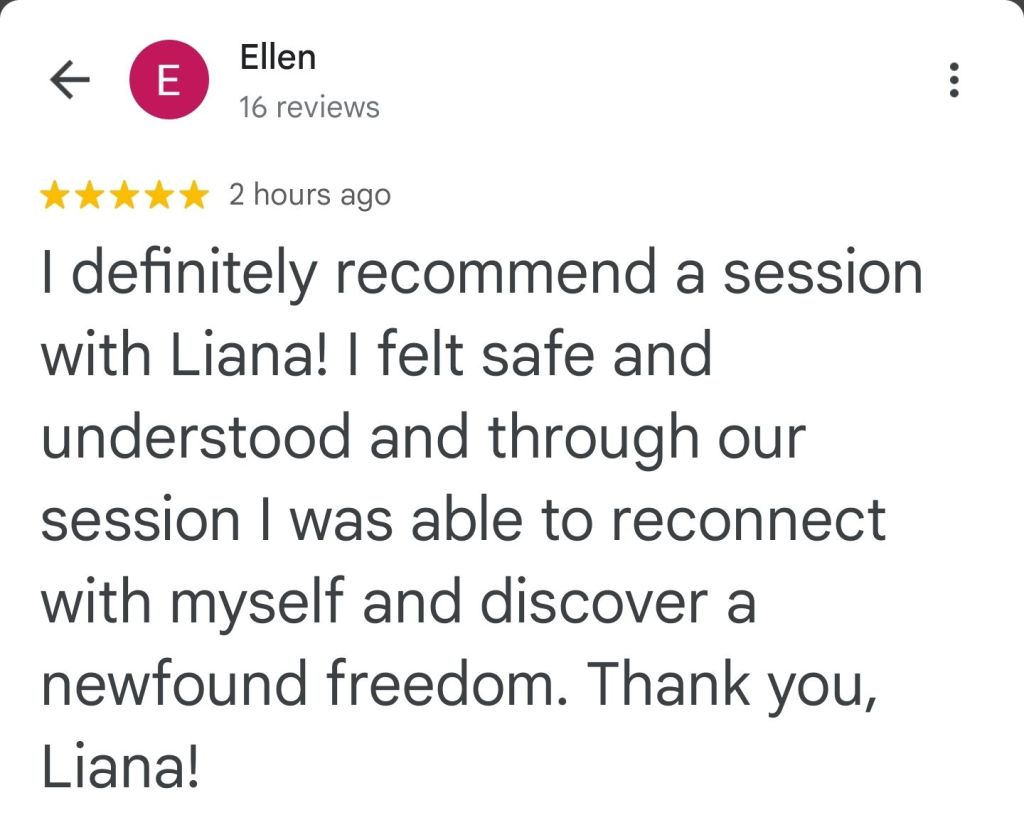
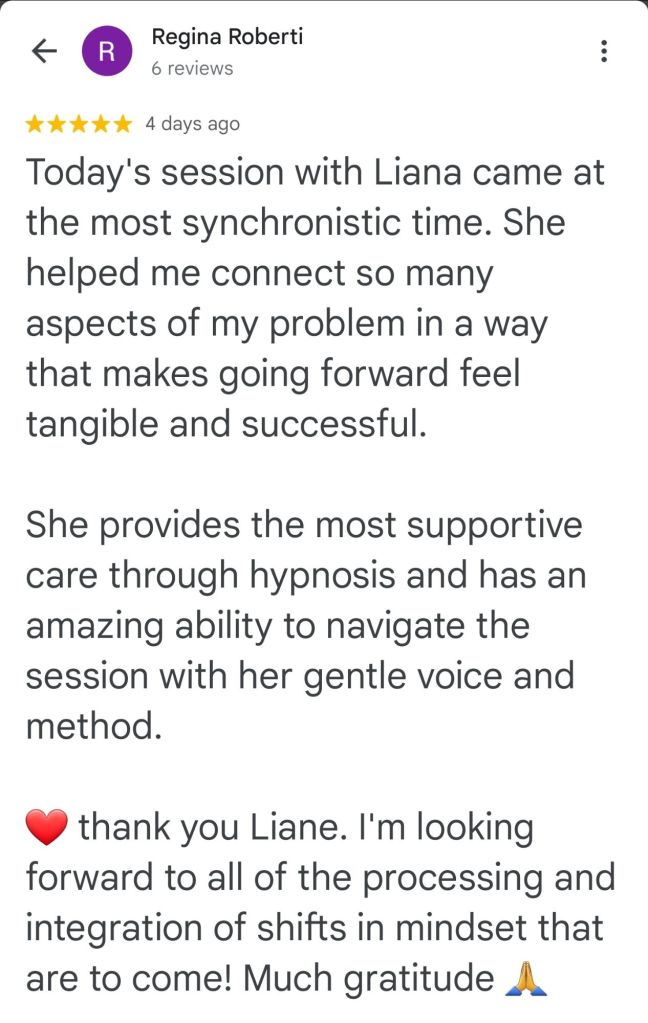
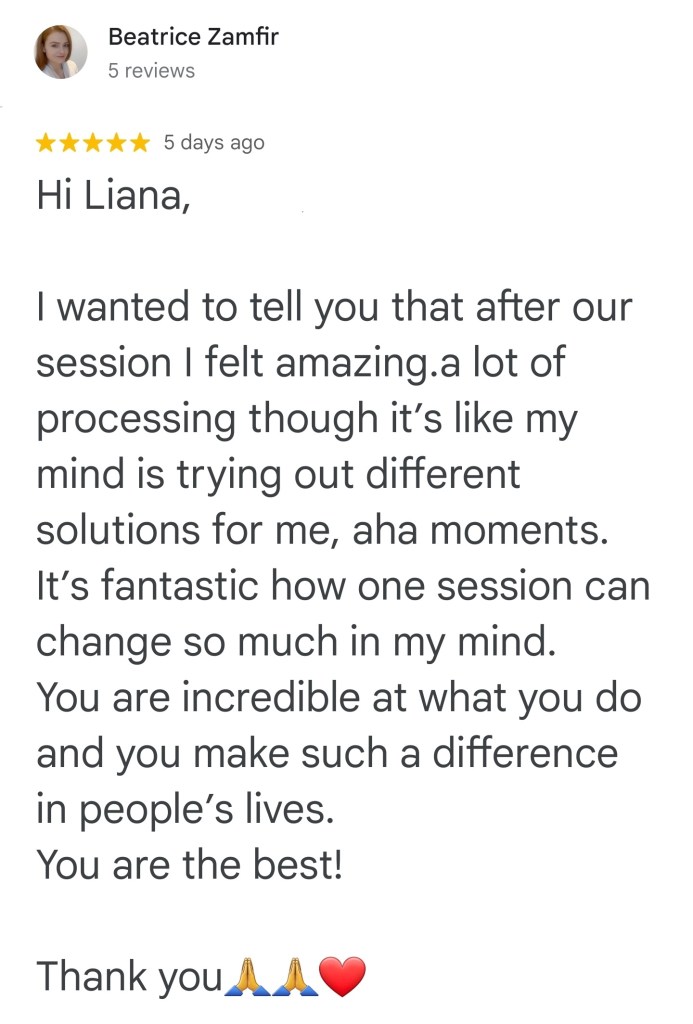
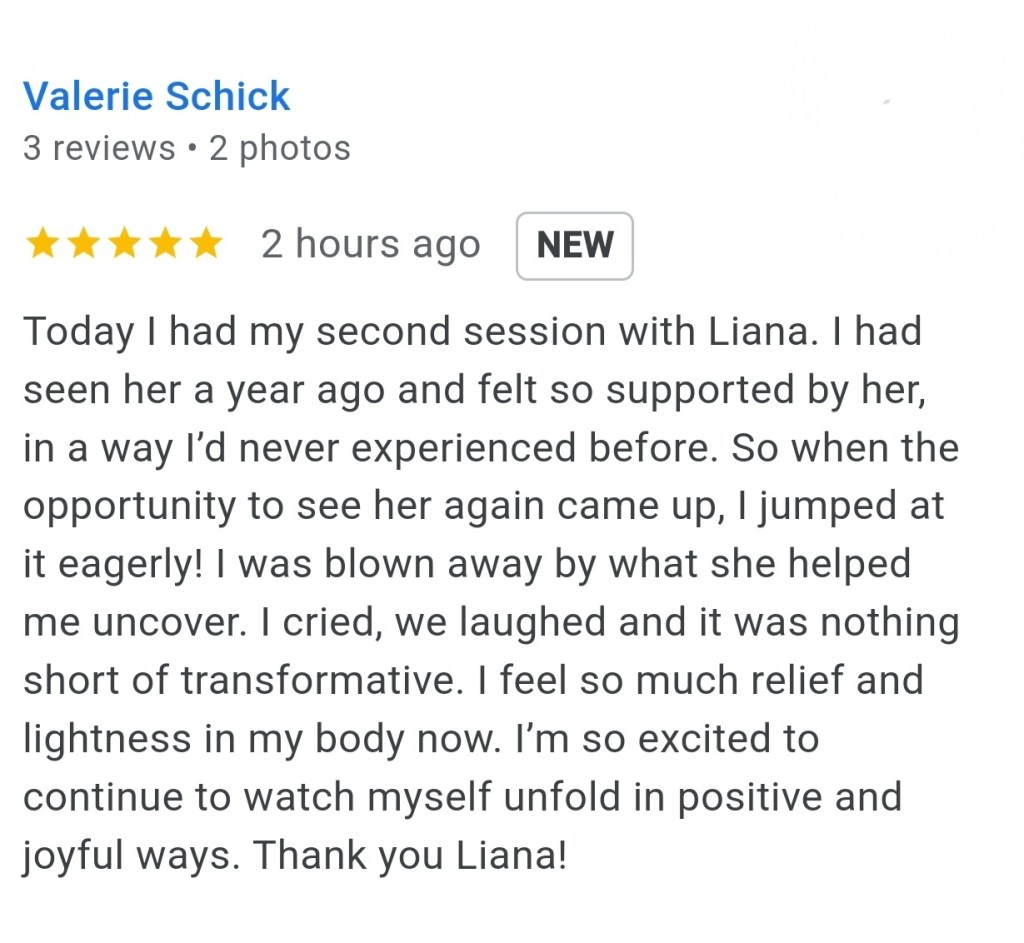
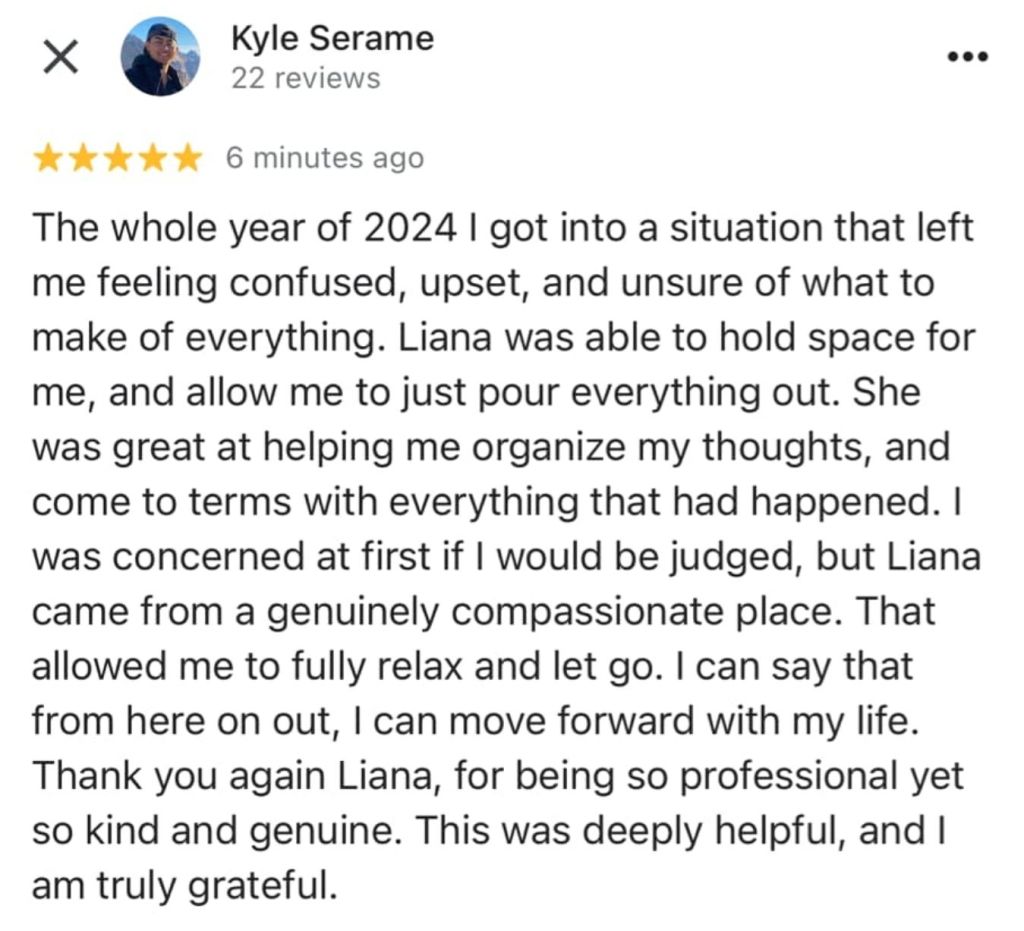
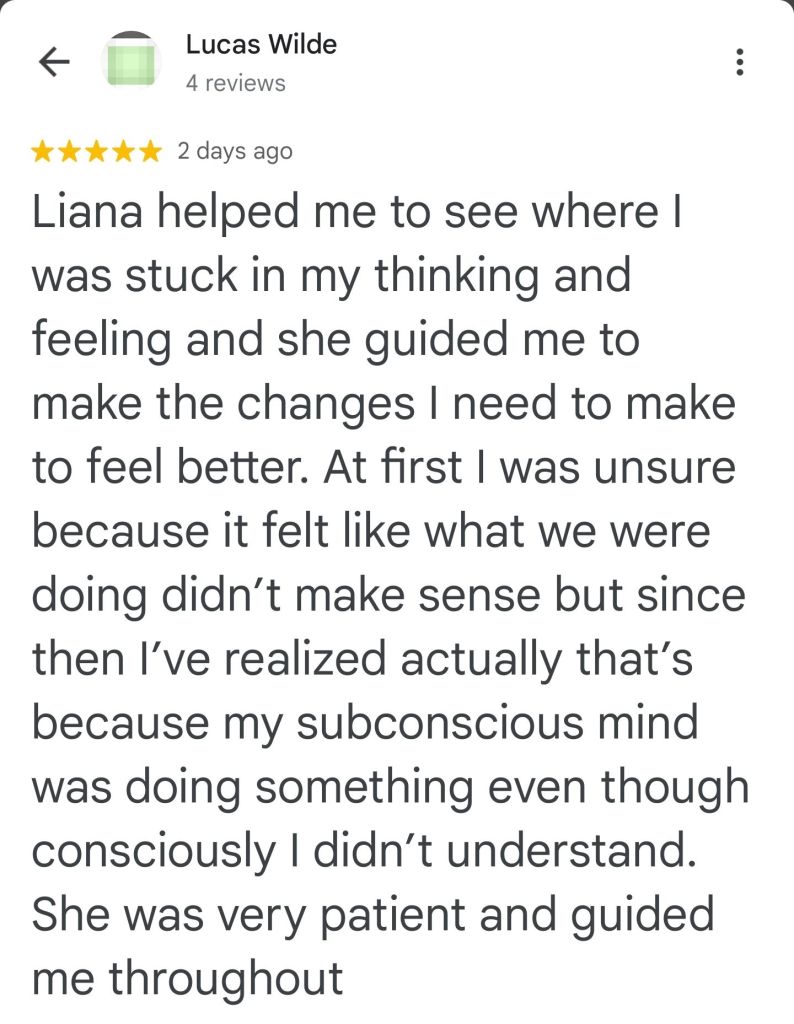
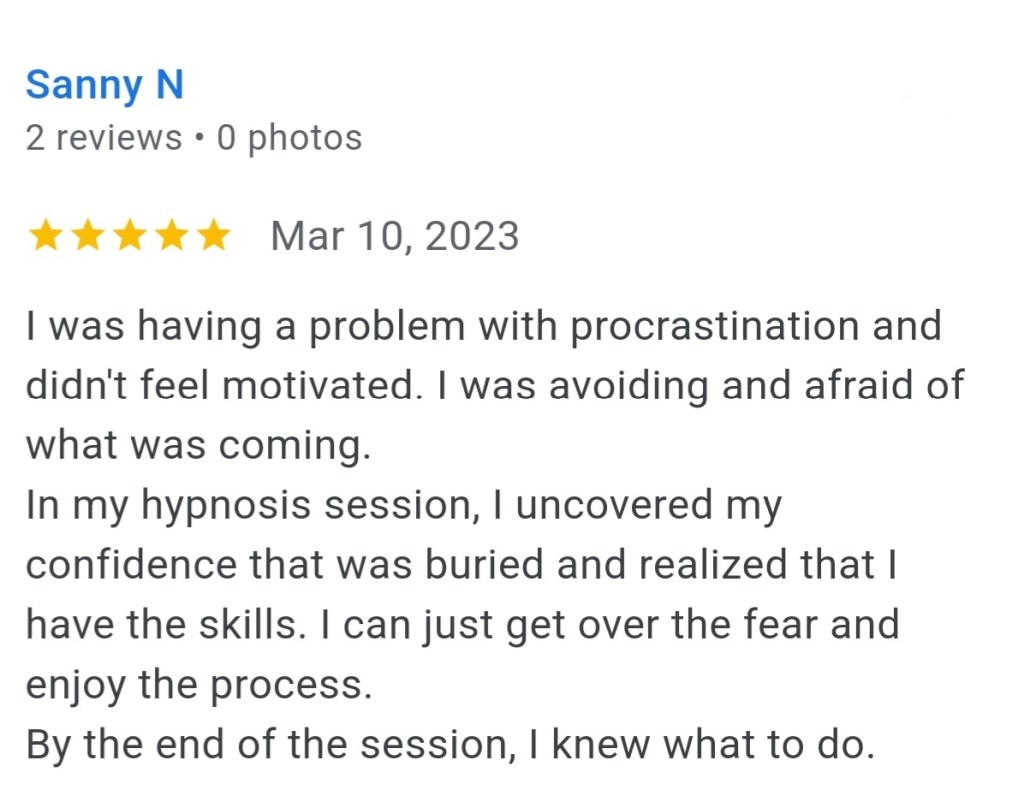
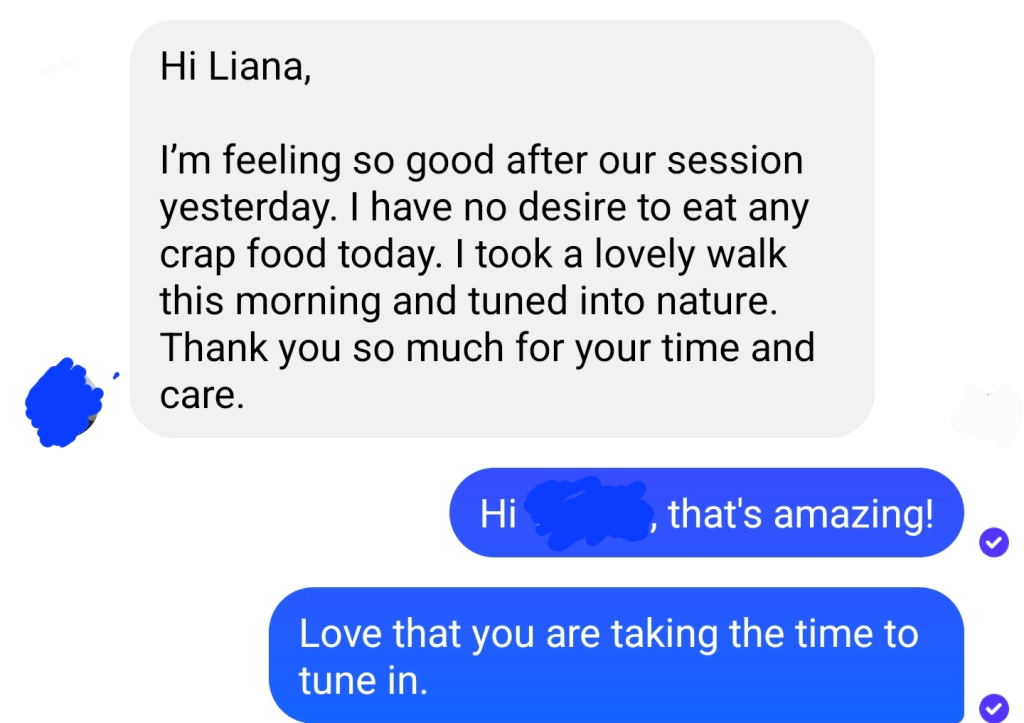
Accelerated Hypnotherapy help reset your brain and body and restore your brain’s ability to feel calm without the need for a quick fix.
Once survival mode turns off, you can create space for new behaviors.
If this feels familiar, read the article, How Trauma Can Create Cycles of Shopping, Sex & Substance Abuse – coming in out in a few days.
Listen, are you breathing just a little and calling it a life?
-Mary Oliver



















 Accelerated Hypnotherapy - Rapid Results
Leave a comment