
Betrayal Trauma Recovery: Healing Trust, Anxiety, and Emotional Pain
if you’ve experienced betrayal trauma, you’ve probably been feeling all the feels in your body after someone you trusted broke your trust or abandoned you.
That’s why it’s harder to wrap your mind around than ordinary heartbreak.
Research shows betrayal trauma can mirror post-traumatic stress disorder (PTSD).
When someone you relied on for safety and connection breaks that trust, it affects your brain and your body and causes them to be rewired for survival.
Your brain and body get stuck in high alert mode, and it is Full ON
Symptoms of Betrayal Trauma
The symptoms often overlap with PTSD and can be both emotional and physical:
-
- — reliving the betrayal out of nowhere, through unwanted thoughts, nightmares, or vivid images.
- Avoidance — pulling away from people, places, or situations that bring reminders, even if it means isolating yourself.
- Distrust and emotional numbing — losing faith in others, questioning your own judgment, or feeling flat and disconnected from life.
- Hypervigilance — staying on edge, startling easily, scanning for danger, or struggling to rest and sleep.
- Physical symptoms — headaches, muscle tension, stomach issues, and exhaustion caused by constant stress hormones.
Children process betrayal trauma differently, often showing distress through withdrawn behavior, ADHD, and anxiety.
Causes and Risk Factors
Trauma is experienced by being betrayal by someone or something you relied on for safety and connection, and can be caused by:
- Infidelity or relationship betrayal
- Childhood neglect or abuse
- Institutional betrayal (workplaces, religious organizations, government, military)
Not everyone exposed to betrayal develops trauma. However, risk increases with:
- A history of prior trauma or lack of support systems
- Family history of anxiety, depression, or PTSD
- Individual differences in the ability to handle stress
- Belonging to high-risk groups like veterans, first responders, or survivors of childhood abuse
Complications of Betrayal Trauma
If left untreated, betrayal trauma can snowball into deeper struggles:
- Depression and anxiety disorders
- Alcohol or substance misuse as coping
- Rumination
- Post-traumatic embitterment
- Destructive Entitlement
- Strained relationships and social withdrawal
- Physical health decline
When to Seek Help
If you’ve been struggling with betrayal and have been experiencing symptoms for more than a month that are worsening, or disrupting your daily life, maybe it’s time to get help.
Prevention and Self-Care
You can’t change what has happened betrayal, but it doesn’t have to define you or your future.
The key is how quickly you respond.
Research-based Treatment for Trauma
Evidence-based trauma therapies show promise in reducing emotional distress and improved emotional regulation:
- Hypnotherapy — shown in research to reduce intrusive symptoms of PTSD
- EMDR Flash Technique — processes memories more gently, without full re-exposure of EMDR (Eye Movement & Desensitization Reprocessing), which has been extensively researched and highly effective for trauma. EMDR flash can be used stand alone or with other treatments
- Observed & Experiential Integration (OEI) — a body-based approach to gently and safely titrate trauma, evolved from EMDR
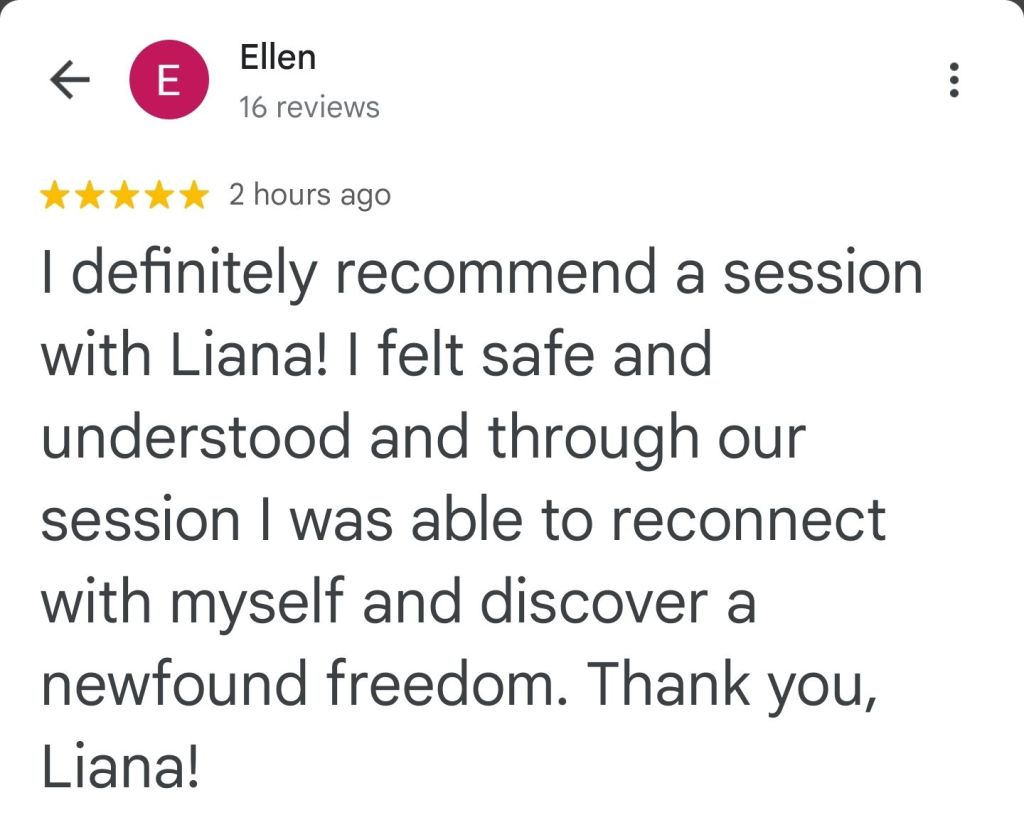
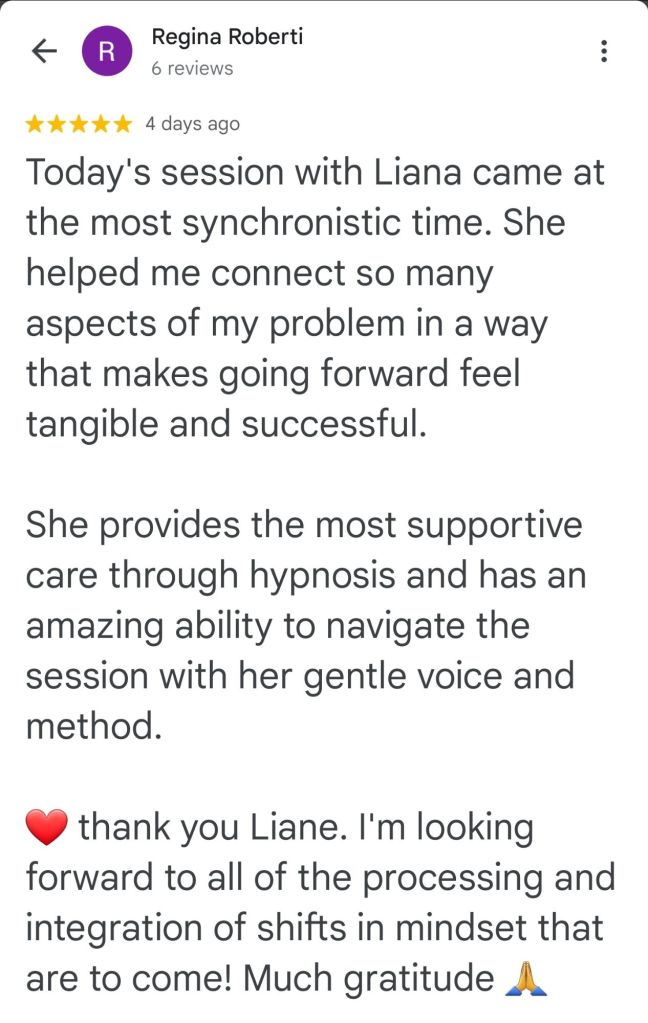
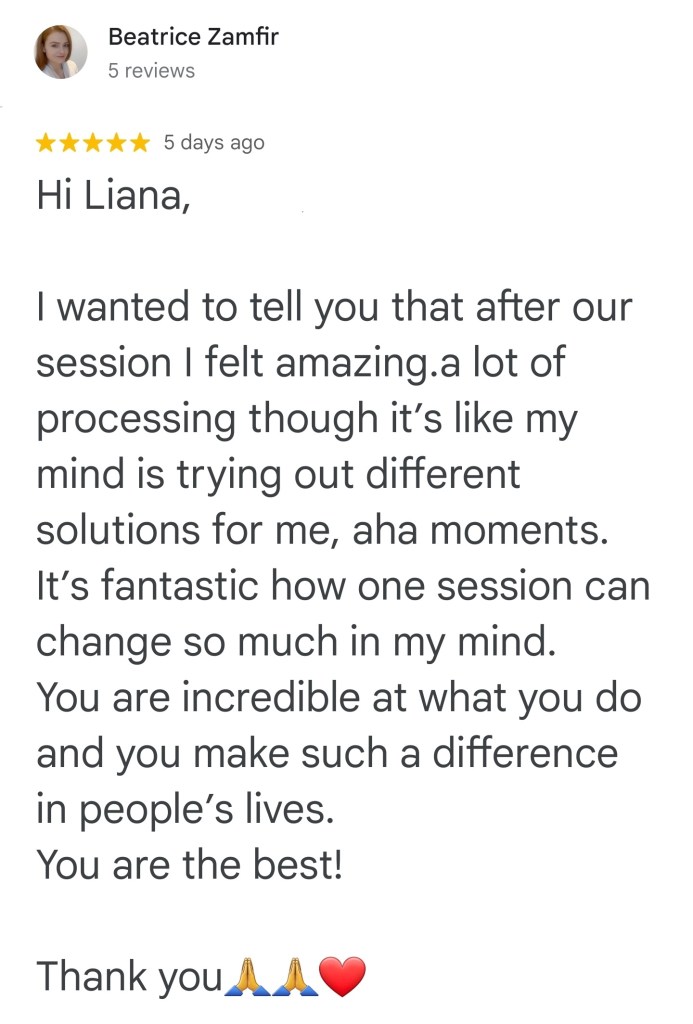
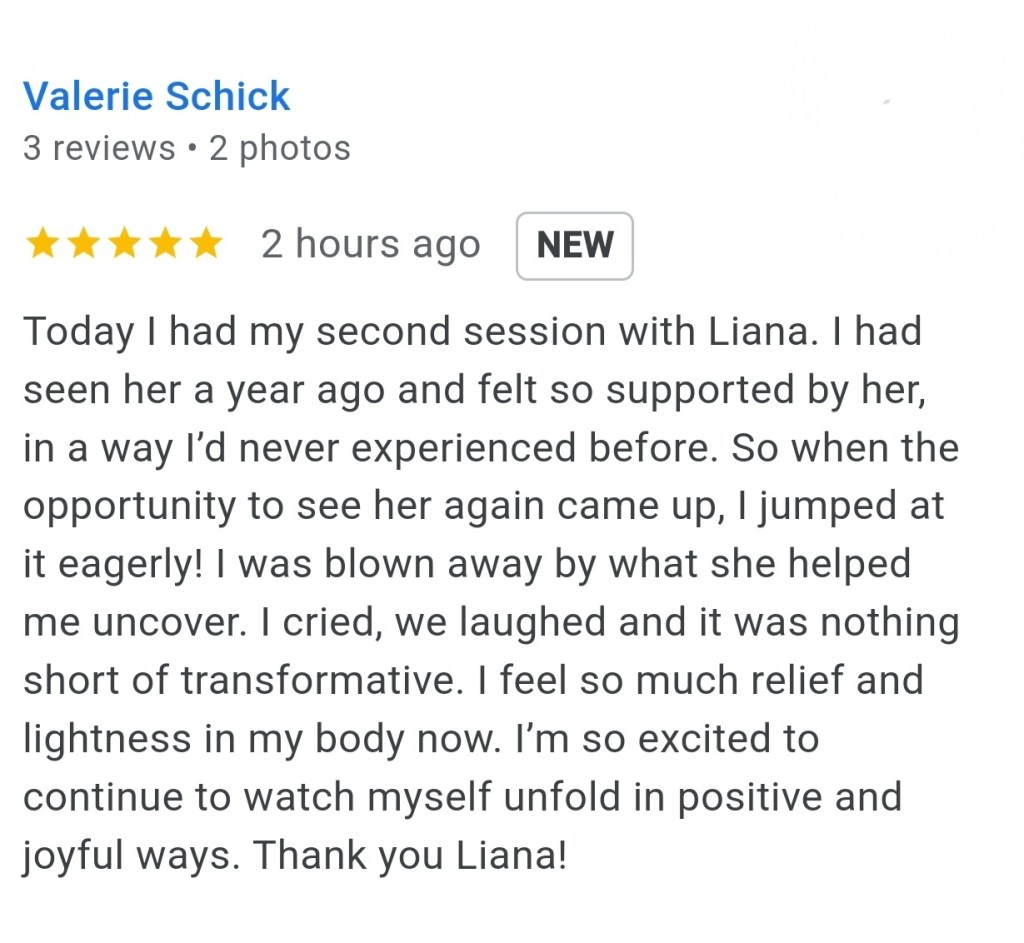
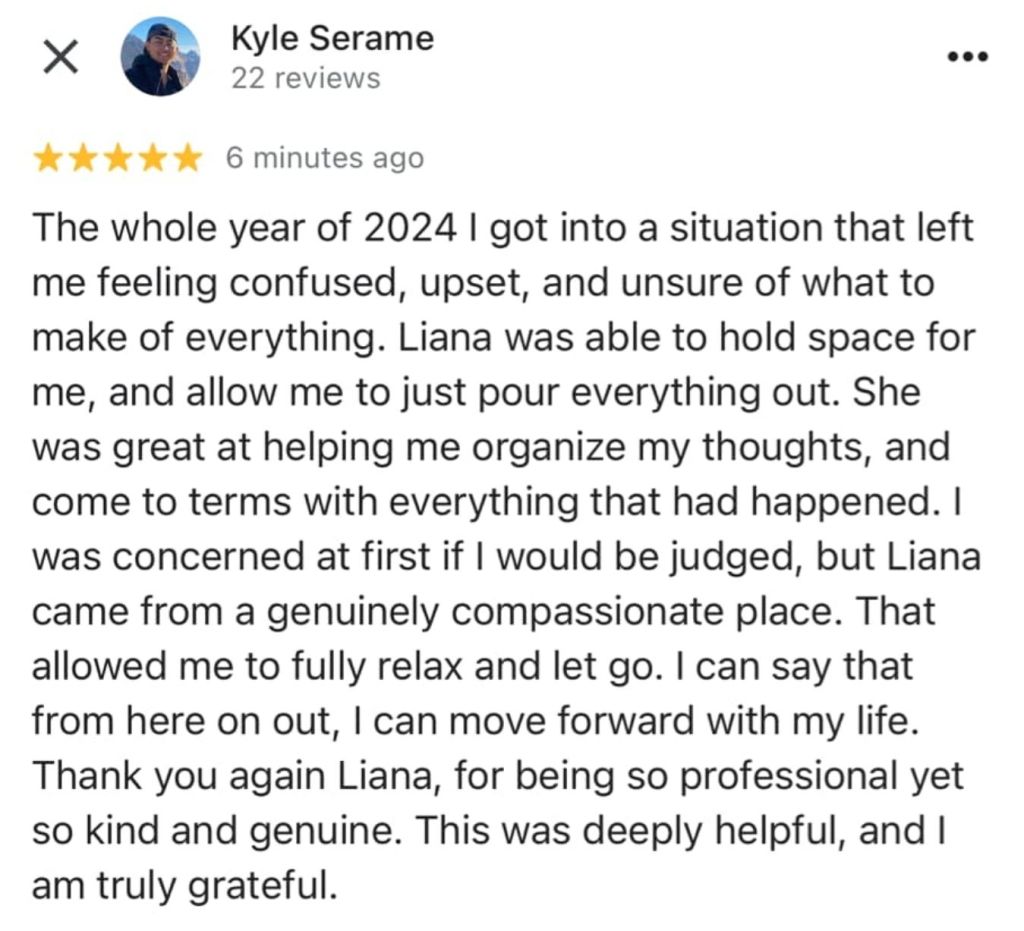
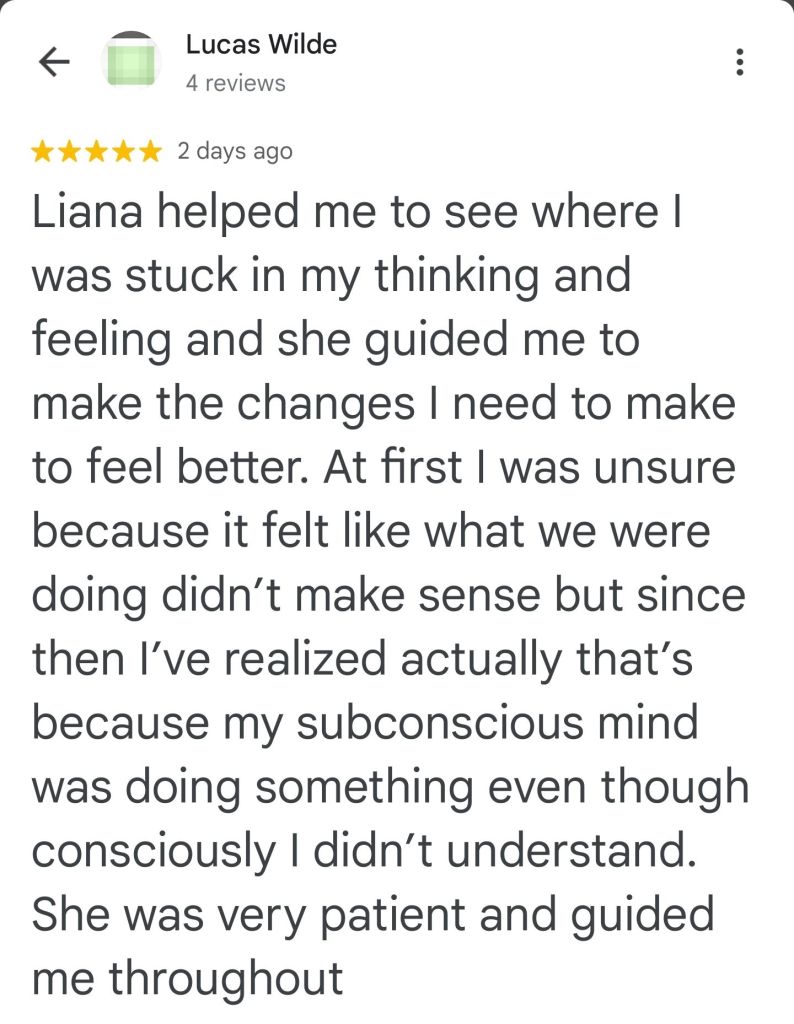
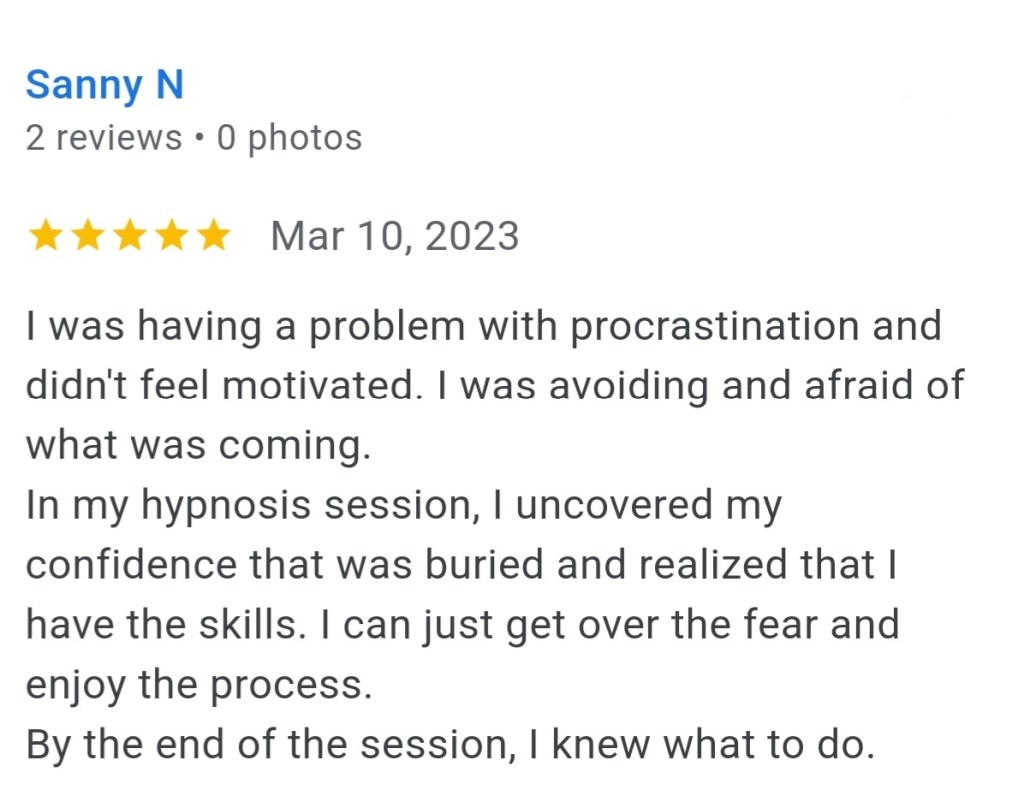
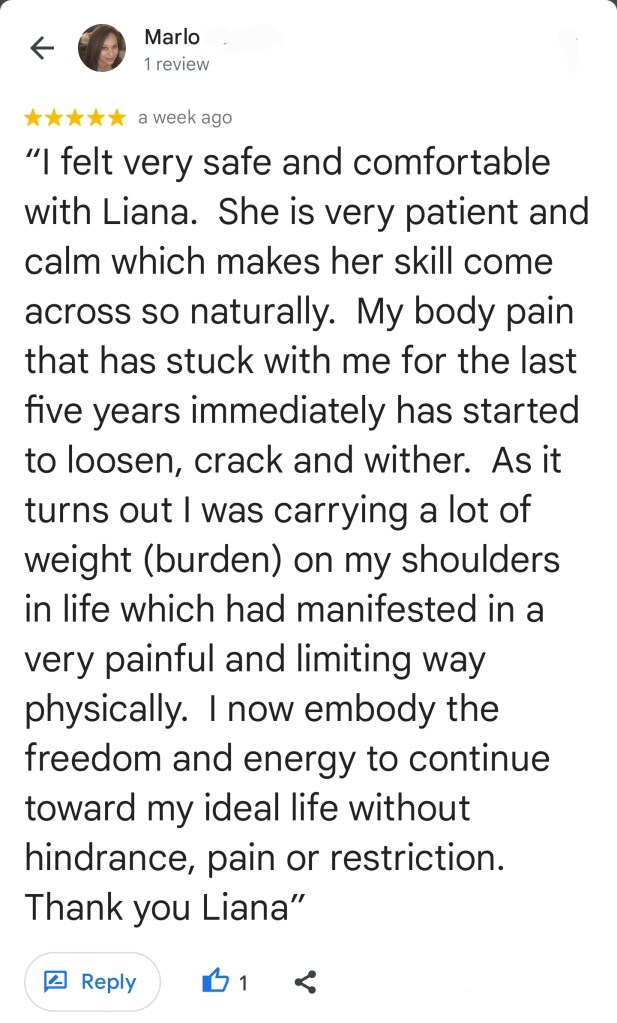
Accelerated Hypnotherapy uses these technologies as well as applied research from Neuroscience to rewire the brain away from thought loops that survivors of betrayal trauma often find themselves stuck, using a process called integration.
When trauma is integrated, you will feel like it is in the past, no longer out there in your future. With each passing day, it will feel further and further away.
Integrating Betrayal Trauma
Time does not heal all wounds.
But you don’t have to stay stuck.
Recognizing the signs early is the first step but you don’t have to go it alone.
Recovering from betrayal trauma doesn’t just happen. It needs intention.
Find a therapist who knows how to use the right tools at the right time to help you find hope, peace and rediscover your authentic self so you can return back to safety and connection.✨
Let’s connect.
Listen, are you breathing just a little and calling it a life?
-Mary Oliver























 Accelerated Hypnotherapy - Rapid Results
Leave a comment