
How betrayal trauma impacts your body and mind
Betrayal trauma doesn’t just live in your thoughts.
You can feel it in your body – can’t you?
When someone you trust breaks that trust, the shock goes deeper than emotions—it sets off a survival response that changes your brain, nervous system, and even your physical health because trauma is carried in the body.
Chronic stress and the body’s alarm system
Research on betrayal trauma shows survivors experience higher rates of chronic stress. That constant alarm drives cortisol dysregulation, immune suppression, and inflammation.
Your body stays stuck in fight-or-flight, as if the betrayal is still happening. Over time, this can lead to fatigue, headaches, stomach issues, cardiovascular strain, and even chronic illness.
The nervous system was built to respond to temporary threats. But betrayal came from someone you trusted – and they lied to your face over and over again.
That makes the body keep scanning for danger, even in safe situations.
Psychological distress linked to betrayal trauma
The mental effects are significant. A review published on PubMed found betrayal trauma is strongly associated with anxiety, depression, and posttraumatic stress symptoms. Survivors often report:
- Intrusive memories and flashbacks
- Hypervigilance and jumpiness
- Emotional numbing and disconnection
These symptoms aren’t weakness. They’re your nervous system locked in survival mode, trying to keep you safe.
Why ignoring betrayal trauma harms long-term health
It’s tempting to think “time heals all wounds.” But ignoring betrayal trauma isn’t harmless. Left unresolved, it compounds into both psychological distress and physical breakdown.
The body keeps score, and trauma shows up in disrupted sleep, appetite changes, loss of motivation, chronic pain, and even higher disease risk.
That’s why betrayal trauma can feel so overwhelming—you’re not just fighting memories, you’re dealing with intense bad feelings in your body caught in overdrive.
The link between trauma and physical illness
Studies show chronic stress and unresolved trauma affect nearly every system of the body. Elevated cortisol damages cardiovascular health, weakens immunity, and fuels inflammation. This explains why survivors of betrayal trauma often report ongoing health issues long after the betrayal itself.
You might notice feeling run down, more colds, gut problems, body aches, or hormonal changes. These are not random—they’re your body expressing the weight of carrying trauma.
Healing betrayal trauma for better health
Recovery requires more than insight or understanding “why” the betrayal happened.
Logic can’t fix trauma.
Traditional talk therapy can sometimes leave you stuck in the story without calming the nervous system. What works best are trauma-informed methods that target both the brain and body.
Approaches that work with what is happening in the brain help dissolve overwhelm gently, integrating emotions and body sensations without re-traumatisation. Approaches like:
- EMDR Flash Technique: a gentler approach to Eye Movement Desensitisation and Reprocessing that reduces distress without forcing you to relive trauma in detail.
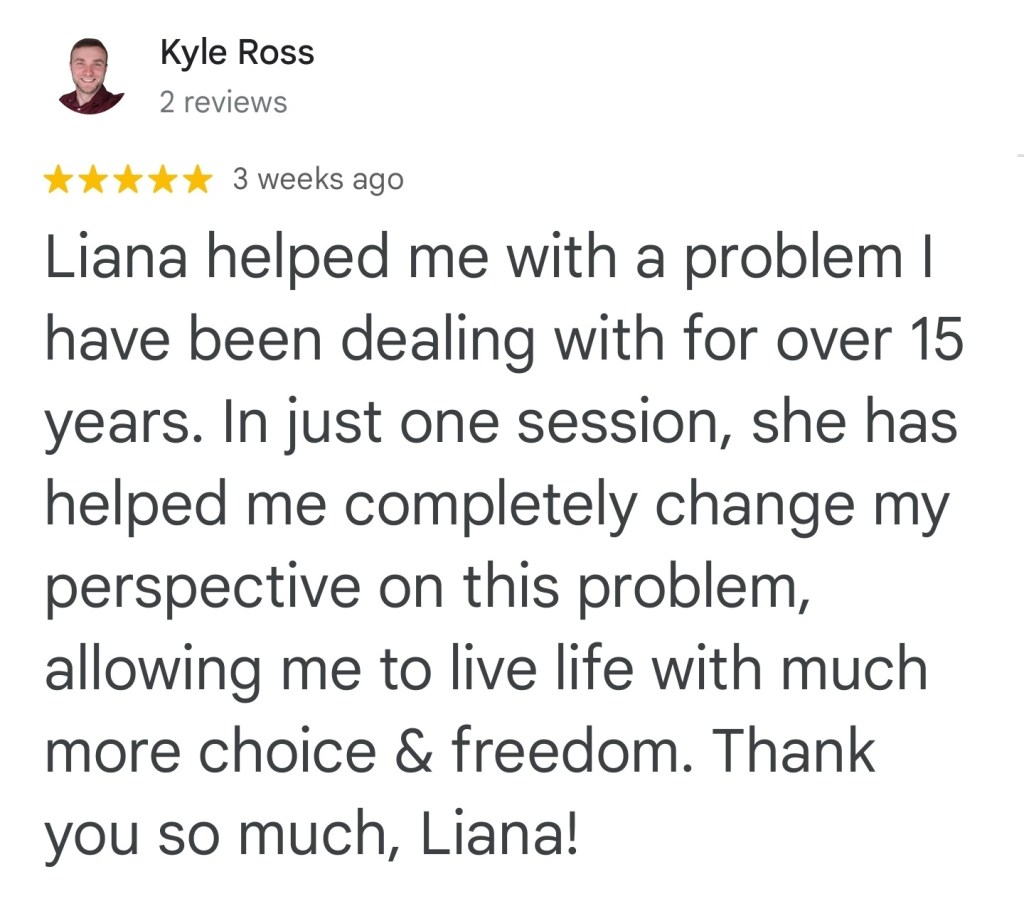
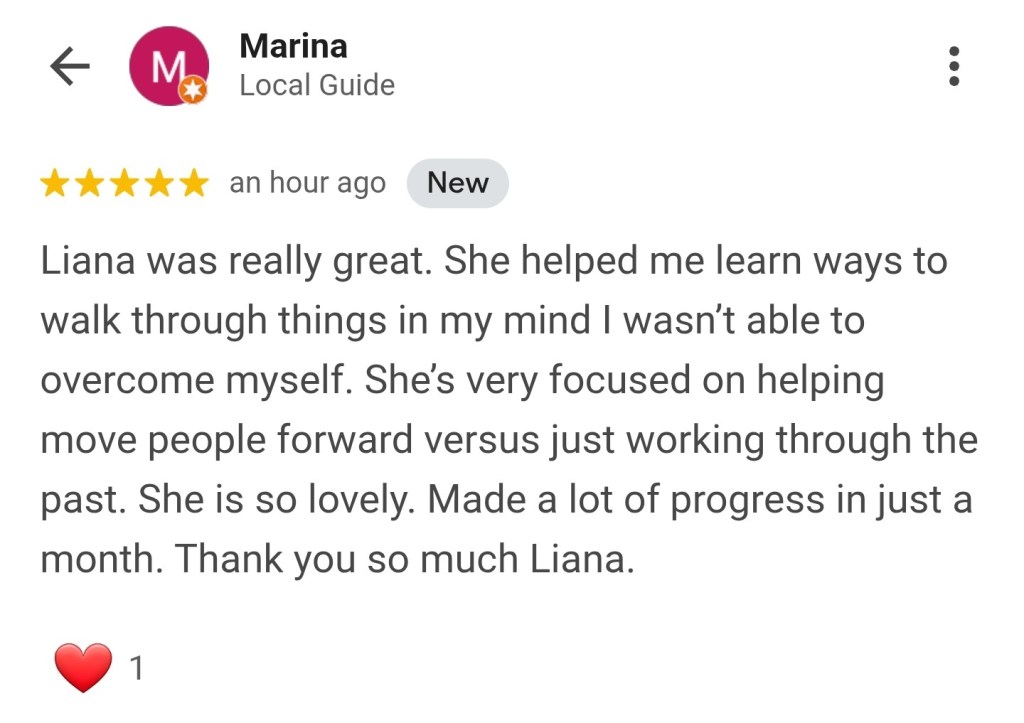
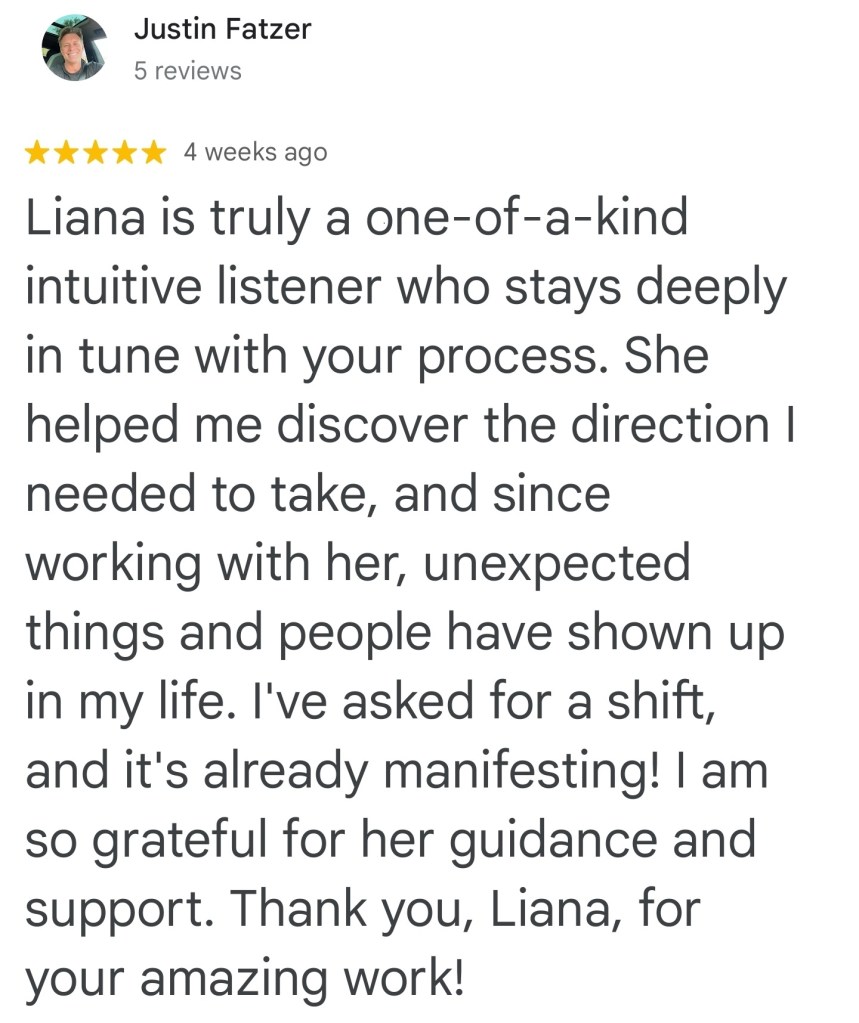
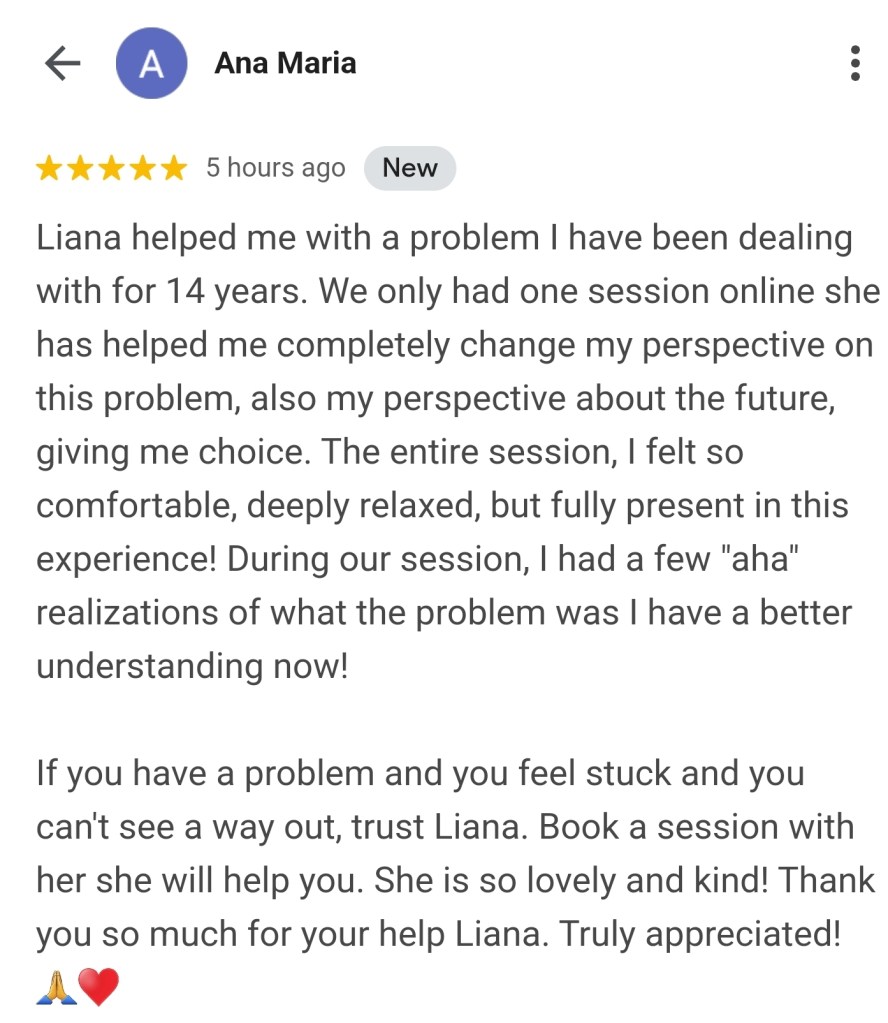
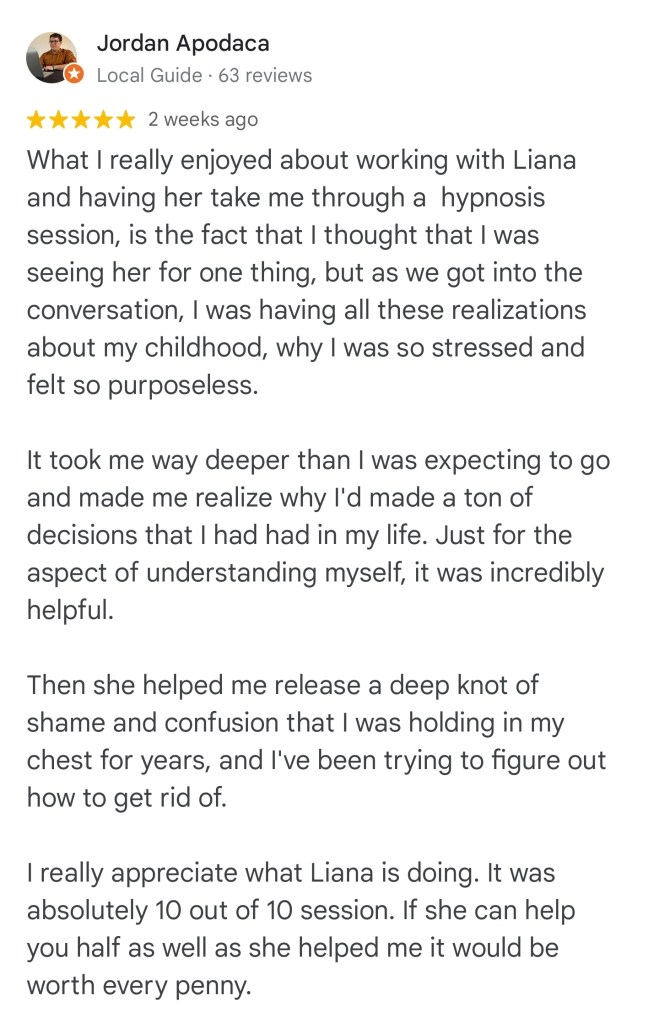
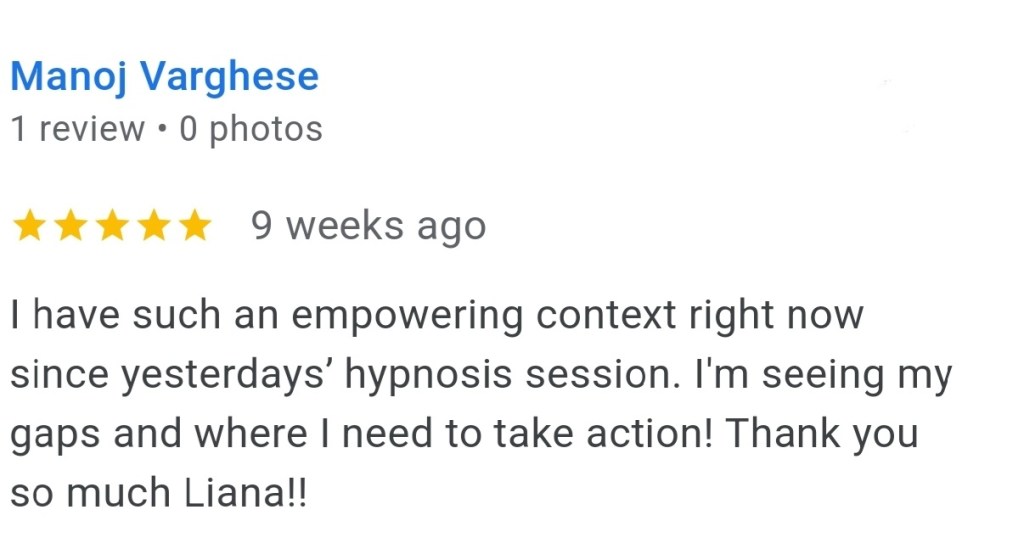
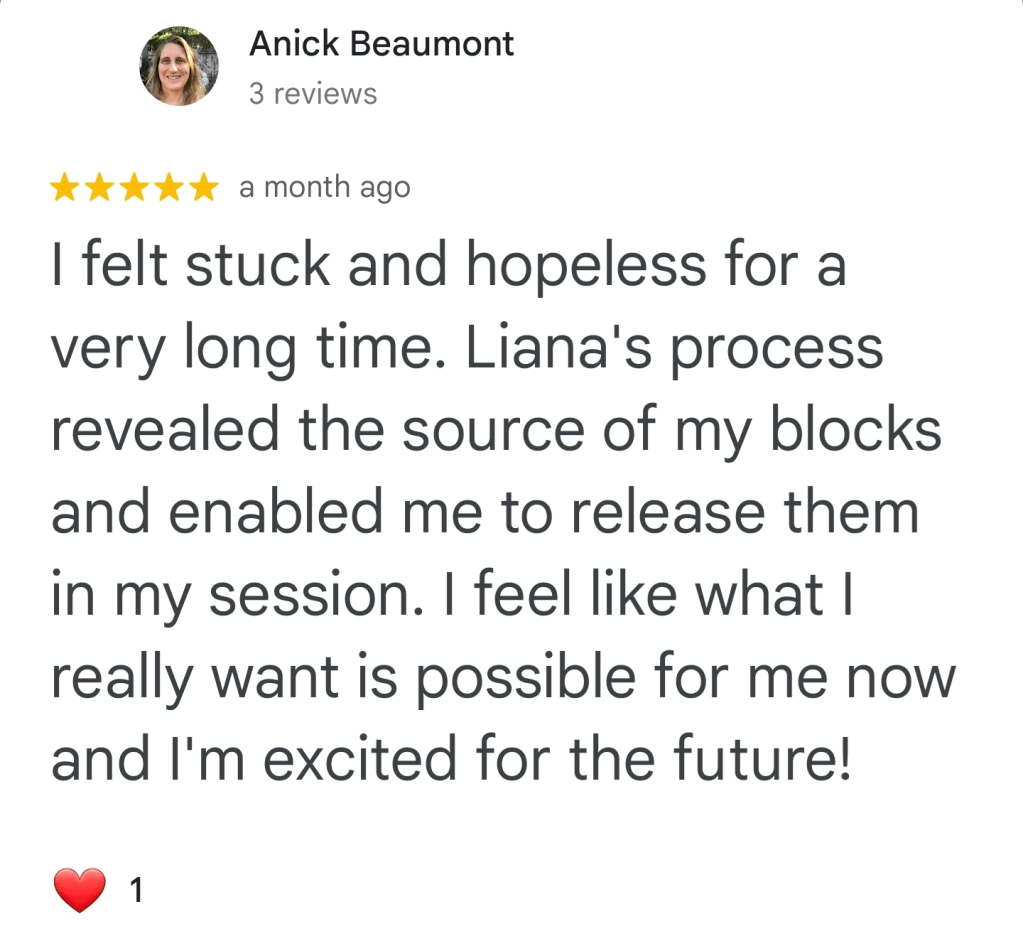
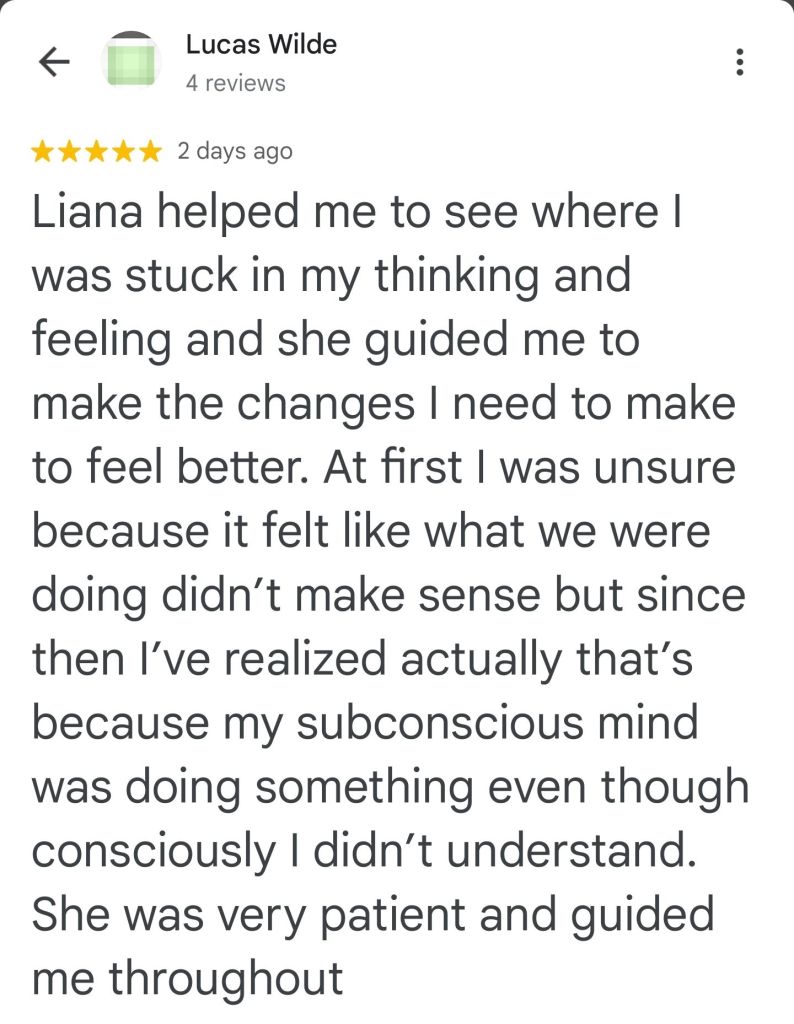
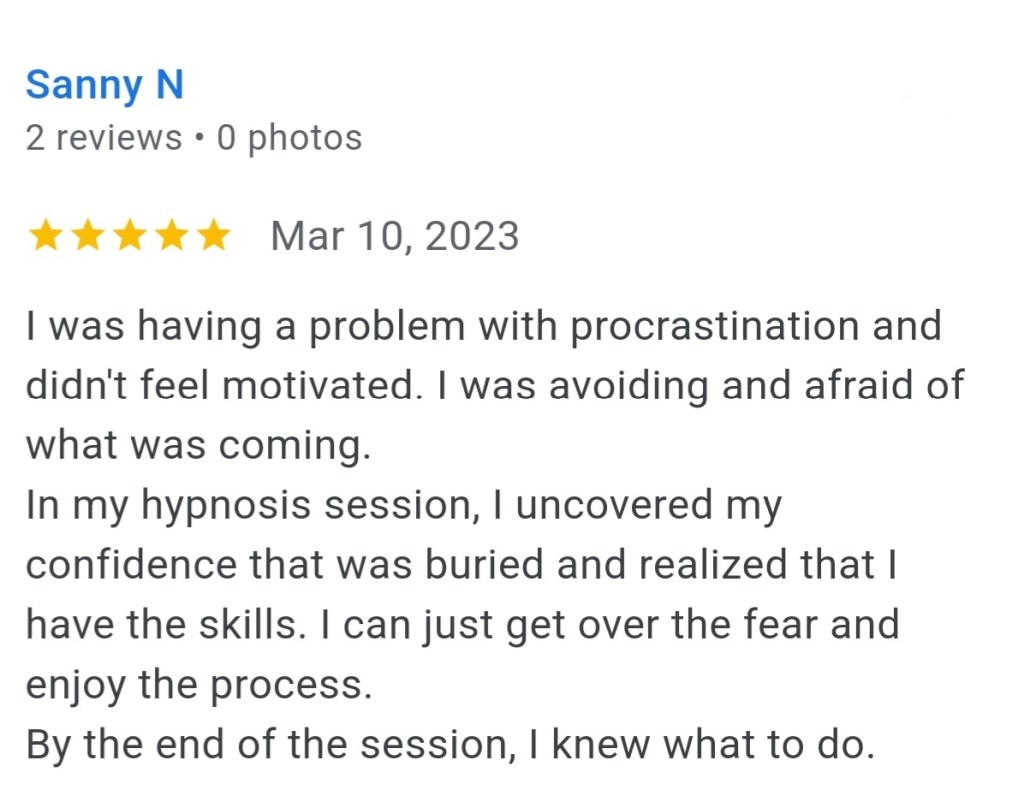
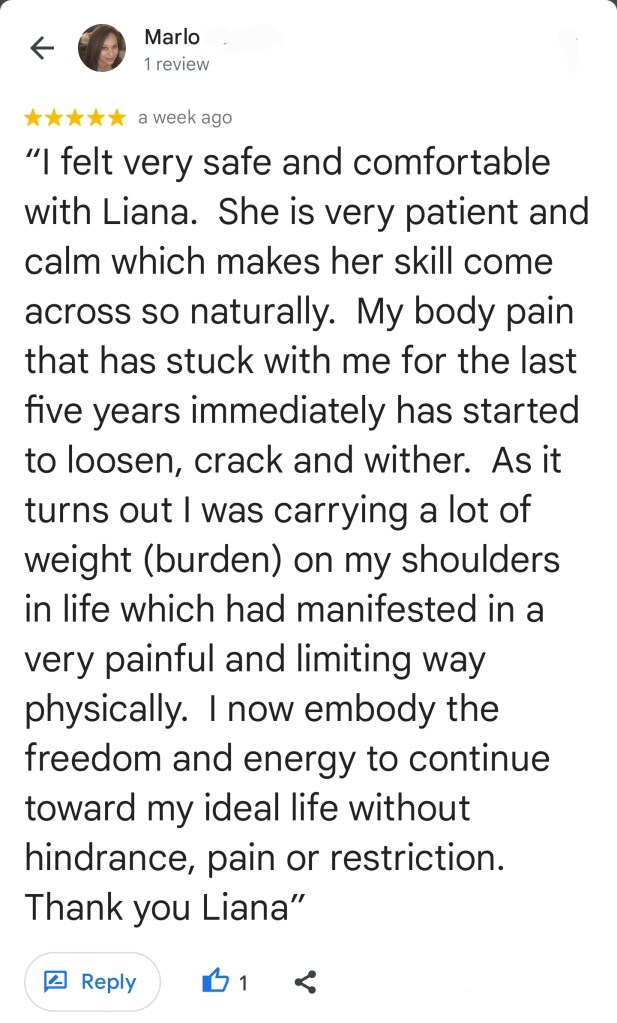
- Accelerated Hypnotherapy: works directly with the subconscious and nervous system, creating lasting shifts that support calm, sleep, and trust again.
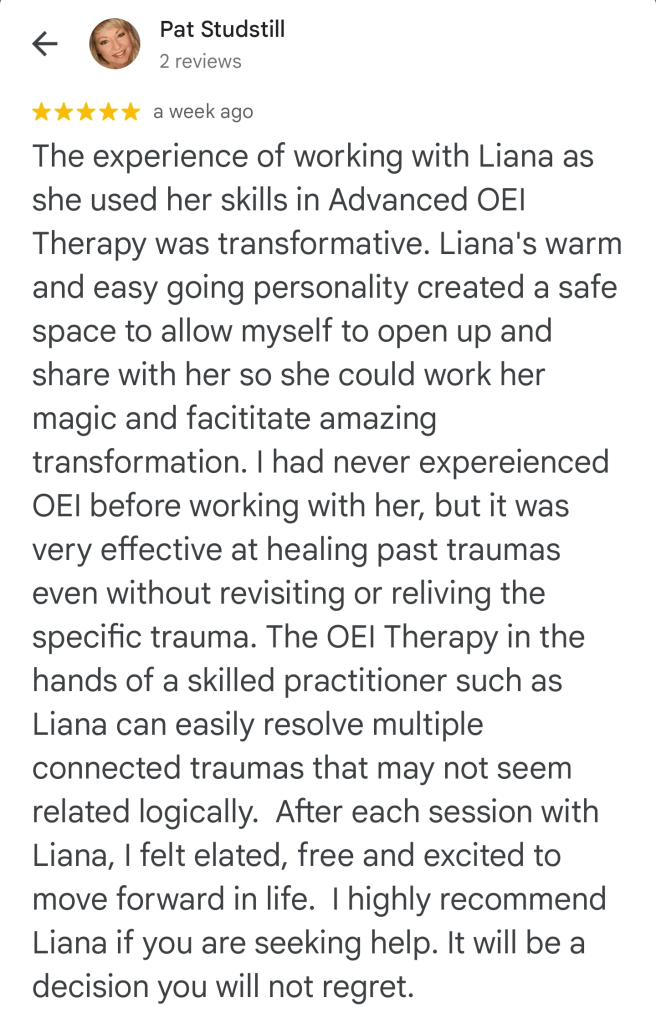
- Observed & Experiential Integration (OEI therapy): uses eye positions and subtle visual processing shifts to unlock stuck trauma in the brain.
These therapies restore balance where words fall short, making it safer for clients who struggle with intense emotional flooding.
By addressing the survival response at its root, these methods help reduce intrusive symptoms and restore balance.
Healing betrayal trauma doesn’t just ease emotional pain—it protects your long-term physical health.
Curious how the digital world makes betrayal even more devastating? Read: How the Internet Affects Betrayal Trauma
Small changes in the subconscious lead to significant shifts at the conscious level.




































 Accelerated Hypnotherapy - Rapid Results
Leave a comment