
Betrayal Trauma: Why Remembering Doesn’t Always Help
When someone you deeply trust lies, cheats, or betrays you, the pain doesn’t stay neatly in your mind — it gets stored in your body and nervous system.
Betrayal trauma isn’t just emotional heartbreak. It’s a full-body experience that overwhelms your brain and stops it from encoding memories.
Betrayal trauma happens when the person you rely on for safety becomes the source of pain. Your brain tries to protect you from the unbearable truth, splitting memory into two categories — explicit and implicit.
Explicit memories are declarative the ones you can recall and state clearly — the story, the sequence, the words that were said.
You might remember finding the messages, discovering the affair, or watching the trust crumble in real time. These memories are stored in the part of your brain that organizes facts and timelines (the hippocampus).
But betrayal trauma messes with this process. The emotional shock floods your system with stress hormones, temporarily shutting down the hippocampus while your brain’s emotional alarm (the amygdala)— goes into overdrive.
Instead of being filed away neatly in the past, the memory becomes fragmented.
That’s why individuals with betrayal trauma remember everything in vivid detail — the tone of voice, the smell in the room, the exact words — yet still feel completely disoriented.
Your emotional brain hasn’t caught up.
So, even when the event is “over,” your body still feels unsafe. A text notification, a glance, or a change in tone can trigger the same physical reaction as the original betrayal — heart pounding, stomach dropping, adrenaline rushing.
The paradox of remembering
Here’s the problem: Betrayal survivors are often told that talking about what happened — remembering more — will bring relief.
But here’s the thing.
When you try to remember the betrayal, your emotional brain doesn’t know it’s a story. It thinks it’s happening again. This reactivation, called revivification, floods your nervous system with the same chemicals as the original trauma.
That’s why talk therapy can sometimes make betrayal trauma feel worse before it gets better.
Why betrayal memories feel “stuck”
The facts about what happened (explicit memories) can be processed logically, but the emotional imprints and body sensations (implicit memories)— don’t follow logic and can’t be reasoned with.
Logic can’t fix emotion.
Emotional imprints are stored in your nervous system, not in the part of your brain that understands words. This is why survivors often say things like:
“I know it’s over, but my body doesn’t feel like it.”
“I can’t stop seeing it — even when I’m trying not to think about it.”
“I’m trying to get over them, but my stomach still drops every time my phone buzzes.”
These are signs that the emotional and physiological parts — implicit memories are still active.
How to heal betrayal trauma without retraumatizing yourself
Healing betrayal trauma isn’t about remembering more or figuring out why.
It’s about helping your brain file memories into the past where they belong — without setting off the alarm every time you think about them.
Neuroscience-based approaches like Accelerated Hypnotherapy, which integrates OEI Therapy, applied neuroscience, and the EMDR Flash Technique can help your brain reprocess betrayal memories without forcing you to relive them.
These techniques can stop the fire, calm the amygdala, re-engage the hippocampus, and restore balance between logic and emotion.
Once your brain and body realize the danger is over, your system can finally integrate the experience. The flashbacks fade ontheir own, the panic eases, and your mind quiets.
You stop looping on the memory because it’s no longer floating around in the present moment and won’t feel like it’s happening right now.
You don’t have to remember to recover
You just need to give your brain the safety and space to finish what it started — to process what happened, file it away, and make room for a new chapter of peace, safety, and possibility.
You’re just one session away…
Small changes in the subconscious lead to significant shifts at the conscious level.




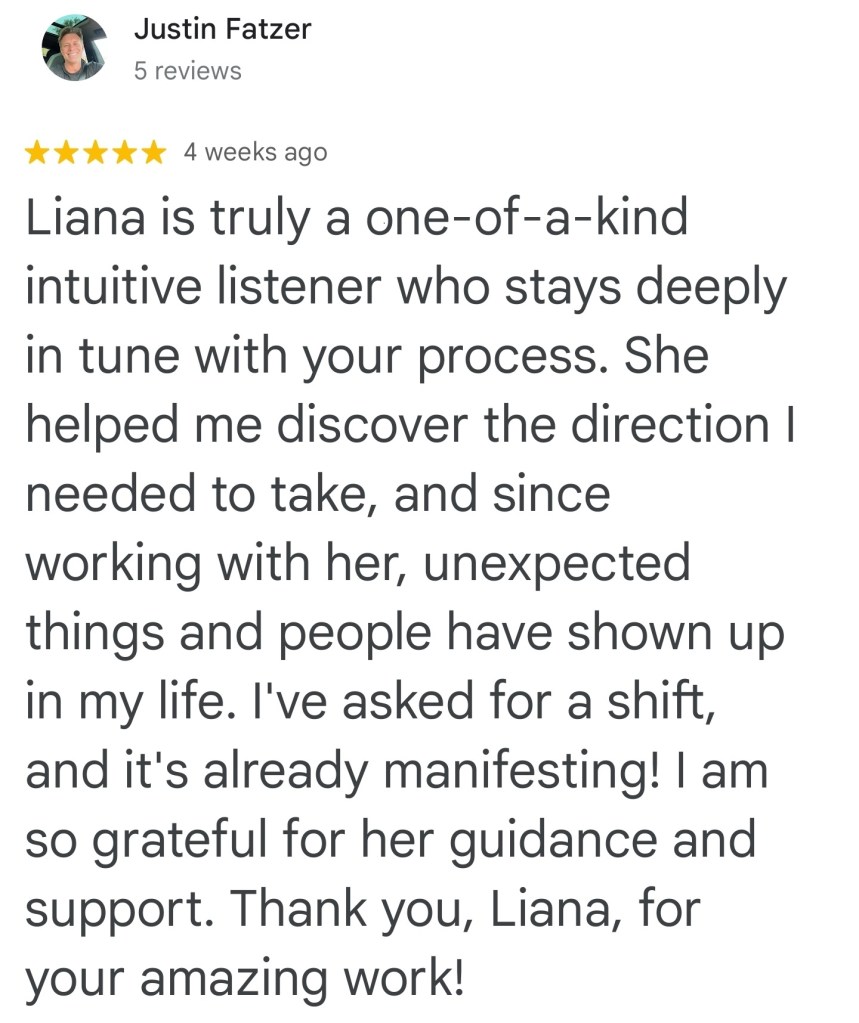

















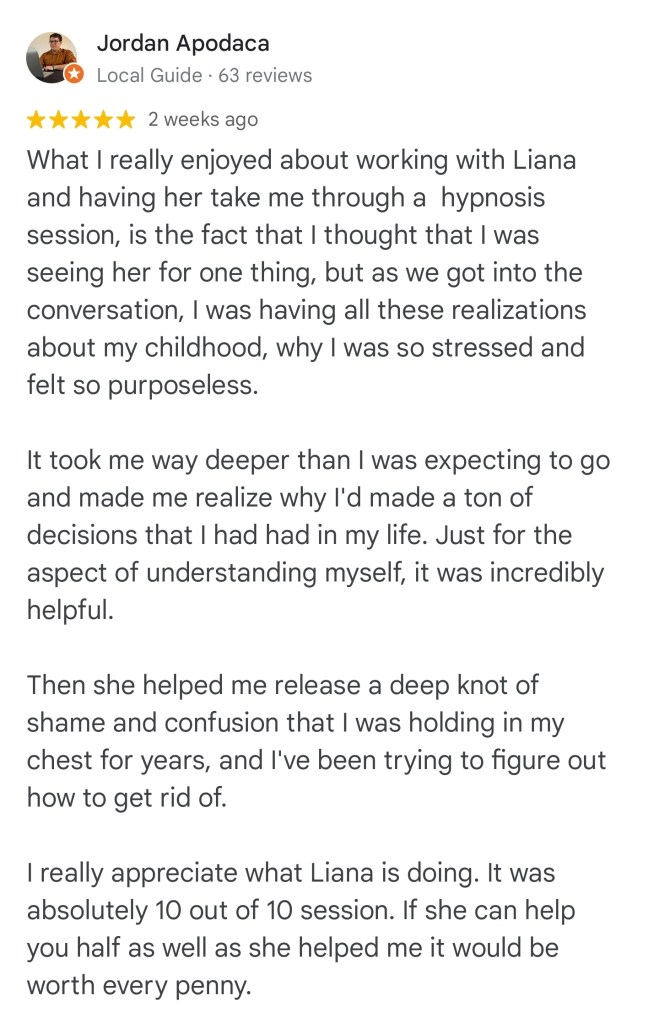





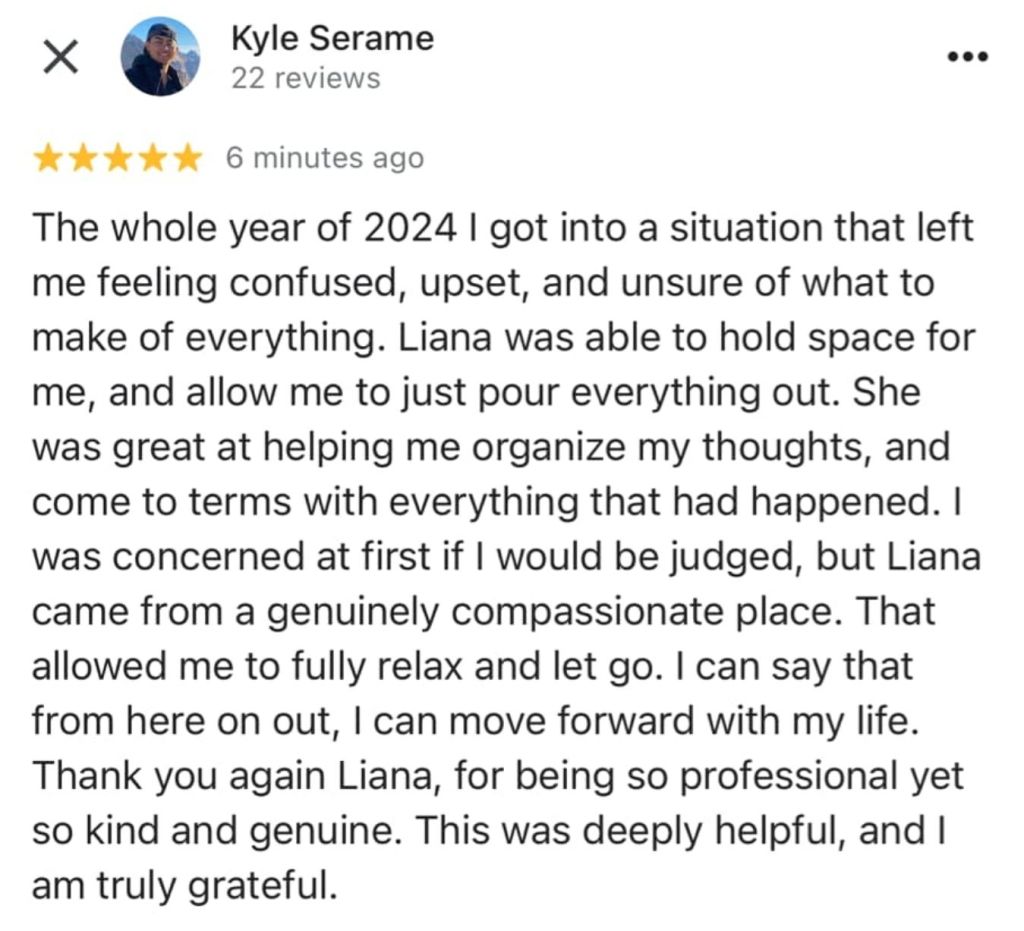





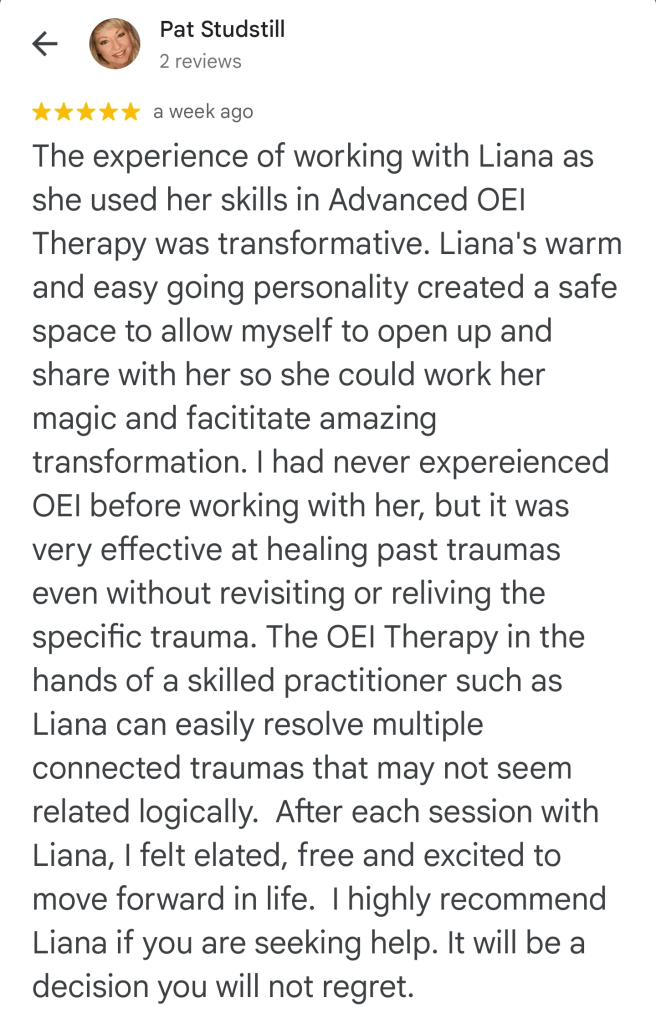



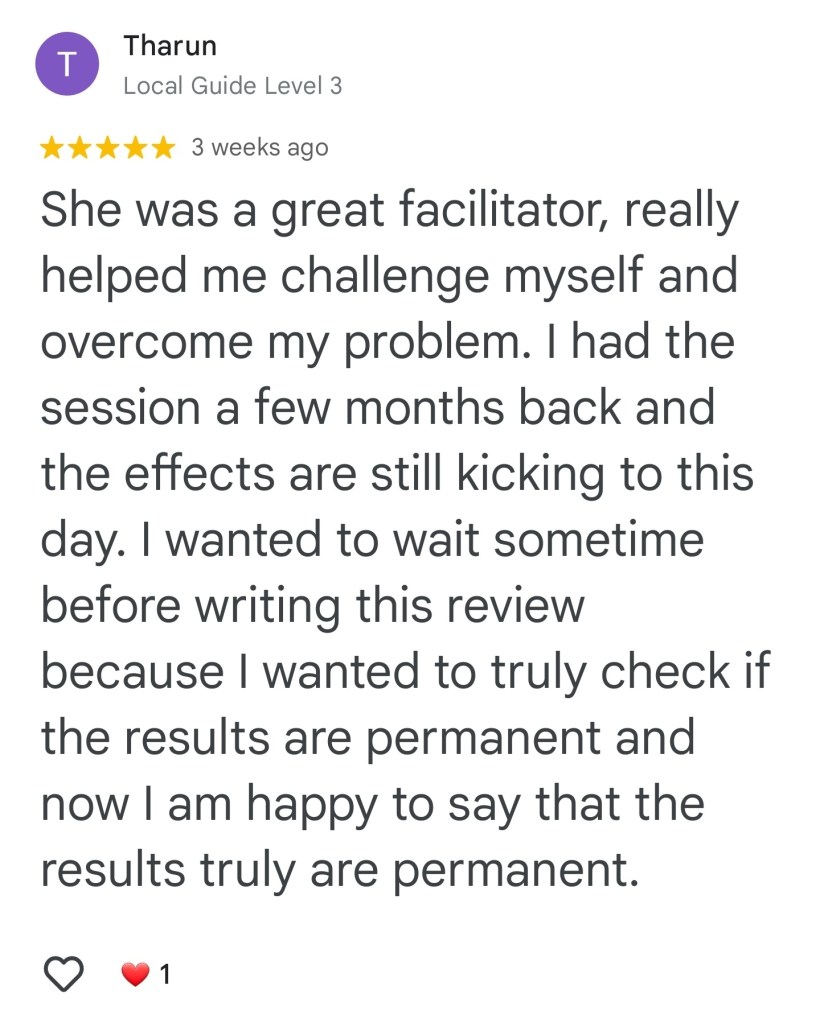
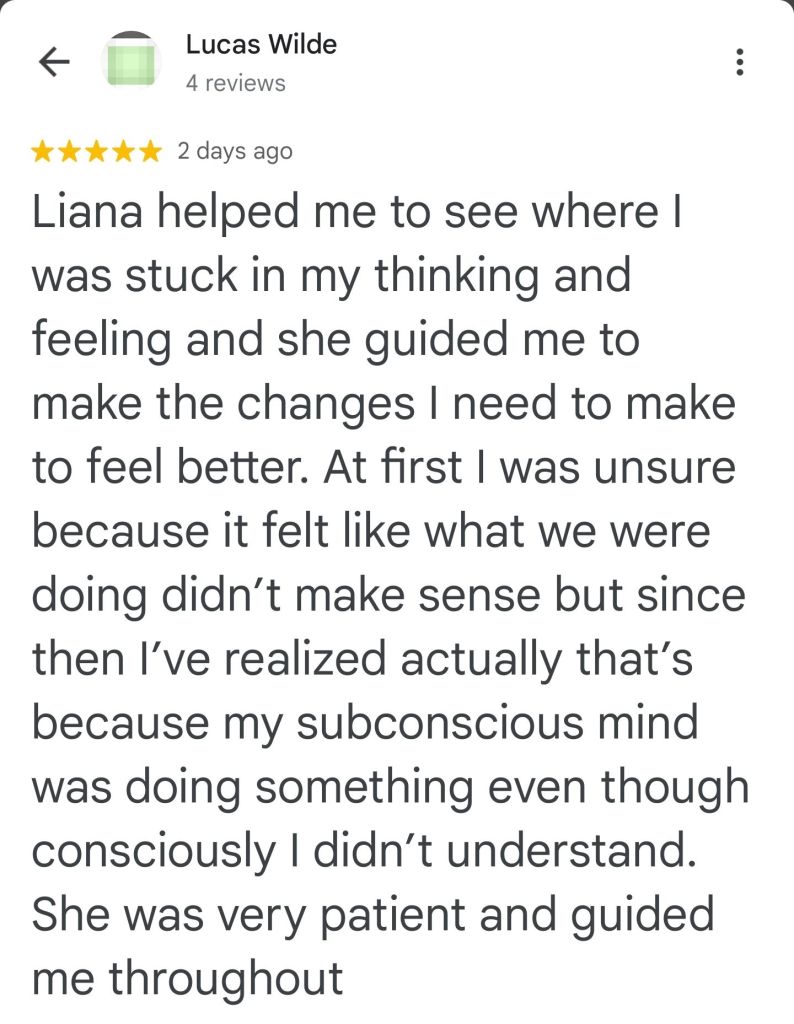






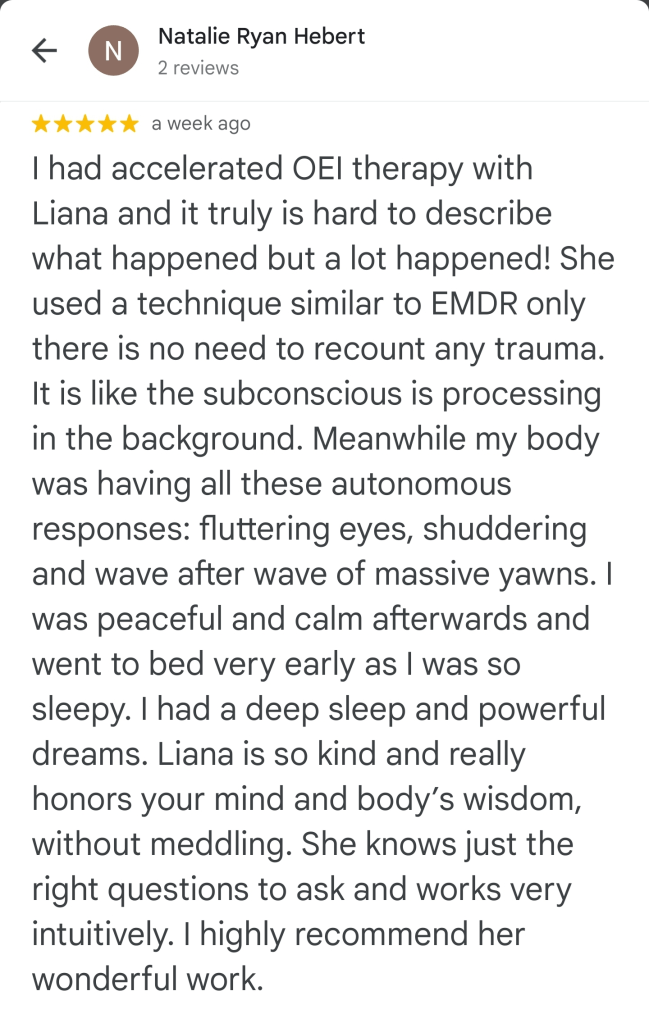




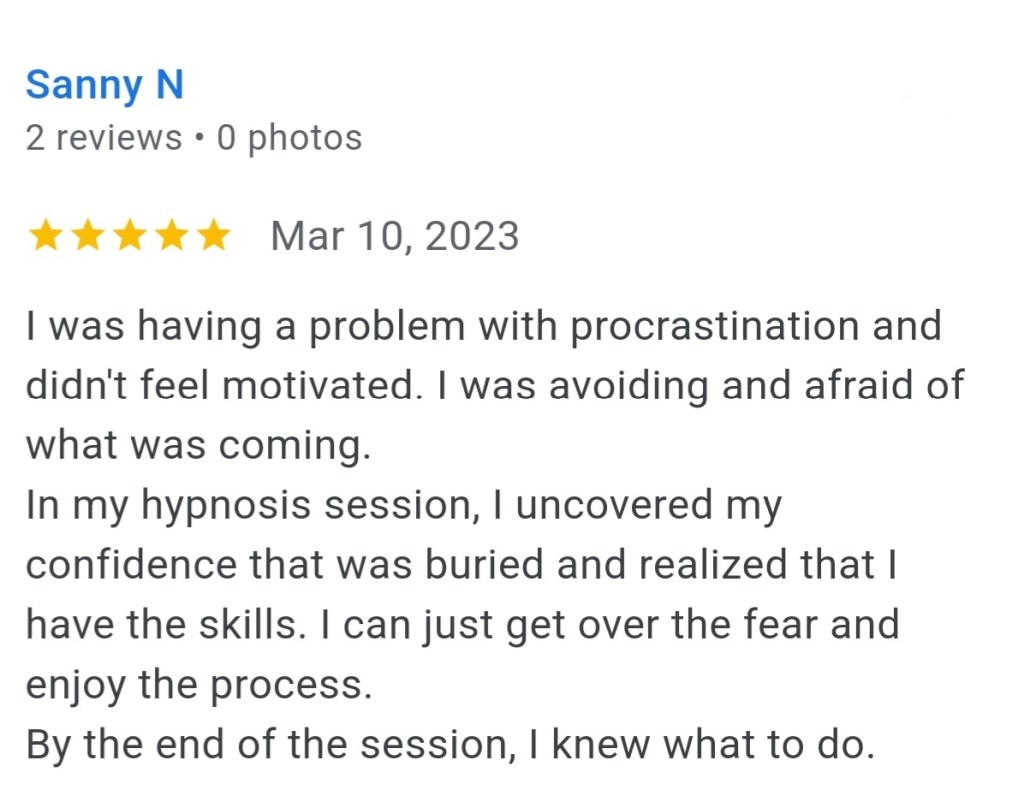

 Accelerated Hypnotherapy - Rapid Results
Leave a comment