
Are Your Weight and Eating Issues Linked to Past Trauma?
Are you eating right, exercising, doing all the things but you still have weight issues?
Or maybe weight and eating is the one area that you’ve always struggled?
Weight and eating issues—whether obesity, food restriction, rapid weight gain or extreme weight loss—are often viewed through a narrow lens of diet and exercise.
If you’ve had issues since childhood or something happened recently and it seems to have affected your weight, the root cause might lie deeper, in the emotional scars of trauma because trauma is held in the body.
As time passes, unresolved trauma can influence how we relate to food, our bodies, and ourselves, whether we are aware of it or not.
Let’s explore research on the connection between trauma and weight issues.
The Hidden Link Between Trauma and Weight
Trauma, whether from childhood abuse, neglect, loss, or other distressing events, can leave lasting imprints on mental and physical health.
As children, we are vulnerable and looking back, things might not seem traumatic but may have left an impression at a young age when we didn’t have the same resources to deal with things that were overwhelming.
When we experience trauma, our bodies enter survival mode, triggering stress responses that alter how we process emotions and even food.
Research shows that trauma can disrupt the brain’s stress-regulation systems, particularly the hypothalamic-pituitary-adrenal (HPA) axis, which controls cortisol, the stress hormone.
Elevated cortisol levels can increase appetite, promote fat storage (especially around the abdomen), and lead to cravings for high-calorie, comfort foods.
A 2022 study found that individuals with a history of trauma had higher rates of obesity and disordered eating patterns. The researchers noted that trauma survivors often use food as a coping mechanism to soothe emotional pain, a behavior known as emotional eating.
For some, this manifests as overeating, while others may restrict food intake to regain a sense of control, leading to cycles of weight gain and loss.
Emotional Eating: Food as a Coping Mechanism
For many trauma survivors, food becomes a source of comfort or control in the face of overwhelming emotions. Emotional eating is not about hunger but about numbing pain, anxiety, or shame.
A 2020 study found that childhood trauma, such as physical or emotional abuse, was strongly linked to binge-eating disorders in adulthood. The study highlighted that trauma survivors often turn to food to self-soothe, as it temporarily boosts dopamine, the brain’s “feel-good” chemical.
This behavior can create a vicious cycle: eating to cope with distress, followed by guilt or shame about weight gain, which deepens emotional pain. Over time, this can lead to obesity or other weight-related health issues, reinforcing negative self-image and perpetuating the cycle.
Trauma’s Impact on Body Image and Self-Worth
Trauma doesn’t just affect eating habits—it can also distort how we see our bodies. Survivors of abuse or neglect may internalize feelings of worthlessness, leading to body dissatisfaction or a desire to “hide” through weight gain or loss. A 2021 study found that individuals with trauma histories were more likely to experience body dysmorphia and engage in unhealthy weight-control behaviors, such as extreme dieting or over-exercising.
For some, gaining weight can feel like a protective shield, creating a physical barrier against further harm. For others, losing weight excessively may reflect a need to hide/avoid or exert control over a chaotic internal world. Both patterns stem from the same root: trauma’s impact on self-perception.
The Role of Stress and Metabolism
Chronic stress from unresolved trauma can wreak havoc on metabolism. Cortisol not only increases appetite but also slows metabolism, making it harder to maintain a healthy weight. A 2018 study found that chronic stress alters gut microbiota, which plays a role in digestion and fat storage. This biological shift, combined with emotional eating, can make weight management feel like an uphill battle, even if you’re doing all the things.
Stress and Sleep Issues
Moreover, trauma can disrupt sleep, another factor linked to weight gain. Poor sleep increases levels of ghrelin, the hunger hormone, while decreasing leptin, which signals fullness. This imbalance can lead to overeating.
Breaking the Cycle: Healing from Trauma
Addressing weight issues rooted in trauma requires more than diet plans or gym routines—it starts with healing the emotional wounds.
If you’ve been trying to go it alone, or have been focused on diet and exercise, you may need support.
Hypnotherapy has been shown to help people with PTSD because it matches how trauma shows up and offers a way to work with those symptoms.
People with PTSD often have dissociation, memory gaps, or vivid flashbacks. Since many trauma survivors are highly hypnotizable, hypnosis gives safe way to resolve hidden or painful memories without retraumatizing.
Accelerated Hypnotherapy gets a boost from OEI therapy, which can help process trauma and reduce emotional eating. Research shows that trauma-focused therapy improved both mental health and eating behaviors in participants.
A Path to Healing
Weight issues tied to trauma are not about a lack of willpower or motivation but about the body and brain’s response to ovwerwhelming, painful experiences.
By understanding this connection, you can approach weight management with compassion rather than judgment and frustration.
Healing from trauma is a journey, but it’s one that can lead to a healthier relationship with food, body, and self.
If you’re struggling with weight issues and suspect trauma may be a factor, know that you’re not alone. Because trauma is so overwhelming, your brain and body can stay stuck in weight issues for years, sometimes decades.
Maybe you’ve tried everything, except working with trauma.
Here’s the thing.
We often dissociate from trauma, it goes subconscious, we’re not aware of it anymore. This might have happened when you were a child and you’re not quite sure anymore.
It might feel like something is going on below the surface with your weight issues, like something other than hunger is compelling you to eat (or restrict), something’s affecting your weight other than diet and exercise.
If it was diet, exercise, motivation, and discipline, you probably would have figured it out by now.
But with trauma, you might need a bit of help to get unstuck.
Seeking help can be a powerful first step toward healing.
Let’s connect.
Small changes in the subconscious lead to significant shifts at the conscious level.
When you’ve tried everything but nothing seems to be working…
Transformation doesn’t have to take years…
If it has been, you’re probably trying to use your logical, conscious mind to solve issues that need to be resolved at the subconscious level.
If your conscious mind could have solved the problem, you probably would have figured it out by now.
Some problems can be fixed with your conscious mind. You apply logic and intention to the problem and it goes away because they don’t have an underlying emotional aspect to them.
Sometimes, despite our best efforts and solutions provided by reading self-help books, getting advice from youtube, traditional therapy, affirmations, meditation, we still feel stuck, feeling like something is blocking us from moving forward.
Years of therapy might not be able to fully address deeper, unresolved emotional issues or deep-rooted subconscious beliefs that are working against you, in the background, just below the surface. It can create an invisible barrier that’s limiting, restricting, and preventing you from living the life you want to live now.
Accelerated Hypnotherapy works with your subconscious mind to discover these deeper layers to identify and transform the subconscious blocks that are keeping you from moving forward. By aligning your conscious goals with your subconscious programming, you can unlock a new level of insight and freedom, and finally break free from the subconscious blocks that have been holding you back from your best life. Ever.
Unlock Your Full Potential with Accelerated Shifts
You may be a high-performing individual but there’s one specific area where you feel stuck, one theme that keeps coming up, that prevents you from living your best life.
There are different types of problems, there may be obstacles standing the way. If you’ve been experiencing issues for a while, like a pattern that keeps repeating, these things most likely come from your past – not from the here and now.
When you resolve the past, you actually get out of your own way.
That’s when the path to your success becomes easier.
Accelerated Hypnotherapy specializes in helping you achieve rapid transformation and finally break free from persistent problems that we keep reliving over and over.
Our evidence-based approach is designed to address and quickly rapidly persistent problems that have kept you from living a life you love, empowering you to access possibilities in the present moment and achieve the success you deserve.
By connecting you with your subconscious mind, we can unlock the solutions and outcomes you’ve been seeking, allowing you to move forward with confidence and clarity.
You can experience the power of your subconscious mind and start your journey toward a more fulfilling and successful life now.
The Neuroscience of Hypnotherapy
When you have a recurring issue, a persistent pattern or habit that is keeping you stuck, we can help your subconscious mind can find insights to different ways of being, loosen up rigid ways of thinking, feeling and being, and create new neural pathways in your brain.
Change your brain, change your life.
New pathways lead to new possibilities.
Press play to see how neurons connect with each other to create these physical pathways in your brain that can be strengthened in an Accelerated Hypnosis session.
Cognitive pathways being created with new neural synapses
Your mind expands as these new physical neural pathways create new choices and new ways of being that stay with you after your session. Change becomes possible when you have new choices, resources, and solutions that arise from your subconscious insights.
Research on hypnosis has shown to help identify triggers, modify behaviors; reduce stress, anger, and impulsivity; build self-esteem and motivation; and enhance the effectiveness of treatment for lasting change.
If you’re stuck in old patterns of thinking, feeling and being…
New neural pathways created in Accelerated Hypnotherapy make it easier to choose empowering behavior.
These new choices are not based on what you’ve always done but you actually become free to choose.
This is real choice.
This is how to access new possibilities and create a whole new future – one that is not determined by your past.
This is why Accelerated Hypnotherapy that is boosted with OEI therapy is a powerful tool for healing trauma, relationships, problematic patterns by addressing the psychological and emotional aspects of authentic change to promote lasting benefits – even when nothing else has worked.

You can uncover the root causes of deep-seated issues and draw from your resourcefulness and creativity because when you shift painful patterns and limiting beliefs, it literally changes the physical pathways in your brain.
This shift creates new, positive habits and behaviors that will support pathways to success.
Accelerated Hypnotherapy is a rapid form of deep-change based on the transformational work of Dr. Milton Erickson.
Our experienced hypnotherapists are also trained in euroscience, understanding how change occurs in both the mind and the brain, so you are free to be your authentic self.
Our sessions are 2 hours, a little longer than regular therapy sessions to allow you to connect deeply with all the resources and answers that are already waiting for you in your superconscious mind.
We don’t use generic scripts where we try to figure out your problem with the conscious mind. If you can’t figure out your problem, how is a generic script supposed to get to the root cause of your unique experience?
It can’t.
It doesn’t.
Generic scripts just move the symptoms around. So a smoker might stop smoking but start eating or vaping because the root cause is still running the show.
When we get the conscious mind out of the way, your subconscious will find all the right resources and solutions to resolve your unique past.
Maybe your subconscious has led you to this very place because this is the answer you’ve been looking for all along…
Let’s connect.
Heal the Past
“Until you make the unconscious conscious, it will direct your life and you will call it fate.”
– C. Jung
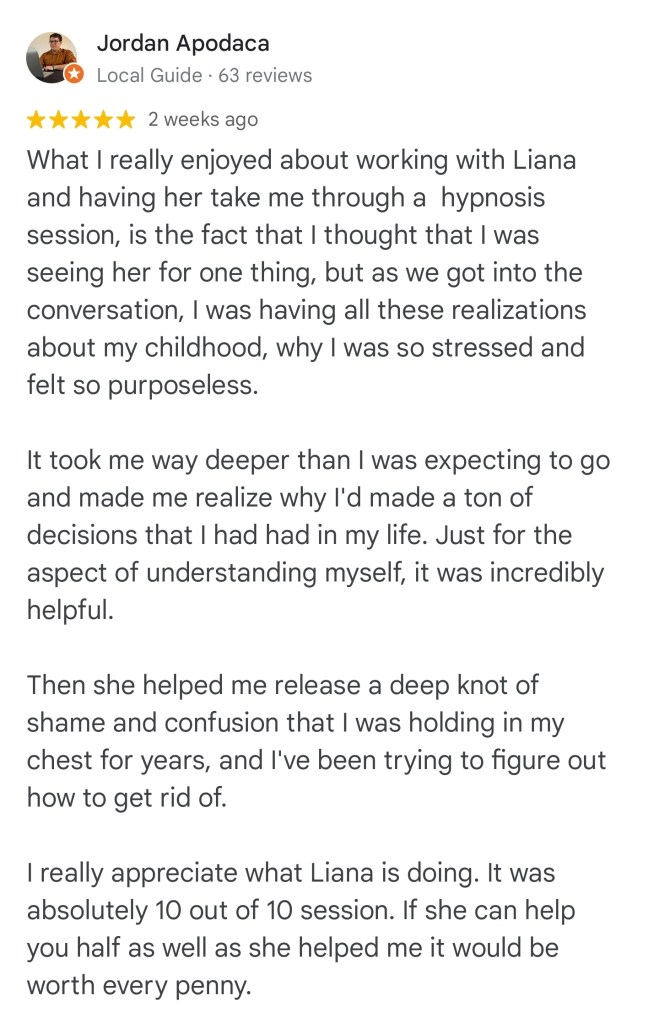
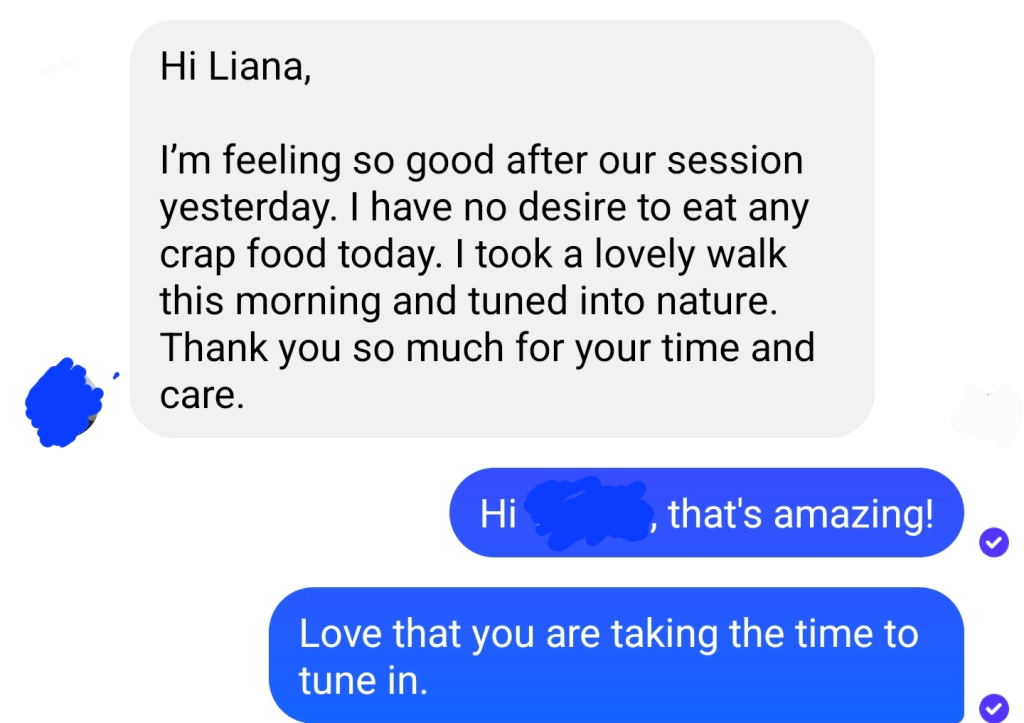
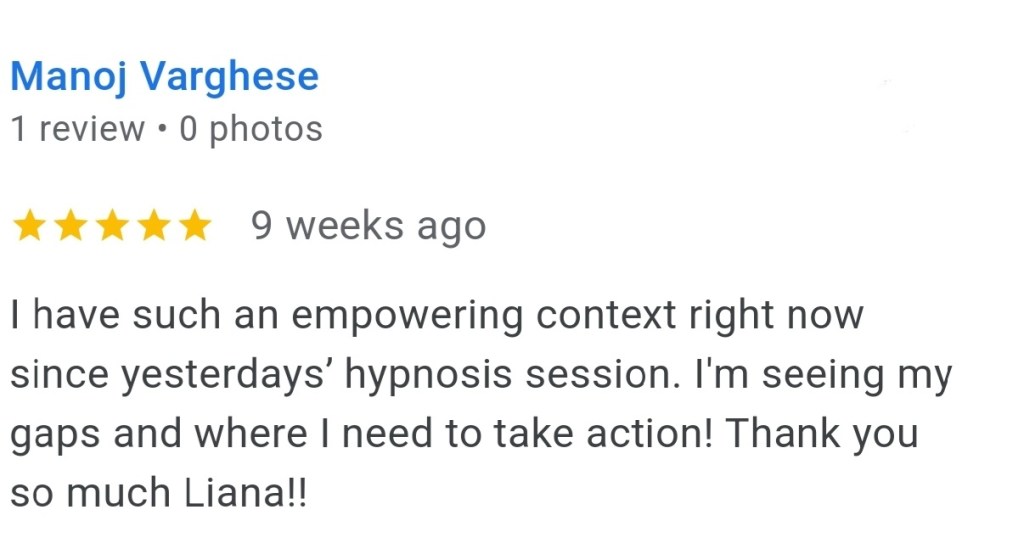
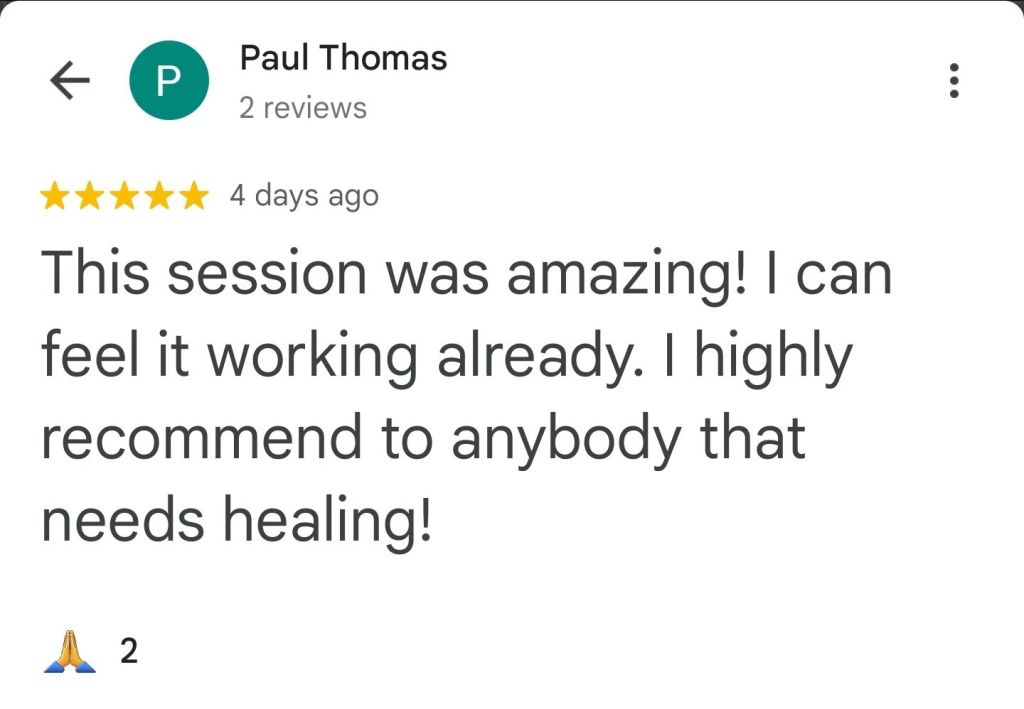
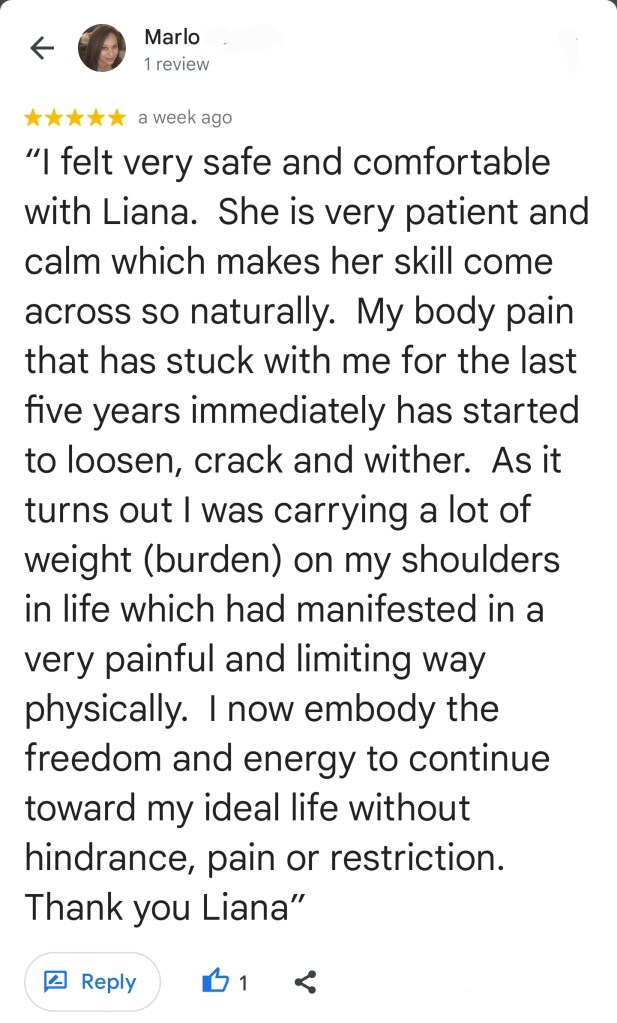
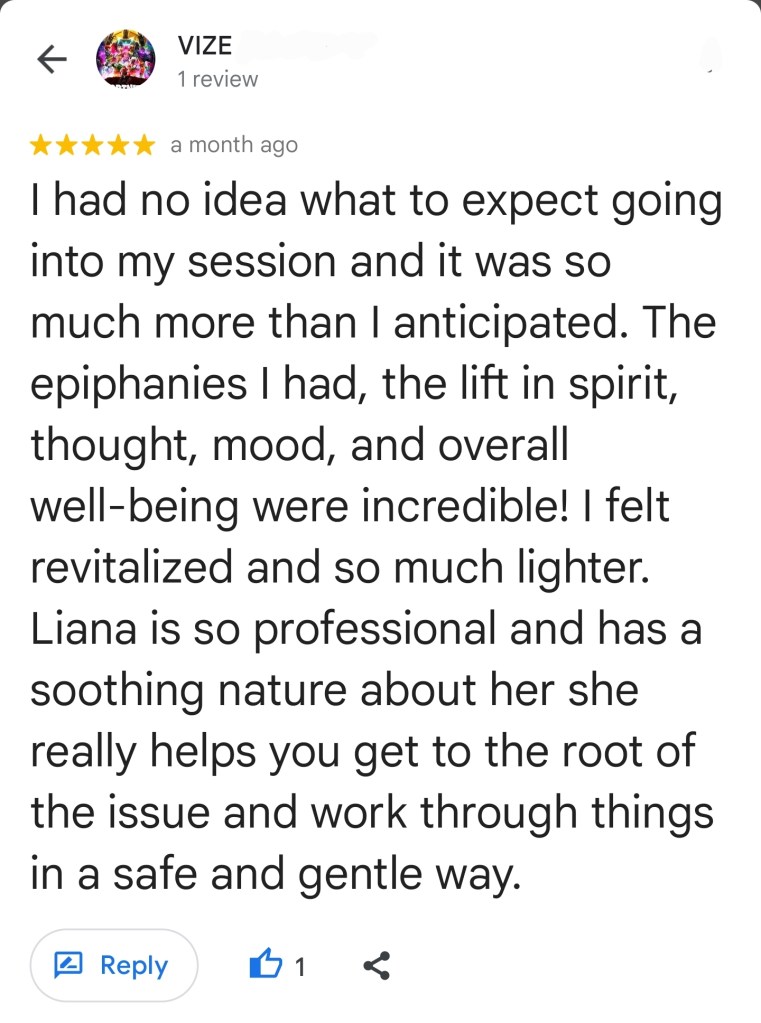
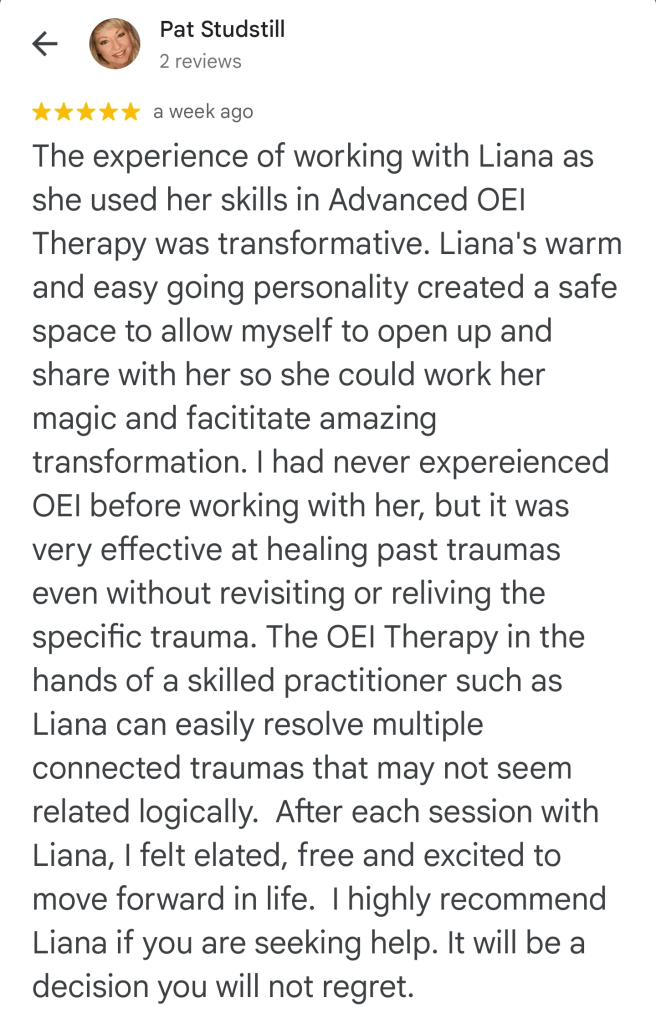
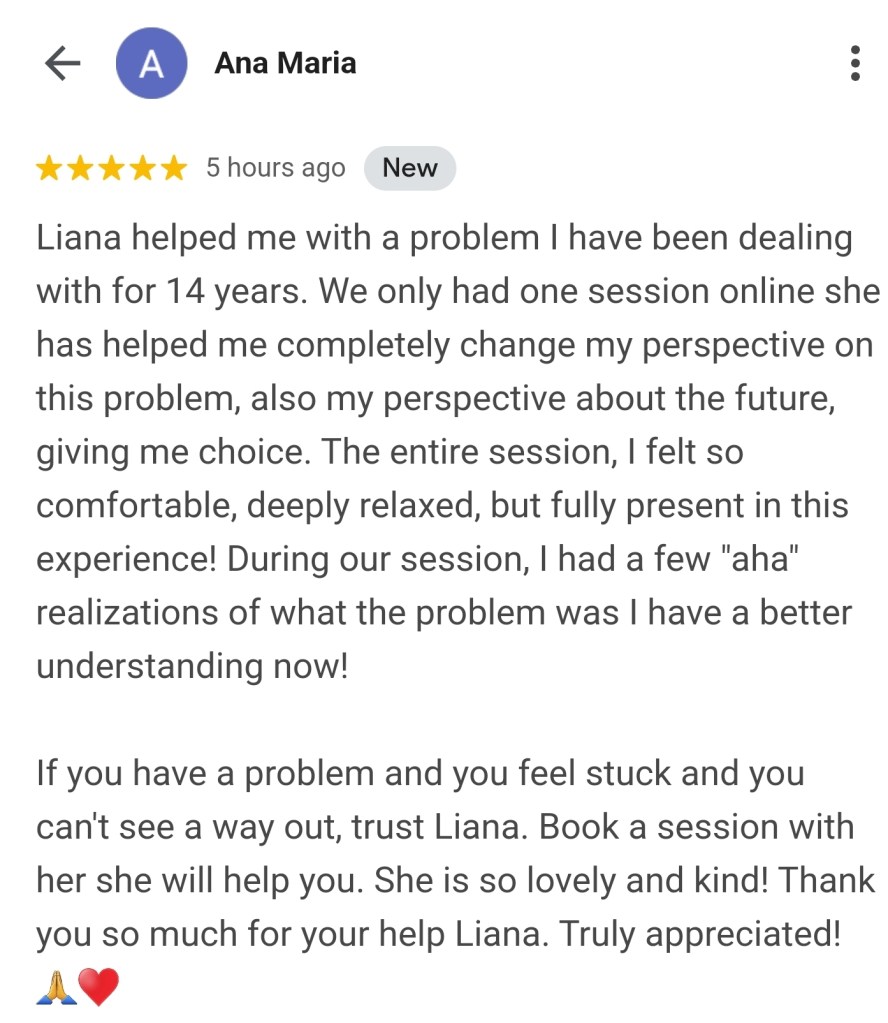
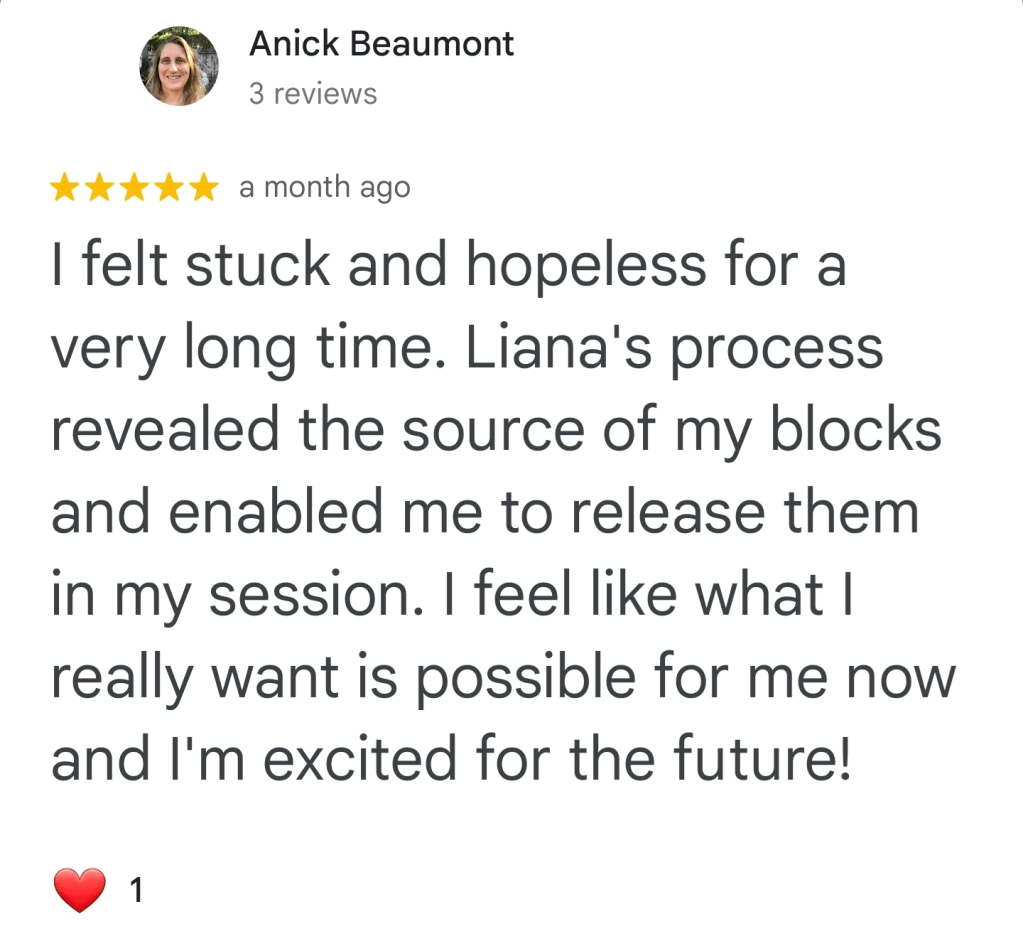
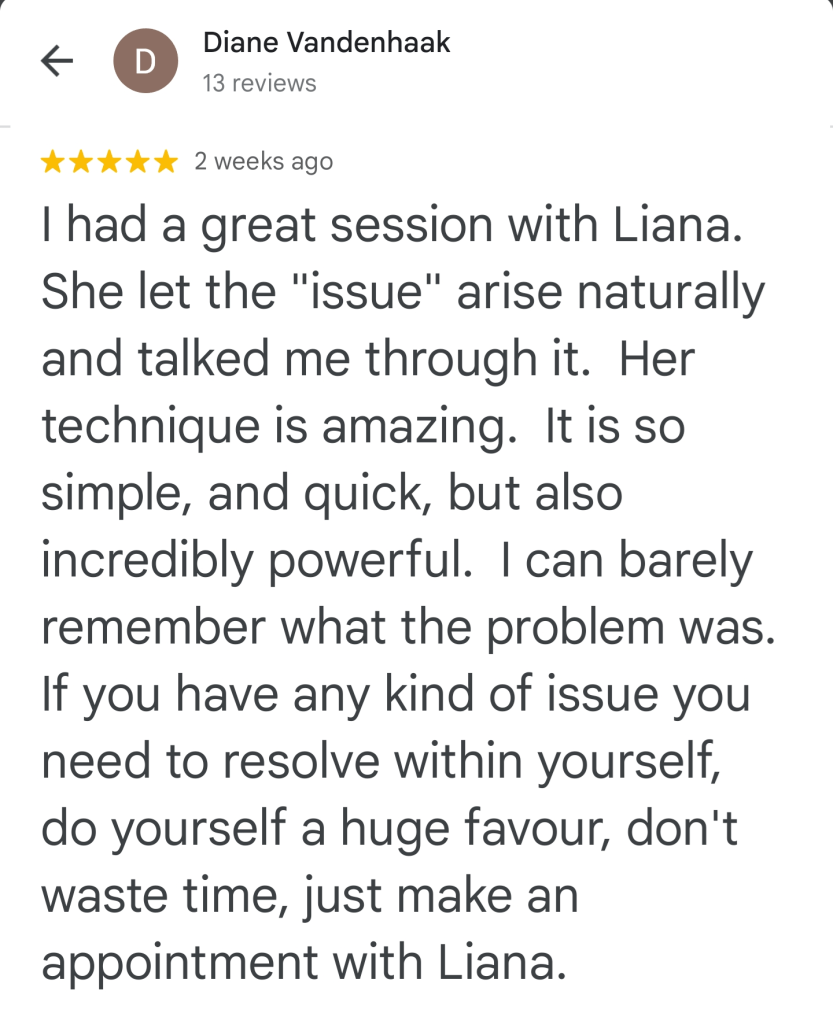
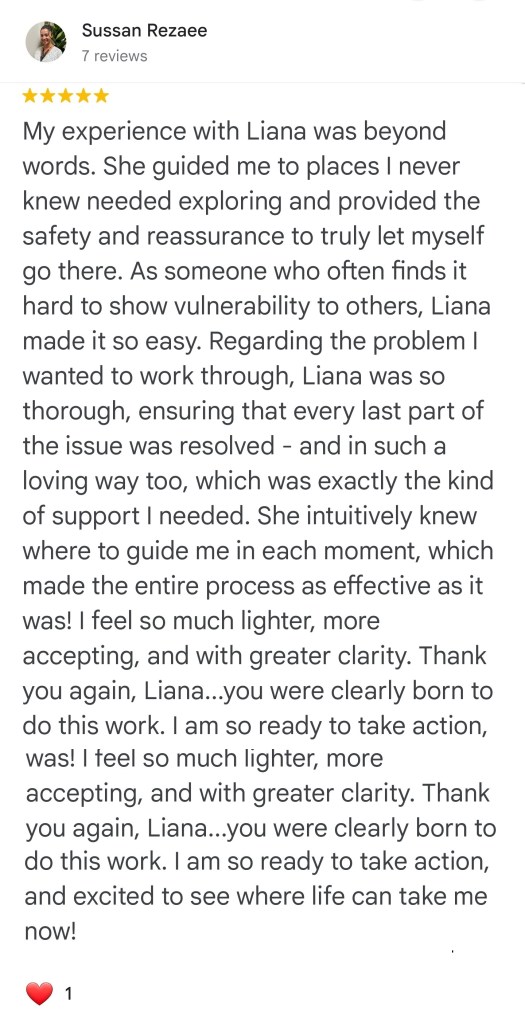
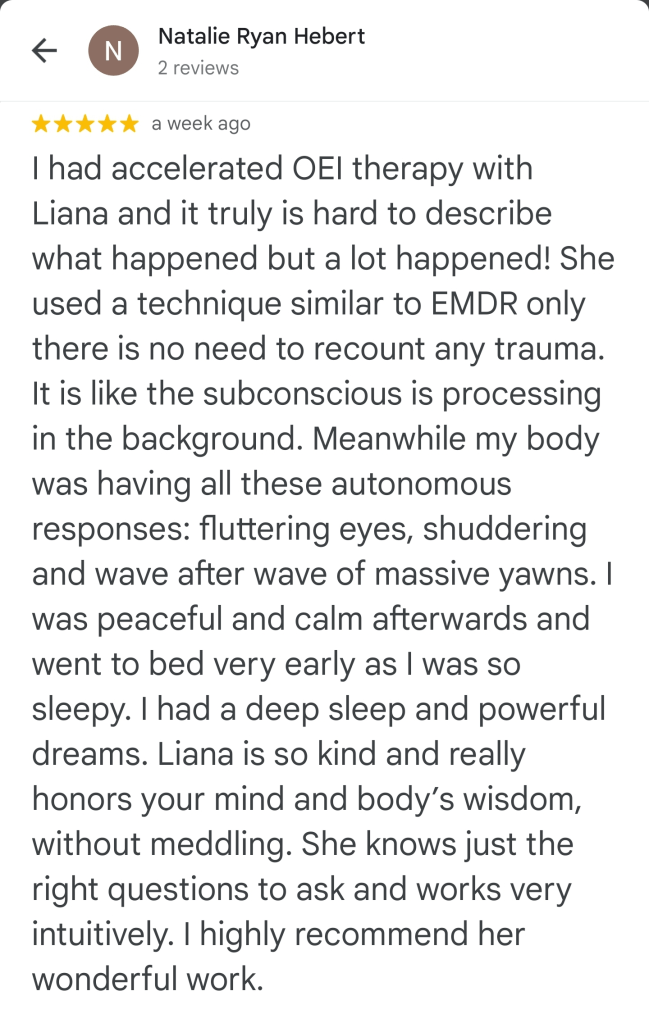
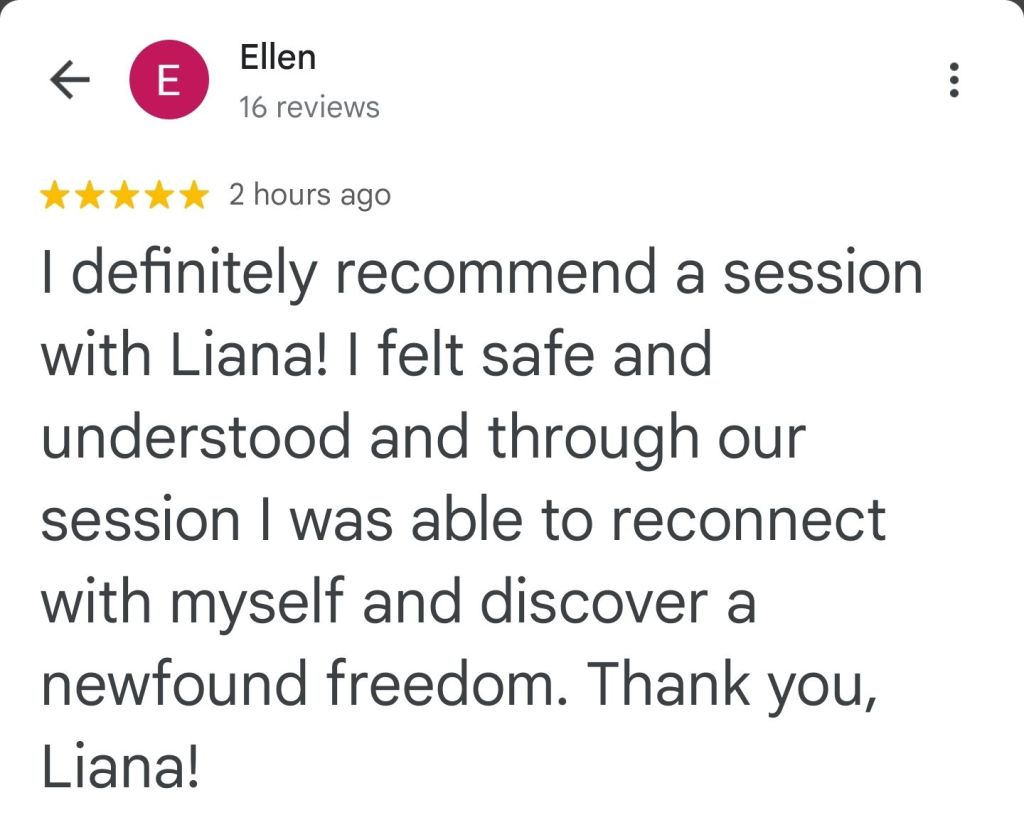
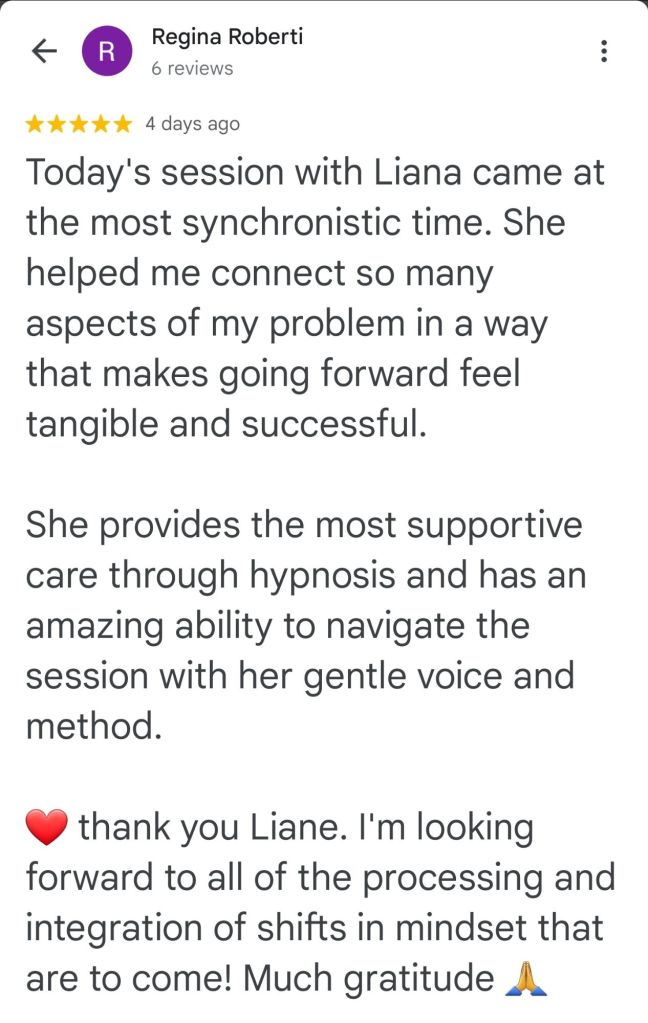
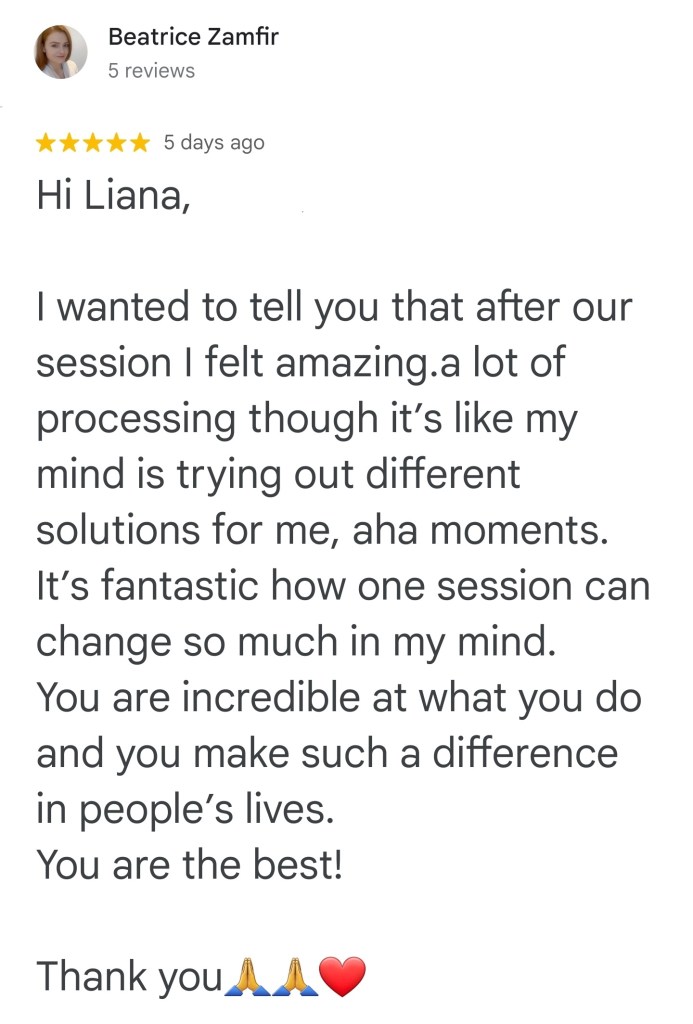
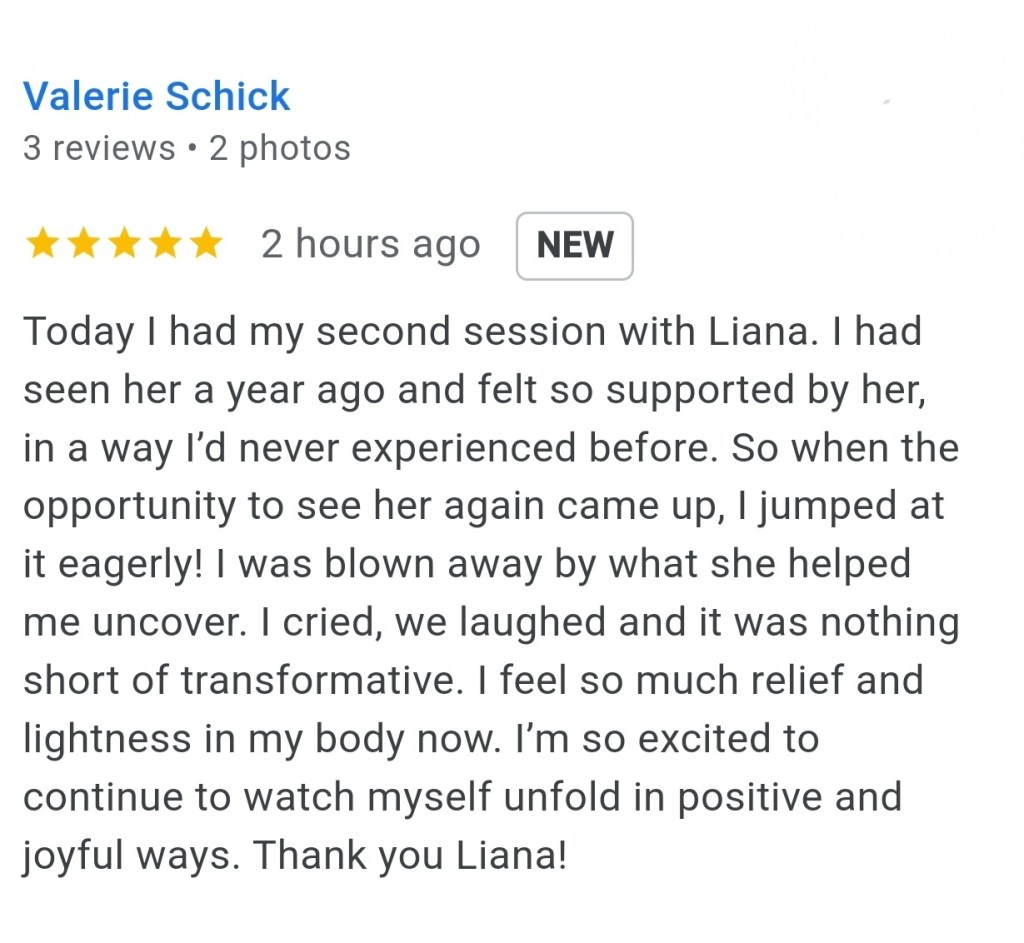
The Client Experience
Read text version here





















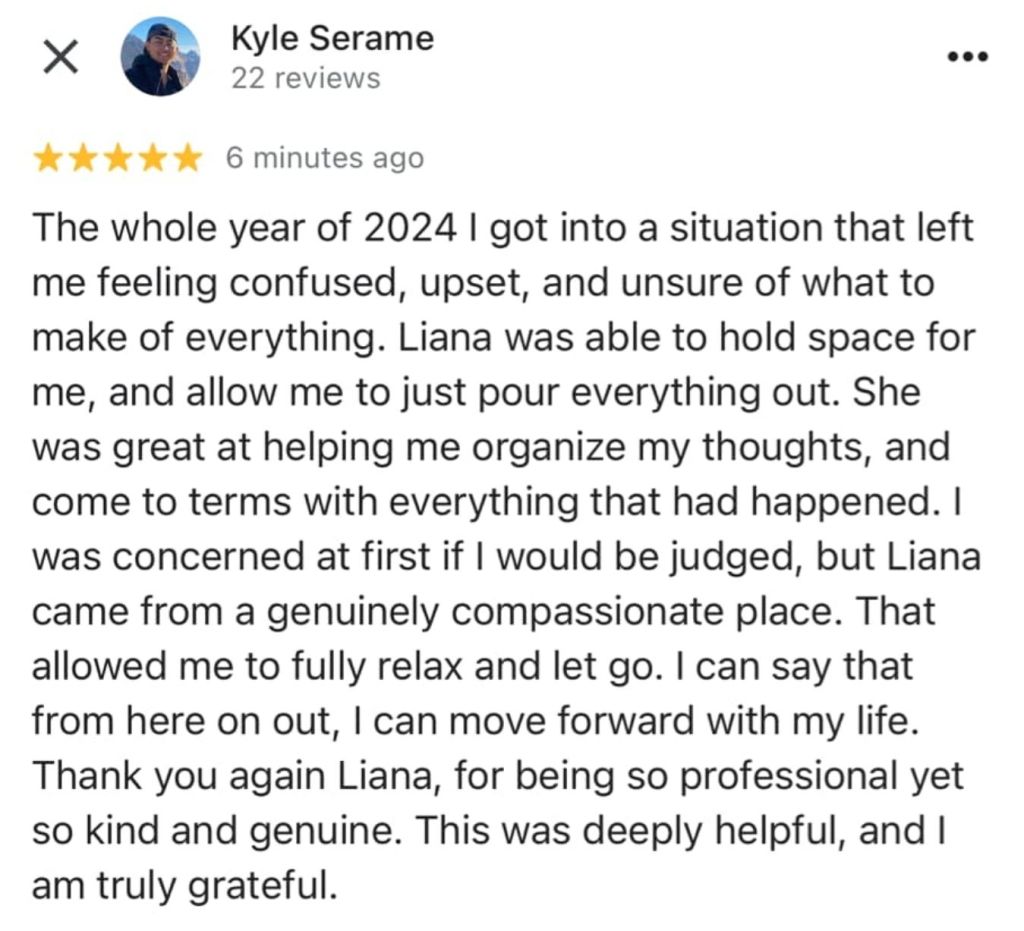

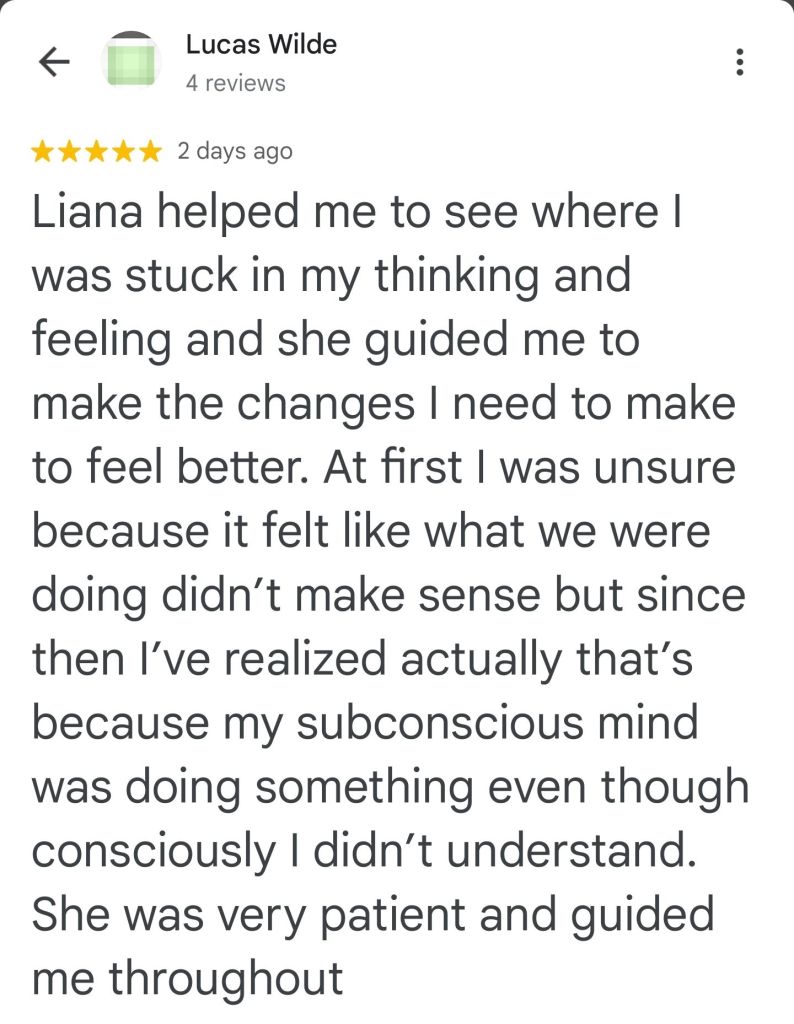
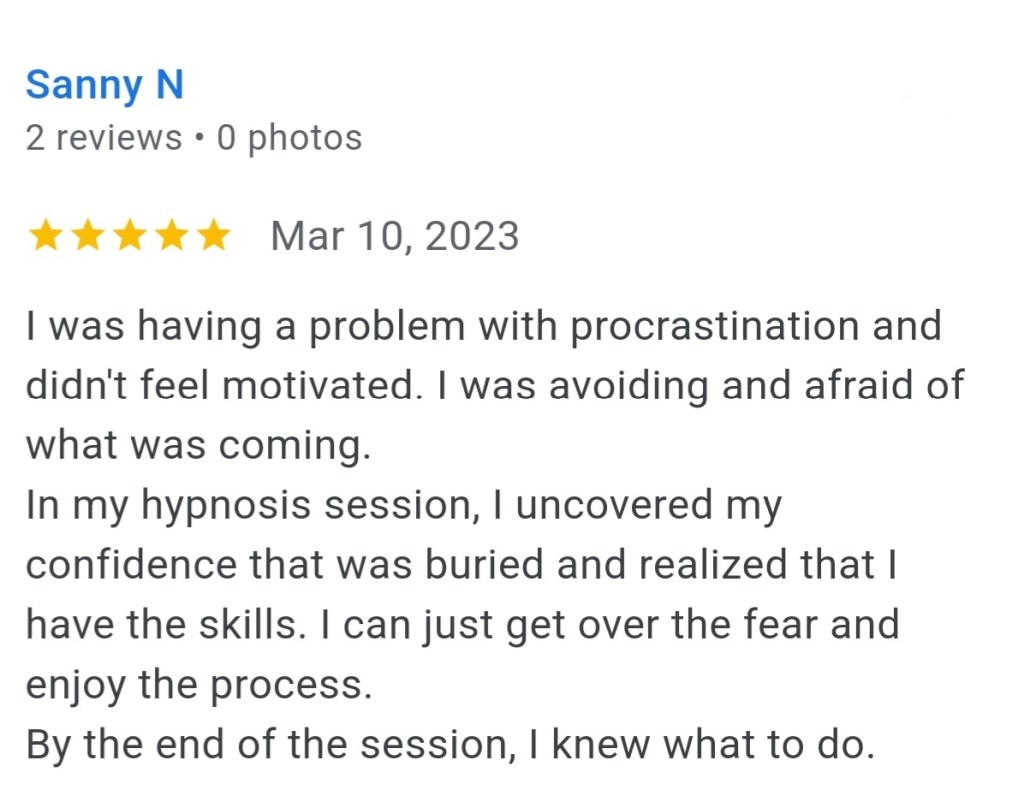

 Accelerated Hypnotherapy - Rapid Results