Hypnosis for insomnia and sleep quality
Have you ever considered that your sleep issues are related to what’s happening in your brain?
It’s all about the neuroscience – the science of how your brain works and how that affects your sleep.
Hypnosis for insomnia and sleep quality can often focus on surface level solutions.
Problems falling asleep and staying asleep are symptoms that are caused by something that’s going on below the surface.
Insomnia isn’t just about difficulty falling asleep.
Your brain is on fire, in alarm mode that is FULL ON, won’t switch off, a brain that might not feel safe enough to settle and fall asleep.
That’s where hypnotherapy can make a measurable difference – by finding the root cause.
Sleep hygiene tips don’t work if your brain is on fire.
Why sleep feels impossible when your brain is on fire
When you can’t sleep, your mind is not able to cool and calm the heck down.
Stress, whether it is conscious, unconscious or held in your body keeps your amygdala (the brain’s alarm system) on FULL ON. It’s like you’re in a building that is on fire, in a room filled with smoke. You can’t see clearly.
Because your prefrontal cortex—the rational, calming part of the brain—has gone offline.
The result.
Inability to settle down, lots of tossing, turning, and waking up drained.
Traditional sleep advice like “just relax” doesn’t take account what is happening in your brain.
If you’re brain is on fire, nothing will really work.
How hypnosis helps regulate sleep
Hypnosis works by shifting your brain into a state that looks very similar to the natural transition into deep sleep.
Hypnosis calms the brain.
Research shows that hypnosis increases slow-wave sleep—the most restorative phase linked to memory and recovery.
In plain terms: hypnosis calms the overactive alarm system and gives your body permission to switch off and cool down.
You don’t have to force it because the more you try to fall asleep, the harder it seems to be.
The change will just happen at the subconscious level.
Outcomes from hypnosis for insomnia
Studies have reported:
- Shorter time to fall asleep
- Longer total sleep duration
- More slow-wave (deep) sleep
- Reduced nighttime awakenings
- Lower anxiety and rumination at bedtime
These are measurable changes in brain and body function.
Why hypnosis works when nothing else does
If you’ve tried everything—dark rooms, no screens, herbal tea—you’re not alone.
The problem isn’t the routine.
You have to focus what is happening in the brain.
Hypnotherapy bypasses the conscious effort of “trying to sleep” and goes directly to the subconscious where automatic patterns are stored.
That’s why individuals often report rapid, lasting shifts compared to surface-level fixes.
For many of my clients, hypnosis doesn’t just improve sleep—it improves everything, daytime focus, mood, and resilience.
Because your brain needs sleep to recharge and recover
Once we stop the fire in your brain, it can learn to calm down and sleep again.
Everything works better.
How I use hypnosis for sleep issues
When I work with insomnia, I don’t just suggest relaxation scripts that only focus on surface level symptoms.
My neuroscience-backed approach focuses on:
- Regulating the overactive amygdala
- Strengthening the body’s natural sleep–wake rhythm
- Reducing hypervigilance that keeps you stuck “on guard”
- Connecting with your Superconscious – to make falling asleep feel automatic
This is about cooling down your brain and rewiring if so it can rest and recharge.
Internal resources
If you’re exploring hypnosis for sleep, you might also want to read about hypnosis for anxiety and neuroscience of trauma, since unresolved stress and trauma often sit beneath chronic insomnia.
Insomnia Hypnosis FAQs
Is hypnosis safe for insomnia?
Yes. Hypnotherapy is safe when delivered by a trained professional and does not have the side effects of medication.
How many sessions will I need?
Some individuals notice improvements within a few sessions, though deeper sleep pattern changes can take longer depending on underlying causes or complex trauma.
Does hypnosis replace medical treatment?
No. If insomnia is linked to a medical condition, hypnosis is best used alongside medical care.
Can I learn self-hypnosis for sleep?
Yes, many individuals use recorded sessions or simple techniques at home to reinforce progress.
For more information, read Neuroscience of Insomnia and Trauma
Explore Accelerated Hypnotherapy for Insomnia and Sleep Issues
Let’s connect.
Listen, are you breathing just a little and calling it a life?
-Mary Oliver
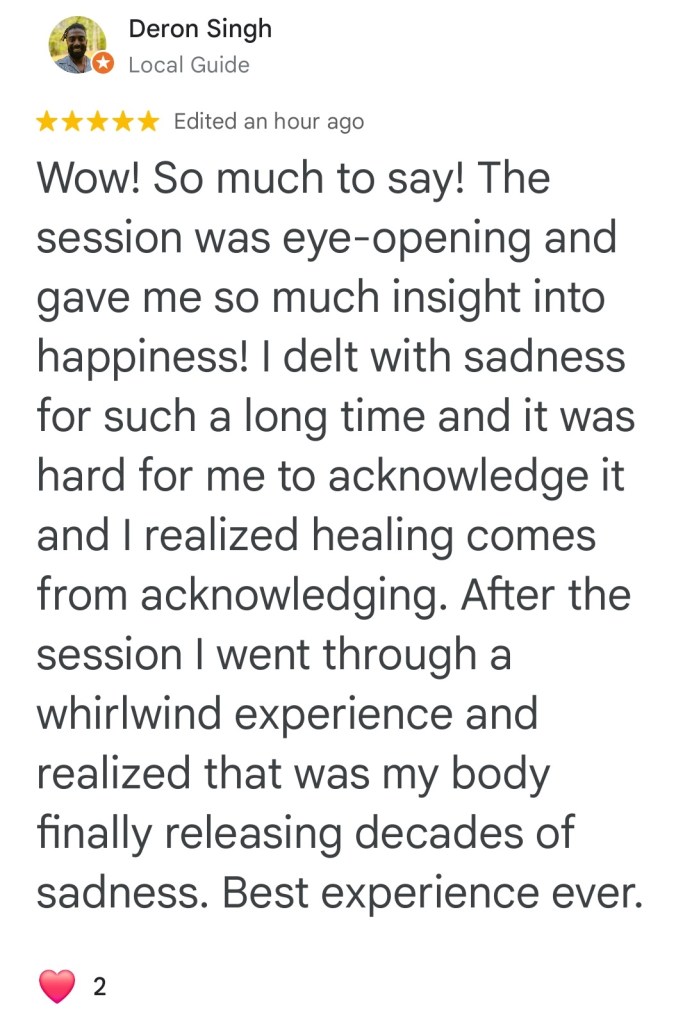
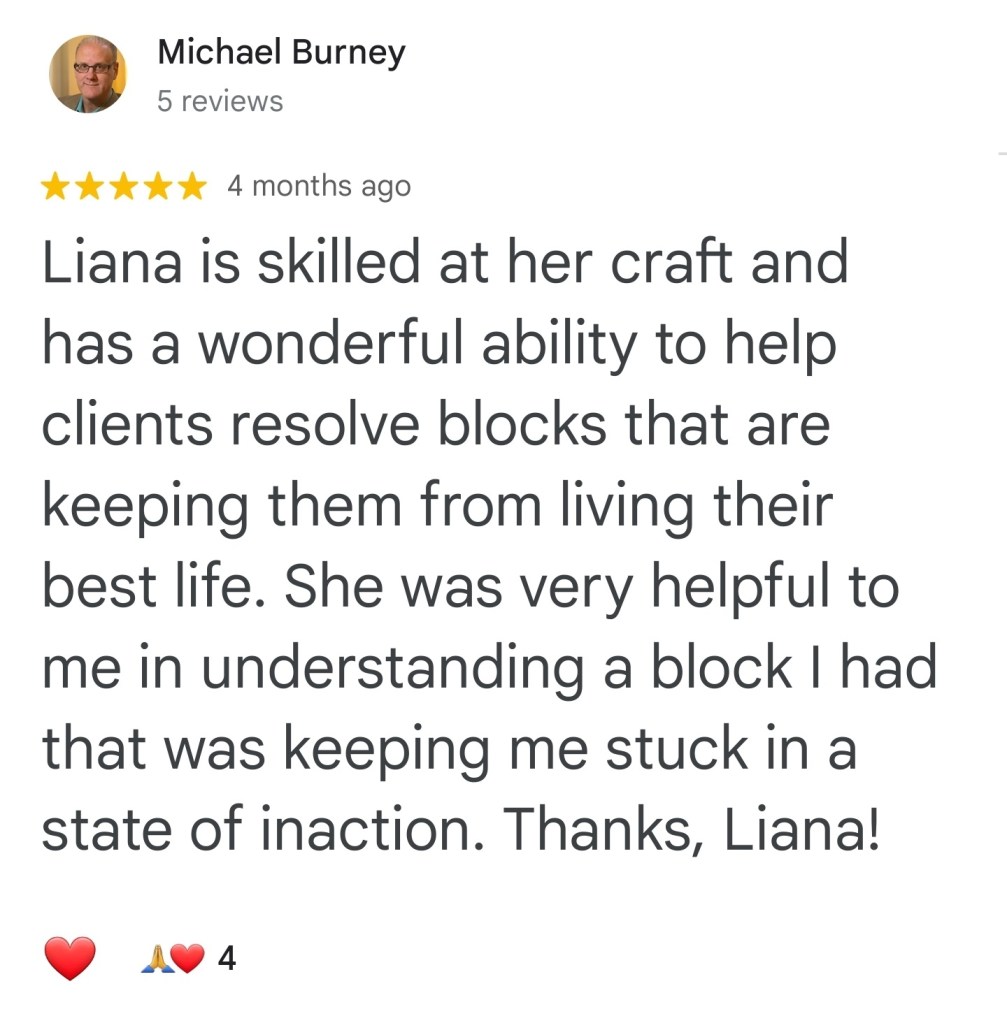
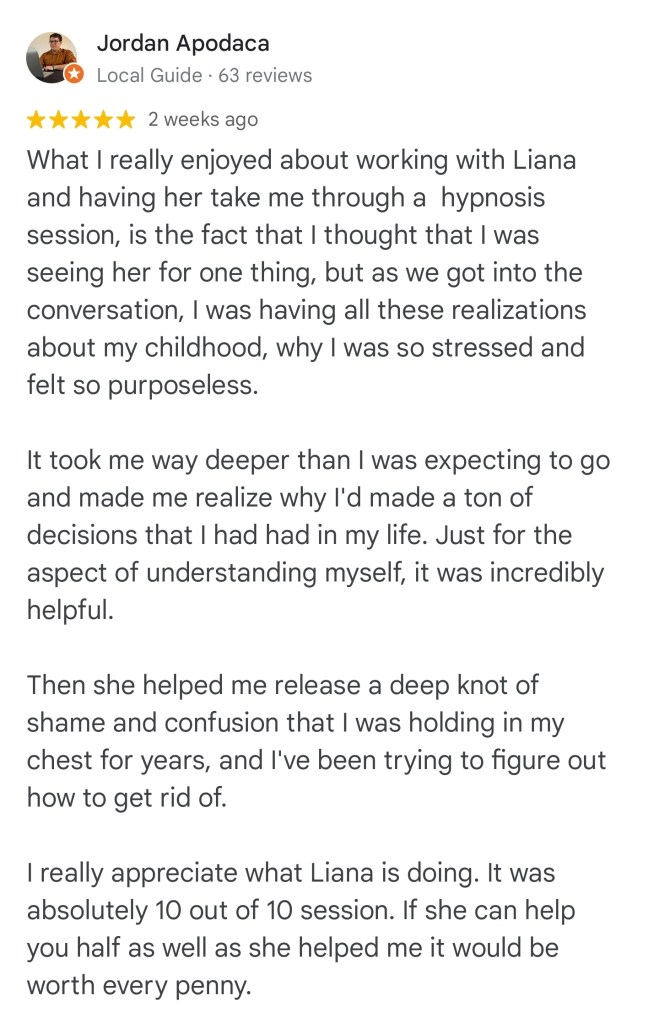
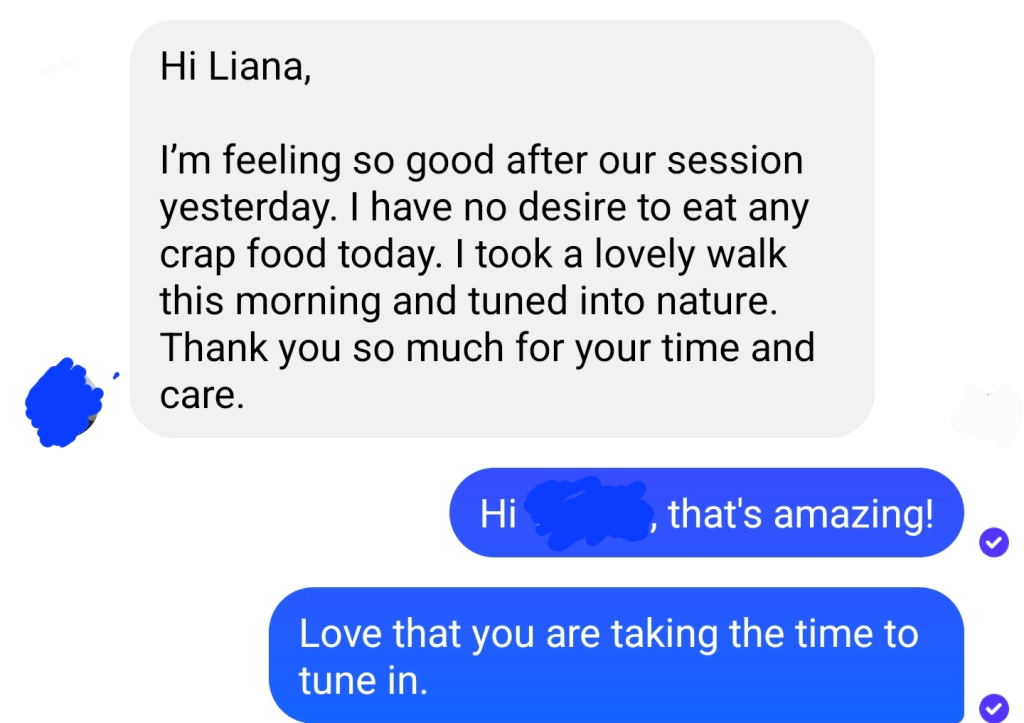
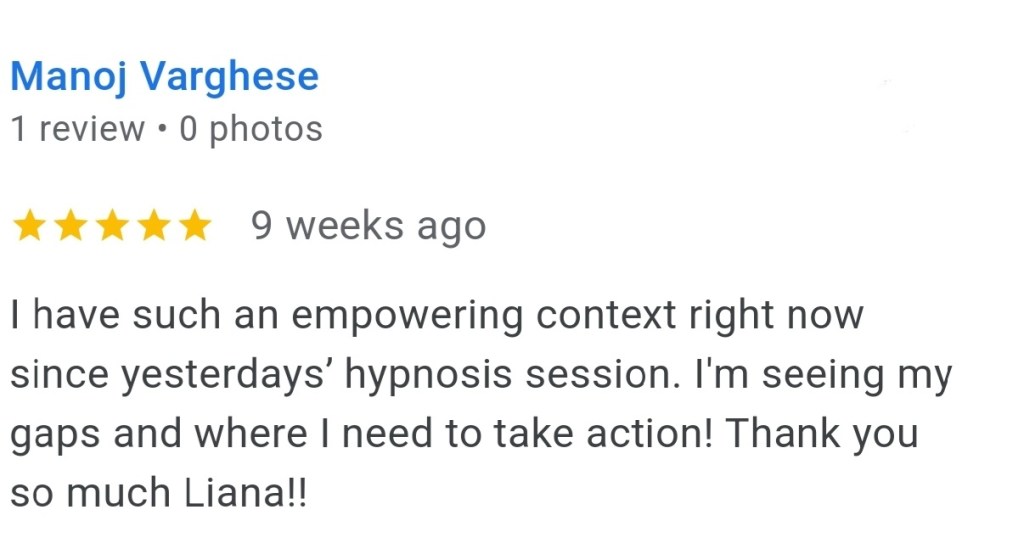
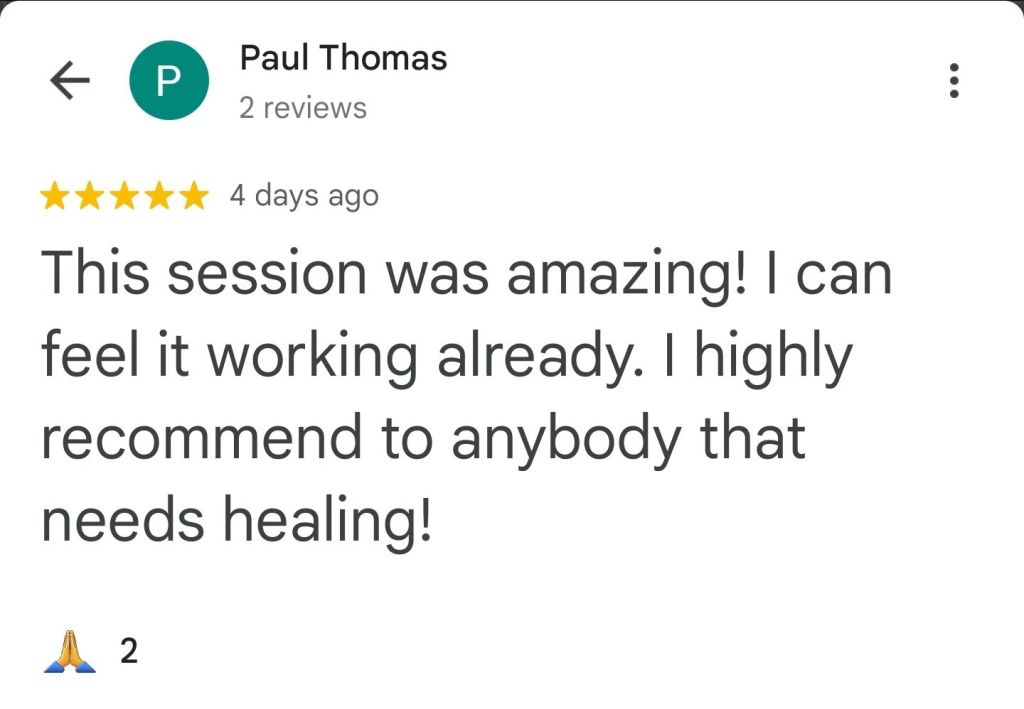
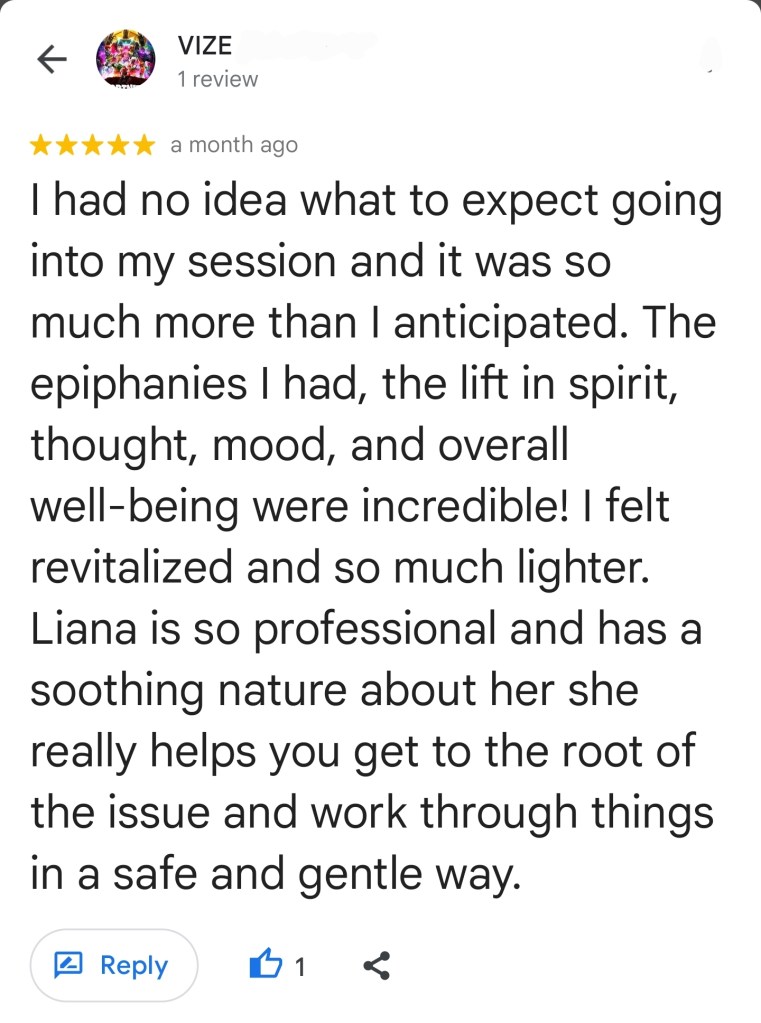
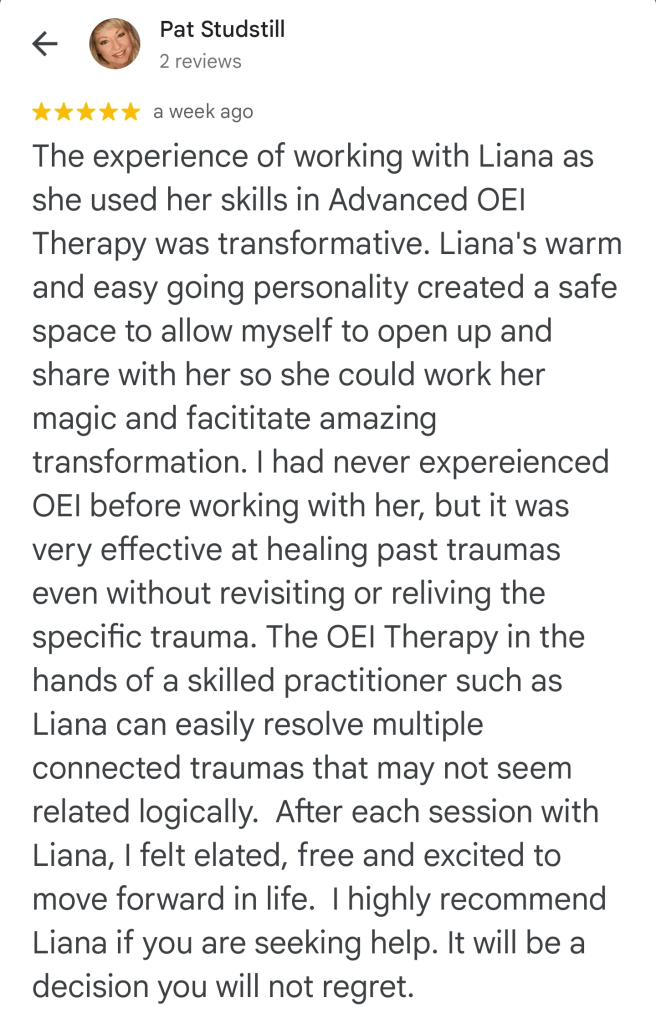
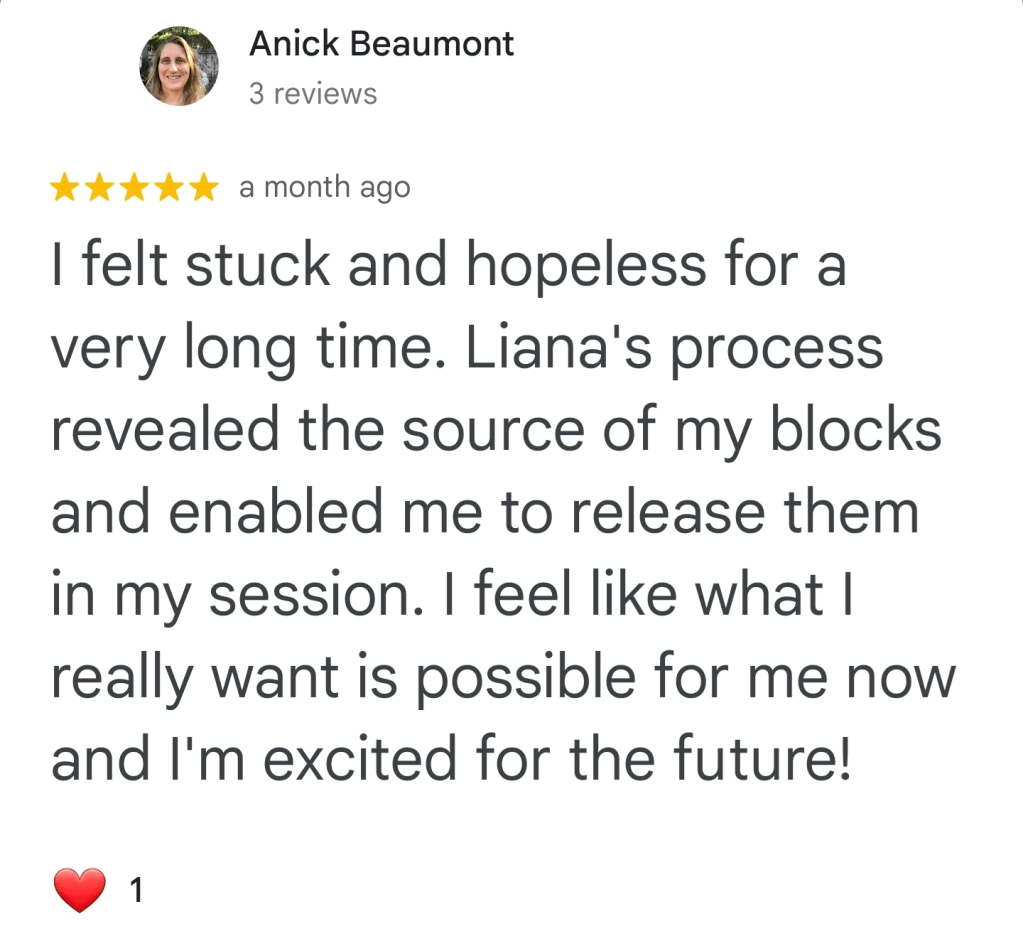
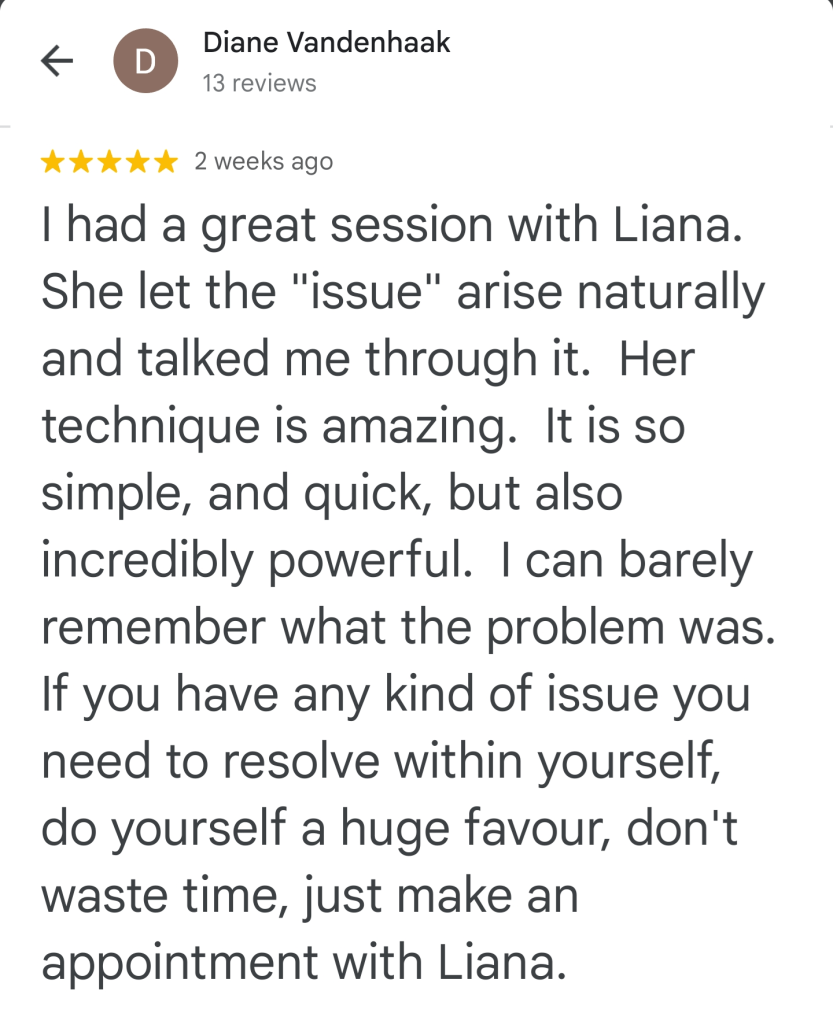
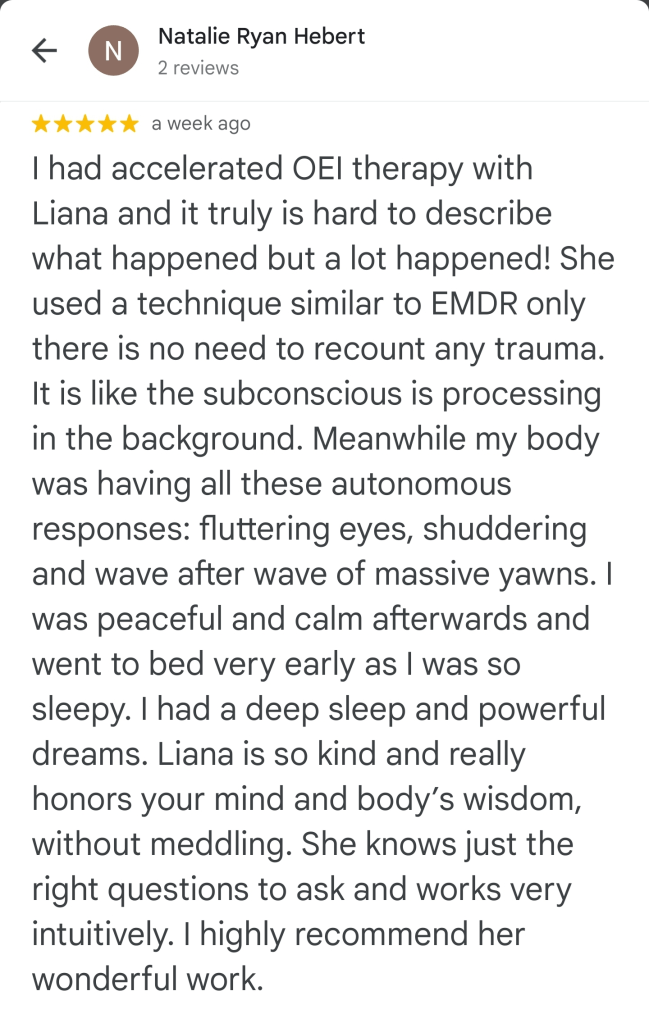
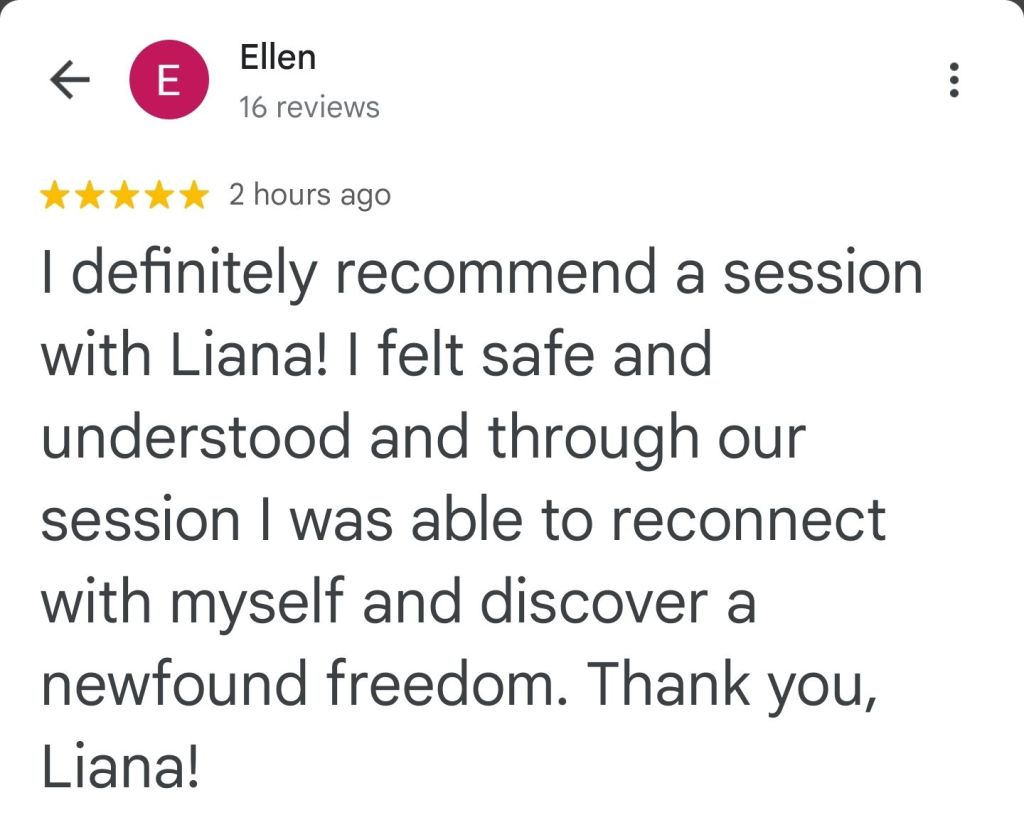
REVIEWS






























 Accelerated Hypnotherapy - Rapid Results