Insomnia and trauma connection
Have you ever considered that your insomnia is a symptom of what has happened to you in the past?
Research shows trauma disrupts the amygdala, hippocampus, and prefrontal cortex—key regions that regulate sleep, memory, and safety signals.
When you experience something overwhelming, your brain catches on fire.
You can’t shut it off at night because the fire in your brain is still burning.
You don’t have a sleep problem, you have a brain-on-fire problem.
Trauma rewires your brain, leaving you in a state of hyperarousal where deep rest feels unsafe.
You’re in survival mode, the alarm is full ON, and you can’t get to sleep.
When your brain is on fire, nothing you do will work.
Does that make sense?
Once you understand the link, the right solution will make sense.
Why trauma keeps you awake at night
Research shows that trauma survivors are far more likely to experience insomnia, nightmares, and poor sleep quality.
After trauma, the amygdala—the brain’s fear centre—stays switched on.
You may or may not even remember the trauma. It might have happened as a child, or have snowballed over your lifetime.
It acts like a smoke alarm that won’t turn off, even when there’s no fire.
Your body releases cortisol and adrenaline, two stress hormones designed to keep you alert.
Helpful if you’re in danger, but not so much when you’re staring at the ceiling at 2am trying get to sleep.
Common sleep problems after trauma
If you’ve experienced trauma, you may recognize these sleep patterns:
- Trouble falling asleep even when exhausted
- Waking up repeatedly during the night
- Disturbing nightmares or vivid dreams
- Feeling unrefreshed no matter how many hours you spend in bed
- Racing thoughts that intensify at bedtime
These aren’t random sleep issues. They’re signs that your nervous system’s is in survival mode—your brain is keeping you awake because it thinks something bad might happen if you fall asleep.
The cycle of trauma and insomnia
Here’s the thing.
Sleep deprivation makes trauma symptoms worse.
Your brain needs restorative rest because deep sleep affects your ability to regulate emotions, concentrate, and cope with stress.
If you’re not sleeping, you might feel:
- Irritable ad triggered AF
- Anxiety that intensifies over time
- Intense bad feelings in your body
- Intrusive thoughts that lead to rumination
- Feeling hopeless and stuck
You get trapped in a cycle that is self-reinforcing.
Trauma causes insomnia. Insomnia fuels trauma symptoms.
You end up stuck in survival mode and can’t find your way out of the smoke-filled room.
How trauma affects different sleep stages
It not just about the amount of hours of sleep that you’re logging on a sleep app—it’s about moving through different stages of sleep.
The problem is trauma disrupts both REM and deep sleep.
REM sleep is where the brain processes the emotions of past experiences. This is called integration.
When trauma keeps waking you up or triggering nightmares, you miss out on this repair work.
Deep sleep, essential for body repair, also gets cut short.
Research shows why trauma recovery and sleep recovery are inseparable.
Studies on PTSD show reduced slow-wave sleep and fragmented REM, directly linking trauma exposure with disrupted brain rhythms at night
Healing insomnia linked to trauma
Here’s the great thing.
The brain can change. This is caused neuroplasticity.
If the brain changes, then behaviour changes, like changes in your sleep without even trying.
Healing insomnia linked to trauma requires approaches that stop the fire in your brain.
Before anything can happen, you need to stop the fire in your brain.
You need to cool down your brain and calm the nervous system.
Effective strategies include:
- Trauma-informed therapy that cool down the brain –Accelerated Hypnotherapy, OEI therapy, and EMDR Flash) calm the brain and reset the brain’s alarm system
- Accelerated Hypnotherapy to shift subconscious patterns keeping you awake and boost other neuroscience-based techniques – see Hypnosis for Insomnia & Sleep Quality
- OEI trauma therapy that help calm the brain and integrate emotions of the past
These approaches can help rewire the brain, allowing both trauma symptoms and sleep to improve rapidly.
FAQs about trauma and insomnia
Why do I get nightmares after trauma?
Nightmares are the brain’s way of trying to process unintegrated memories. They’re common in trauma survivors because REM sleep is disrupted.
Is insomnia a trauma response?
Yes. Insomnia is a hallmark of hyperarousal, one of the core trauma responses. The nervous system can’t downshift into rest because it doesn’t feel safe.
Can trauma-related insomnia go away?
With the right support, yes. Trauma-focused therapy and techniques like hypnosis can help reset the nervous system and restore natural sleep patterns.
Listen, are you breathing just a little and calling it a life?
-Mary Oliver










































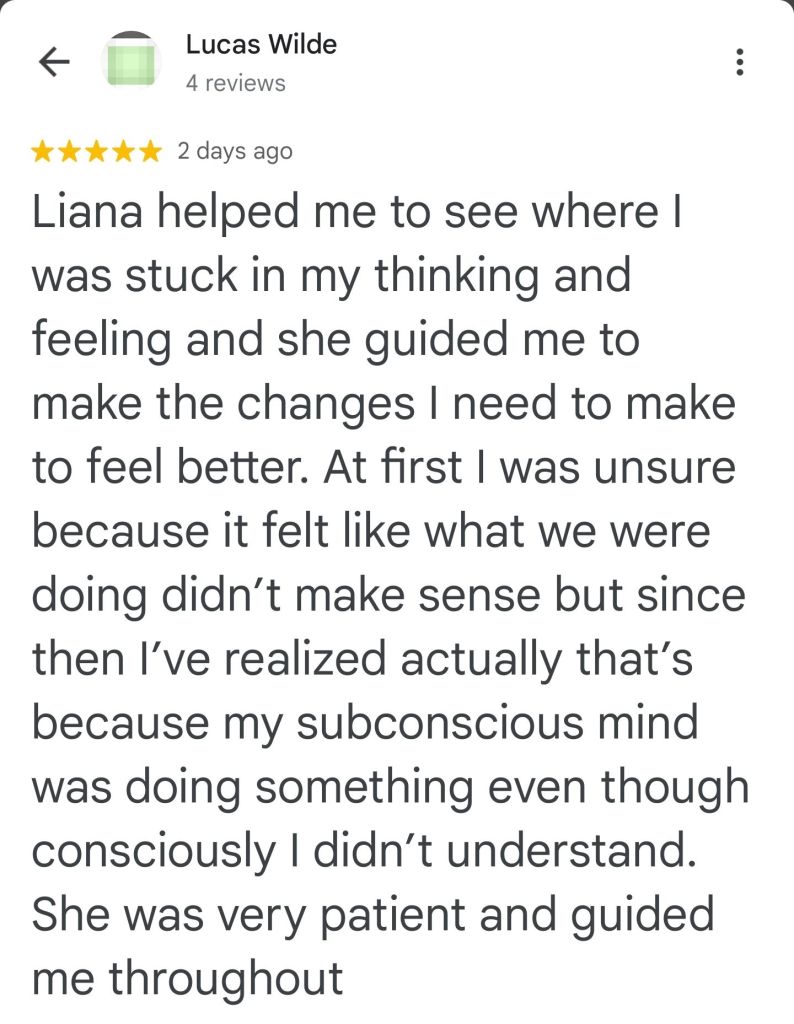
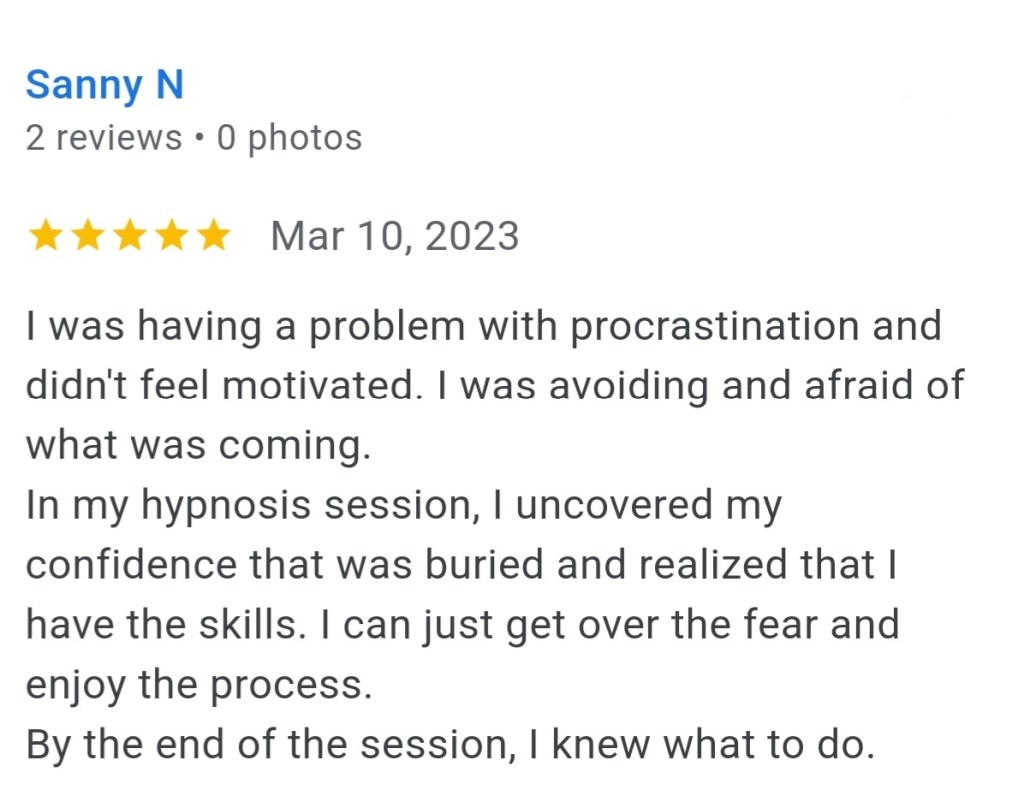



 Accelerated Hypnotherapy - Rapid Results