Why You Feel Stuck in Trauma: Neuroscience Explained
Memories of traumatic experiences don’t work like regular memories. They don’t just fade with time. They stay raw, and emotional in the present tense. That’s because trauma isn’t stored the same way in the brain as everyday experiences.
This article can help you understand why trauma memories can feel so different and why they can be hard to manage.
How Memories Get Filed Away Into The Past
When you have normal, everyday, non-threatening experiences, several parts of the brain work together. The amygdala notes the emotional tone. The hippocampus organizes the memory in order, gives them context, puts the experience to the past tense, and files it away into the past with other memories, where it is available for recall.
The prefrontal cortex (PFC) further processes the memory, enabling you to reflect upon it, make meaning, create a narrative, and put it all into words. The memory feels like something that’s over, part of your past, something that can be recalled.
How traumatic memories get processed, or not so much
Let’s take a look at what happens in the brain when you experience something traumatic, big T, Trauma or little t, trauma.
The experience get stuck in the amygdala at the height of the most intense feeling because the brain is overwhelmed. It drops the ball and the memory fragments. It doesn’t quite reach the hippocampus so it does not get filed away with other memories, but it stays in the present tense. You experience these memory fragments in the present tense.
The prefrontal cortex is not able regulate emotions and make logical decisions because trauma prevents activity in this area of the brain.
The posterior cingulate cortex (PCC) becomes more active with trauma memories, especially in people with PTSD. This area is linked to internally focused thoughts and self-awareness, like rumination. Traumatic memories, especially in PTSD, are often stored in the PCC and amygdala. This makes them feel more like fragments or flashes rather than a complete story
We don’t have the same control of recall of memories of trauma because they have not been filed away neatly. Fragments pop up randomly as intrusive thoughts, intense feelings in the body, vivid images, sounds, or smells. This is why people may have flashbacks or feel like they’re reliving the event instead of just remembering it.
These memories of trauma are scattered, they haven’t been processed in the verbal areas of the PFC, so they don’t follow a narrative. Talking about trauma revivifies the experience as if you are re-living it all over again.
How the amygdala keeps you stuck in survival mode
After a traumatic experience, the amygdala—part of your brain’s alarm system—stays on high alert. It’s designed to detect danger and activate the fight, flight, or freeze response. So you feel hypervigilant and triggered AF. The slightest thing can cause random flashbacks.
When you’ve experienced trauma, the amygdala can become hyperactive, constantly scanning for threats even when there’s no real danger.
It stores a strong emotional imprint of the trauma, often without the full context. Because the memory wasn’t processed fully by the hippocampus or calmed by the prefrontal cortex, the amygdala keeps firing off warning signals. This is why you feel stuck AF, as if the trauma is still happening in the here and now.
The prefrontal cortex goes offline
This part of the brain helps you think clearly, make decisions, reflect, and regulate. But under trauma, it shuts down to conserve energy for survival. Because the prefrontal cortex is not able to further process the memory, you are not able to respond logically, as if the experience has happened in the past.
Why trauma memories can be hard to access or control
Trauma memories often cannot be recalled on purpose. But these memories can still exist and affect mood and behavior, causing anxiety, depression, or PTSD symptoms.
Instead of being stored as a normal memory—one you can recall, talk about, and realize it’s in the past—trauma stays stuck in the body and amygdala. It doesn’t feel like something that happened. It feels like something still happening.
Why trauma memories are so intrusive
Because trauma memories are stored differently, they can pop up without warning.
That’s why flashbacks feel so real and why certain sounds, smells, or situations can bring it all rushing back as if you’re experiencing it all over again and again because your brain hasn’t finished processing the trauma. This is why you feel stuck AF.
Why traditional talk therapy doesn’t work
But healing is possible
Understanding how trauma memories are stored can help explain why some therapies work. For example, therapies that help people safely recall and process trauma memories may help the brain store them in a more organized way, making them less intrusive over tim
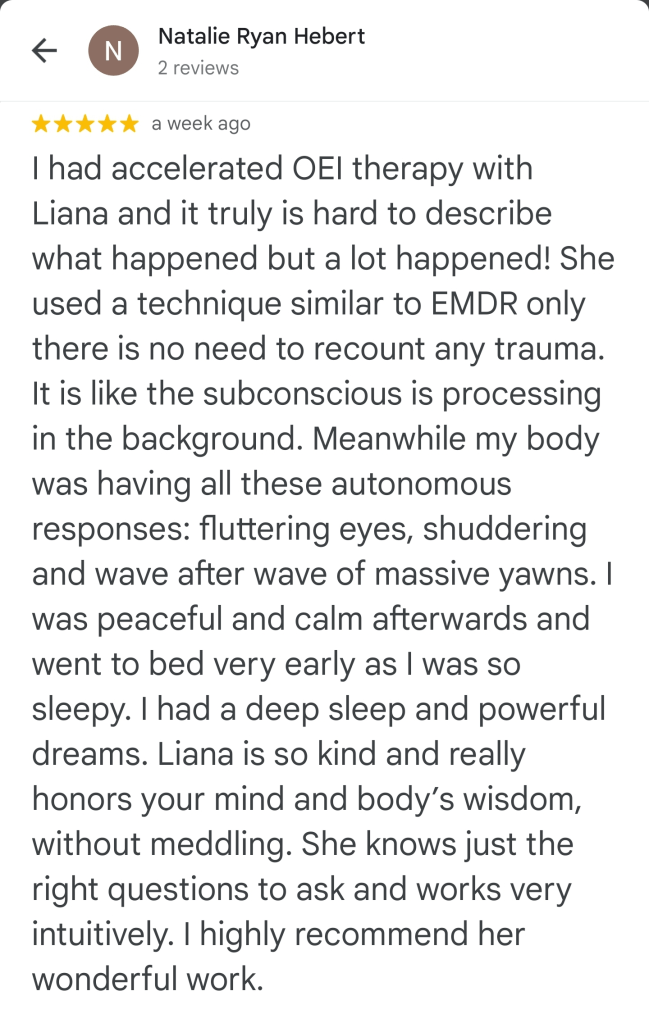
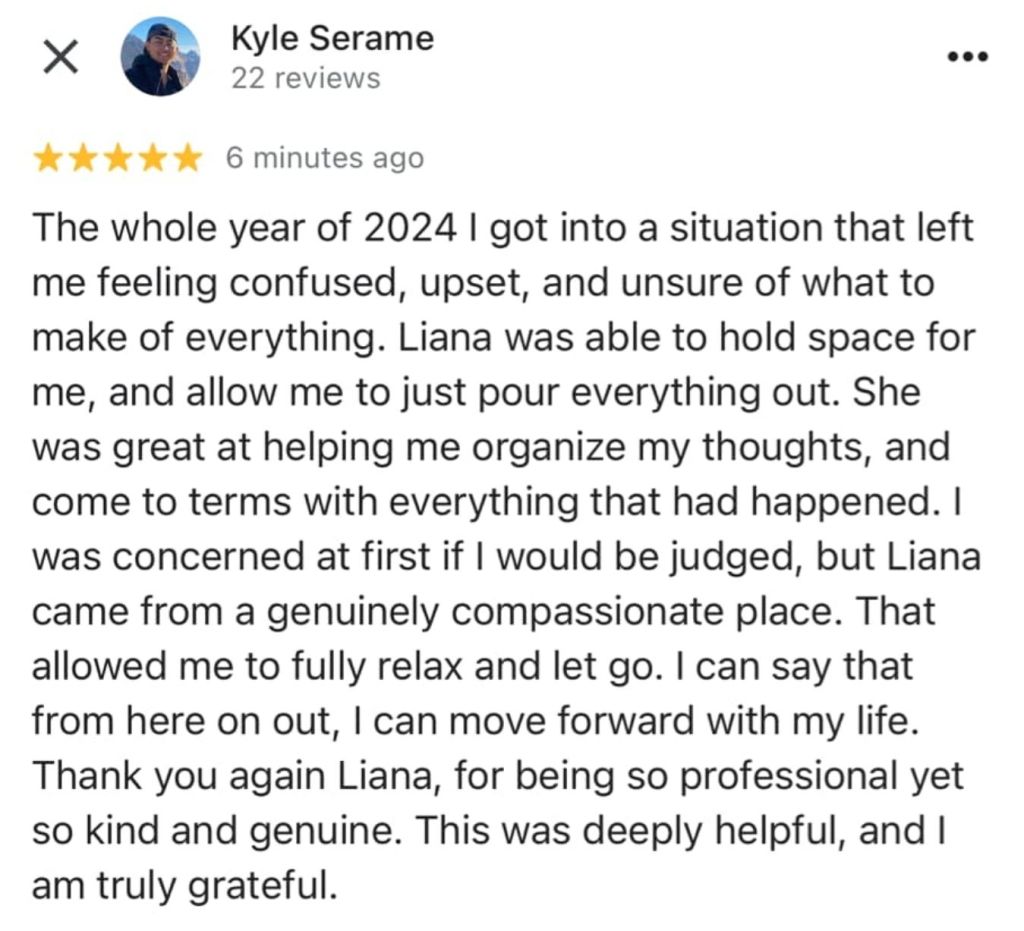
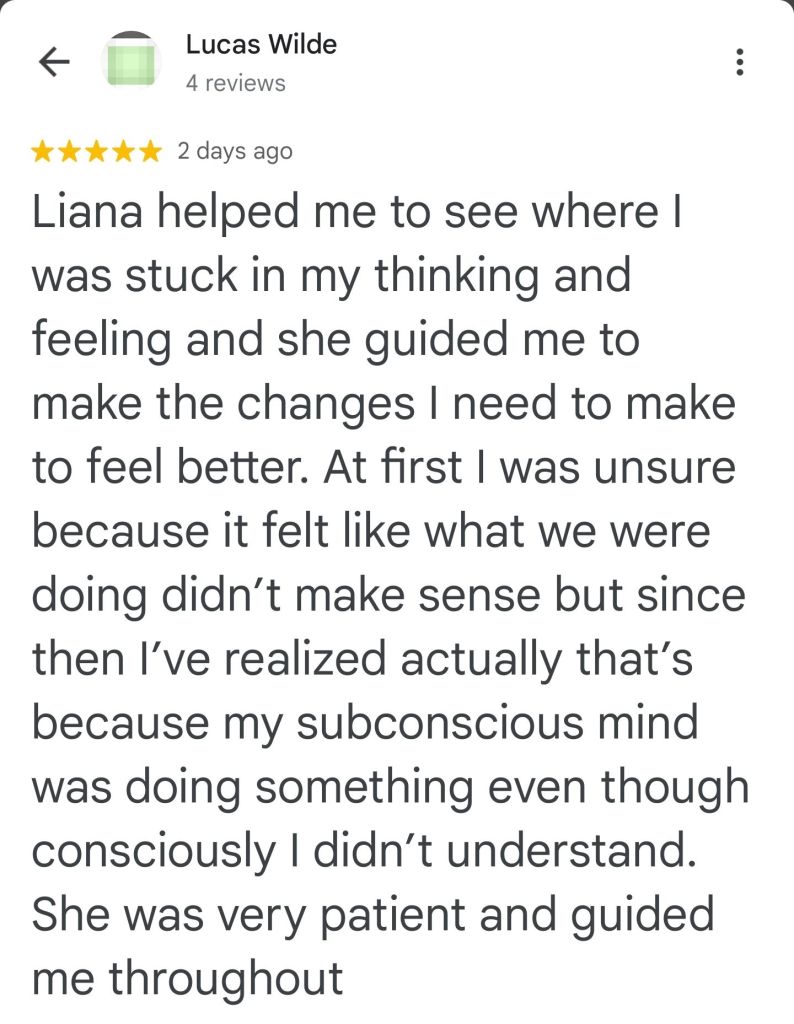
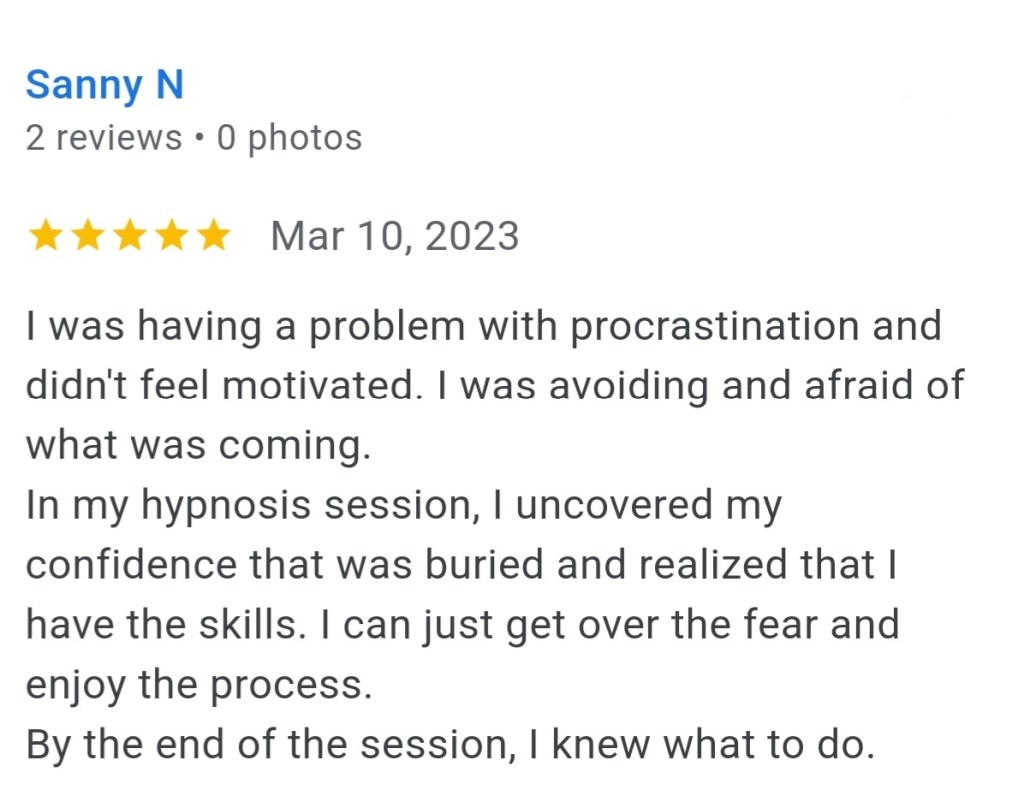
Accelerated Hypnotherapy and OEI therapy can help the brain reprocess these memories gently and safely. They support the brain in doing what it couldn’t do at the time—integrate the memory in your brain, and file the memory into the past, where it belongs.
When the memory has been integrated, the experience will start to occur to you as in the past. The memory will occur further away with each passing day. The past can no longer hijack the present moment and take space in your future.
You are free to access and create new possibilities for yourself and your life.
The future belongs to those who believe in the beauty of their dreams.
E. Roosevelt










































 Accelerated Hypnotherapy - Rapid Results