Observed and Experiential Integration (OEI) Therapy
Create Safety in Your Mind and Body,
Reduce Anxiety, and Reclaim Your Future.
Heal Your Trauma with OEI Therapy
Are you struggling with the lingering effects of trauma, feeling stuck, triggered, or overwhelmed by persisting memories and emotions from past experiences?
Observed Experiential Integration (OEI) offers a powerful and innovative path to healing by integrating brain hemispheres and processing traumatic experiences. Discover how OEI can help you reduce anxiety, resolve PTSD symptoms, and achieve lasting emotional well-being.
What is Observed Experiential Integration (OEI)?
Observed Experiential Integration (OEI) is a specialized trauma therapy that helps individuals process, resolve, and heal from traumatic experiences. OEI Therapy is based in neuroscience and eye movement techniques, and was evolved from EMDR (Eye Movement and Desensitization Reprocessing) by Dr. Audrey Cook and my mentor, Dr. Rick Bradshaw. Brainspotting was developed based on their work and OEI principles.
How OEI Therapy Heals Trauma and Emotional Distress
Unlike traditional talk therapy, OEI focuses on integrating the brain and body to address the effects of trauma in the most gentle and effective way, and less re-traumatizing than other therapies such as traditional talk therapy that often elicit revivification of traumatic memories.
It is safer for the client because it does not rely exposure therapy, as with the desensitization in EMDR. When you experience trauma, you’re stuck in the memories, you want to put them into the past and not have to keep bringing them up to find relief because revivification through talking about the trauma creates an iatrogenic effect of inadvertently causing more harm when you’re stuck in trauma.
Remembering is not Recovering.
The Science Behind OEI Therapy: Eye Movements and Neural Integration
OEI Therapy harnesses the brain’s natural ability to reorganize and resolve traumatic memories, reducing distress and enhancing emotional resilience. OEI involves alternately covering and uncovering the eyes while tracking a visual stimulus, creating connections with deeper brain regions associated with intense symptoms such as panic attacks, nausea, hyperventilation, and throat constriction.
OEI Therapy vs. EMDR: Key Differences and Benefits of OEI
During trauma, eye muscles respond to visual stimuli, and intraocular muscles adjust focus and regulate pupil dilation. When recalling a traumatic memory, these same visual and physical patterns can resurface, carrying stored sensations and distressing emotions. By guiding the eyes through specific movements, therapists can identify tiny halts, skips, or “glitches” linked to unresolved trauma.
EMDR requires recall of distressing memories using repeated exposure (desensitization), which can often retraumatize people with PTSD.
Observed & Experiential Integration gently releases and resolves stored multisensory experiences, reducing the intensity of triggers and promoting emotional integration without the need to recall and relive the past.
By utilizing specific eye positioning and bilateral stimulation, clients can safely process traumatic experiences, leading to emotional relief and increased resilience. This technique fosters neural integration across and within both hemispheres of the brain, enhancing overall mental and emotional well-being.
Who Can Benefit from OEI?
OEI therapy is particularly effective for trauma, PTSD, anxiety, emotional dysregulation, dissociation, addictions, and relationship conflicts. Whether used as a standalone method or combined with other modalities like hypnotherapy to accelerate the reconsolidation of traumatic memories, OEI therapy provides a gentle yet transformative path to healing.
Conditions and Symptoms Treated by OEI Therapy
OEI can help resolve the following conditions:
- PTSD
- Anxiety
- Phobias
- Depression
- Sexual Assault
- Childhood Abuse and Trauma
- Eating Disorders
- Negative Self-Talk
- Abusive or Toxic Relationships
- Low Self-Worth
- Panic, rage/conflict, shame, confusion, agitated depression
- Headaches, visual distortions, dizziness
- Physical disturbances: Chest compression/hyperventilation, nausea, & throat constriction
- Transference reactions that interfere with therapy (fear, anger, avoidance, distrust)
- Body pains and tensions
- Peak Performance
- Language Accents
- Self-Esteem Problems
- Compulsions
- Agitated Depression
- Body Dysmorphia
- Substance Use
- Conflicts in Interpersonal Relationships
- Dissociation
Observed and Experiential Integration (OEI) therapy can put the past in the past, where it belongs, so you can access the possibilities of a brighter future.
Small changes in the subconscious lead to significant shifts at the conscious level.
How OEI Works
OEI uses specific techniques to gently and safely activate both sides of the brain (hemispheres) to engage the visual pathways and help the brain process traumatic memories that are often “stuck.”
OEI allows individuals to release emotional and physical distress associated with trauma without needing to relive or recount the painful event. Instead they experience a safe, gentle space for healing from the past.
What OEI Helps With
OEI is effective for reducing symptoms like:
- PTSD, anxiety, and panic
- Relationship trauma and negative patterns
- Physical symptoms like headaches, nausea, chest tightness, or throat constriction
- Negative self-talk, shame, and low self-esteem
- Emotional dysregulation and urges to self-harm
Why OEI is Effective
OEI is grounded in neuroscience and works directly with how trauma is stored in the brain. It addresses trauma responses like fight, flight, freeze or faint by helping individuals integrate fragmented memories and emotions. This approach results in a sense of relief, reduced triggers, and improved emotional balance.
Why is Integration Important for healing?
Integration is important because when traumatic memories aren’t integrated we feel stuck, triggered, and unable to move forward with our lives. We are in avoidance and dissociated, which interferes with the brains ability to engage higher-level brain functioning.
When the past is not integrated, we experience symptoms of dissociation and panic symptoms such as a racing heartbeat, tight chest, difficulty breathing, nausea, or “butterflies” in the stomach. We might even experience headaches, visual distortions (ranging from blockage of vision to blurring), tingling or numbness in hands, face, or feet, and drowsiness or light-headedness.
OEI: Trauma-Informed OEI Therapy
OEI is especially helpful for those who find talk therapy overwhelming or ineffective because it focuses on observing and experiencing sensations in the body rather than verbal processing of traumatic memories. This enables individuals to finally access healing in a gentle and more effective way.
OEI therapy creates a safe and nurturing space for individuals to work through their traumas and distressing experiences at their own pace.
Benefits of Observed and Experiential Integration Therapy
Observed and Experiential Integration (OEI) therapy can provide faster symptom relief compared to traditional talk therapies because talking about the past necessitates revivification, which creates more trauma by recalling and re-experiencing the negative emotions of traumatic memories.
OEI provides gentle, non-verbal processing for those who don’t want to talk about their trauma (and rightly so). Holistic healing that addresses both emotional and physical symptoms can take place gently and effectively without revivifying the past.
Key Benefits of OEI Therapy
✅ Reduced Trauma Symptoms: “OEI helps resolve PTSD, anxiety, and panic symptoms.
✅ Improved Emotional Regulation: “Enhance your ability to manage and regulate intense emotions.
✅ Increased Self-Awareness: “Promotes self-awareness, emotional regulation, and integration of fragmented experiences.
✅ Resolution of “Stuck” States: “OEI addresses anything that makes you feel ‘stuck’ or ‘stirred up,’ including relationship conflicts and unusual emotional intensity.
✅ Enhanced Cognitive Function: “OEI reduces fight, flight, freeze, and numbing responses to enable higher-level brain functioning.
✅ Addresses a range of conditions: Effective in addressing other conditions such as self-esteem problems, compulsions, agitated depression, body dysmorphia, substance use, and conflicts in interpersonal relationships
Additional Benefits of OEI
✅ OEI helps to access awareness regarding human experience
✅OEI helps to resolve physical pains and paresthesias, speech impairments, disturbing (posttraumatic) inner voices, and visual distortions
✅OEI helps to address and resolve shame, guilt, self-loathing
Is OEI Therapy an Evidence-Based Practice?
OEI is an evidence-based practice. Research supports its effectiveness in reducing PTSD symptoms. Studies show that OEI can lead to significantly lower CAPS scores for PTSD compared to control groups.
- OEI has been rated highly for reduction of PTSD symptoms.
- A randomized clinical trial showed that OEI outperformed a delayed treatment control condition for reduction of PTSD symptoms.
- This section addresses the importance of OEI as an evidenced-based practice.
OEI offers a gentle yet effective path to recovery, allowing individuals to move past their trauma and reclaim their sense of safety and well-being.
Take the First Step to Gentle, Effective Healing.
Let’s connect.
“The future belongs to those who believe in the beauty of their dreams.”
E. Roosevelt
OEI FAQs
What will I experience in an OEI session?
Clients may experience insights from their past.
Heal the Past
“Until you make the unconscious conscious, it will direct your life and you will call it fate.”
– C. Jung
OEI can help, even if you’ve tried everything but nothing seems to be working…
Transformation doesn’t have to take years…
If it does, you’re probably trying to use your logical, conscious mind to solve trauma that need to be resolved at the subconscious level.
If you have tried everything but nothing seems to be working…
You probably would have figured it out by now.
Some problems can be fixed with your conscious mind. You apply logic and intention to the problem and it goes away because these problems don’t have any underlying emotion or trauma memories attached to them.
Sometimes, despite our best efforts and logical solutions provided by traditional therapy, we still feel stuck, wondering why we can’t move forward.
Years of therapy might not be able to fully address deeper, unresolved, deep-rooted trauma that is working against you, in the background, just below the surface. You feel stuck and triggered in the present because of your past experiences and feel like your future is being blocked by your past.
Trauma can create an invisible barrier that’s limiting, restricting, and preventing you from living the life you want to live now.
Accelerated OEI uses principles from neurophysiology to efficiently address nervous system dysregulation, such as psychological trauma, dissociation, and preverbal body-based trauma. OEI integrates visual pathways and both brain hemispheres to reduce anxiety and trauma symptoms that are holding you back from living your life. Your best life.
Unlock Your Future with Accelerated OEI
There are different types of problems, there are obstacles standing the way of you living your best life but first, you need to resolve the past so you can get out of your own way.
That’s when you the path to your success becomes easier.
Accelerated OEI specializes in helping you achieve rapid transformation and finally break free from past trauma that keeps us feeling stuck, overwhelmed and triggered.
OEI is an evidence-based approach is designed to address and gently resolve traumatic memories that have kept you from experiencing healing. For more info on Accelerated OEI Therapy click here.
Let’s connect.
Pure Possibility.
Transform Your Trauma.
Transform Your Life.
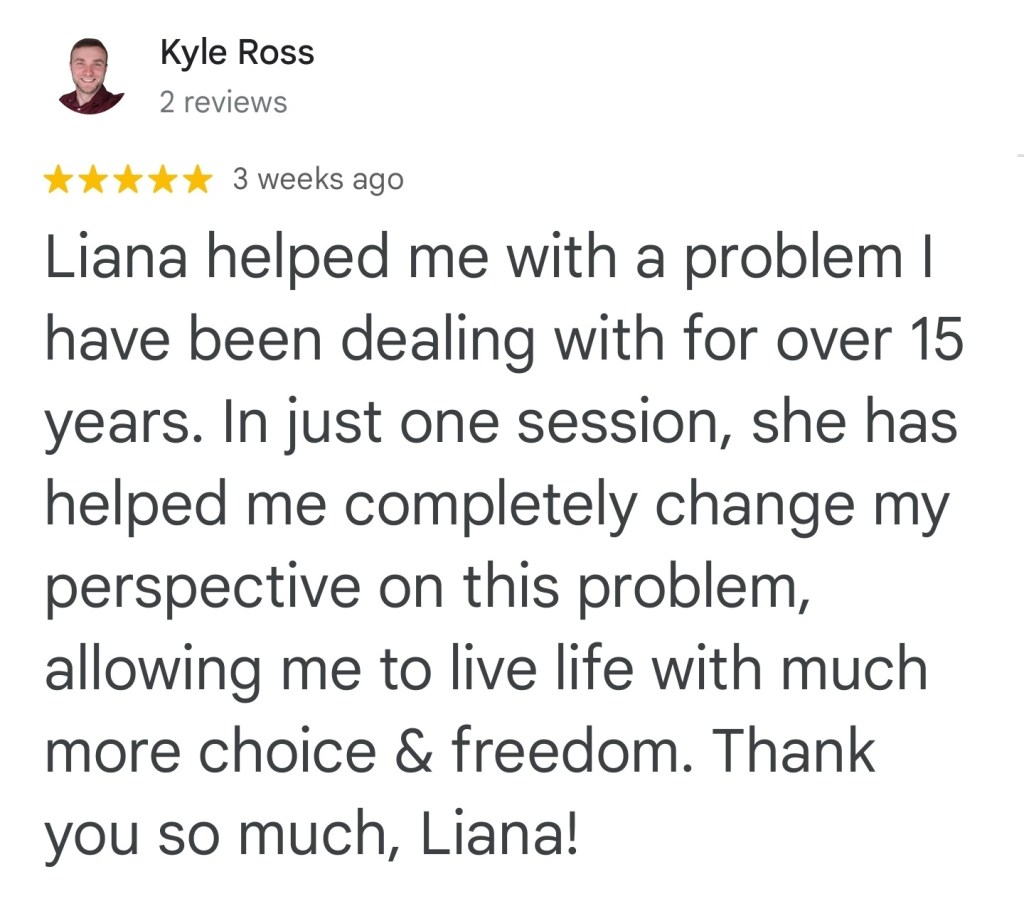
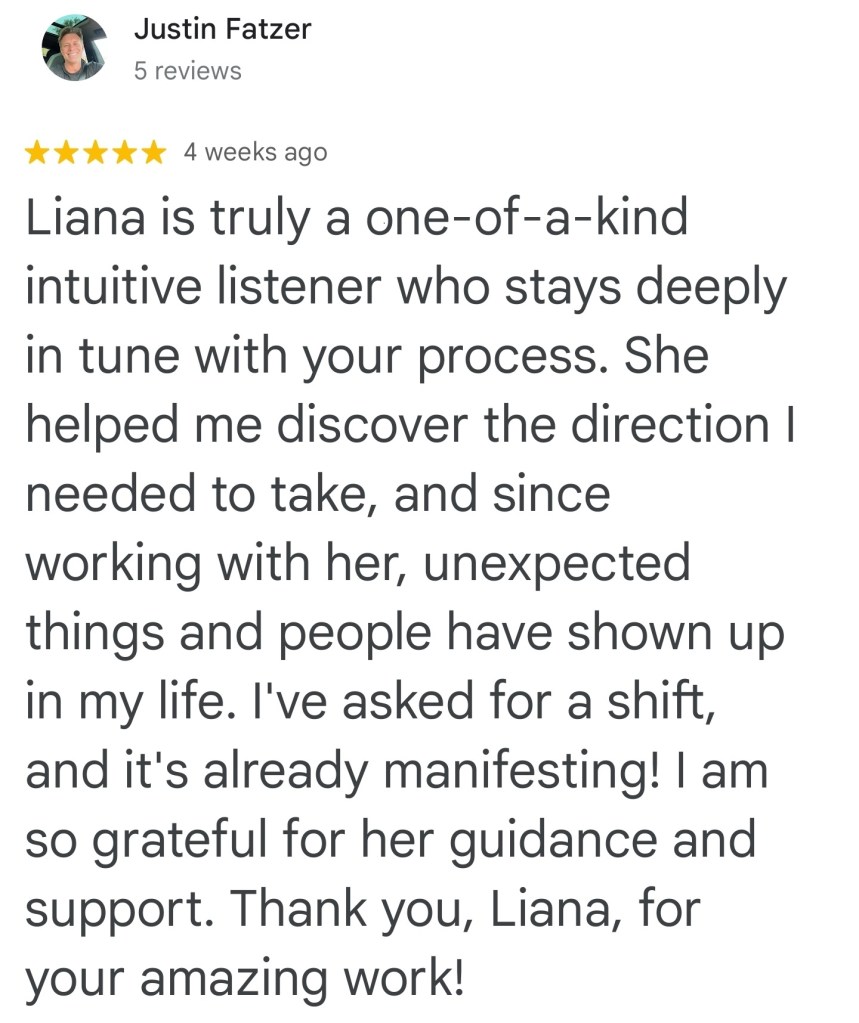
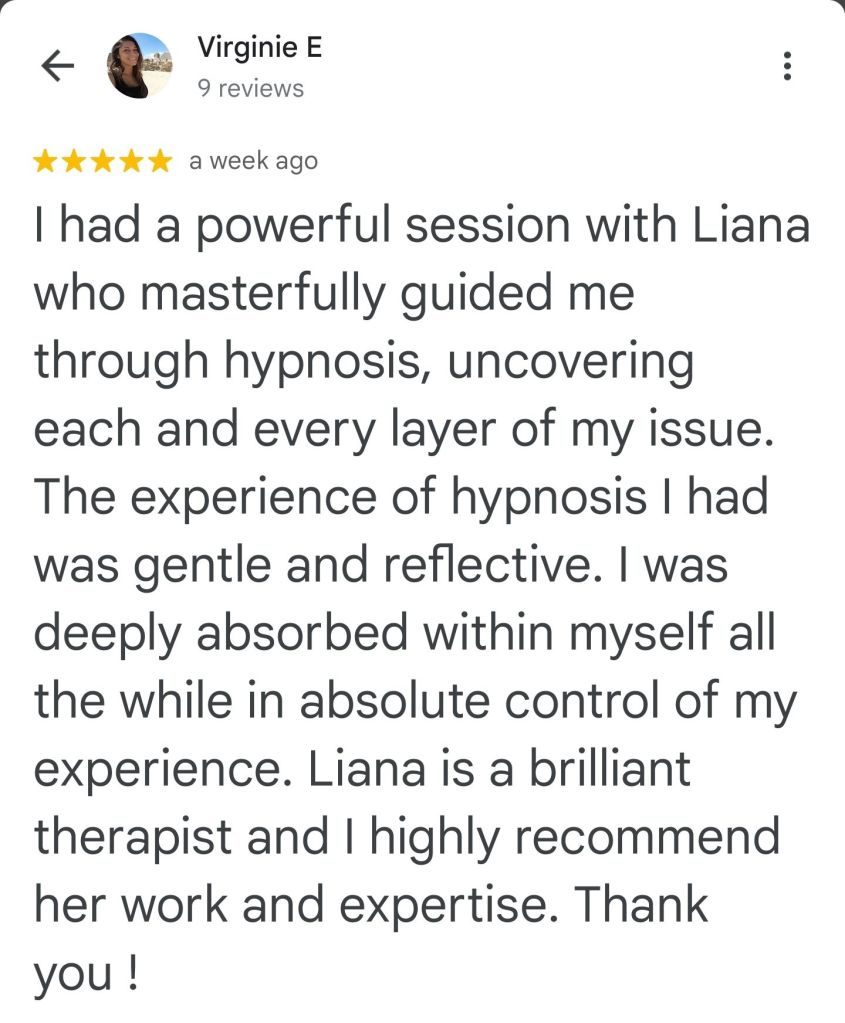
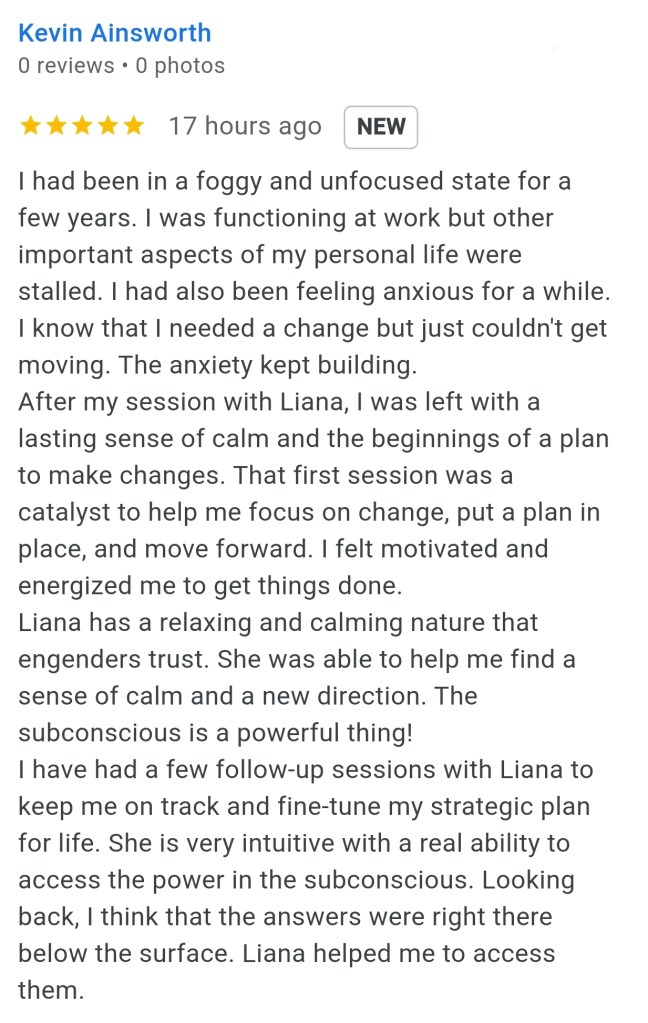
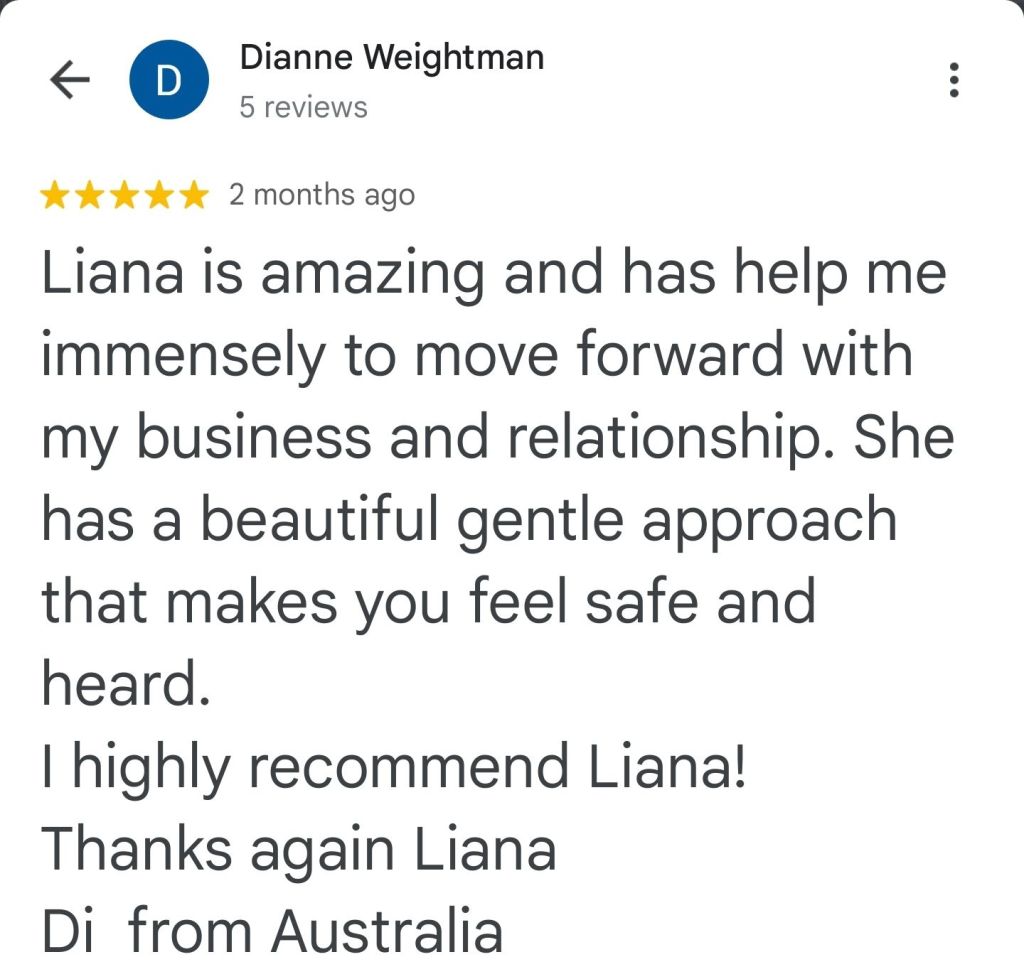
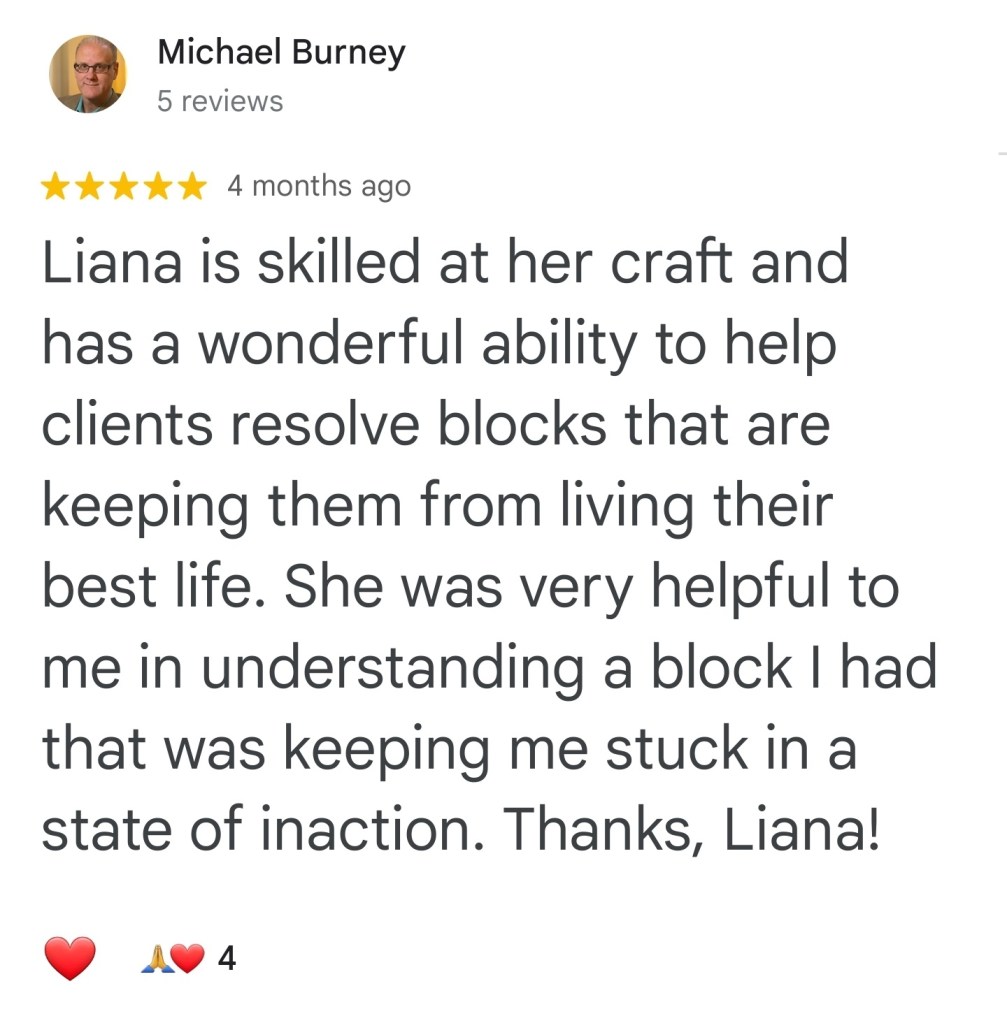
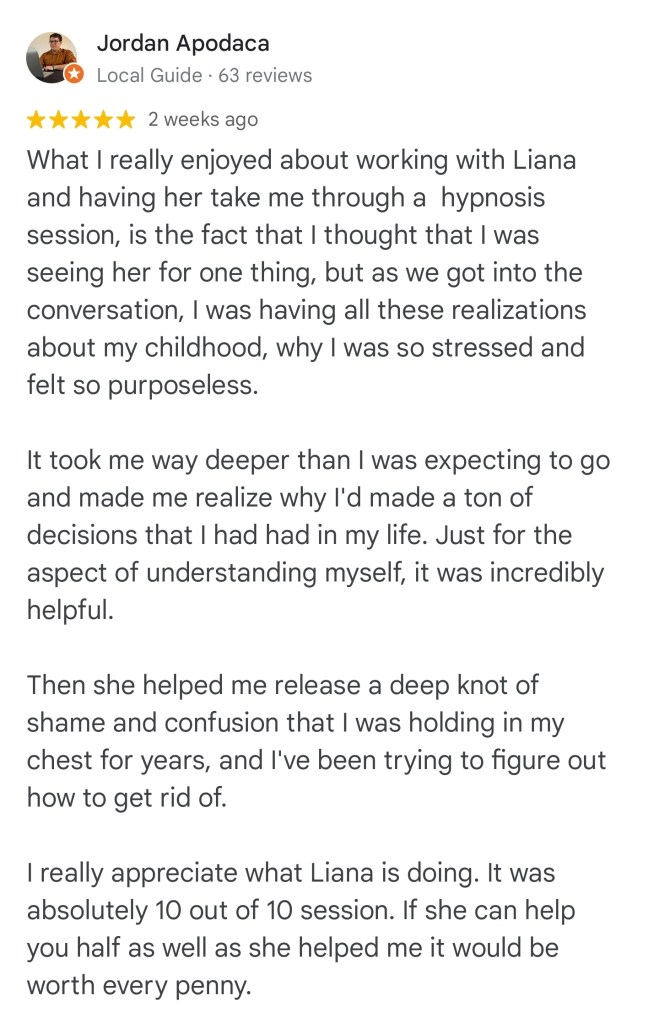
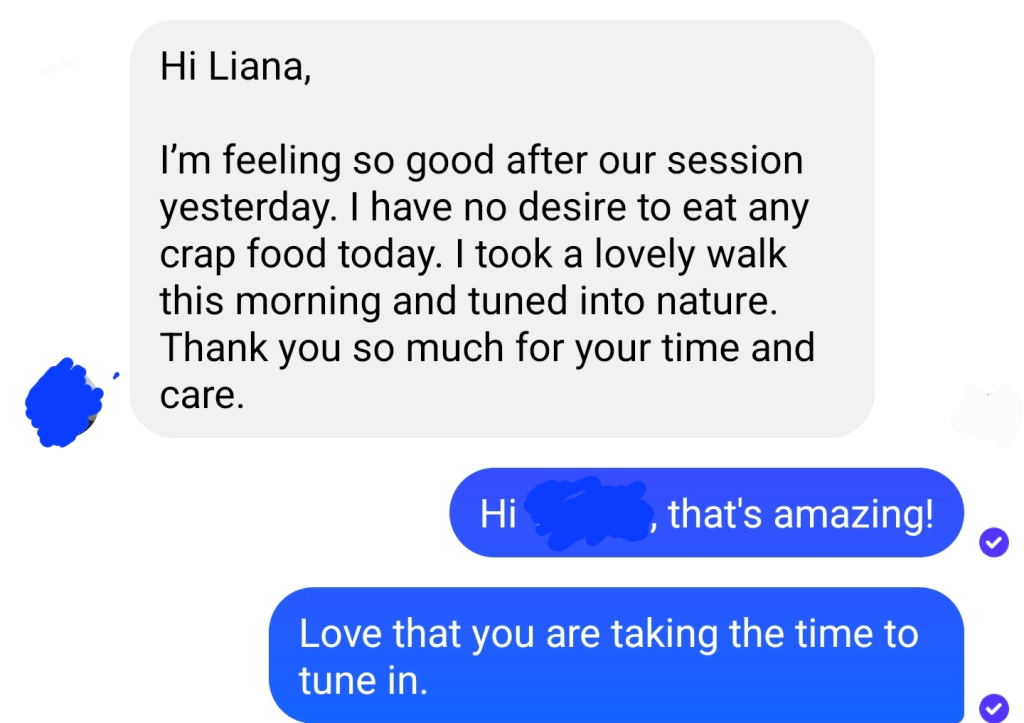
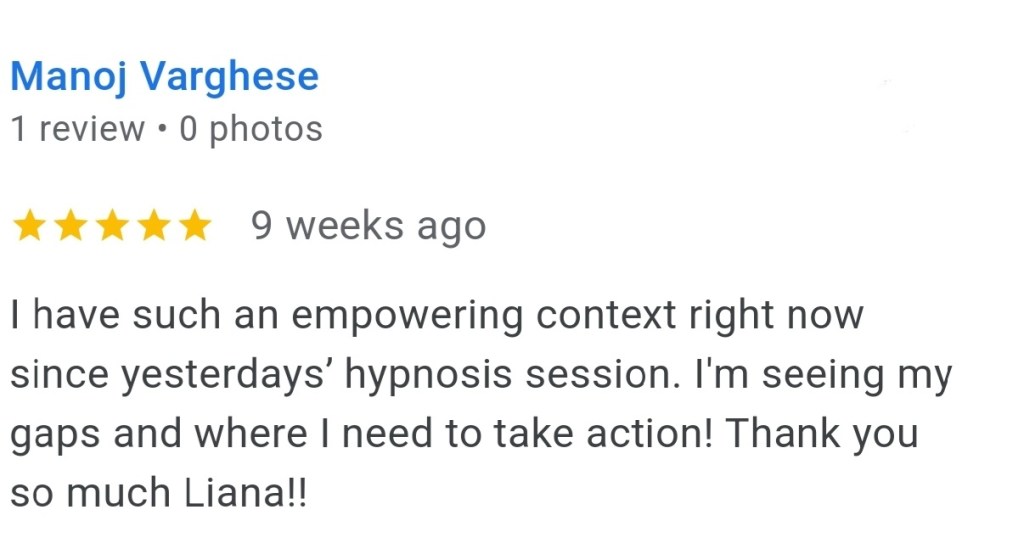
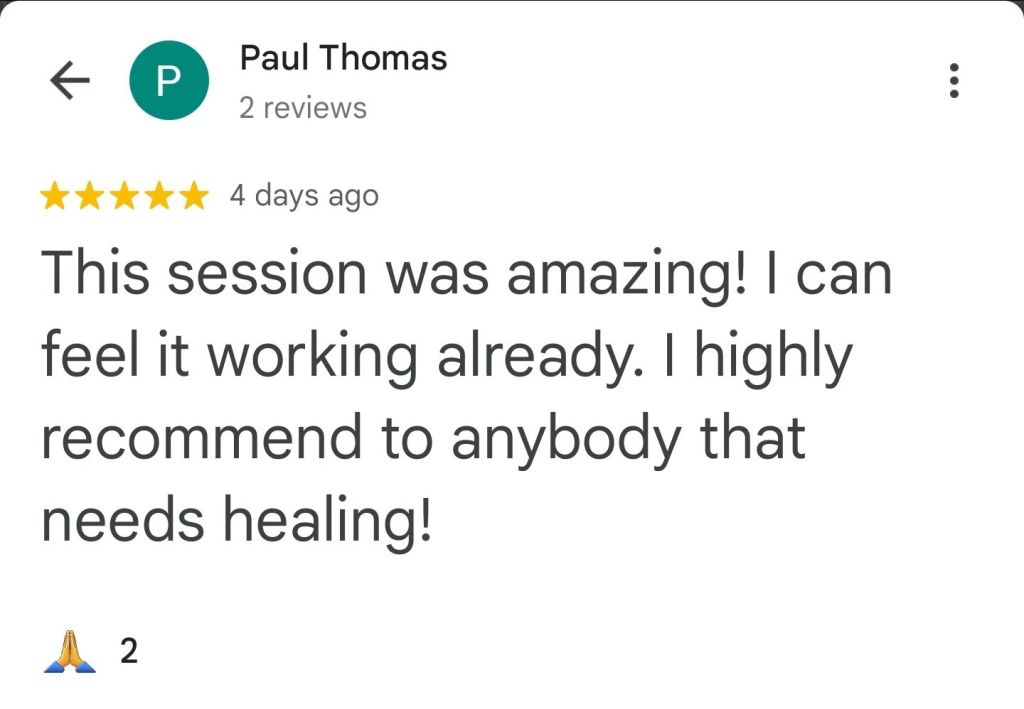
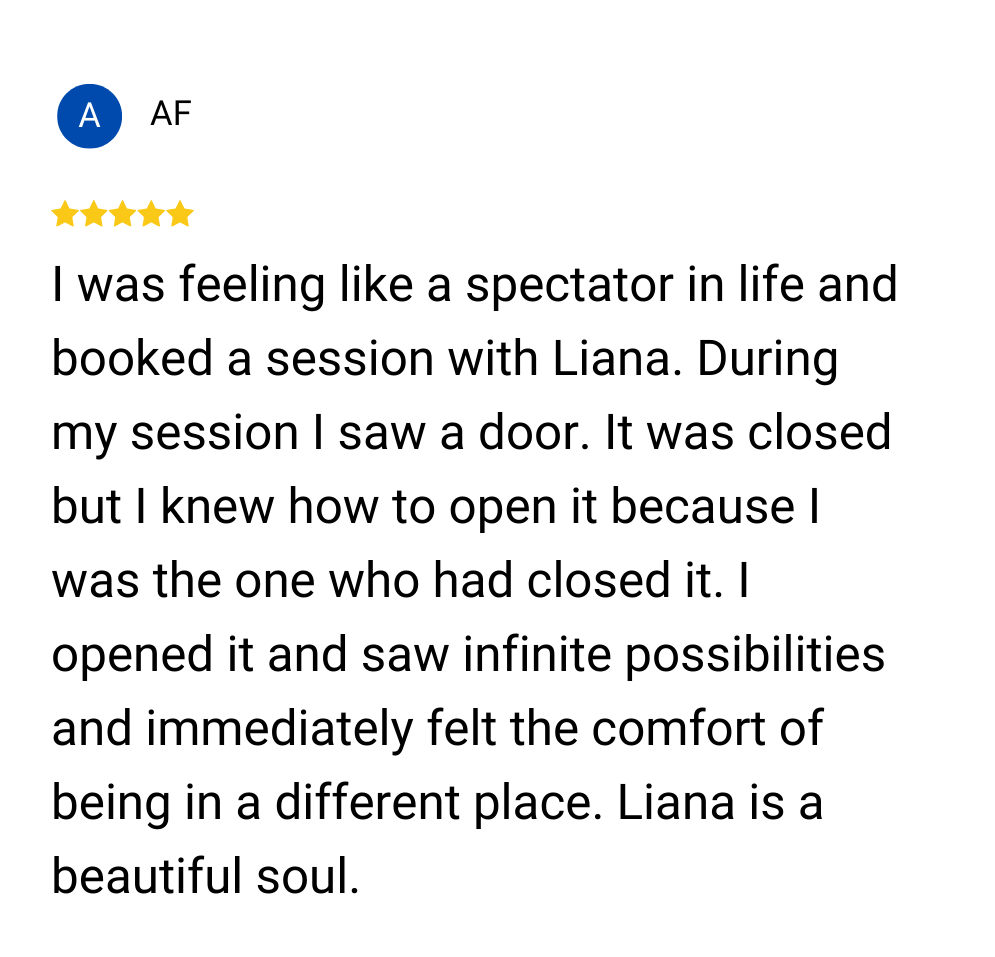
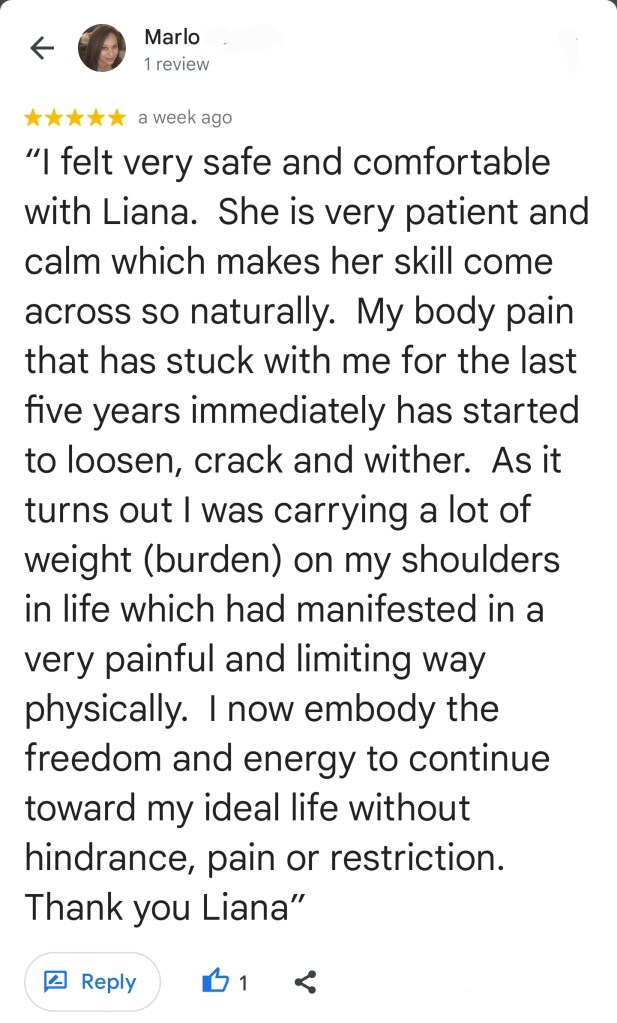
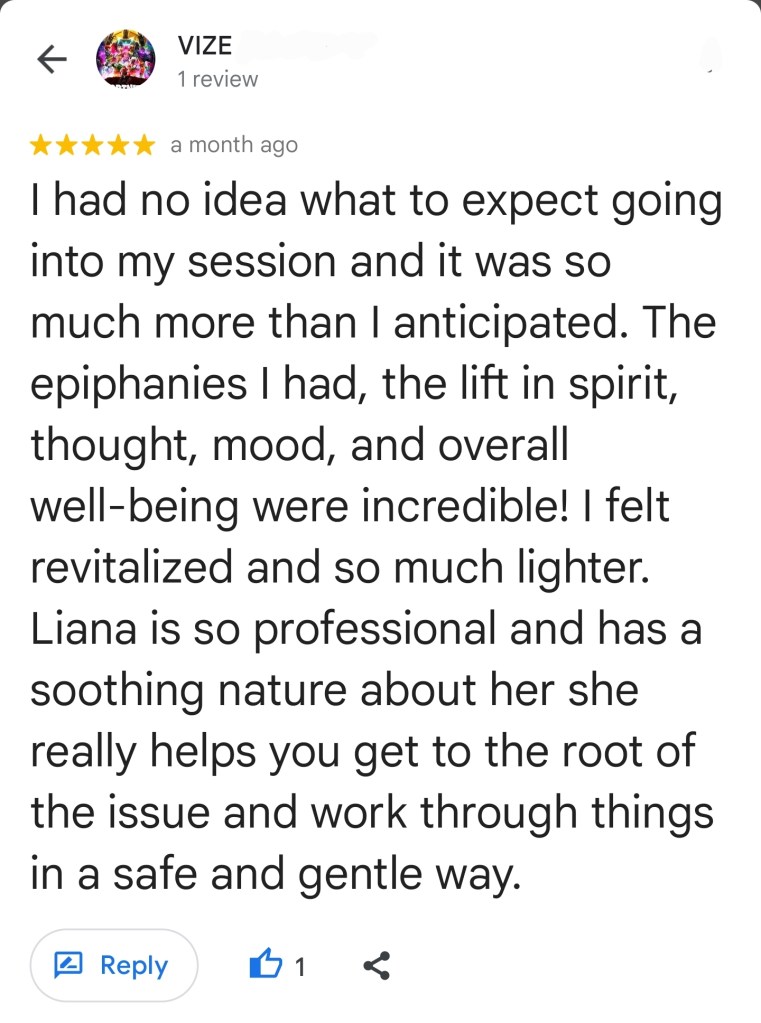
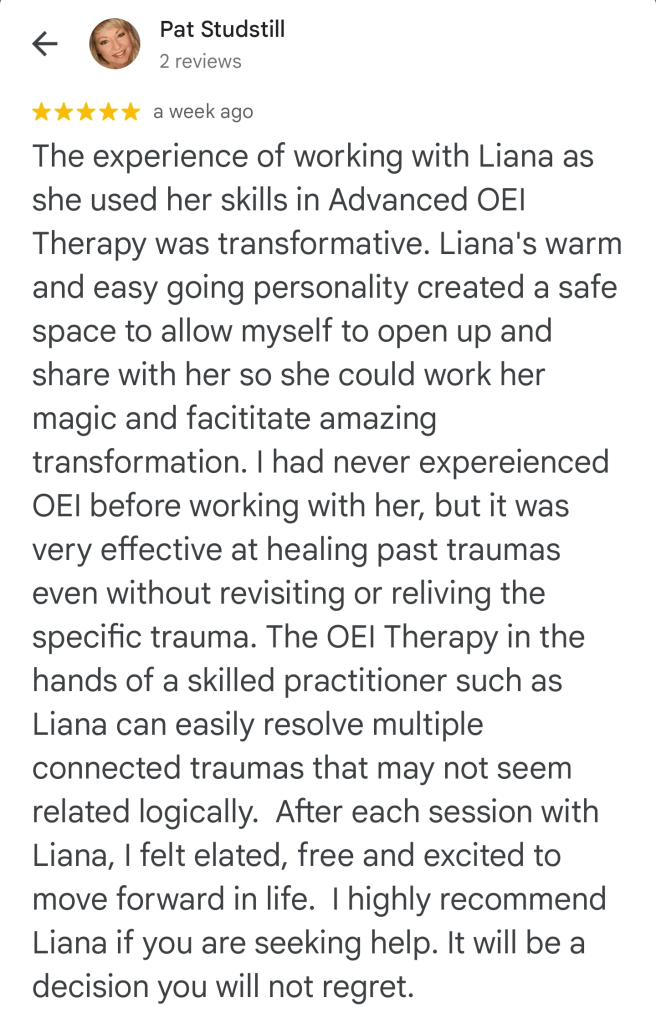
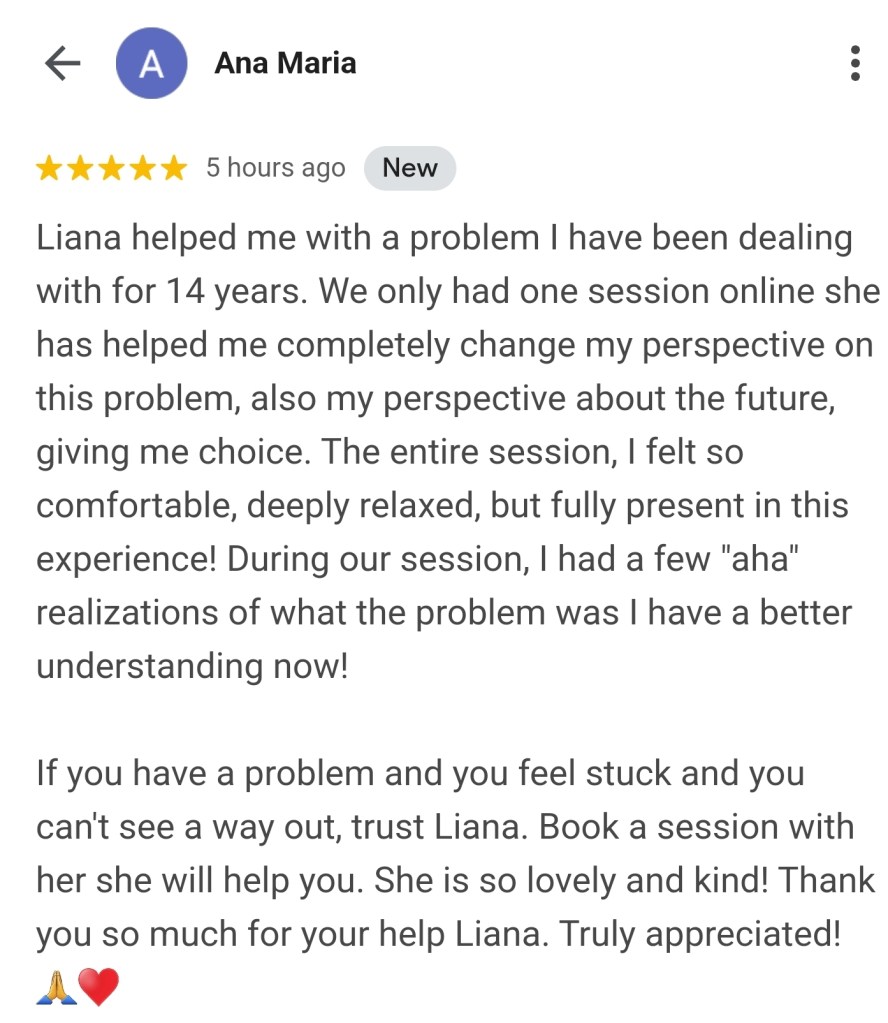
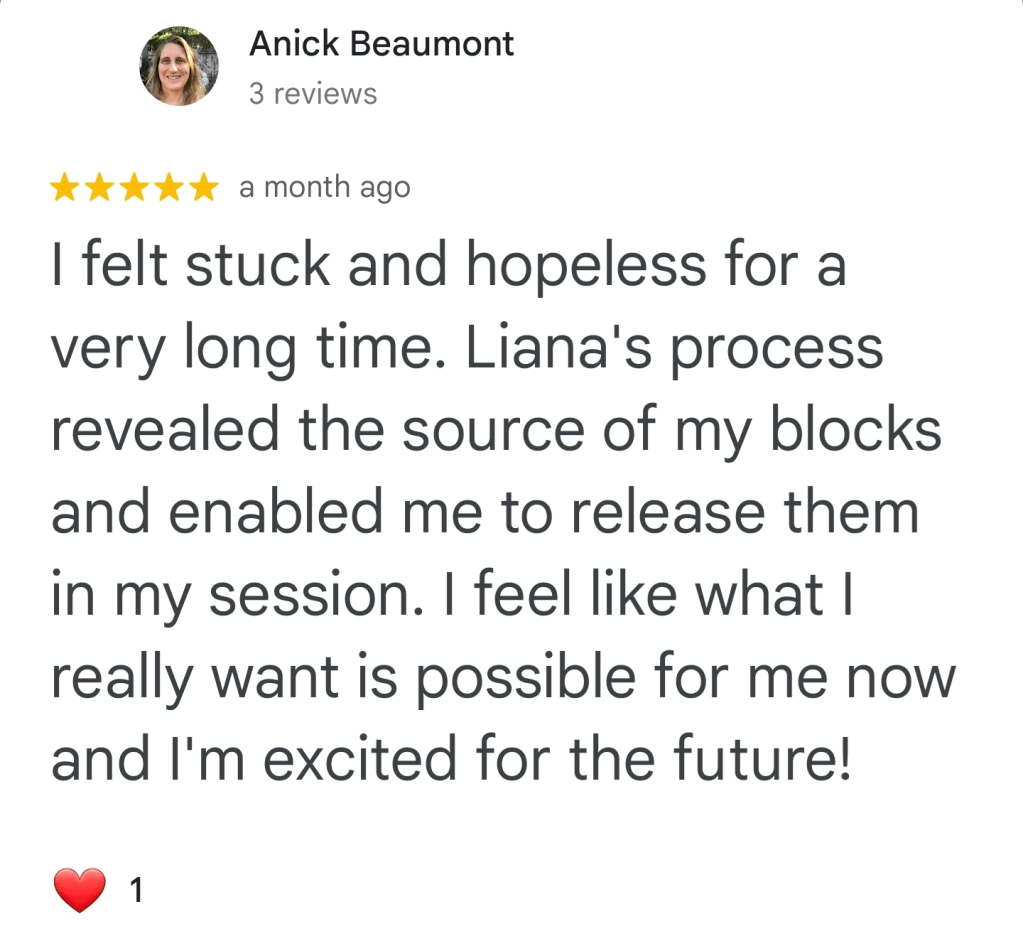
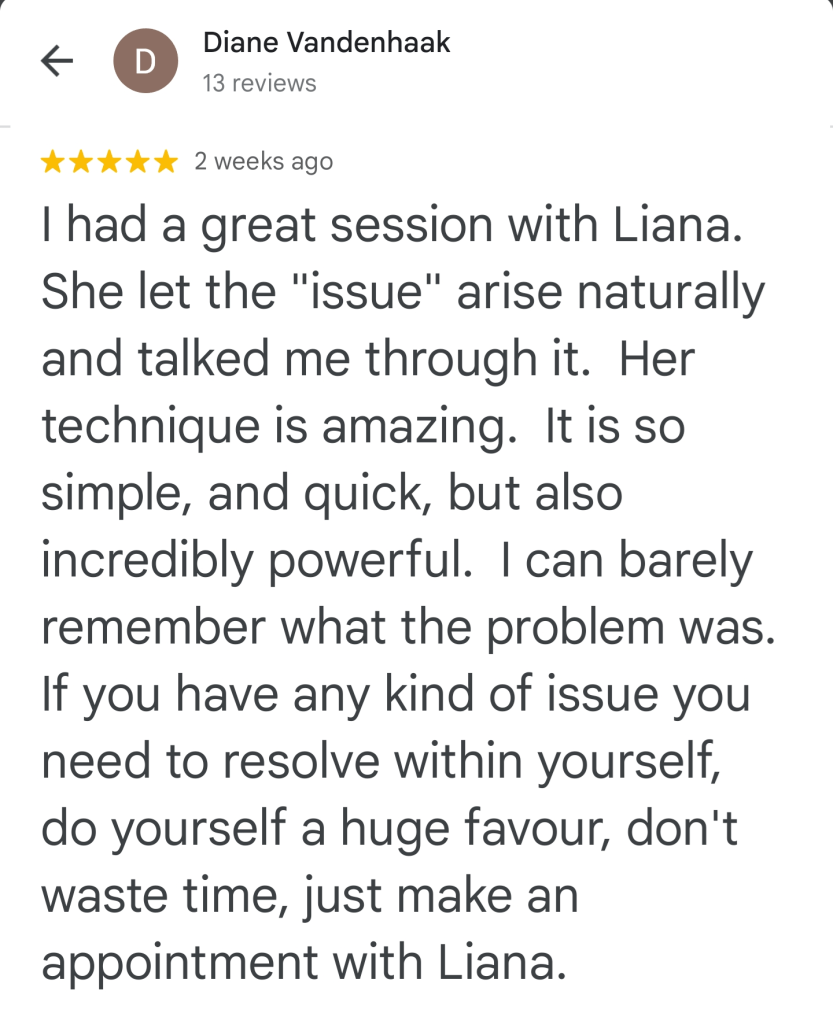
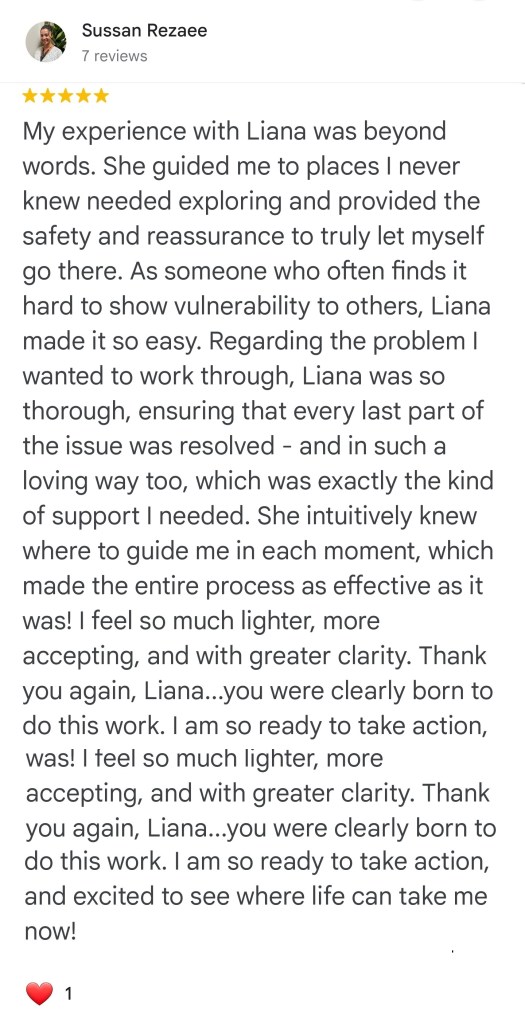
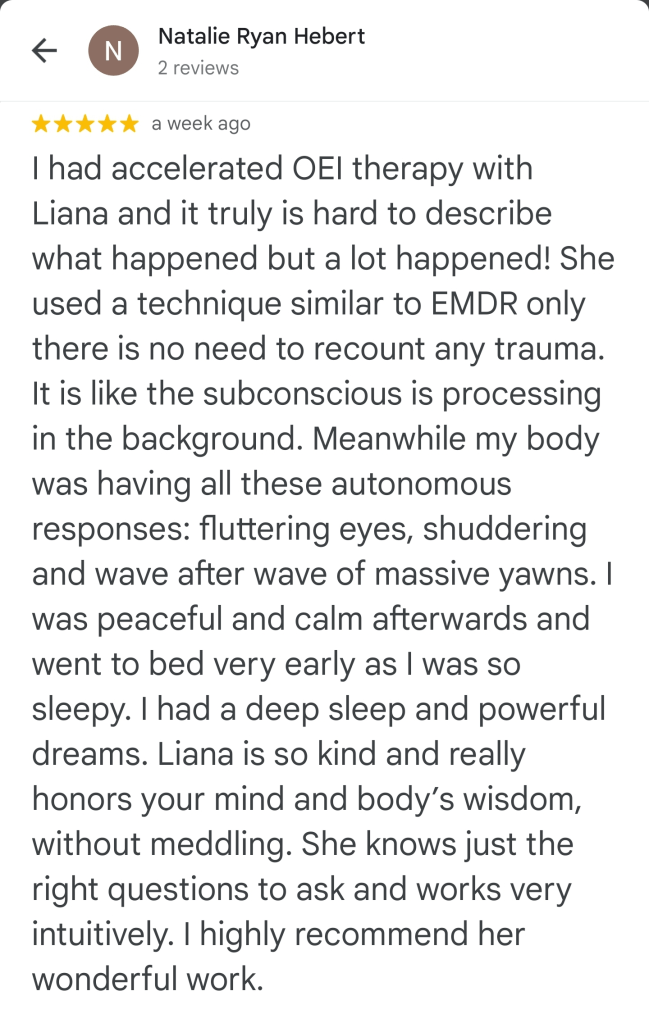
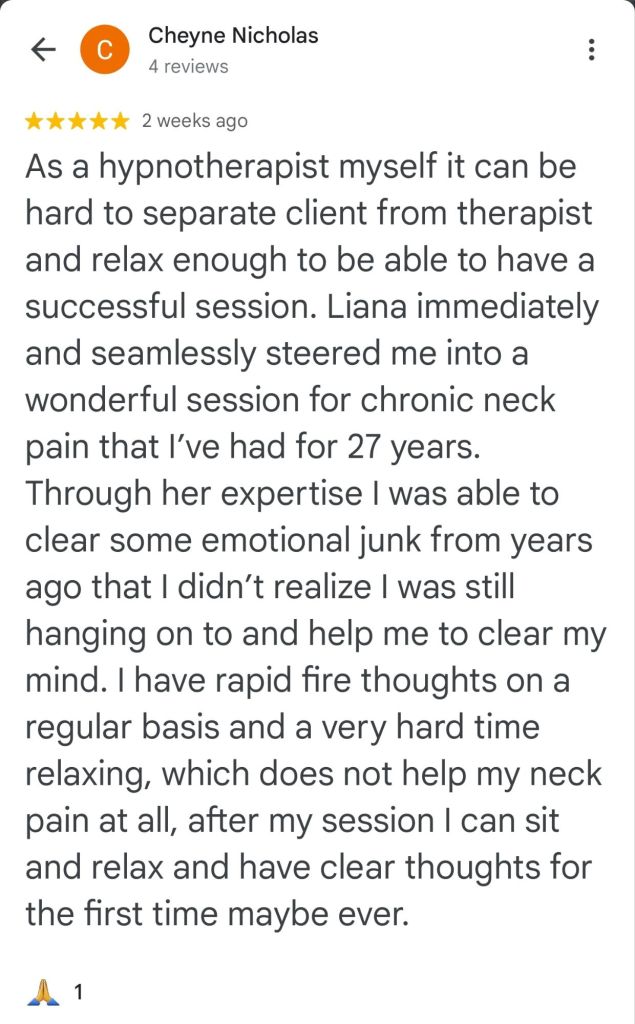
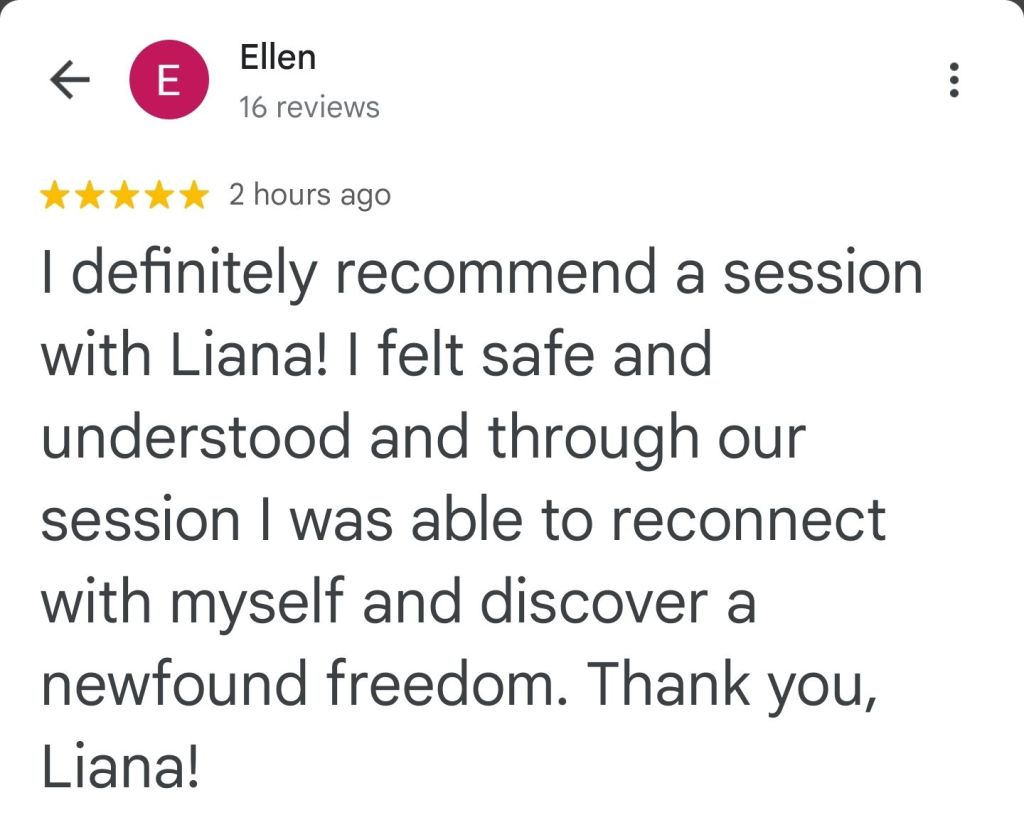
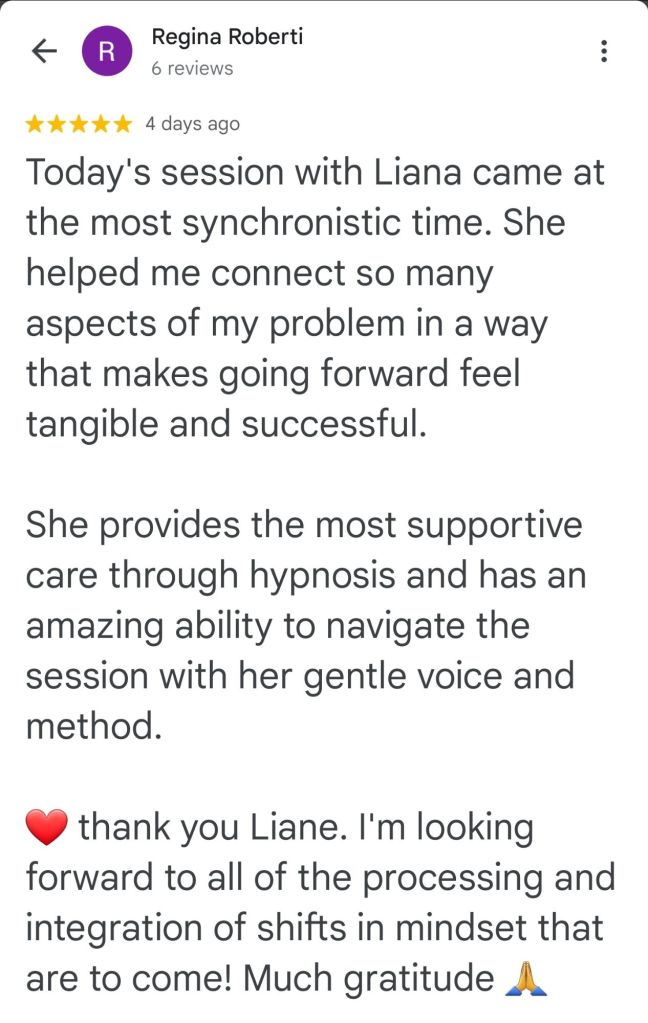
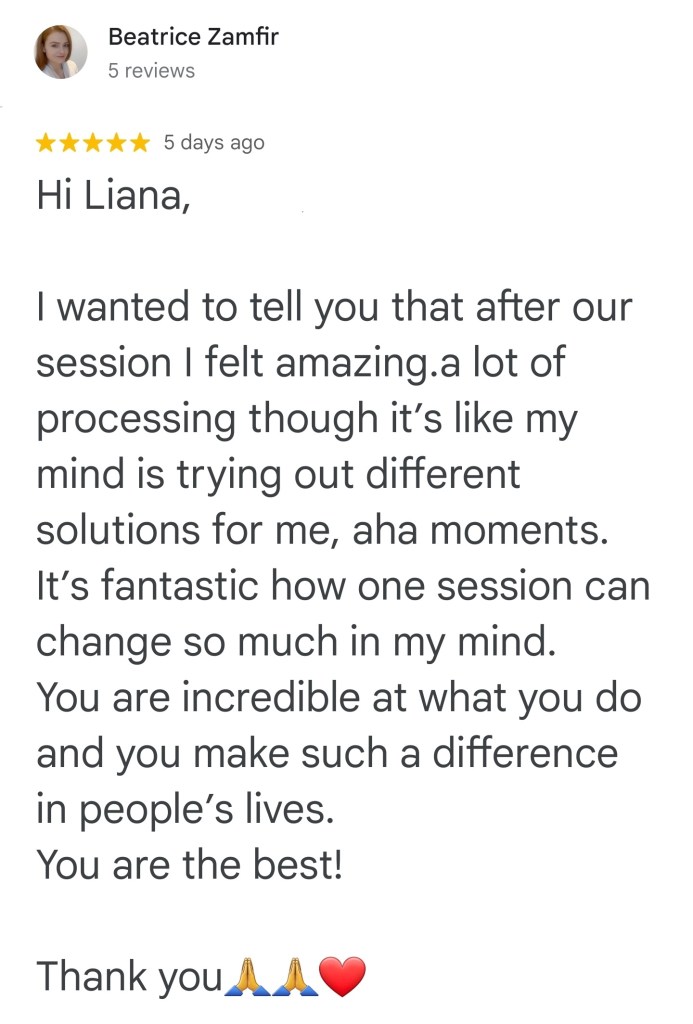
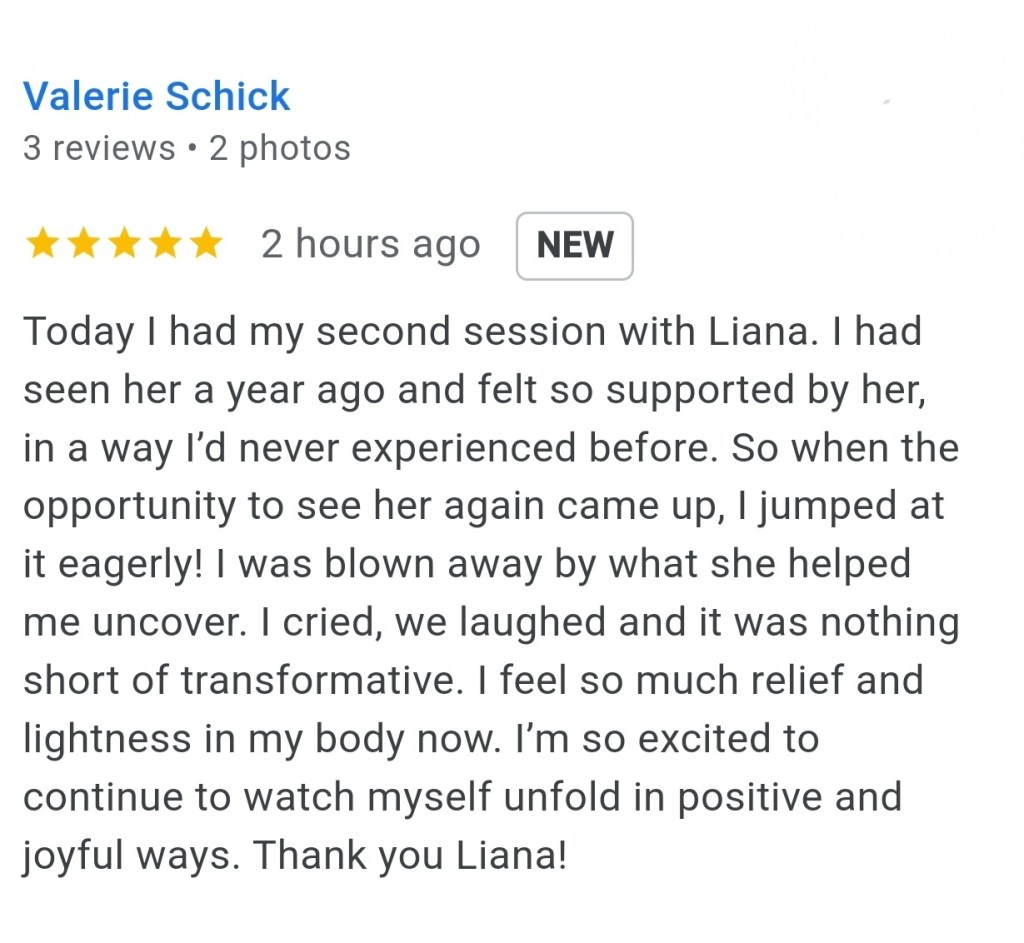
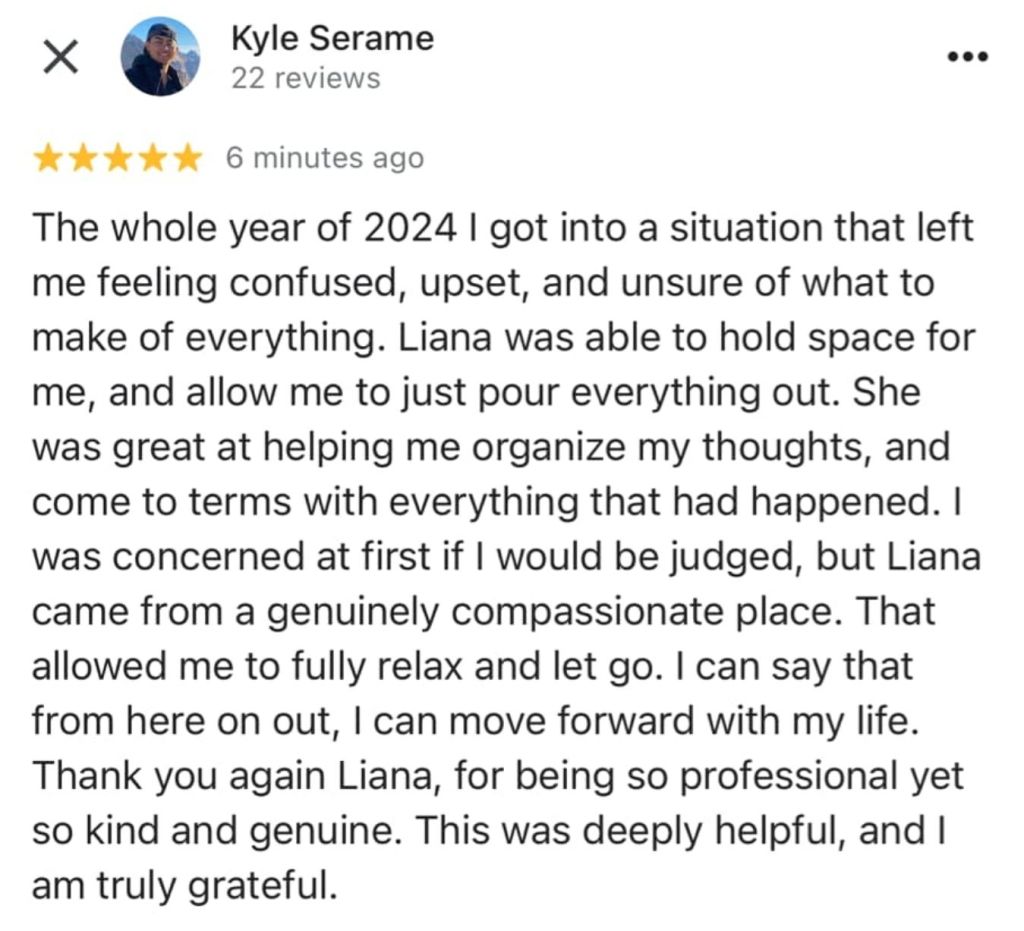
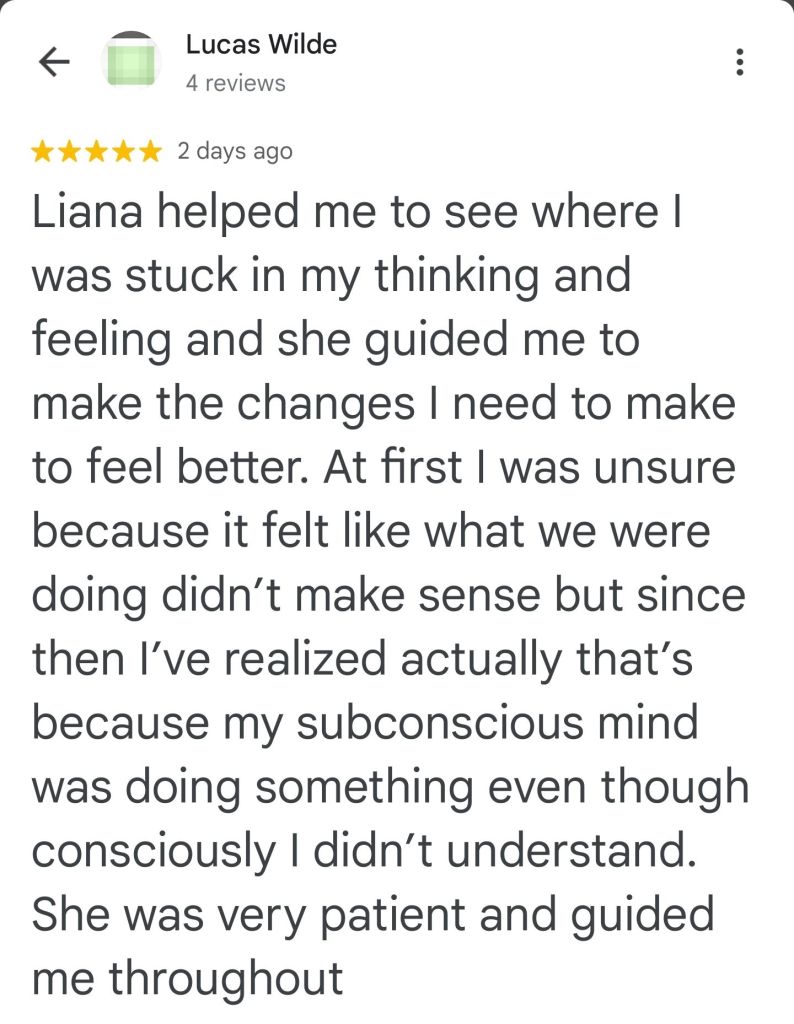
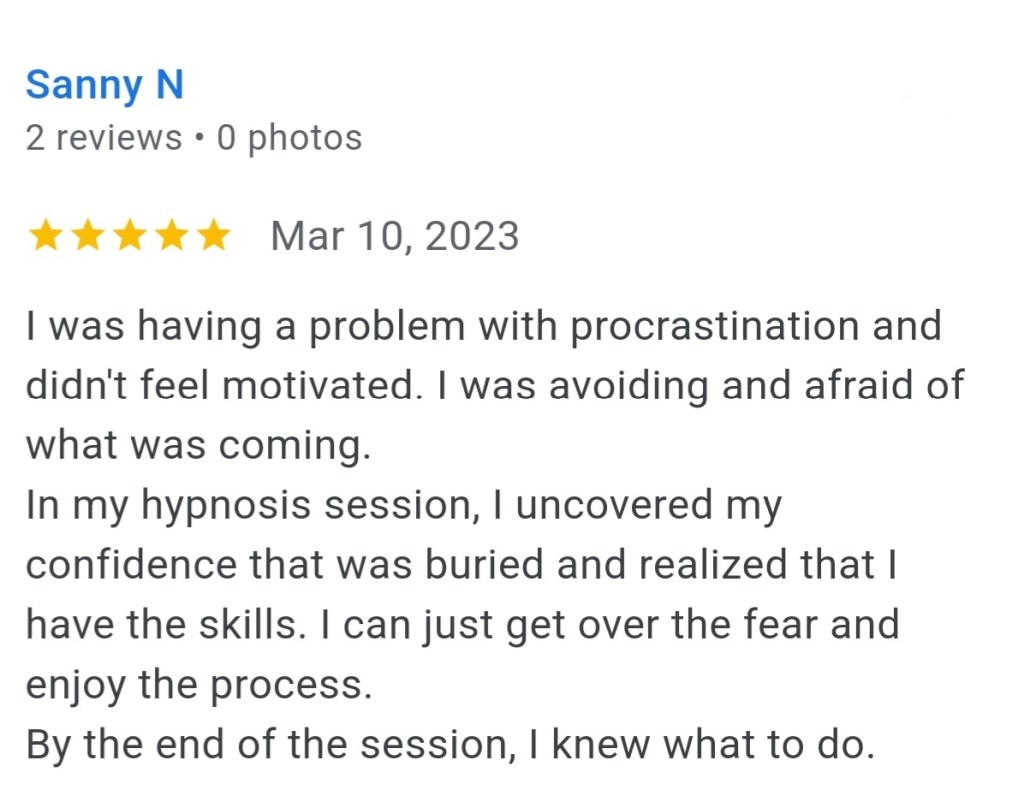
REVIEWS
Read text version here


















“Until you make the unconscious conscious, it will direct your life and you will call it fate.”
-C. Jung
Contact Us
If you have a question or would like more information on OEI, pls contact us using this form, email us or book a free Clarity Session.


 Accelerated Hypnotherapy - Rapid Results