Evidence-Based Hypnotherapy
Hypnotherapy can be expected to have a 93% recovery rate after an average of 6 sessions.
Behaviour therapy can be expected to have a 72% recovery rate after an average of 22 sessions.
Psychoanalysis can be expected to have a 38% recovery rate after approximately 600 sessions.
STUDIES
TRAUMA
Hypnosis is an effective tool for treating trauma-related symptoms, including those associated with PTSD. Studies have shown that hypnotherapy can significantly reduce intrusion and avoidance symptoms. More Info…
STRESS / ANXIETY / FEAR
Hypnotic intervention has a medium-to-large beneficial effect on the experience of stress, burnout and wellbeing. More Info…
MORE RESEARCH:
EFFECTIVE WEIGHT LOSS
Hypnosis by itself or combined with other programs helps subject lose more weight than without hypnosis. Studies show that weight loss increases over time, and weight is maintained with even more losses. More Info…
SMOKING CESSATION
Studies shows that smokers who participated in one hypnotherapy session were more likely to be nonsmokers at 6 months compared with patients using nicotine replacement alone or quitting cold turkey. More Info…
FREQUENTLY ASKED QUESTIONS
“Until you make the unconscious conscious, it will direct your life and you will call it fate.”
– C. Jung
ANSWERS TO COMMON QUESTIONS
What is Accelerated Hypnosis?
Hypnosis uses trance to connect with your subconscious in a deep, resourceful state where all the answers, all the results, all the outcomes, infinite possibilities are already waiting for you.. Accelerated Hypnosis gets rapid results, usually in one session because therapy is results-focused rather than being focused on multiple sessions. Accelerated Hypnosis does testing at the end of the session to ensure the problem is gone and does not occur to you in the same problematic way.
Is hypnosis real?
Yes. Hypnosis is a real psychological phenomenon that has been studied by scientists for many years. There is plenty of evidence to show that hypnosis is useful and effective. Check out the research here
I don’t think I can be hypnotized
You can resist traditional/relaxation hypnosis, where you are told to go down a path or a staircase. Your conscious mind is always judging, evaluating and calling BS on everything. It’s like a bouncer standing at the door of a VIP club. All you need is a willingness to get the conscious mind out of the way so you can enter the VIP area into a deep, resourceful state where all the answers already exist and are waiting to be discovered.
Can I be hypnotized over the internet?
Yes, you can be hypnotized over the internet. It is as effective as in-person hypnosis but with the added benefit of being in the comfort of your own home with no travel time required after the session.
I’m afraid of what I might find in hypnosis 😦
Some people are afraid of hypnosis because they are uncertain of what they might find in their subconscious mind. There is a Principle of Positive Intention in your subconscious mind, it is basically trying to protect you or give you pleasure, however, sometimes these intentions are outdated and no longer serve you, like maybe you were bit by a dog when you were a child and now your kids want to get a dog. The old program is not working for you anymore and needs an update.
Will lose control in hypnosis?
You are always in control in hypnosis. Hypnosis is like watching a movie, you can relax and enjoy the experience or you can get up at anytime and leave the theater. You remain in control of your behaviour and aware during a session and remember what happens.
In fact, a Stanford University School of Medicine study found that two areas of the brain responsible for processing and controlling what’s going on in your body show greater activity during hypnosis.
What happens in a session of Accelerated Hypnosis?
Accelerated Hypnosis is usually done online in the comfort of your own home., There is usually only one session because we get right to the root cause. It’s like going to a dentist to get a root canal, you want the problem taken care of in one visit rather than working on a bit of the pain each week for a series of weeks!
SUBMIT A QUESTION
Your question is still not answered?
RESEARCH
ADDICTION
Hypnosis for Marijuana and Methamphetamine Addiction – case studies of long-term drug abuse where all patients ceased their addiction after a two-hour session and transitioned from drug and alcohol dependency to becoming clean and sober.
In a study on marijuana, cocaine and alcohol cessation, subjects who were given hypnosis and then followed up a year later had a 77% success rate.
Drug and Alcohol Abuse – Hypnosis helps create more serene, higher levels of self-esteem, and greater control over anger and impulsive behavior.
Research on cocaine – Hypnosis was successfully used to overcome a $500 (five grams) per day cocaine addiction. The subject was drug-free after 4 and went on to being drug free for the past 9+ years.
In one study with heroin addicts, 100% of participants who completed the treatment remained clean after 6 months, while 78% remained clean after 2 years.
Hypnosis and Heroin – Even as few as three hypnosis sessions can help injecting heroin users with relaxation, visualization, and ambivalence towards drug use, resulting in positive treatment response.
Hypnosis for Pain Relief (Instead of opioids) – Hypnosis can deliver meaningful pain relief for most people and can be an effective and safe alternative to pharmaceutical intervention.
WEIGHT LOSS
Researchers from the University of British Columbia studied 60 overweight women, and found that those who received hypnosis lost an average of 17 (seventeen) lbs compared to an average of 0.5 lbs in the control group.
University of Northern Colorado studied the effectiveness of adding hypnosis to a behavioural management program to help people lose weight. Subjects had lost a significant amount of weight at the end of the 9-week program. When followed-up at 8 months and 2 years, the group that also received hypnosis had lost even more weight, while the group that had not, remained unchanged.
University of Connecticut, examined the effectiveness of combining hypnosis with cognitive behavioural therapy for weight loss. It found that those who received CBT only had a mean weight loss of 6 lbs, while those who received both hypnosis and CBT had a mean weight loss of 11.83 lbs. It further found that the difference between these two groups increased over time (to 6.33 lbs versus 14.88 lbs).
SMOKING CESSATION
Hypnotherapy For Smoking Cessation Sees Strong Results
North Shore Medical Center in Salem, Massachusetts concluded that smokers who participated in one hypnotherapy session were more likely to be nonsmokers after 6 months compared with patients using nicotine replacement therapy alone or patients who quit “cold turkey.
Smoking Cessation A Meta-Analytic Comparison of the Effectiveness of Smoking Cessation Methods
The US Institute of Actuaries commissioned the largest study ever done on smoking cessation. They found that among of all of the techniques used, hypnosis was the most effective. They found that a single session of hypnosis was three times more effective than the nicotine gum and five times more effective than willpower alone.
Clinical Hypnosis for Smoking Cessation: Preliminary Results of a Three-Session Intervention
Smokers who had failed in previous unassisted attempts to stop smoking, received three smoking cessation hypnosis sessions. At the end of the program 81% reported that they had stopped smoking. A 12-month follow-up revealed that 48% remained smoke-free. 95% of the people were satisfied with their treatment.
References:
Elkins GR, Rajab MH. (2004) “Clinical hypnosis for Smoking Cessation: preliminary results of a three session intervention.” International Journal of Clinical and Experimental Hypnosis 2004 Jan; 52 (1):73-81
INSOMNIA / SLEEP ISSUES
UK Hospital Medical School found that patients slept significantly longer with hypnosis alone than when they received a placebo. Journal of the Royal Society of Medicine Volume 72 October 1979
Hypnotherapy Improves Deep Sleep as Much as 80%
Sleep researchers were able to prove that hypnosis increased slow-wave sleep by as much as 80%.
Hypnotherapy Improves Sleep Quality
People who underwent hypnosis for insomnia had better sleep quality and were more likely to stick with their treatment than those who did not receive hypnosis.
Hypnotic Relaxation and the Reduction of Sleep Onset Insomnia
Data generated by a hypnotic relaxation and the reduction of sleep onset insomnia study suggested that the particular hypnotic relaxation treatment used was effective in helping subjects go to sleep more quickly. Neither stimulus control nor placebo groups recorded similar improvement.
Hypnosis for Sleep Disturbances
Research shows that hypnosis as a treatment for poor sleep had shown benefits for both acute and chronic insomnia (inability to fall asleep, stay asleep, and feel rested)
Hypnosis for Insomnia in Children
Hypnosis for Treatment of Insomnia in School-Age Children: A Retrospective Chart Review
PSYCHOTHERAPY
Alfred A. Barrios, Ph.D. conducted survey of scientific literature to compare recovery rates for various modalities of therapy
- Hypnotherapy can be expected to have a 93% recovery rate after an average of 6 sessions
- Behaviour therapy can be expected to have a 72% recovery rate after an average of 22 sessions.
- Psychoanalysis can be expected to have a 38% recovery rate after approximately 600 sessions.
STRESS / ANXIETY / FEAR
Hypnosis can reduce the fear that individuals experience. Measurable qualities of fear include blood pressure and heart rate.
The technique may lower blood pressure by easing the mind and body into a relaxed and calm state. Once the hypnosis relaxes their body, they can redirect their mind away from focusing on their fears.
Anxiety
In a 2016 study, scientists scanned the brains of 57 people undergoing hypnosis. They found changes in the areas of the brain that allowed for greater emotional control and reduced feelings of self-consciousness.
A 2017 review found that hypnosis has a significant, immediate, and prolonged effect on anxiety in people with cancer. It was especially beneficial for those with procedure-related anxiety.
Hypnotic Intervention Ameliorates Stress: A Randomized Control Study
In 2013, Lund University in Sweden found that, as compared with baseline and wait-list conditions, the hypnotic intervention had a medium-to-large beneficial effect on participants’ experience of stress, burnout, and well-being.
Preoperative Anxiety
The study authors conclude that hypnosis significantly alleviates preoperative anxiety.
Patients in the hypnosis group were significantly less anxious post intervention as compared with patients in the attention-control group and the control group.
Moreover, on entrance to the operating rooms, the hypnosis group reported a significant decrease of 56% in their anxiety level whereas the attention-control group reported an increase of 10% in anxiety and the control group reported an increase of 47% in their anxiety.
https://pubmed.ncbi.nlm.nih.gov/16632816/
Research indicates the average participant receiving hypnosis reduced anxiety more than that of 79% – 84% of control participants.
In 2006, researchers from Yale University School of Medicine studied the stress and anxiety of 76 patients before and after surgery. The 26 patients who received hypnosis were significantly less anxious post-intervention. Moreover, on the entrance to the operating rooms, the hypnosis group reported a significant decrease of 56% in their anxiety level. The study authors conclude that hypnosis significantly alleviates preoperative anxiety.
Performance Anxiety
In 1994, researchers from the University of Tasmania studied 40 music students who experience considerable anxiety when they perform. Results indicate that hypnotherapy is likely to assist musicians in the reduction of their stage fright.
Test Anxiety
University of Wisconsin-Milwaukee studied the effects of hypnosis in reducing test anxiety and improving academic achievement in college students.
There was a decrease in test anxiety and improvements in achievement for the hypnosis group. The treatment gains were maintained at 6-wk follow-up.
Hypnosis and Medical Student Stress
Fifty-six volunteer medical students participated in eight hypnosis group sessions once a week with general ego-strengthening and specific suggestions for study habits, with a ninth session of age progression and mental rehearsal.
The hypnosis group improved significantly in coping with examination stress.
https://pubmed.ncbi.nlm.nih.gov/2919571/
In 2013, researchers from the University of Delhi studied 7 college students pursuing a Ph.D. The study showed that hypnotherapy is an effective intervention strategy to help patients diagnosed with anxiety symptoms.
In 1991, a professor at the University of Wisconsin-Milwaukee studied 44 introductory psychology who were given 4 sessions of hypnosis for exam stress compared to 50 similar students who did not receive any hypnosis. Those students who received hypnosis showed a decrease in exam anxiety as well as improvements in test achievement.
BLOOD PRESSURE
Hypnosis can reduce the fear that individuals experience. Measurable qualities of fear include blood pressure and heart rate.
The technique may lower blood pressure by easing the mind and body into a relaxed and calm state. Once the hypnosis relaxes their body, they can redirect their mind away from focusing on their fears.
A trial compared Hypnosis with biofeedback or a combination of both. All groups had significant reduction in blood pressure. Friedman, H. & Taub, H. (1977). “The Use of Hypnosis and Biofeedback Procedures for Essential Hypertension.” International Journal of Clinical and Experimental Hypnosis, 25, 335-347.
However, at six-month follow-up only patients receiving Hypnosis had maintained the reduction.
TINNITUS
Tinnitus aurium, or ringing in the ears, is a vexing problem to both the patient and physician. The pathophysiology of the entity is poorly understood and drug therapy is often ineffectual. At times the symptom may be severe enough to interfere with normal daily activities or to cause insomnia. Several cases of disturbing tinnitus successfully treated with hypnotherapy are presented and the technique is offered as another modality to be considered in the treatment of this entity. https://www.tandfonline.com/doi/abs/10.1080/00029157.1973.10402239
Patients with tinnitus encounter many problems, including depression,
anxiety, insomnia, increased sensitivity to sound, and negativity. The aim of this study was to evaluate the efficacy of hypnotherapy on the depression, anxiety, and insomnia caused by tinnitus. https://brieflands.com/journals/zjrms/articles/93230.pdf
SEXUAL ISSUES
T. A. Richardson M.D. studied seventy-six cases of frigidity and found that
94.7% of the patients improved. The average number of hypnotherapy sessions needed was 1.53
Hussain’s [1964] studied 105 patients suffering from sexual impotence and frigidity. The 95.2% of patients improved with 4 – 16 hypnotherapy sessions. In follow-ups ranging from six months to two years no instance of relapse or symptom substitution was noted. Hussain, A., “Behavior therapy using hypnosis”, The Conditioning Therapies, New York: Holt, Rinehart & Winston, (1965), 5-20.
HEALING
Harvard University – Hypnosis Helps Healing, by William J. Cromie, Carol Ginandes and Daniel Rosenthal, professor of radiology at the Harvard Medical School, published a report on their study of hypnosis to speed up the mending of broken bones.
Those who were hypnotized healed faster than those who were not. Six weeks after the fracture, those in the hypnosis group showed the equivalent of eight and a half weeks of healing.
Harvard Medical School
Harvard Medical School conducted research on the use of hypnosis to enhance physical healing. Twelve people with a recent bone fracture were divided into two groups. One group received hypnosis and the other group served as control. Both groups received standard orthopaedic treatment. The hypnosis group had individual hypnotic sessions and listened to audio tapes designed to increase bone healing. X-ray and orthopaedic evaluations were made during the 12 weeks of the experiment.
The results showed a faster healing for the hypnosis group at week 9 of the experiment. X-rays revealed a notable difference at the edge of the fracture at week 6 of the experiment. The hypnosis group also had better mobility and used less pain killers. The researchers conclude by saying that “despite a small sample size…. these data suggest that hypnosis may be capable of enhancing both anatomical and functional fracture healing, and that further investigation of hypnosis to accelerate healing is warranted. Ginandes, CS, Rosenthal, DI.1999, “Using hypnosis to accelerate the healing of bone fractures: a randomized controlled pilot study”, Therapy Health Medicine, May, 5(2), pp.67-75.
Healing of Broken Bones, Post-Surgical Wound Healing
In 1999, researchers at Harvard Medical School studied 11 people with fractured bones and concluded that those participants who used hypnosis healed faster (by 2 1⁄2 weeks), required less pain medication, showed more improvement in ankle mobility, and had an easier time descending stairs.
ASTHMA
In 2000, researchers from the University of California analyzed numerous studies that had previously been conducted about the effect of hypnosis on asthmatic patients. Those researchers concluded that the studies that have already been done consistently demonstrate the power of hypnosis to help someone with asthma. Children, in particular, seemed to respond well to hypnosis as a tool.
In 2007, a Harvard Medical School Ph.D. reviewed the evidence from various controlled outcome studies on hypnosis for asthma. The review concluded that hypnosis may be successfully used to treat asthma symptom severity as well as emotional states that can exacerbate airway obstruction.
Fewer Attacks and Less Medication
Hypnosis has been shown to alleviate the subjective distress of patients with asthma: there were less frequent attacks, and less medication was required. Maher-Loughnan, G.P. (1970). “Hypnosis and AutoHypnosis for the Treatment of Asthma.” International Journal of Clinical and Experimental Hypnosis, 18, 1- 14.
In another study comparing Hypnosis and relaxation therapy the improvement with the Hypnotherapy group was much greater. And only Hypnosis subjects showed an improvement in physiologic measures of respiration. Maher-Loughnan, G.P., MacDonald, N., Mason, A.A. & Fry, L. (1962). “Controlled Trial of Hypnosis in the Symptomatic Treatment of Asthma.” British Medical Journal, 2, 371-376.
BLOOD PRESSURE
University of Paris clinical psychology studied 30 participants with high blood pressure and concluded that hypnosis is effective in reducing blood pressure both in the short term and long term. https://www.tandfonline.com/doi/abs/10.1080/00207140600995893
CHRONIC PAIN
Research has shown medical hypnosis to be helpful for acute and chronic pain. Hypnosis treatment of clinical pain: understanding why hypnosis is useful.
Studies have demonstrated effectiveness of hypnosis for pain related to burns, cancer, rheumatoid arthritis, reduction of anxiety associated with surgery and many other fields…
In 1996, a panel of the National Institutes of Health (USA) found hypnosis to be effective in easing cancer pain, including procedural pain, and nausea and vomiting. https://www.ncbi.nlm.nih.gov/pmc/articles/PMC4093417
Studies show that more than 75% of people with arthritis and related diseases experience significant pain relief using hypnosis, https://pubmed.ncbi.nlm.nih.gov/11888223/
Hypnosis can reduce pain (and costs) associated with medical procedures. https://pubmed.ncbi.nlm.nih.gov/10801169/
The findings indicate that hypnosis interventions consistently produce significant decreases in pain associated with a variety of chronic-pain. Also, hypnosis was generally found to be more effective than non-hypnotic interventions such as attention, physical therapy, and education. https://www.ncbi.nlm.nih.gov/pmc/articles/PMC2752362/
In 2016, it was reported that the burns unit of the Lausanne University Hospital in Lausanne, Switzerland, uses hypnosis on a daily basis and that hypnosis is offered to all patients. Two nurses in the Intensive Care Unit only do hypnosis. A study has shown that hypnosis reduces anxiety, the use of drugs, the overall need for anesthetics and, on average, reduces the time spent by patients in intensive care by five days. http://www.smh.com.au/national/health/impact-journalism-day-healing-powers-of-hypnosis-promoted-by-swiss-20160609-gpfkpd.html
In 2014, researchers from the University of Washington reviewed recent clinical trials regarding studies hypnosis for pain management and found that hypnosis is effective for reducing chronic pain. They conclude that: “Chronic pain management remains one of the largest challenges in health care, and hypnosis is an undeveloped but highly promising intervention that can help to address this problem.” https://www.ncbi.nlm.nih.gov/pmc/articles/PMC2752362/
In 2015, researchers from the University of Rome reviewed functional neuroimaging studies focusing on pain perception under hypnosis, which supported the clinical use of hypnosis in the management of pain conditions. https://pubmed.ncbi.nlm.nih.gov/26777155/
Hypnosis was found to be effective in reducing pain and discomfort associated with repeated unpleasant medical interventions in a study of children with cancer Hilgard, E.R. (1977). “Divided Consciousness: Multiple Controls in Human Thought and Action”. NY: John Wiley. 1977
A significant reduction of pain and dysphoria was found following Hypnosis in a study of 19 patients with a variety of musculoskeletal disorders. Domangue, B.B., Margolis, C.G., Lieberman, D. & Kaji, H. (1985). Biochemical Correlates of Hypnoanalgesia in Arthritic Pain Patients.” Journal of Clinical Psychiatry, 46, 235-238
HEADACHES
Hypnosis may be a helpful non-drug therapy to reduce pain in chronic pain, headaches and fibromyalgia. Studies show that more than 75% of people with arthritis and related diseases experience significant pain relief using hypnosis.
Patients in the hypnosis treatment showed a substantial and significant decrease in pain intensity after 4 weeks of treatment, which was maintained. The findings indicate that hypnosis interventions consistently produce significant decreases in pain associated with a variety of chronic-pain problems. Also, hypnosis was generally found to be more effective than non-hypnotic interventions such as attention, physical therapy, and education. https://www.ncbi.nlm.nih.gov/pmc/articles/PMC2752362/
University of Utah School of Medicine reviewed numerous studies on hypnosis for headaches and concluded that hypnosis is a well-established, effective treatment for headaches and migraines. https://pubmed.ncbi.nlm.nih.gov/17365074/
University of Minnesota studied 144 children and adolescents who were taught self-hypnosis to help with recurrent headaches. The results showed that hypnosis significantly helped with the frequency of headaches, the intensity of headaches, and duration of headaches. https://pubmed.ncbi.nlm.nih.gov/17517250/
CHRONIC MIGRAINE HEADACHES
Hypnosis is highly effective in the treatment of chronic migraine headaches. All hypnotic methods appear to be superior to standard treatment relying on pharmacological approaches alone.
Patients treated with hypnosis had a significant reduction in severity and the number of attacks compared to a control group treated with traditional medications. At the one year follow-up the number of patients in the hypnosis group who had no headaches for over three months was significantly higher.
Anderson, J.A., Basker, M.A, Dalton, R. (1975). “Migraine and Hypnotherapy.” International Journal of Clinical and Experimental Hypnosis, 23, 48-58.
Review of the Efficacy of Clinical Hypnosis with Headaches and Migraines
The 12-member National Institute of Health Technology Assessment Panel on Integration of Behavioral and Relaxation Approaches into the Treatment of Chronic Pain and Insomnia (1996) reviewed outcome studies on hypnosis with cancer pain and concluded that research evidence was strong and that other evidence suggested hypnosis may be effective with some chronic pain, including tension headaches.
This paper provides an updated review of the literature on the effectiveness of hypnosis in the treatment of headaches and migraines, concluding that it meets the clinical psychology research criteria for being a well-established and efficacious treatment and is virtually free of the side effects, risks of adverse reactions, and ongoing expense associated with medication treatments. Hammond C. (2000) The International Journal of Clinical and Experimental Hypnosis; Volume 55, Number 2 – May 2000
ARTHRITIS
Hypnosis may be a helpful non-drug therapy to reduce pain in chronic pain. Studies show that more than 75% of people with arthritis and related diseases experience significant pain relief using hypnosis.
Patients in the hypnosis treatment showed a substantial and significant decrease in pain intensity after 4 weeks of treatment, which was maintained. The findings indicate that hypnosis interventions consistently produce significant decreases in pain associated with a variety of chronic-pain problems. Also, hypnosis was generally found to be more effective than non-hypnotic interventions such as attention, physical therapy, and education. https://www.ncbi.nlm.nih.gov/pmc/articles/PMC2752362/
In 2000, researchers from the Institute of Medical Psychology, Ludwig-Maximilian-University in Germany conducted a study involving 66 Rheumatoid Arthritis patients. The patients who used hypnosis experienced clinically significant improvements in both subjective measurements (e.g., to assess the severity of joint pain/function) and objective measurements (e.g. testing blood samples for indicators of inflammation). The patients who used hypnosis improved more than the patients in the study who used other techniques – such as relaxation. And, improvements became even more significant if one of the patients in the study practiced hypnosis regularly during follow-up periods.
DECREASE IN PAIN
Patients with arthritis achieved significant decreases in pain, anxiety, and depression, and an increases in beta-endorphin-like immunoreactive material after hypnotherapy
Domangue, B.B., Margolis, C.G., Lieberman, D. & Kaji, H. (1985). “Biochemical Correlates of Hypnoanalgesia in Arthritic Pain Patients.” Journal of Clinical Psychiatry, 46, 235-238.
DEPRESSION
According to a meta-analysis of hypnotic interventions, using hypnosis for depression is potentially as effective as other well-known psychological interventions such as CBT and interpersonal therapy.
Hypnotic intervention for depression was compared with a control condition in reducing depression symptoms. The average participant receiving hypnosis showed more improvement than about 76% of control participants.
The effect sizes suggest that hypnosis is a very effective way of alleviating the symptoms of depression. Clinicians may wish to give serious consideration to hypnosis as a treatment option when working with clients who are depressed.
Cognitive Hypnotherapy for Depression: An Empirical Study: To investigate the effectiveness of cognitive hypnotherapy (CH), hypnosis combined with cognitive behavior therapy (CBT), on depression, 84 depressives were randomly assigned to 16 weeks of treatment of either CH or CBT alone.
At the end of treatment, patients from both groups significantly improved compared to baseline scores. However, the hypnotherapy group produced significantly larger changes in Beck Depression Inventory, Beck Anxiety Inventory, and Beck Hopelessness Scale.
Effect size calculations showed that the hypnotherapy group produced 6%, 5%, and 8% greater reduction in depression, anxiety, and hopelessness, respectively, over and above the CBT group. The effect size was maintained at 6-month and 12-month follow-ups.
This study represents the first controlled comparison of hypnotherapy with a well-established psychotherapy for depression, meeting the APA criteria for a “probably efficacious” treatment for depression. Assen Alladin and Alisha Alibhai (2000) The International Journal of Clinical and Experimental Hypnosis; Volume 55, Number 2 – May 2000.
Alternative Treatments for Long-Term Depressed Mood: Meditation and Hypnosis The purpose of this study was to examine the effectiveness to two alternative treatments for long-term depressed mood: mindfulness meditation and hypnosis.
The study represented innovative investigation into two alternatives to traditional treatments for long-term depressed mood: mindfulness meditation (plus gentle hatha yoga) and hypnosis in a group therapy format.
Results indicate that significantly more meditation group participants experienced a remission than did controls at 9-month follow-up. Meditation with yoga, group therapy with hypnosis, and psychoeducation for long-term depressed mood: a randomized pilot trial. Spiegel, D. MD
Hypnosis, Mindfulness Meditation and Brain Imaging. Spiegel, D. MD, White, M., Weald, L.C.
PHOBIAS
Student test anxiety : Students taught self-hypnosis showed a significant reduction in anxiety scores (maintained at 6-month follow-up) then a control group. Stanton, H. E. (1994)
Public Speaking
The group who received hypnosis had a greater expectation for change and that change was achieved, than those who had non-hypnotic treatment. Schoenberger, N. E.; Kirsch, I.; Gearan, P.; Montgomery, G.; Pastyrnak, S.L. (1997).
Fear of Flying
50% of patients afraid of flying were improved or cured after Hypnosis treatment.
Spiegel, D. (1998) Report in the Harvard Mental Health Letter, September 1998, vol. 15, p. 5-6
FIBROMYALGIA
Hypnosis may be a helpful non-drug therapy to reduce pain in chronic pain, headaches and fibromyalgia. Studies show that more than 75% of people with arthritis and related diseases experience significant pain relief using hypnosis.
Patients in the hypnosis treatment showed a substantial and significant decrease in pain intensity after 4 weeks of treatment, which was maintained. The findings indicate that hypnosis interventions consistently produce significant decreases in pain associated with a variety of chronic-pain problems. Also, hypnosis was generally found to be more effective than non-hypnotic interventions such as attention, physical therapy, and education. https://www.ncbi.nlm.nih.gov/pmc/articles/PMC2752362/
Effect of hypnotic suggestion on fibromyalgic pain
Paradoxical experience of hypnotic analgesia in low hypnotizable fibromyalgic patients.
Paradoxical experience of hypnotic analgesia in low hypnotizable fibromyalgic patients.
Mind and body therapy for fibromyalgia.
IRRITABLE BOWEL SYNDROME (IBS)
Research provides evidence that gut-focused hypnotherapy is an effective intervention for refractory IBS. 76% of refractory irritable bowel syndrome (IBS) patients reported a decrease in the severity of symptoms after 3 months of hypnotherapy.
https://pubmed.ncbi.nlm.nih.gov/25736234/
In 2015, a researcher from the University of North Carolina, Chapel Hill reviewed 35 studies on the use of hypnosis for gastrointestinal disorders including irritable bowel syndrome (IBS). The conclusion was that research shows unequivocally that for both adults and children with IBS, hypnosis treatment is highly efficacious in reducing bowel symptoms and can offer lasting and substantial symptom relief for a large proportion of patients who do not respond adequately to usual medical treatment approaches.
In 2003, researchers from the University Hospital of South Manchester and Withington Hospital in the United Kingdom studied 204 patients with irritable bowel syndrome (IBS). They observed that 71% of the patients responded to hypnotherapy, and 81% of those maintained their improvement over time. Hypnotherapy resulted in improvements in patient symptoms, quality of life, anxiety, and the amount of medication required.
ABDOMINAL PAIN / IBS
Hypnosis may be a helpful non-drug therapy to reduce pain in chronic pain, headaches and fibromyalgia. Studies show that more than 75% of people with chronic pain and related diseases experience significant pain relief using hypnosis.
Patients in the hypnosis treatment showed a substantial and significant decrease in pain intensity after 4 weeks of treatment, which was maintained. The findings indicate that hypnosis interventions consistently produce significant decreases in pain associated with a variety of chronic-pain problems. Also, hypnosis was generally found to be more effective than non-hypnotic interventions such as attention, physical therapy, and education. https://www.ncbi.nlm.nih.gov/pmc/articles/PMC2752362/
Hypnotherapy is one of the most successful treatment methods, giving 80+% success rate for abdominal pain and distension. It often results in assisting with other problems such as migraine and tension headaches. With patients who have severe chronic IBS, it was Hypnotherapy patients that showed dramatic improvement in all measures, and they maintained that improvement at a two year follow-up.
Whorwell P.J; Prior A; Faragher E.B. (1988 & 1987). Whorwell, P.J., Prior, A. & Faragher, E.B. (1984). “Controlled Trial of Hypnotherapy in the Treatment of Severe Refractory Irritable-Bowel Syndrome.” Lancet, pp. 1232-1234. Whorwell, P.J., Prior, A. & Colgan, S.M. (1987). “Hypnotherapy in Severe Irritable Bowel Syndrome: Further Experience.” Gut, 28, 423-42
Cognitive Behavioral Hypnotherapy in the Treatment of Irritable Bowel Syndrome–Induced Agoraphobia
There are a number of clinical studies and a body of research on the effectiveness of hypnotherapy in the treatment of irritable bowel syndrome (IBS). Likewise, there exists research demonstrating the efficacy of cognitive-behavioural therapy (CBT) in the treatment of IBS. However, there is little written about the integration of CBT and hypnotherapy in the treatment of IBS and a lack of clinical information about IBS-induced agoraphobia. This paper describes the aetiology and treatment of IBS-induced agoraphobia. Cognitive, behavioural, and hypnotherapeutic techniques are integrated to provide an effective cognitive-behavioural hypnotherapy (CBH) treatment for IBS-induced agoraphobia. This CBH approach for treating IBS-induced agoraphobia is described and clinical data are reported.
Golden W.L. (2000) The International Journal of Clinical and Experimental Hypnosis; Volume 55, Number 2 – May 2000
STROKES / MOTOR TASKS
In 2006, researchers from Harvard University and Massachusetts General Hospital conducted a clinical study of six chronic stroke subjects who were hypnotized. Measurements of motor function and brain activity were taken. After hypnosis, the six subjects exhibited qualitative improvement in motor function related to an increased range of motion, increased grip strength, and reduced spasticity of the paretic upper limb. After hypnosis, the subjects also reported an improved outlook, increased motivation as well as decreased effort to perform motor tasks.
DEMENTIA / ALZHEIMER’S DISEASE
In 2007, a study done by researchers in two care homes in the United Kingdom found that dementia patients who received regular weekly hypnosis sessions over a 9- month period showed improvements in all 7 aspects of their “quality of life”: concentration, relaxation, motivation, activities of daily living, immediate memory, memory of significant events, and socialization. In fact, some of those improvements were maintained for a period of time after the study – such as for 21 months or more from the start date of the study.
CANCER
In a study of 150 participants concluding in 2015, a nurse and researcher at the City of Hope Cancer Center studied 150 cancer patients and found that 78% of those who used hypnosis experienced significant, lasting reduction in symptoms such as anxiety, pain, sleeplessness, fatigue, nausea and vomiting.
In 2013, researchers from the Mount Sinai School of Medicine and the City of Hope Cancer Center reviewed the empirical literature on hypnosis as a cancer prevention and control technique. They concluded that hypnosis has strong support for use in surgery and other invasive procedures and shows promise to help with chemotherapy, radiotherapy, and metastatic disease.
In 2005, researchers from hospitals and hospices in the United Kingdom studied the impact of hypnosis on 20 hospice cancer patients. They found that hypnotherapy did help the cancer patients with insomnia, frequent bowel actions, itchiness, pain, chemotherapy side effects like nausea and fatigue, and anxiety. They also concluded that the “best time for hypnotherapy to be offered to cancer patients is right at the time of diagnosis.”
Breast Cancer
Women with metastatic breast cancer who received group Hypnosis therapy were able to reduce their pain experience by 50% compared to a control group. 1 Spiegel, D. & Bloom, J.R. (1983b).”Group therapy and Hypnosis Reduce Metastatic Breast Carcinoma Pain.” Psychosomatic Medicine, 45, 333-339.
At a 10-year follow-up of these same women, the Hypnosis treatment group had double the survival rate of the control group. Spiegel, D., Bloom, J.R., Kraemer, H.,C. & Gottheil, E. (1989a) “Effect of Psychosocial Treatment on Survival of Patients with Metatastic Breast Cancer.” Lancet pp. 888-891.
Both adolescent and adult cancer patients undergoing chemotherapy have fewer symptoms of anticipatory nausea and vomiting following Hypnotic interventions. Zeltzer, L.; LeBaron, S. & Zeltzer, P.M. (1984).The Effectiveness of Behavioral Intervention for Reduction of Nausea and Vomiting in Children and Adolescents Receiving Chemotherapy.” Journal of Clinical Oncology, 2, 683-690. Cotanch, P., Hockenberry, M. & Herman, S. (1985). “Self-Hypnosis Antiemetic Therapy in Children Receiving Chemotherapy.” Oncology Nursing Forum, 12, 41- 46. Zeltzer, L., LeBaron, S. & Zeltzer, P.M. (1984).
DERMATITIS
Most clinicians and researchers agree that stress affects the course of dermatitis and eczema, and reducing stress levels has a positive effect on the course of the disease. Emotional factors have been shown to have a strong correlation with onset of the disease and also with flare-ups. Further more, several documented case studies have revealed that hypnosis can offer a successful treatment for sufferers.
Kantor, S.D. (1990).Stress and psoriasis. Psoriasis Research Institute, Palo Alto, California 94301. Cutis (USA) Oct 1990, 46 (4) p321-2
REVIEWS



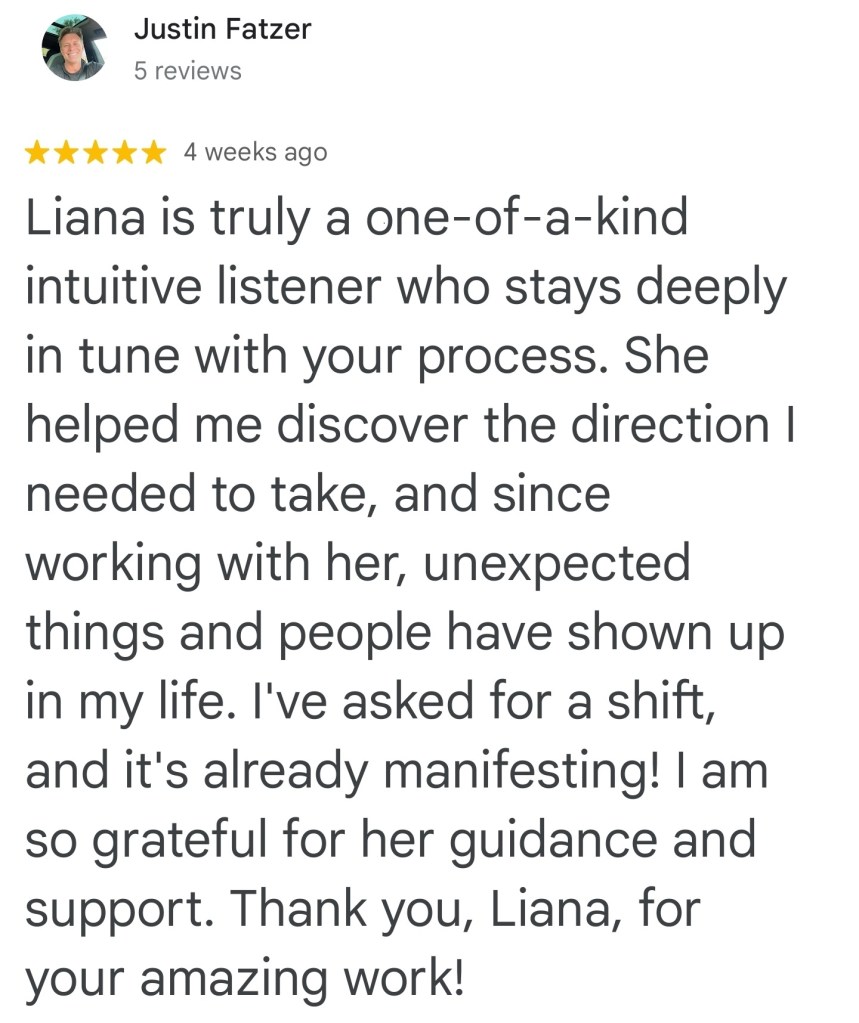










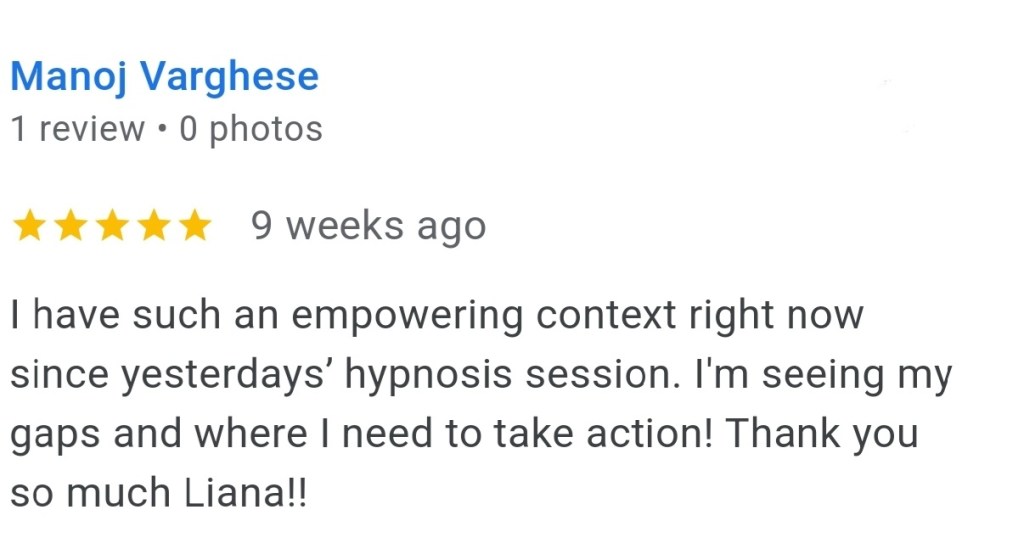



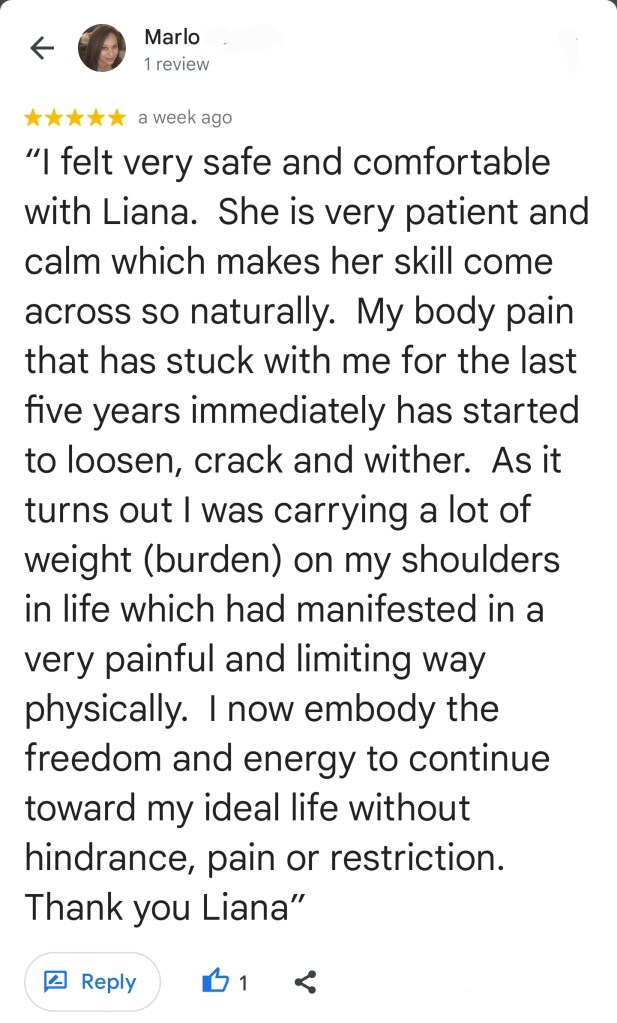
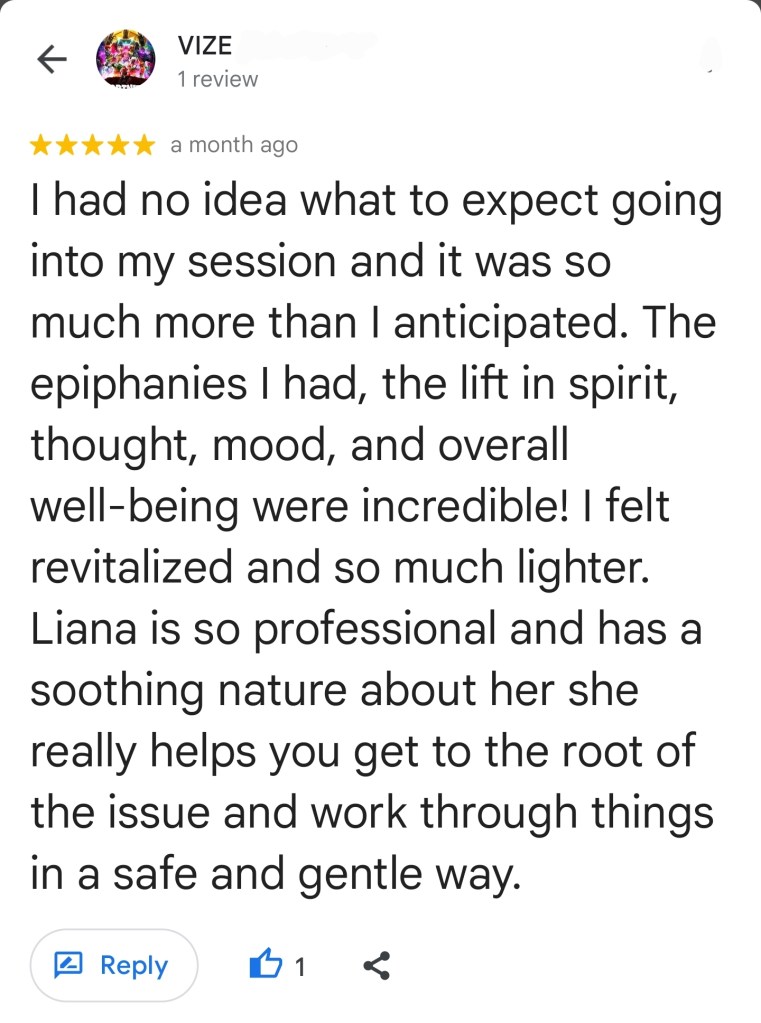



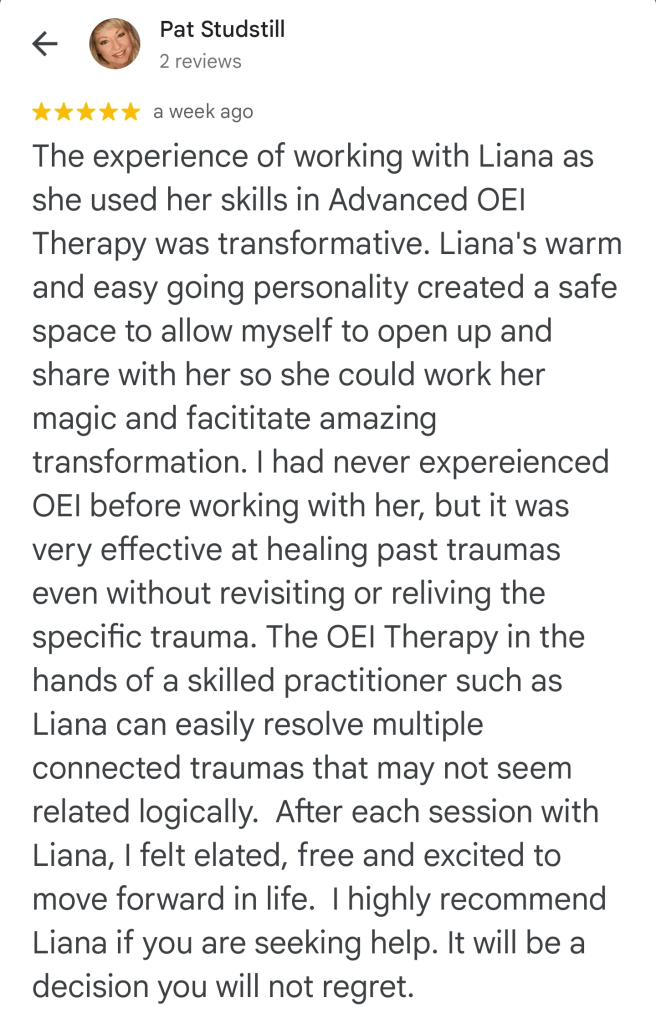
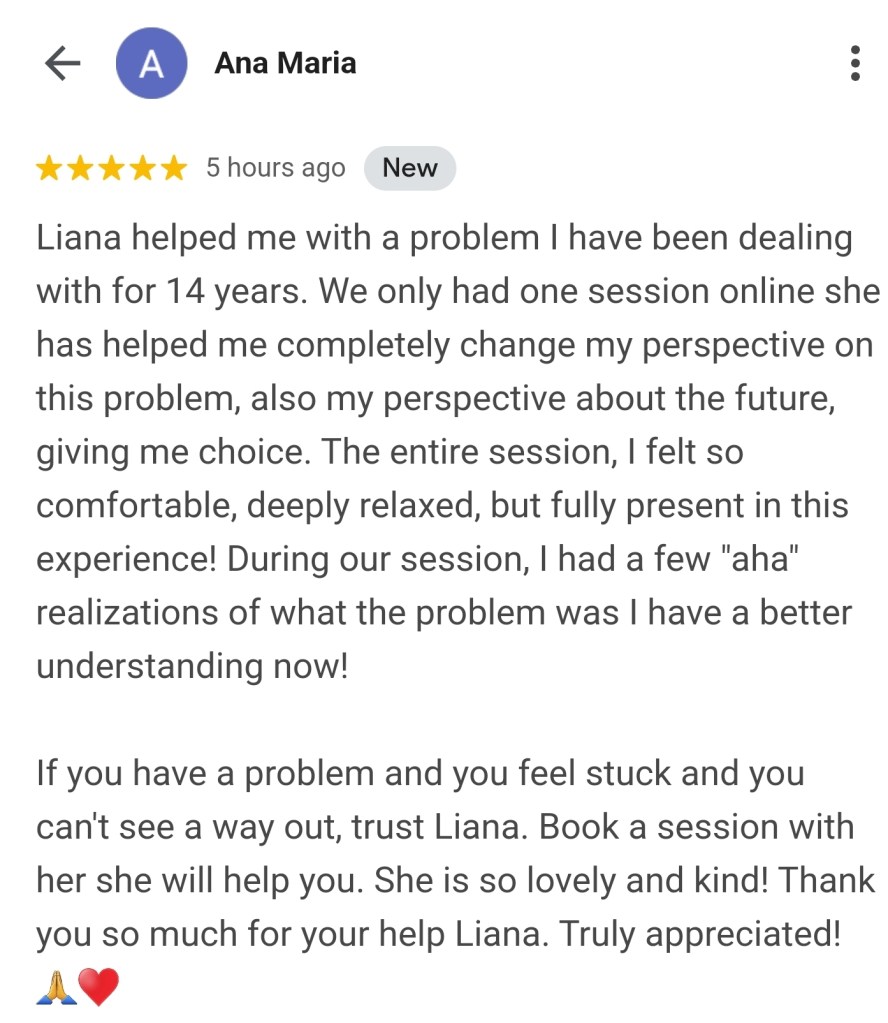




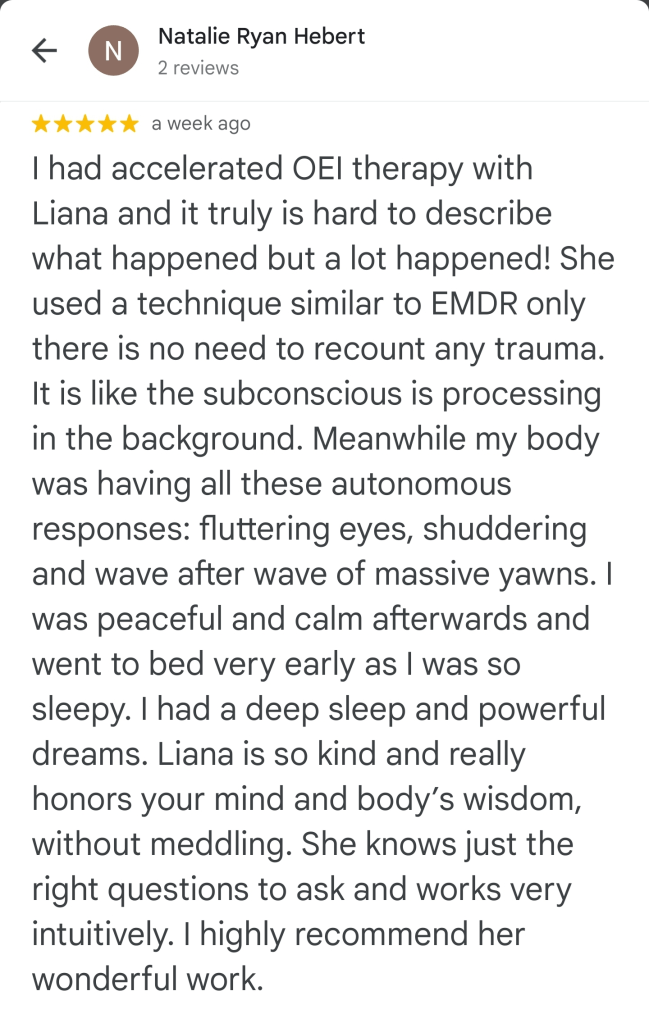


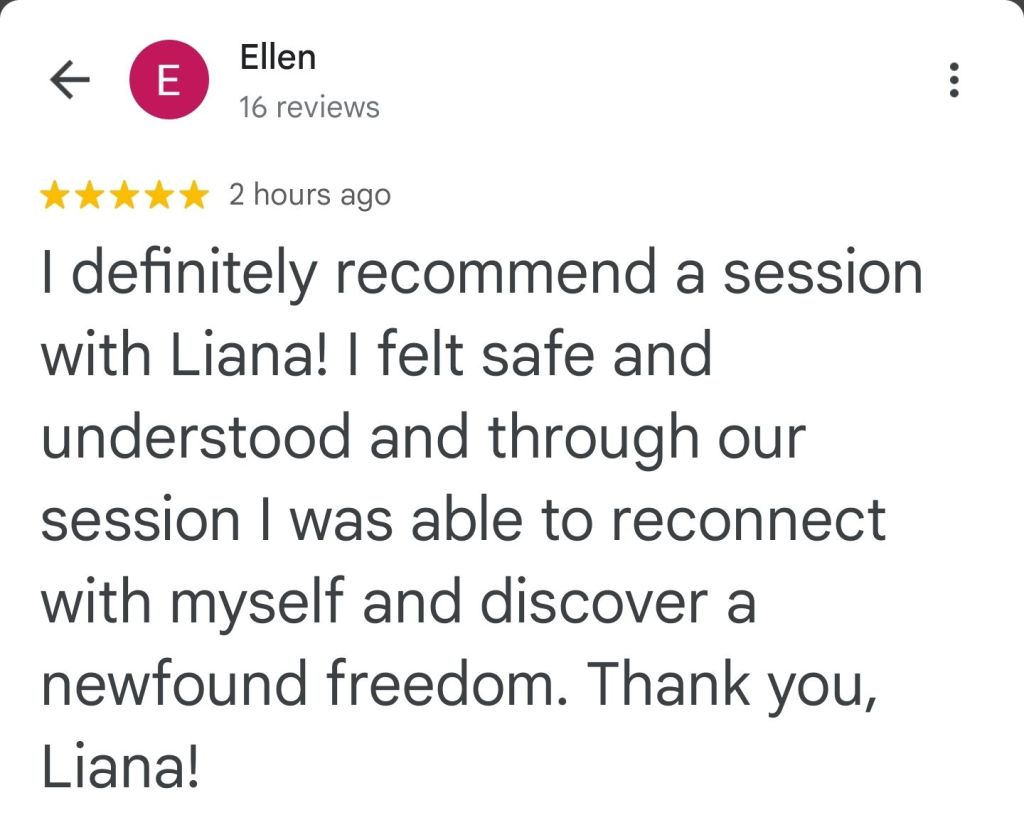







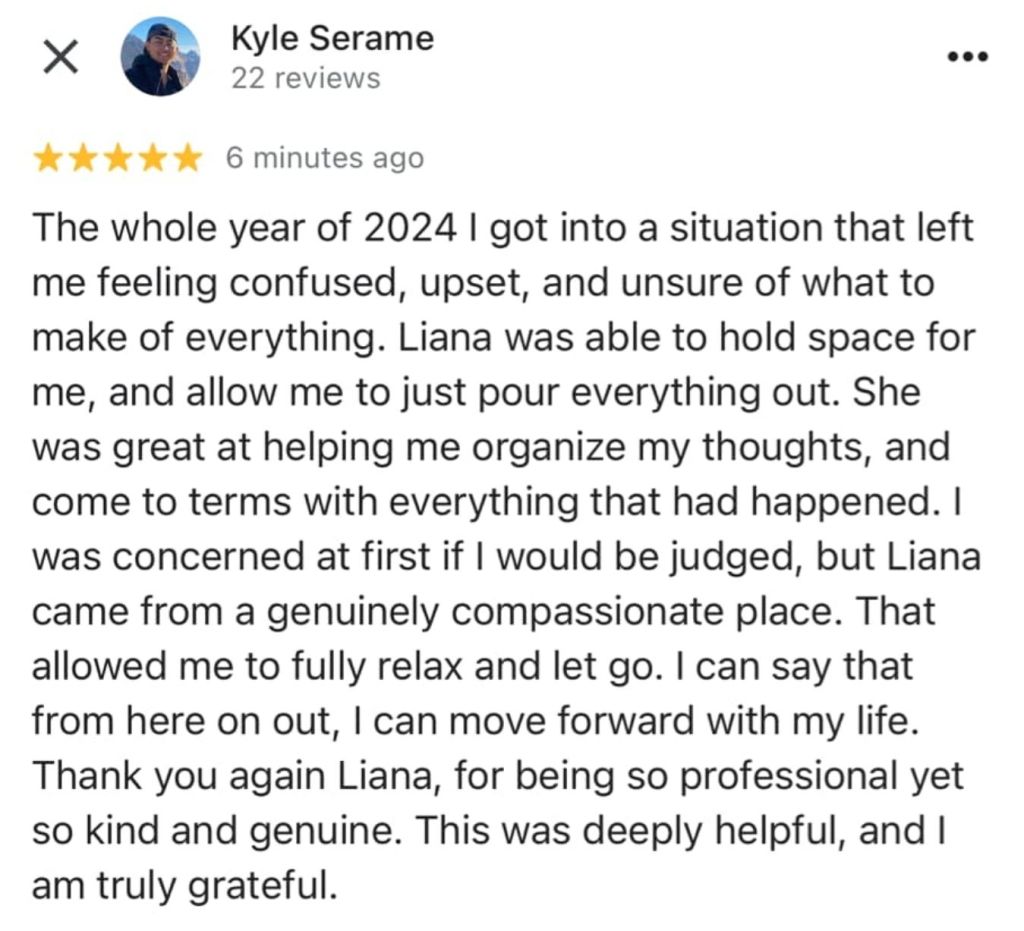

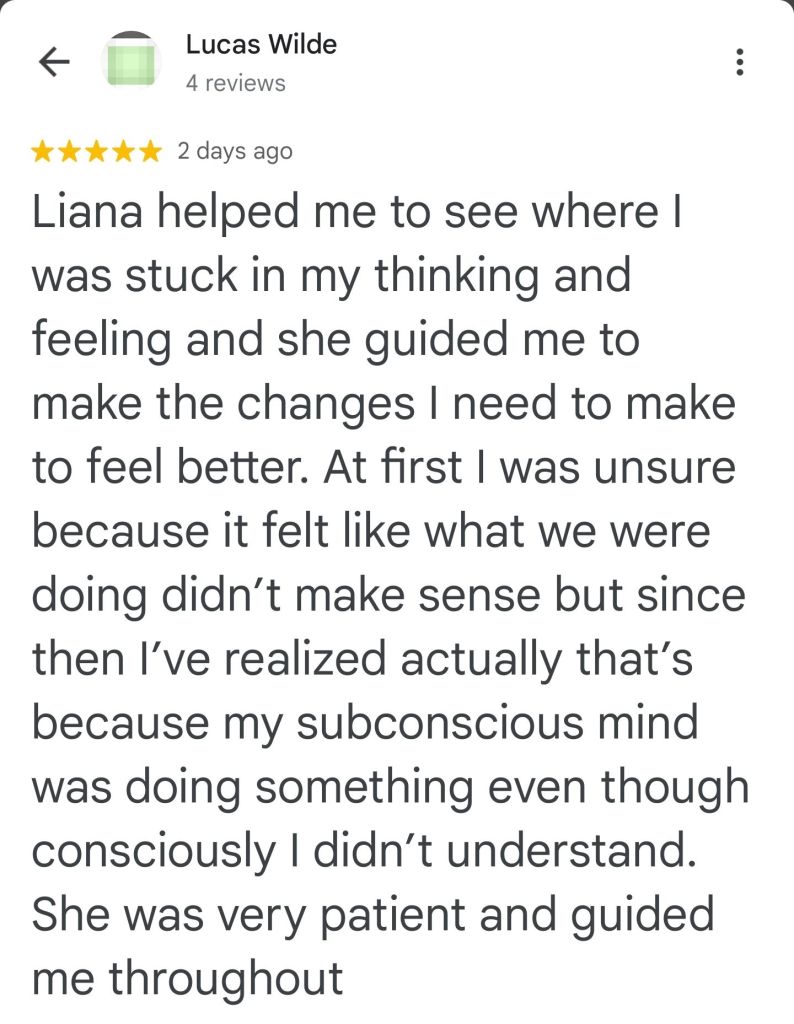
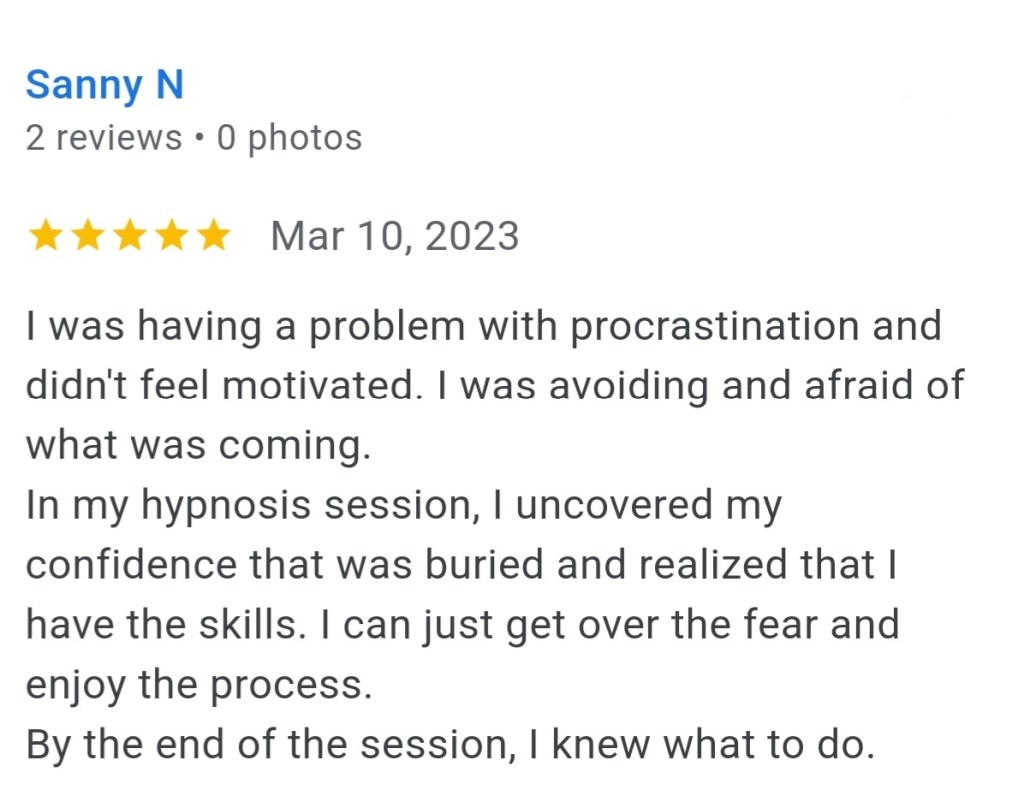

“A tiny change today brings a dramatically different tomorrow.”
– R. Bach
 Accelerated Hypnotherapy - Rapid Results