Workplace Trauma
Struggling at work?
Accelerated Hypnotherapy offers a powerful, science-backed approach to help you heal,
move forward and love what you do.
Workplace Trauma
What Is Workplace Trauma?
Workplace trauma goes beyond anxiety at work and has a big impact in your professional life, it often begins to affect your personal life.
You can experience extreme psychological and emotional distress from experiencing negative and traumatic events at the workplace. These can be specific traumatic experience or ongoing abuse at work.
Workplace anxiety is general stress, anxiety, and worry about work and may not involve traumatic events, and develops gradually over time. However, specific workplace events can lead to trauma symptoms that are common with post traumatic stress disorder (PTSD) and may appear suddenly after a traumatic incident.
Workplace trauma can start with a single traumatic incident or develop gradually from prolonged stress and may be affecting you more than you may realize.
And it not just about witnessing or experiencing physical accidents, violence, or life-threatening situations at work, often the emotional harm that is caused at work has more aspects that are emotionally and psychologically debilitating, such as bullying, abusive management practices, threats to your job, and a toxic workplace.
From a neuroscience perspective, workplace stress and anxiety activates the brain’s fear and threat response[1], which are linked to negative experiences at work. The workplace doesn’t feel safe anymore, even if you work remotely, the thought of the workplace feels traumatic.
The amygdala, responsible for detecting emotional danger, becomes hyperactive[2], triggering behaviors aimed at self-protection and safety from the workplace. The amygdala hijacks behaviour and overrides logical thinking, and leaves you actively avoiding with an increased startle response, trying to cope with freeze or flight behaviour.
Causes of Workplace Trauma
Bullying, Exclusion or Harassment
Repeaed bullying, exclusion or harassment in the workplace can cause severe psychological distress and trauma. This may include:
- Persistent verbal abuse or intimidation
- Social isolation or exclusion from team
- Spreading rumors or ganging up on a co-worker
- Sabotaging work or setting unrealistic deadlines
- Threats to job security or career prospects
Studies show that workplace bullying can lead to symptoms similar to post-traumatic stress disorder (PTSD), including anxiety, depression, and sleep disturbances[3].
Toxic Management Practices
Abusive management practices can create a toxic work environment and cause intense trauma. Examples include:
- Excessive micromanagement and control
- Public humiliation or criticism in-front of team
- Withholding necessary information or resources
- Unreasonable workloads or expectations
- Toxic work culture
- Abusive leadership styles
- Rejection of requests and support
- Unfair treatment or work projects
- Microagressions and discriminatory actions
- Job insecurity and threats to position
- Feeling like you have to leave your job
Research indicates that abusive supervision can result in decreased job satisfaction, increased turnover intentions, and psychological distress among employees[4].
Both extreme bullying and abusive management practices can lead to:
- Toxic work environment
- Decreased productivity and job performance
- Increased absenteeism and turnover
- Development of anxiety, depression, or PTSD
- Physical health issues like high blood pressure
- Loss of self-esteem and confidence
- Anxiety over job security
- Inadequate support systems
- Feeling alone at work
- Feeling like you’re stuck
Signs of Workplace Trauma
Psychological & Emotional Symptoms
Avoidance
Employees may exhibit a strong desire to avoid work entirely, leading to absenteeism or reluctance to engage in work-related social events. This avoidance can extend to both physical and virtual workplaces, where individuals might go to great lengths to bypass meetings, team collaborations, or even casual interactions with colleagues because it now feels unsafe to do so.
Work-related triggers, such as certain discussions or locations associated with past traumatic events, can prompt a powerful need to disengage and get some space, both physically and mentally, ultimately further isolating the individual and preventing healing.
Overthinking
An individual experiencing workplace trauma may fall into patterns of obsessive thinking, where they cannot let go of specific interactions, experiences or situations involving coworkers. It is even more traumatic when it involves management because of the difference in power and the hierarchical structure at work.
This constant rumination may manifest as replaying conversations or analyzing incidents, leading to increased anxiety, frustration, and a distorted perception of their workplace environment. Overthinking can affect decision-making abilities but also exacerbate feelings of inadequacy, impacting overall job performance and putting you into a flight or freeze response.
Distress
Feelings of anger, vulnerability, or hopelessness become pervasive in those affected by workplace trauma. This emotional distress can vary in intensity and may emerge unexpectedly, potentially leading to outbursts or withdrawal.
You might find yourself feeling a threatening sense of vulnerability, as their coping mechanisms wear thin and uncertainty with work intensifies. The sense of hopelessness can cloud your perception of the choices you may have at work and movement within the organization, contributing to a cycle of negativity and disengagement.
Numbness
Emotional numbness or detachment from coworkers and management is a common response to trauma, and you may struggle to connect with your colleagues and management because you no longer trust them.
This detachment can manifest as a lack of interest in collaborative efforts, a disconnection from the workplace culture, feeling anxious in meetings, or an inability to express yourself in team settings. This numbing response can further alienate, making it difficult to form and maintain supportive relationships within the workplace so you feel alone with no one to trust at work – often this is the reality, that they cannot be trusted.
Anxiety
Individuals experiencing workplace trauma often feel constant anxiety and may have intrusive repetitive thoughts related to work, and the negative feelings that come with those thoughts. This anxiety can manifest as a sense of impending doom, excessive worry about job performance, or persistent fear of encountering triggering situations or individuals. and fear of management.
As anxiety escalates, it can become debilitating, affecting concentration, decision-making, and your ability to complete tasks, leading to a further decline in workplace performance. It may start to affect your personal life
Anxiety Disorders and/or Depression
Difficulty concentrating, low self-esteem, feeling overwhelmed or exhausted. Depression is a significant symptom linked to workplace trauma, where affected individuals may feel overwhelmed by sadness or hopelessness about their job and personal lives.
This can lead to a lack of motivation, chronic fatigue, and disinterest in activities that once brought joy, both at work and in your personal life. As depression deepens, it may interfere with daily functioning, prompting you to isolate yourself, which can perpetuate feelings of exclusion, loneliness and despair.
Flashbacks
Those suffering from workplace trauma may experience intrusive thoughts or flashbacks related to traumatic events they’ve encountered. These flashbacks can disrupt daily activities, causing sudden and vivid recollections of distressing situations where you re-experience the emotions of the original incident, along with nightmares that can cause sleep disturbances, such as problems falling asleep, staying asleep, and feeling exhausted during the day.
These symptoms can create a cycle of fear and anxiety, as you may become hyper-vigilant in anticipating potential triggers, further impeding your ability to fully engage with work and coworkers because it feels threatening.
Irritability
Increased irritability is a common sign of workplace trauma. You may find yourself easily frustrated by minor inconveniences or interactions at home and at work.
This heightened irritability can lead to difficulties in concentrating, as one’s mind is preoccupied with distressing thoughts or feelings. It may also strain relationships with coworkers, who might misinterpret this irritability as unprofessional behavior rather than recognizing it as a symptom of deeper emotional distress.
Workplace trauma may start to affect your relationships, your significant other, family, and friends. You may become highly reactive at home, as you carry the emotional trauma home with you, and project your anxiety and stress onto others that you care most about.
Physical Symptoms of Workplace Trauma
- Headaches: Having headaches, dizziness, nausea, fatigue, or weakness
- Hypervigilance: Hypervigilance and exaggerated startle response at work
- Stomach upset: Having stomach upset or trouble eating
- Pounding heart: Having a pounding heart or rapid breathing
- Shaking: Feeling shaky
- Sleep disturbances: Difficulty falling asleep, staying asleep, and nightmares related to work
Behavioral changes
Avoidance
People experiencing workplace trauma may:
- Avoid certain situations or triggers
- Suppress feelings and avoid situations that remind them of traumatic events
- Avoid specific areas of the workplace or interactions with certain colleagues
Emotional Distress
- Increased irritability, withdrawal, mood swings, fight or flight response
- Apathy or numbness
- Cynicism, detachment, or loss of purpose
- Self-blame or self-hatred
- Unexplained bursts of anger or aggression
Exhaustion or fatigue
Workplace trauma can be emotionally draining, potentially leading to:
- Persistent feelings of tiredness
- Difficulty concentrating or maintaining productivity
Insomnia
Workplace trauma-related stress often disrupts sleep patterns, potentially causing:
- Difficulty falling asleep
- Difficulty staying asleep
- Waking up frequently and trouble getting back to sleep
- Frequent nightmares or night terrors related to workplace experiences
Somatic complaints
Physical manifestations of workplace trauma may include:
- Headaches
- Dizziness
- Nausea
- Weakness
- Extreme fatigue
- Difficulty concentrating or inability to focus
These symptoms often result from the body’s stress response to traumatic memories and zero job satisfaction.
Relationship problems
Trauma at work can affect important areas of life and cause conflict, withdrawal, or disconnection in personal relationships:
- Difficulty “switching off” from work-related thoughts and anxieties
- Difficulty trusting others, even outside of work
- Bringing work stress home, negatively affecting family dynamics
- ithdrawing from social interactions
- Increased conflict due to irritability or emotional instability
Workplace trauma can blur the lines between professional and personal life:
- Bringing work stress home, affecting family dynamics
- Increased irritability in various life situations
- Difficulty “switching off” from work-related thoughts and anxieties
How Workplace Trauma Affects You
Impact on Personal Life: Workplace trauma can start to affect your personal an social life, straining relationships, reducing self-esteem, and hindering leisure activities[5]. It can also degrade your quality of life and contribute to “quiet quitting”.
Self-Perception: In a society where one’s identity is often tied to your job, workplace trauma can drastically shape your self-perception, self-esteem, self-confidence, and interaction with the world.
Coping Mechanisms: Individuals may use unhealthy coping mechanisms such as substance abuse or avoidance behaviors in response to trauma in the workplace.
Loss of Purpose and Drive: People who once found satisfaction in their work may experience a loss of meaning and motivation, feelings of hopelessness, depression, and despair.
Feelings of Helplessness: Trauma can lead to feelings of helplessness when you can’t control what’s happening in your work environment and may lead to difficulty taking action or making decisions, and ultimately an inability to make positive changes in important areas of life.
Intrusive Thoughts: Past traumatic experiences may show up in unwanted ways in the present, causing distress and prolonged, negative emotional states
What You Can Do To Resolve Workplace Trauma
Accelerated Hypnotherapy can help with workplace trauma in the following ways:
Calm Anxiety
Evidence-based techniques used in Accelerated Hypnotherapy can reduce fear-driven responses by creating a sense of safety and trust, which can help when you’re experiencing workplace trauma.
Heal Trauma
Accelerated Hypnotherapy can address deep-seated memories stored in the brain’s limbic system, which can free you from past experiences related to toxic workplaces, colleagues, and management.
Discover New Empowering Resources
We can help resolve the traumatic emotions to enable you to rebuild confidence, self-esteem, and find resources for coping with the workplace.
Strengthen Neural Pathways
By rewiring the brain for self-confidence, and emotional relief and resilience, Accelerated Hypnotherapy can help you overcome the negative effects of workplace trauma on your self-esteem and overall well-being to restore a sense of safety and control.
Access Your Superconscious Mind
Accelerated Hypnotherapy can tap into your Superconscious mind, where patterns, beliefs, and emotions are stored, allowing for deeper healing and transformation of trauma-related issues and the ability to create new possibilities for yourself and your life.

Let’s connect on a free Clarity session.
Pure Possibility.
Transform Your Work.
Transform Your Life.
The Harmful Effects of Workplace Trauma
Workplace trauma can have profound emotional impacts on you, affecting both your professional and personal lives. The emotional aspects of workplace trauma include:
Anxiety and Fear
- Heightened sensitivity to potential dangers, even when threating situations have passed but still having to deal with the toxic workplace
- Feeling on edge and experiencing a sense of dread about work
- Panic attacks and intense fear reactions at work or even thinking about the workplace
Depression and Mood Changes
- Loss of meaning, motivation, and enjoyment at work that spreads to other areas of life
- Emotional numbness and detachment from roles and responsibilities
- Sadness and persistent low mood[8]
Irritability and Anger
- Increased reactivity and a “short fuse” in workplace interaction
- Unexplained bursts of anger or aggression at work and home
- Difficulty managing emotions, leading to conflicts with coworkers and relationships outside the office
Loss of Self-esteem
- Feeling undervalued and lost in the workplac
- Decreased confidence and sense of self-worth
- Fear of criticism or doing something wrong
- Feeling of damned if you do, damned if you don’t
Relationship Difficulties
- Strained interpersonal relationships at work and home
- Withdrawal from social interactions and difficulty maintaining relationships
- Trust issues with leaders and colleagues
Avoidance and Withdrawal
- Avoiding triggers or reminders of traumatic events at work
- Procrastination and task avoidance
- Increased absenteeism and avoidance of the work environment, even if it is virtual
By avoiding trauma-related triggers, individuals may experience short-term relief but ultimately prolong and intensify the negative effects of workplace trauma on their mental health and overall well-being.
Risk Factors of Workplace Trauma
Hours worked
Working more hours may increase the risk of workplace trauma exposure and effects.
Stressful life experiences
Stressful life experiences may increase the risk of trauma at work.
Negative working conditions
Long working hours, layoffs, threats to role and responsibilities create workplace stress and may increase the risk of workplace trauma.
Workplace trauma is more than just a toxic work environment—it’s a hidden neurological disruption that can affect your ability to function in a healthy way. You feel
Long-term Effects of Workplace Trauma
The long-term effects of workplace trauma avoidance on mental health can be significant and far-reaching:
Persistent Symptoms
Avoiding trauma triggers can lead to prolonged PTSD-like symptoms, including:
- Hypervigilance and exaggerated startle responses[6]
- Anxiety and panic attacks[6]
- Depression, rumination, and social withdrawal[7]
- Insomnia and sleep disturbances
- Emotional avoidance of traumatic stress[8]
Worsening Mental Health
Avoidance behaviors often exacerbate mental health issues:
- Increased severity of PTSD symptoms over time
- Development of anxiety disorders
- Higher risk of depression
- Potential for substance abuse as a coping mechanism
Impaired Functioning
Long-term avoidance can significantly impact daily life:
- Difficulty maintaining employment due to poor concentration and irritability
- Social isolation and relationship problems
- Decreased interest in previously enjoyed activities
Physiological Effects
Chronic stress from avoidance can lead to:
- Weakened immune system
- Increased risk of heart problems
- General aches and pains
Cognitive Impacts
Prolonged avoidance may result in:
- Poor concentration and decision-making abilities
- Difficulty separating work from personal life
- Persistent negative thoughts and self-blame
These emotional aspects of workplace trauma can significantly impact an individual’s well-being, job performance, and overall quality of life. Recognizing these signs is crucial for identifying workplace trauma and getting the help you need.
How Accelerated Hypnotherapy Can Resolve Workplace Trauma
Therapy doesn’t have to take years, or even months.
When you connect with your Superconscious and resolve issues at the emotional level, rapid results are possible.
The brain is remarkably adaptable. Accelerated Hypnotherapy uses powerful evidence-based techniques grounded in neuroscience, research-backed psychology and neuroplasticity practices to create rapid change, it’s possible to retrain the mind to resolve the trauma in your mind and body so you can deal more effectively with the workplace and create a safe path going forward.
Calm Your Anxiety
Reduce fear-driven responses using Accelerated Hypnotherapy to create a sense of calm and safety within yourself, even though the environment may have its issues.
Heal Trauma at a Subconscious Level
Address deep-seated memories stored in the brain’s limbic system, freeing you from traumatic memories and emotion surrounding experiences stemming incidents from a toxic workplace.
Build New Patterns
Enhance prefrontal cortex functions to get out of the fight or flight survival mode and reactivity to be able to get clarity and make sound decisions.
Strengthen Neural Pathways for Success
Rewire the brain by experiencing the support of your Superconscious to cultivate emotional resilience so you can have clarity and rebuild self-confidence to you can move forward with success.
The Science of Fulfillment: Why Hypnotherapy Works
Accelerated Hypnotherapy taps into your Superconscious mind, where your traumatic experiences, maladaptive patterns, beliefs, and fears are stored. By working at this deep level, we help you:
- Get insights on a whole new realm to make empowering decisions
- Experience emotional soothing that calms the brain and body
- Get relief from negative thought patterns that keep you stuck
Don’t Let Workplace Trauma Keep You Stuck
Workplace trauma can have profound and lasting effects on an individual’s mental health, job performance, and overall well-being, especially if the trauma-response is prolonged and becomes persistent.
Healing is possible with the right support. Getting help is a sign of strength, not weakness, especially if you are in post traumatic stress.
By taking proactive steps to address workplace trauma, you can not only recover but also develop greater resilience and connect with insights that will support you in the possibilities you create in future endeavours.
Don’t let workplace trauma keep you stuck. With the right support and a commitment to your own well-being, you can move forward and thrive in your professional life once again.

Let’s connect.
“Every great dream begins with a dreamer.”
– HT
Why Traditional Talk Therapy Falls Short
While traditional talk therapy can provide insights, it often falls short in addressing deep-rooted relationship anxieties or promoting lasting behavior change, especially in the area of post-traumatic distress.
Shortfalls of Traditional Talk Therapy
If you’ve been in therapy for months, even years, this may be why:
Conscious, Logical Processing:
Talk therapy engages primarily the conscious mind, leading to transient insights, often without resolving deep subconscious, disturbing emotional aspects of the maladaptive behaviour.
Reinforcing Neural Pathways:
Frequent discussion of problems can inadvertently strengthen connections to anxiety-provoking thoughts. keeping them in place like a well-travelled path.
Limited Capacity of Willpower and Motivation
Individuals often revert to maladaptive patterns when faced with triggering situations, despite their understanding of the problem because long-term change needs to be accessed at the subconscious level.
You may not be getting the results you’re looking for from traditional talk therapy because you can’t solve emotional problems with logic and understanding.
Many of my clients have done years of therapy and are not quite able to get the insights that will get them to where they want to be, what they really desire. The conscious mind can only take you so far.
Logic and understanding can’t fix emotions.
Harnessing Neuroscience for Rapid, Lasting Change
Accelerated Hypnotherapy synthesizes advanced methods for change that are grounded in neuroscience and pyschology, using the power of your Superconscious mind for rapid results and empowering insights.
And it can all happen with safety and ease.
Neuroplasticity refers to the brain’s ability to forge new neural connections throughout life. Connecting with your Superconscious in an Accelerated Hypnotherapy session enables you to:
- Develop New Neural Networks
- Experience Choice
- Achieve Transformation
- Ensure Long-Term Behavioral Shifts
- Create Inner Resilience
Our sessions use the concept of neuroplasticity to rewire your brain to resolve workplace anxiety so you can move forward powerfully.

Transform Your Work.
Transform Your Life.
By integrating neuroscience-based methods with change work, our distinctive approach to heal and resolve emotions of Workplace Trauma that allows you to experience clariy, transformation and unlock your potential for fulfilling success.
Pure Possibility.
Transform Your Work.
Transform Your Life.
Why We’re Vancouver’s Leading Experts on Trauma & Anxiety
Specialized Training: Our therapists are specialists in hypnotherapy and trauma, certified in trauma-informed care and integrative sex and couples therapy; and have formal education in evidence-based methods from cutting edge research in Neuroscience and Psychology.
Comprehensive Approach: We address the full spectrum of relationship trauma and anxiety issues
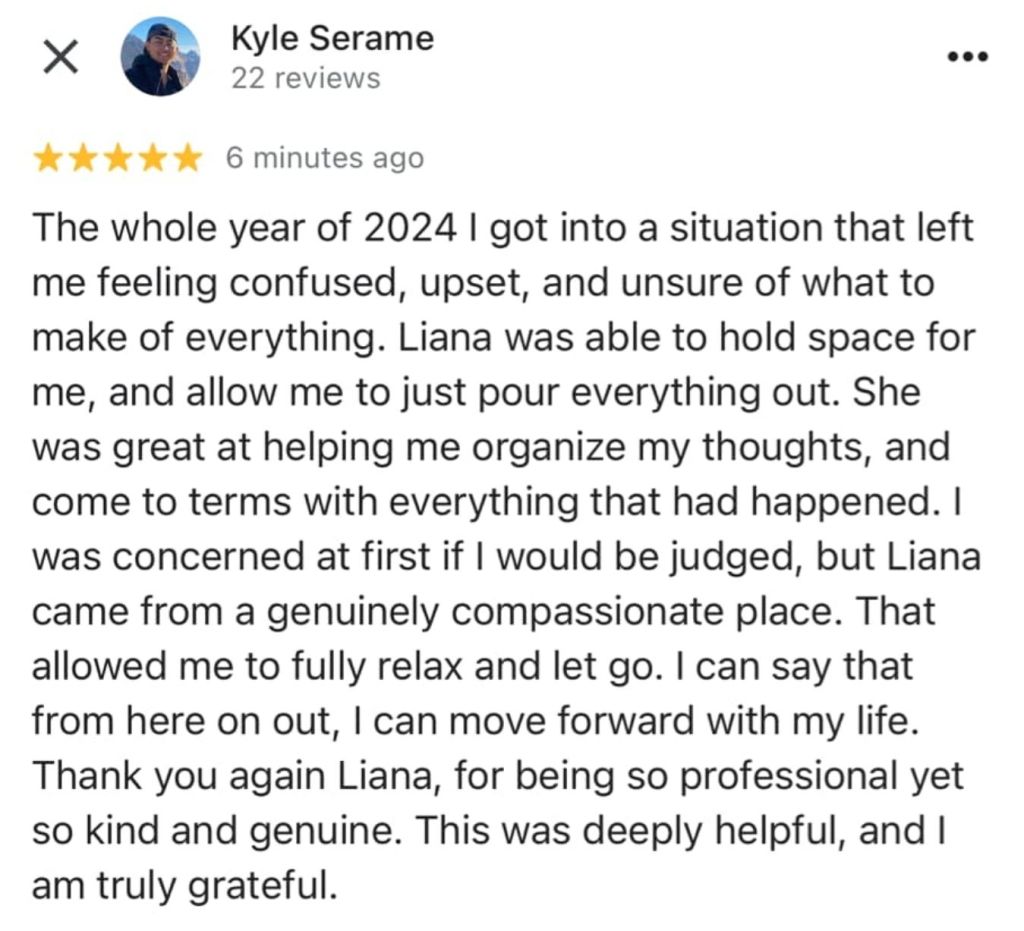
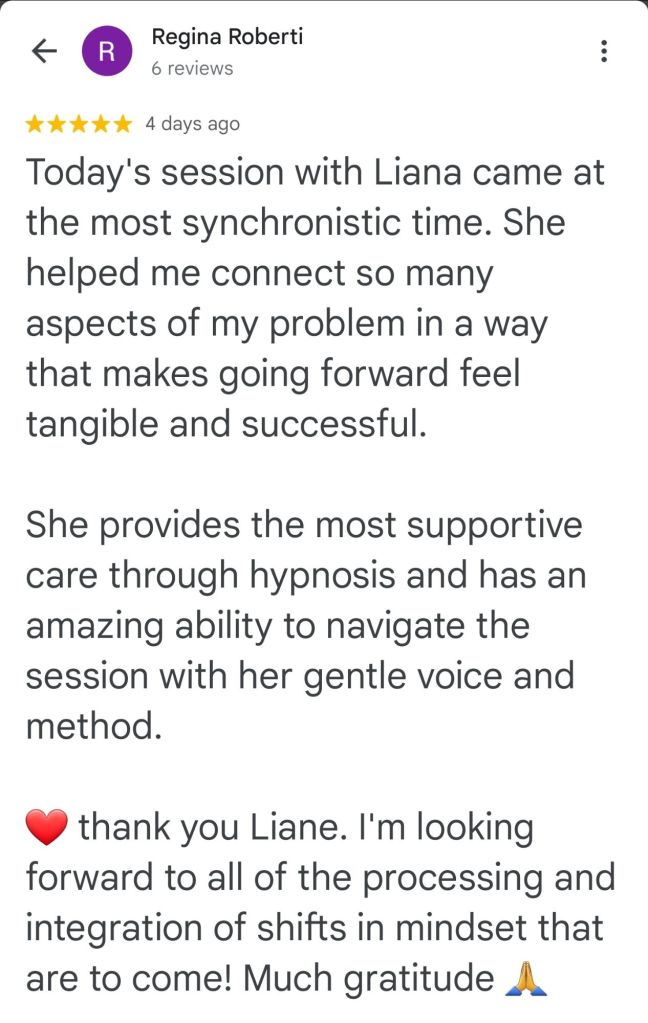
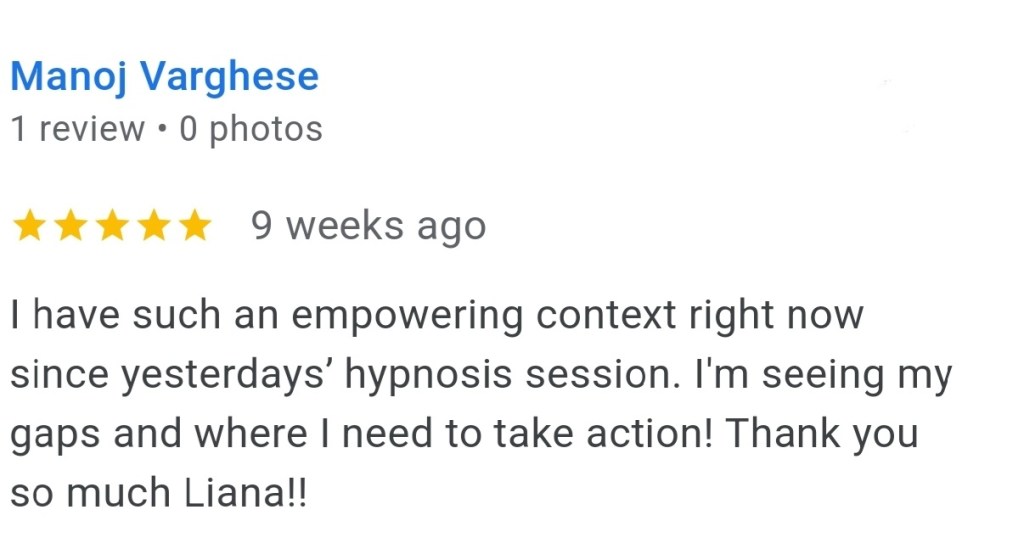
Proven Track Record: Many clients solve their problems in just one session. See reviews here.
Don’t Let Workplace Trauma Sabotage Your Future
Don’t let the past dictate your future
With Accelerated Hypnotherapy, you can finally break free from the pain of workplace trauma and anxiety.
Our evidence-based, rapid-results approach can help you reclaim your life and create the future you deserve.
Discover how Accelerated Hypnotherapy can help you overcome workplace trauma and anxiety on a free Clarity Session.
Our evidence-based approach delivers Rapid Results, addressing the subconscious impacts and emotional outcomes of having experienced workplace trauma.
Discover our specialized techniques, proven track record, and why we’re Vancouver’s leading experts in hypnotherapy for resolving the deep emotional wounds of workplace trauma.
“I no longer feared the darkness once I knew the phoenix in me would rise from the ashes.”
– WCH
Free To Be
Imagine waking up free from the weight of anxiety and second-guessing. Free to enjoy your life without fear, confusion or doubt.
You don’t have to stay stuck, anxious and overwhelmed.
Accelerated Hypnotherapy can help you:
- Feel confident and secure
- Experience feelings of safety without fear
- Let go of the past and create a brighter future
Experiencing the freedom and confidence to pursue a compelling future. And it doesn’t have to take years.
A few hours of Accelerated Hypnotherapy.
Unlimited possibilities.

If You’re Ready for a Change
Let’s connect.
- Schedule a free Clarity Session to see how hypnosis can heal the emotional trauma sustained at the workplace.
- Join thousands of others who’ve found healing and freedom through this powerful connection with all their Superconscious resources.
You don’t have to let anxiety and trauma keep you stuck any longer. Your Superconscious can lead you along to the path to the safety, healing, and success you deserve.
Your transformation starts today.
“I no longer feared the darkness once I knew the phoenix in me would rise from the ashes.”
– WCH
Transformation doesn’t have to take years…
If you’ve been experiencing workplace and you’ve been trying to fix it for years in therapy, you’re probably trying to use your logical, conscious mind to solve complex emotional issues that all contribute to workplace trauma and anxiety.
Sometimes, despite our best efforts and logical solutions provided by traditional therapy, we still feel stuck, wondering why we can’t move forward to the success we know we deservee.
Years of therapy might not be able to fully address deeper, unresolved emotional issues or deep-rooted subconscious wounds that keep you from experiencing peace and freedom, keeping you stuck unconsciously because the trama is affecting you emotionally and subconsciously. It can create an invisible barrier that’s limiting, restricting, and preventing you from achieving the success that you know you can have.
Workplace trauma needs to be resolved at the subconscious level.
Because if you could have solved the trauma and anxiety with your conscious mind, logic, understanding, and talk therapy, you probably would have figured it out by now….
And you would probably already be in a happy, fulfilling career.
Because here’s what I know.
You know how to fix things that need fixing and you know how get things done. If you could fix this with the tools that you have, and that have worked before, you would have definitely got out of this by now.
It’s not you.
It’s the tools you’re using.
These tools don’t quite do the job with emotional workplace trauma that affects you on a subconscious level. You can just feel it.
The Best Tool to Fix Workplace Trauma
Accelerated Hypnotherapy works with your superconscious mind to discover these deeper layers that need healing to transform the emotional trauma and subconscious blocks that are keeping you from moving forward.
By aligning your conscious desires with neural rewiring of patterns that are no longer serving you, you can unlock new levels of insight and freedom, and finally break free from your the restraints of a toxic workplace and subconscious blocks that have been holding you back from experiencing the most fulfilling career. Ever.
Unlock Your Potential with Accelerated Shifts
By connecting with your superconscious mind, we can unlock the solutions and outcomes you’ve been seeking, allowing you to move forward with confidence and clarity.
There are different types of workplace problems, there are obstacles standing the way of having the most fulfilling career but first, you need to resolve your anxiety about the workplace and traumatic experiences so you can feel safe and freedom to move forward.
That’s when the path to a fulfilling future becomes clear.
Accelerated Hypnotherapy specializes in helping you achieve rapid transformation and finally break free from persistent problems of toxic workplace and trauma that keep us stuck, unable to make a move.
Our evidence-based approach is designed to address and resolve workplace that keeps you from having the career of your dreams, and a life you love, empowering you to achieve the success you deserve.
New pathways lead to new possibilities.
When you have experienced trauma, the incident goes underground and starts to affect other areas of life, making you feel bad and stuck.
Your Superconscious mind can find insights into different ways of being and thinking. It can help soften rigid ways of thinking, feeling and being, and create new neural pathways that enable you to create a fulfilling future.
If you’re stuck in a job and feel frozen from workplace trauma
Here’s a little secret.
You can experience the power of your Superconscious mind and start your journey toward a more fulfilling future and happier life now.
Like right now.
Nothing to lose.
Everything to gain.
Because workplace trauma slowly seeps into other areas of life.
A fulfilling future is possible.
Let’s connect.
Connect with the Pure Possibilities of Your Superconscious
Change Your Mind.
Change Your Life.
REVIEWS
Read text version here
































Contact Us
Welcome to a world of limitless possibilities, where the journey is as healing as the destination, and where every moment is an opportunity to expand your life with new possibilities. Contact us using this form, email us or book a free Clarity Session.


 Accelerated Hypnotherapy - Rapid Results