What Brain Imaging Reveals About Hypnosis – What Happens in the Brain
Hypnosis has long been described as a state of deep relaxation, focused attention, and increased suggestibility. While people often report powerful shifts in perception under hypnosis, researchers have searched for objective proof of what’s really going on in the brain.
Brain imaging tools like fMRI (functional magnetic resonance imaging) and EEG (electroencephalography), now provide measurable data that hypnosis isn’t just a placebo effect or light relaxation. It creates real, observable shifts in brain function.
fMRI Studies: Hypnosis Rewires Brain Connectivity
Recent fMRI research confirms that hypnosis causes significant changes in how the brain communicates internally.
A 2024 study from the University of Zurich found that during hypnosis, there’s increased communication in the posterior brain regions (like the precuneus and occipital cortices), while frontal executive areas become less dominant. This shift mirrors what clients often describe—a release of overthinking and a deep dive into inner imagery, sensation, and subconscious processes.
Precuneus is involved in self-reflection, visual-spatial imagery, and accessing memory and consciousness.
During Hypnosis: Heightened activity here supports vivid inner experiences—like imagining scenes, sensations, or alternate realities. It’s part of why hypnotized individuals can mentally “go” somewhere else.
Occipital Cortices are the brain’s visual processing centers. They interpret visual input from the eyes but also contribute to visual imagery from memory or imagination.
During Hypnosis: Activation in the precuneus enhances mental imagery, even with eyes closed—allowing for more immersive internal visualization, which is key in therapeutic suggestion work. I like to call this moving from a fixed way of being and becoming open to possibilities ✨
🧠 Frontal Executive Areas (Less Active During Hypnosis)
Prefrontal Cortex (PFC) is responsible for planning, decision-making, judgment, and self-awareness. It’s your brain’s “CEO.”
During Hypnosis: Decreased activity means reduced critical thinking and over-analysis. This allows clients to bypass their inner skeptic and respond more openly to suggestions.
Dorsal Anterior Cingulate Cortex (dACC) is linked to cognitive control and error detection. It helps you stay on task and monitor conflict.
During Hypnosis: When this quiets down, clients become less resistant to internal contradictions (like imagining their hand is heavy or numb), which helps with pain relief and behavioral shifts.
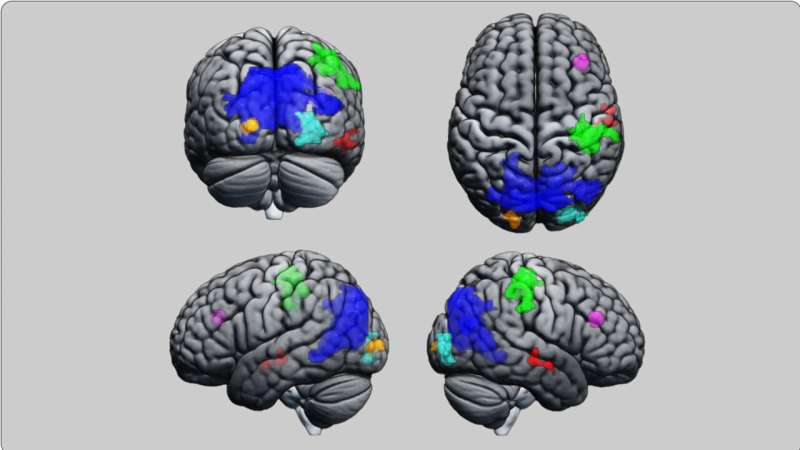
Unlocking the Brain’s Potential Through Hypnosis
Another pivotal study comes from Dr. David Spiegel and his team at Stanford University, published in Cerebral Cortex. They examined the brain activity of highly hypnotizable individuals during hypnosis compared to their normal waking state. Their findings identified three major shifts:
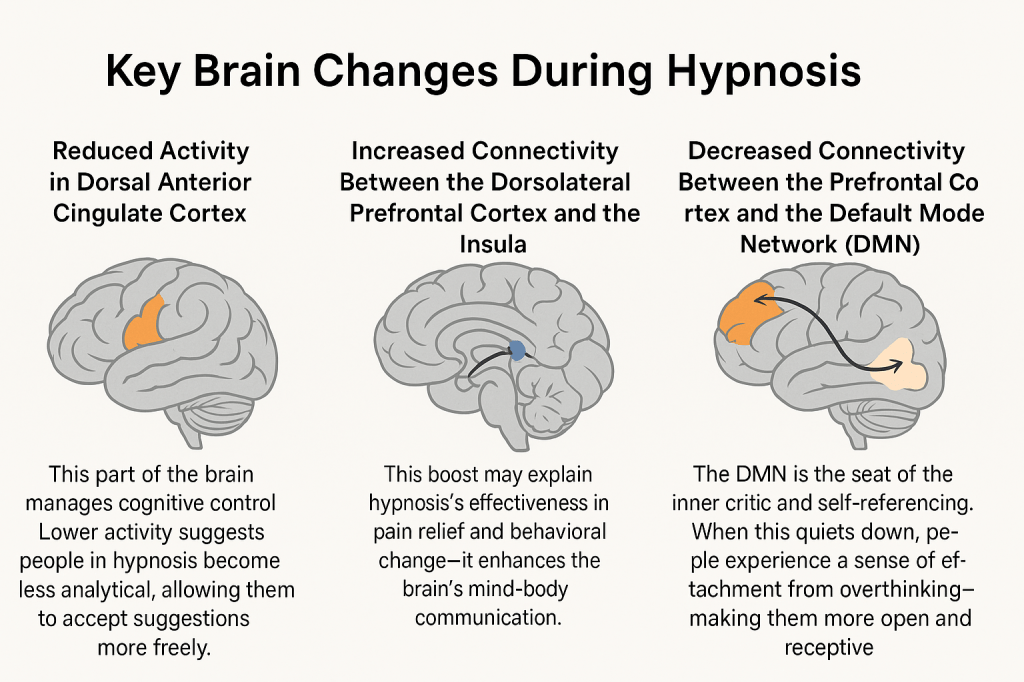
🧠 Reduced Activity in the Dorsal Anterior Cingulate Cortex (dACC)
This area monitors conflict, detects errors, and manages cognitive control—basically, it helps you stay mentally “on task” and question things that don’t make sense.
During Hypnosis there is reduced activity and the brain becomes less analytical and less judgmental to enable you to get unstuck from the beliefs that keep you stuck. That’s why people in hypnosis are open o new possibilities and don’t overthink —they simply go with the flow.
✅ Result: Clients are more open to new possibilities, even if they seem counterintuitive to their past way of thinking and being.
🧠 Increased Connectivity Between the Dorsolateral Prefrontal Cortex (DLPFC) and the Insula
DLPFC helps regulate attention, goal-setting, and top-down control over the body and emotions. Insula translates internal body states into conscious awareness—like sensing pain, heartbeat, or gut feelings.
During Hypnosis, the strengthened connection may enhance mind-body communication, allowing the brain to better modulate pain, emotional states, and physiological processes.
✅ Result: Improved pain management, behavior change, and greater control over bodily responses like cravings or tension.
🧠 Decreased Connectivity Between the Prefrontal Cortex and the Default Mode Network (DMN)
Prefrontal Cortex is involved in self-reflection, decision-making, and critical thought. DMN is cctive during daydreaming, introspection, and “self-talk”—it’s the brain’s inner narrator or inner critic.
During Hypnosis their connection weakens, the usual self-monitoring and overthinking quiet down to allow new ways of thinking and being to be considered.
✅ Result: Clients experience reduced self-consciousness, making it easier to explore new perspectives and possibilities and accept positive change without interference from their inner critic.
Practical Applications of Hypnosis Research
Advances in brain scanning technology have made it possible to measure hypnosis, boosting its credibility and use across multiple fields, such as:
Performance Enhancement
- Performance anxiety—calms nerves for athletes, musicians, speakers, and test-takers
- Fear of failure or success—eases doubts that spark avoidance or self-sabotage
- Mental blocks in learning—lifts math anxiety, test panic, or reading struggles
- Low self-confidence and imposter syndrome—boosts belief for career growth or creativity
- Stress and burnout—relieves pressure in intense jobs or competitive settings
- Distractions and scattered focus—sharpens concentration and keeps you in the moment
Behavioral Change
- Smoking addiction—cuts out hidden triggers and boosts the drive to quit
- Overeating and emotional eating—helps with portion sizes, curbs cravings, and improves body image
- Alcohol and drug dependency—supports recovery and prevents relapse as a complementary tool
- Compulsive habits—tackles nail-biting, hair pulling (trichotillomania), and skin picking
- Chronic procrastination and self-sabotage—breaks patterns that block goals
- Unhealthy sleep habits—addresses night eating, bedtime struggles, and erratic schedules
- Fear-driven avoidance—eases irrational fears, like skipping doctor visits or social gatherings
✨ Unleashing the Brain’s Power with Hypnosis
This shift in dominance—from the analytical, executive regions to the visual, sensory, and imaginative regions—creates the ideal conditions for:
- Letting go of limiting beliefs, open to possibilities
- Accessing the subconscious
- Creating vivid, meaningful inner experiences that lead to transformation
- Accepting new possibilities for yourself and your life
In simple terms: the thinking mind quiets, and the feeling/imaging mind takes the lead. This is what allows hypnosis to feel so immersive and powerful for transformation.
These findings make it clear that hypnosis is far more than just relaxation or placebo—it creates distinct, measurable shifts in brain function that set it apart from ordinary wakefulness and explain why hypnosis is so effective for healing, behavioral change, and subconscious transformation.
Let’s connect!
Pure Possibilities
Change Your Mind.
Change Your Life.



























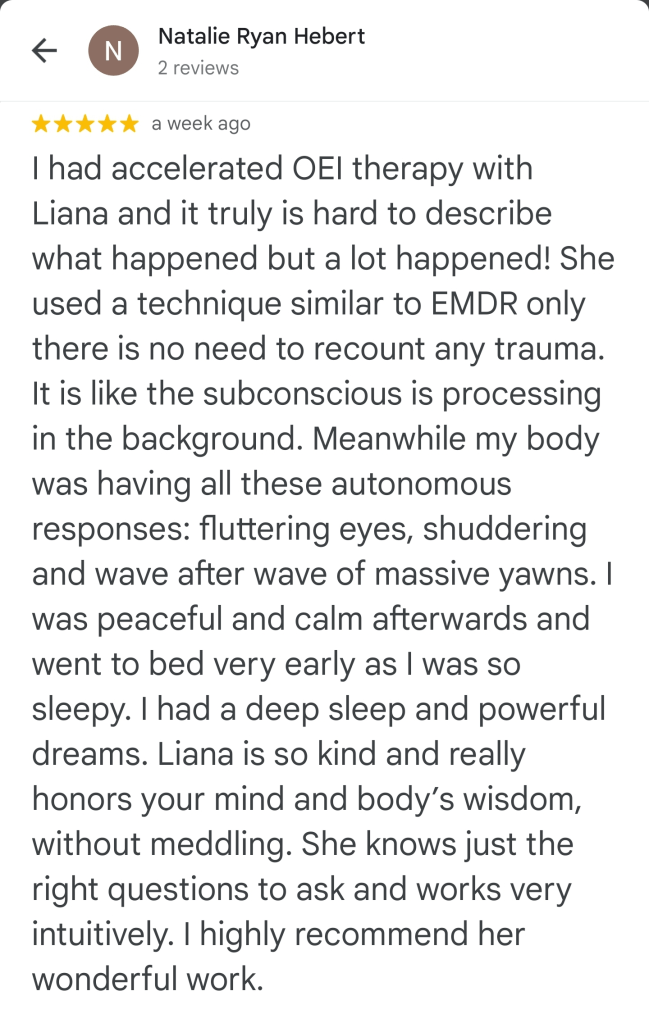










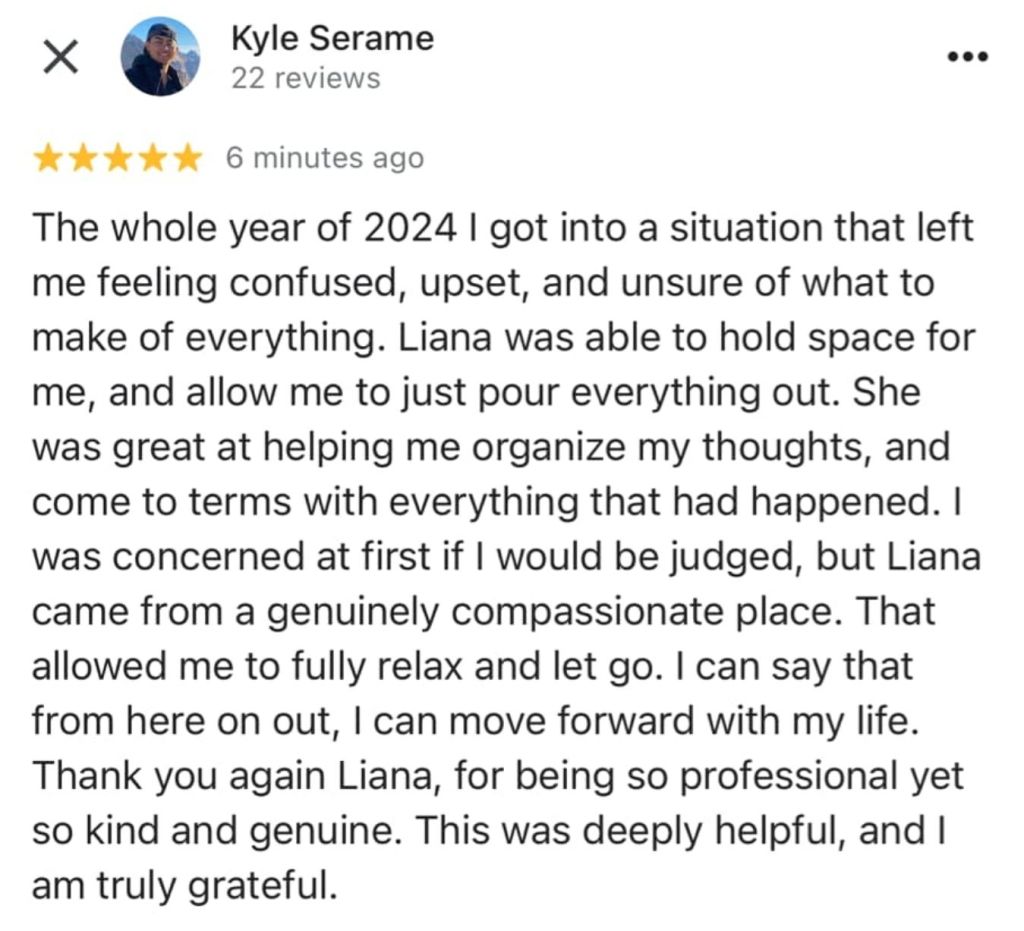

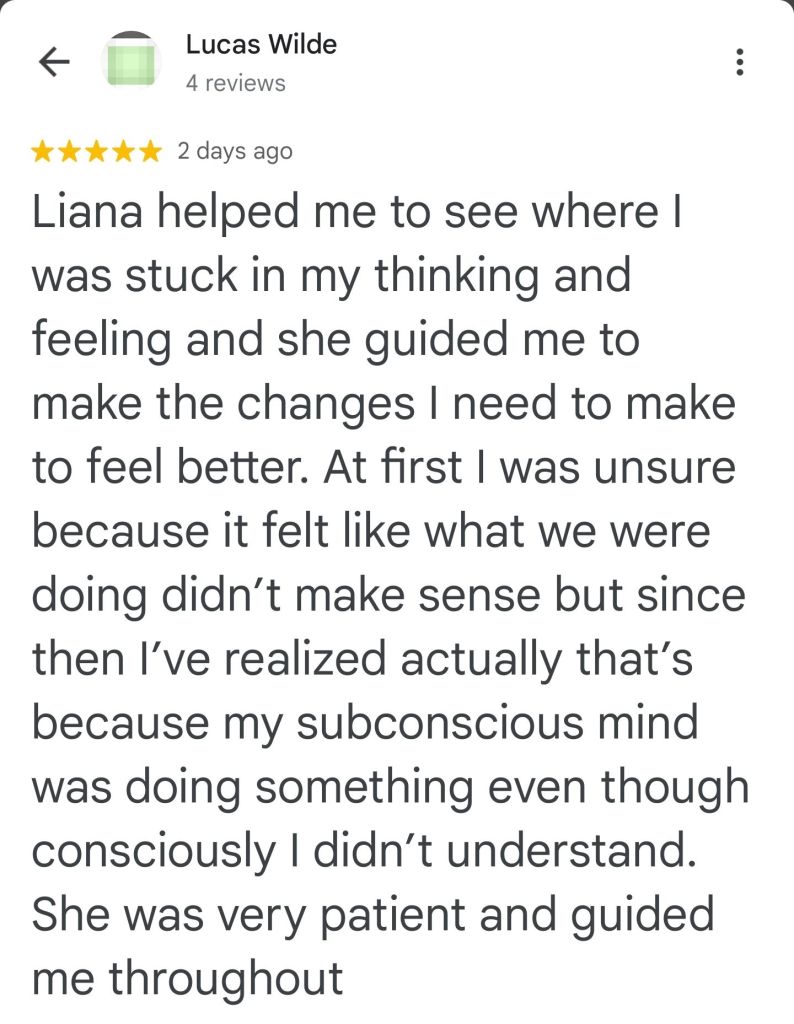


 Accelerated Hypnotherapy - Rapid Results
Leave a comment