Category: Neuroscience
-
You’re Looking for Answers… But What If That’s the Problem?

You found out what happened—but why does your mind keep going back? In this eye-opening conversation, Liana West of Accelerated Hypnotherapy reveals a surprising perspective on betrayal, intrusive thoughts, and emotional overwhelm. What if the thing you’ve been searching for isn’t actually what your brain needs? The answer may change how you see healing.
-
Why Affirmations Are Trash… Until You Fix This One Thing

Struggling with manifestation and the Law of Attraction despite affirmations and vision boards? Discover why subconscious counter intentions—hidden beliefs formed by past trauma—block manifestation of love, money, and success. Learn how Accelerated Hypnotherapy bypasses conscious resistance to rewire neural pathways at the subconscious level, dissolving self-sabotage fast so your conscious desires and subconscious beliefs finally…
-
How Repetition Compulsion Hides in Betrayal Trauma
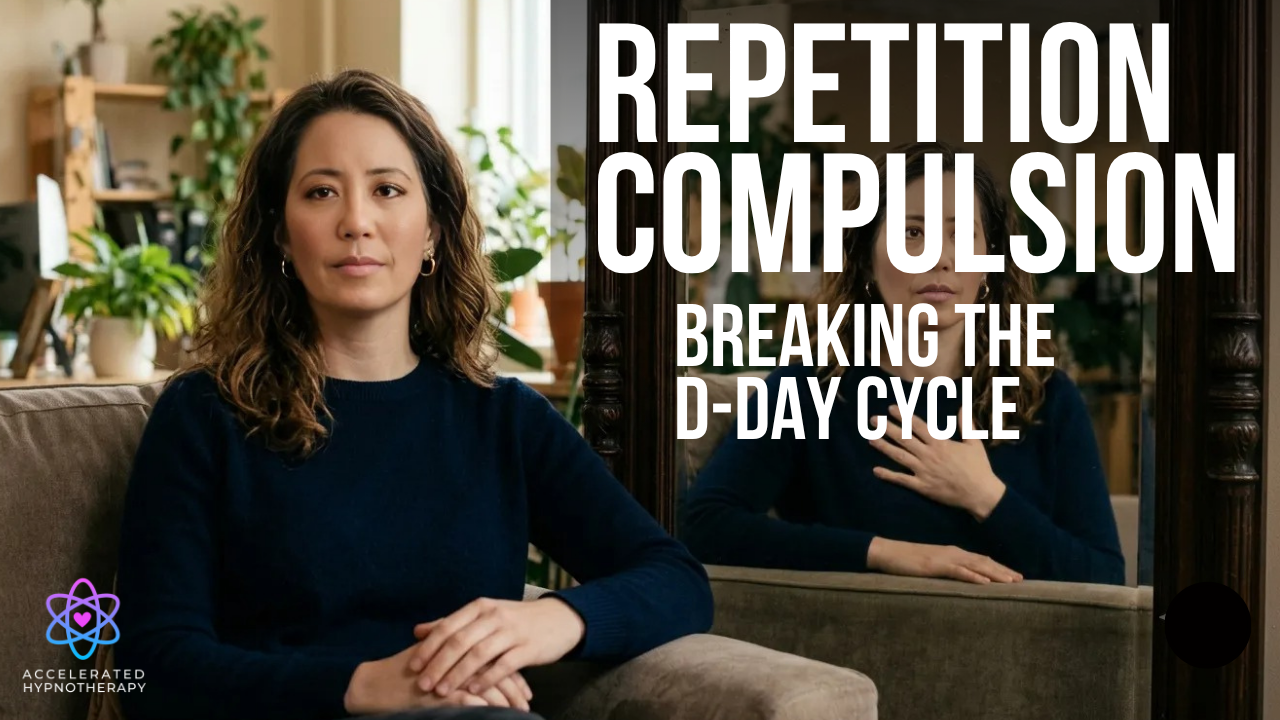
Stuck replaying the pain of D-Day? Betrayal Trauma Recovery Specialist Liana West explains how repetition compulsion and the trap of “trickle truth” keep your brain in a hypervigilant, stuck state. Discover why searching for answers over-activates your emotional brain and how Accelerated Hypnotherapy creates rapid, permanent transformation at the subconscious level without reliving the past.
-
Why Traditional Talk Therapy Might Be Keeping You Stuck in Betrayal Trauma

Stuck replaying the trauma of D-Day? Betrayal Trauma Recovery Specialist Liana West exposes how repetition compulsion and “trickle truth” keep your brain triggered AF and stuck in chronic overwhelm. Discover why digging up the past keeps you stuck in betrayal traum. Accelerated Hypnotherapy bypasses conscious resistance to create rapid, lasting subconscious healing.
-
Why Knowing Why Is Keeping You Stuck in Betrayal Trauma

Find out why knowing why keeps you stuck in betrayal trauma. Learn how traditional talk therapy reinforces pain instead of healing it. Explore the bamboo method—a subconscious approach that bypasses your conscious mind to integrate trauma and finally move forward without reliving the past.
-
Trauma Recovery for Seniors

This gentle, practical guide helps seniors recognize how long-ago trauma may still be affecting sleep, mood, and health—and shows how healing is possible at any age. With simple, nonverbal, nervous-system-based tools, it offers hope, safety, and relief for older adults who don’t want to retell their story, but are ready to feel better.
-
How Clinical Hypnotherapy Works Below Conscious Effort

Hypnosis is a neuroscience-backed approach that helps calm your nervous system, reprocess trauma, and reduce pain without reliving distressing memories. Accelerated Hypnotherapy creates lasting change by engaging the brain’s natural healing system, making it an effective option for trauma recovery, anxiety relief, phobia treatment, chronic pain, and sleep issues.
-
What is Hypnotherapy and Why is it Effective?

Hypnotherapy is a neuroscience-backed approach that helps with anxiety, trauma, sleep, and pain. Research shows hypnosis changes brain function, making it easier to shift stuck emotional and physical patterns. This article explains what hypnotherapy is, why it works, and what conditions it can help, backed by current scientific evidence.
-
Narcissistic Abuse Leaving You With Trauma?

Narcissistic abuse is a form of emotional control that chips away at your self-worth and safety. This article breaks down the signs, symptoms, and effects of narcissistic abuse—and explains how healing happens through trauma-informed care and reconnection with your sense of self.
-
Trauma’s Surprising Effect on Motivation

If you struggle to finish simple tasks or feel unmotivated, it might not be a problem with discipline. Trauma—big T, or even small t—can overwhelm the brain and make even simple to-do tasks feel impossible. This article explains how trauma affects motivation and why it’s not a character flaw, but a nervous system issue.