
What is the Window of Tolerance?
Window of Tolerance is a concept that describes the range of emotional and physical arousal where we feel balanced—able to think clearly, manage emotions, and handle life’s ups and downs (Siegel, 1999).
Introduced by psychiatrist Daniel Siegel, it’s like a sweet spot for your nervous system: not too revved up, not too shut down. Inside this window, you’re present, connected, and resilient. But when life—or trauma—pushes you beyond its edges, things get shaky.
Trauma throws this sweet spot out the window. It rewires how your brain and body respond to stress, shrinking that comfortable zone (Ogden et al., 2006). Experiences like abuse, infidelity, betrayal, or loss can leave your nervous system primed to overreact or collapse, depending on the threat. The more trauma piles up, the narrower your window gets, making it harder to stay steady. Research shows this isn’t just a feeling—trauma physically alters stress pathways, like the amygdala and autonomic nervous system, locking in survival responses (van der Kolk, 2014).
When trauma strikes, overwhelm can escalate into hyperarousal—a state of overload, where your fight-or-flight kicks in. Think racing heart, tight muscles, or feeling wired, even in the absence of danger. It’s your system screaming that there’s a threat!—a common PTSD symptom (APA, 2013).
On the flip side, trauma can drop you into hypoarousal—a shutdown mode where you go numb, disconnect, or feel empty, depressed and hopeless. This freeze or collapse response is your body’s way of saying “it’s too much,” dialing down and dissociating to protect you (Porges, 2011). Both are survival tactics, but they pull you out of that tolerance window, leaving you stuck “on” or “off” position instead of balanced.
Understanding this helps explain why trauma lingers—and why healing often means widening that window again.
What’s Hyperarousal?
Hyperarousal, often called the “fight, flight, or freeze” response, is when someone’s nervous system jolts into overdrive—a surge of energy and alertness, even without real danger nearby. In this state, a person might feel like their actions are running on autopilot, and it’s hard to get unstuck.
Triggers could be anything from a sensed threat to old traumatic memories or intense emotions. It’s a hallmark sign of post-traumatic stress disorder (PTSD).
Signs of Hyperarousal:
- Sudden anger flare-ups
- Fear spiking out of nowhere
- Intrusive thoughts
- Anxiety buzzing constantly
- Emotions flooding, overwhelming
- Panic setting in
- Always on edge (hypervigilance)
- Muscles clenched tight
- Freezing up, like a startled animal
When hyperarousal hits, it’s like being stuck “on”—it’s hard to calm down and relax or sleep, emotions run wild, and focus blurs. Physically, the body feels wound up, ready to snap, and being easily irritated and triggered AF.
What’s Hypoarousal?
Hypoarousal, or the shutdown response, is the bottom of the window—a collapse into low energy when the nervous system gets overloaded. It can kick in from feeling threatened, revisiting trauma, or emotions tied to past pain. Memories of trauma and what was lost, can push someone into this numb, disconnected state, sometimes leading to dissociation or depression.
Signs of Hypoarousal:
- Sinking into depression
- Feeling numb or detached
- A hollow, empty sensation
- Body going limp, floppy
- Can’t feel your body or emotions
- Staring blankly ahead
- Words won’t come out
- Drifting into dissociation
In hypoarousal, energy drops too low because of an overwhelmed parasympathetic system. It messes with sleep and appetite, leaving someone withdrawn, emotionally flat, and feeling hopeless.
Hyperarousal and Hypoarousal in Trauma
Hyperarousal is the nervous system’s “fight or flight” response on overdrive—too much energy, even without real danger. It shows up as anxiety, anger, tight muscles, or feeling constantly on edge, like a car stuck in high gear. Hypoarousal, the opposite, is the “shutdown” mode—too little energy, where the body collapses into numbness, depression, or dissociation, like a power switch flipped off.
Both are survival reactions to trauma, which is any overwhelming experience, such as, infidelity, betrayal, abuse, that leaves a lasting mark.
Trauma disrupts your “window of tolerance”—the calm zone where you can cope—pushing you into these extremes and shrinking your ability to stay balanced.
These states aren’t just moods; they’re wired into the body and brain, especially the amygdala and autonomic nervous system, locking in patterns that logic alone can’t untangle.
Hyperarousal keeps you scanning for threats; hypoarousal numbs you to escape them. Left unresolved, they keep you stuck trauma’s emotions—fear, shame, sadness—deep in the subconscious.
Trauma’s emotions sit in the subconscious, beyond conscious control, driving reactions like hyperarousal or hypoarousal. To heal, you need to reach this layer, not just talk it out—logic alone is not enough to rewire these emotional responses.
My client’s have tried therapy for years because they are stuck in trauma and nothing is getting them across the line.

You can find relief, even if you’ve tried everything because we deal with them at the level they sit, the subconscious.
Let’s connect.
Pure Possibilities
Change Your Mind.
Change Your Life.
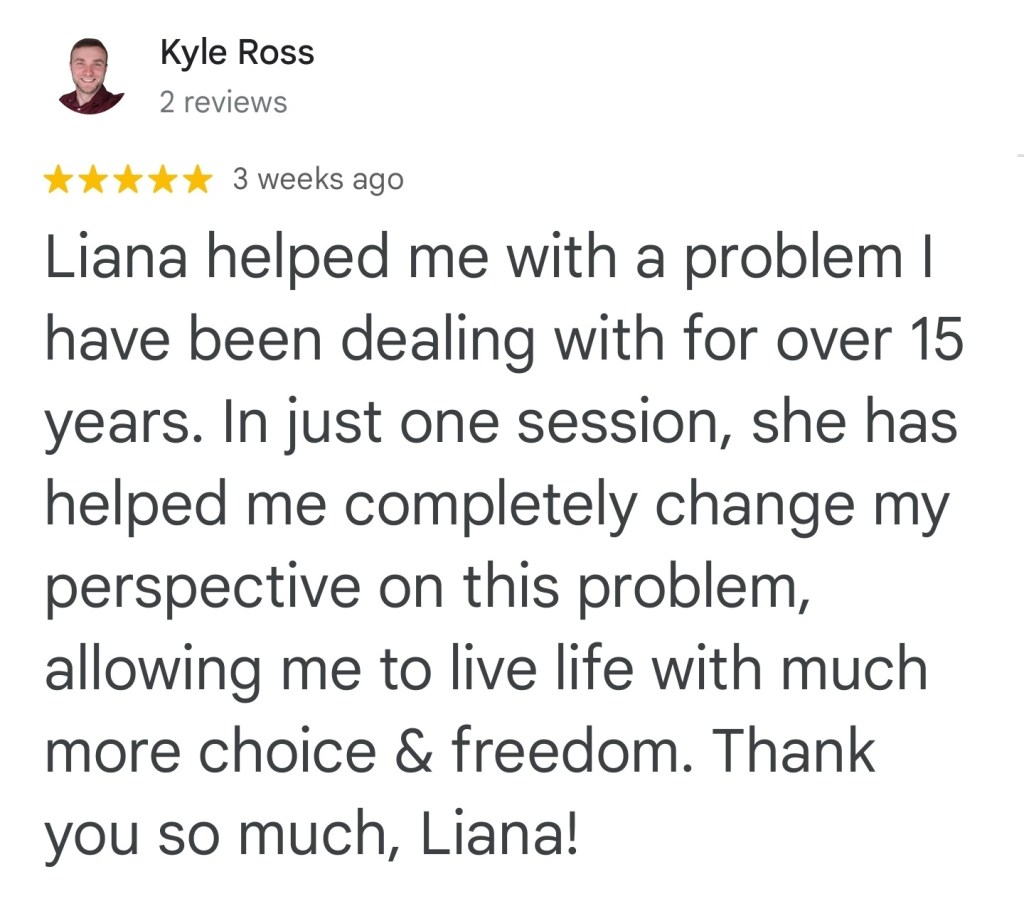
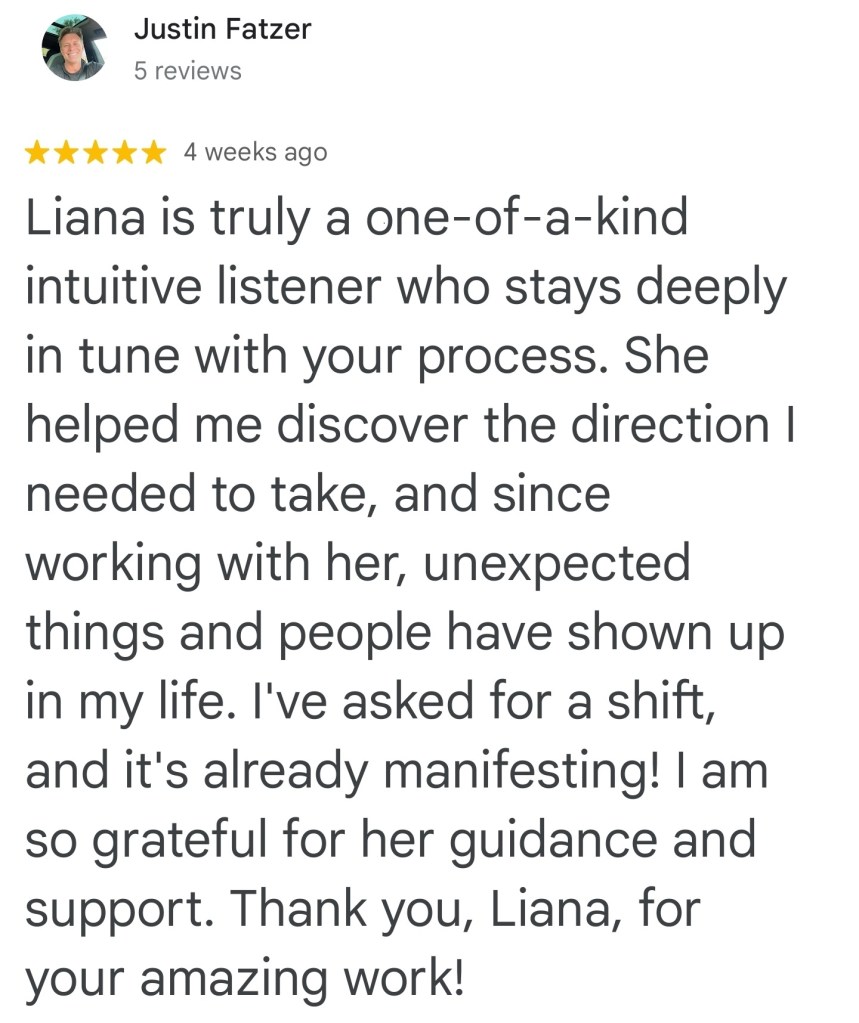
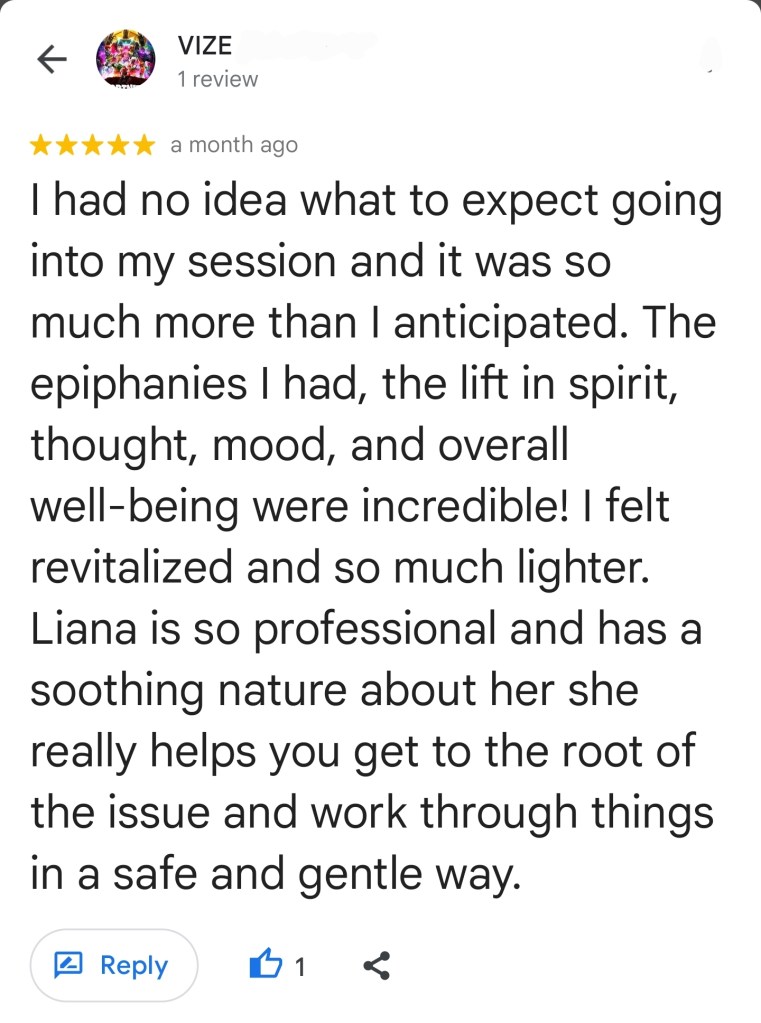
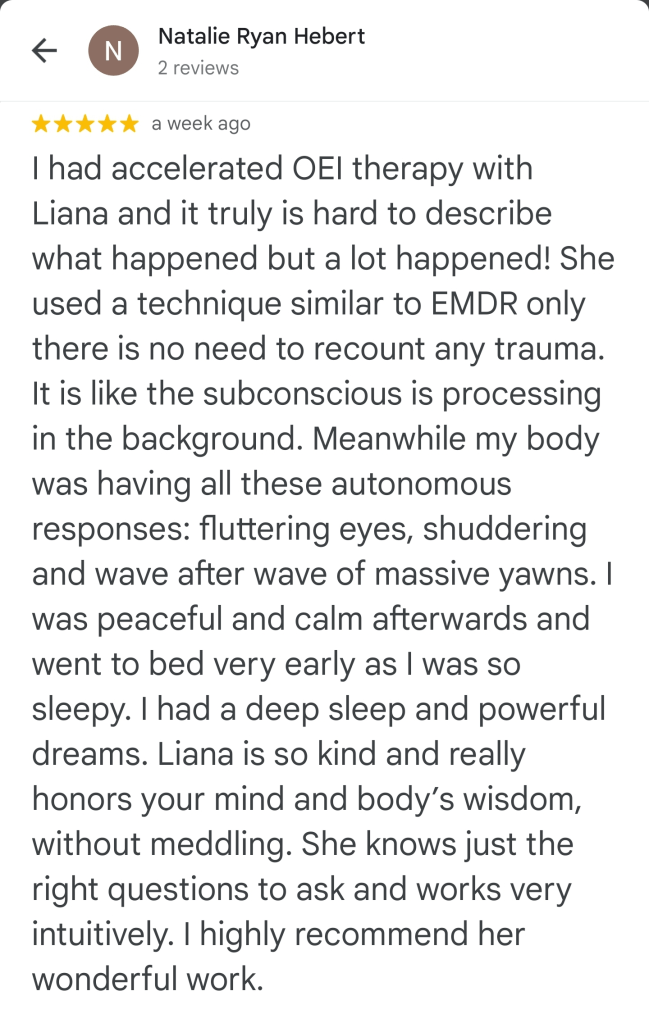
REVIEWS




































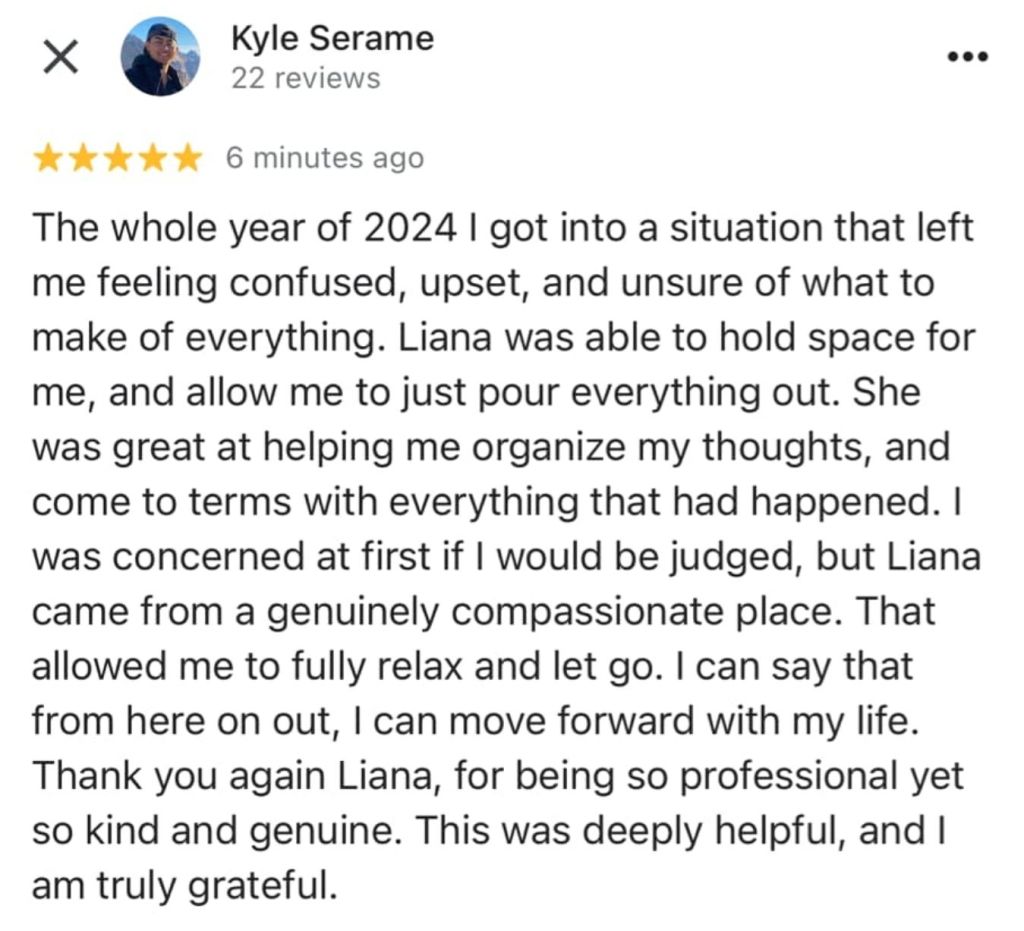

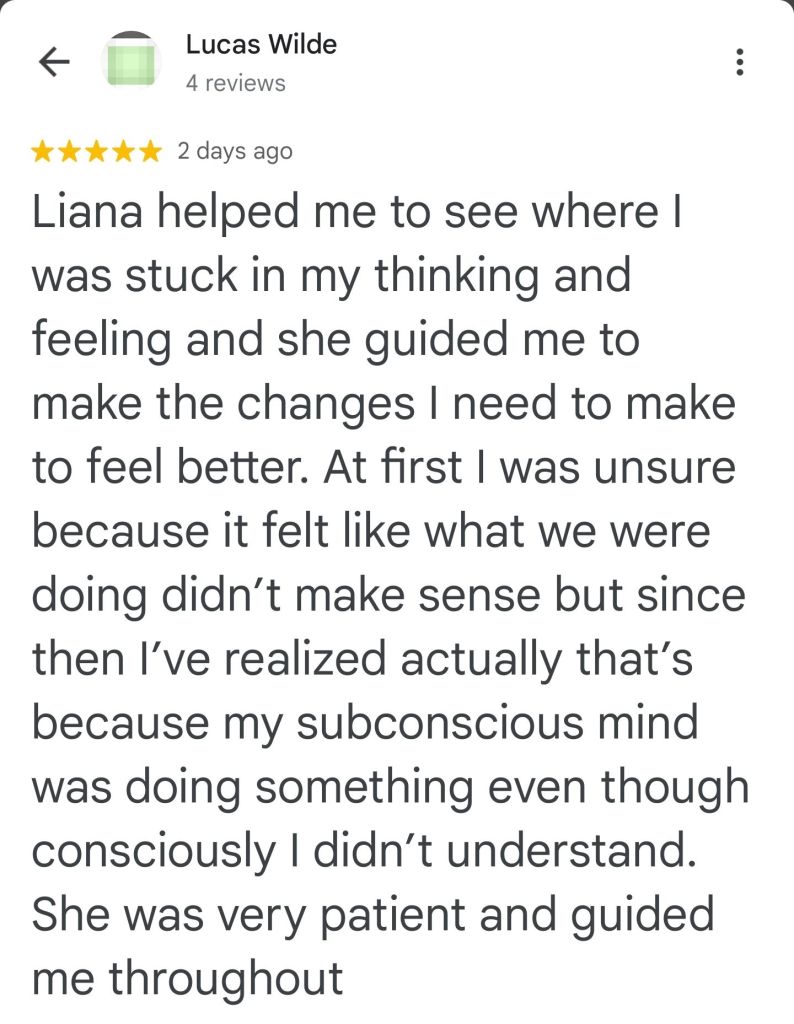
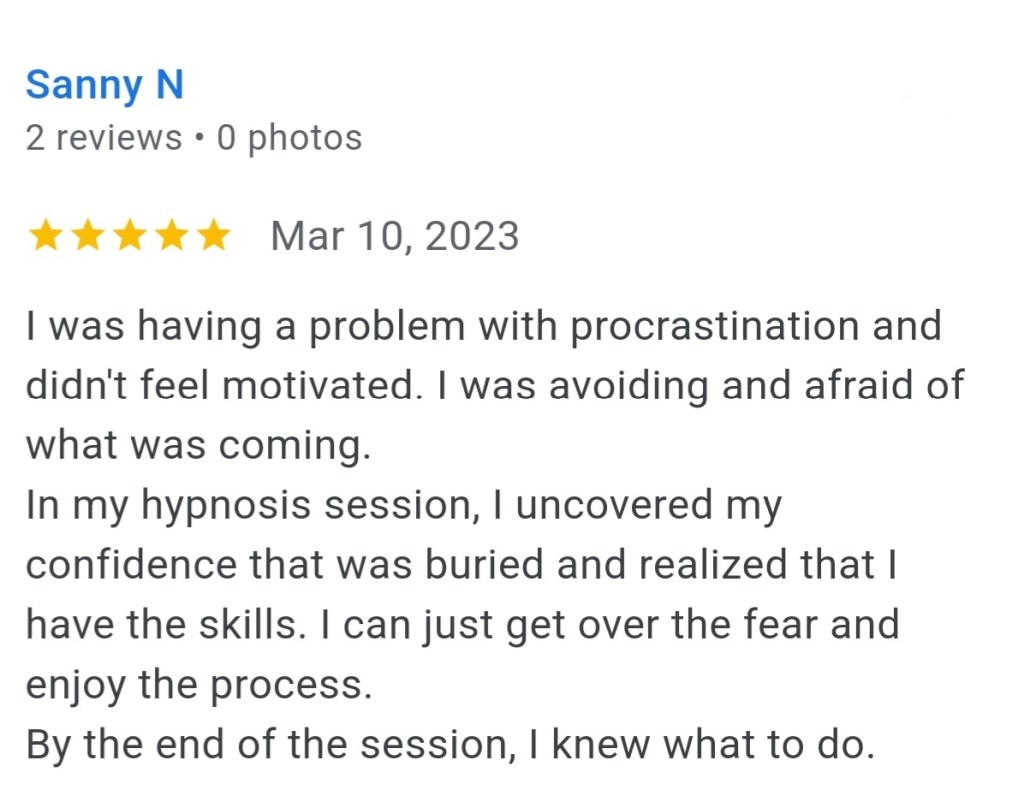

 Accelerated Hypnotherapy - Rapid Results
Leave a comment