
Understanding the Lasting Impact of Betrayal Trauma
Betrayal trauma is not just emotional pain—it’s a disruption to the nervous system and self-identity caused by the trauma of broken trust in close relationships. Whether it stems from infidelity, emotional abandonment, or repeated invalidation, this type of trauma can deeply disrupt how individuals relate to others, manage emotions, and feel safe in future connections.
What Is Betrayal Trauma?
Betrayal trauma occurs when someone you rely on for safety, love, or connection—like a partner or a friend—violates that trust. This trauma doesn’t just impact you emotionally; it alters your brain’s threat response system, often leading to hypervigilance, anxiety, hopelessness, and feeling triggered AF.
Major vs. Minor Betrayal Trauma
Not all betrayals look the same.
- Major betrayal trauma includes infidelity, gaslighting, or secret-keeping in intimate relationships.
- Lesser betrayals—like consistent emotional withdrawal or invalidation because attention and quality time is being directed toward another person—can have equally damaging effects over time.
Both can create emotional confusion, self-doubt, and a loss of the person you once were.
How Betrayal Trauma Affects the Brain and Body
Betrayal trauma can dysregulate your nervous system. Because your brain is overwhelmed, it can’t store the experience in the past, instead, the subconscious mind stores the emotional intensity of the trauma in the body in the present tense, making it hard to feel safe, even when the threat is gone. This leads to patterns like:
- Fear of intimacy
- Difficulty trusting others
- Overcompensating in relationships
- Self-sabotage or emotional shutdown
- Feeling triggered
Why Talking About Trauma Isn’t Enough
While talking about trauma can provide temporary relief, it often doesn’t reach the subconscious level where trauma is actually stored. Your unresolved anxiety builds between sessions and is what causes you to return to therapy, often for years. Often talking about trauma creates an unintentional harm (iatrogenic effect of therapy) because it makes you relive the experience. When you are stuck in the past, this can make things worse by reinforcing procedural memory that is created by talking and remembering the trauma.
Betrayal trauma lives in the body and nervous system—it’s not just a memory, but a felt sense of fear, shame, or mistrust that you feel in your body and intrusive thoughts that take over your here and now. That’s why logic and talking about trauma at the conscious level isn’t enough to heal.
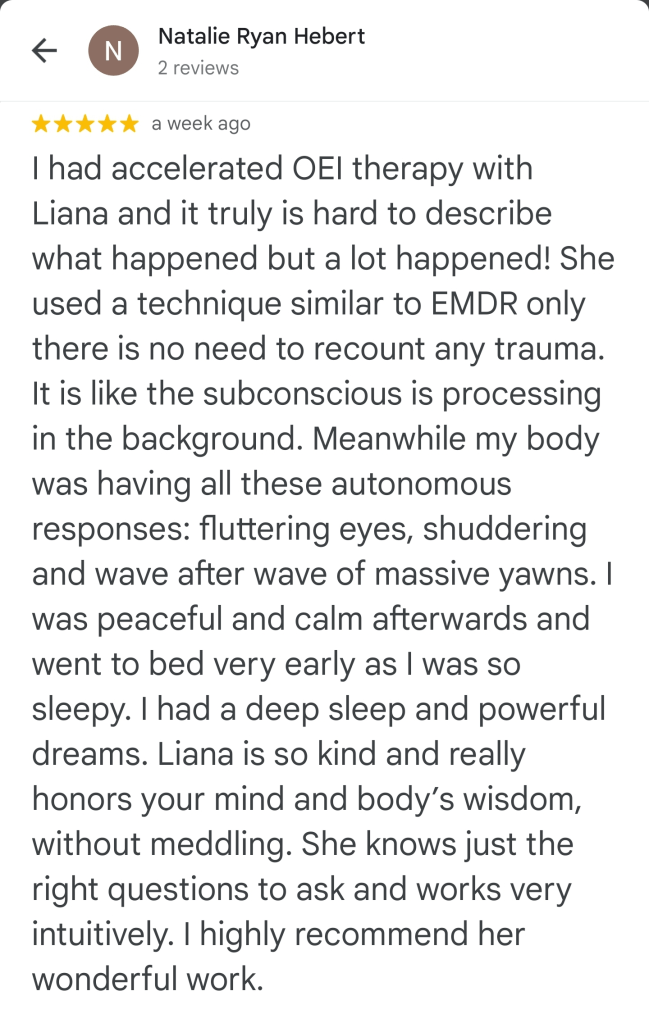
To truly recover, you need approaches that work directly with the emotional brain, such as Accelerated Hypnotherapy and OEI therapy to safely and gently rewire the trauma response – without revivifying the trauma. Once the trauma is integrated, you will feel like it is in the past, where it belongs.
Healing with Accelerated Hypnotherapy
Accelerated Hypnotherapy that works with brain-based pathways and the subconscious mind and to promote deep healing.
These methods help:
- Restore emotional regulation
- Reprocess the trauma gently and effectively
- Reconnect you to your sense of internal safety and trust in self
- Break patterns of hypervigilance, intrusive thoughts, feeling of hopelessness and anxiety
By accessing the parts of the brain where the trauma is stored and integrating them into the past—not just talking about it—healing becomes faster and more complete.
Finding Yourself Again After Betrayal
Recovery from betrayal trauma is about more than coping with intrusive thoughts and body sensation of the trauma. It’s about find yourself again, figuring who you are when you’re free from the past, creating new patterns, and learning how to trust yourself again.
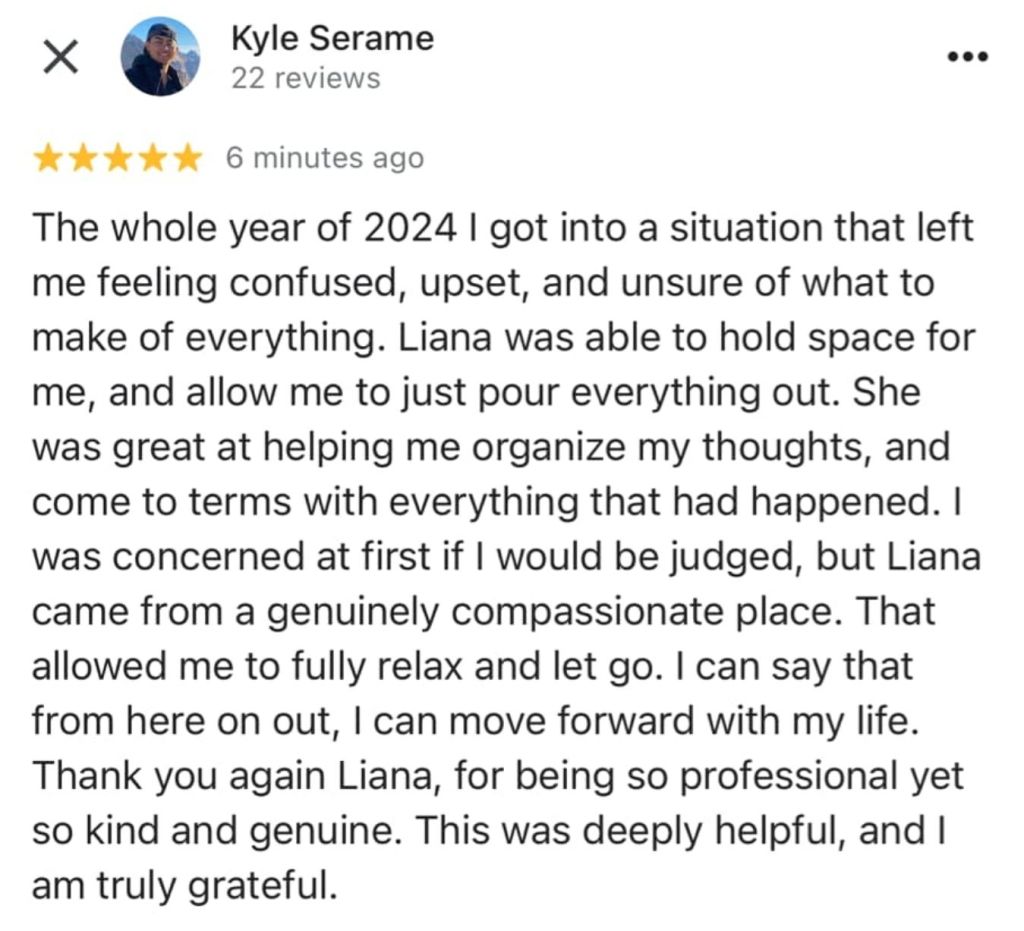
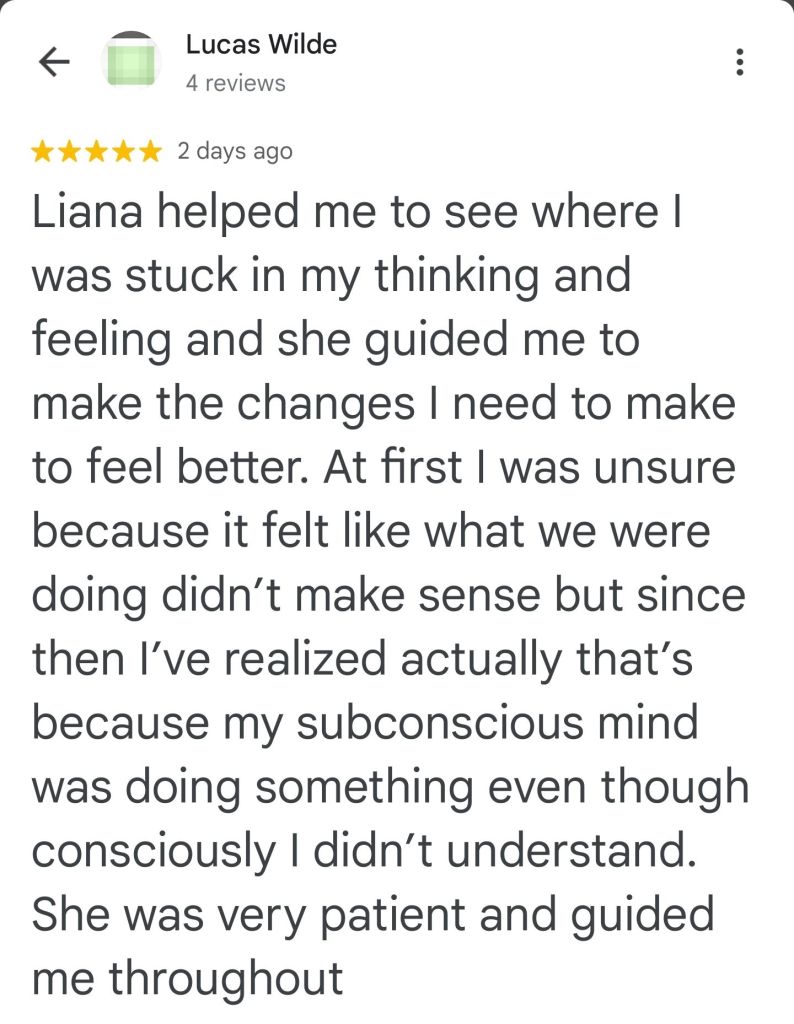
Accelerated Hypnotherapy can help you integrate the open wounds of trauma so you find hope and peace to create a whole new future.
Let’s connect.
“The future belongs to those who believe in the beauty of their dreams.”
E. Roosevelt
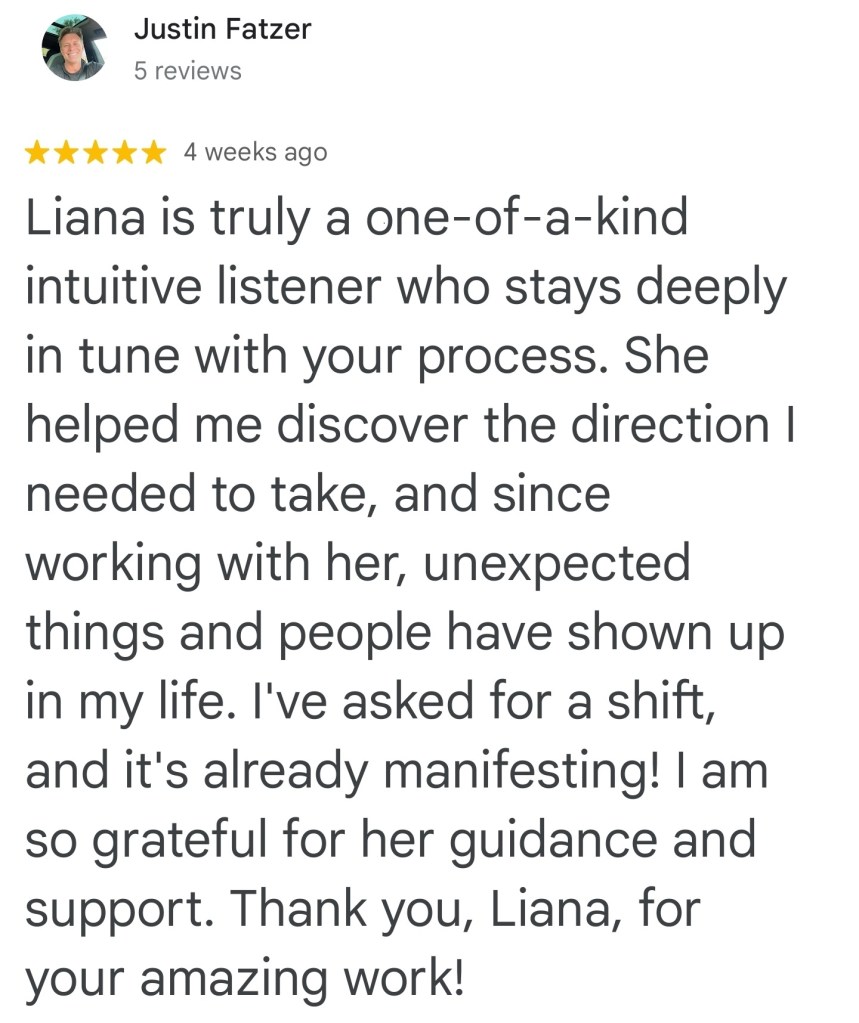
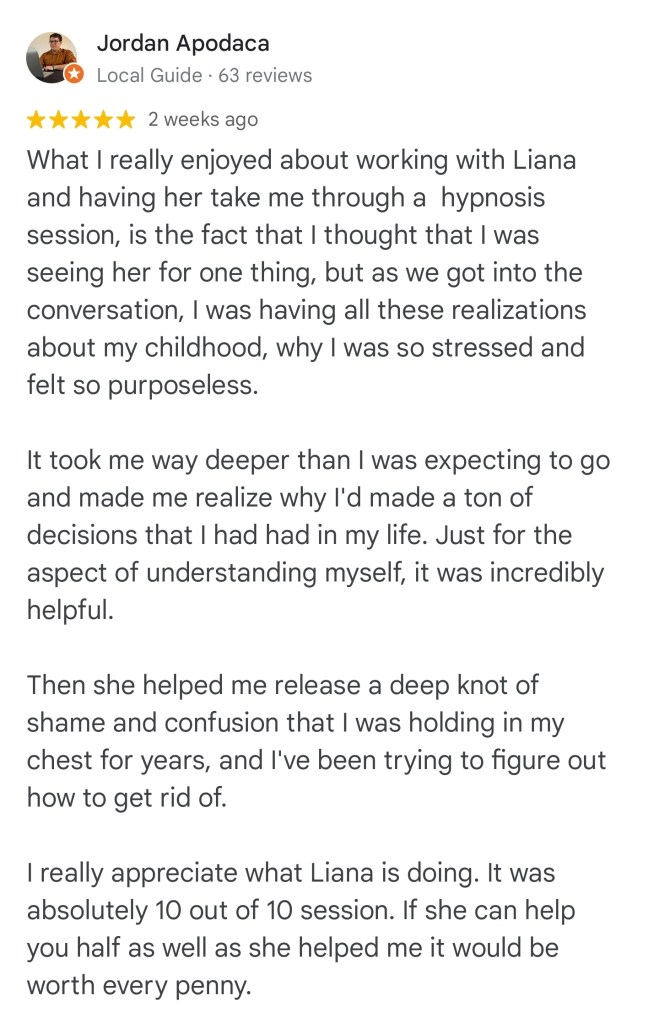
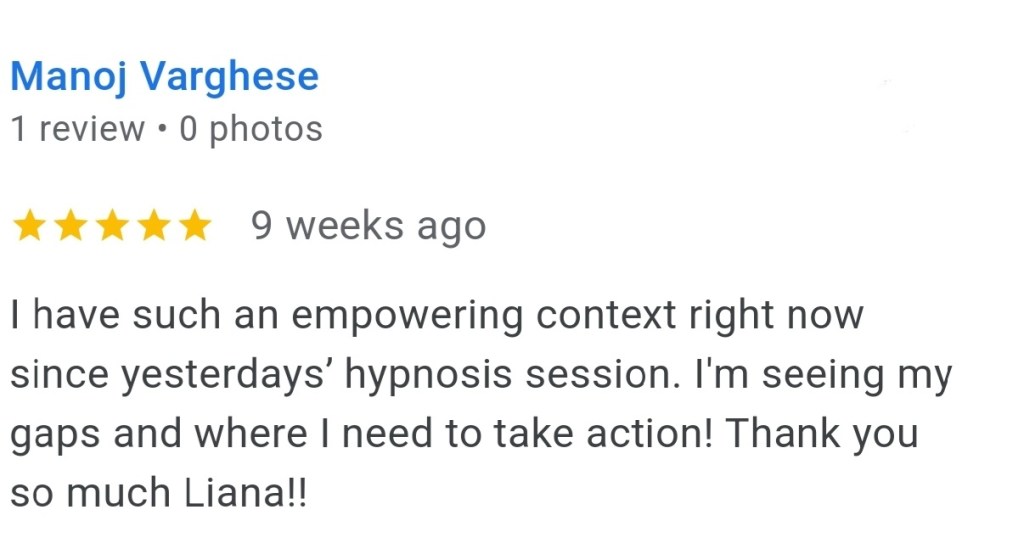
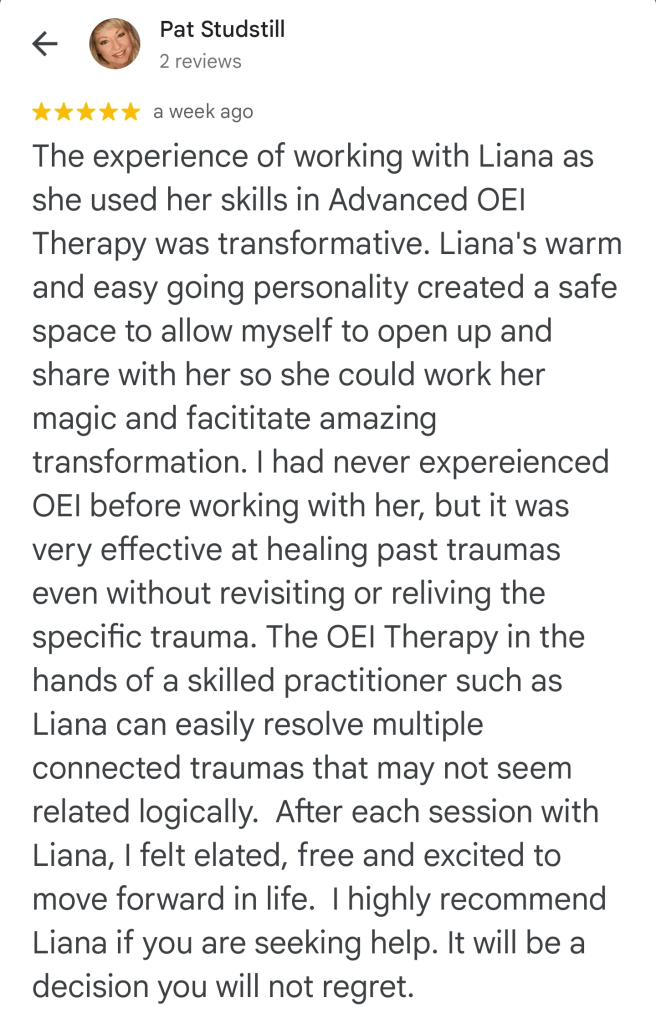
Reviews






































 Accelerated Hypnotherapy - Rapid Results
Leave a comment