
What Is Hypnosis and How Does It Work? A Neuroscience-Based Guide
Hypnosis is a natural, focused state of awareness that taps into the subconscious mind. In clinical and cognitive neuroscience, hypnosis is studied as an altered state of consciousness that can influence attention, perception, memory, and even pain.
But how exactly does it work—and how can you take advantage of it in therapy to overcome places where you feel stuck, triggered or want a change for yourself and your life.
Hypnosis Explained: A Natural Altered State of Awareness
Hypnosis is a mental state where you’re highly focused, however you do not need to be relaxed. If you could relax, you probably wouldn’t need hypnotherapy. But you’re triggered AF, anxious and ready for a change.
Neuroscientists have observed the shift in brainwave activity in this state, where the brain moves into theta and alpha states—the same patterns linked to imagination, creativity, and deep learning.
How Hypnosis Affects the Brain and Consciousness
Cognitive neuroscience studies show that hypnosis:
- Enhances focused attention: Brain scans reveal changes in areas linked to concentration, like the anterior cingulate cortex.
- Reduces default-mode network activity: This quiets the inner critic and allows for new associations and beliefs to take shape.
- Alters perception and sensation: Hypnosis has been shown to reduce pain, ease anxiety, and even change how we perceive time or space.
These findings suggest hypnosis is not about being “asleep” or “out of control,” but rather entering a state where your mind expands and your problems seem smaller. When you’re stuck, this creates an openness to change things that are no longer working for you, resolving internal conflicts.
The Subconscious Mind: Where Real Change Happens
In hypnotherapy, the subconscious mind becomes the target of change. That’s where core beliefs, emotional patterns, and even trauma responses live. By guiding someone into a hypnotic state, a therapist can:
- Help you release limiting beliefs
- Access empowering insights
- Put painful memories into the past
- Support behavior change (e.g., smoking, eating habits, anxiety, confidence)
This is why hypnosis is increasingly used in clinical therapy, trauma recovery, and personal development.
Hypnosis vs. Meditation: What’s the Difference?
While both hypnosis and meditation promote deep relaxation, hypnosis is goal-directed. Meditation, on the other hand, often focuses on awareness without judgment. So I sat in non-judgement of my anxiety after I experience betrayal trauma at work. I practiced three times a day for 10 months. Every minute of it was excruciating and my anxiety was as high or maybe even a little higher at the end. It caused me to stay in the present moment of anxiety, that’s for sure.
Mindfulness can be helpful but in my case, it created a procedural learning where my anxiety faithfully showed up three times a day, when I work up, later in the afternoon and was there when I went to bed. I wondered if I was conditioning myself to feel anxious through my “meditation.” I don’t wish that on anyone.
Accelerated Hypnotherapy is meditation with a purpose. It quiets the analytical mind and shifts brain activity into slower alpha and theta waves. Hypnosis is uniquely structured to influence subconscious change. But unlike passive mindfulness, hypnosis uses this focused state to guide the subconscious toward specific goals—like healing trauma, breaking habits, or getting unstuck—making it an amazing tool for transformation
Common Misconceptions About Hypnosis
Let’s clear a few things up:
- You can’t be forced to do anything under hypnosis. You’re aware and in control the whole time.
- It’s not mind control. You won’t “get stuck” in trance.
- It works best when you’re open and willing. The more you trust the process, the deeper the results.
So, Does Hypnosis Really Work?
Yes—and science backs it up. Clinical studies show hypnosis can:
- Reduce pain and anxiety
- Improve sleep
- Help with phobias and PTSD
- Support weight loss and habit change
- Promote emotional healing
Its success depends on the client’s readiness and practitioner’s skill. The mechanism is clear: hypnosis shifts attention to access the subconscious, and reprograms maladaptive patterns at the root.
Hypnosis as a Tool for True Healing
Hypnosis is backed by cutting-edge neuroscience. It’s a bridge between the conscious and subconscious, helping people heal, grow, and reset patterns that are no longer working for them.
Whether you’re exploring hypnotherapy for trauma, anxiety, or self-development, understanding how hypnosis works can empower you to use your mind’s full potential.
Let’s connect.
Small changes in the subconscious lead to significant shifts at the conscious level.
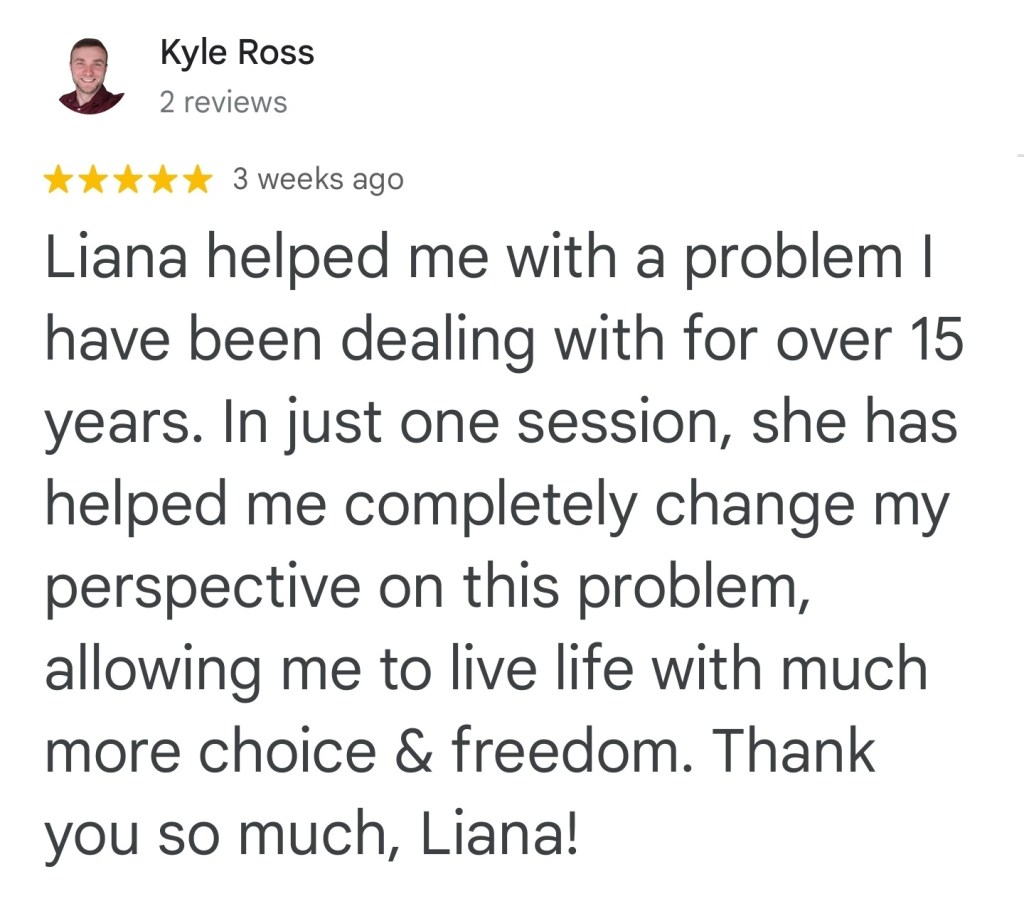
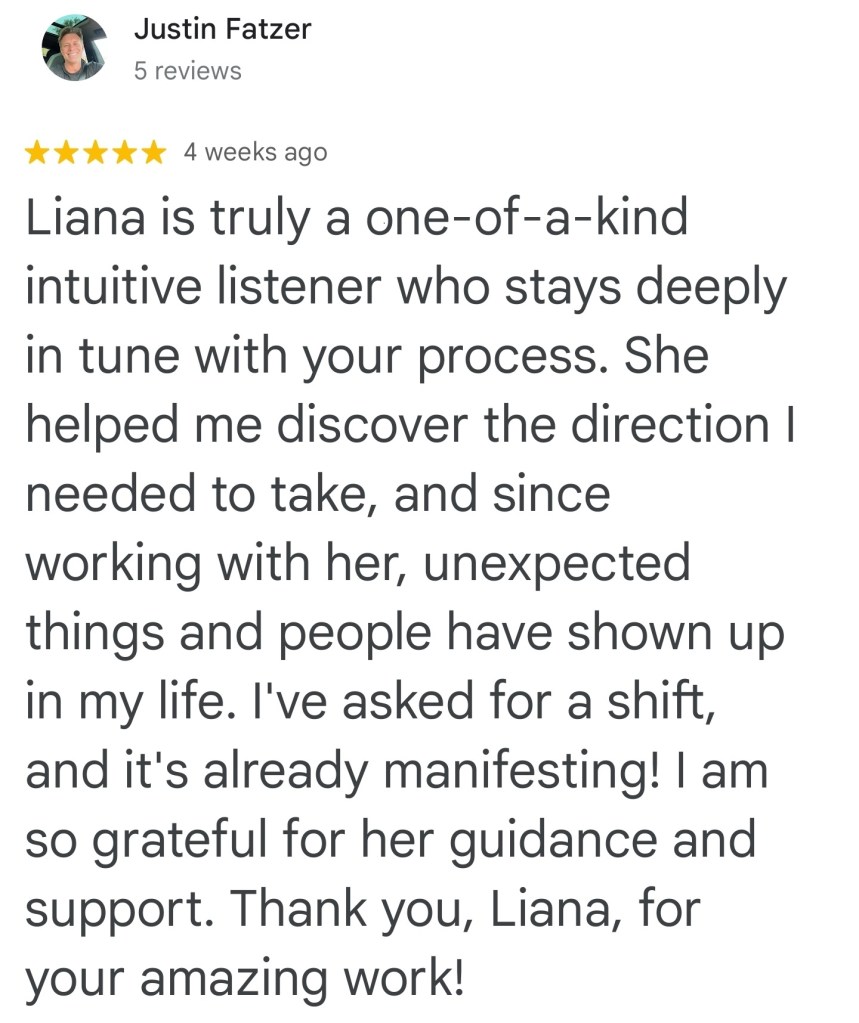
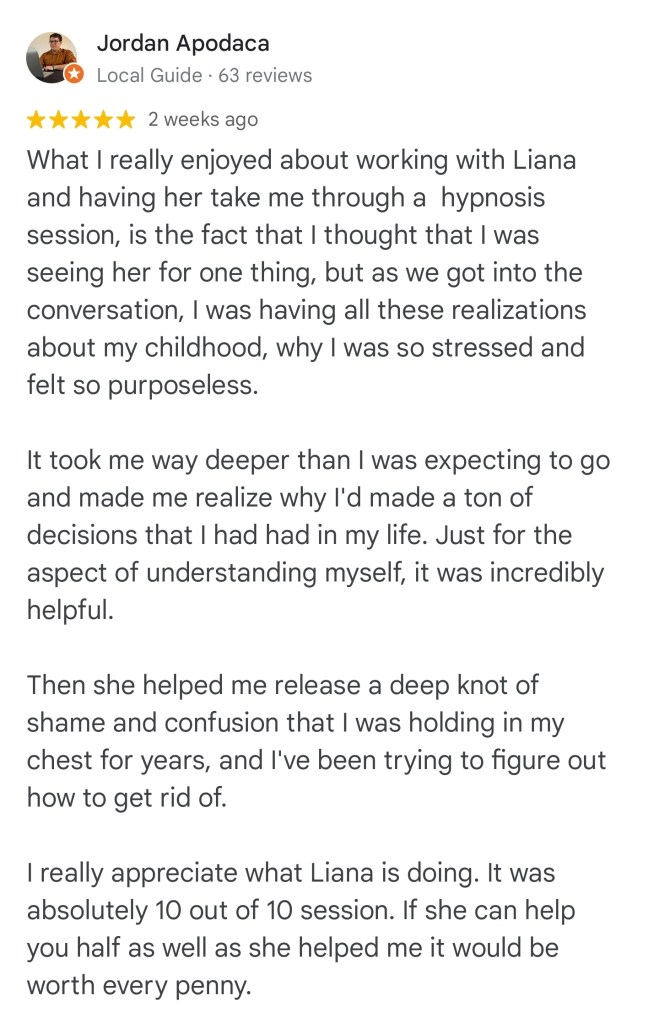
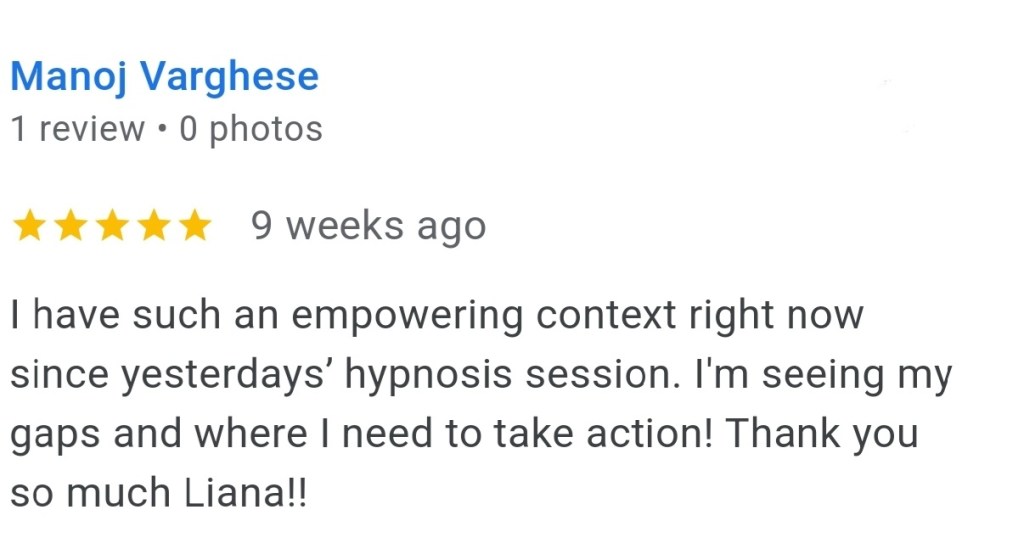
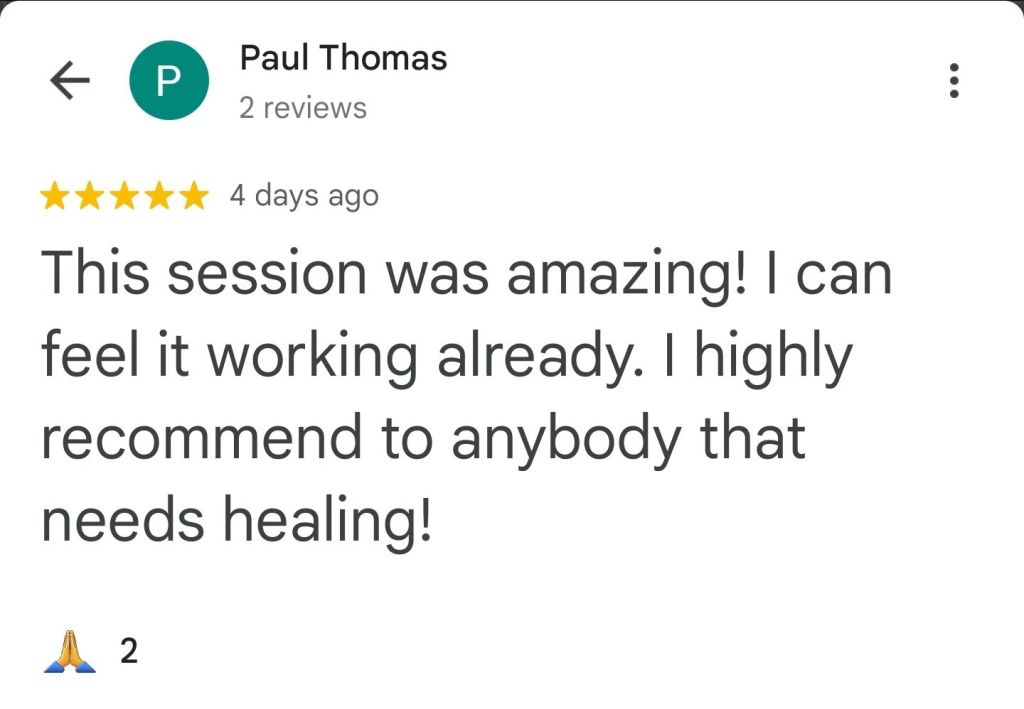
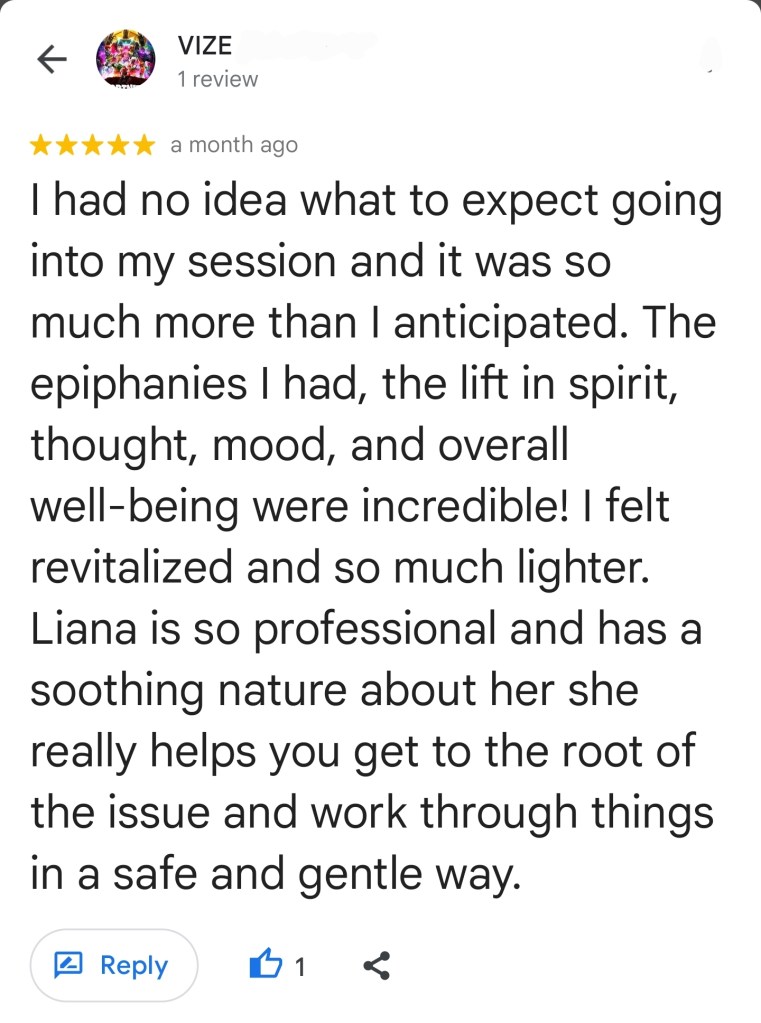
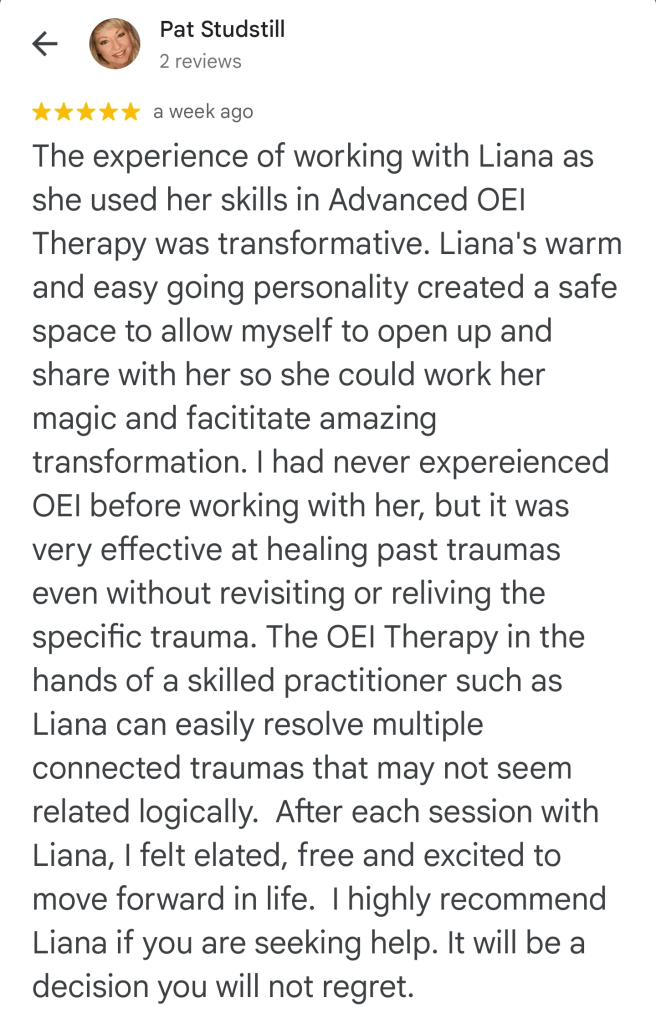
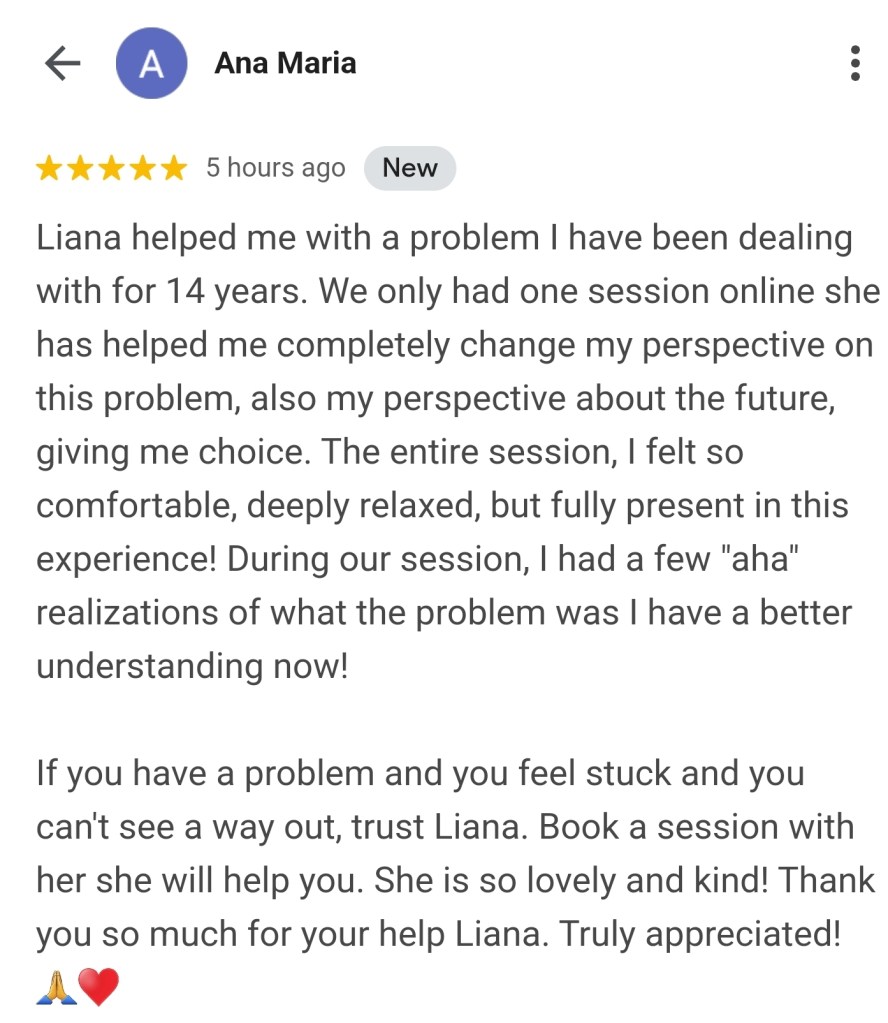
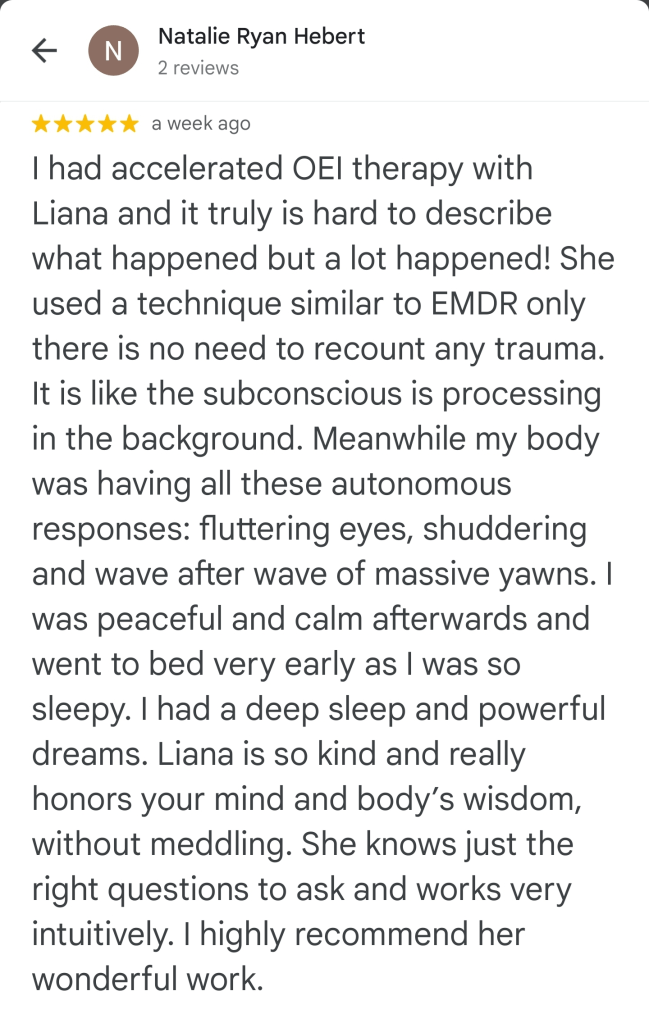
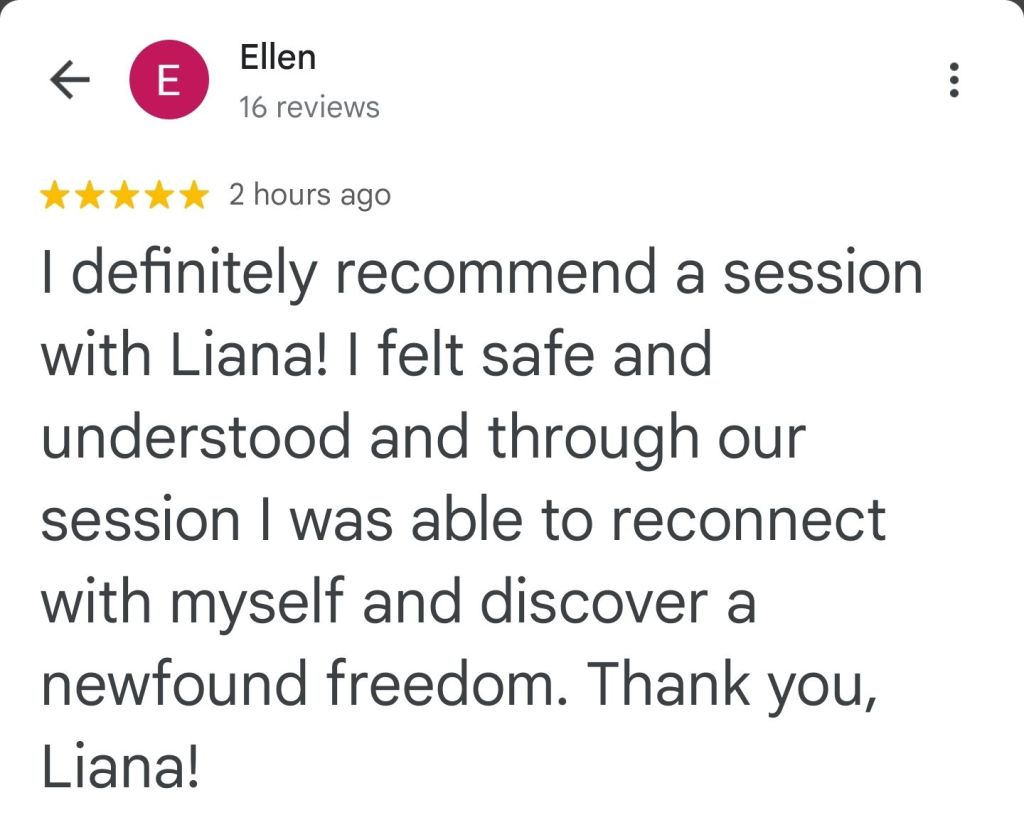
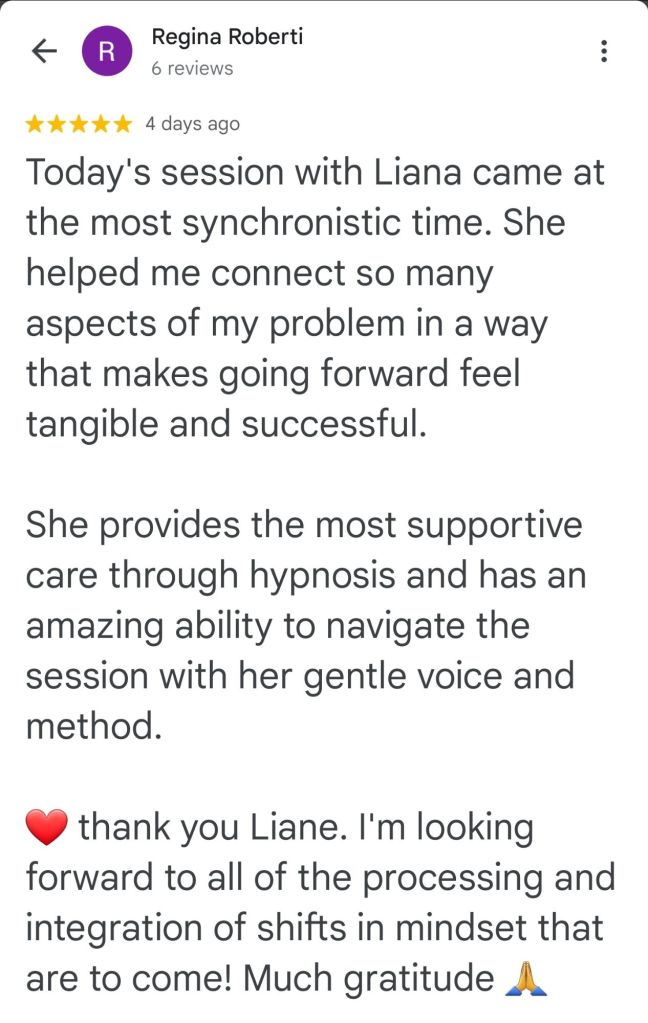
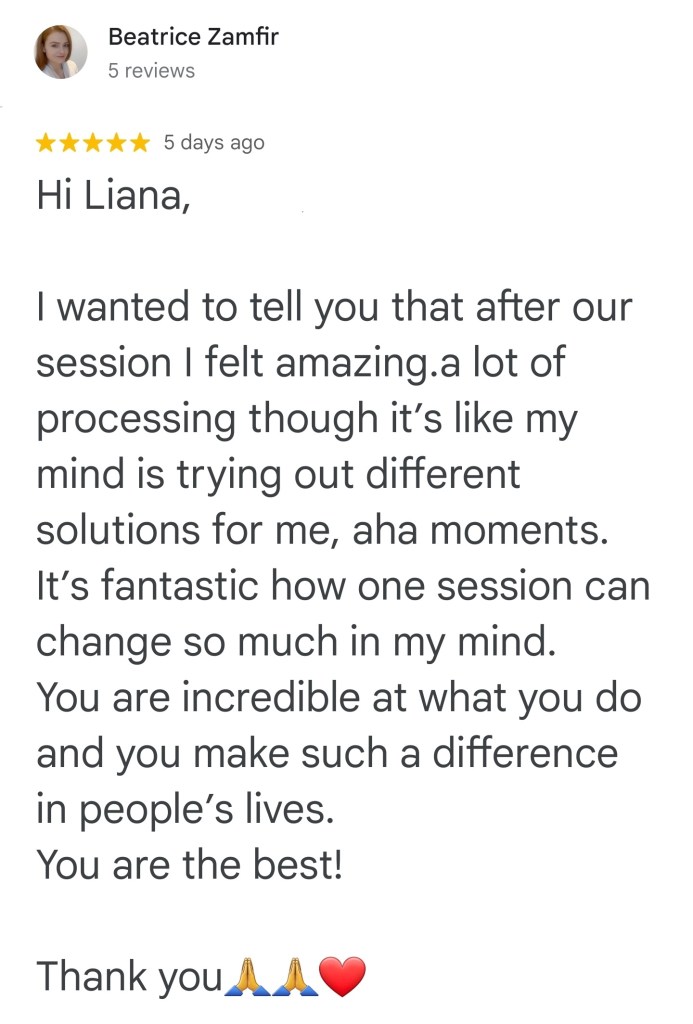
Reviews




























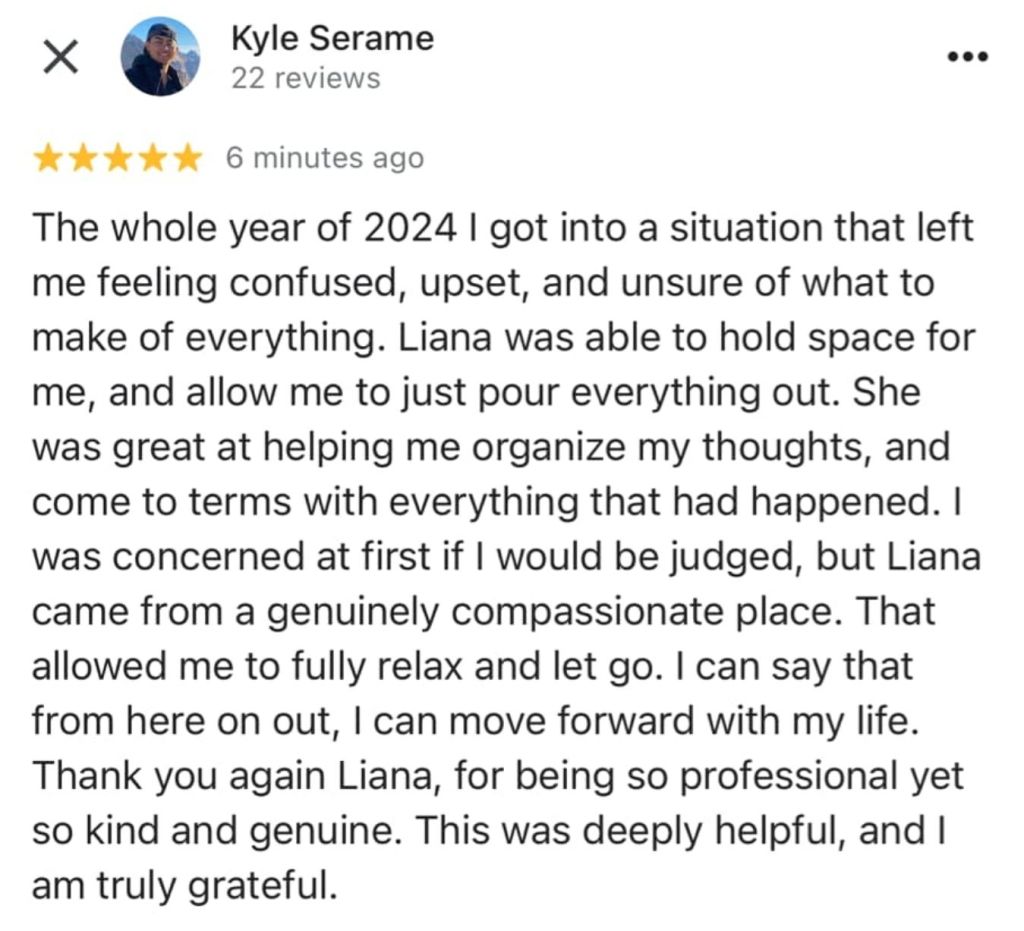

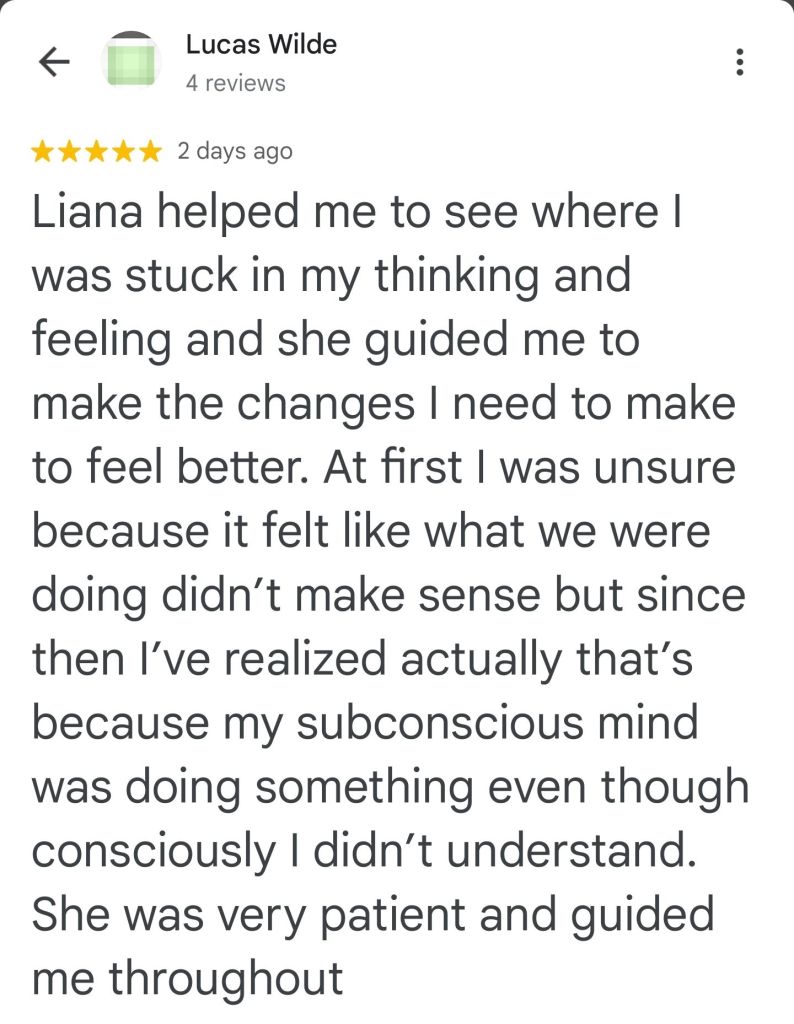
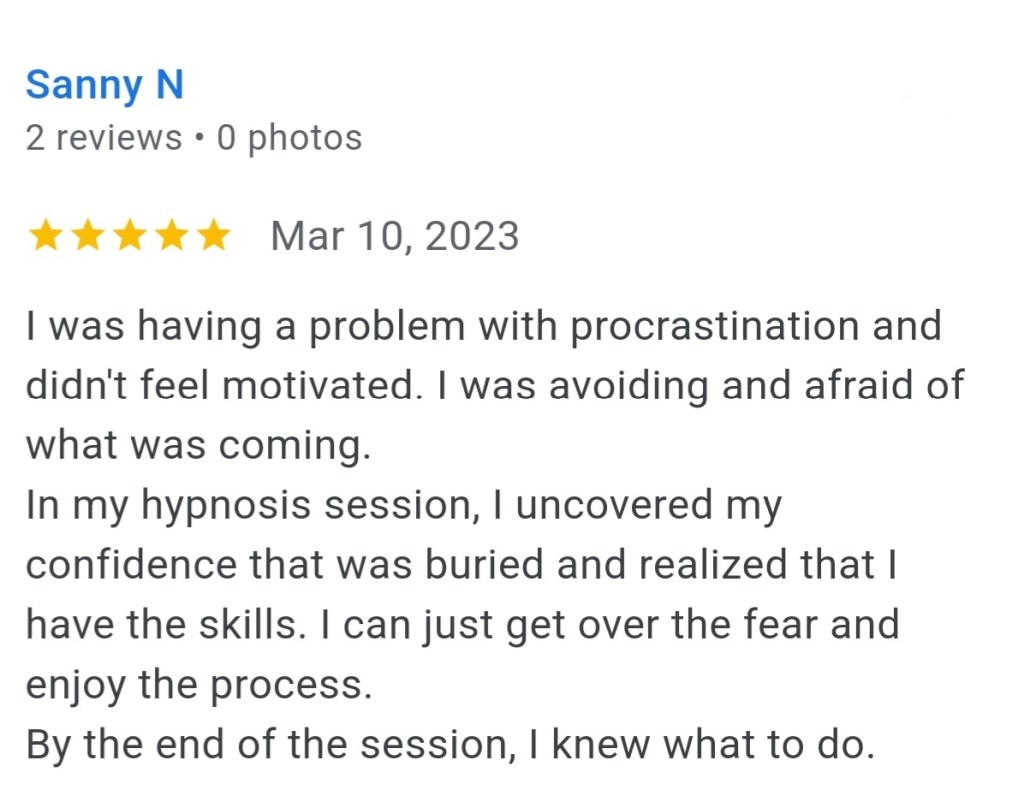

 Accelerated Hypnotherapy - Rapid Results
Leave a comment