
What is Destructive Entitlement?
Destructive entitlement (Rivera, 1996) is when someone feels owed something because of past unfair treatment, like infidelity or trauma. Instead of finding healthy ways to address their pain, they act out in ways that hurt their partner, their relationship and ultimately, themselves.
Destructive entitlement can show up in marriages, relationships, or workplaces.
Key Characteristics of Destructive Entitlement
Destructive entitlement describes a mindset where someone feels owed compensation or reparation because of past harm, neglect, or injustice. According to Rivera (1996), the main characteristics are:
Sense of Being Owed: The person believes they deserve something in return for the suffering or unfairness they experienced. This can come from childhood neglect, abuse, or being forced into adult roles too early (parentification).
Lack of Empathy: People with destructive entitlement often show little concern for how their actions affect others. They may be blind to remorse or the harm they cause, justifying their behavior as a matter of justice.
Persistent Resentment: The feeling of being wronged organizes their life and relationships, leading to ongoing anger, bitterness, and sometimes destructive behaviors like expressions of anger, violence, or even substance abuse
Externalizing Blame: Instead of processing their pain internally or seeking healthy solutions, they direct anger outward-toward people or institutions that may or may not be responsible for the original harm.
Revenge or Compensation: There’s a drive to make someone-or society-pay for past wrongs. This often leads to actions aimed at balancing the perceived injustice, even if those actions hurt others or are unfair themselves.
Difficulty Accepting Challenge: When confronted about their entitlement, they may double down, seeing any challenge as a continuation of their original hurt.
These characteristics help explain why destructive entitlement can be so damaging in relationships and why it’s often linked to betrayal trauma and repeated patterns of trauma.
How Destructive Entitlement Shows Up After Infidelity
Betrayal trauma happens when someone you trust deeply, like a partner or family member or friend, breaks that trust. When destructive entitlement is present, the person who feels wronged might justify harmful actions and hold onto anger and use it to control or punish, refusing to take responsibility for their actions, stay stuck in the anger and unforgiveness and just let it fly.
A lot.
This creates a cycle. The person who was betrayed feels hurt and confused, while the person with destructive entitlement keeps acting out, believing their behavior is justified.
Here’s the thing.
I get you.
You’re right. They hurt you. You never want to let them forget that.
They don’t deserve to be forgiven.
You have every right to hold this against them until your relationship implodes.
Why It Destructive Entitlement Sucks
Destructive entitlement can make healing from betrayal trauma much harder. It blocks honest communication and stops you from taking responsibility. Recognizing these patterns is the first step to breaking them.
I get that you’re hurt and hopeless right now. I know that it’s not your responsibility to take responsibility because way your partner has dealt with the betrayal, the trickle truth has made it even worse.
I know you want answers. All the answers. And you won’t stop trying to get the truth until you have it all.
You’re angry, grieving the relationship and the loss of what it was because it will never be that again.
You’re triggered AF.
But I also know that you’re feeling stuck, that this is all making you lose a sense of yourself as you’re really starting to identify with the trauma.
And this isn’t working for you anymore.
Let’s connect.
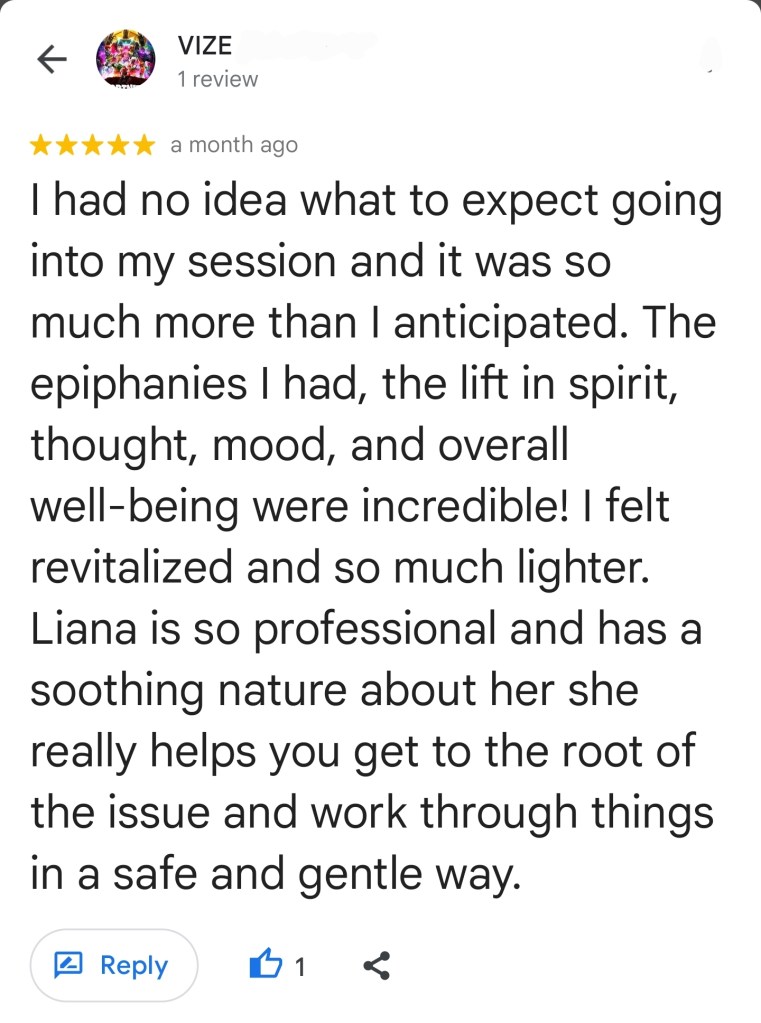
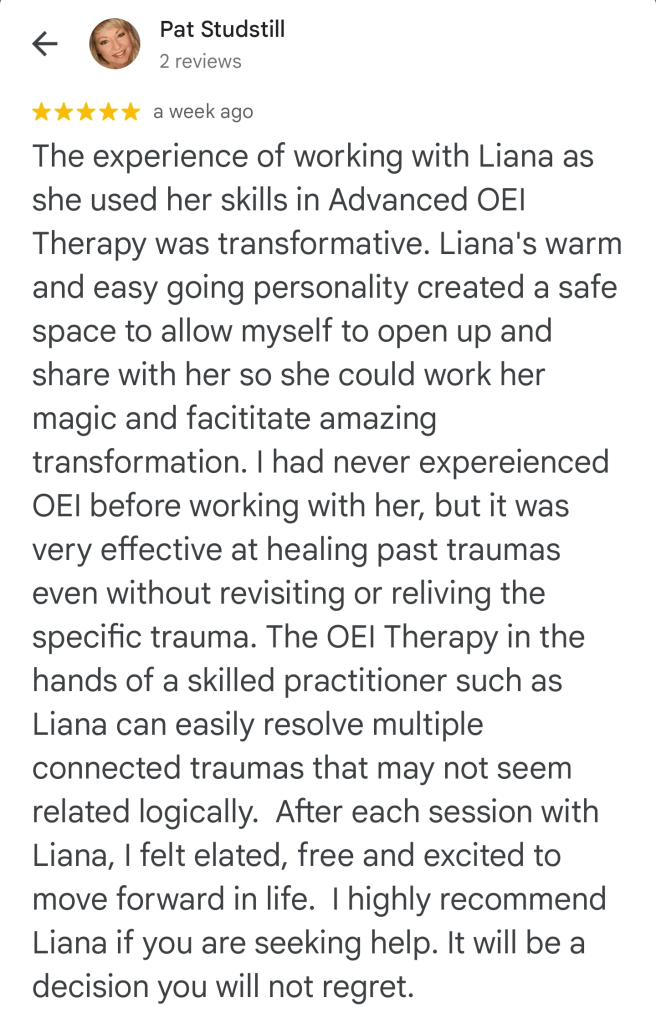
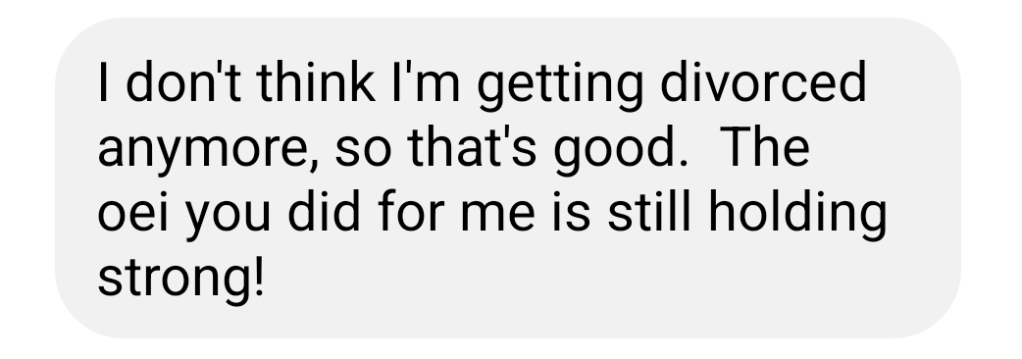
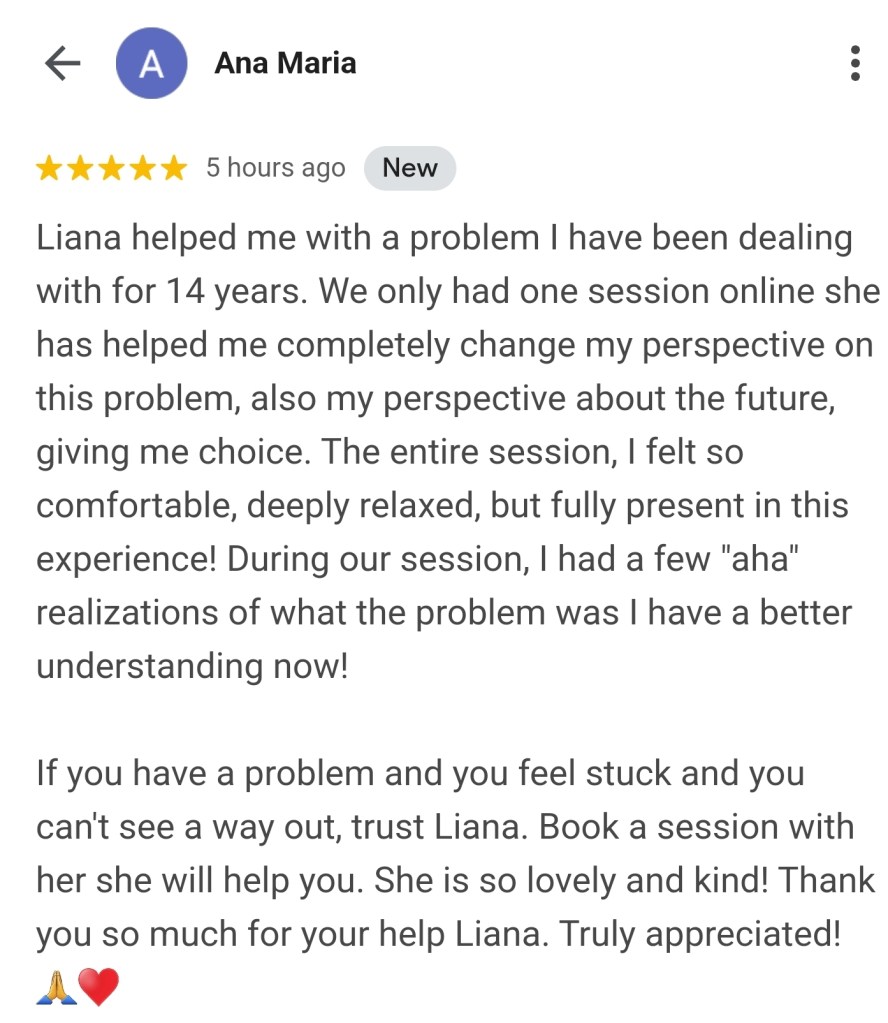
Small changes in the subconscious lead to significant shifts at the conscious level.







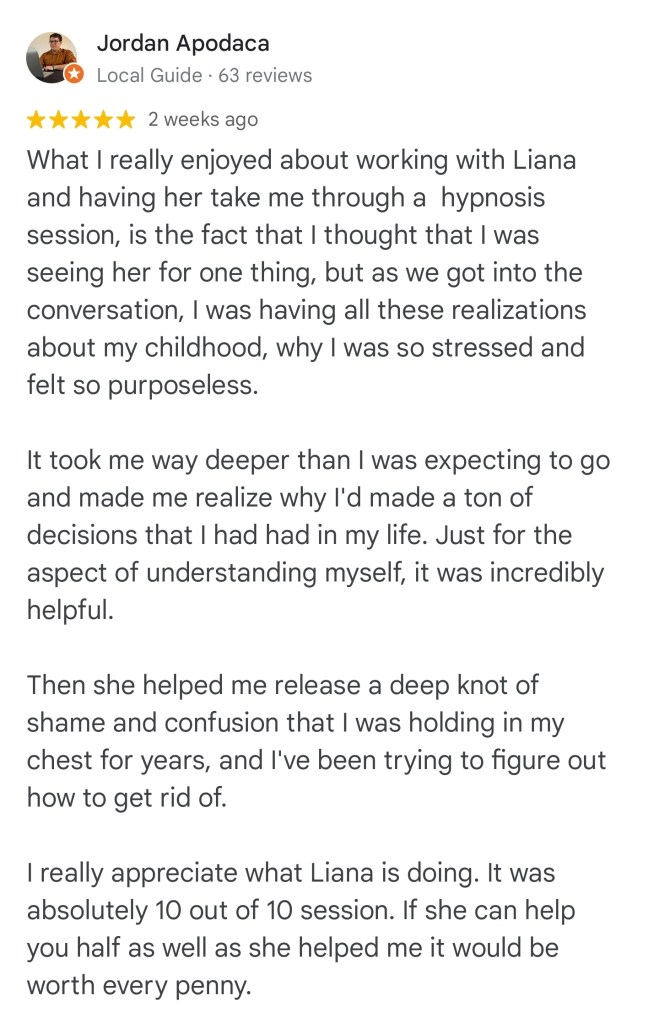
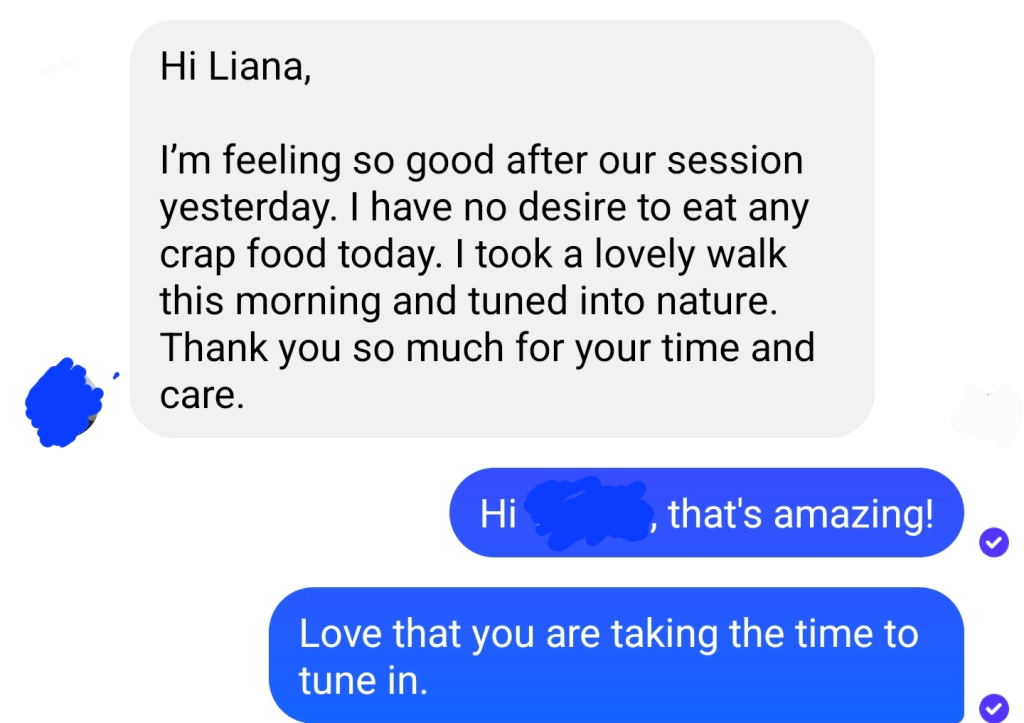

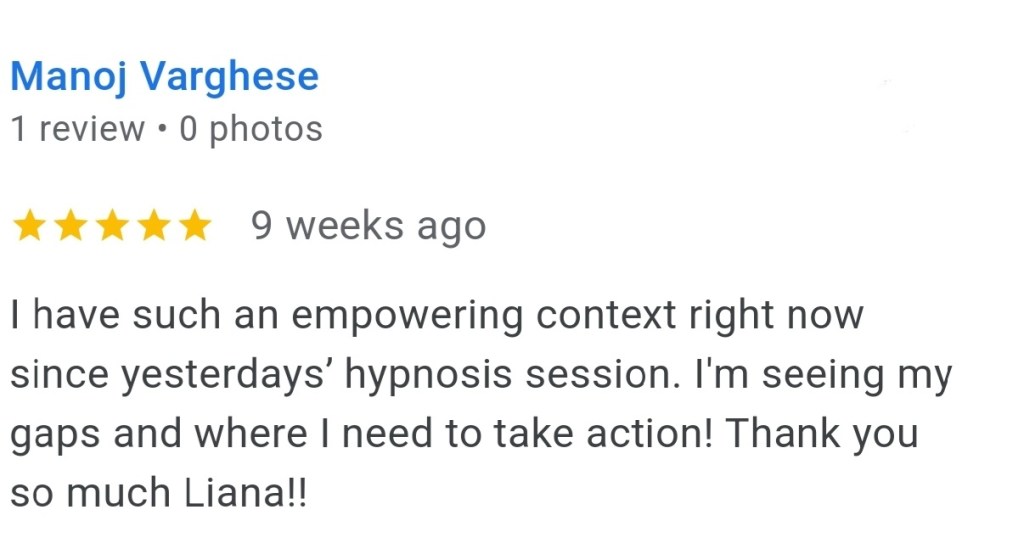



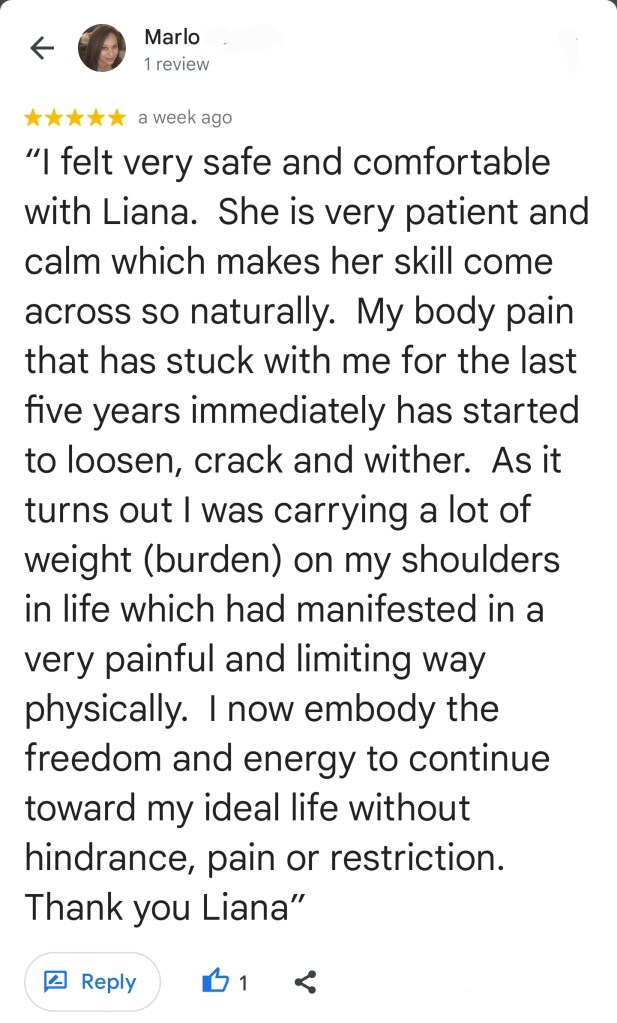





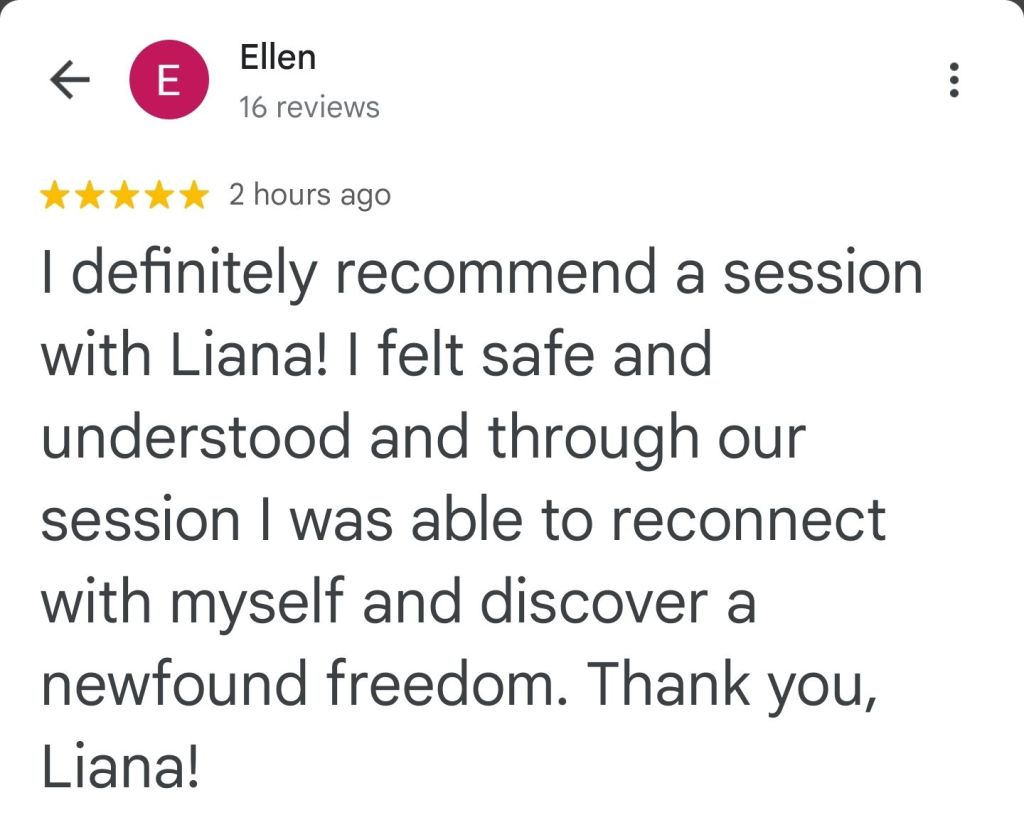

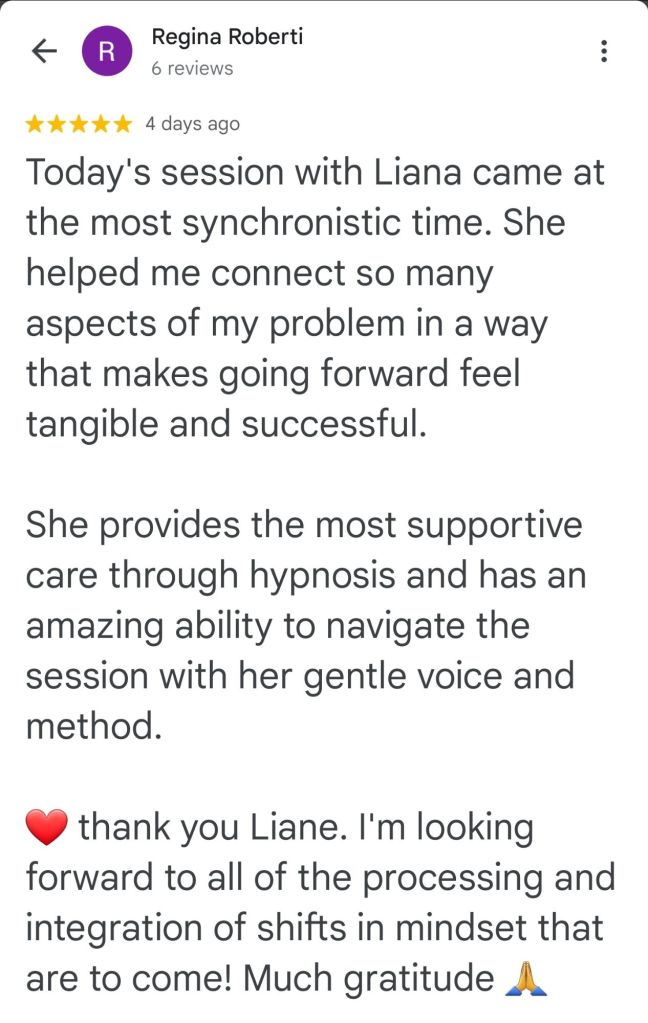



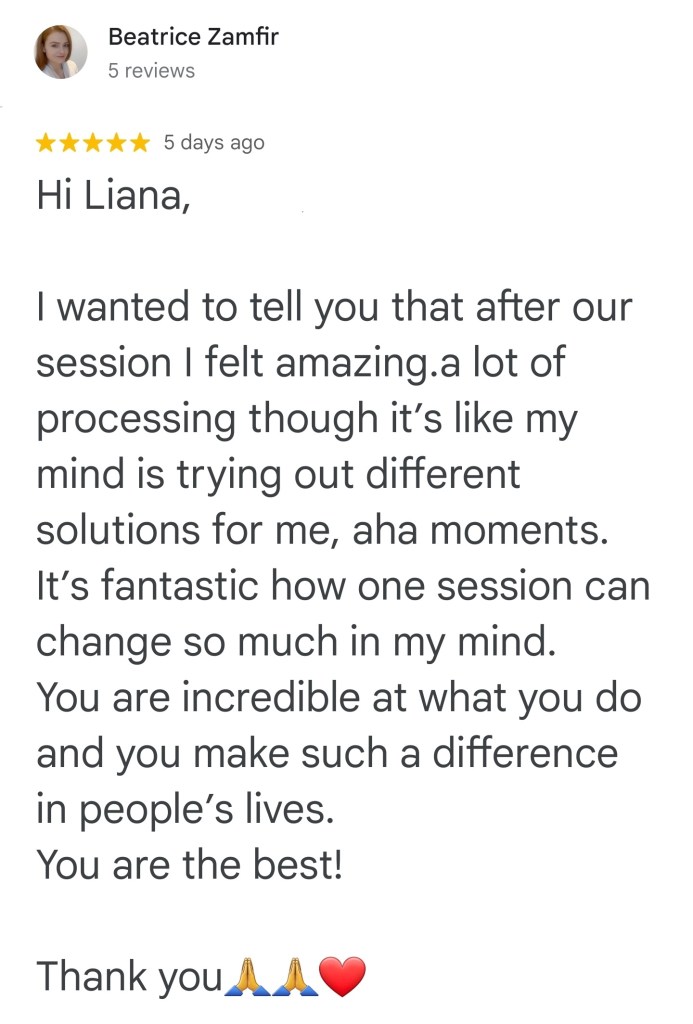
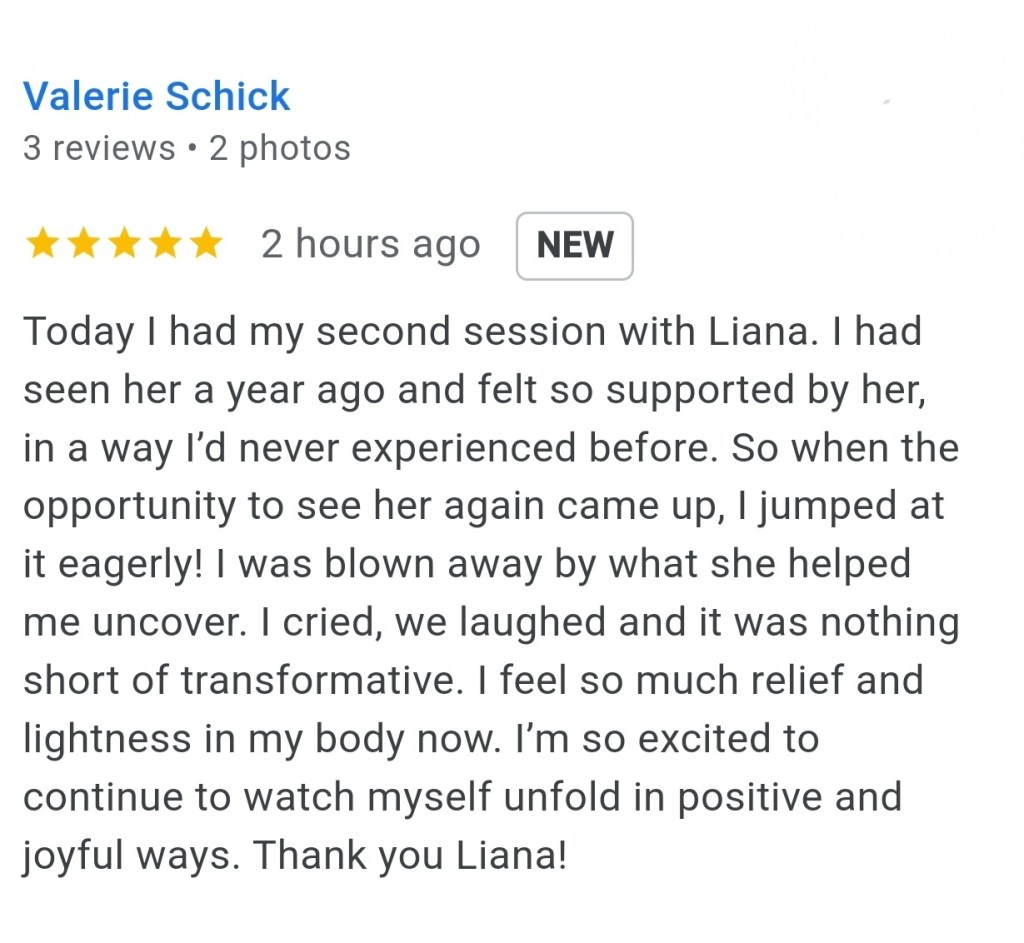
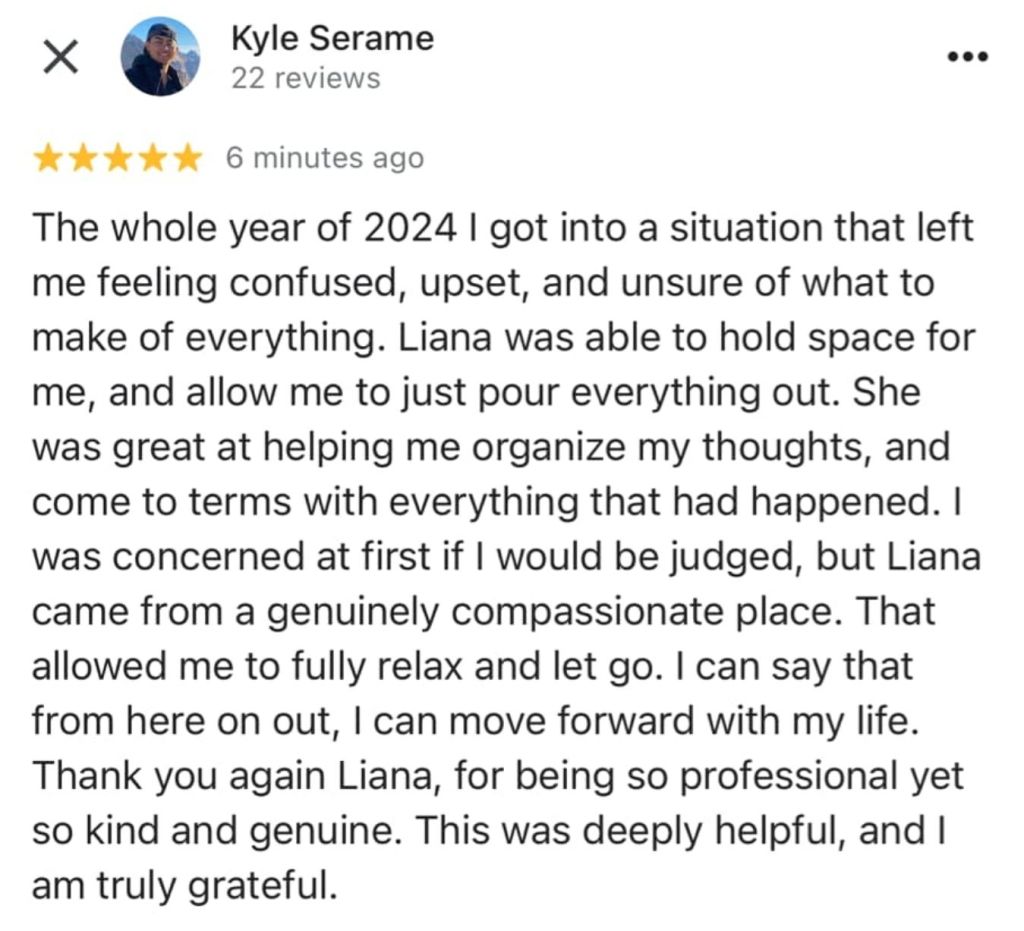

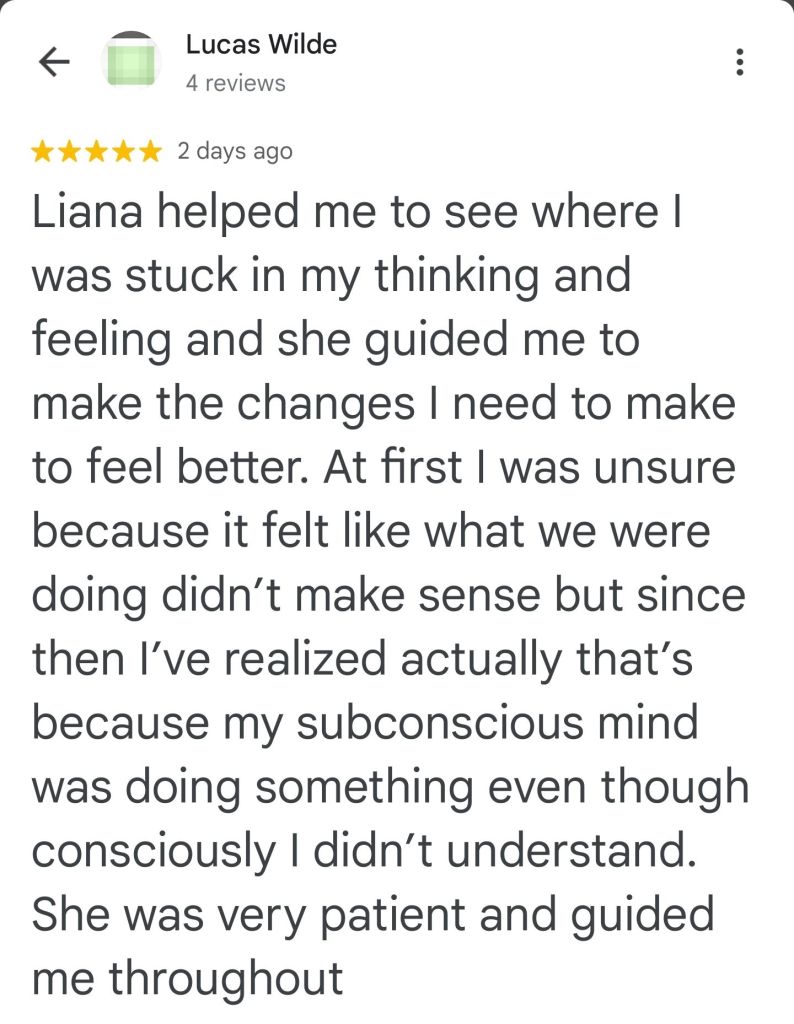
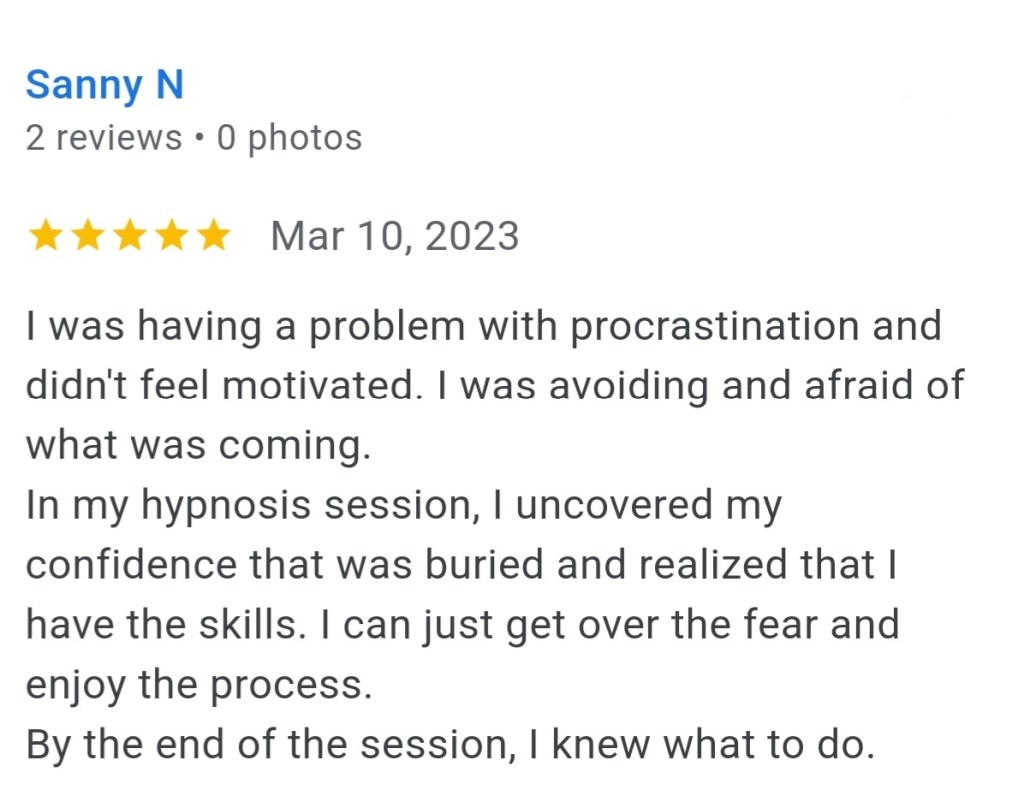


 Accelerated Hypnotherapy - Rapid Results
Leave a reply to Betrayal Trauma & Post Traumatic Embitterment – Accelerated Hypnotherapy Cancel reply