
Can You REALLY Move On From Trauma
You can remember what happened, talk about it until the cows come home, and still feel stuck AF. That’s because remembering a traumatic event with words and facts (explicit memory) is not the same as processing it emotionally (implicit memory).
Two kinds of memory
Explicit memory is your story—what happened, who was there, what you said or did. It’s logical, verbal, follows a narrative, and occurs in the past tense. You might know something happened years ago and it really feels like, “That was then.” We have control over the recall of these types of memories and they occur as farther away as time passes.
But implicit memory is emotional. It’s stored in the body, in a different part of your brain where logic and words do NOT compute. This type of memory has no past, it occurs in the present tense. Memories from trauma are fragmented, they pop up randomly as intrusive thoughts and intense feelings. They hijack the present moment and affect our sense of who we are in these moments. These memories might show up as panic, dread, tightness in your chest, or shutting down for no reason.
Time does not heal all wounds.
Why trauma sticks
Trauma doesn’t move from implicit memory into declarative memory when the brain is overwhelmed. The feelings gets stored in the subconscious, and your nervous system doesn’t know the danger has passed. The trauma has not been integrated into memory, has not been processed by logic and a narrative that can file away the experience into the past.
This is why talking about trauma over and over doesn’t always help—it activates the feelings but doesn’t complete the process. Who said you had to remember to recover?
No one. Not with trauma. Remembering revivifies trauma, makes you re-live it and has an iatrogenic effect of causing unintentional harm as you try to do what you know to try to heal.
When I experience betrayal trauma in my relationship and at work, I went to traditional talk therapy three times a week. I talked to friends, family, anyone who would listen. But it didn’t help. All the emotions were still there, not getting resolved, so I kept going back to talk therapy.
It wasn’t helping me feel better.
What actually helps
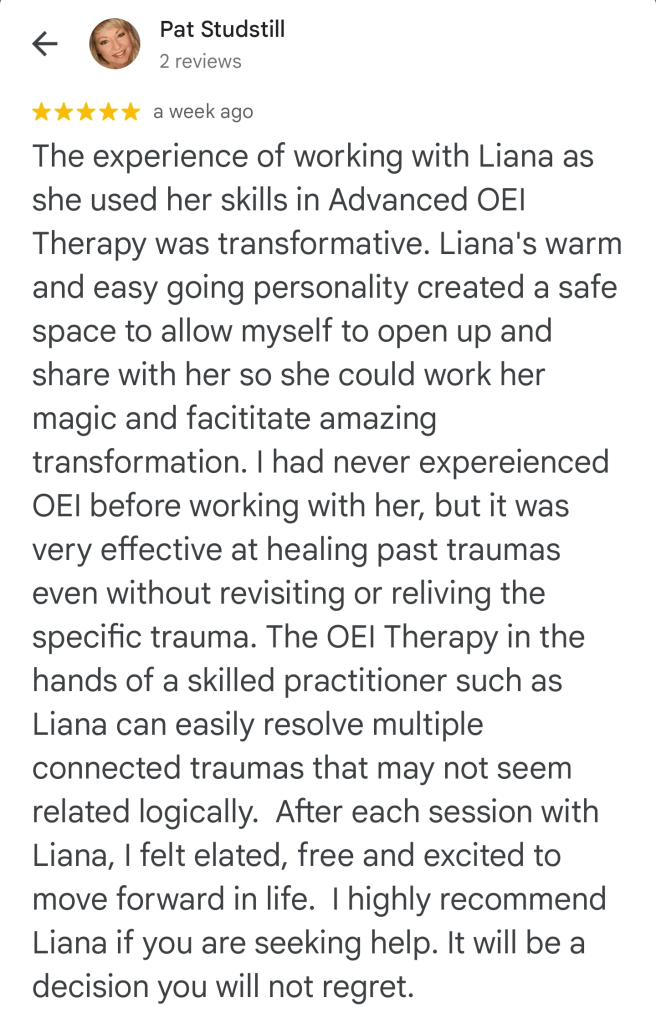
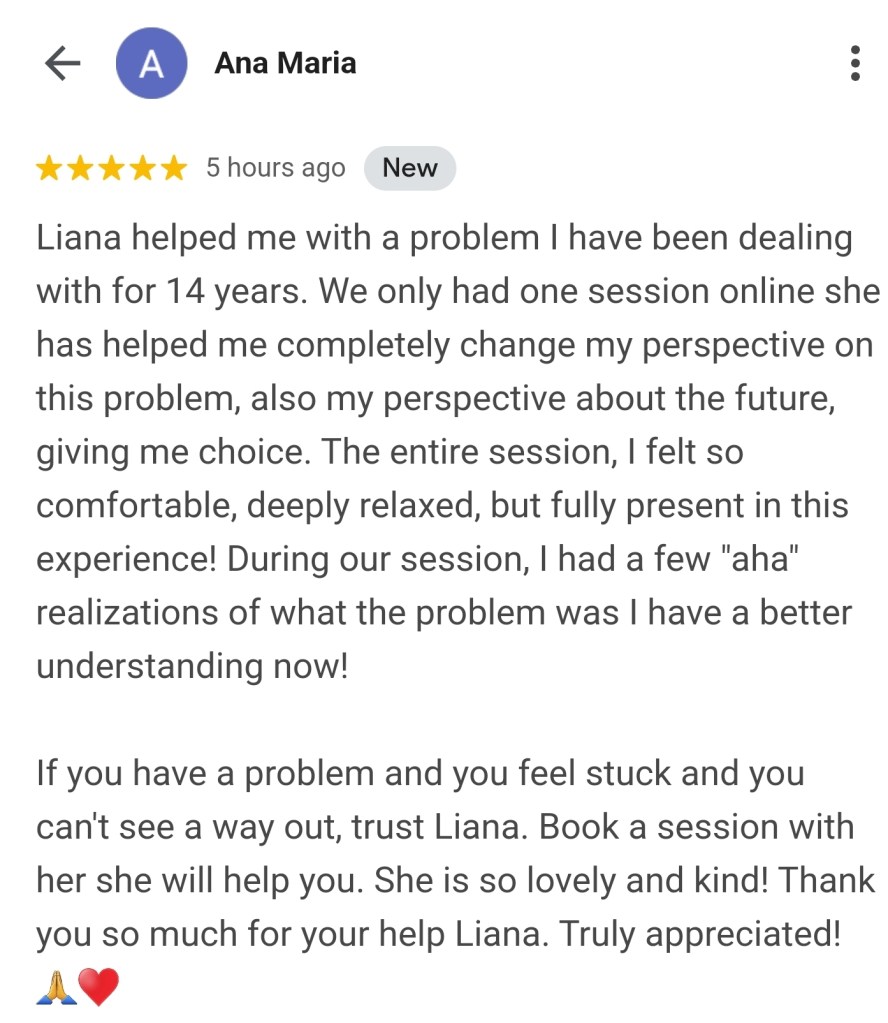
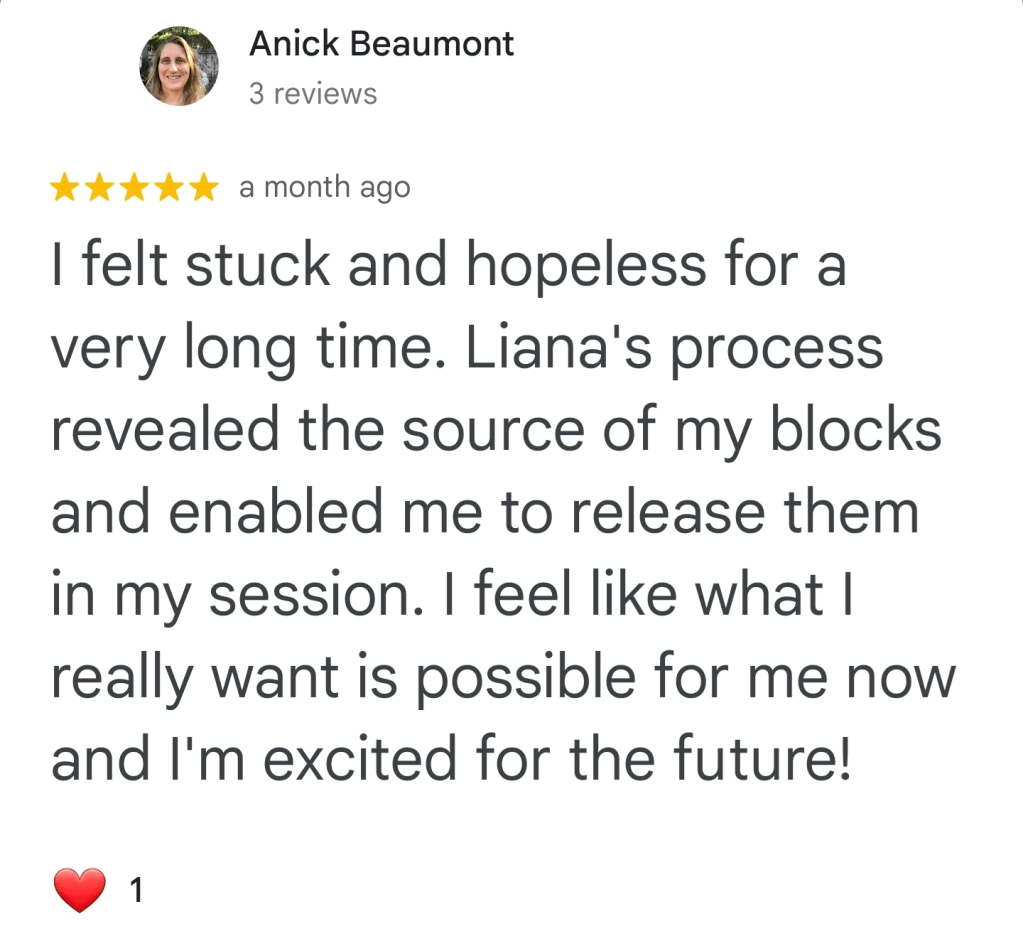
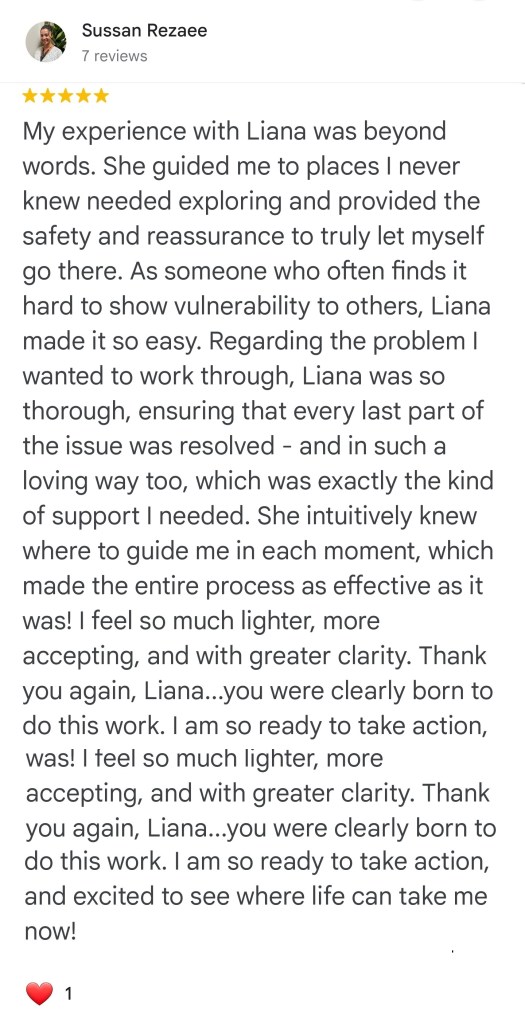
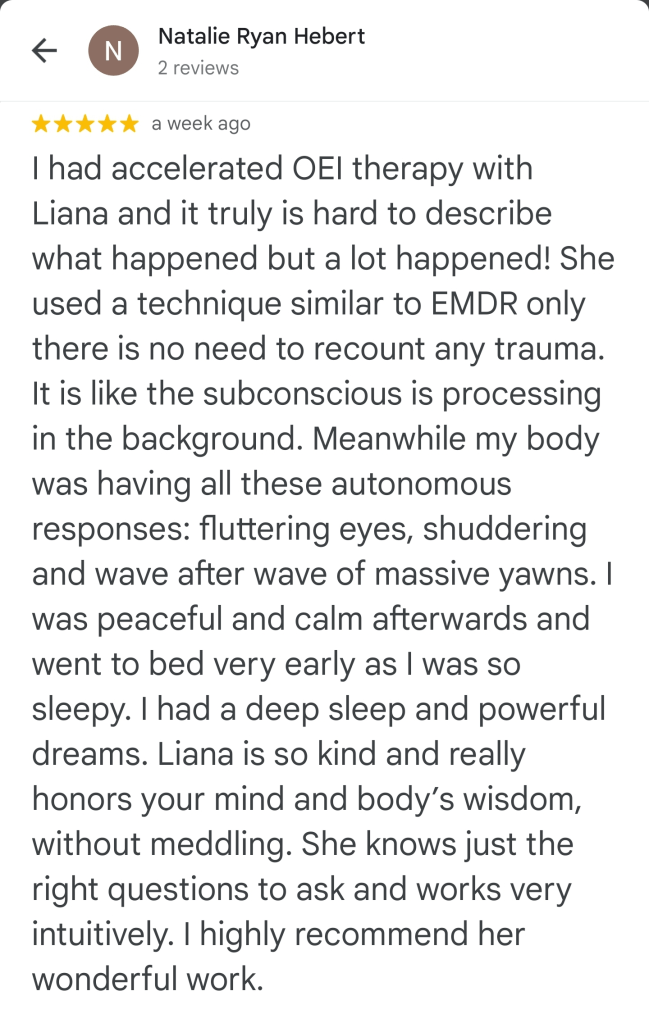
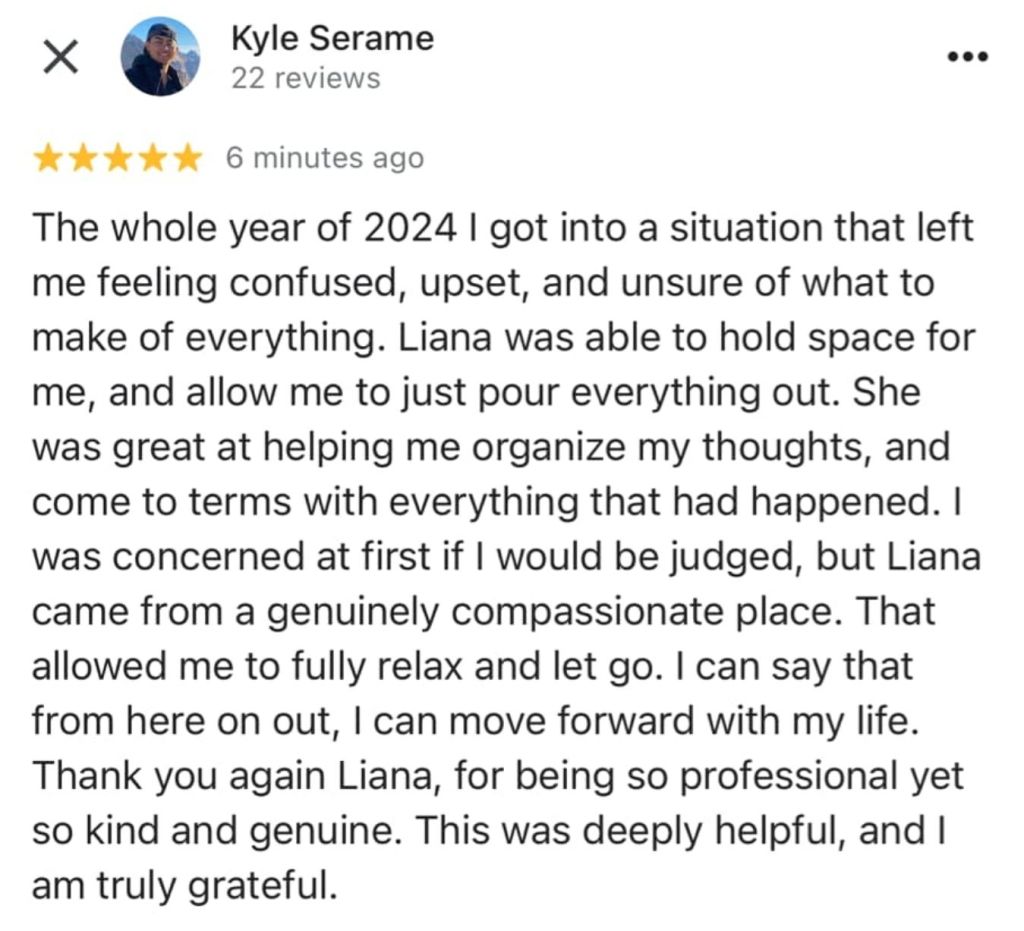
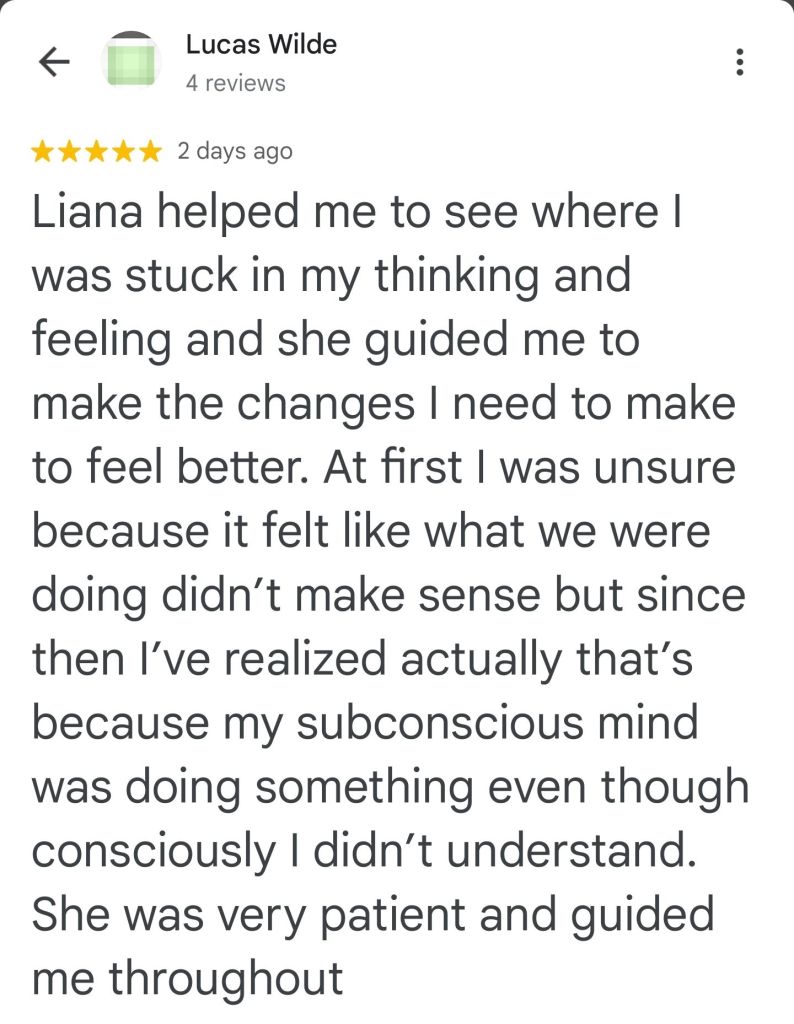
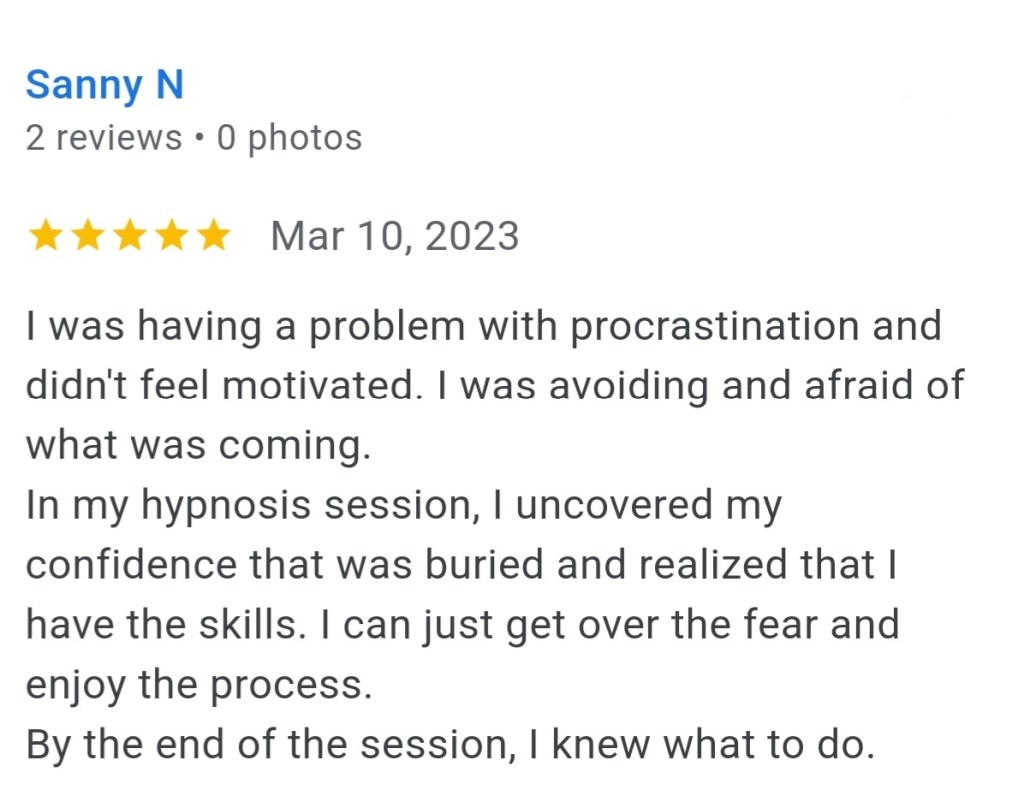
Healing trauma needs approaches that work with the body and implicit memory. This can include Accelerated Hypnotherapy and OEI therapy -Observed Experiential Integration. These methods help your system process, integrate, and reconsolidate the trauma.
And when you’ve integrated your trauma, it will feel like it is in the past. New possibilities will open up in the present moment. And the past will drift away, further into the past with each passing day.

Recovery is when your body learns the trauma is over. Not when your mind remembers it happened.
Let’s connect.
The future belongs to those who believe in the beauty of their dreams.
E. Roosevelt






















 Accelerated Hypnotherapy - Rapid Results
Leave a comment