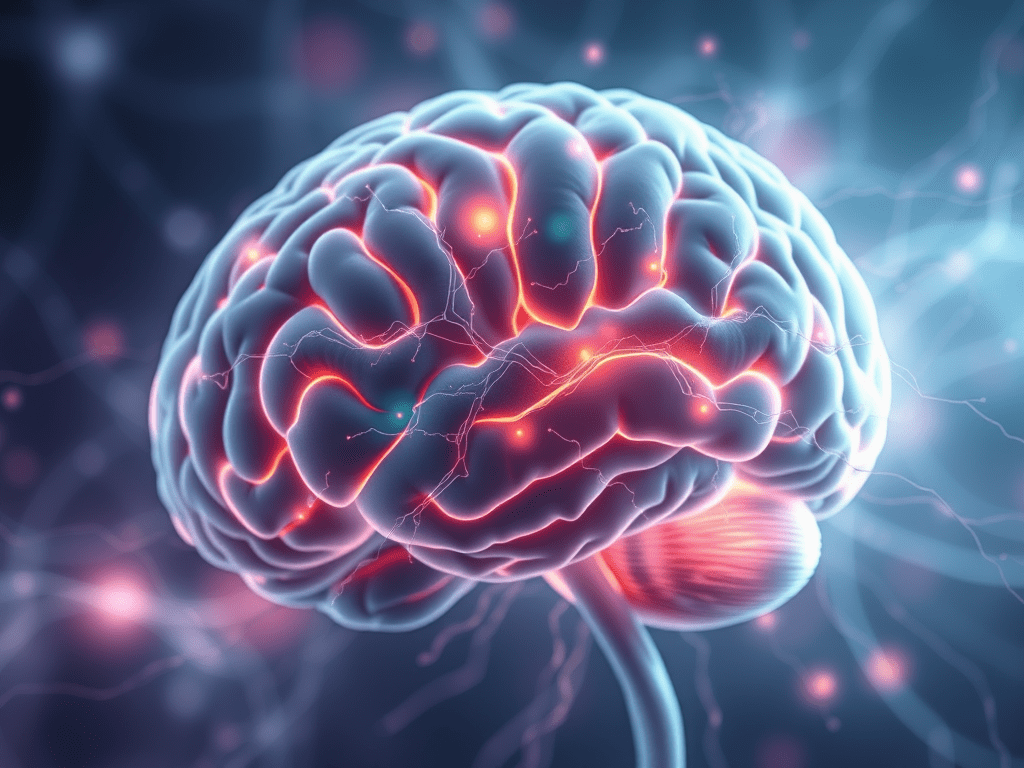
How memory reconsolidation works to heal trauma
If you’ve experienced trauma, you are no stranger to the memories of trauma that pop up randomly as intrusive thoughts and feeling flashbacks that cause you to relive the experience because they dominate your here and now in the present moment.
What is Memory Reconsolidation?
Memory reconsolidation is when a memory becomes flexible after you recall it. Not all memories undergo this—typically only emotionally significant or reactivated ones.
Over time, memories can change or fade, especially if they’re recalled often or in different emotional states.
This means memories aren’t fixed—they can be updated every time you recall them.
Research from McGill University, led by Prof. Karim Nader, showed that after you recall a memory, it becomes temporarily flexible and needs to be restored, or reconsolidated, to remain a lasting memory.
Research on changing traumatic memories
The McGill team discovered that even strong fear or trauma memories can be changed through reconsolidation, sometimes weeks or months after the event. They found that the brain decides if a memory will enter this changeable phase, which is important for trauma therapy.
This means that every time you bring up a memory, especially a strong or emotional one, there’s a window where the memory can be updated, weakened, or even disrupted before it settles back into long-term storage.
What reconsolidation means for trauma and PTSD
This is important for trauma because it suggests that traumatic memories, which often feel stuck and fixed, can become open to change if reactivated under the right conditions.
The science shows that certain brain mechanisms decide whether a memory will enter this reconsolidation phase, and understanding these mechanisms is key for therapies, like Accelerated Hypnotherapy and OEI therapy that aim to help people with PTSD, other trauma-related issues, and maladaptive patterns.
Neuroscience of memory reconsolidation
Research has shown that blocking the effects of norepinephrine, a stress hormone, in the amygdala, while recalling a traumatic memory can reduce the emotional impact of that memory, by interfering with its reconsolidation.
This means the memory is still there, but interference with the brain’s ability to restabilize the emotional part of that memory in the amygdala, reconsolidates it.
After reconsolidation, the memory no longer triggers the same level of distress or fear of the original experience because the interference blocks noradrenergic activity, which disrupts the signaling pathways (like the cyclic AMP/protein kinase A pathway) needed to make new proteins that store the emotional intensity of the memory.
Reconsolidation for traumatic memories
McGill’s research found that even very strong fear memories, such as those involved in trauma, can undergo reconsolidation.
In practical terms, we can use reconsolidation to help people process and change how traumatic memories affect them because these memories are not permanently fixed.
Accelerated Hypnotherapy and OEI therapy reconsolidate and update these memories, making them less emotional and less likely to cause ongoing distress. The will stop popping up randomly as intrusive thoughts and intense feelings, and you will experience space in your present moment, which is what you experience and create new neural pathways in hypnotherapy.
When memories are reconsolidated, you will begin to feel like the past is in the past, where it belongs. The trauma will occur further into the past with each passing day.
This is where your hope and creativity can come back online, to create a whole new future for yourself and your life.
Let’s connect.
Pure Possibilities
New pathways lead to new possibilities













































 Accelerated Hypnotherapy - Rapid Results
Leave a comment