
Hyper-Independence and Betrayal Trauma: What’s the Link?
Betrayal trauma can change the way you see people, permanently. After someone you trusted deeply violates that trust—through infidelity, lies, gaslighting, or neglect—it’s natural to want to protect yourself.
For some, this turns into hyper-independence.
You stop relying on others. Not because you don’t need help, but because reaching out feels unsafe.
What Is Hyper-Independence?
Hyper-independence is different from healthy self-sufficiency. It’s not just “doing it yourself”—it’s doing everything yourself, even when it costs you.
It’s saying “I’m fine” when you’re not.
It’s refusing help, even when you’re drowning. It’s a response rooted in survival.
When trust has been shattered, the brain starts to equate dependence with danger. So you cope by not depending on anyone at all.
For me it was saying “No” to everything. That was my go to answer for almost every question. As I look back, maybe I was trying to be in control.
How Betrayal Trauma Fuels It
Betrayal trauma affects feelings of safety and connection.
If someone close breaks your trust, your brain learns to associate closeness with risk. The pain says: Don’t get too close. Don’t rely on anyone. Go it alone.
This is especially true if betrayal isn’t new—if it repeats patterns from childhood, like emotional neglect or abandonment. You learn early that people aren’t reliable, and you carry that belief into adulthood.
Signs You Might Be Stuck in Hyper-Independence
- You avoid asking for help, even when overwhelmed
- Emotional intimacy makes you uncomfortable
- You feel safer when no one depends on you and you’re not depending on anyone
- Vulnerability feels like weakness
- You believe you can only count on yourself
It may look like self-confidence but hyper-independence can lead to deep loneliness, exhaustion, and disconnection.
Your relationships suffer, especially with a significant other or you might not be able to have close, fulfilling relationships.
You may choose partners who keep you at arms length, even though you feel like you want to get closer. You’re attracting all types of people but you choose the ones who keep you in this maladaptive pattern, then somehow blame them because they are unavailable.
You feel isolated, even in a crowd.
You may feel proud of how strong you are, but underneath, you’re tired and guarded.
Breaking Free From Hyper-Independence
You don’t have to stay stuck in this loop.
Accelerated Hypnotherapy and other trauma-informed therapy, like OEI trauma therapy can help you get to origins of betrayal trauma and hyper-independence.
Your Superconscious knows your trauma, knows how the pattern of hyper-independence started, and how helped you survive.
Over time, you can learn that healthy dependence isn’t weakness—at the subconscious level. You may be reading this because you get that at the conscious level but the subconscious is what runs the show.
You can resolve your betrayal trauma and build trust again with the help of your Superconscious, the part of you that already has the solutions and the resources to get you there.
Hidden Symptoms of Betrayal Trauma
Betrayal is often at the root cause of hyper-independence and shows up like a hidden symptom. It might have protected you after you discovered someone close to you had been betraying you all along, but you don’t have to live in maladaptive self-reliance forever.
Healing makes space for connection, trust, and real support.
You’re looking for real connection. That’s the real reason why you’re still reading this, isn’t it?
Let’s connect.
Small changes in the subconscious lead to significant shifts at the conscious level.









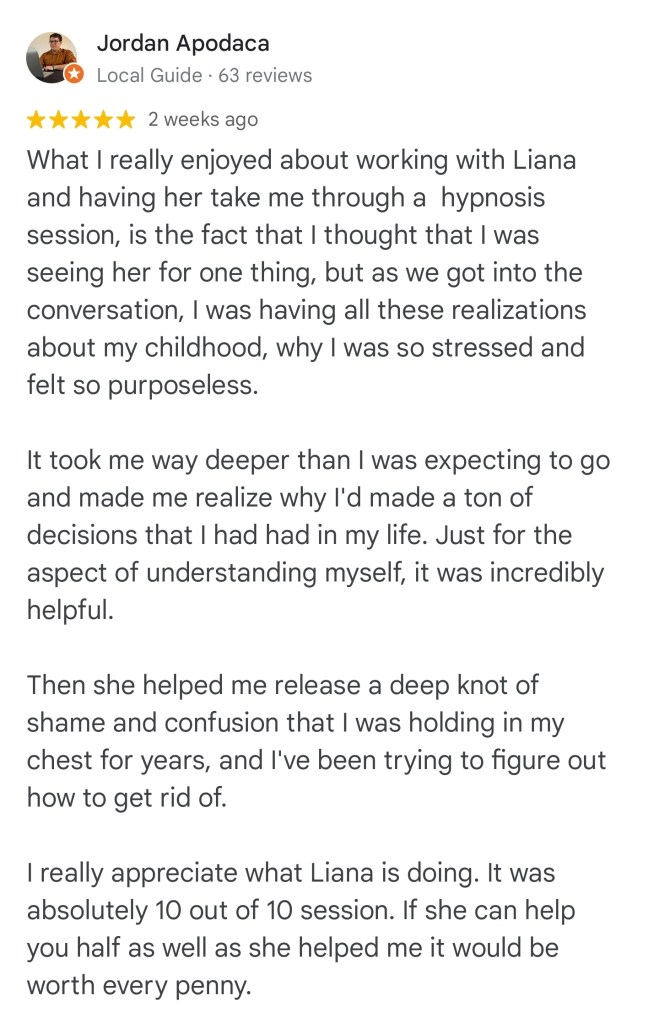


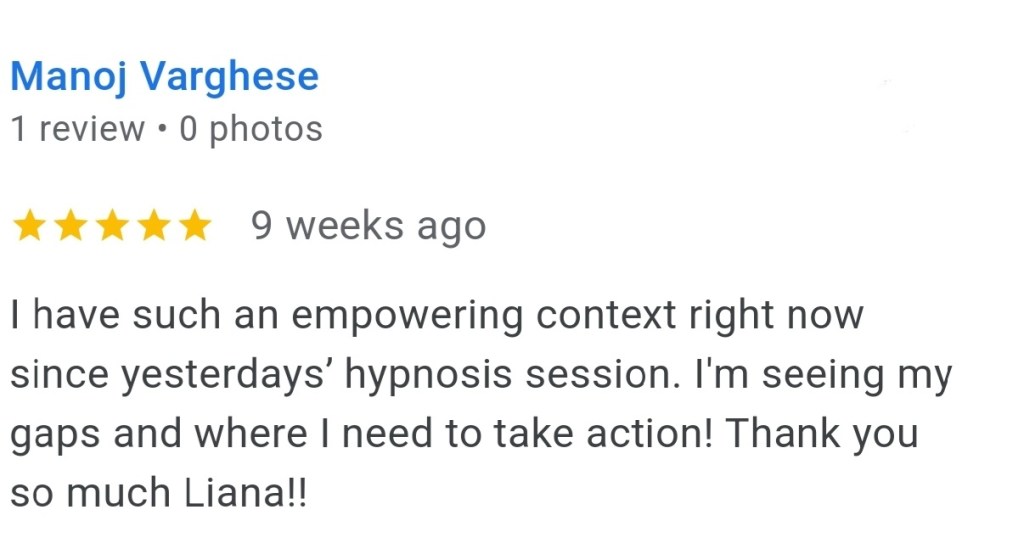



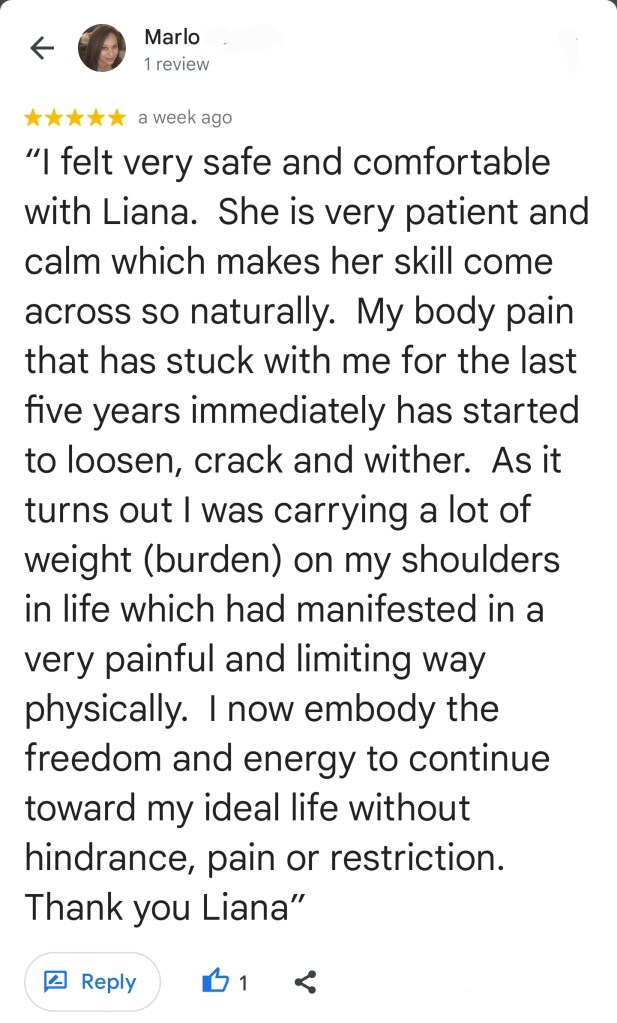
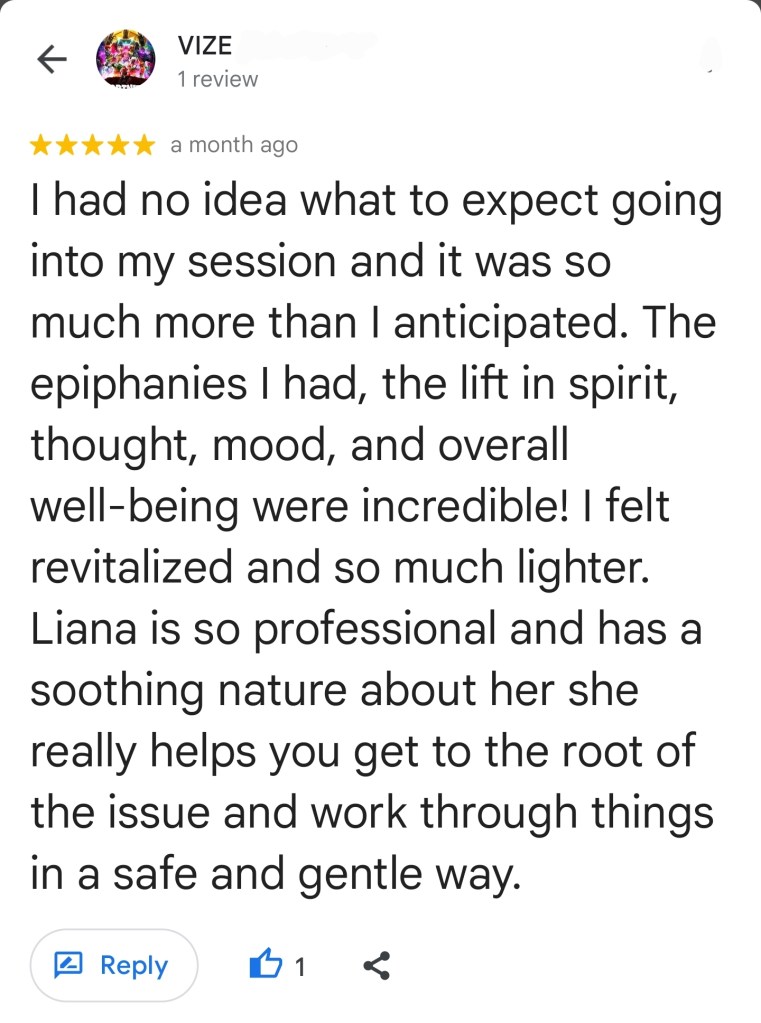

















 Accelerated Hypnotherapy - Rapid Results
Leave a comment