
Healing TRAUMA Requires More Than Just Self-Hypnosis
Don’t get me wrong. I love self-hypnosis, meditation, self-help. But here’s why these things might not get you to where you want to go.
The Limits of Self-Help for Shit That Runs Deep
Self-hypnosis and meditation are great tools—for stress relief or calming nerves before a big event.
But when it comes to trauma, they can only go so far.
Trauma is more than just a memory. It’s something your nervous system still believes is happening.
And no matter how good you are at calming yourself, there are parts of your trauma response you can’t reach alone.
Why You Can’t Be Both the Surgeon and the Patient
Even if you were the best surgeon in the world, you probably wouldn’t try to operate on yourself.
Not because you lack skill—but because you’re too close to the problem.
The same is true with trauma work.
Trauma lives in the subconscious.
Your subconscious that’s running the show after trauma.
Trying to work on trauma alone with self-hypnosis is like trying to do major surgery on yourself.
It’s difficult to access both the conscious and the subconscious mind at the same time.
You might be able to do some surface work, but you might need help with the major stuff, like trauma.
Self-Hypnosis Can Calm Symptoms, But Doesn’t Get to the Root Cause
You might feel more relaxed.
You might feel a bit more in control.
But deep trauma needs to be processed and integrated safely.
When you’re doing self-hypnosis your defenses stay up because your conscious mind stays, well, umm, conscious. It prevents you from going deeper.
It’s just how the brain protects itself.
Self-hypnosis allows you to pull out the dandelions but the roots under the lawn are still untouched.
Trauma Work Requires a Helping Hand
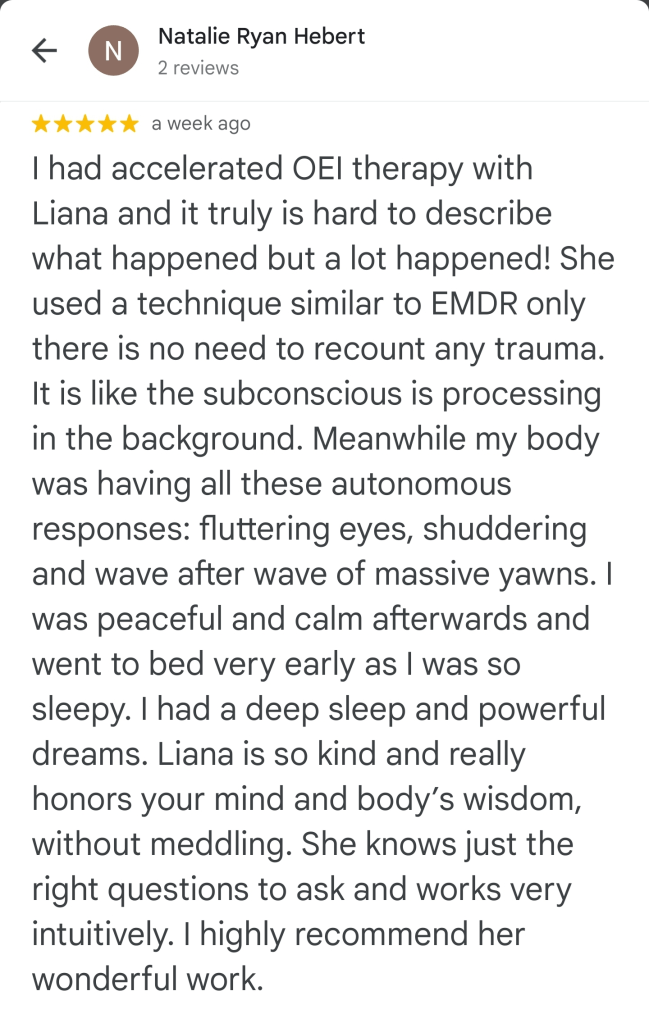
Real trauma healing happens in the presence of a Certified Clinical Trauma Professional (CCTP) who has training in trauma work, like OEI trauma therapy.
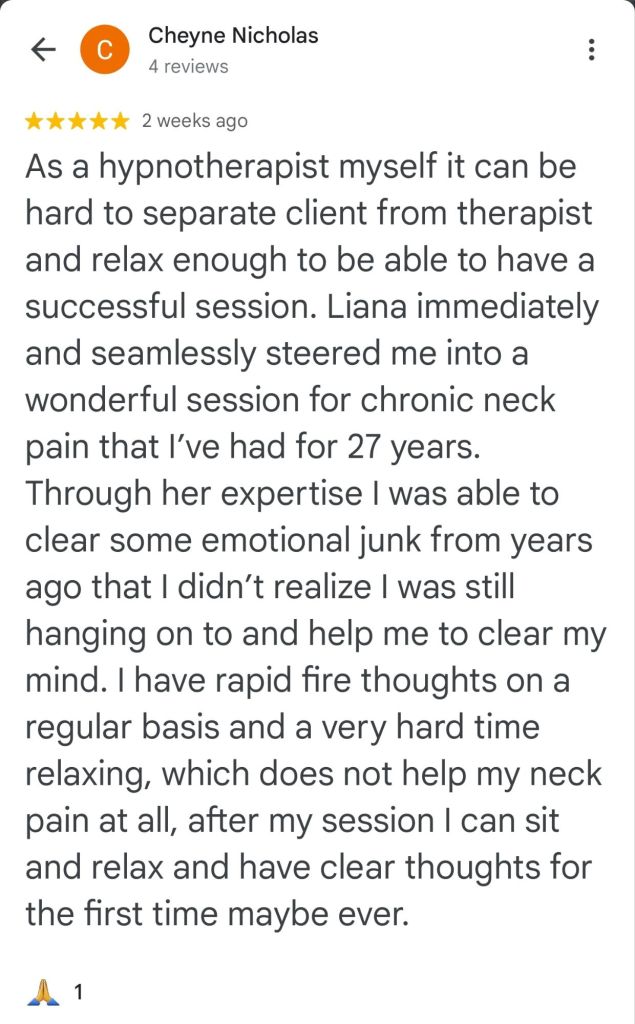
I use my Masters degrees in Education and Neuroscience, my trauma-informed training and accelerate them with hypnotherapy to help your system feel calm enough to process the trauma safely and gently.
A skilled trauma therapist can see what you can’t.
They can help you notice patterns, help you release memories gently, and help your brain do what it couldn’t do at the time of the trauma: process and integrate the experience out of your here and now and into the past.
When trauma is integrated, the past feels like it is in the past, you have control over your thoughts, and the memory fades with each passing day.
When You Try to Do It Alone, You Stay Stuck in the Cycle
You can do all the things, read all the books, watch YouTube, and still feel stuck.
You’re not doing anything wrong.
Trauma is different, It stays stuck in a cycle. Time doesn’t heal these kind of wounds.
Trauma disconnects you from yourself. And healing requires reconnection—in a safe environment that enables you to connect with your Superconscious.
Finding Support Isn’t Weak. It’s Smart.
You don’t need to struggle endlessly with intrusive thoughts, feeling flashbacks, feeling triggered AF.
You don’t have to figure it out yourself.
Getting help isn’t failure. It’s what makes healing possible.
And it starts with one choice: letting someone help you do what you can’t do alone.
Let’s connect.
Small changes in the subconscious lead to significant shifts at the conscious level.
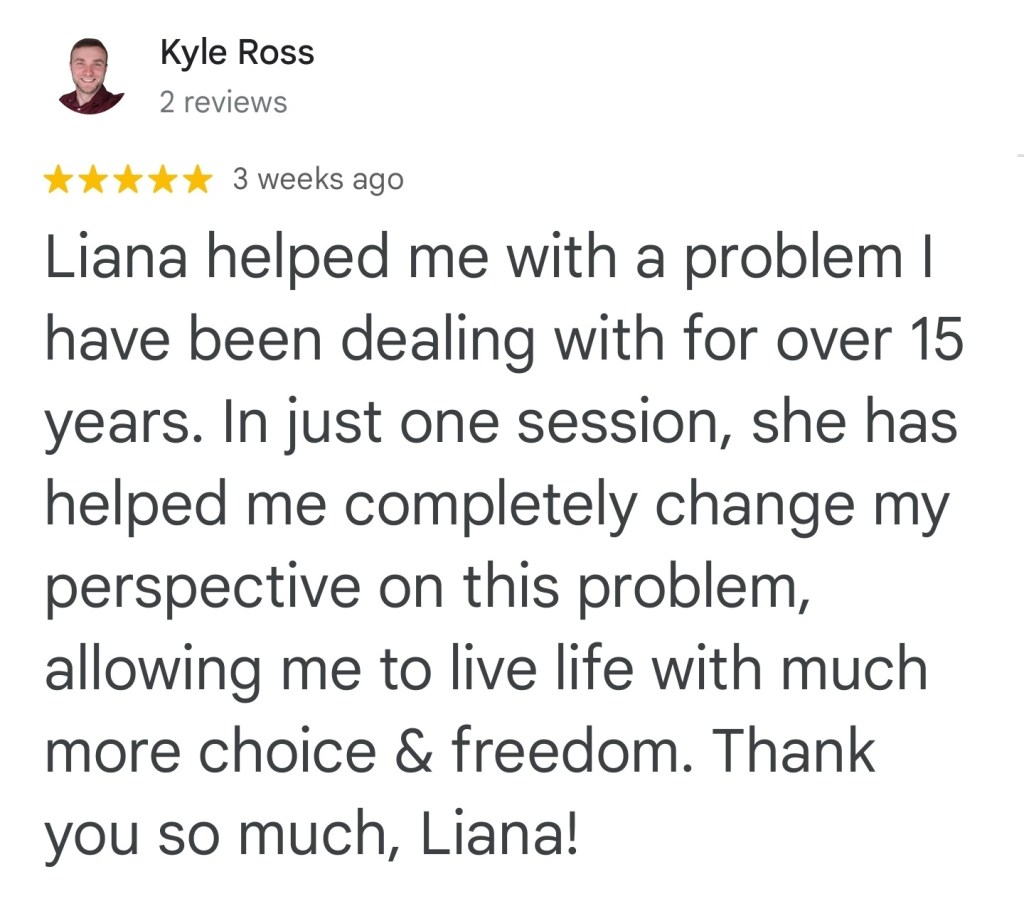




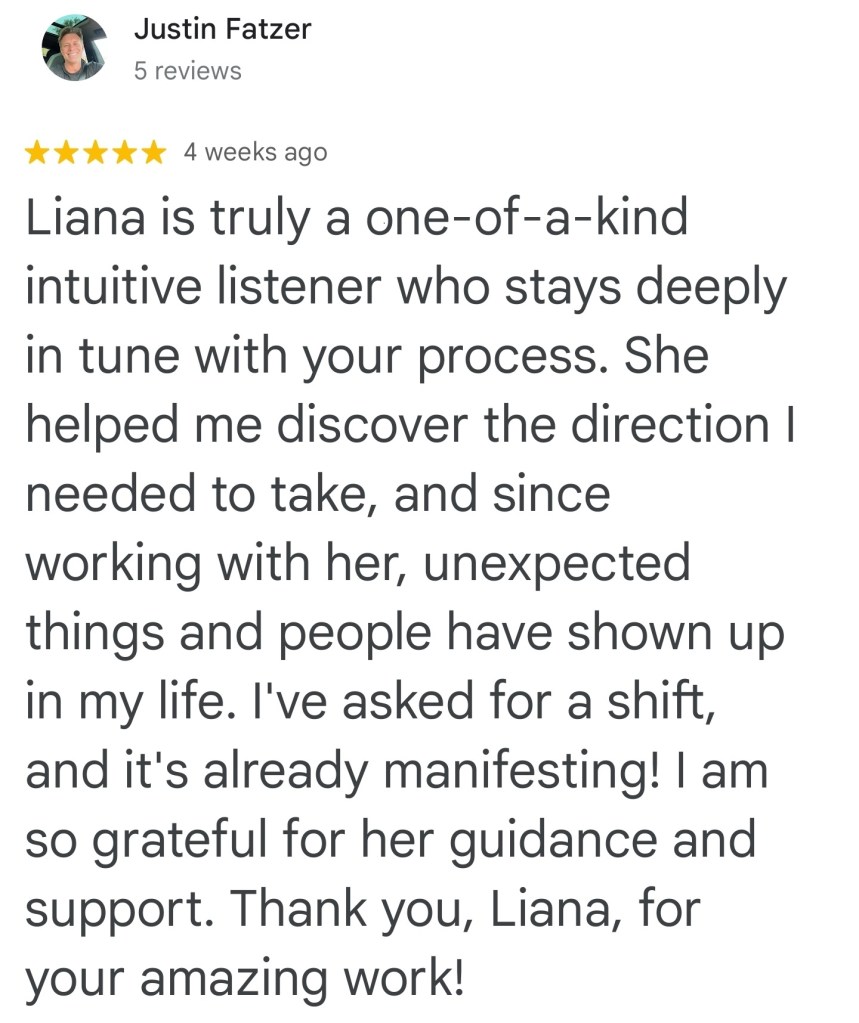




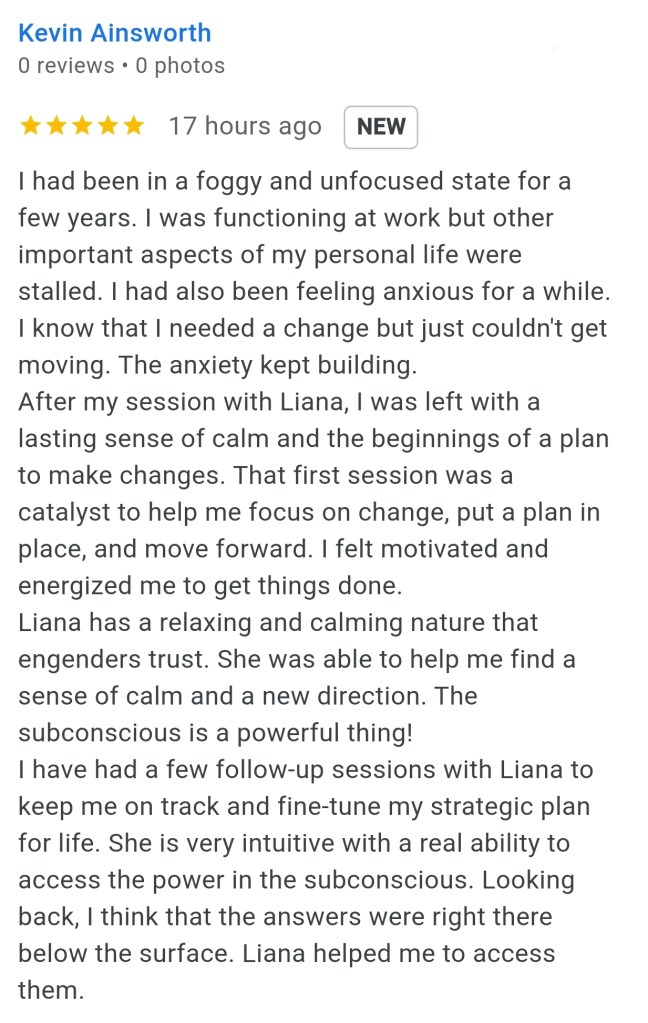

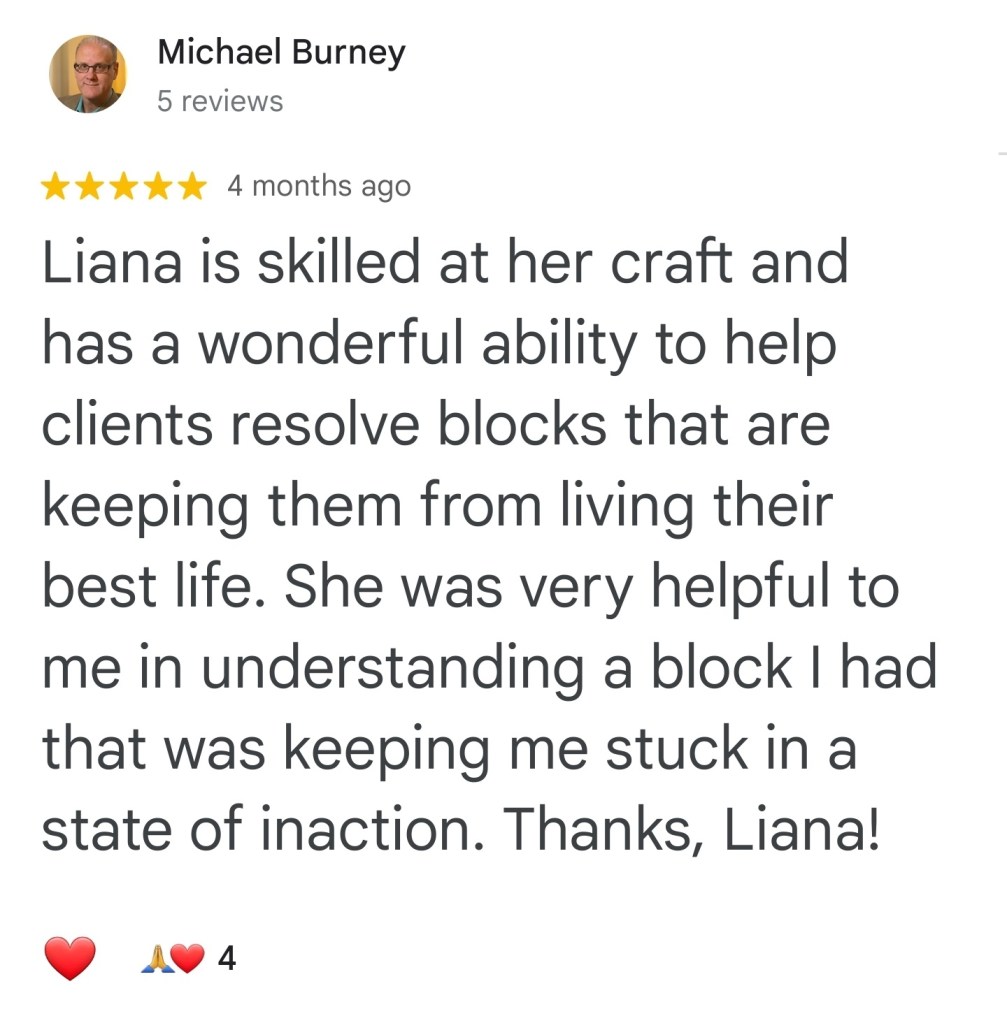















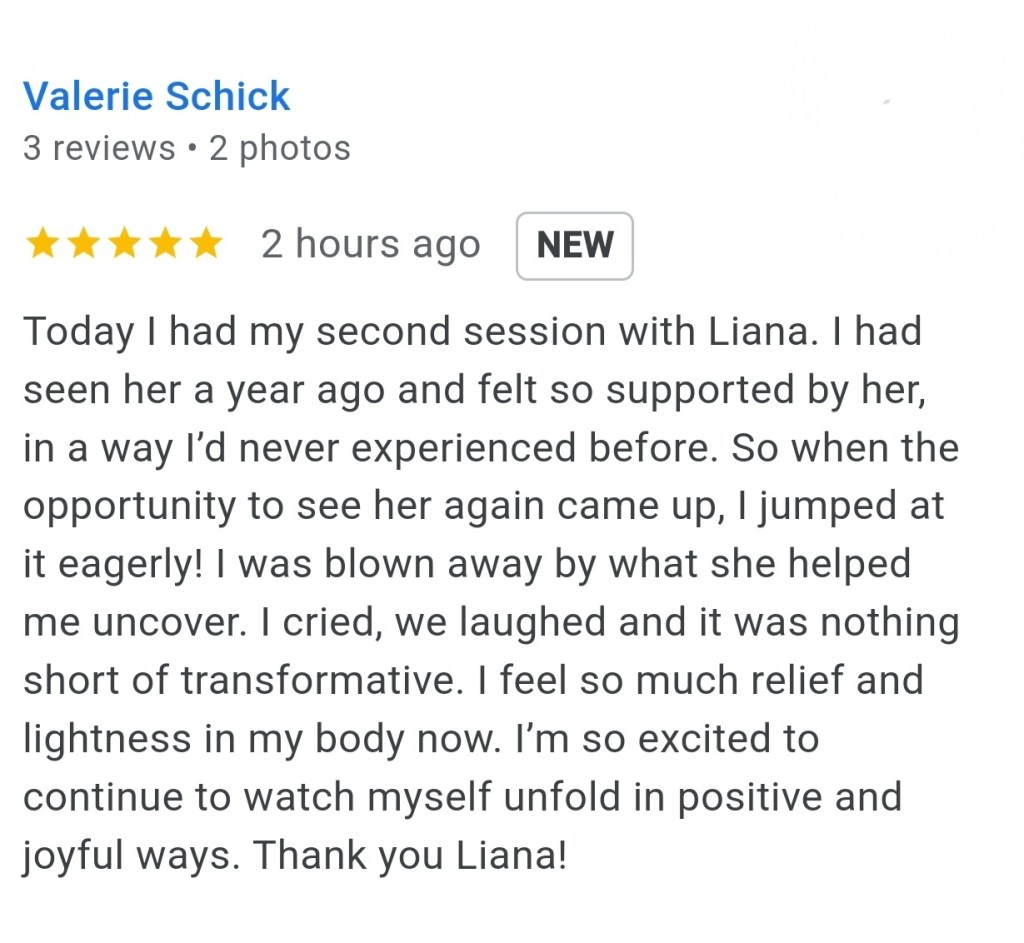
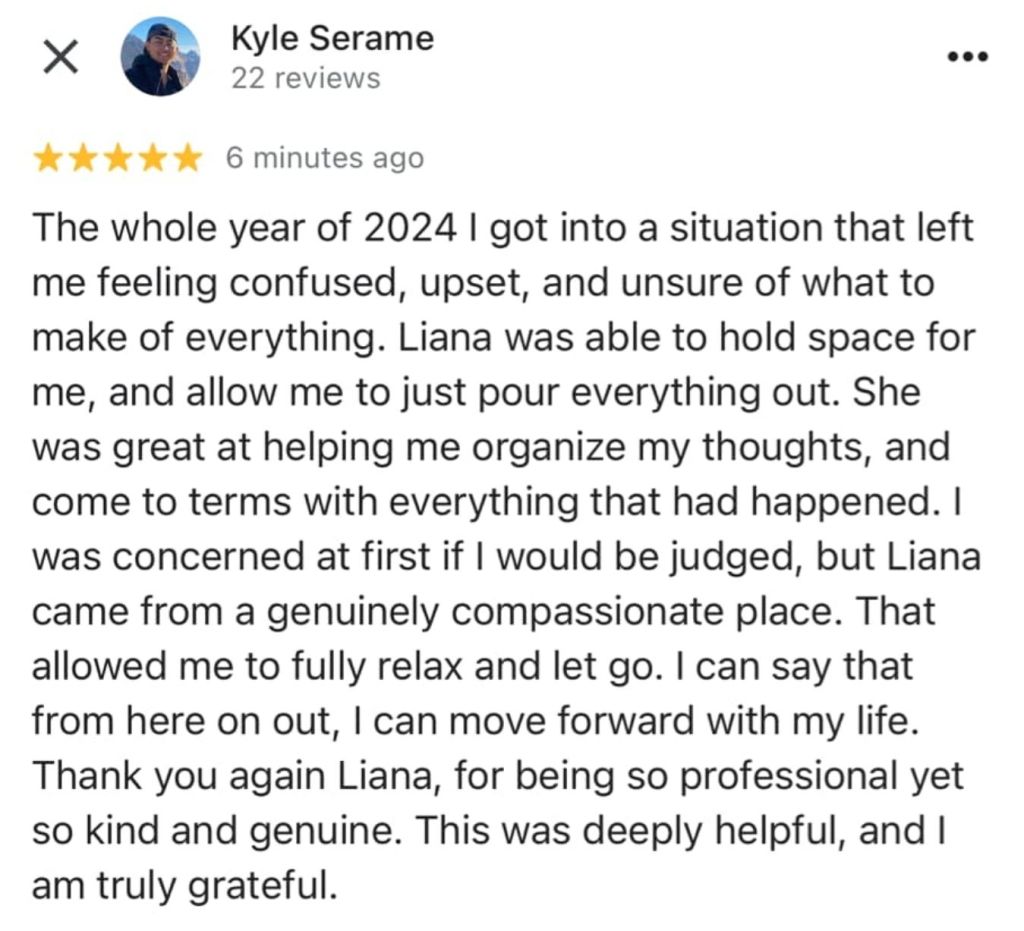

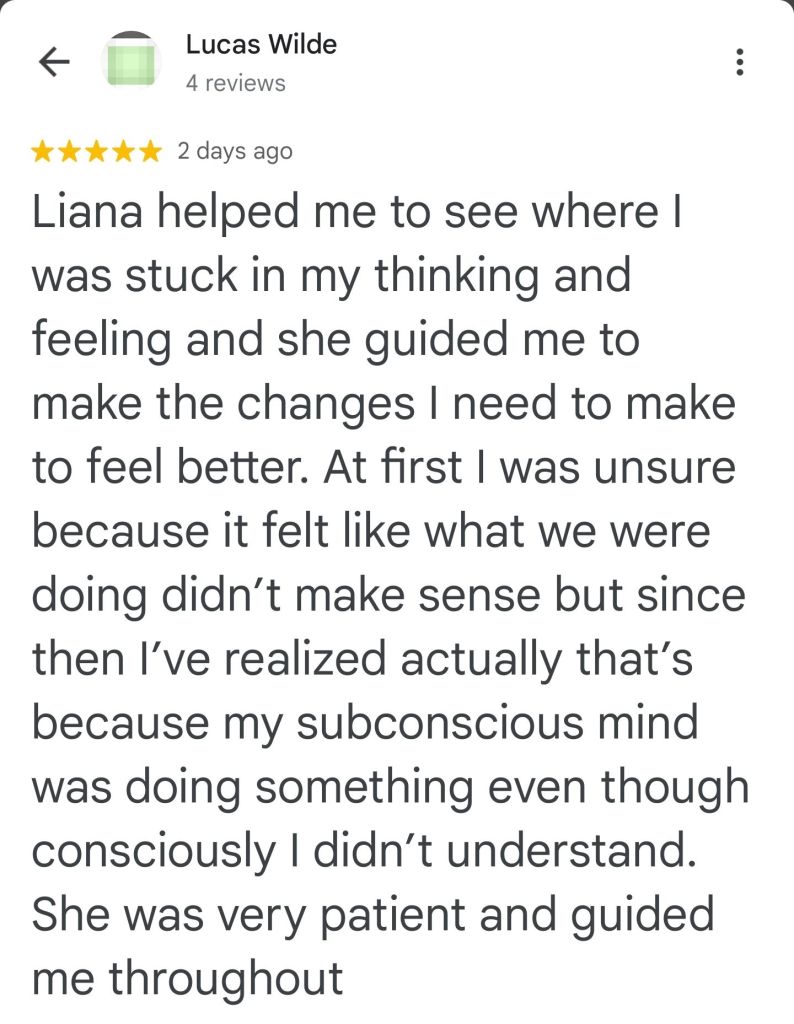
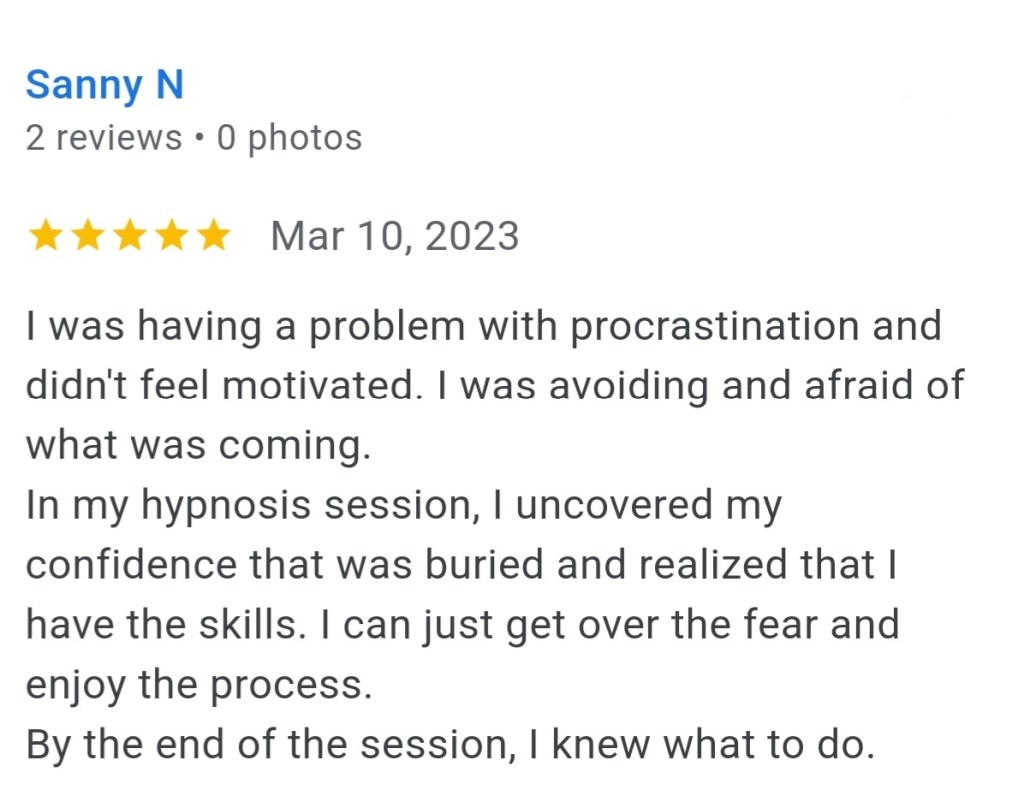

 Accelerated Hypnotherapy - Rapid Results
Leave a comment