
Why Trauma Makes Setting Boundaries So Hard
If you’ve experienced betrayal trauma and struggle with setting or keeping boundaries, you’re not alone.
You might be wondering what the heck is going on.
Problem with boundary setting after facing betrayal is often the result of how trauma changes your brain, body, and sense of self.
Trauma Damages Your Sense of Safety
Trauma can affect your sense of what’s safe and what isn’t.
When trauma happens, your nervous system gets stuck in survival mode and it’s hard to tell who you can trust or when you’re actually safe.
Everything starts to feel like a threat, even if it isn’t.
This makes it difficult to set boundaries because you’re unsure when or how to protect yourself—or if it’s even okay to.
Often your brain is spinning with really trying to figure this out and then the next thing you know, you’ve ventured into an area where you’re actually not safe.
You feel it in your body.
You walked right into the lion’s den and you feel regret, shame, and frustration that you keep messing up your own boundaries and couldn’t keep yourself safe.
Again.
Attachment Wounds Create Confusion About Closeness
The whole betrayal might have been because as you were growing up, the people who were supposed to love you also hurt or neglected you.
Your system is confused AF.
You might crave closeness but also push people away.
These patterns might have started early. Now as an adult you know what is the right thing but something keeps you stuck in actually doing that. So you find yourself dealing with the same patterns as an adult.
This is often a result of having experienced trauma. Your brain is still busy dealing with what happened in the past that it doesn’t have any energy left to make good decisions in the here and now.
Trauma Makes It Hard to Say No
Trauma often takes away your sense of control.
You might feel like you can’t say no, like your needs don’t matter, or like you have to take care of everyone else. You’re trying to please everyone.
It might be almost impossible for you to say No and take care of your own needs. You might do things you don’t want to do just to keep the peace and avoid conflict.
Emotional Overwhelm Shuts Down Assertiveness
Trauma overwhelms your ability to stay calm and clear-headed.
When your body is dealing with the panic, shame, anxiety, or anger, it’s hard to be present or assertive.
You might only be able to function in extremes of either shutting down or lashing out because you’re not able to find that sweet spot of operating from your boundaries.
Heck, you might not even know what they are anymore.
You might feel numb from the betrayal, from all the pain of the past, and even knowing what you feel or want can be a struggle.
Emotions and feelings help us make choices. Without them, we can’t even decide what to wear or what to have for breakfast.
Internal Conflicts and Parts
Trauma can cause your inner world to split into different parts, each with its own fears and strategies.
One part wants connection, another is terrified of it. ‘
One part wants to speak up, another says it’s not safe. Just shut up and keep the peace.
These internal conflicts can make it feel like you’re damned if you do and damned if you don’t.
Boundaries feel like a confusing proposition.
Coping Strategies Can Get in the Way
People-pleasing, caretaking, shutting down, or avoiding others may have helped you stay safe in the past. Now, these same patterns make it hard to say what you need or do what’s right for you.
They act like false boundaries—keeping peeps way too close or too far for the purposes of survival, not authentic connection. It’s all or none but it’s not really working for you anymore.
Shame Makes You Feel Undeserving
If you’ve experienced trauma, your brain might not be able to figure out how to say no or ask for space.
Betrayal that is unresolved can keep you silent and disconnected from your own opinions, wants, and needs.
Why This Matters
If boundaries feel hard, there’s a reason.
It doesn’t mean you’re weak or broken.
Your brain has been through too much to handle. It’s overwhelmed and is doing the best it can as it tries to deal with the past that keeps showing up in the here and now.
Since the betrayal, you’ve learned to survive in ways that now cause pain.
Understanding why it’s so dang hard is the first step in changing how you relate to yourself and others.
if this all seems impossible, it might be because you might actually need help to get unstuck. Trauma makes things worse and more complex over time.
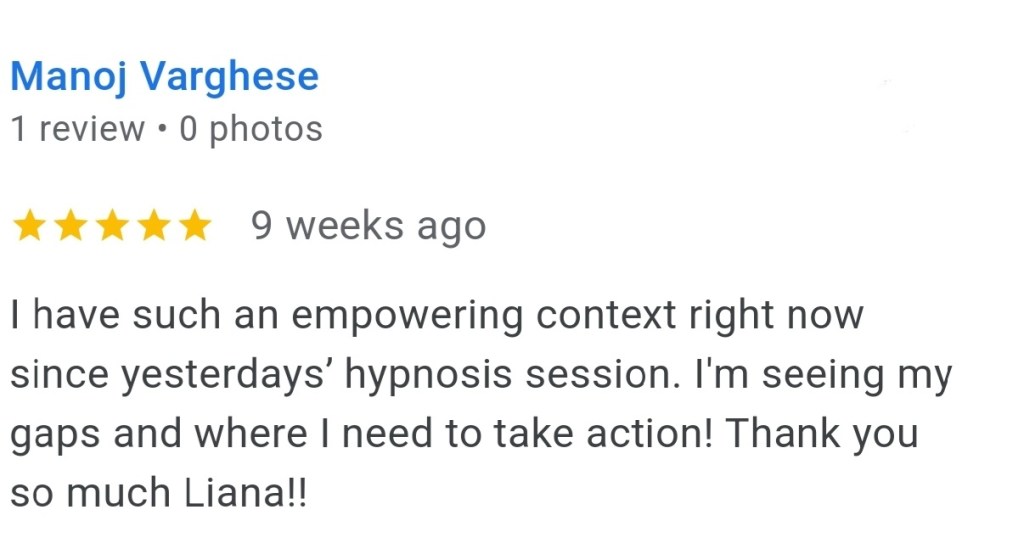
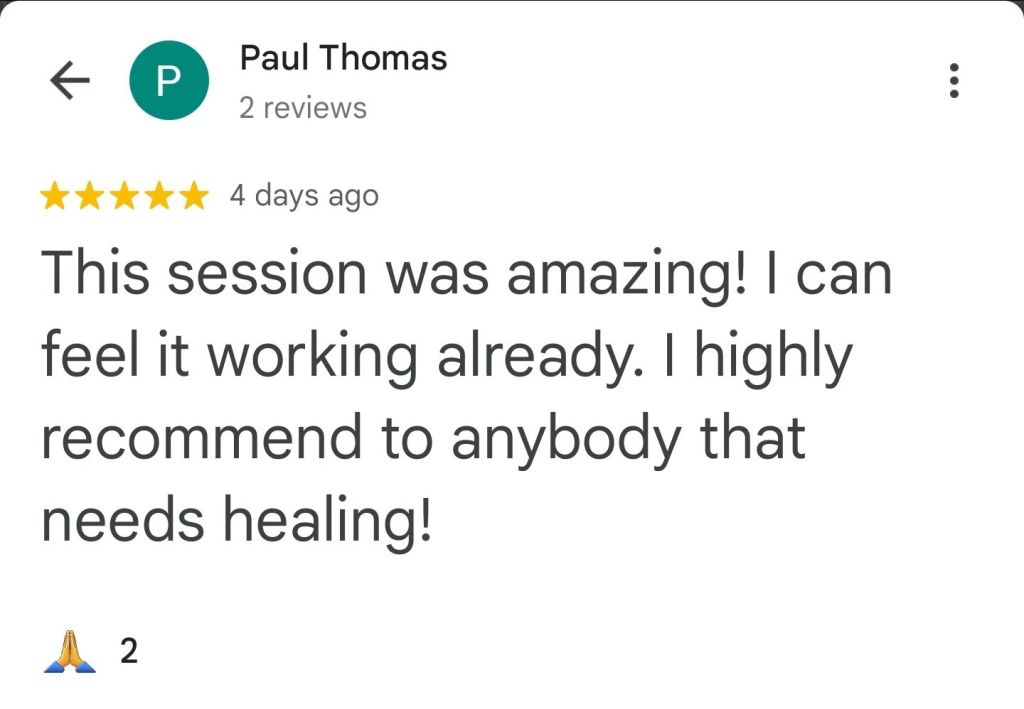
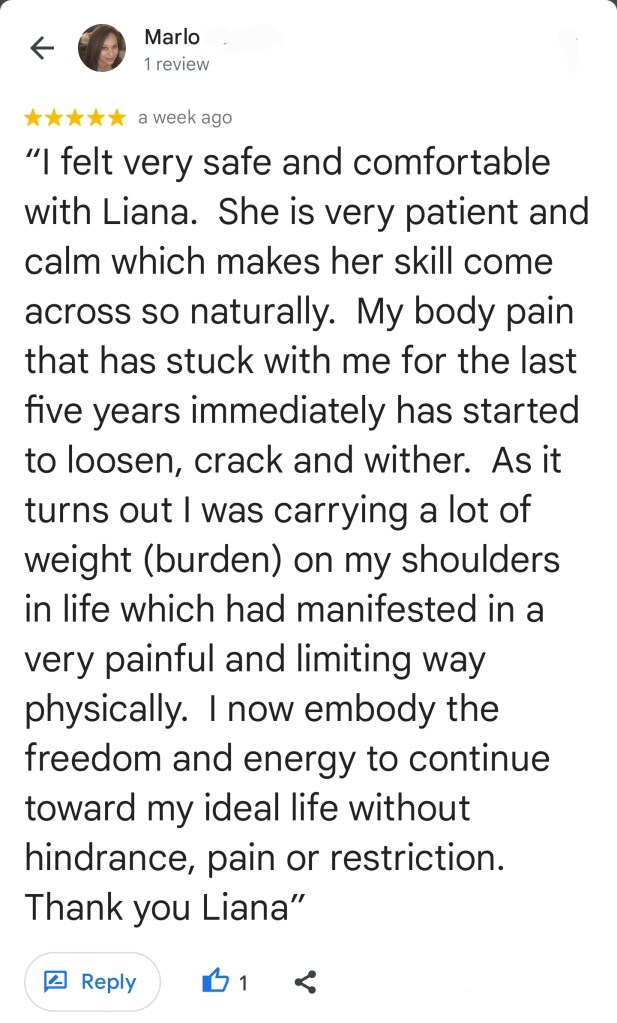
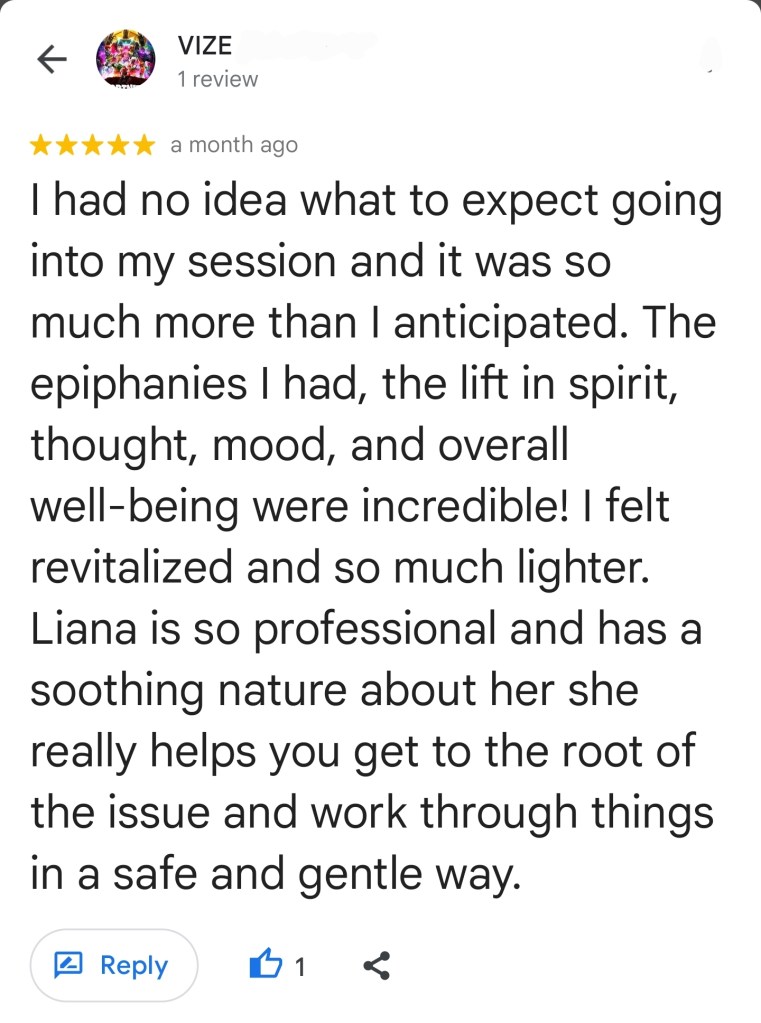
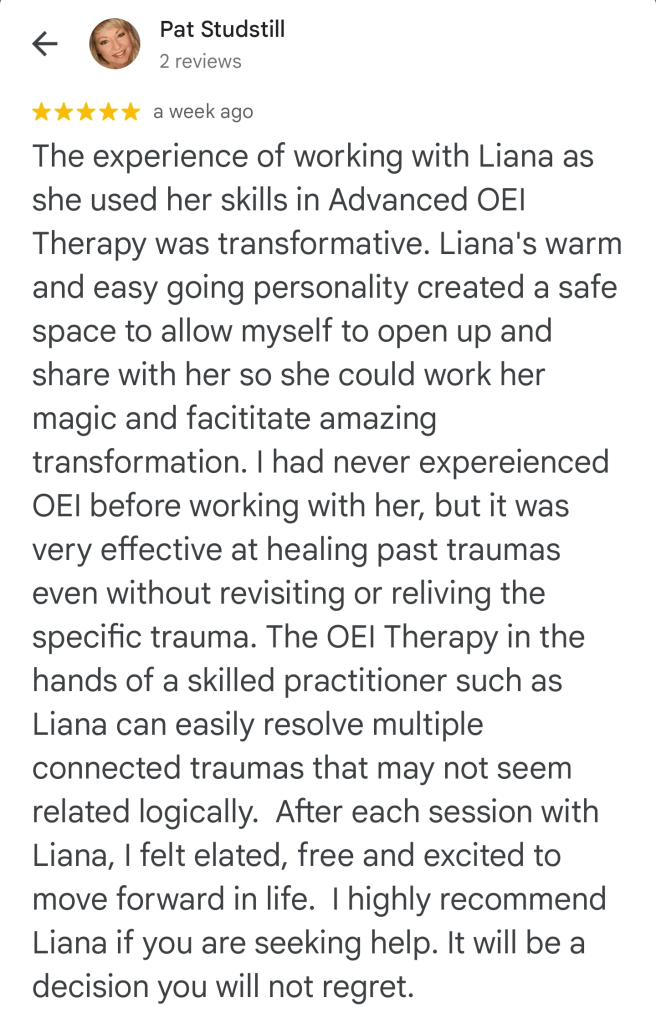
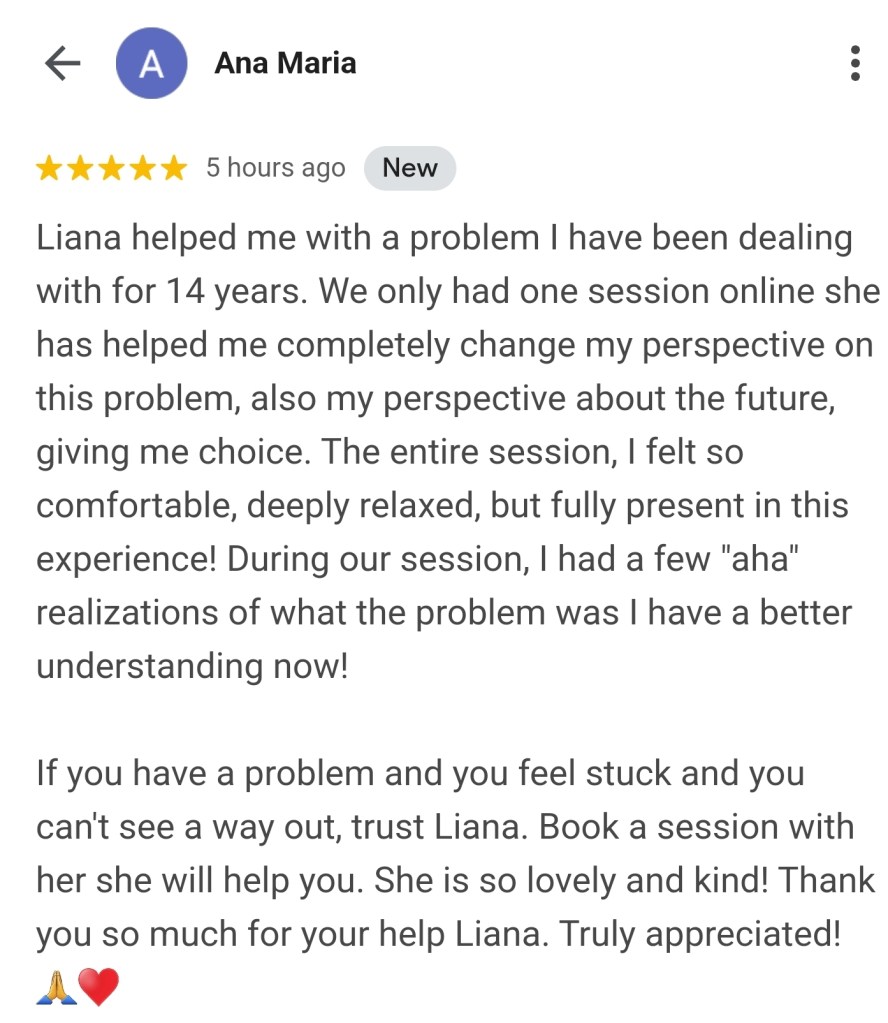
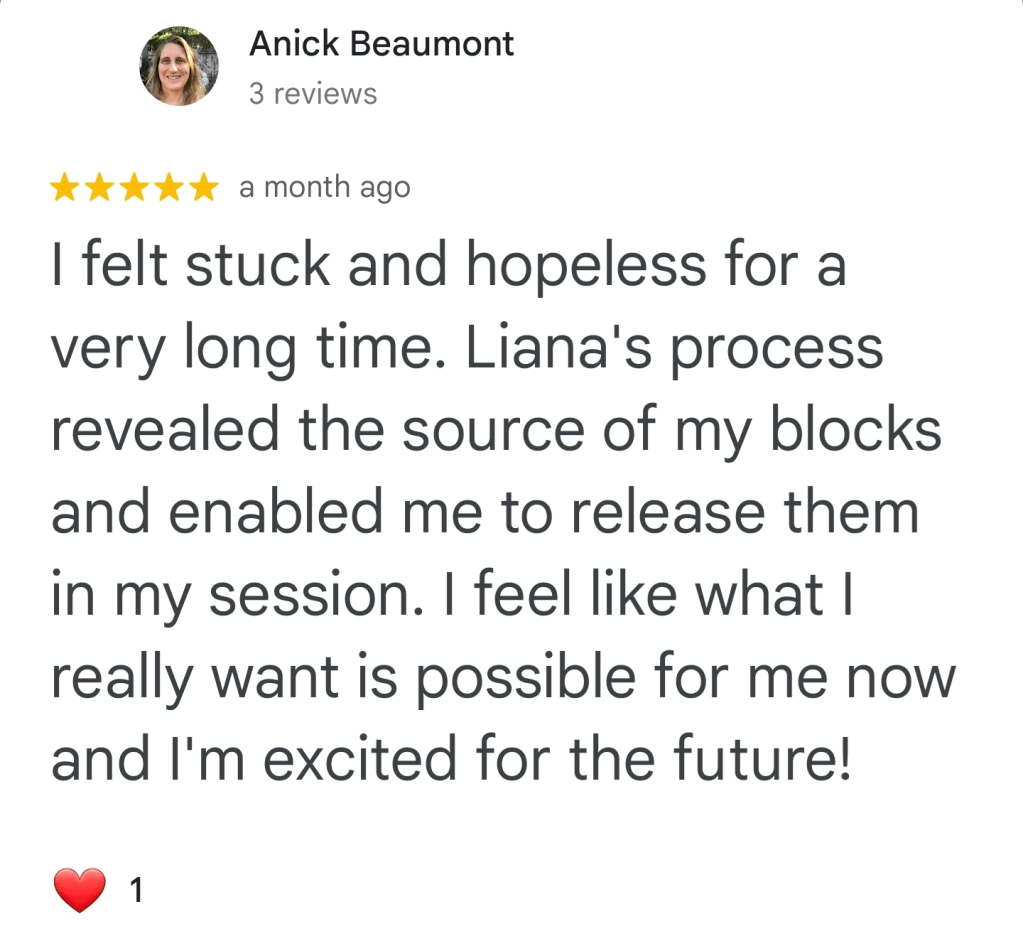
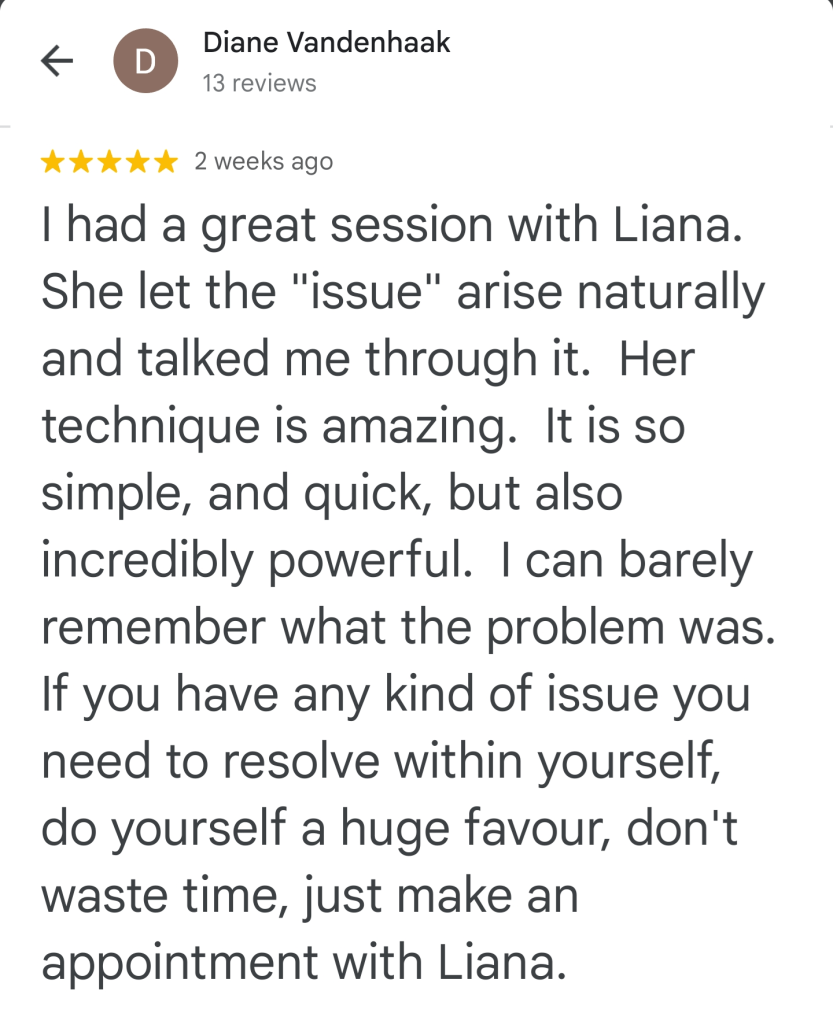
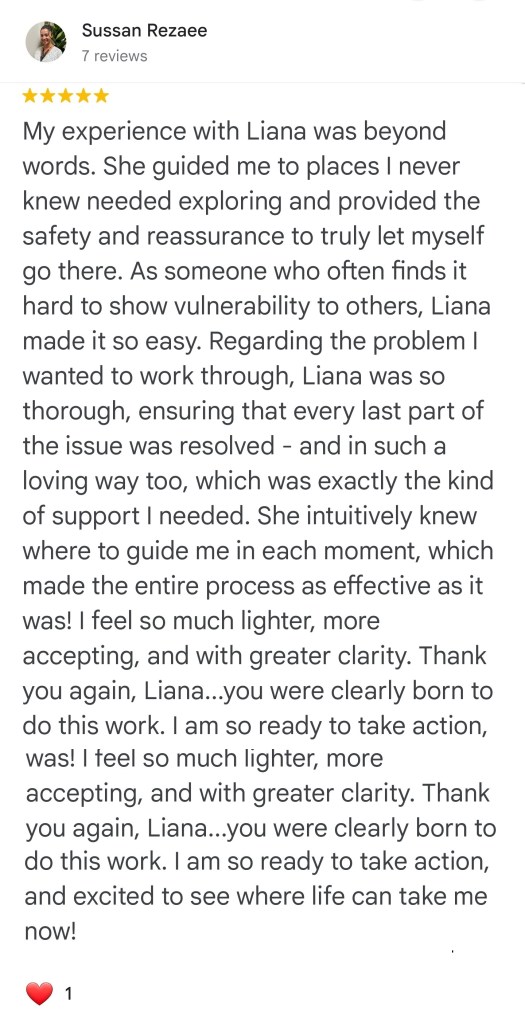
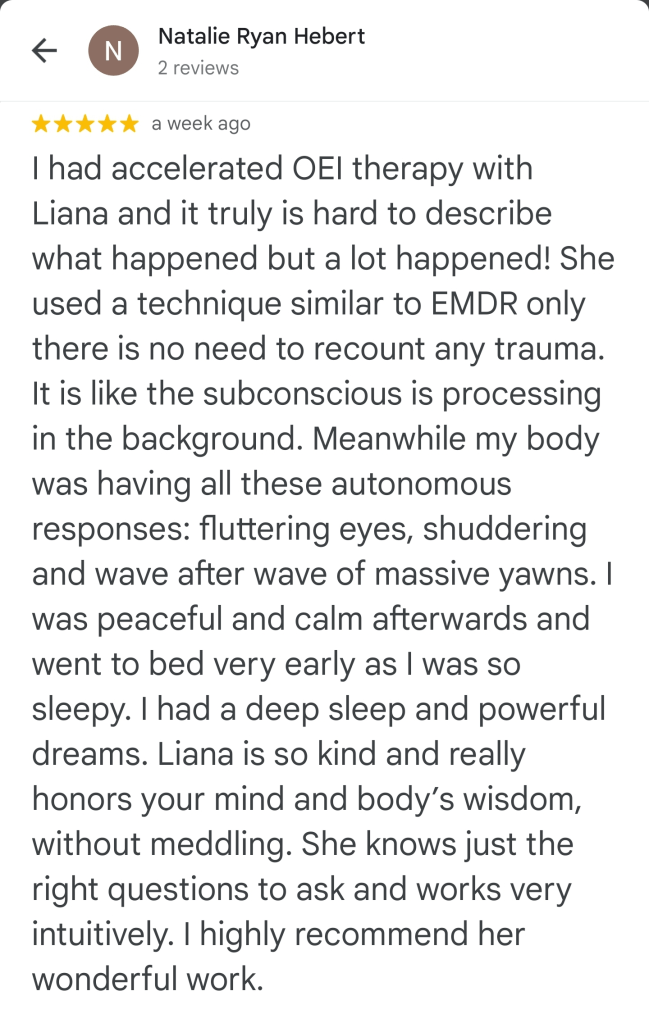
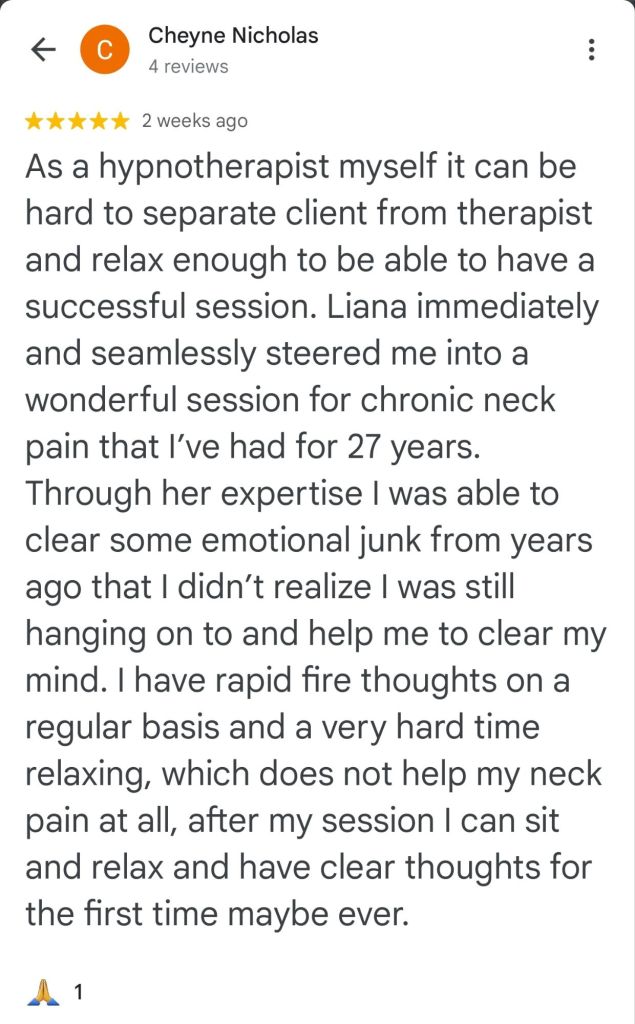
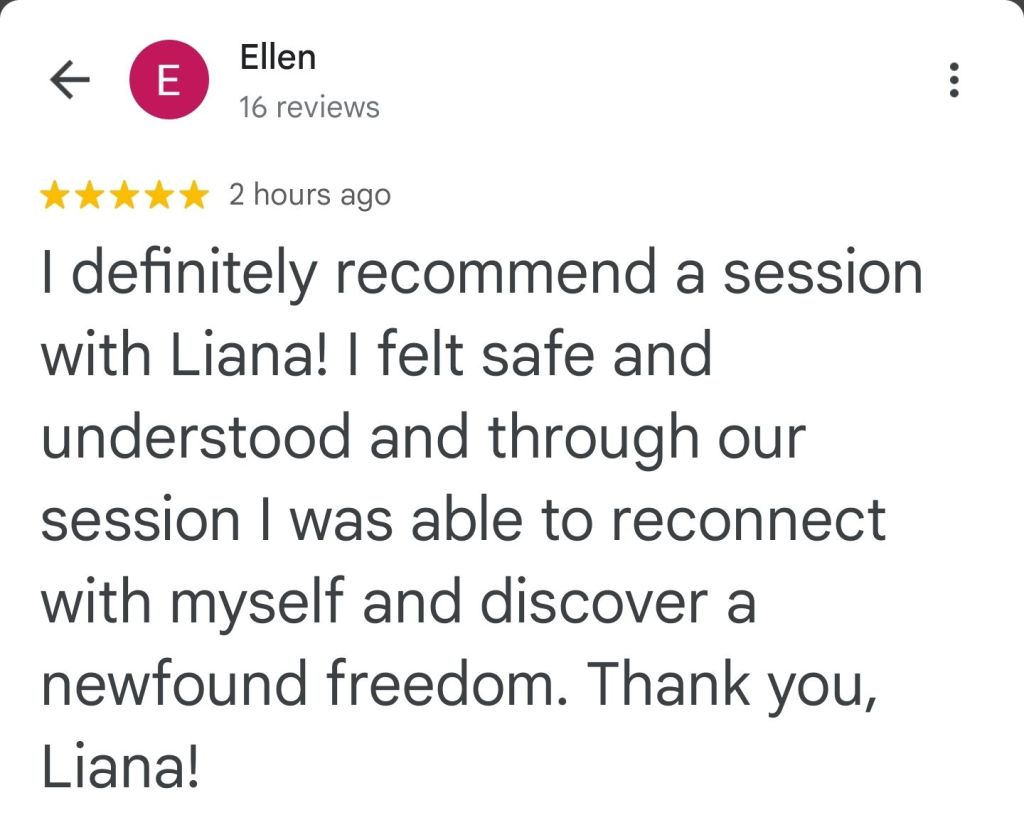
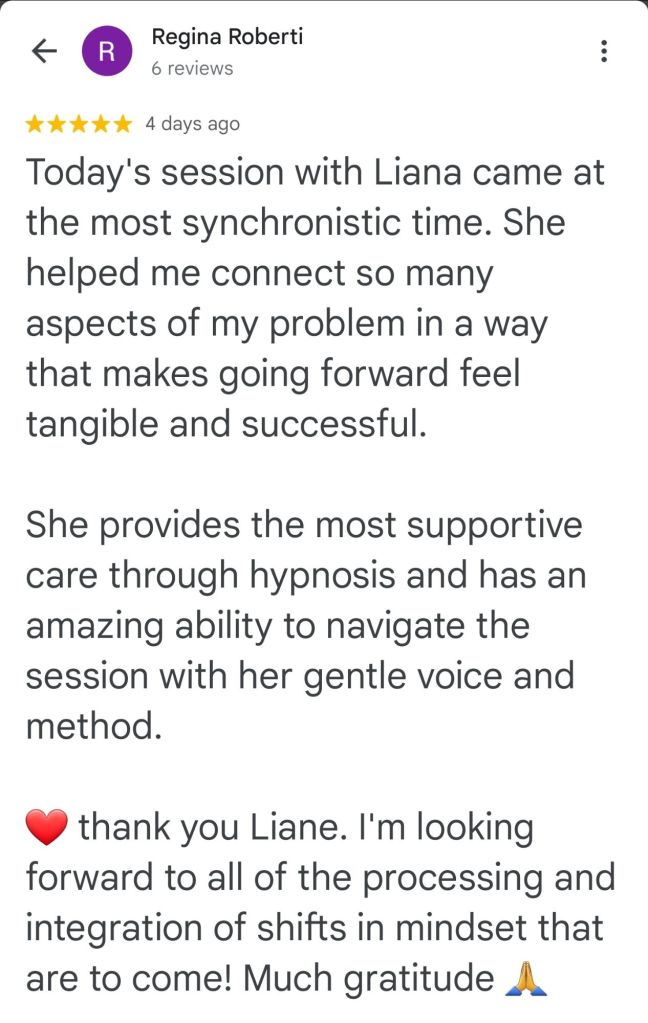
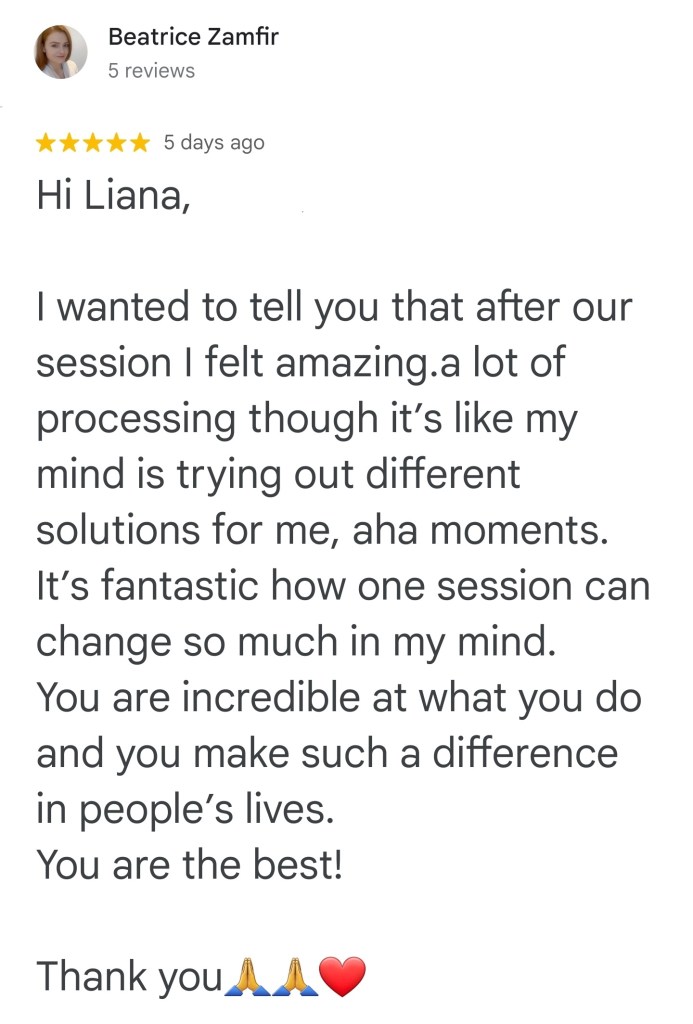
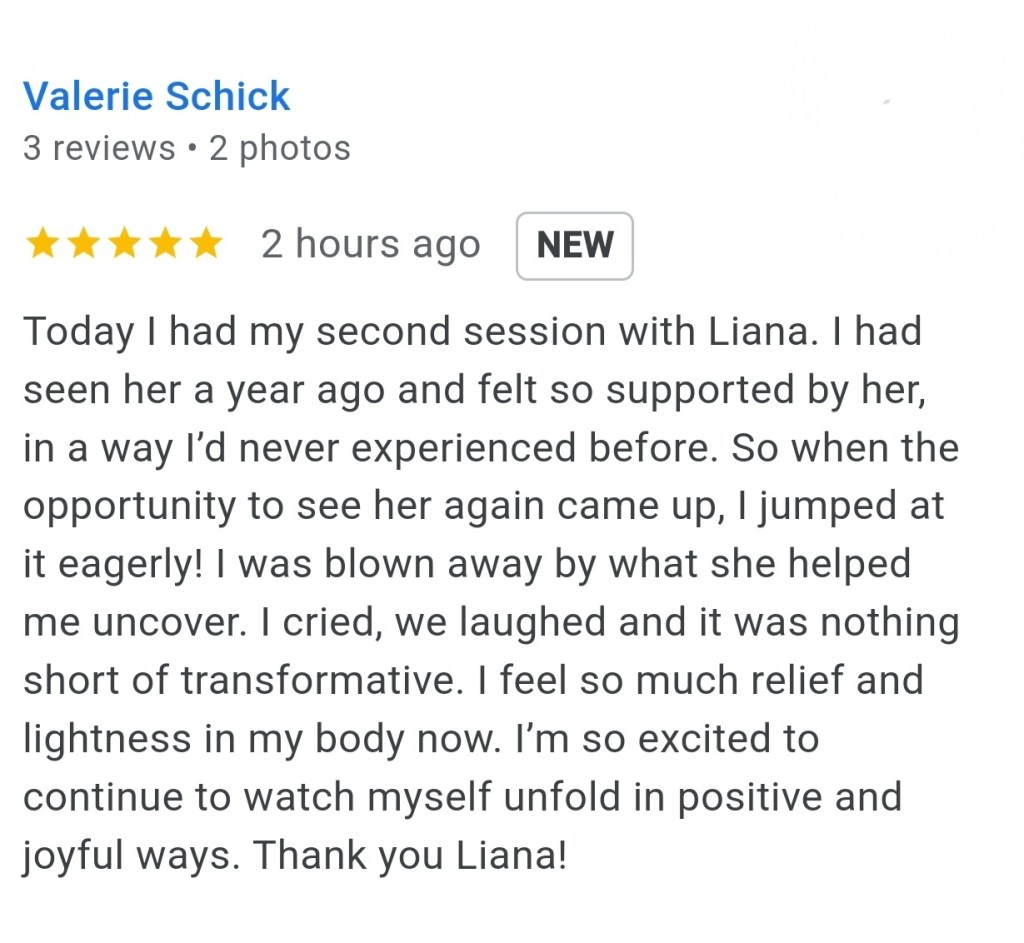
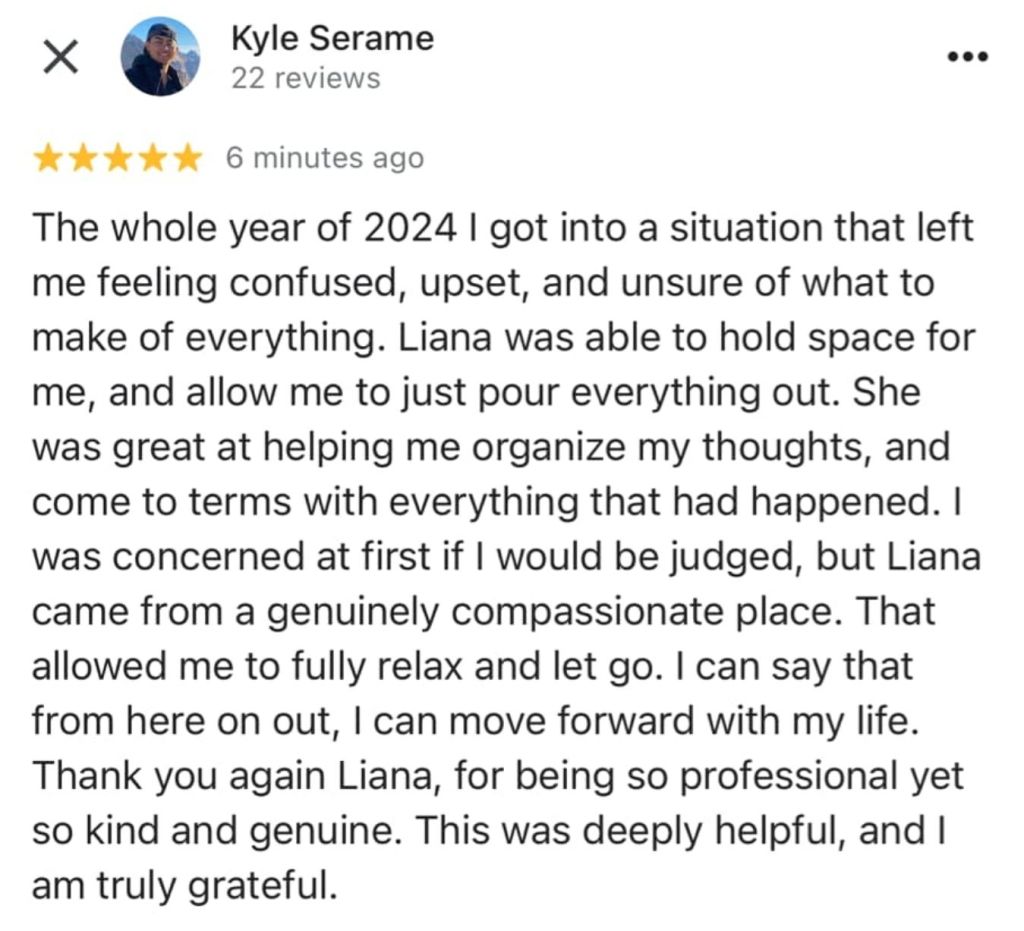
Accelerated Hypnotherapy and OEI trauma therapy can help you create something better for yourself and your life—where it all become easier, one boundary at a time.
Let’s connect.
Pure Possibilities
Change Your Mind.
Change Your Life.




















 Accelerated Hypnotherapy - Rapid Results
Leave a comment