
Why Body Shaming Feels Like Trauma: What You Might Be Carrying Without Realizing It
If you’ve tried every diet, cut carbs, tried keto tracking food intake, smaller plates, mindful eating, cutting snacks and still struggle with weight, it’s worth asking—what if it’s not about food or willpower at all?
All the things you’ve tried might even have made your weight issues seem even more complex.
What if the real reason you’re struggling with weight is because of hidden trauma, that’s running the show?
If you’ve ever felt like you’ve been judged, scrutinized, or criticize about your body—especially repeatedly—it may have left more than just hurt feelings. You may feel like you have weight issues with a whole bunch of emotions surrounding it.
Your weight issues might not just be an insecurity, but could actually be the result of unresolved and complex trauma.
This kind of trauma doesn’t always come from a single event. It builds slowly over time and can lead to real symptoms like anxiety, dissociation, emotional eating, body numbness, or shame that won’t lift.
Ongoing Judgment Can Leave a Mark
When people constantly focus on your body—what it looks like, what size it is, what they think it should be—it can feel like a slow, quiet kind of violation.
A 2021 study found body image victimization and weight-related teasing can be a significant predictor of body dissatisfaction and disordered eating symptoms.
Trauma Isn’t Always One Big Thing
You don’t need a big catastrophic moment for trauma to affect you deeply.
Sometimes it’s subtle. A buildup of small things: comments about what you’re eating, the subtle side eye from family or friends. Over time, this can overwhelm your nervous system and lead to chronic stress responses—like binge eating, food restriction, or body avoidance.
When You Start Believing Your Body Is the Problem
Repeated messages that your weight or what you’re eating isn’t ok, it can make you feel frustrated.
You might try to hide yourself, obsess over what to eat, or punish yourself in ways after you’ve ruined your diet.
You might try to hide in baggy clothes, obsess over what to eat, or punish yourself in ways after you’ve cheated again.
This isn’t a willpower issue.
It’s trauma.
And trauma doesn’t need more control. It needs care.
Why It Stays in the Body
Body shame doesn’t just live in your thoughts. It lives in your nervous system. Trauma changes how your body responds to stress, safety, and even joy. You might feel anxious just putting on clothes or eating in public. These are survival responses—your body trying to protect you from judgment that felt unsafe before.
A Different Pathway to Resolving Weight Issues
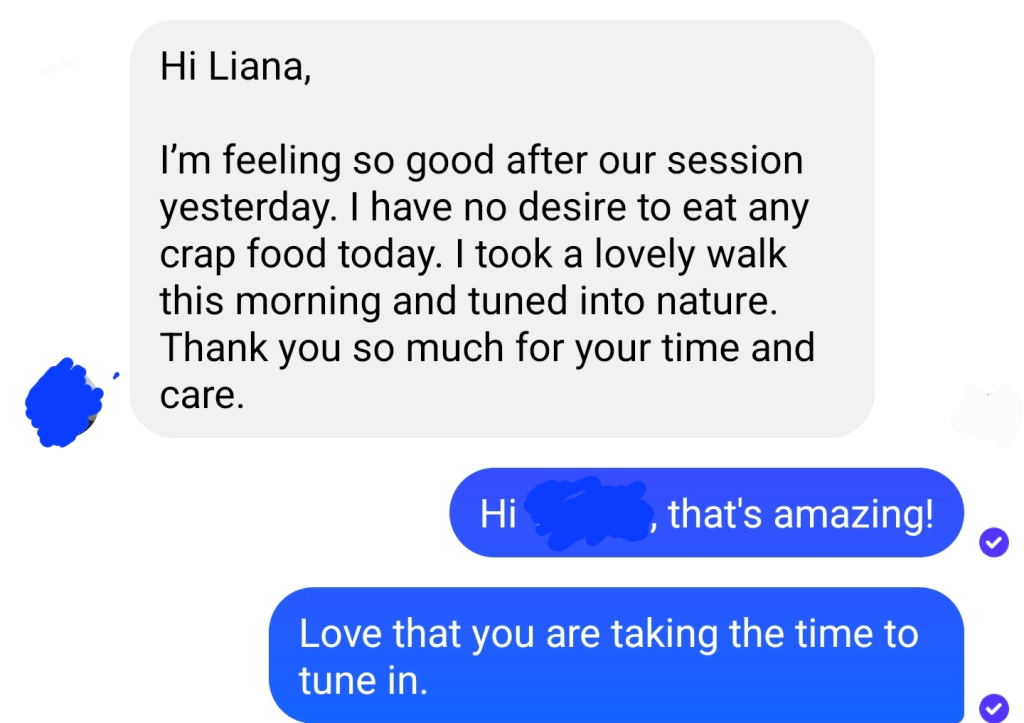
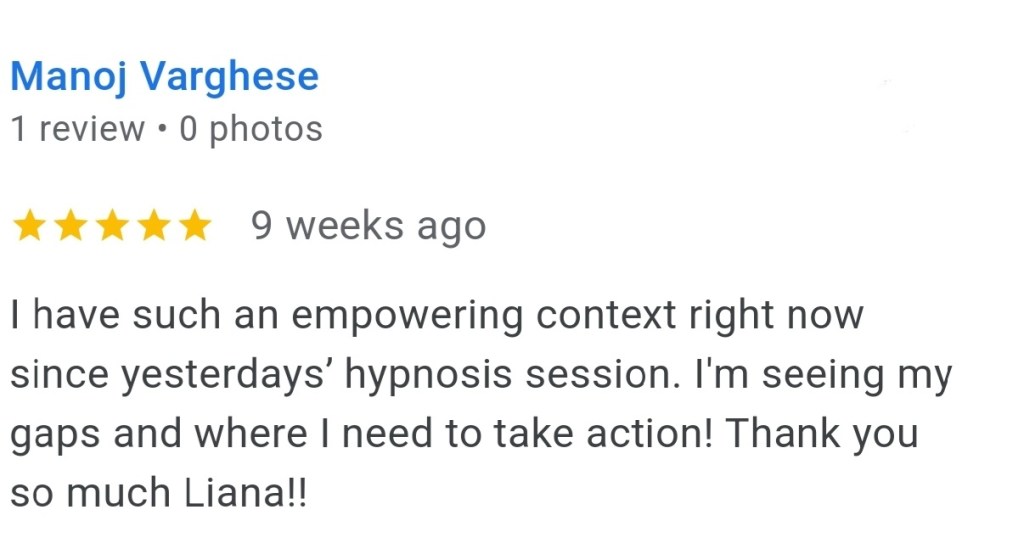
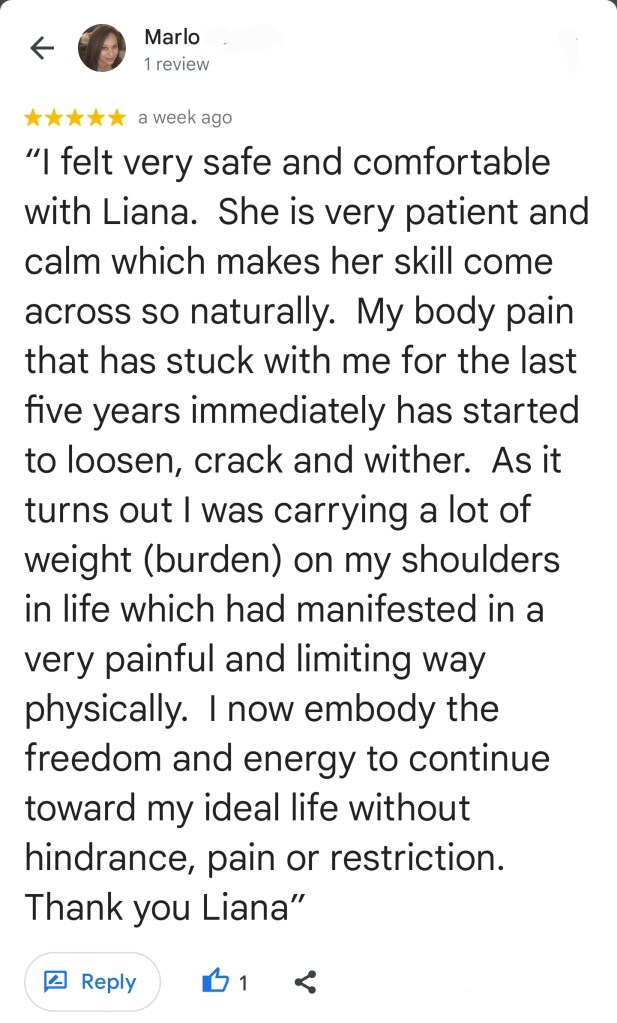
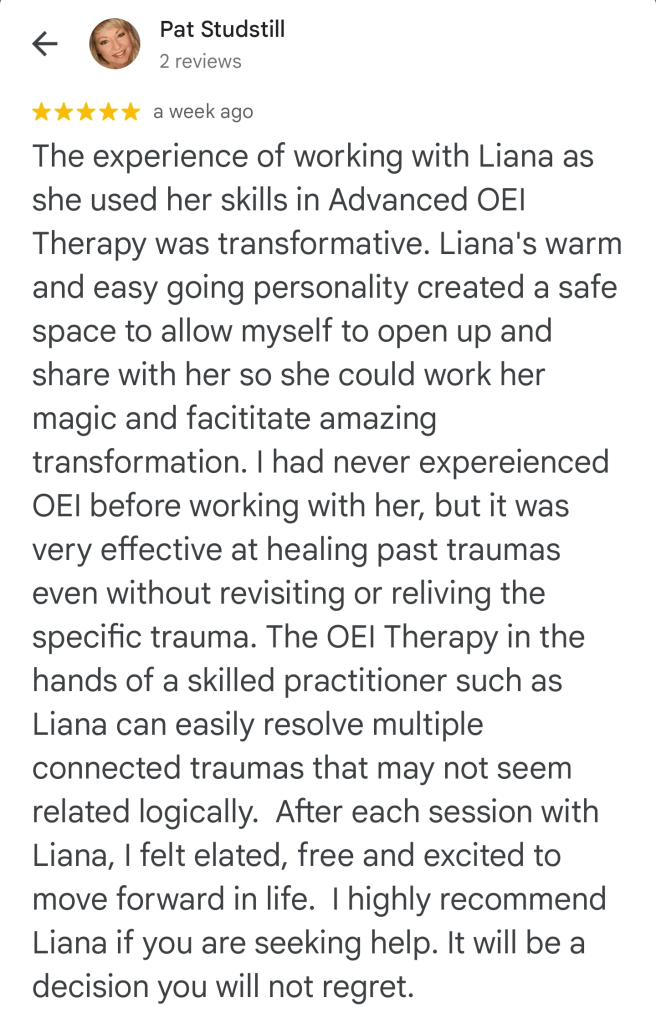
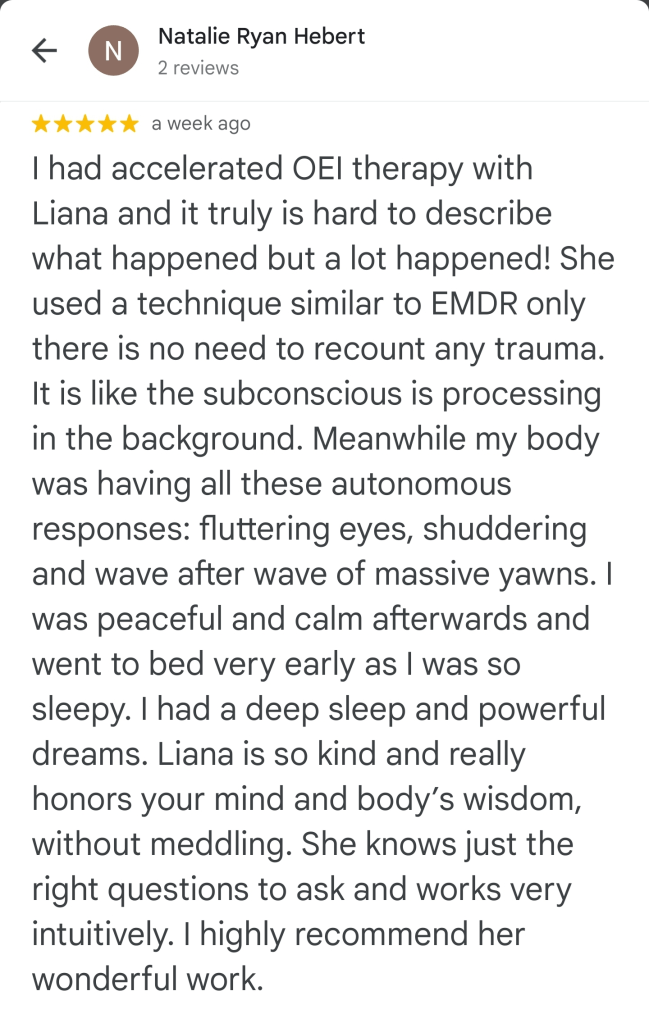
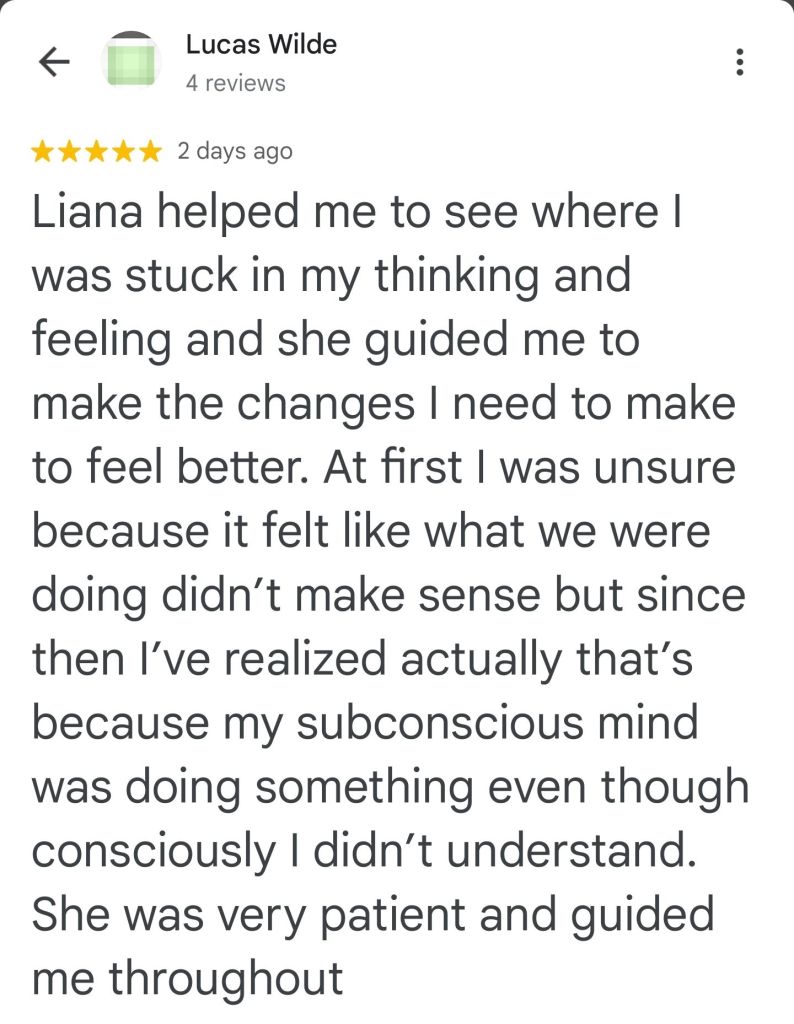
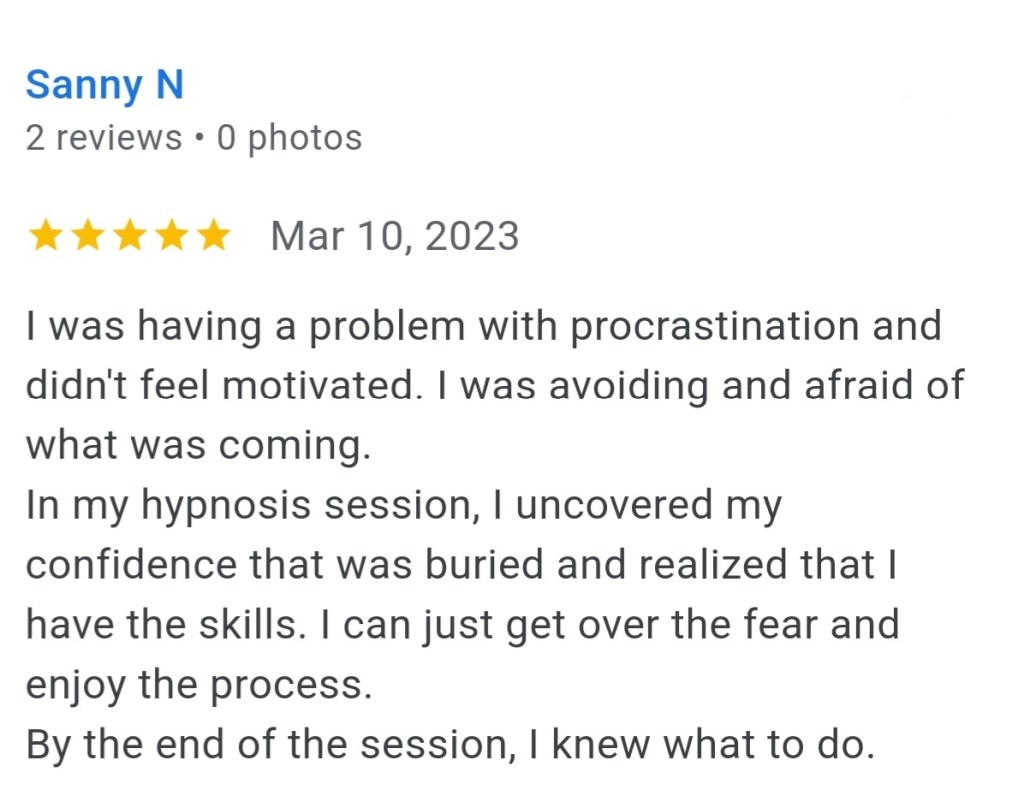
You don’t have to keep living in a fight with your body. Therapies like Accelerated Hypnotherapy or OEI therapy can help your brain and body finally let go of the trauma behind the shame. You don’t need to relive painful memories—just shift how they’re stored so they stop running your life.
Let’s connect.
Small changes in the subconscious lead to significant shifts at the conscious level.





























 Accelerated Hypnotherapy - Rapid Results
Leave a reply to Liana West Cancel reply