
The Three E’s of Trauma: A Simple Framework for Understanding Trauma’s Full Impact
The three E’s of trauma—event, experience, and effects—offer a powerful way to understand trauma. This model explains how trauma is more than just what happened; it’s also how it was felt, how it shows up in daily life, and how to move forward to new possibilities for yourself and your life.
The Three E’s of Trauma: A Simple Way to Understand the Full Picture
Trauma isn’t just about what happened. It’s also about how you experienced it and how it continues to affect your life. The three E’s—event, experience, and effects—help make sense of how trauma works and why healing takes time.
1. The Event: What Happened
This is the actual thing that happened.
It might be a single incident, Betrayal Trauma, like discovering that your partner was cheating or something that happened over time like Relationship Trauma, like neglect, abuse, or constant criticism in your relationship.
Whether physical or emotional, these events carry the potential to overwhelm your system and threaten your sense of safety.
2. The Experience: How You Felt
Two people can live through the same event and walk away with totally different experiences and emotional responses.
That’s because trauma is personal.
This subjective experience is what makes something traumatic.
For example, discovering your partner is cheating could be the beginning of a newfound freedom or the end of life as you knew it.
When my intuition showed me my partner was cheating and showed me exactly where to find the receipts (literally, Victoria Secret receipts), that showed that he bought $800 of lingerie in sizes XS, S and L, 14 different things. He only gave me one.
When I started to ask him questions that I already knew the answers to, the trickle truth started. Half truths. He was showing me who he was.
When I told him that I knew the truth and asked him where the other 13 pieces of linger were, he lied.
At that moment, I realized that he was more committed to lying and cheating than he was to me and our relationship.
In that moment, I totally accepted who he really was.
It gave me so much freedom to move on and NEVER LOOK BACK.
Even though, he kept sending me gift in the mail and had a trip to Fiji already booked.
On the other hand, another client felt that the life as she knew it had died that day. The trauma started to spread out to other parts of her life and she had to quit her high paying job, and was lost and hopeless.
She stayed stuck AF for months until she found my channel on YouTube
Don’t get me wrong, even though I had a different response, I was still traumatized by the effects of betrayal.
It’s really about how the event felt to you. Powerless? Ashamed? Confused?
These internal reactions are part of what turns an event into trauma.
It’s not just what happened—it’s how you experienced it in your body and brain.
3. The Effects: How It Shows Up Now
These are the symptoms that show up.
The long-term impact of trauma can be obvious—or it can hide in ways that don’t seem related. It might show up as anxiety, numbness, emotional outbursts, avoidance, or people-pleasing.
Trauma can affect your health, your weight, your sleep, your boundaries, or your ability to trust.
Sometimes they show up right away. Other times they come out months or years later
And sometimes, people don’t realize their current issues are connected to something that happened long ago.
You might find yourself stuck AF in one area in life and not know why.
That’s why trauma recovery often starts with identifying the effects—what’s happening now—and tracing it back.
These effects are often the body’s way of saying something happened that it never got a chance to process.
Why it matters
Understanding the three E’s helps you stop wondering what’s wrong with you
Nothing.
This is the way that trauma plays out.
But heres’ the thing.
Understanding the three E’s helps you stop minimizing what happened or wondering why you’re still struggling
This shift can unlock the pathway to real healing.
It validates your experience and helps you connect your current struggles with deeper roots.
Once you understand what’s going on, start on the pathway to healing.
You don’t have to stay stuck in trauma forever.
Your reaction isn’t about weakness—it’s about how your system responded to something overwhelming to your brain and body – and still is overwhelmed.
If you’re dealing with lasting emotional or physical symptoms, this model can help you reframe the story.
it’s not about just one moment that happened months, years or maybe even decades ago.
It’s about the whole picture—what happened, how it landed, and what it’s doing now.
What this means is that means healing is possible.
Because when you recognize the patterns, you realize that passage of time alone does not get you unstuck, and you might need a little help, you can begin on the pathway to healing.
When you find the right person that knows exactly how to help your brain release the past, the past will stop taking up all the space in your future, and will get further away with each passing day.
Until it’s flat and faded. And possibilities will begin to open up in for a whole new future for yourself and your life.
Let’s connect.
Small changes in the subconscious lead to significant shifts at the conscious level.








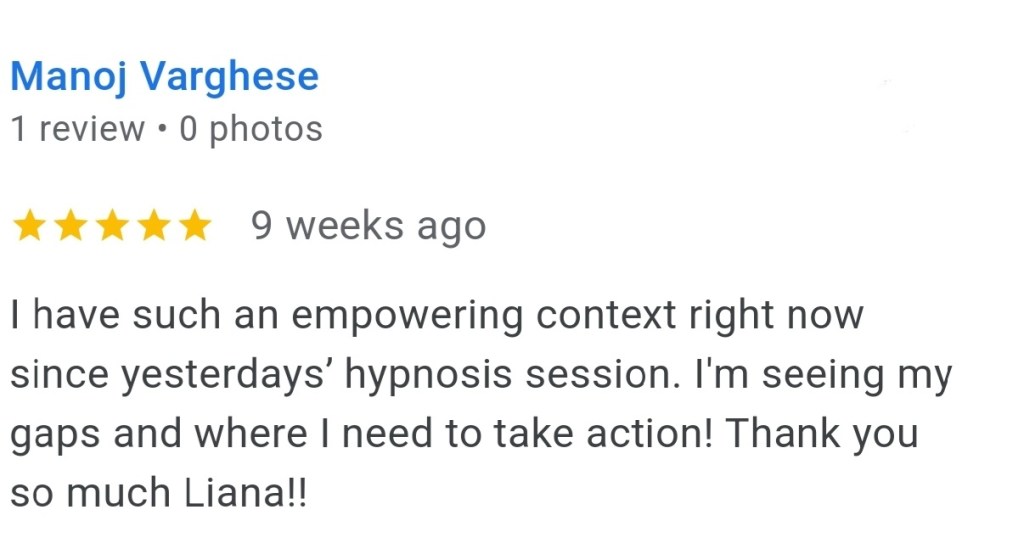
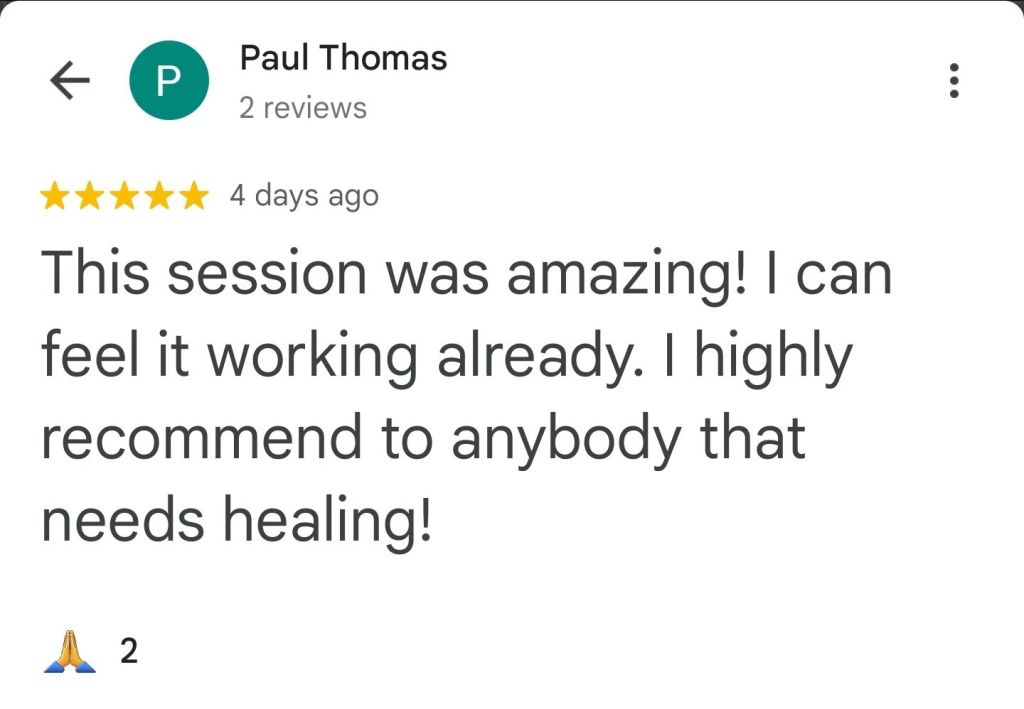


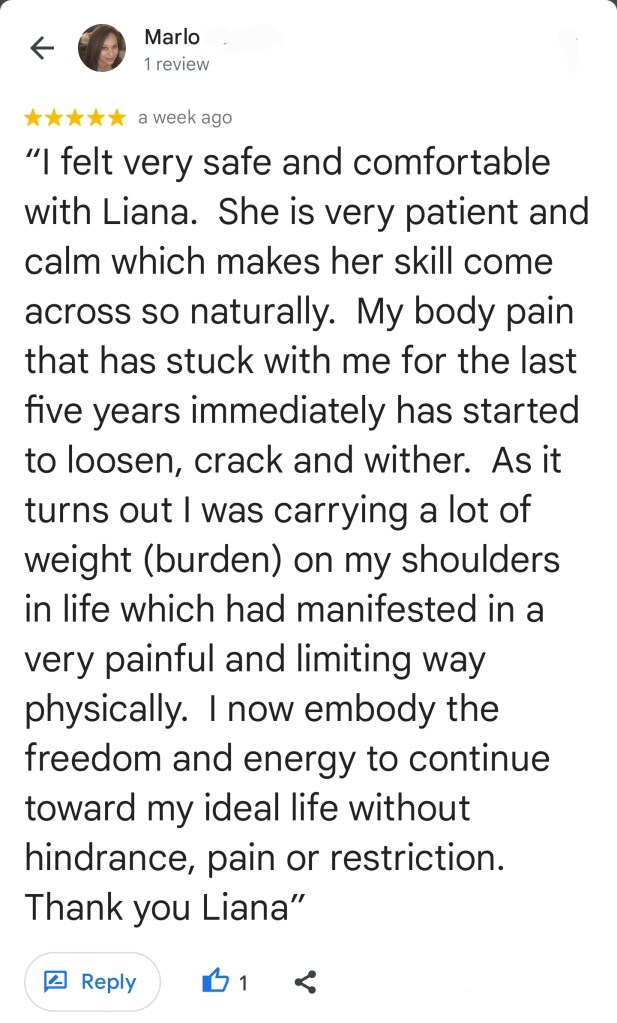
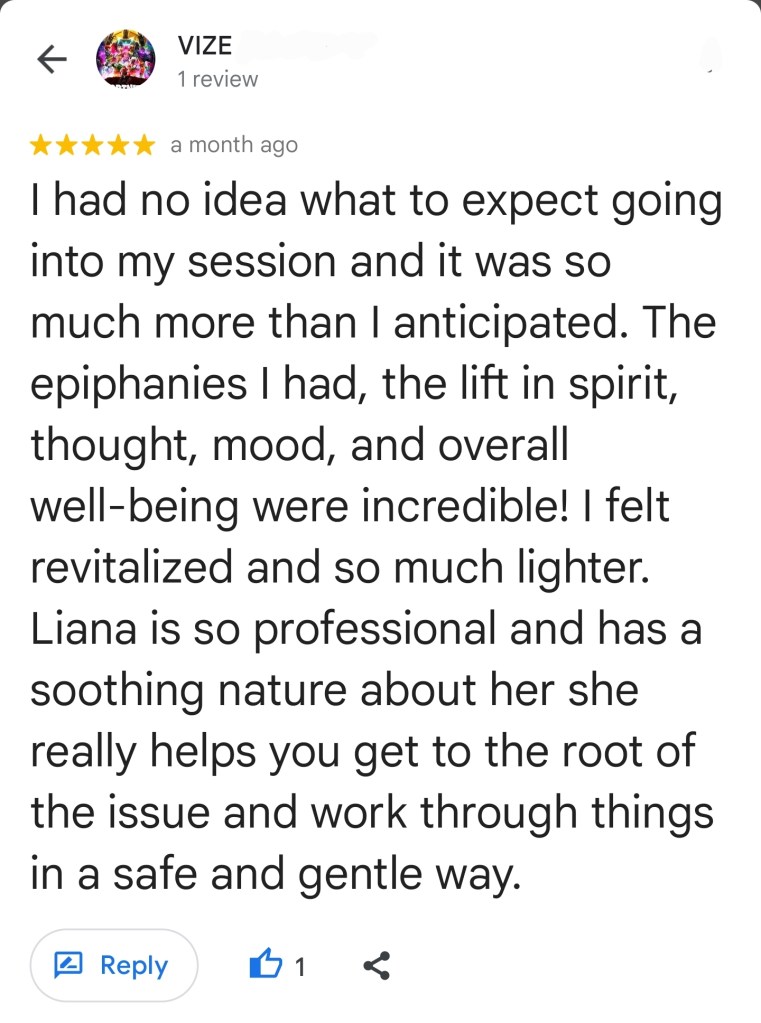


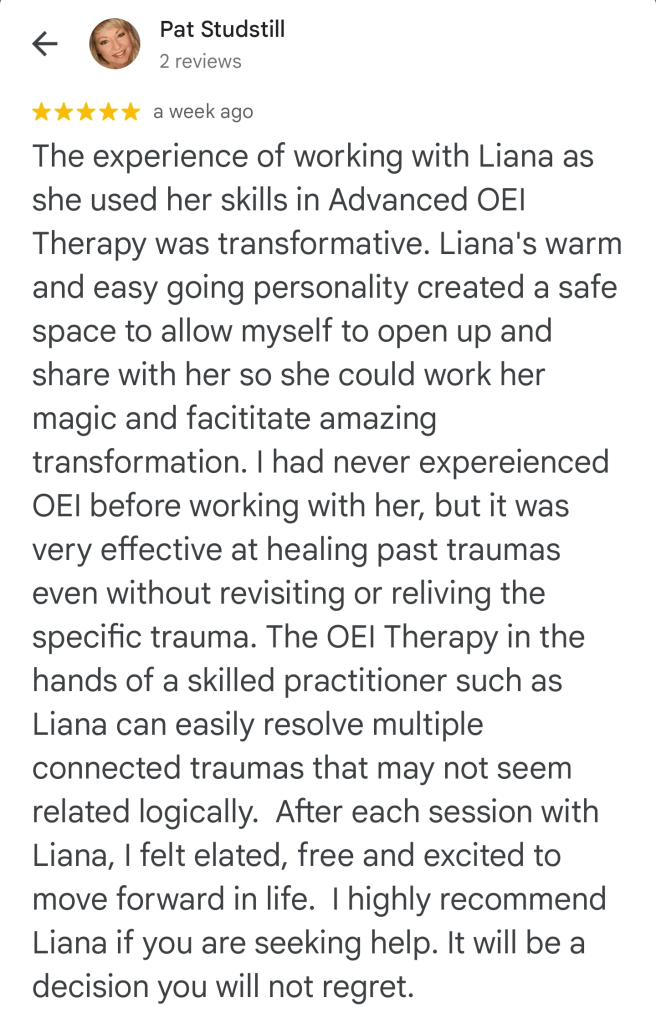
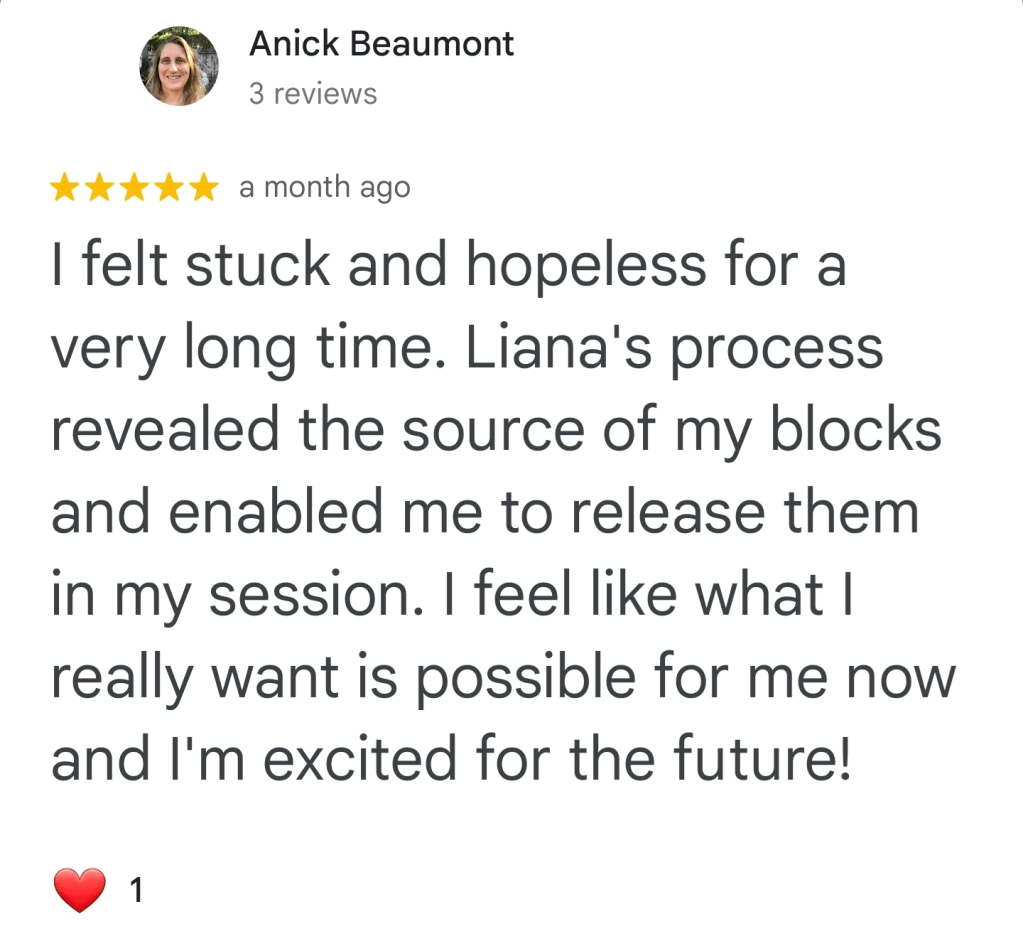
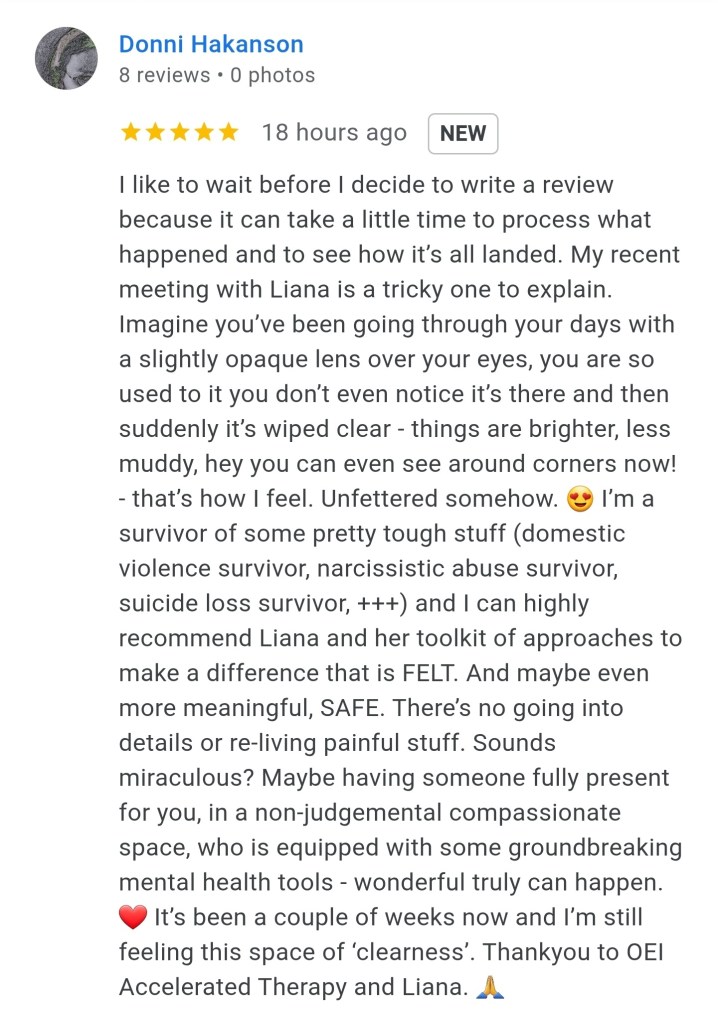
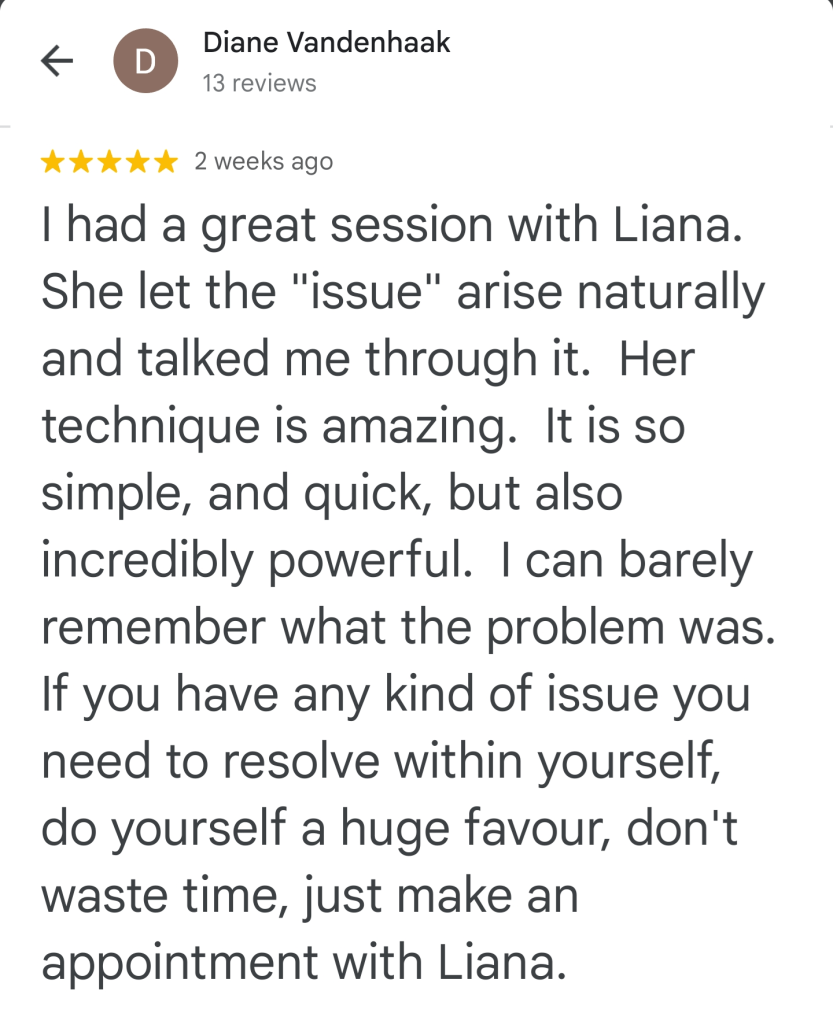



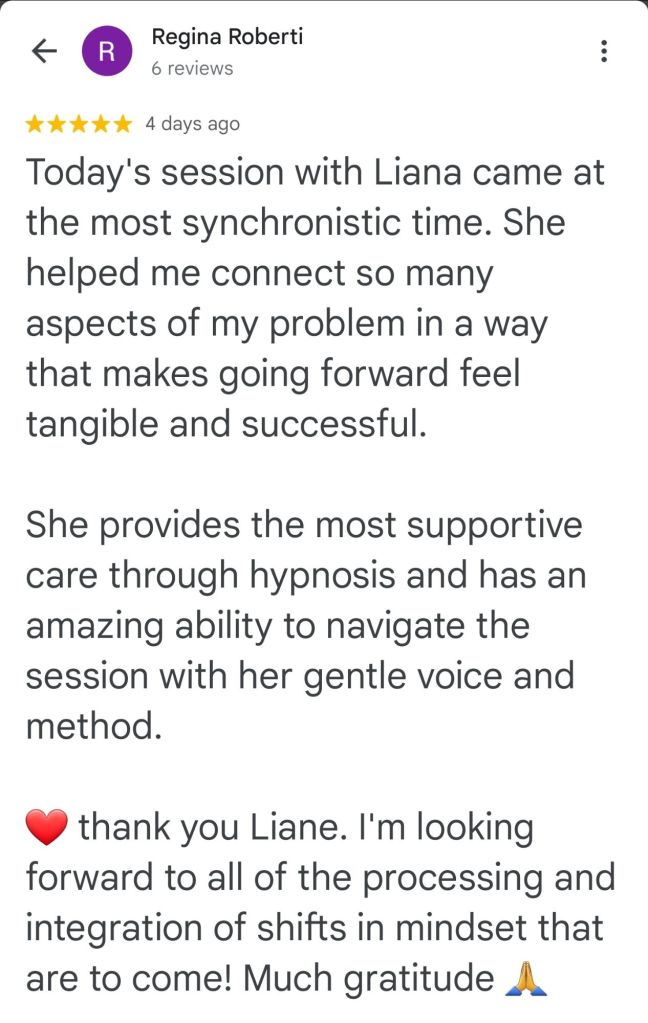



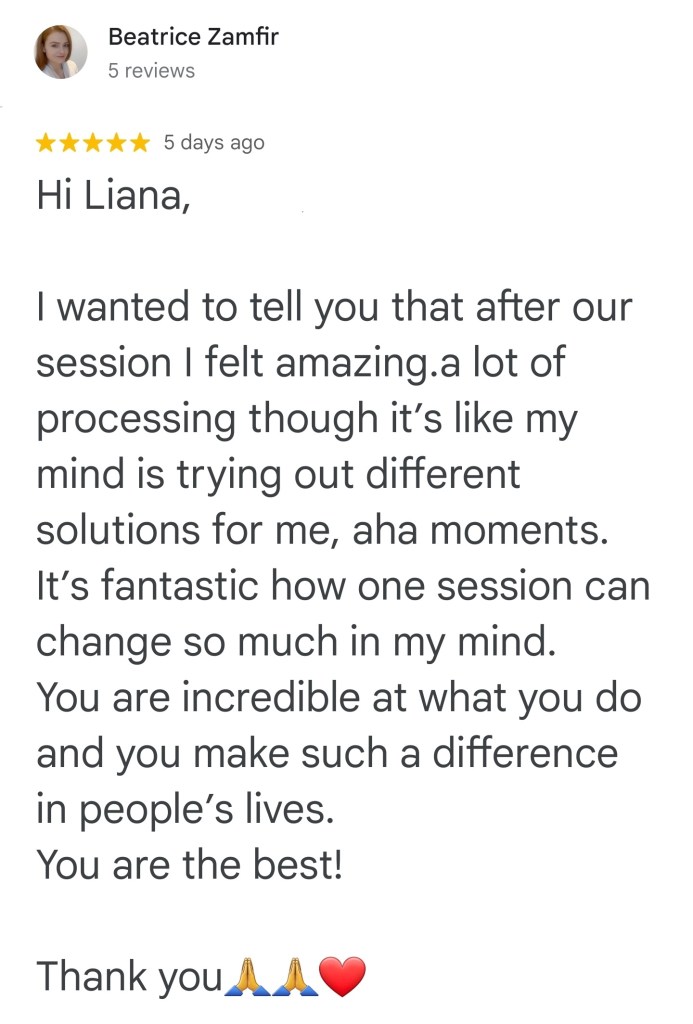
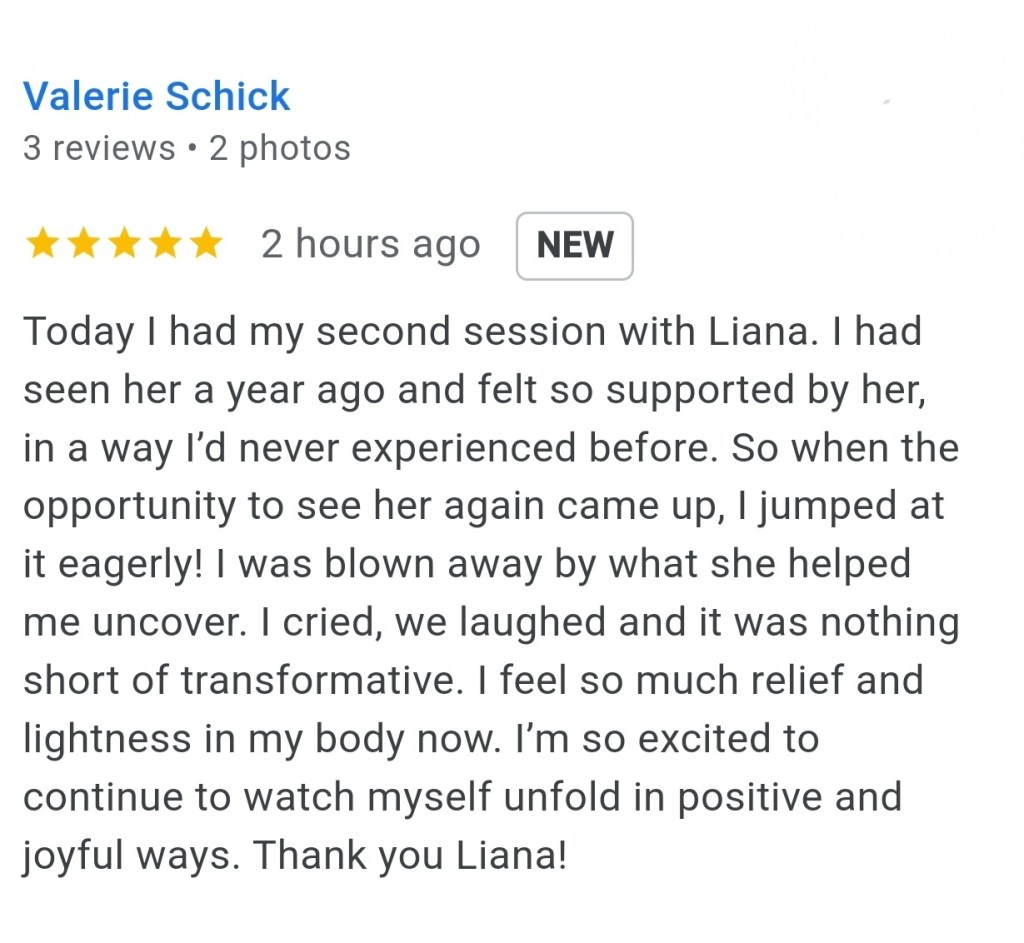
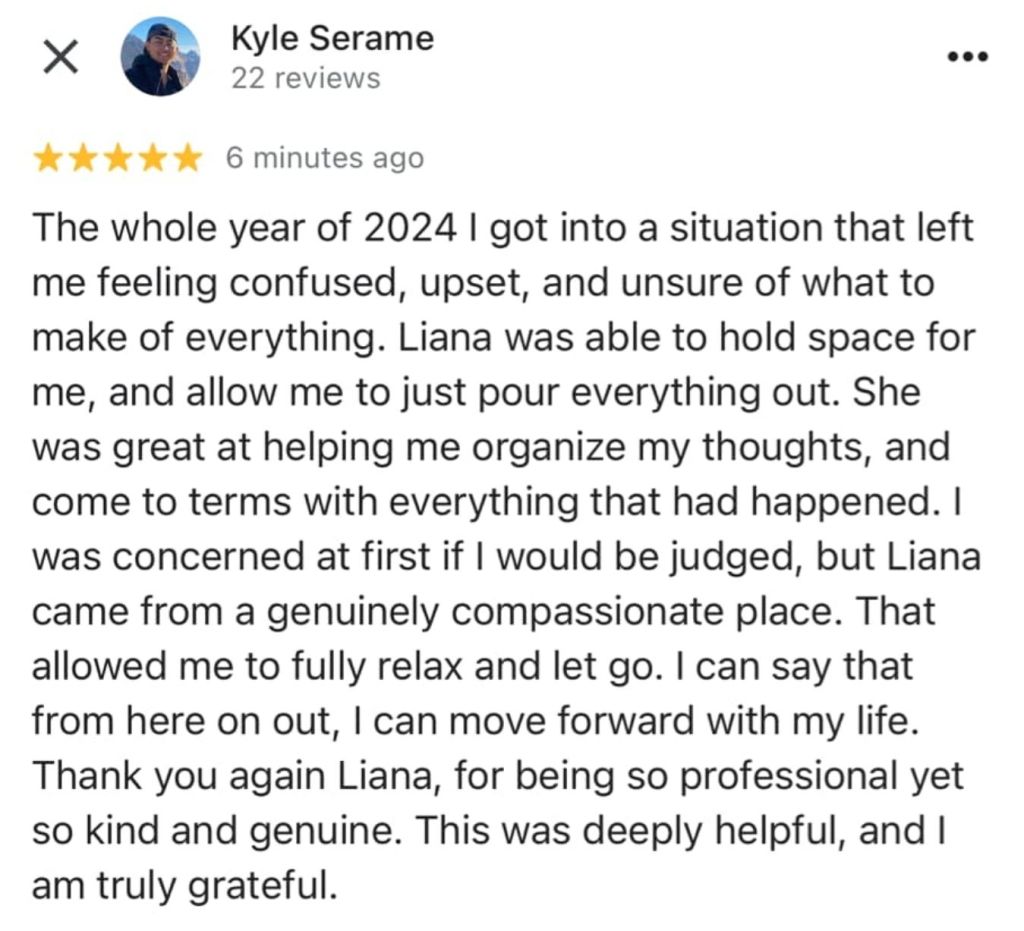

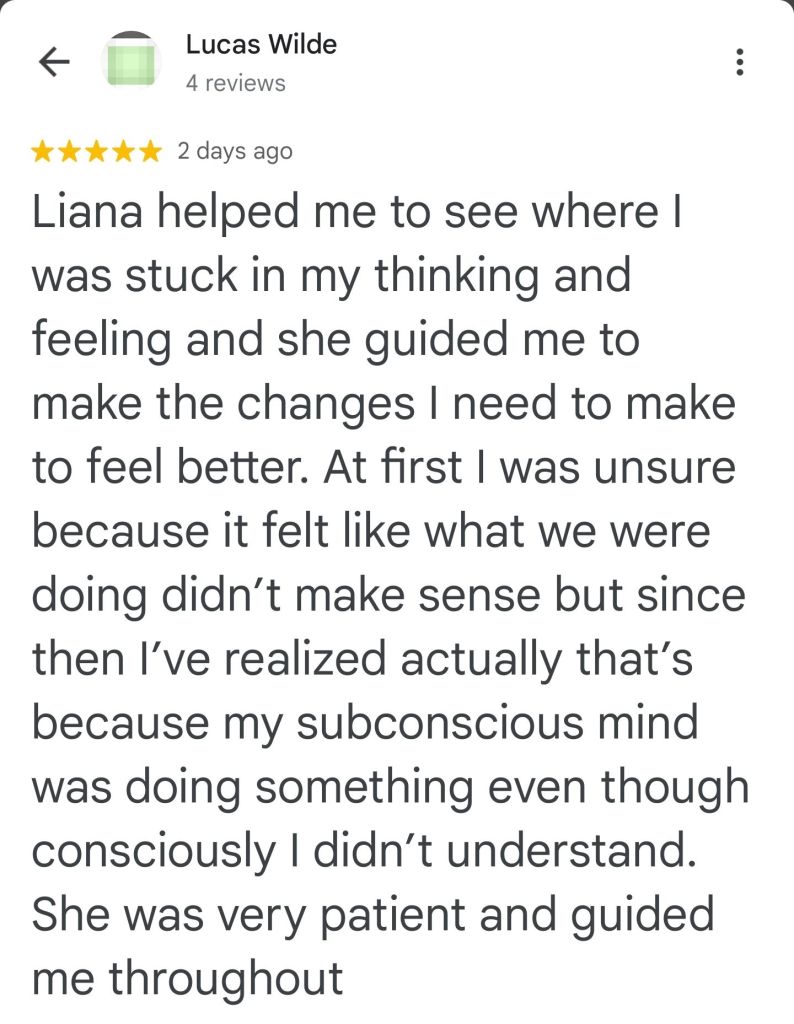
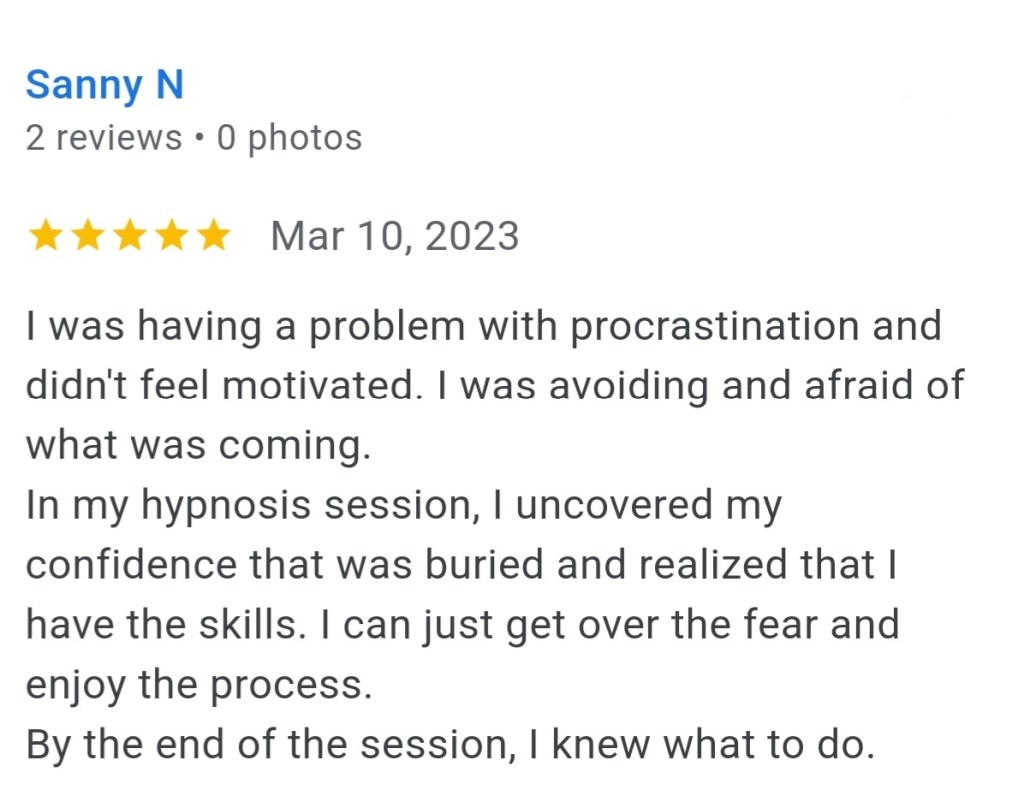

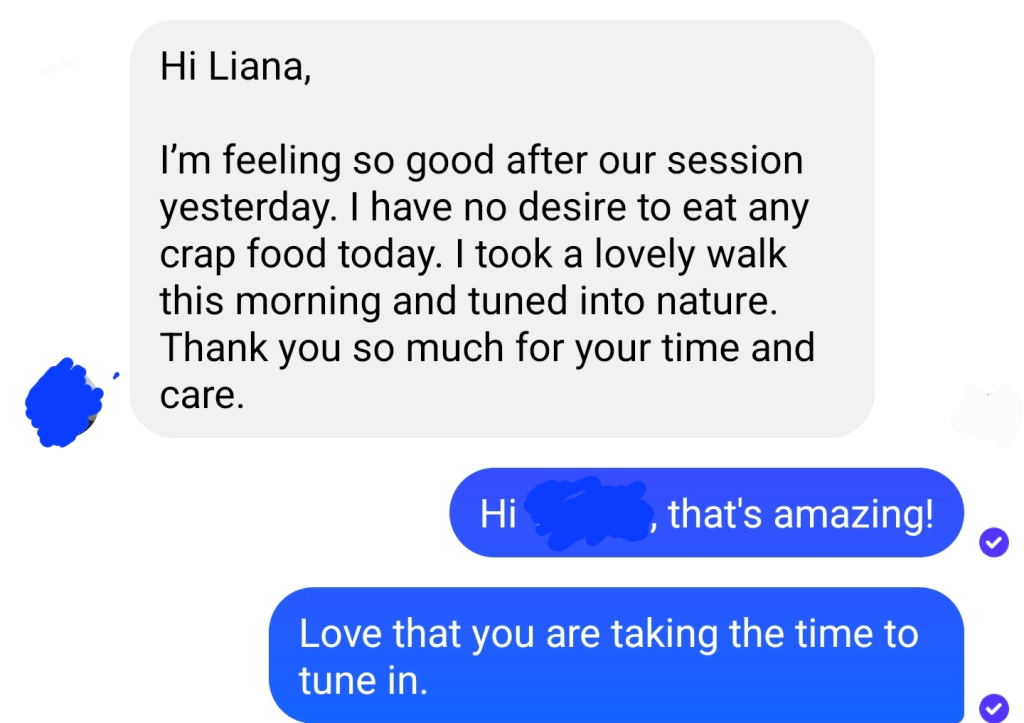
 Accelerated Hypnotherapy - Rapid Results
Leave a comment