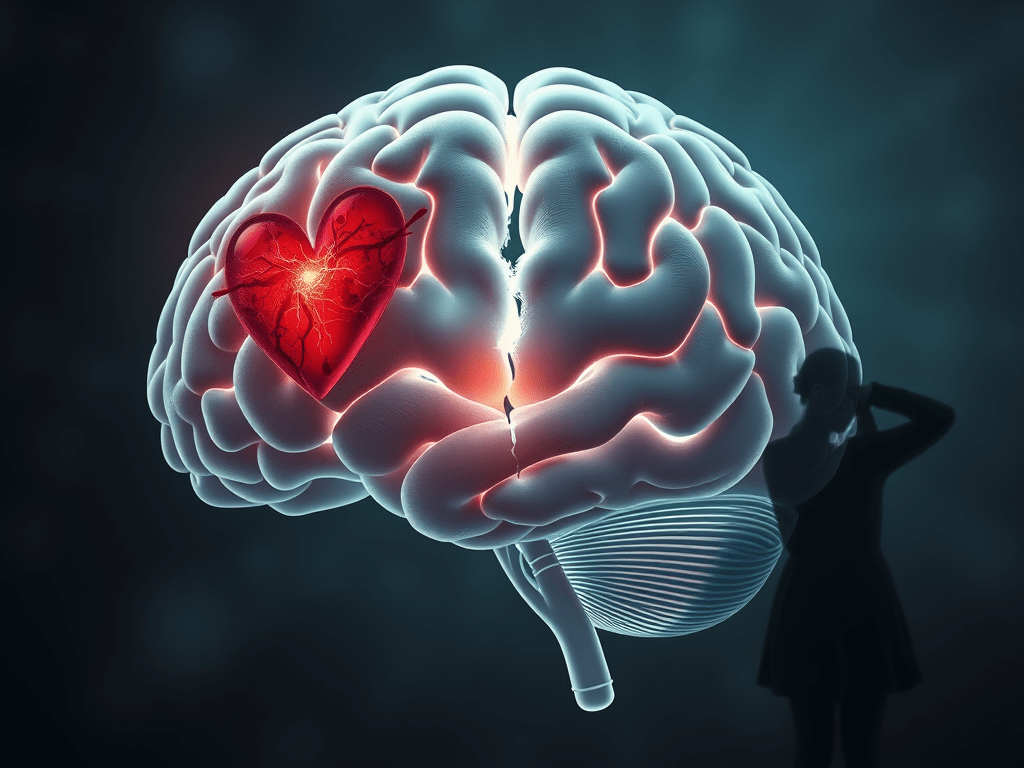
Does Childhood Trauma Make Breakups EVEN WORSE?
Romantic breakups can do more than break your heart—they can change your brain.
Research shows that people with childhood trauma who go through painful breakups may have smaller hippocampus sizes, a part of the brain involved in memory and emotion.
Let’s explore how trauma compounds over time and affects the brain.
Why Breakups Can Affect the Brain—Especially After Childhood Trauma
Romantic breakups are hard.
But if you’ve also experienced childhood trauma, a painful split can hit even harder—the overwhelm affects the structure of your brain.
New research suggests a connection between early trauma, emotional pain experienced later in life, and the size of the hippocampus, a brain region that helps regulate memory and emotion.
How Trauma Impacts the Hippocampus
The hippocampus is involved in organizing memories and managing emotional responses.
It’s also one of the areas most sensitive to stress.
Studies show that smaller hippocampus size is linked with anxiety, depression, PTSD, and emotional dysregulation.
What Happens When Your Hippocampus Shrinks?
Severe stress in early life affects the size of the hippocampus, elevates stress hormones, and makes individuals more sensitive to stressful life events.
It even affects learning.
So when you later go through a significant emotional event—like a betrayal or a breakup—the combination may lead to noticeable changes in this part of the brain.
Childhood trauma can cause individuals to be more sensitive to stress. which impairs emotional regulation and increases the risk of developing depression later in life.
Repeated Emotional Stress Creates Layer of Pain
This study points to something many trauma survivors already feel: it’s not just one thing that causes damage—it’s a whole collection of open wounds that makes it so complex.
Researchers also found a dose-response effect: the more severe the childhood trauma and the breakup, the smaller the hippocampus. This suggests the brain responds differently when it’s been under repeated emotional stress.
If you’ve had a hard past and then go through another emotionally intense experience, your system may feel overwhelmed and less able to recover.
Time Does Not Heal ALL Wounds
This study helps explain why some people feel so destabilized after a breakup, especially if it reactivates earlier trauma.
It also challenges the idea that childhood trauma is something you “get over” with time.
The passing of time is not enough to fix this.
If new pain hits old wounds, your brain and body feel the full impact going all the way back to the original trauma.
Your system is responding in a real, measurable way to emotional overload.
The Hope in Resilience
Not everyone with childhood trauma showed changes in their brain.
Your brain is always responsive to care and safety.
Meta-analyses (that combine the results of multiple independent studies) show that hypnotherapy had a large, statistically significant positive, long lasting effect on PTSD symptoms, including intrusive thoughts and feeling flashbacks.
It can even improve sleep disturbances, like difficulties falling and staying asleep.
Is Your Brain Still Reacting to the Past?
If you feel like a breakup activated something deeper, you’re not imagining it.
Your brain is not only responding to what happened but to the trail of pain that leads to the past.
That’s why healing from betrayal or heartbreak is not a passive process.
It’s about finding a safe space for your brain and body to feel safe again.
This can create the right conditions for your brain to put the past into the past.
Let’s connect.
Small changes in the subconscious lead to significant shifts at the conscious level.





















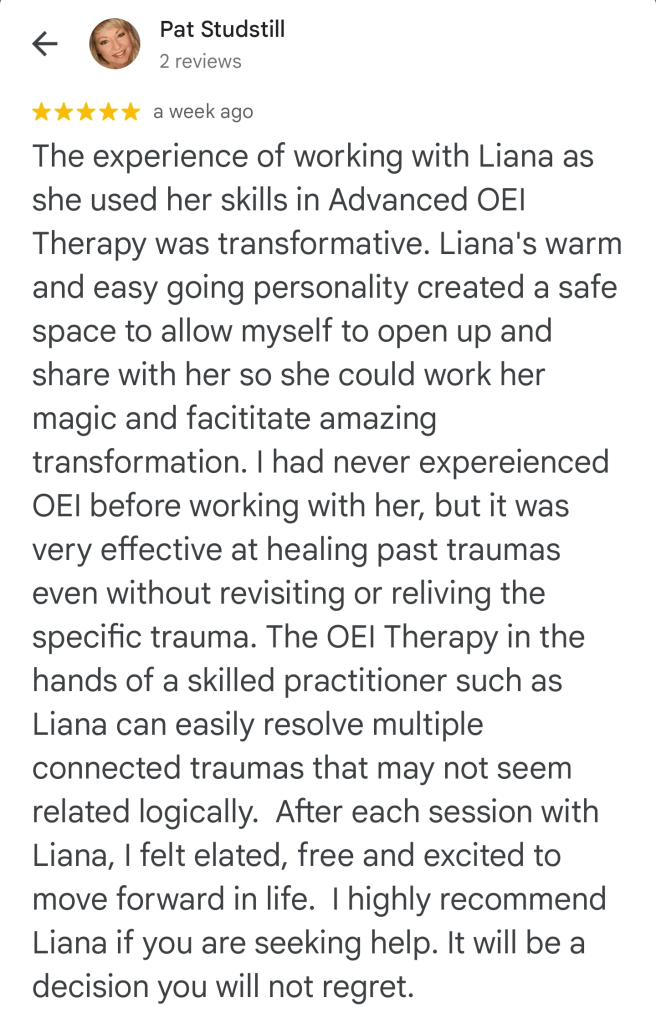
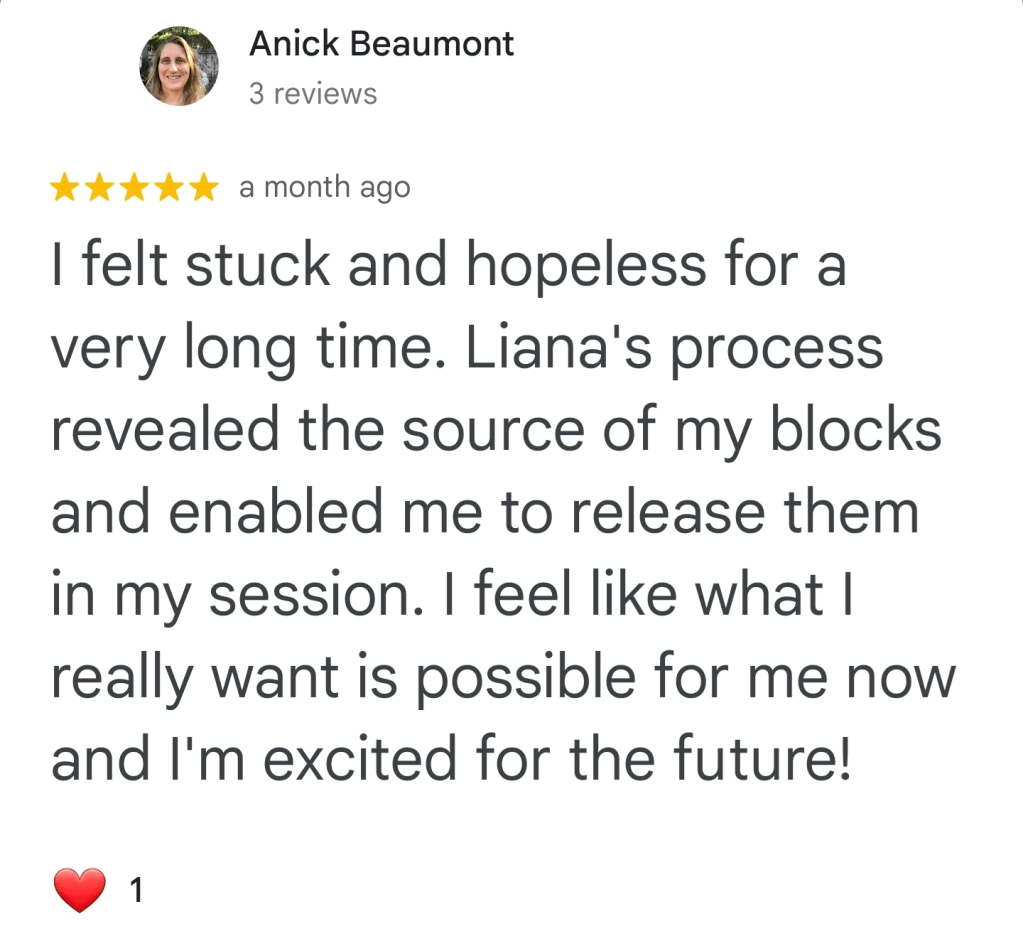
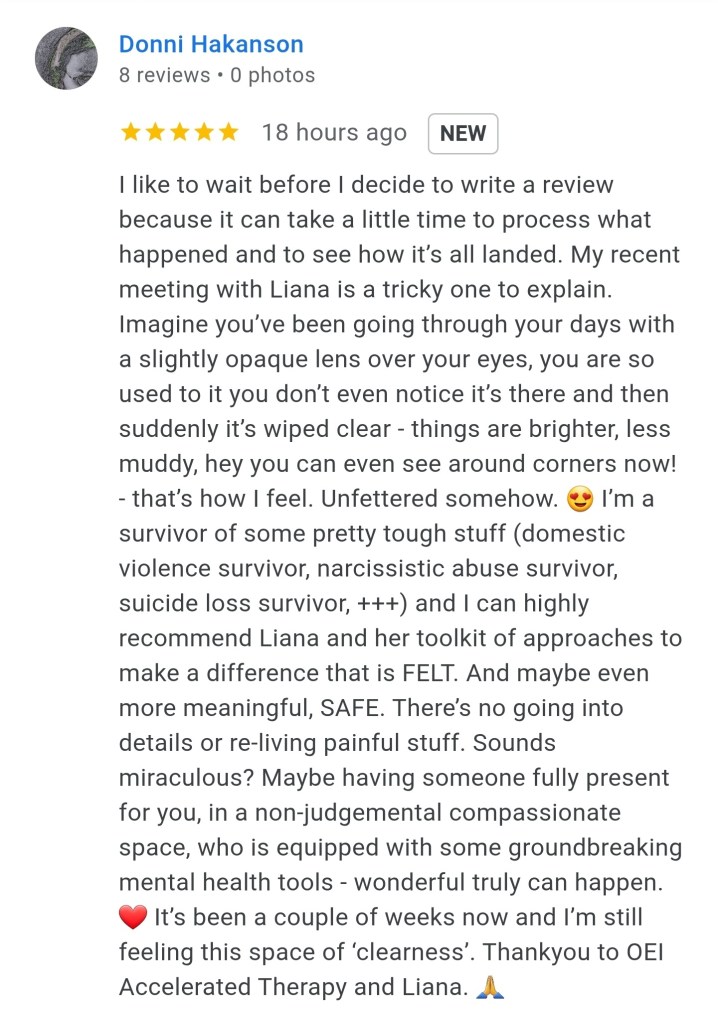



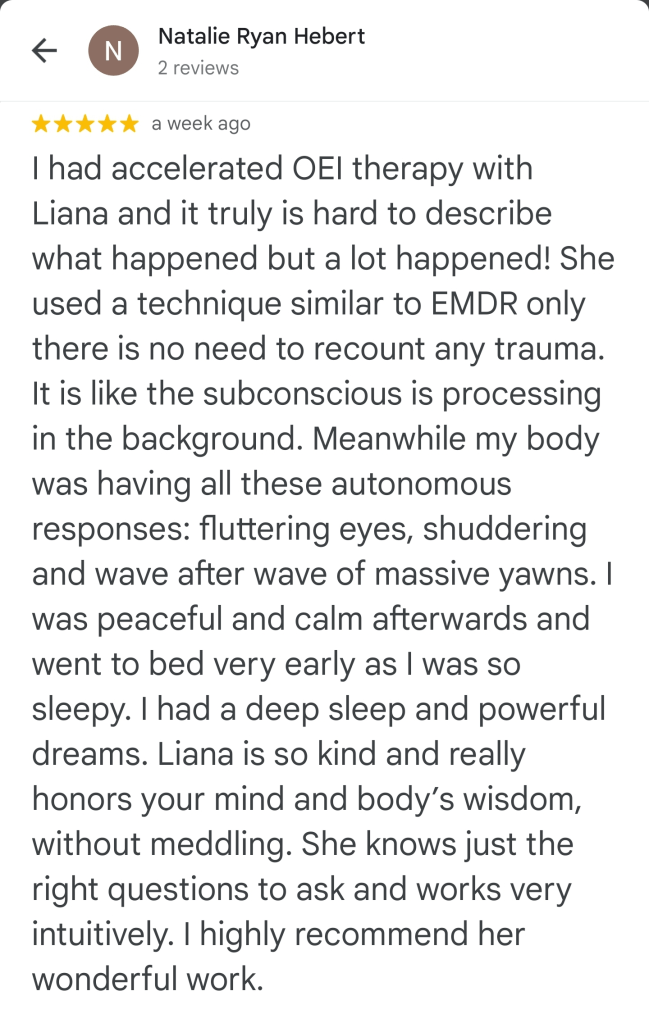












 Accelerated Hypnotherapy - Rapid Results
Leave a comment