
Is Betrayal TRAUMA Affecting Your Thinking?
After you’ve been betrayed by a partner or someone close to you, it’s common to feel constantly on edge, questioning the trustworthiness of others, expecting something bad to happen.
This hypervigilance isn’t just anxiety—it’s your brain and body being overwhelmed by trauma, unable to process the past.
Let’s take a closer look at how betrayal rewires the brain (even more) to expect bad sh!t and why it’s so hard to feel safe again.
Understanding The Brain’s Negative Bias
The brain naturally has a negative bias, long before you were betrayed. Negativity is the brain’s default setting.
This means it pays more attention to threats, mistakes, and anything that feels uncomfortable. It’s a survival instinct.
The brain is wired to notice danger first to keep you safe. Even when there isn’t a real threat, your mind may still focus on negative stuff, red flags, negative outcomes…
Just to be prepared.
Why Betrayal Trauma Makes You Expect the Worst
If you’ve gone through betrayal, you might find yourself bracing yourself for the next letdown. It combines your brain’s negativity bias with hypervigilance.
If you’re out there dating, you don’t trust, others, you don’t trust yourself, you just see a sea of red flags and you’re not sure which ones are real or are coming from the betrayal trauma.
If you’ve stayed with a partner who betrayed you, you might even be fighting with them to make sure they never forget how it’s affected you. You’re fighting for the relationship so it NEVER happens again.
Even when things settle down a bit, part of you stays alert in the background because something bad might happen at any moment.
You scan for danger, read between the lines, assume the worst.
You can’t trust yourself, you can’t trust others, the world doesn’t seem safe anymore.
The world as you knew it doesn’t exist anymore.
This isn’t overthinking—it’s a trauma response.
Your Brain to Trying to Protect You
Betrayal teaches your brain one powerful message: the world isn’t safe anymore.
Whether the betrayal came from an ex, a partner, parent, friend, or someone else close to you, your system remembers the intense pain.
It stores it in your body as a warning.
And now, it’s always scanning for the next betrayal, trying to prevent it, trying catch it early before anything happens.
This interferes with life.
You might have problems doing the basics, you might feel like you have to quit your job, it might even be hard to get out of bed.
You feel stuck.
Hypervigilance Comes From Survival Mode
After betrayal, your brain and body often get stuck in a stress state with intrusive thoughts, intense feelings in your body.
You’re triggered AF.
You’re alert, activated, and looking for signs that something’s off—even when nothing obvious is wrong.
You’re exhausted.
This stuck feeling might be making sense to you, your body still thinks you’re in danger.
Trust Doesn’t Feel Safe Anymore
Letting your guard down after betrayal feels like asking to get hurt again.
Even if someone is trustworthy, your brain doesn’t believe it. Your body doesn’t feel it.
This is why you might doubt people’s intentions, pull away when things get close, start seeing red flags, even when they’re not really there.
Getting Out of the Shadow of the Past
Your brain and body need trust and safety, but your brain is so overwhelmed, it’s stuck.
You can’t access the logical, thinking part of your brain that can get you unstuck.
You might need a helping hand from someone who can actually help.
You’re not overreacting.
You’re not too sensitive.
You’re someone who was hurt and betrayed—and who learned to survive by staying alert.
That same sensitivity can also guide your healing.
Let’s connect.
“Listen, are you breathing just a little and calling it a life?”
-Mary Oliver




















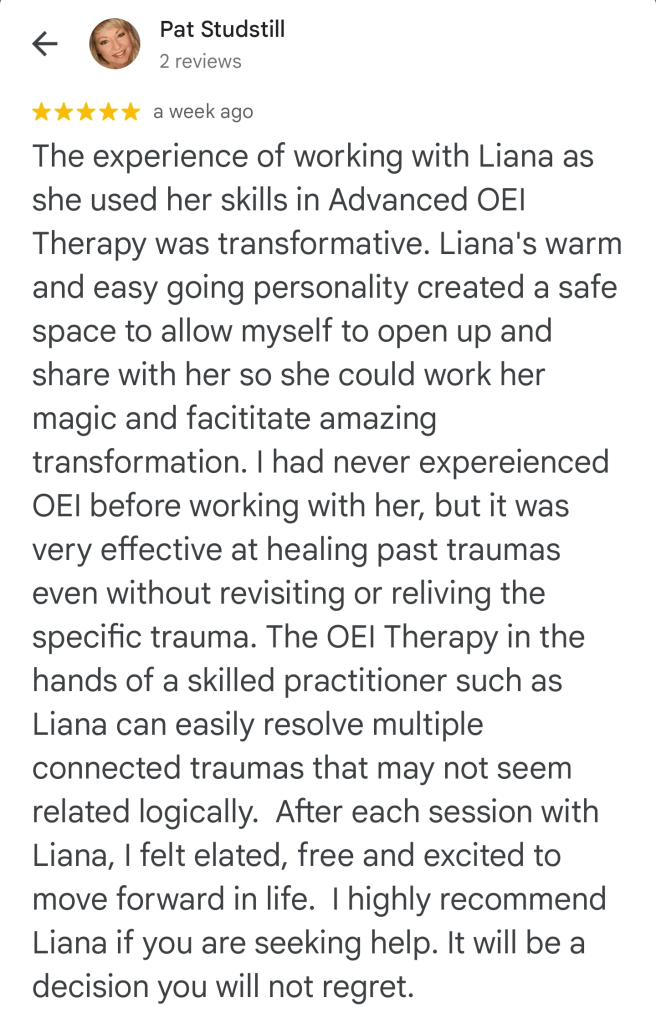

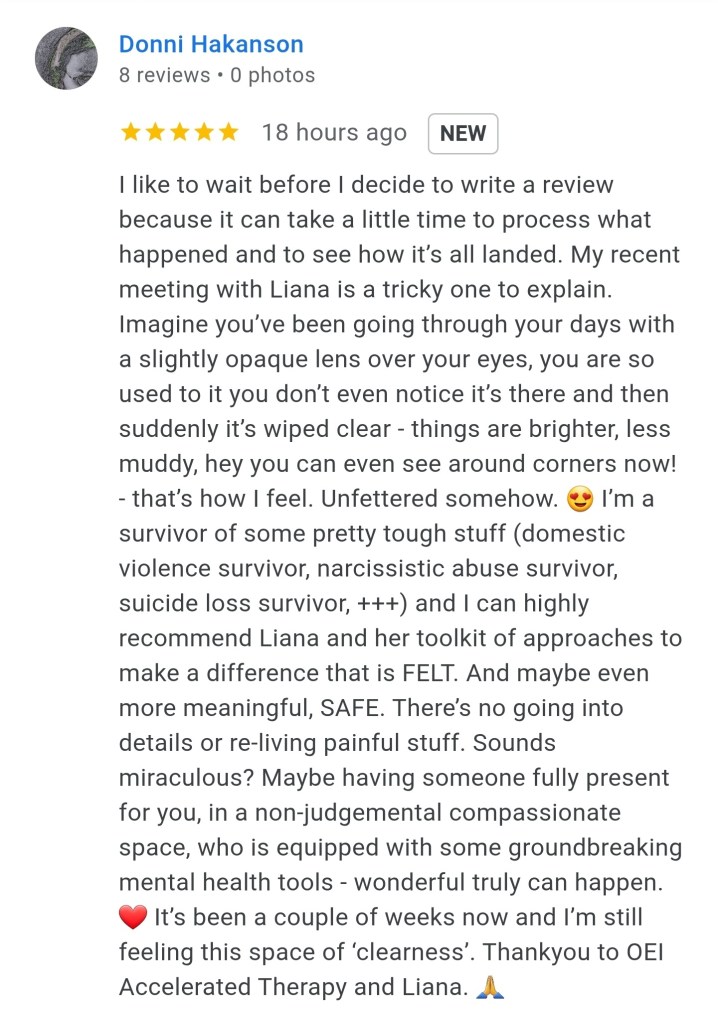


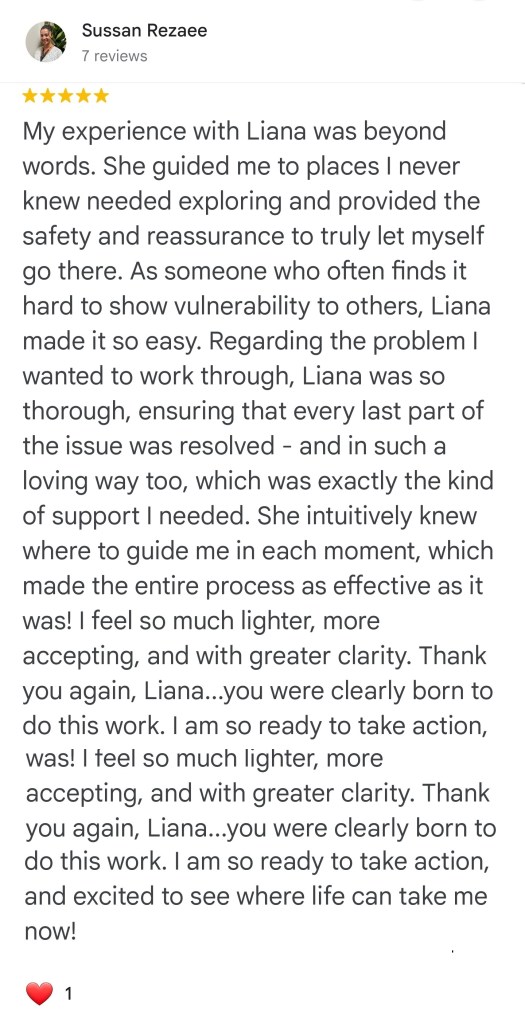
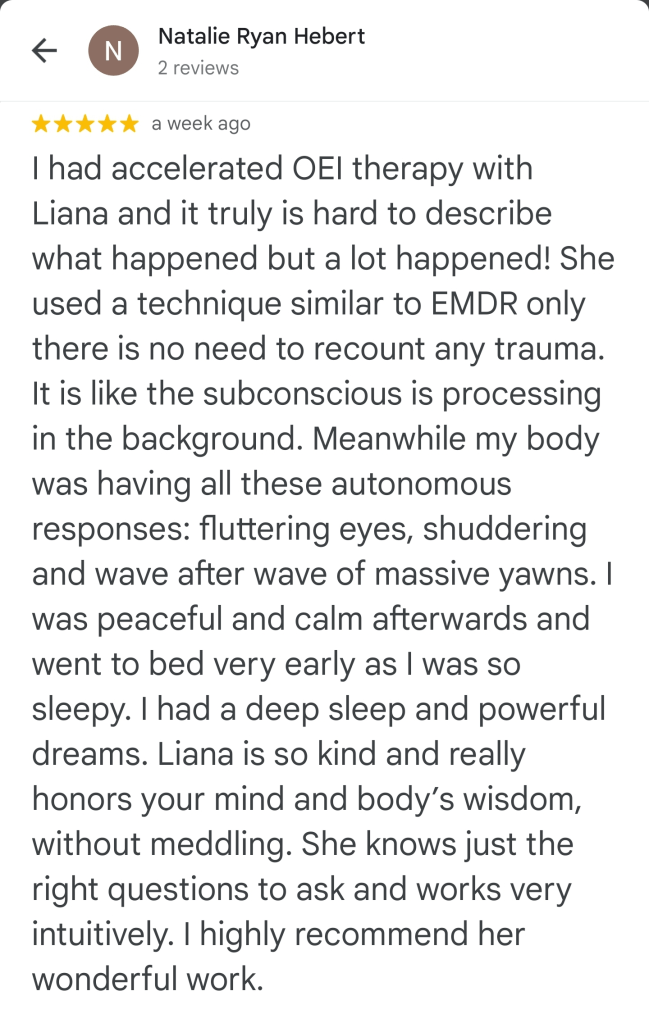




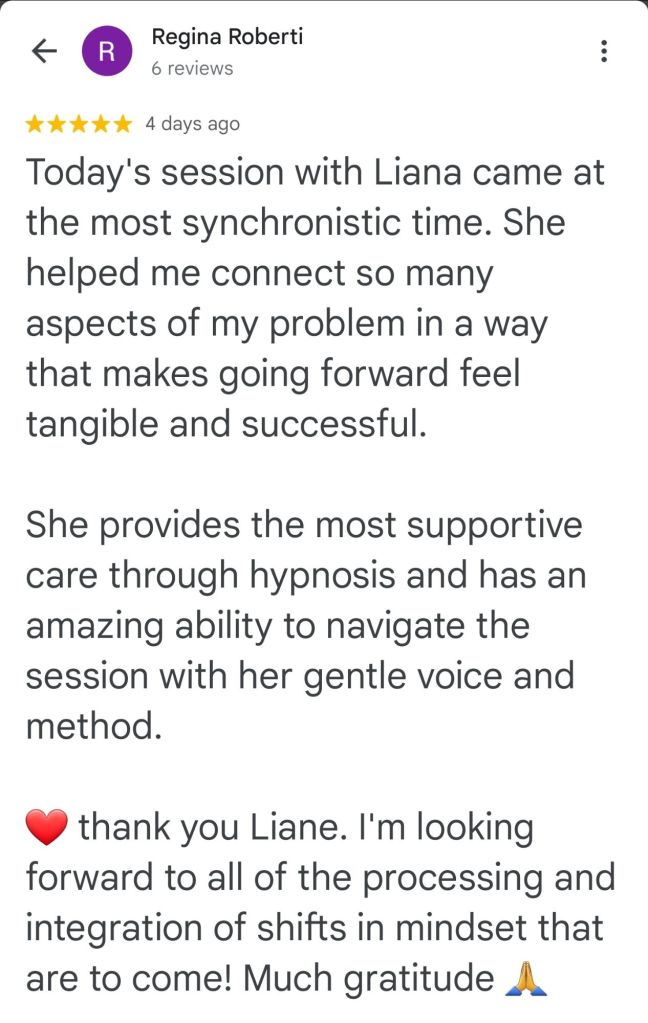





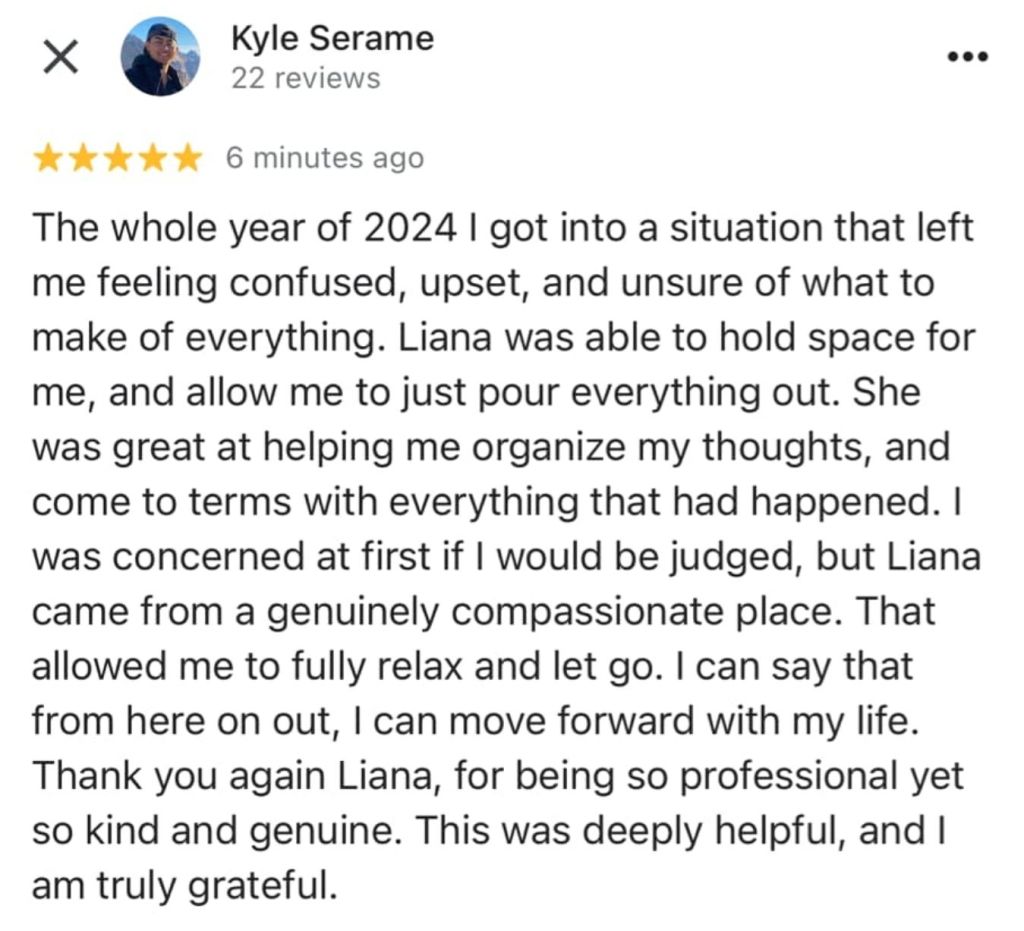

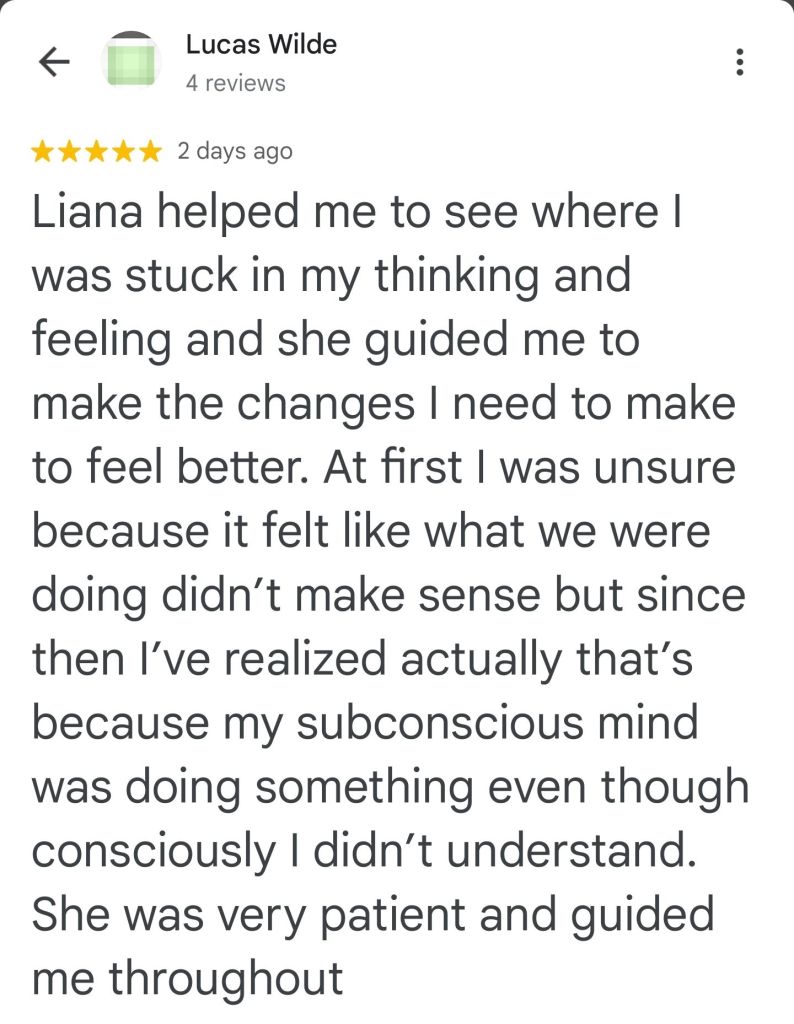
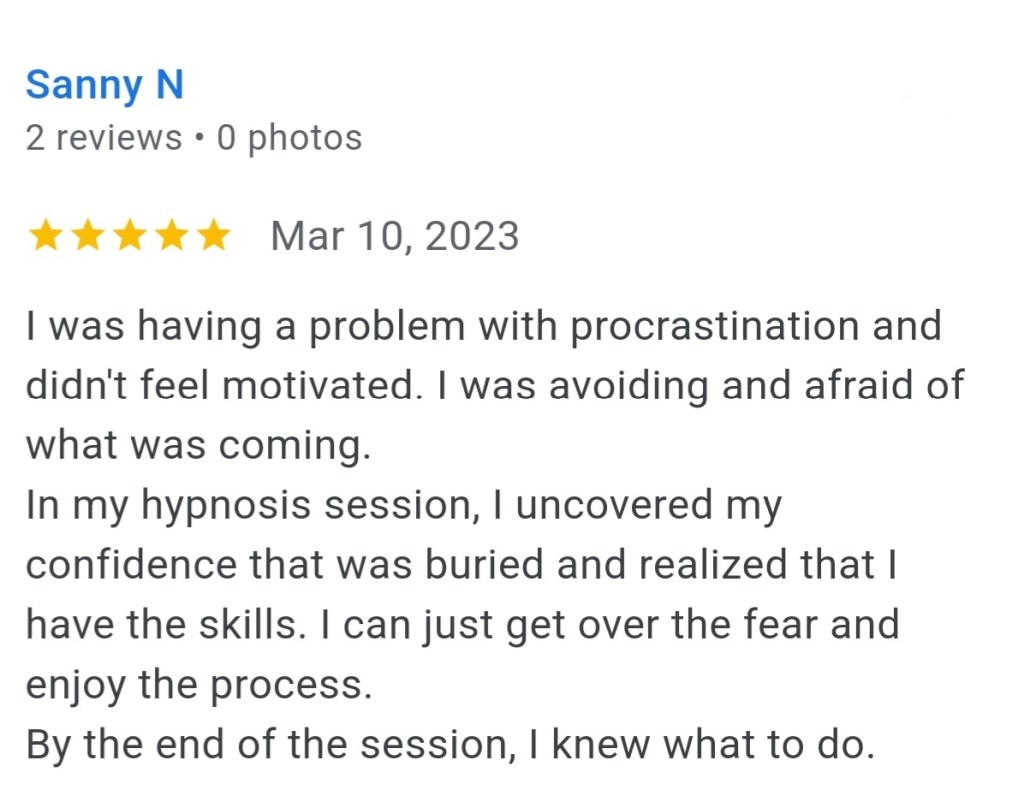


 Accelerated Hypnotherapy - Rapid Results
Leave a comment