
Many older adults live with trauma symptoms that were never named, let alone treated.
What looks like “just aging” is often a nervous system that has been on high alert for decades.
How Trauma Can Show Up in Seniors
Trauma in later life doesn’t always look like panic attacks or flashbacks.
It often hides in everyday struggles that get blamed on age, personality, or just stress:
- Trouble falling or staying asleep, waking up restless or wired (chronic insomnia)
- Feeling emotionally flat, detached, or numb, even around people you love
- Sudden waves of dizziness, nausea, or feeling faint that don’t have a clear medical cause
- Feeling constantly “on edge,” jumpy, or braced for something bad to happen
- Difficulty relaxing, always needing to stay busy or distracted
- Physical aches and pain that don’t have a clear medical cause, such as fibromyalgia and Chronic Fatigue Syndrome (CFS)
- Losing interest in activities that used to bring joy or meaning
- Persistent guilt, shame, or regret about the past
If you feel disconnected from peace, joy, hope, love, happiness, or fulfillment, it might not be a character issue or too late in life to experience transformation.
It may be unresolved trauma living in your nervous system.
Why Old Trauma Still Affects You
The brain and body are designed to protect you. When something overwhelming happens and can’t be fully processed at the time, your system goes into survival mode and stays there. Over years or decades, this can show up as:
- A nervous system that defaults to fight, flight, freeze, or fawn
- A body that carries “old alarms” as tension, pain, or digestive upset
- A mind that goes numb, blanks out, or overthinks to stay safe
The good news: the brain can change at any age. You can absolutely rewire trauma patterns and experience more ease and connection, no matter how old or young.
Gentle Ways to Heal Trauma Without Talking About It All
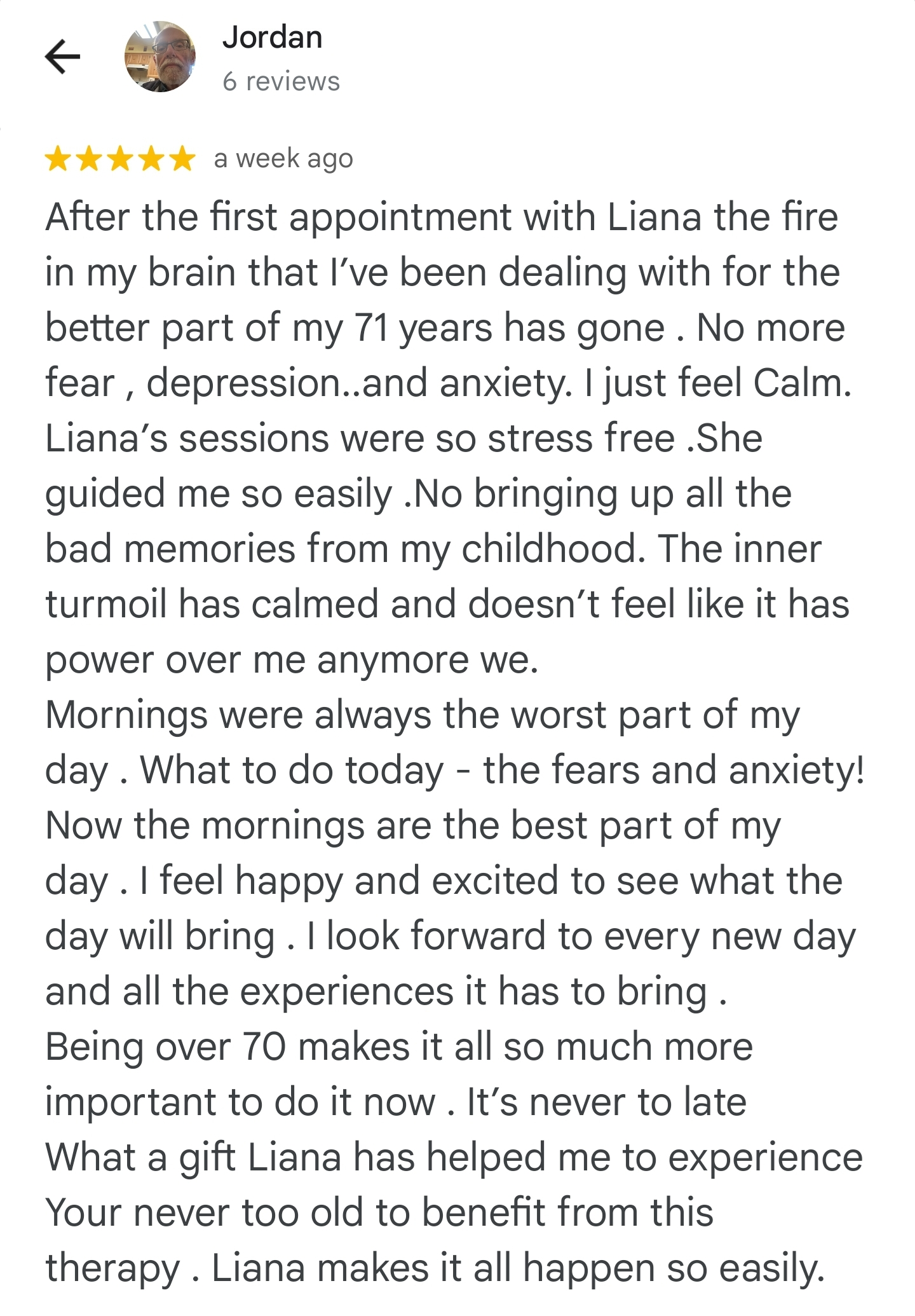
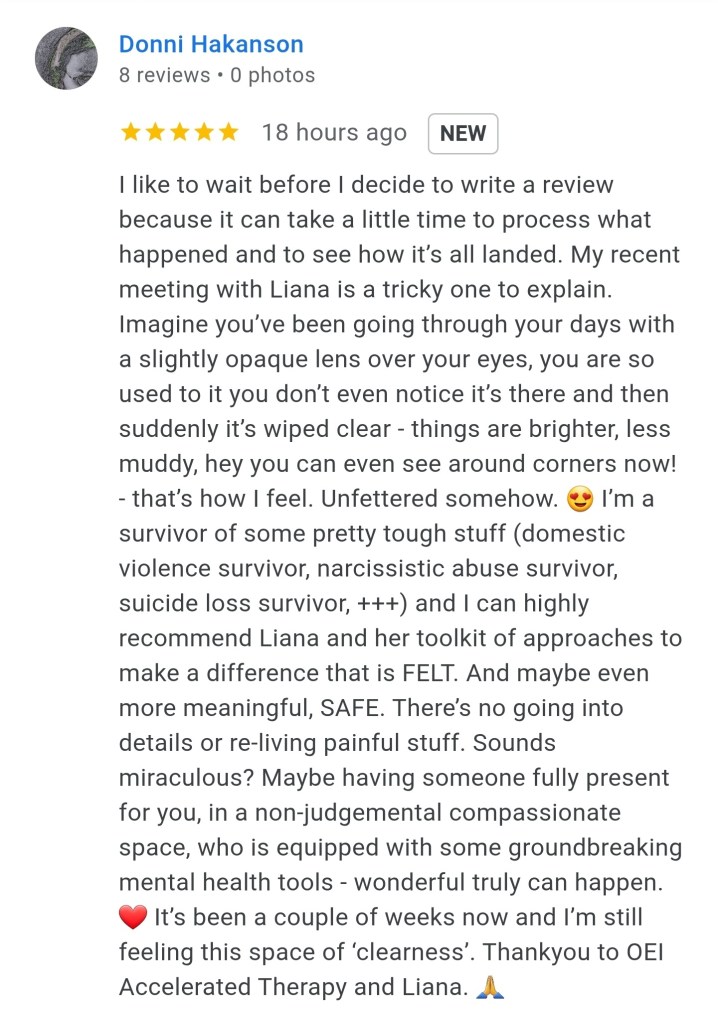
Many older adults don’t want to remember painful stories of childhood. The encouraging truth is: effective trauma work does not require rehashing everything that happened.
You don’t have to remember to recover.
Here are gentle, approaches that can support healing:
Being guided to notice small shifts—like a tiny release of tension in your shoulders or a softer breath—helps your brain register safety in real time, one moment at a time.
Being with a practitioner who is calm, attuned, and non-judgmental allows your nervous system to co-regulate—settling without having to explain everything.
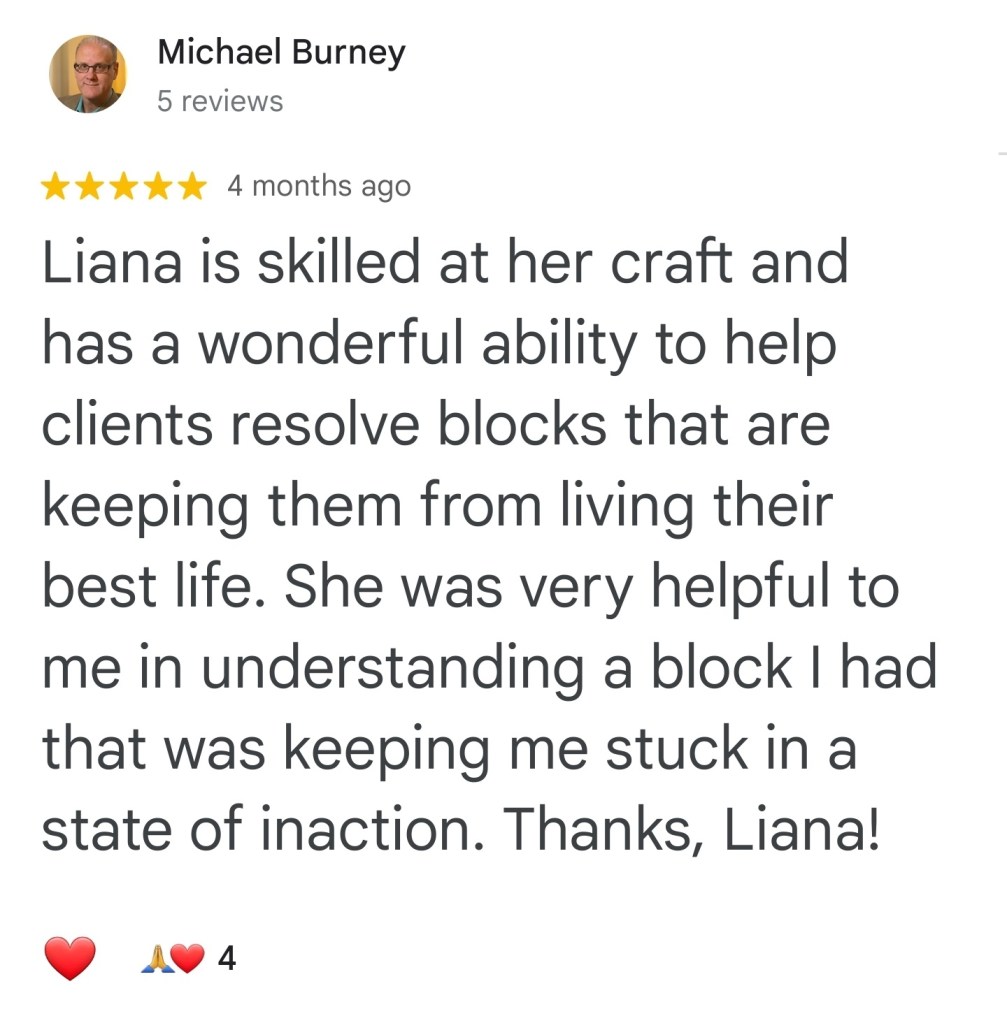
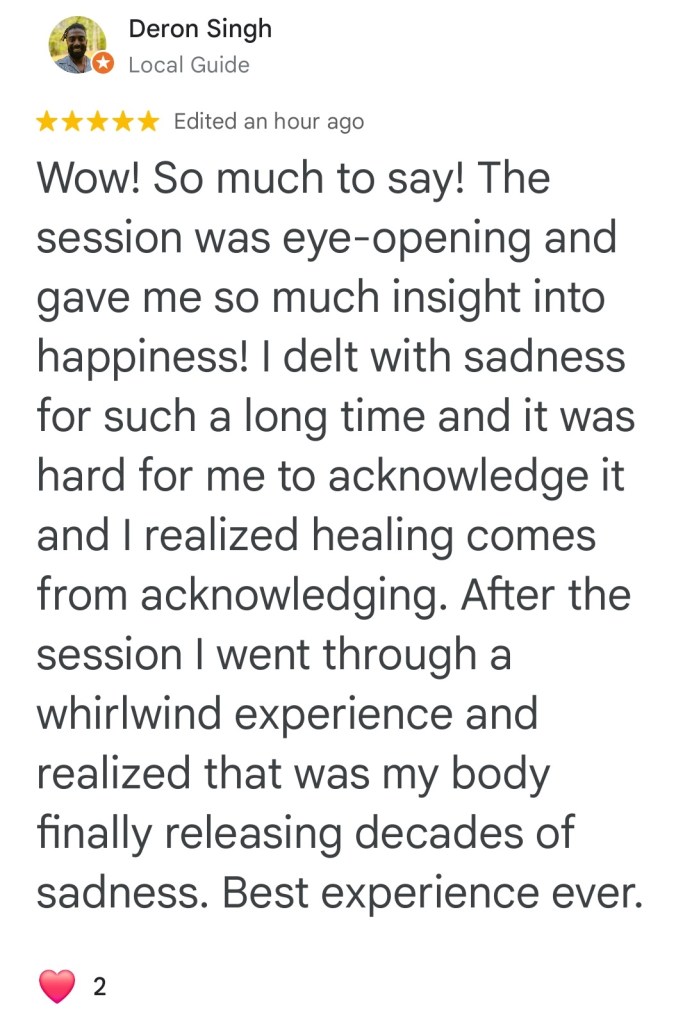
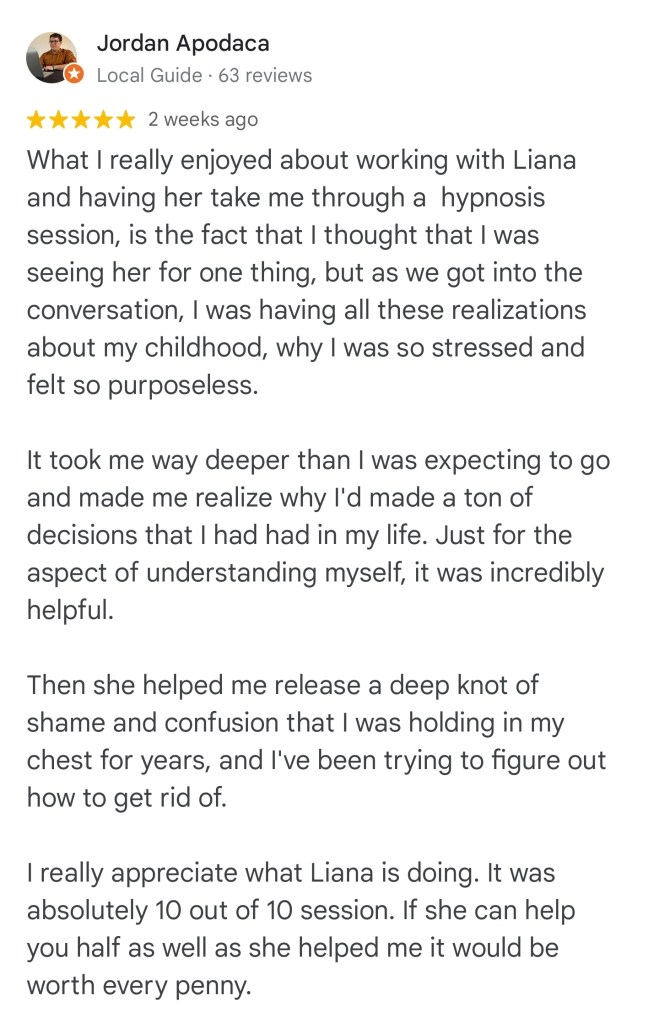
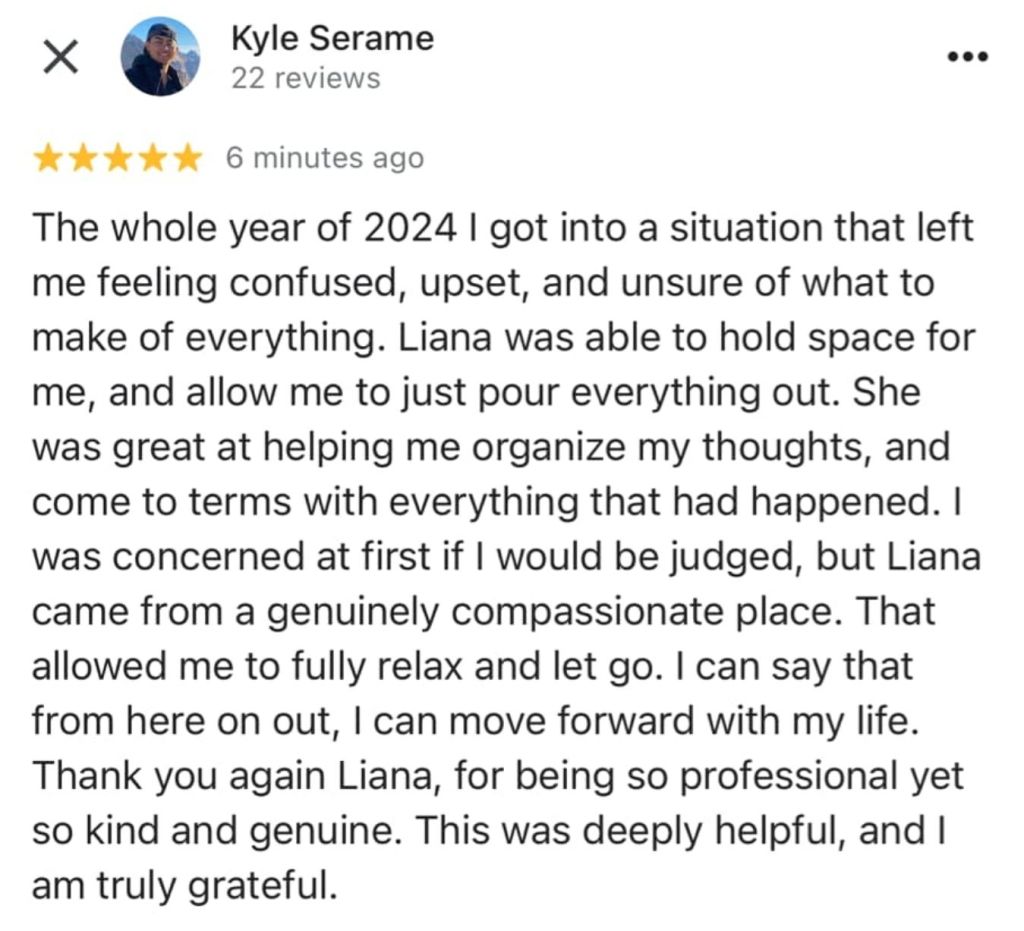
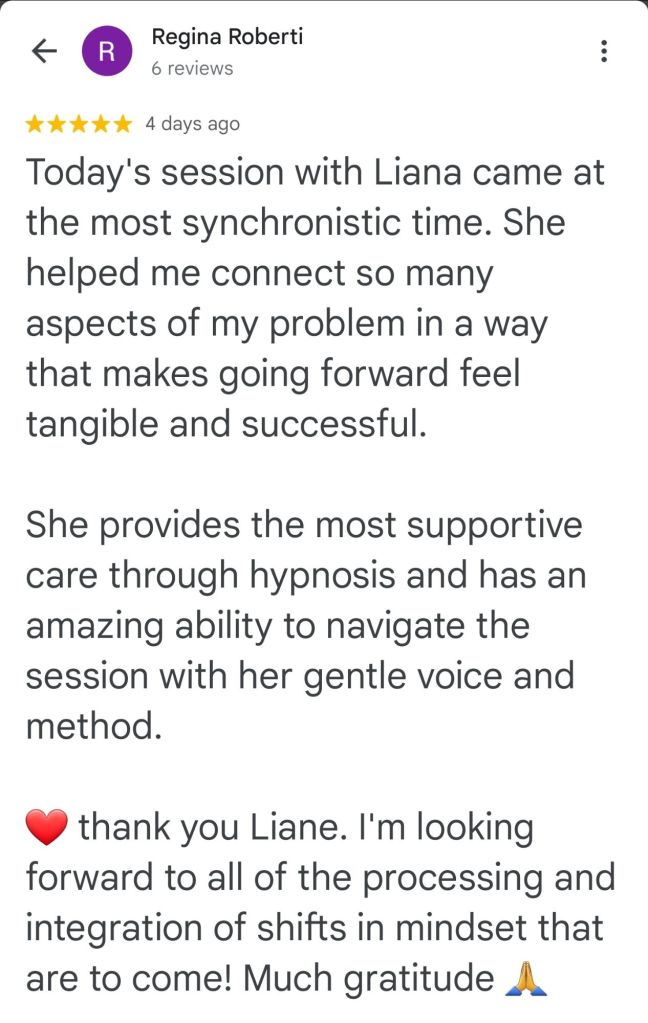
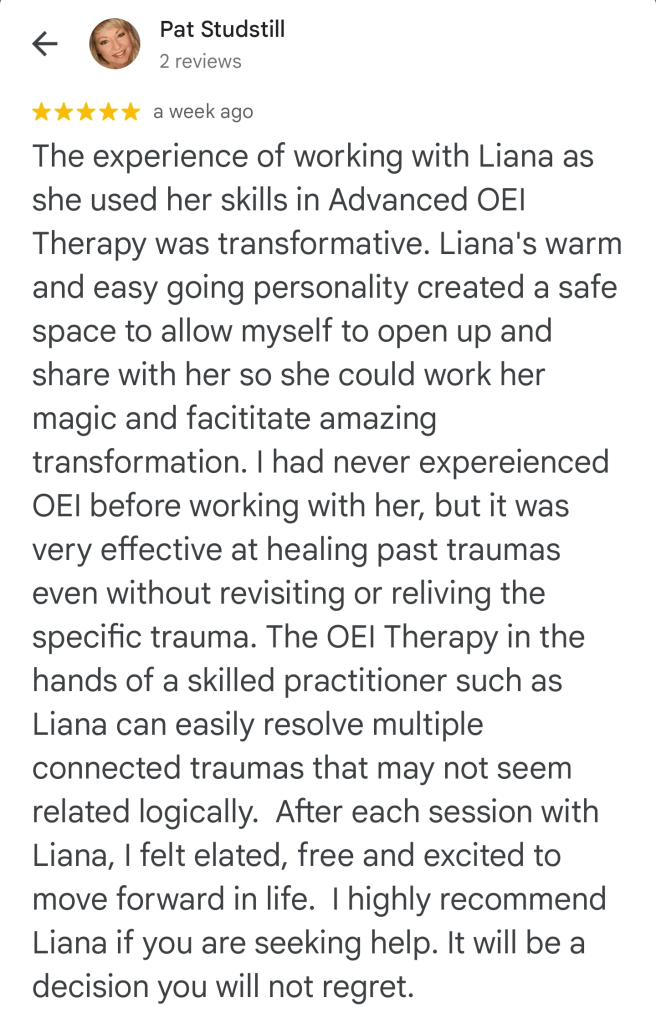
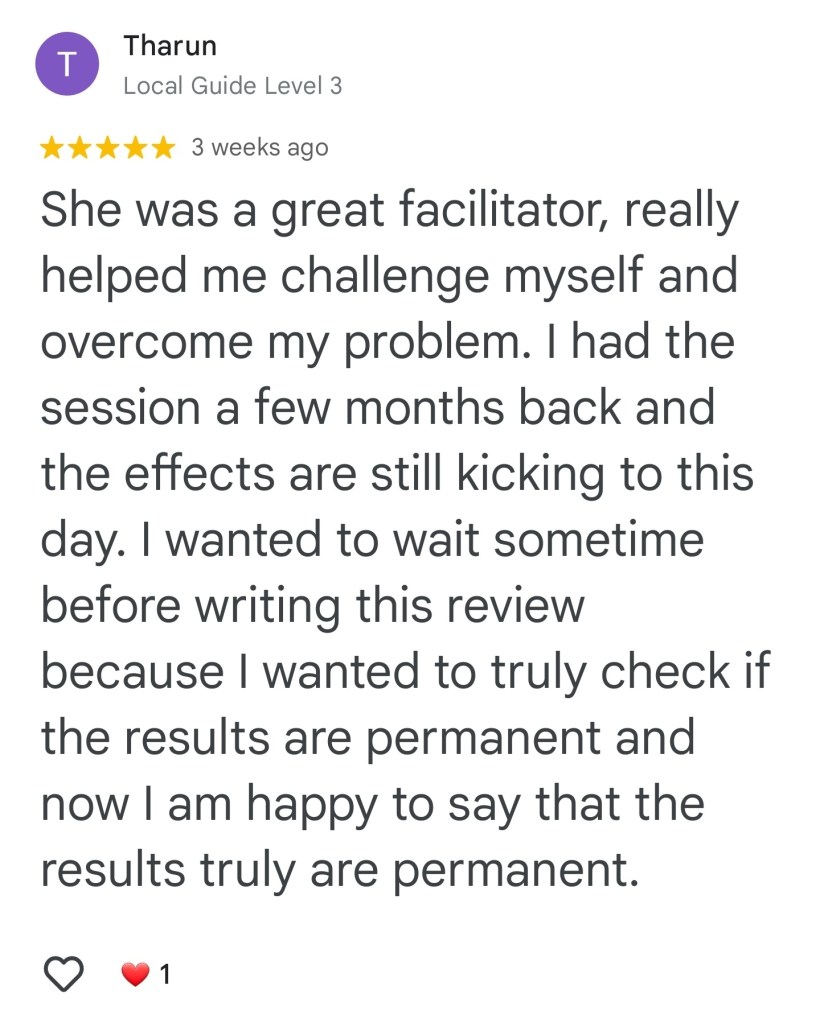
Approaches like Accelerated Hypnotherapy, EMDR Flash, OEI therapy, or other nervous-system-based methods can release the past while staying firmly anchored in the present.
You deserve care that honors your age, your history, and the reality that you may be exhausted from trying talking it out.
You’re Not Broken, You’re Overloaded
If you’ve lived with trauma for decades, you might believe:
- “This is just who I am.”
- “It’s too late for me to change.”
- “My story doesn’t matter anymore.”
But what you’re likely living with is a nervous system that has been working overtime to protect you for a very long time. Trauma is not a personal failure; it’s your system doing its best with what it had.
With the right support, even long-standing patterns can soften. Sleep can improve. Numbness can give way to moments of feeling. Dizziness and nausea can lessen as your body stops bracing against old threats.
A Gentle Next Step
You are not “too old” and it is not “too late.”
Small, compassionate shifts in how your nervous system is supported can open the door—quietly, gently—to more peace, warmth, and meaning in the years ahead.

Listen, are you breathing just a little and calling it a life?
-MO

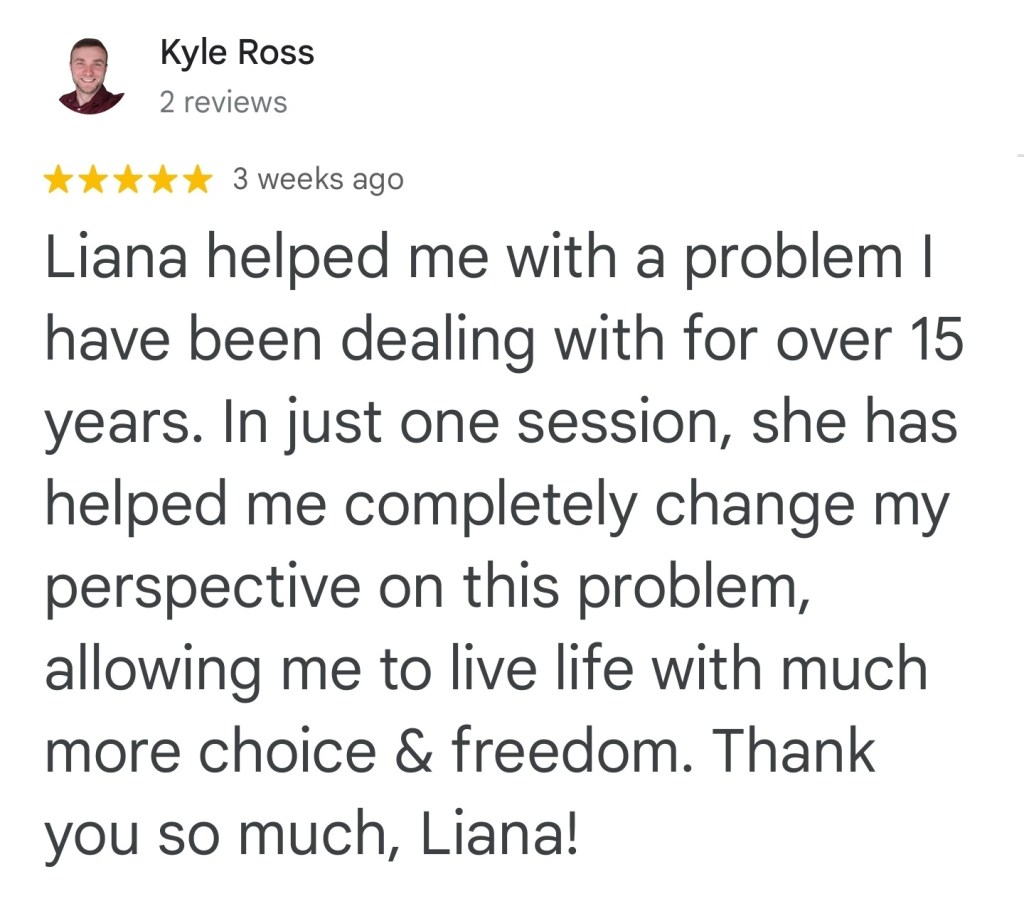

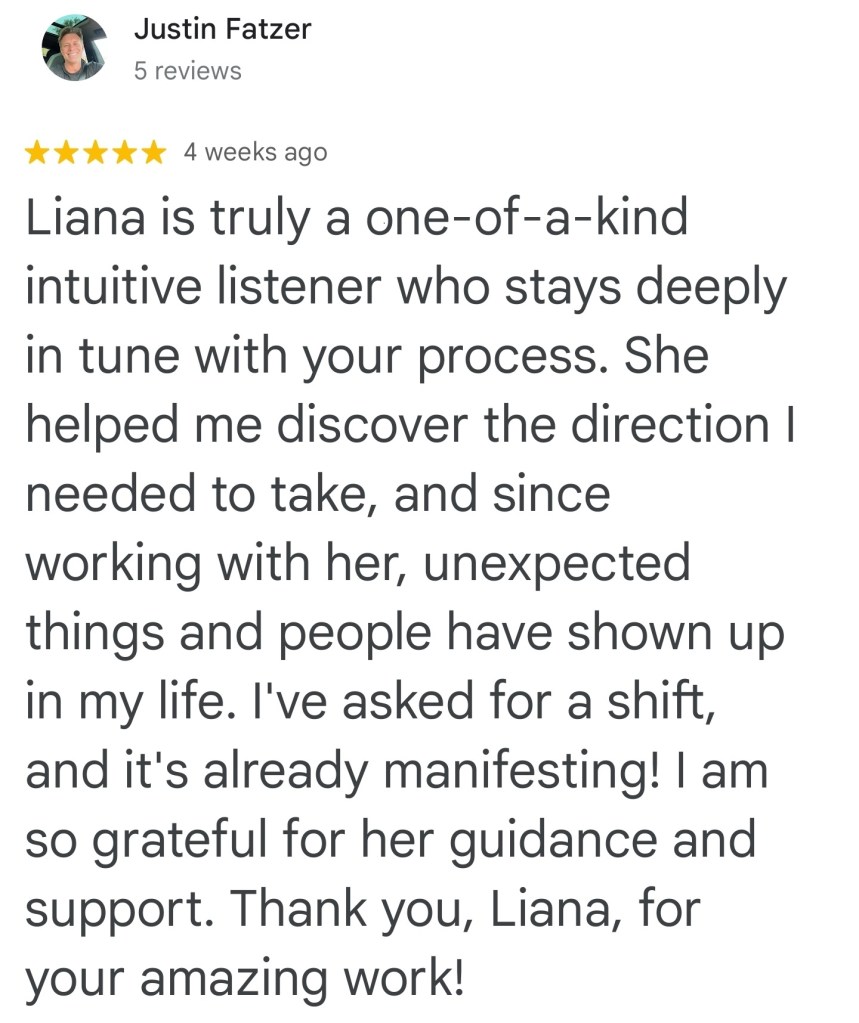


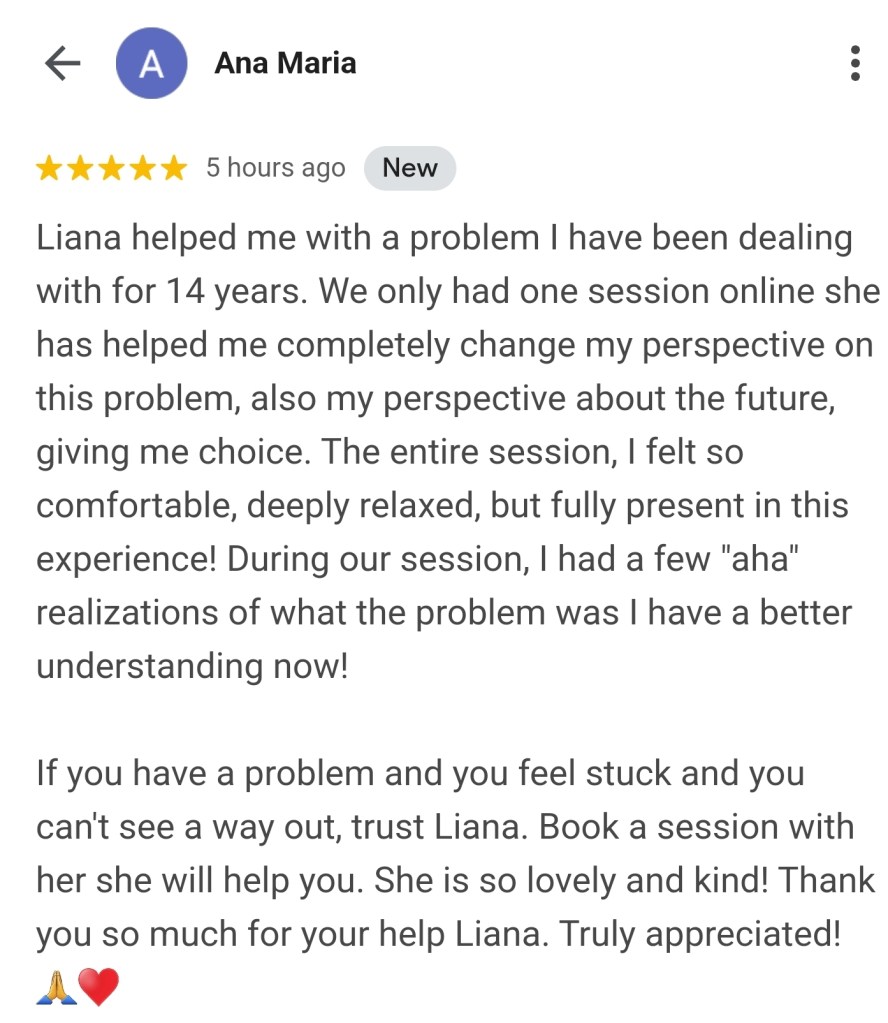

















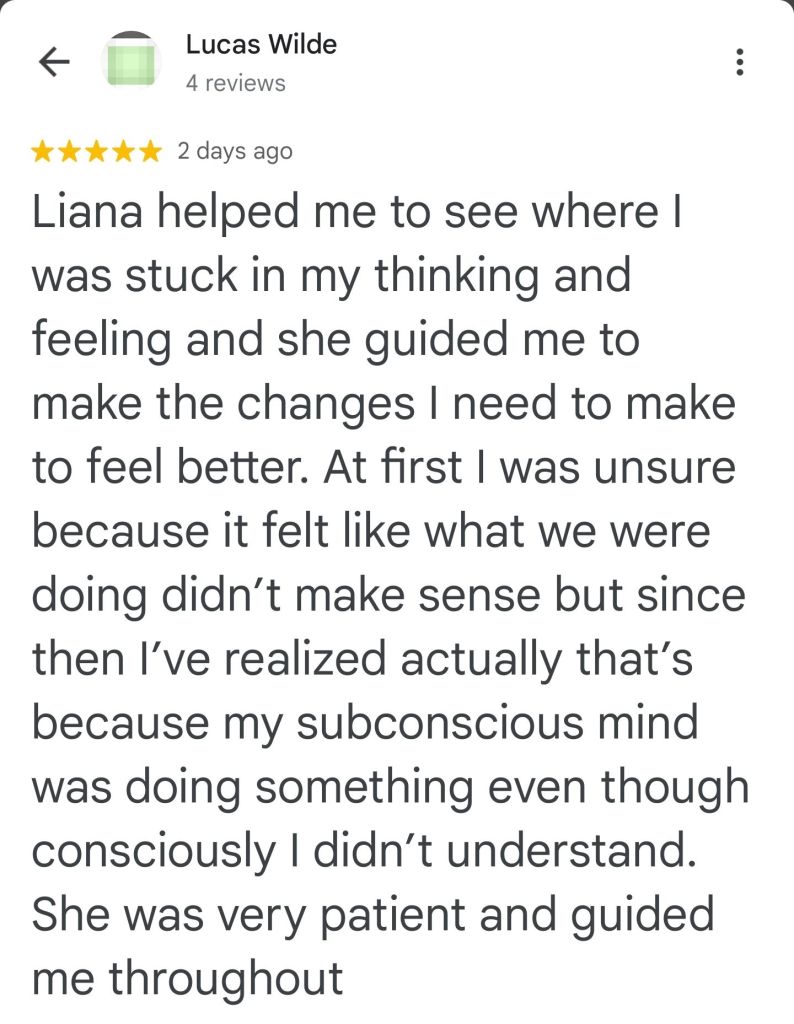
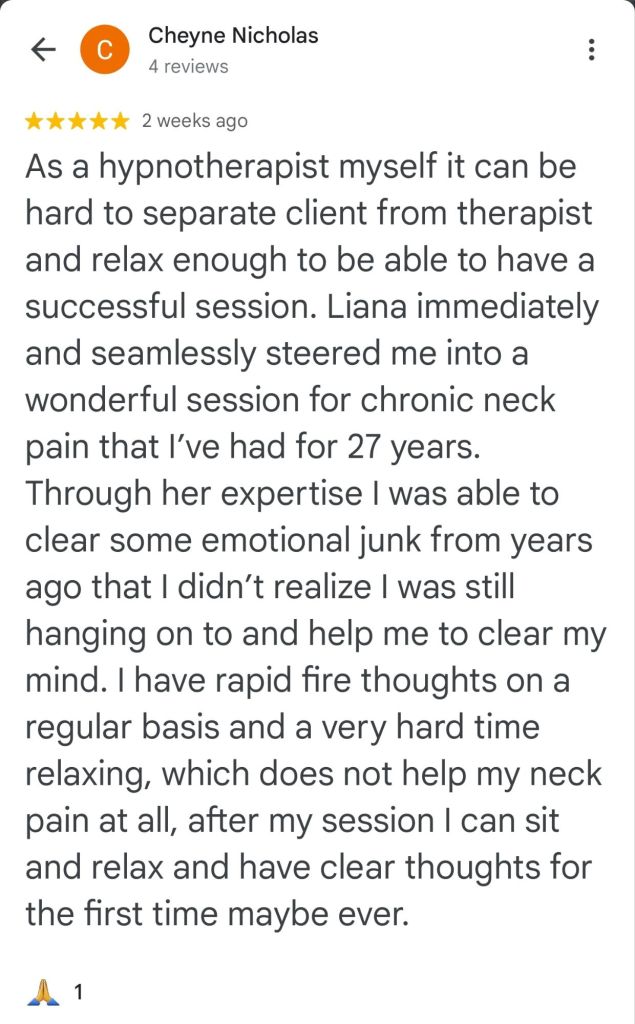




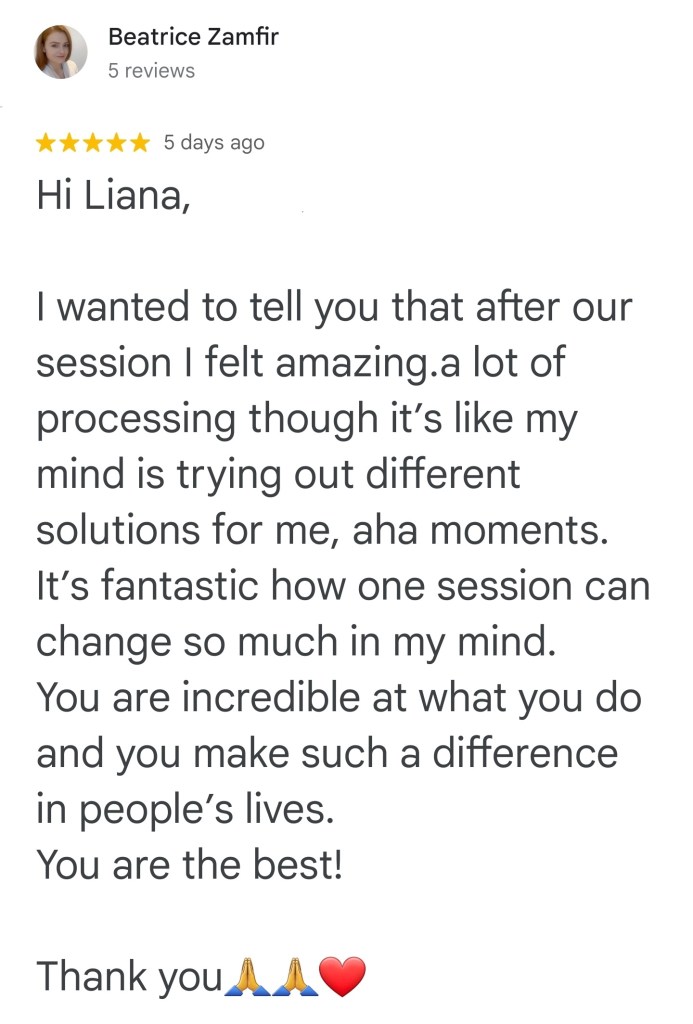
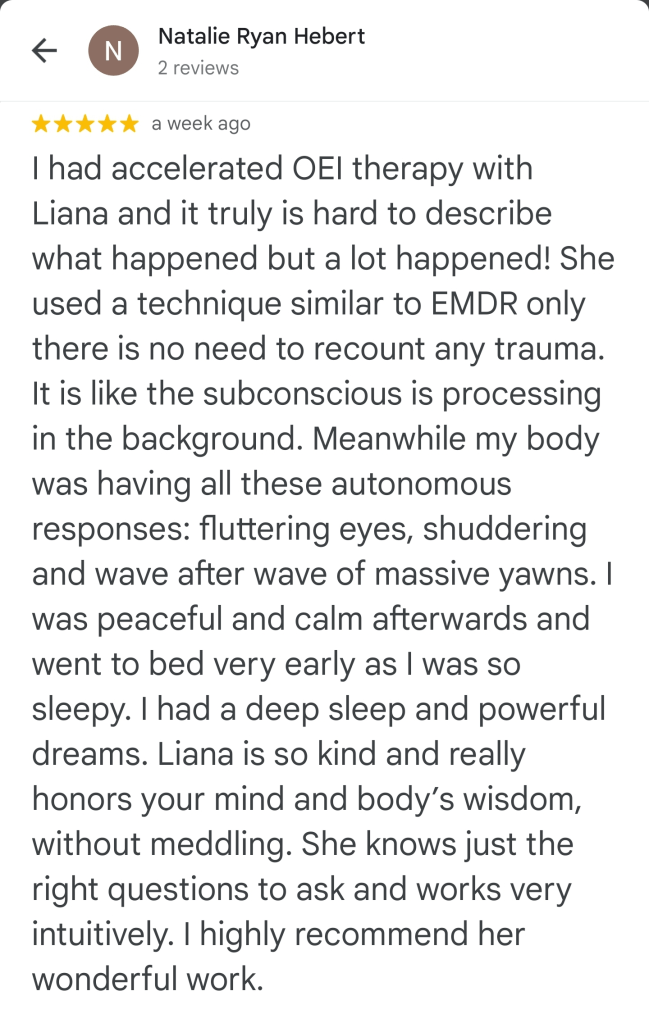


 Accelerated Hypnotherapy - Rapid Results
Leave a comment