
Why Insight Work Fails with Trauma
Why do we need to know why?
The so‑called “talking cure” can bring relief through reflection and insight, but when the nervous system is stuck in survival mode, understanding why can’t reach the part of the brain that needs to heal.
Understanding can’t fix your feelings.
I have a couple of friends that smoke. They know why they smoke but it doesn’t help them quit, even though they know it’s bad for them. But here’s the thing.
They LOVE smoking, it makes them feel good in the moment. There’s a feeling underneath the behaviour, good or bad.
Why are so many smart, self‑aware people still feeling stuck?
Because when it comes to trauma, insight doesn’t equal integration required for healing. The brain can understand the story of what happened and still leave the body trapped in the experience of it.
The Head Understands. The Body Still Panics.
After betrayal, your brain catches on fire.
The emotional part of your brain (amygdala) is overwhelmed and can’t process the experience – this is why you feel stuck.
Your rational, thinking brain (the prefrontal cortex) goes offline.
You can know someone hurt you, know it wasn’t your fault, and still feel the shame, humilation, and anxiety in your body.
That’s why so many people say, “I understand why it happened, but I still can’t move on.”
When you’ve experienced trauma, the problem isn’t a lack of insight. It’s happening in another area of the body that doesn’t use logic or language.
Your brain and body are stuck in the experience like it’s happening in the present moment.
Insight vs. State Change
Traditional insight‑based approaches rely on conversation, understanding, and cognitive reframe. They light up the very brain regions (language, logic, meaning‑making) that trauma shuts down under stress.
If your system is activated, talking about the story can actually amplify fight‑or‑flight—a process called revivification. You end up reliving rather than resolving. You feel triggered AF.
This is why years of talk therapy isn’t able to get you to where you need to go. It’s like running on a treadmill, you might feel like you’re getting somewhere but when you really take a look at where you are…
You still feel stuck.
When you your brain is on fire, nothing works. Talking about trauma is like trying to put out a fire by pouring gasoline on it.
You need to stop the fire in your brain and your body.
Trauma is an experience. So is healing.
You need to experience it with your body, where trauma is held.
Why the Brain Can’t Integrate Insight Under Threat
- The hippocampus misfires. It can’t timestamp the memory as past, so random flashbacks and thoughts feel like they’re happening again in the present moment. This is the stuck feeling.
- The nervous system replays protection. Hypervigilance, shutdown, or people‑pleasing are symptoms, they are the smoke that is coming from the fire.
- The prefrontal cortex loses authority. The logical mind can’t override signals of danger. When you’re in a burning building, it’s hard to think logically, you’re overwhelmed, just trying to survive and get the F out.
Until your body feels safe, insight has no space to land.
The Missing Link: Bottom‑Up Approach
True change happens when we start at the bottom with the body and work up to the brain. When the brain is not overwhelmed, it can what it already knows how to do, process memories, and reorganize the experience at multiple levels—sensory, emotional, and cognitive.
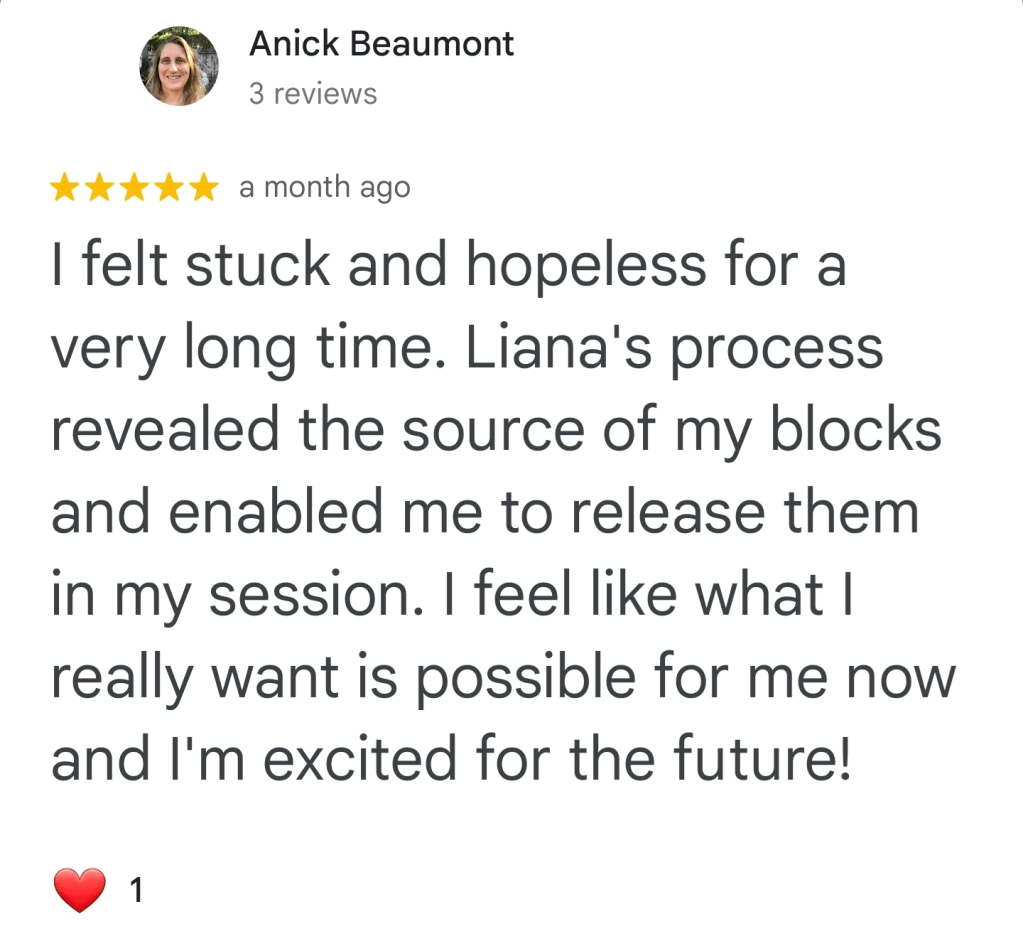
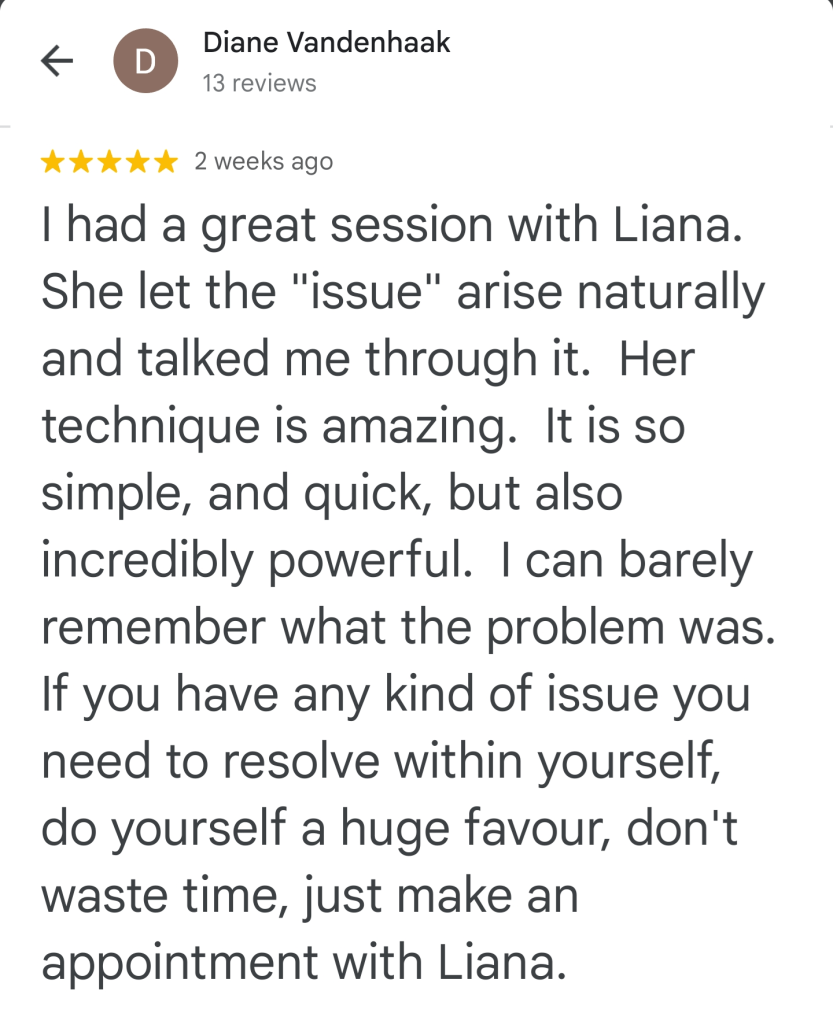
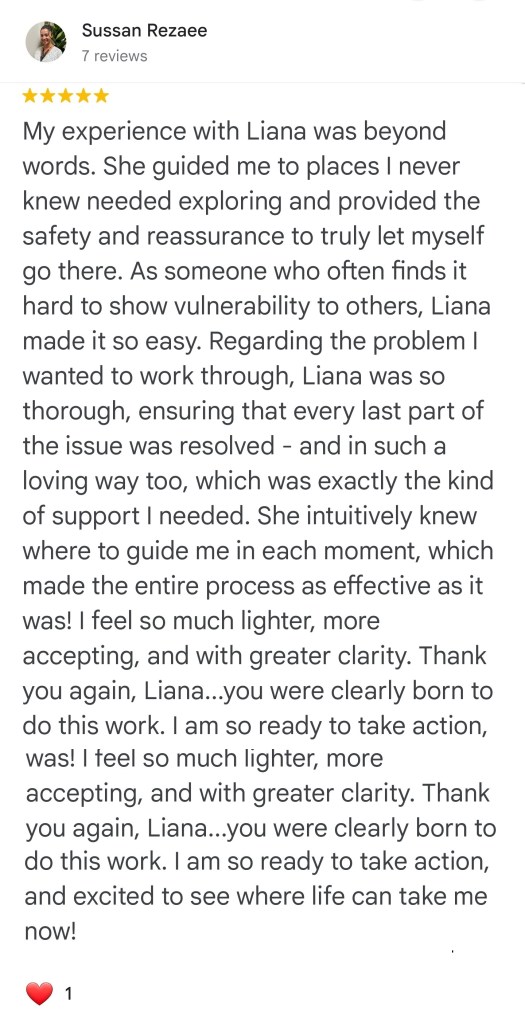
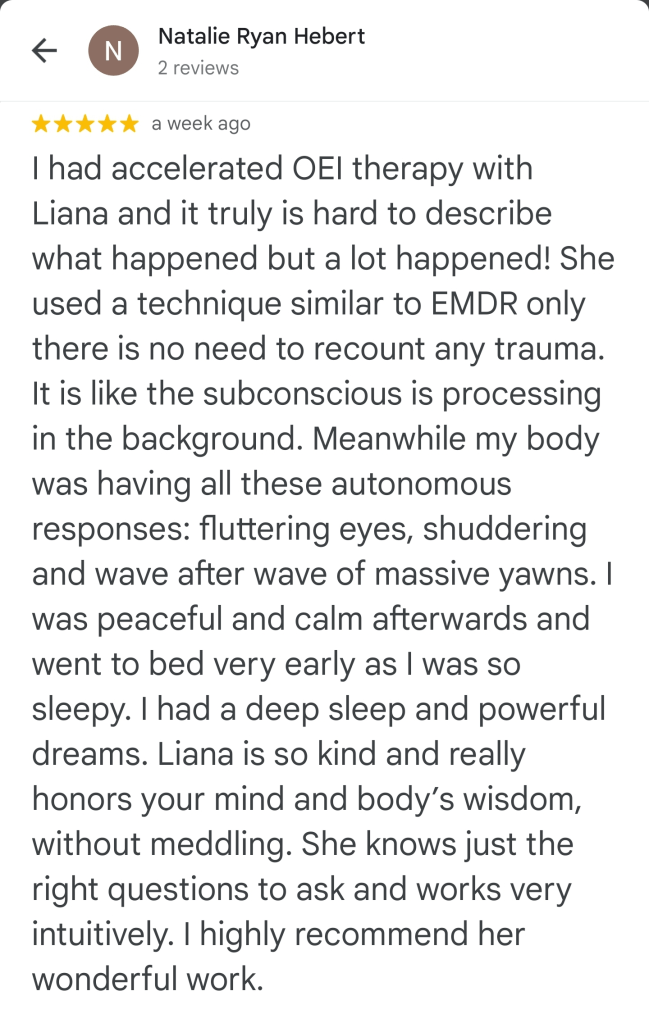
That’s why modalities that bypass pure talk—such as Accelerated Hypnotherapy, working with feelings (not facts), Rapid EMDR, OEI therapy, and Superconscious processes—reach the layers insight can’t. They calm the brain stuck in overwhelm and allow neural integration.
The difference is, insight becomes the result of healing, not the requirement for it.
Clients often notice feelings of calm clarity once their body settles. They can feel it in their body, The feelings they chased for years in talk therapy had nothing to do with talking, and everything to do with experiencing.
From Understanding to Rewiring
Insight alone is like trying to learn how to rid a bike without ever getting on one. It can give you awareness, but you’re still not able to go where you want. You need an experience that settles in to your body, like riding a bike.
Only then will you find yourself getting to where you’ve always wanted to go.
Healing trauma requires more than conscious awareness about the pain—it requires for access to the systems that store it.
Calming the fire in your brain is the key to getting unstuck.
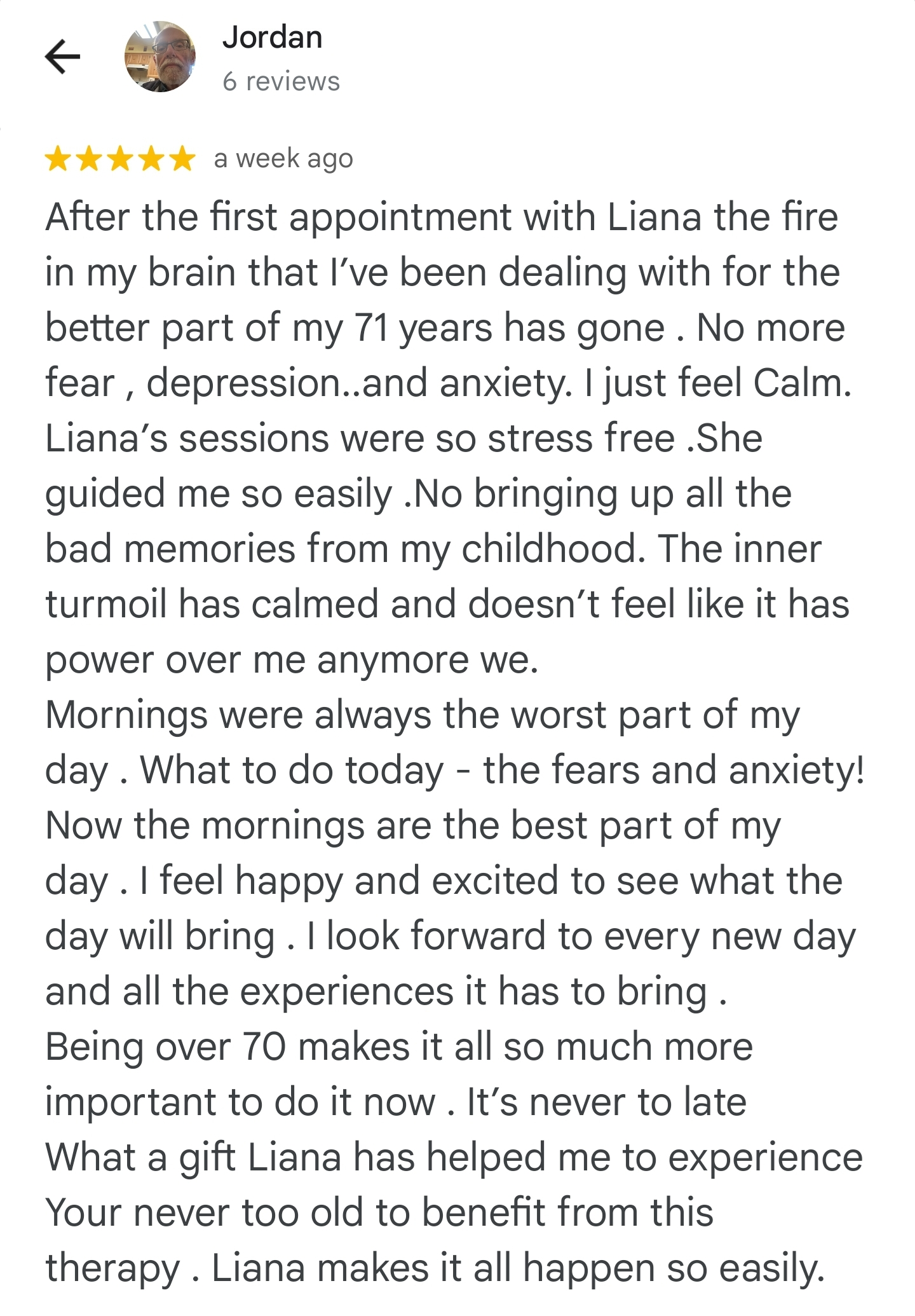
Once safety is restored, your brain can do its job, often faster than you’d expect.
Take It Away
If you’ve spent years analyzing your past and are still wondering why you don’t feel better, nothing’s wrong with you.
You’ve just been working at the wrong level of the brain.
Insight can help—but only after your brain is calm and regulated.
The mind can’t reason its way past a body that still believes it’s in danger.
To move from knowing to freedom, start where trauma lives: in the body.
Stop the fire. This is where integration—not insight—finally begins.
Let’s connect.
Download the free infographic – The Neuroscience of Trauma Recovery
Listen, are you breathing just a little and calling it a life?
-MO






























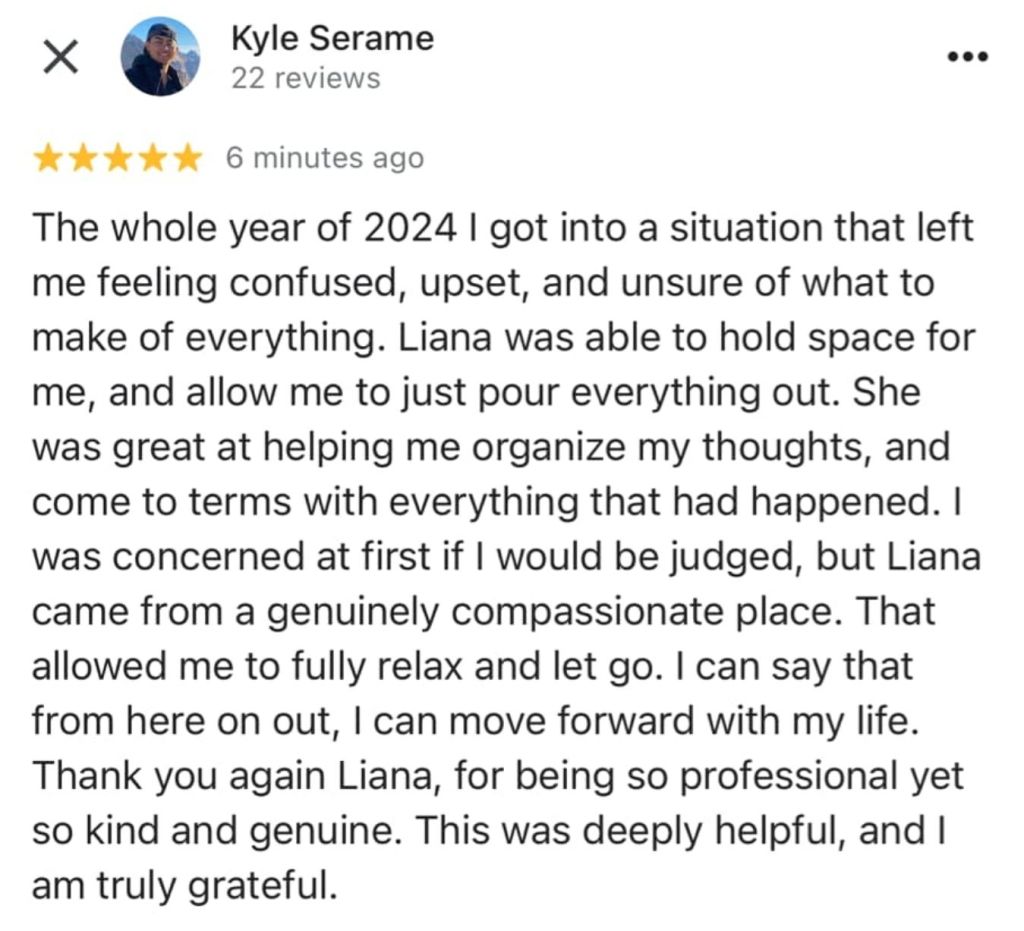

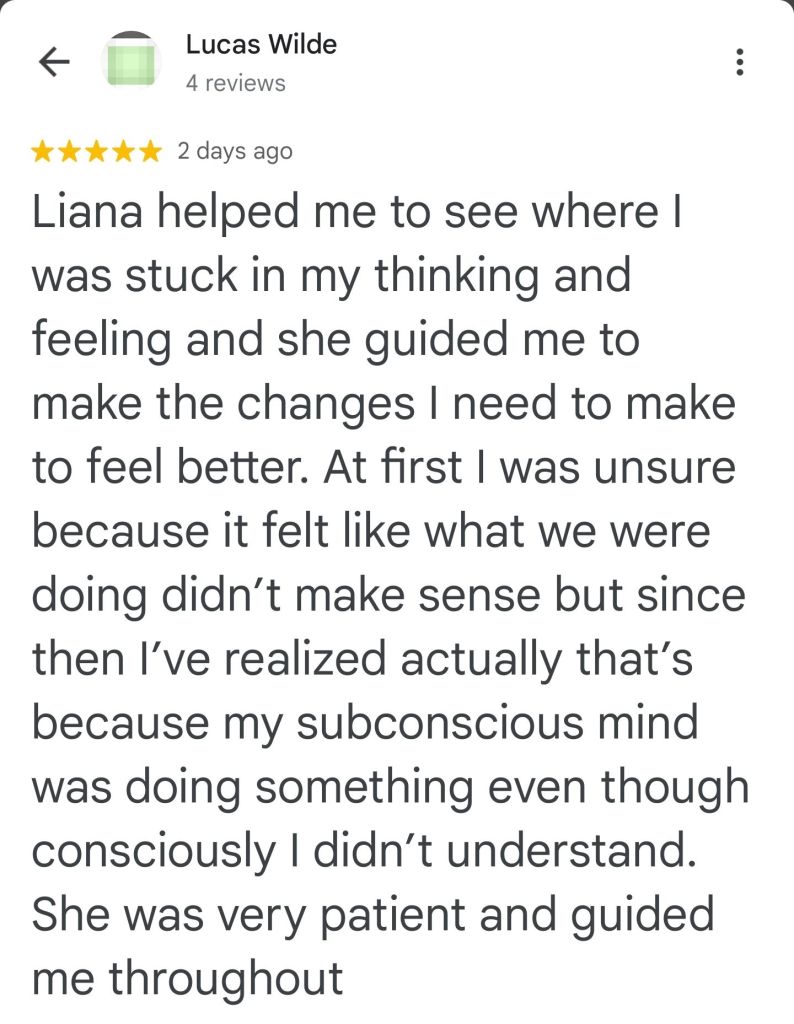
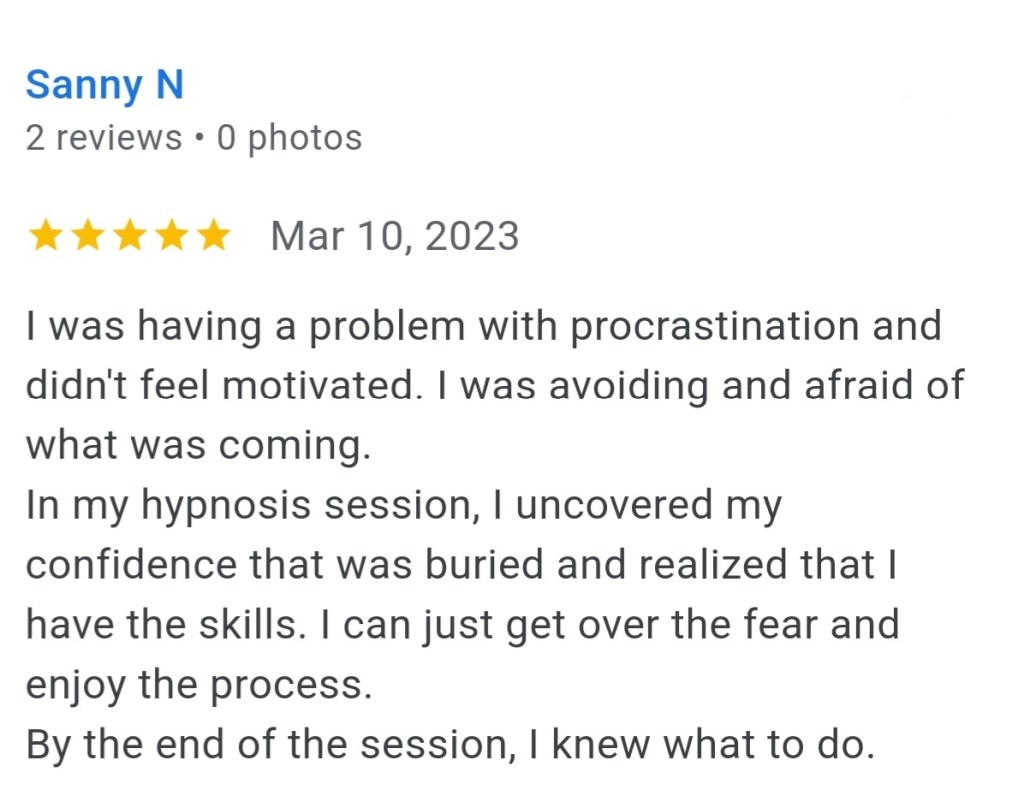


 Accelerated Hypnotherapy - Rapid Results
Leave a comment